

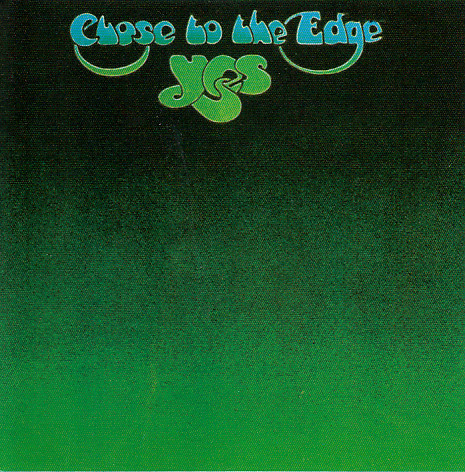
As a fan of both music and the visual arts, I’ve always been obsessed with album art. “What does this artwork mean? How does it relate to the songs? Why was this color palette chosen?” Bonus points for an elaborate gatefold or inner sleeve. In my teens, posters of my favorite covers hung on my sunny yellow walls. One year for Christmas, I was gifted The Album Cover Album (below, left), a collection of album artwork presented by two of the industry’s all-time legends. The first was English artist Roger Dean, famous for his work with Yes, a professional relationship that persists to this day. Dean designed the band’s trademarked bubble logo, first seen on the cover of 1972’s Close to the Edge (below, right), as well as covers for artists like Uriah Heep and the logos for record labels Virgin and Fly. The second artist was the late, great Storm Thorgerson, which brings us to the topic of this post – Hipgnosis, the English art collective responsible for some of the most iconic covers of the album-rock era.

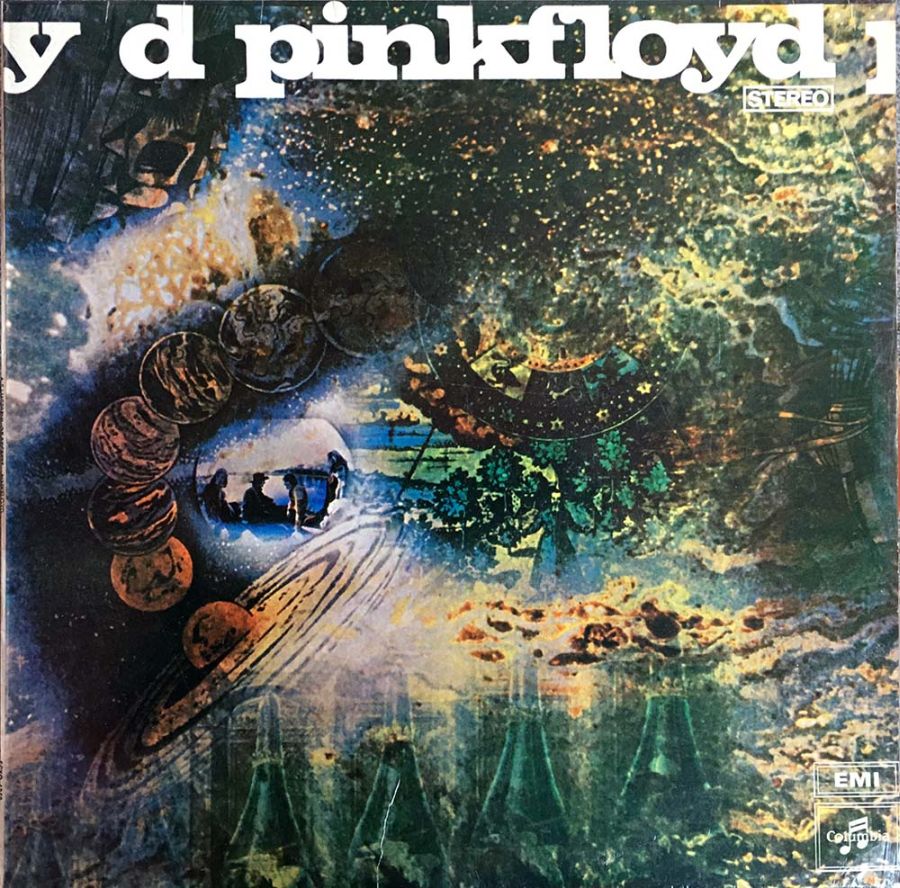
Hipgnosis formed in 1968 when Pink Floyd asked their art school friends Storm Thorgerson and Aubrey “Po” Powell to design the cover for their second album, A Saucerful of Secrets (below). After graduating from the Royal College of Art in 1970, the pair set up a studio at 6 Denmark Street in the West End borough of Camden, a popular neighborhood for music publishing houses and recording studios. The name Hipgnosis came from graffiti the two found on their apartment door; they appreciated the pun on the word hypnosis (as do I) as well as the duality of something being “hip or fresh” as well as “related to ancient learning”. Thorgerson and Powell were eventually joined by musician, artist, and photographer Peter Christopherson.
In 1973, their covers for Pink Floyd’s The Dark Side of the Moon and Led Zeppelin’s Houses of the Holy made Hipgnosis the most sought-after album cover designers in the business. Over the next ten years, Hipgnosis designed some of the most creative album covers of the rock era, working with such artists as Genesis, Peter Gabriel, ELO, Paul McCartney, 10cc, and The Alan Parsons Project. They received five Grammy nominations for their work, including Houses of the Holy, Pink Floyd’s Wish You Were Here, and Paul McCartney and Wings’ Wings over America (below) – though they never took home the prize.

Hipgnosis’ work was characterized by quirky humor, surrealism, and visual puns. Most of their covers were photography-based and manipulated using one of the earliest forms of photoshopping. They were also fond of creating packaging extras such as stickers and fancy inner sleeves. In short, their art was a feast for the eyes and the mind that sometimes eclipsed the music inside.
Hipgnosis disbanded in 1983, with the three members pursuing successful solo careers. Below is a gallery of their most famous covers.
- Pink Floyd
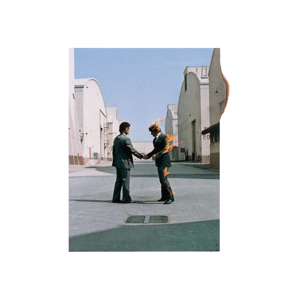
Pink Floyd was Hipgnosis’ first and best client. Guitarist David Gilmour, who joined the band in time for their second album, A Saucerful of Secrets, had been friends with Storm Thorgerson since their teens. Thorgerson continued to work with the band until his 2013 death. Their most famous collaboration is certainly 1973’s The Dark Side of the Moon, seen in the featured image at the top of this post. TDSOFTM is generally considered one of the greatest album covers of all time, but it inexplicably did not yield Hipgnosis one of their five Grammy nominations (they did receive a nod that year for Led Zeppelin’s Houses of the Holy – more on that in a minute). Among the other iconic covers Hipgnosis designed for Pink Floyd are 1970’s Atom Heart Mother (below, left), 1975’s Wish You Were Here (below, center), and 1977’s Animals (below, right).


- Led Zeppelin
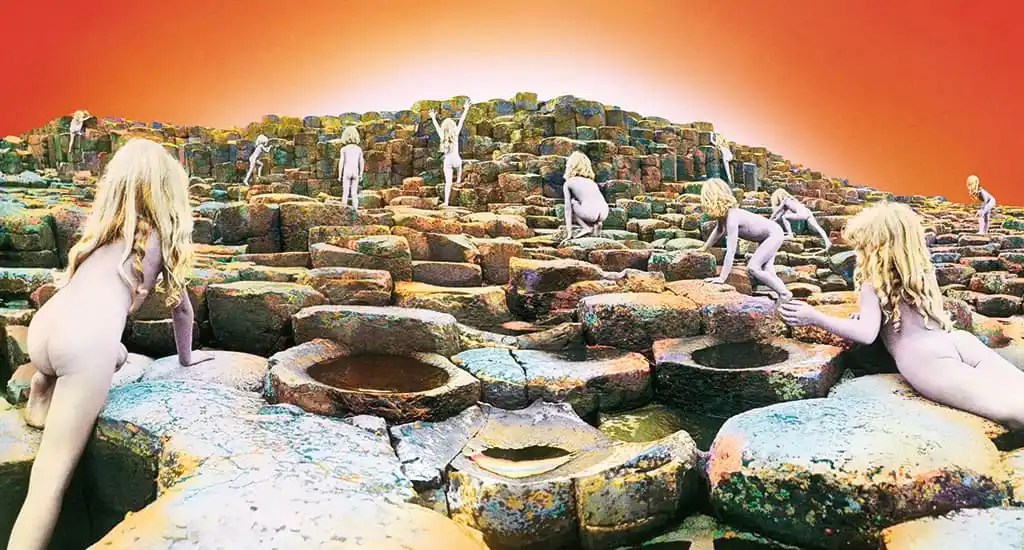
Hipgnosis first worked with Led Zeppelin on their 1973 masterpiece Houses of the Holy. The gatefold cover, a collage of photographs taken of two child models at the Giant’s Causeway in Northern Ireland, is one of their greatest creations. The photographs were taken in black and white; a tinting accident in post-production achieved the final, breathtaking result.
FUN FACT: The Houses of the Holy cover art was inspired by Arthur C. Clarke’s novel Childhood’s End, in which a seemingly benign alien race ultimately brings about the end of humanity.
Another creative collaboration with Led Zeppelin was 1979’s In Through the Out Door, which featured a cover made to look like plain paper wrapping and one of six black and white inner sleeves that changed to color when moistened with water.


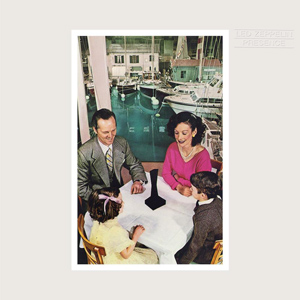
Hipgnosis designed three other album covers for Led Zeppelin: 1976’s Presence (below, left) and The Song Remains the Same (below, center), and 1982’s Coda (below, right).


Oh, and Hipgnosis also designed the band’s iconic logo (below) in 1973.
- Genesis/Peter Gabriel
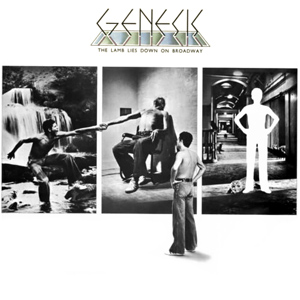
Hipgnosis created four covers for Pink Floyd’s prog-rock counterparts, Genesis, including 1974’s The Lamb Lies Down on Broadway (below, left), 1976’s A Trick of the Tail (below, center), and 1978’s …And Then There Were Three… (below, right). When original frontman Peter Gabriel left the band in 1975 to pursue a solo career, he continued his professional association with Hipgnosis.


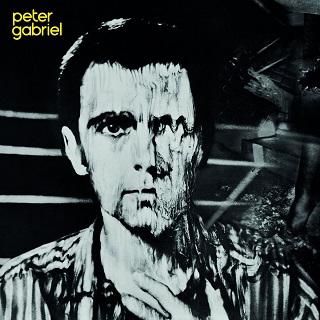
The artwork for Gabriel’s first three solo albums—all of which are self-titled—is so iconic that the designs became the unofficial titles. Gabriel’s 1977 debut (below, left) is known as “Car,” his 1978 follow-up (below, center) “Scratch,” and his 1980 third album (below, right) “Melt.”


- Paul McCartney/Wings
Among Hipgnosis’ designs for Paul McCartney and/or Wings are 1973’s Band on the Run (below, left), 1975’s Venus and Mars (below, center), the aforementioned Wings at the Speed of Sound, and McCartney’s 1982 solo effort Tug of War (below, right).
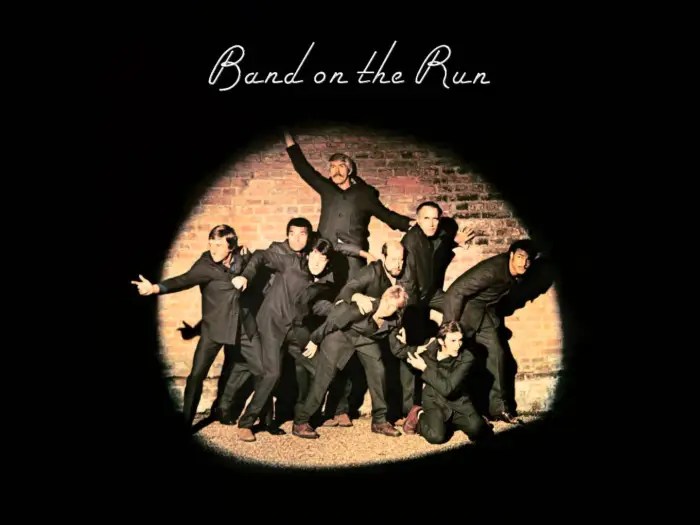


FUN FACT: Band on the Run‘s cover, which evokes a group of escaped convicts caught in a prison searchlight, features the band along with six other celebrities, including actors James Coburn and Christopher Lee. Due to an exposure issue, both the photographer and the subjects had to hold their positions for several seconds, a task made more difficult because everyone was apparently in a “substance haze” after a party at the McCartney home.
- The Alan Parsons Project
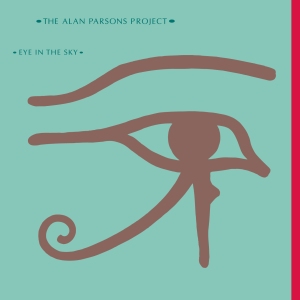
Hipgnosis and Alan Parsons began a decades-long collaboration in 1976 with Tales of Mystery and Imagination (below, left). In addition to albums like 1978’s Pyramid (below, center) and 1982’s Eye in the Sky (below, right), Hipgnosis designed my favorite TAPP cover…


…their 1977 masterpiece I Robot (below, left). After Hipgnosis disbanded in 1983, Storm Thorgerson also created the cover for 1984’s Ammonia Avenue (below, right); the two definitely feel like they belong in the same universe, don’t they?
FUN FACT: In addition to the stylized robot with an atom brain, the I Robot cover features a photograph of Thorgerson’s assistants in the escalator tubes of Terminal 1 at France’s Charles de Gaulle Airport (taken without the airport’s permission).


- Yes
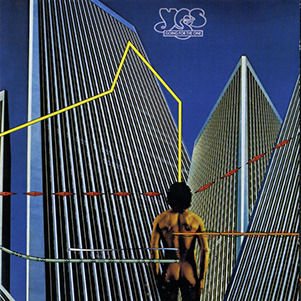
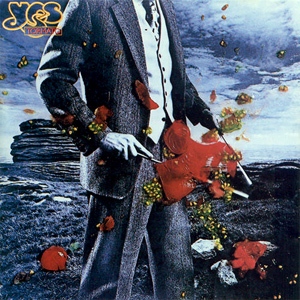
As mentioned at the top of this post, Yes worked with Roger Dean throughout the first several years of their career. But they took a break from Dean in the late 1970s, using Hipgnosis to design 1977’s Going for the One (below, left) and 1978’s Tormato (below, right) – though both covers retained Dean’s band logo.
- Bad Company
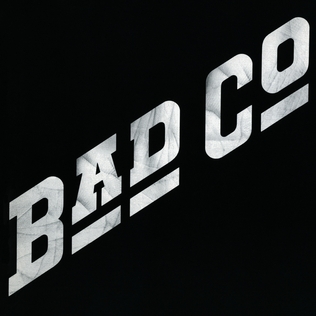
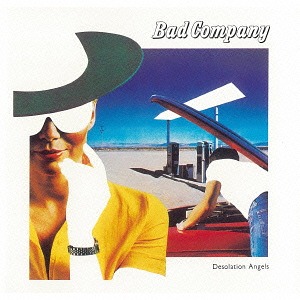
Hipgnosis designed five covers for Bad Company, including their 1974 self-titled debut (below, left), 1975’s Straight Shooter (below, center), and 1979’s Desolation Angels (below, right).

- ELO
Hipgnosis created the covers – complete with light bulb motif – for ELO’s first three albums, 1971’s The Electric Light Orchestra (below, left), 1973’s ELO 2 (below, center), and 1973’s On the Third Day (below, right).



- UFO
UFO and Hipgnosis collaborated on seven straight albums, from 1974’s Phenomenon through 1981’s The Wild, the Willing and the Innocent, including 1977’s Lights Out (below, left), 1978’s Obsession (below, center), and the 1979 double live album Strangers in the Night (below, right).



- Rainbow
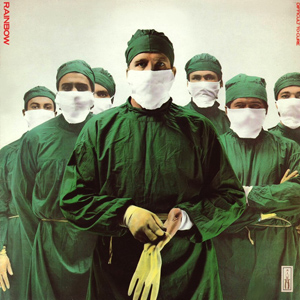
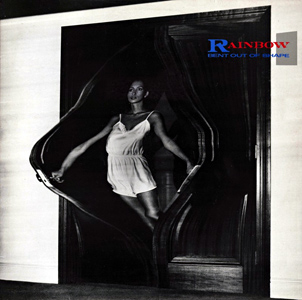
Hipgnosis created three covers for Ritchie Blackmore’s post-Deep Purple project Rainbow: 1981’s Difficult to Cure (below, left), 1982’s Straight Between the Eyes (below, center), and 1983’s Bent Out of Shape (below, right). The latter was Hipgnosis’ final cover before their 1983 dissolution.

- 10cc
Hipgnosis designed eleven covers for 10cc, including 1974’s Sheet Music (below, left), 1977’s Deceptive Bends (below, center), and 1978’s Bloody Tourists (below, right).


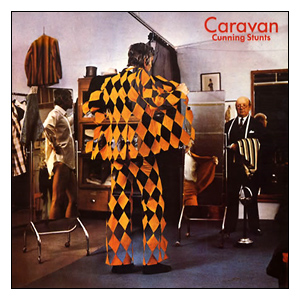
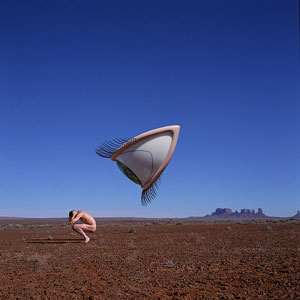
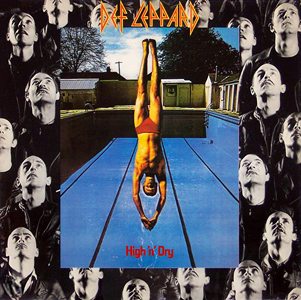
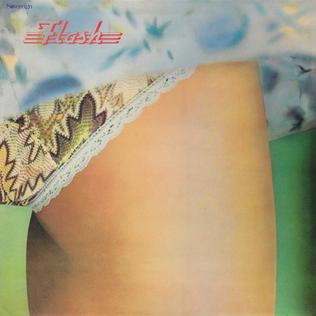
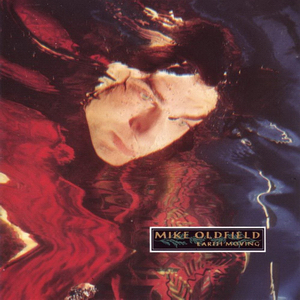
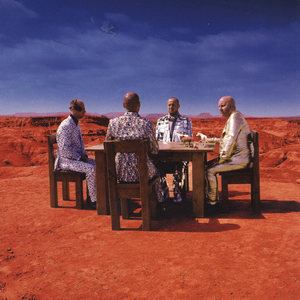
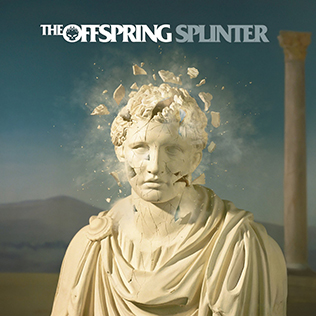
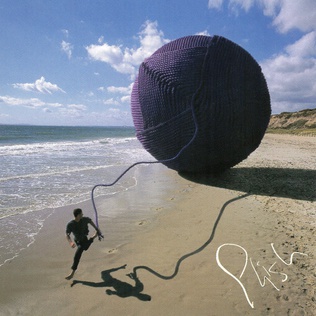
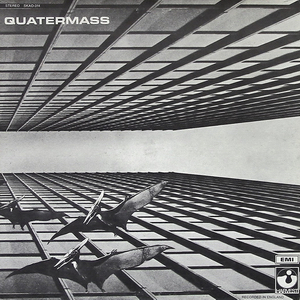
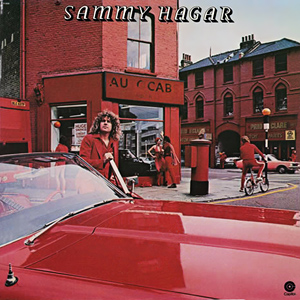
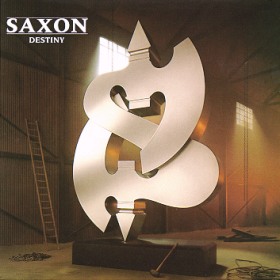
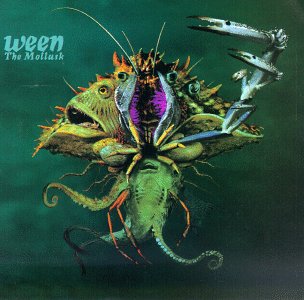
A sampling of Hipgnosis’ other work:













 PB & Julie + Julie C. Trivia