

***** CONTENT WARNING: THIS POST CONTAINS REFERENCES TO DOMESTIC ABUSE, RAPE, DRUG USE, CANCER, KIDNEY FAILURE, AND STROKE *****
Tina Turner, the “Queen of Rock and Roll”, has died at the age of 83. A twelve-time Grammy-winning singer, dancer, actor, and author, Turner was a two-time inductee to the Rock and Roll Hall of Fame (one of only two women to achieve that honor) and an all-around badass.
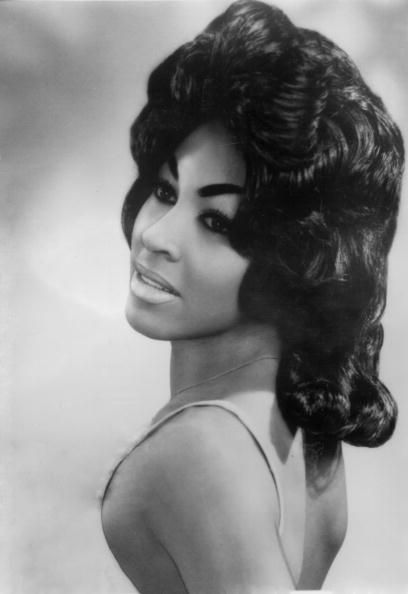
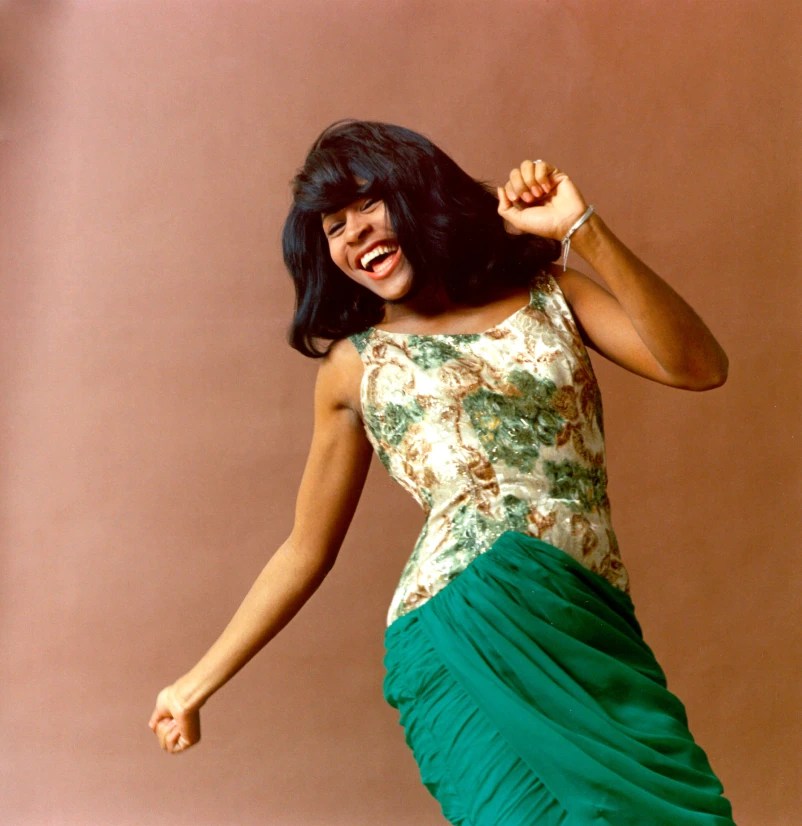
Turner was born Anna Mae Bullock on November 26, 1939, in Brownsville, Tennessee. Raised in Nutbush, the daughter of sharecroppers, she sang in the choir at the local Baptist church. When Bullock was eleven, her mother fled her own abusive marriage. Two years later, her father moved to Detroit to remarry, leaving Bullock and her sisters in the permanent care of their strict, religious grandparents. She attended George Washington Carver High School in Brownsville, participating in cheerleading and basketball, before reuniting with her mother in St. Louis upon the death of her grandmother. After graduating from Sumner High School in 1958, Bullock found work as a nurse’s aide.
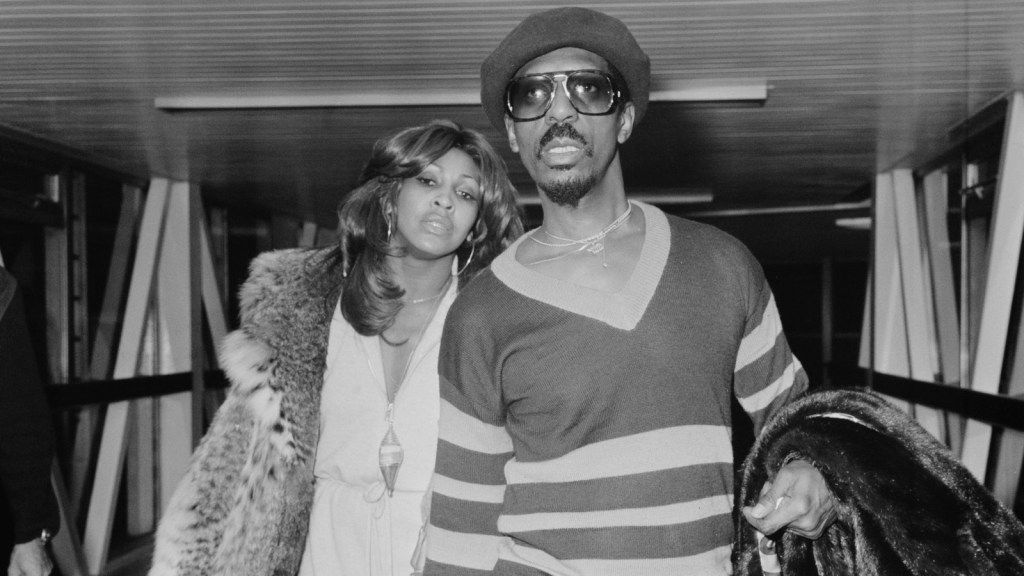
Bullock’s move to St. Louis would prove to be life changing in more ways than one. She and her sister began frequenting the nightclubs of East St. Louis, especially the Manhattan Club; it was there that she met her future husband, collaborator, and abuser, Ike Turner. At the time, Turner played at the Manhattan with his band, the Kings of Rhythm. One night during their intermission, Bullock grabbed the mic and performed a rendition of the B.B. King ballad “You Know I Love You”; an impressed Turner invited young Anna Mae to join him onstage (that moment was later recreated for the Oscar-nominated biopic, What’s Love Got to Do with It, albeit with some artistic license).
Bullock became a featured vocalist with Turner’s band and in 1958, she made her first recording – credited as “Little Ann” – with a song called “Boxtop”. Two years later, she was set to be a backup vocalist for a song Turner wrote for Art Lassiter; when Lassiter was a no-show for the recording session, Bullock sang the lead vocal herself. The single – “A Fool in Love” – made its way to a local deejay, who convinced Turner to submit it to Sue Records. Impressed, Sue’s president Juggy Murray agreed to distribute “A Fool in Love”, which became a top 40 hit. Murray also encouraged Turner to make Bullock “the star of the show”. It was during this time that Turner gave Bullock her stage name: Ike christened her Tina because it rhymed with Sheena (as in, Queen of the Jungle) and gave her his last name, though they weren’t married yet. The two also began their romantic relationship in 1960 and Tina gave birth to their son, Ronnie, in October of that year. The abuse started almost immediately. The pair released their Grammy-nominated debut album, The Soul of Ike & Tina Turner, in 1961.
Despite their tumultuous private lives, Ike and Tina Turner were a successful act, recording and touring throughout the 1960s. In 1965, producer Phil Spector attended one of their live shows on the Sunset Strip; the following year, they signed with Spector’s Philles Records and immediately began work on what would become their commercial breakthrough (at least in Europe), River Deep – Mountain High. Though the album was not an immediate hit in the states, it earned them a spot opening for the Rolling Stones. The duo began to focus less on R&B and more on rock and roll, covering songs like “Honky Tonk Women” and “Come Together”. Their 1970 album Workin’ Together, which contained two Beatles covers (“Get Back” and “Let It Be”), yielded their biggest hit yet, “Proud Mary”.
As the 1970s progressed, Ike and Tina continued to record and tour. Tina made her feature film debut in Ken Russell’s Oscar-nominated Tommy, based on The Who’s rock opera of the same name. But her relationship with her husband continued to devolve, fueled by Ike’s cocaine addiction. On July 1, 1976, the pair flew to Dallas for a show; upon arrival, Ike assaulted Tina in the limo on the way to the hotel. With just 36 cents and a Mobil gas card, Tina left Ike, hiding out at a Ramada Inn and filing for divorce later that month.
Tina Turner’s separation from Ike was costly. Lawsuits were filed over cancelled tour dates, and Turner relied mainly on television appearances to pay the bills. She released two solo albums – 1978’s Rough and 1979’s Love Explosion – that failed commercially. Turner continued to perform but was considered a nostalgia act. In 1981, Rod Stewart caught Turner’s show at the Ritz in New York City and invited her to join him onstage for a rendition of “Hot Legs”. The following year, she had a dance hit in the UK with a cover of “Ball of Confusion”. A deal with Capitol Records followed and after the surprise success of a 1983 standalone single (another cover, this time of Al Green’s “Let’s Stay Together”), they greenlit a full album. Tina Turner was about to have one hell of a second act.
Private Dancer, Turner’s fifth solo album, was released May 29, 1984. Fueled by the success of the smash hit “What’s Love Got to Do with It”, which went to #1 in the US, Canada, and Australia, Private Dancer was one of the most popular albums of the year. “What’s Love Got to Do with It”, Turner’s biggest-selling single of all time, earned three Grammy Awards, including Song of the Year and Record of the Year, and the MTV Video Music Award for “Best Female Video”.
More singles followed (notably, “Better Be Good to Me” and “Private Dancer”), as did a world tour, another film role (Aunty Entity in Mad Max Beyond Thunderdome), and appearances on “We Are the World” and David Bowie’s “Tonight”. Turner electrified the audience at Live Aid when she took the stage with the Rolling Stones. She was one of the biggest pop stars on the planet, and she was having a fucking blast.
In 1986, Turner released the follow up to Private Dancer, Break Every Rule. While it didn’t attain blockbuster status of its predecessor, Break Every Rule was a solid hit, making it to the top five in thirteen countries. Its leadoff single, “Typical Male”, almost became Turner’s second US #1, but it was kept out of the top spot by Cyndi Lauper’s “True Colors”. Also in 1986, Turner published her autobiography, I, Tina, and met the love of her life, German music executive Erwin Bach. They began dating the following year and were together until Turner’s passing.
Though not as successful in the states, Turner’s seventh solo album, 1989’s Foreign Affair, was a smash overseas (it went to #1 in eleven countries). Foreign Affair included the single “The Best”, which went on to become one of Turner’s signature songs. She embarked on a European tour in 1990 and released a greatest hits compilation, Simply the Best, in 1991. That same year, Ike and Tina were inducted into the Rock and Roll Hall of Fame. Ike, incarcerated at the time, couldn’t attend; Tina opted not to, and Phil Spector accepted the honor on their behalf (Tina would be inducted as a solo artist in 2021).
In 1993, Touchstone Pictures released What’s Love Got to Do with It, based on Turner’s career and relationship with Ike. Though both Turners disputed the factual accuracy of the film (for one thing, Ike claims he never raped Tina), it was a box office success. Both lead actors – Angela Bassett and Laurence Fishburne – were nominated at the 66th Academy Awards, and Bassett won the Golden Globe for Best Actress – Motion Picture Comedy or Musical. For the soundtrack, Turner re-recorded some of her biggest hits as well as one new song, “I Don’t Wanna Fight”. It was her last worldwide hit, though she had a European smash with the Bono and The Edge-penned “Goldeneye”, the theme song to Pierce Brosnan’s first outing as James Bond.
Turner retired from performing after 2000’s Twenty Four Seven Tour, but she still made public appearances at events like the 2005 Kennedy Center Honors and the 2008 Grammy Awards (where she performed with Beyoncé). One final tour – in honor of her fifty years in show business – accompanied the ultimate Tina Turner greatest hits compilation, Tina! A jukebox musical based on her discography opened in 2016 (and won its lead actress, Adrienne Warren, a Tony Award). That same year, she was diagnosed with intestinal cancer after years of health problems that included kidney failure and a stroke. A kidney donated by her husband in 2017 bought her six more years, long enough to write two more books and participate in an HBO documentary about her life. Turner died on May 24 at the age of 83. May she live forever in our hearts – and in our ears. Rest in peace, Queen; you’ve earned it.
 PB & Julie + Julie C. Trivia
Amazing story! What a life!
LikeLiked by 1 person
And I only skimmed the surface!
LikeLiked by 1 person
This was the Tina amuse-bouche.
LikeLiked by 1 person
❤️❤️❤️
LikeLiked by 1 person
And in 1984, just like that, after only 26 years, Tina Turner was an overnight success. That bit from Tommy – I’m pretty sure it scarred me when I saw it in the theater. I’ve never seen that clip with Rod Stewart-she sure did have some Hot Legs, didn’t she? I dearly love any story of a person escaping abuse and building a new life, especially one with such a strong “Fuck you, Ike, it was me, not you, that made us” component.
And you KNOW that Paul Rudd popped immediately into my mind when you mentioned Better Be Good to Me-I just watched it for the 157th and 158th time.
Tina was amazing, strong, beautiful, and so so talented.
LikeLiked by 1 person