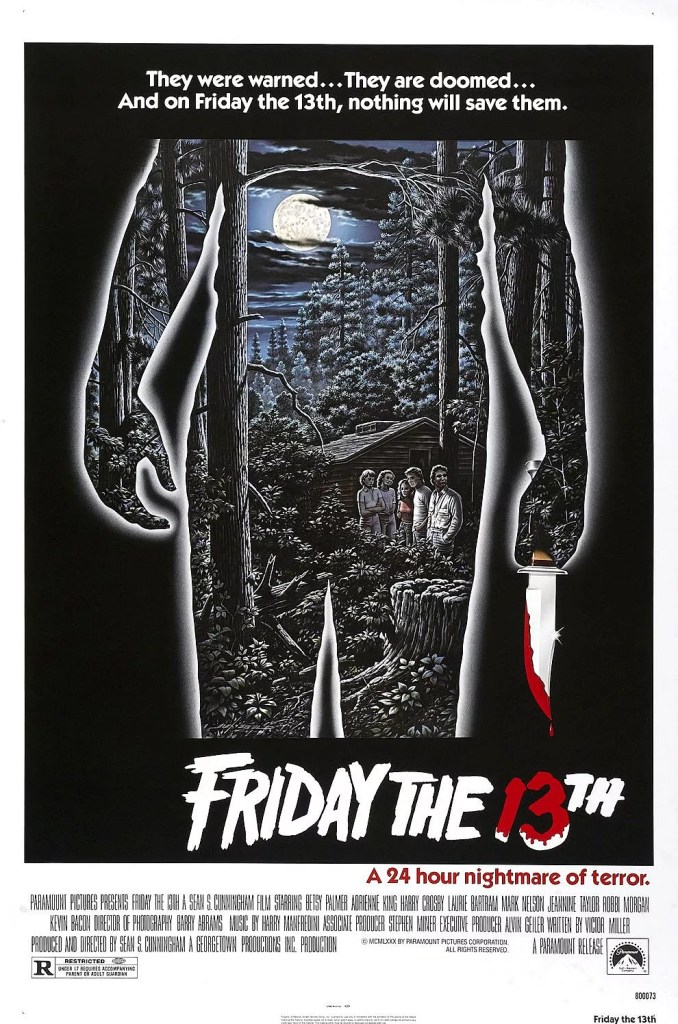
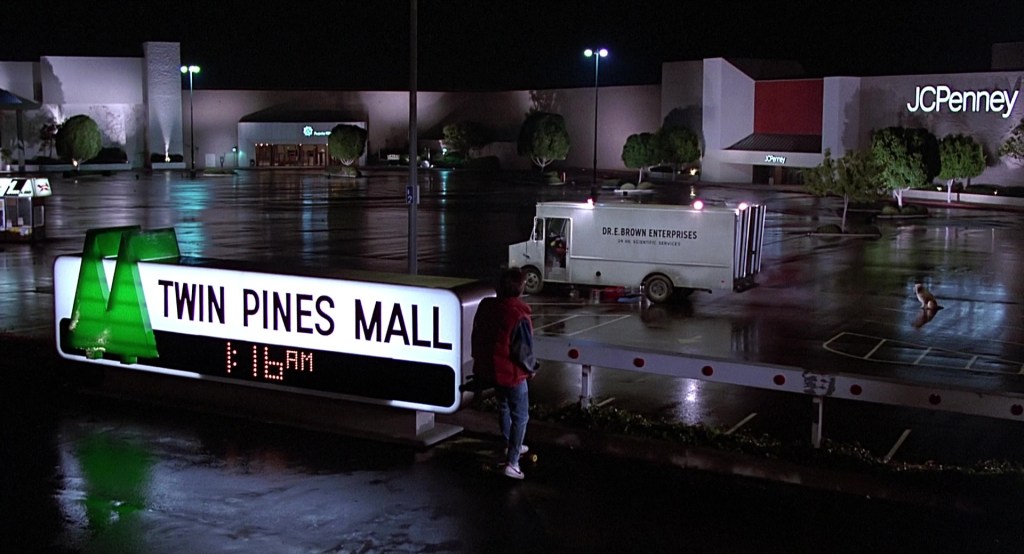
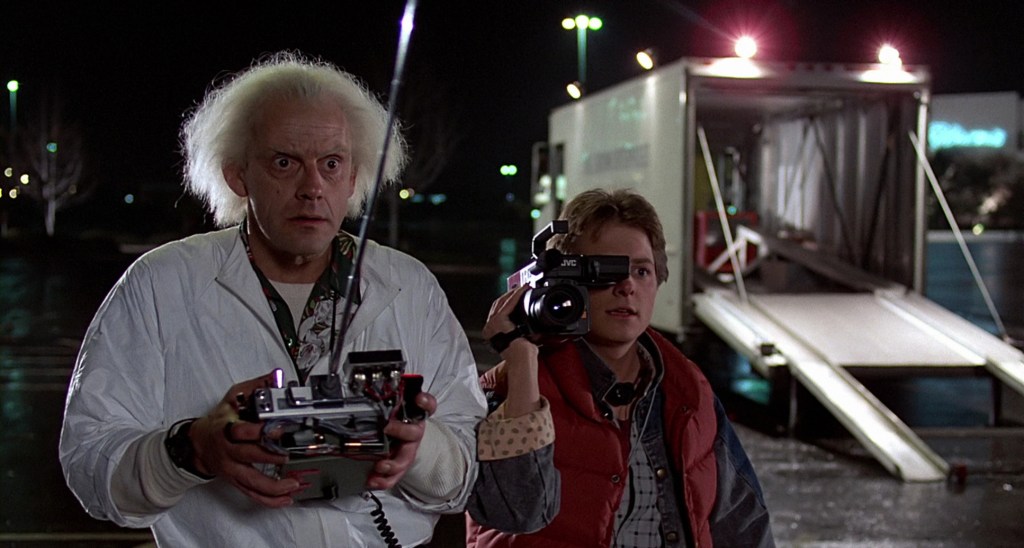
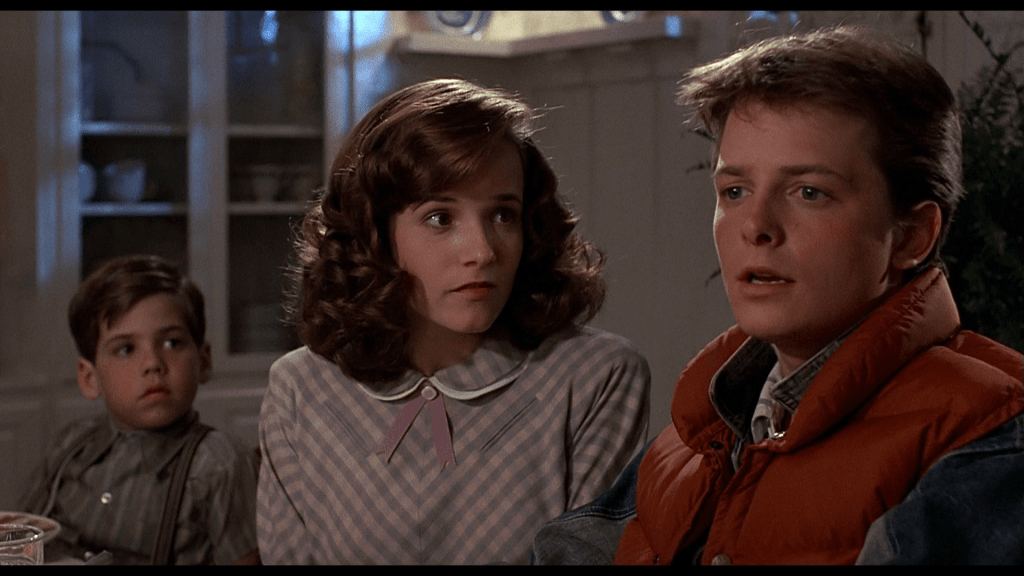
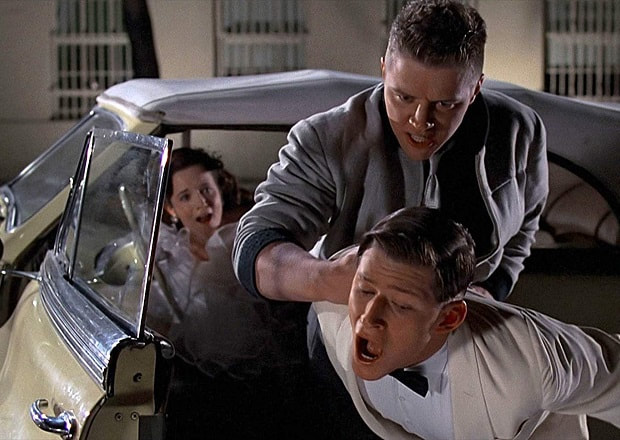
Happy Friday the 13th! The fear of Friday the 13th (known as friggatriskaidekaphobia) has its roots in Norse and Christian mythology. As the Norse myth goes, twelve gods were having dinner at Valhalla when an uninvited thirteenth guest – mischief-maker Loki – crashed the party and tricked Höðr into killing his brother Baldr (son of Odin and Frigg, Friday’s namesake) with a poison-tipped arrow. The Christian influence is the story of Jesus’ last supper and crucifixion. The modern fear of the day may be linked to the publishing of T.W. Lawson’s 1907 book Friday, the Thirteenth, in which a corrupt broker takes advantage of the superstition to manipulate the stock market. Several major 20th-century events occurred on a Friday the 13th, including the 1940 bombing of Buckingham Palace, the 1964 murder of Kitty Genovese, the 1972 plane crash (and grisly aftermath) that inspired Piers Paul Read’s Alive, and Tupac Shakur’s 1996 murder. Since 1980, the Friday the 13th franchise – which includes twelve films, a television series, comic books, video games, and merch – has kept the Friday the 13th superstition at the forefront of popular culture.
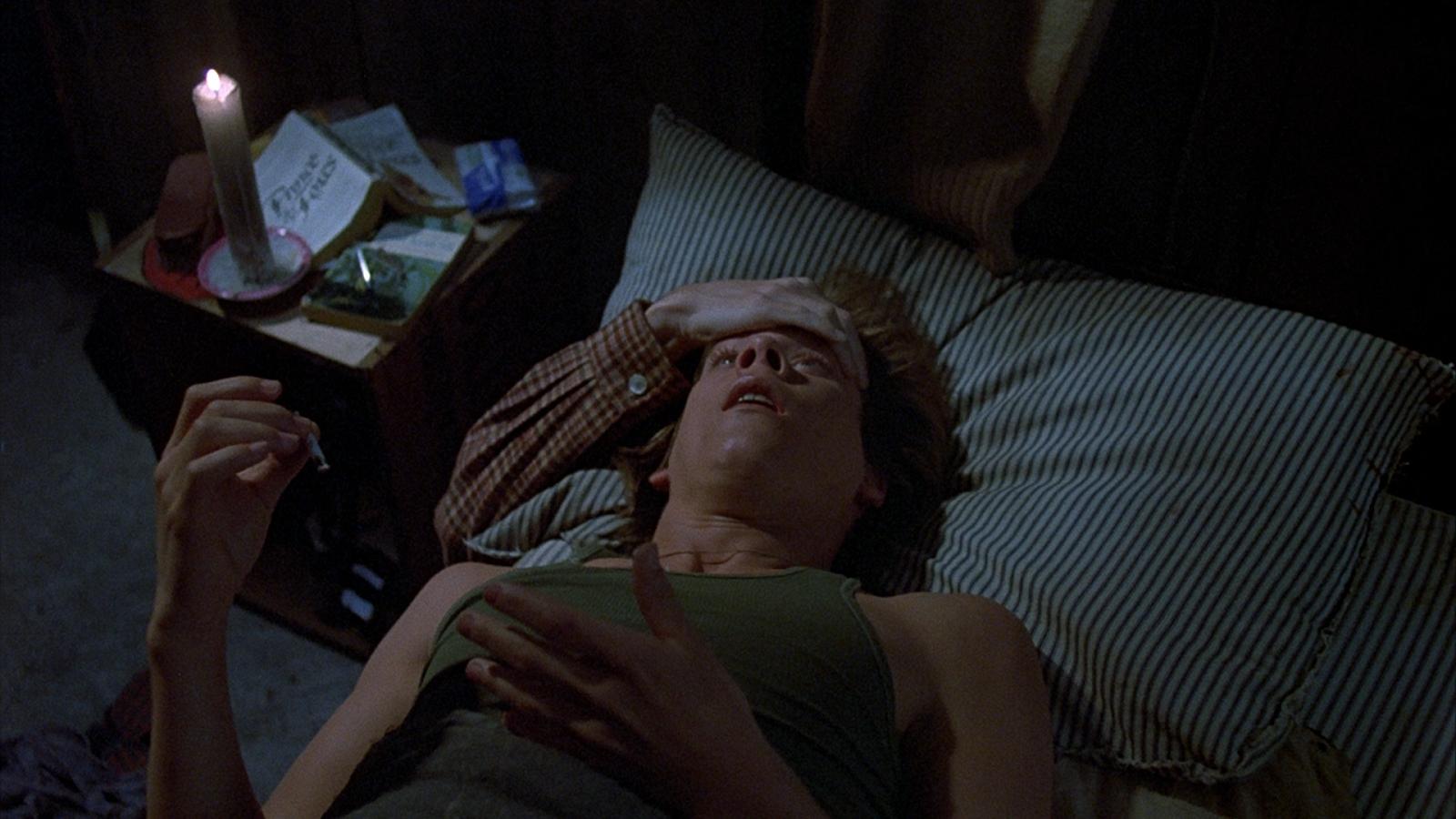
Fun fact: Friday the 13th was an early role for Kevin Bacon, whose character is about to be murdered with an arrow to the throat
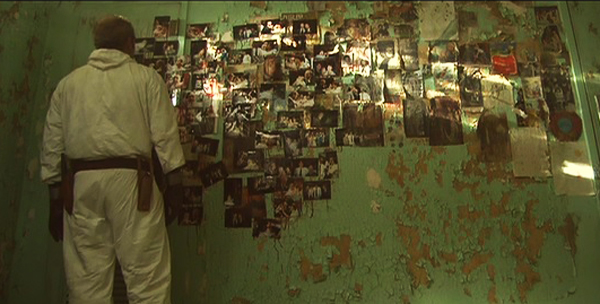
Danvers (Massachusetts) State Hospital opened on this day in 1878. Danvers was the inspiration for Arkham Sanitorium in the works of H.P. Lovecraft and later, Arkham Asylum in D.C.’s Batman universe. Danvers was also the setting – and the filming location – for the 2001 horror film Session 9.
Danvers State HospitalArkham Asylum, as seen on the FOX series GothamSession 9
The series finale of Frasier, titled “Good Night, Seattle”, aired on this day in 2004. The episode was watched by more than 33 million people, making “Good Night, Seattle” the eleventh-most-watched series finale of all time.
Today would have been Bea Arthur’s 100th birthday. I’ll just leave this here:
And this:
And this:
And this:
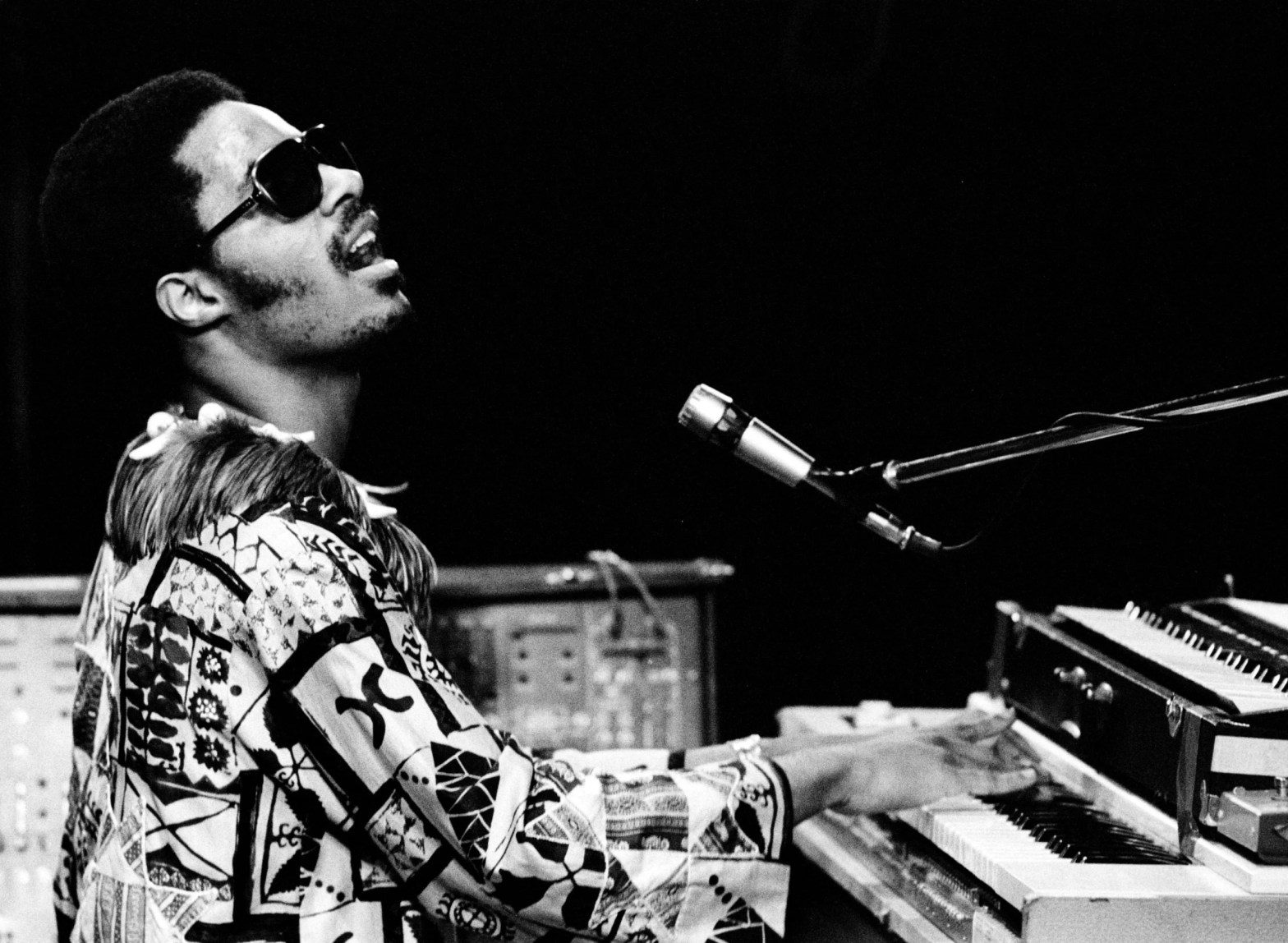
Happy birthday, Stevie Wonder!
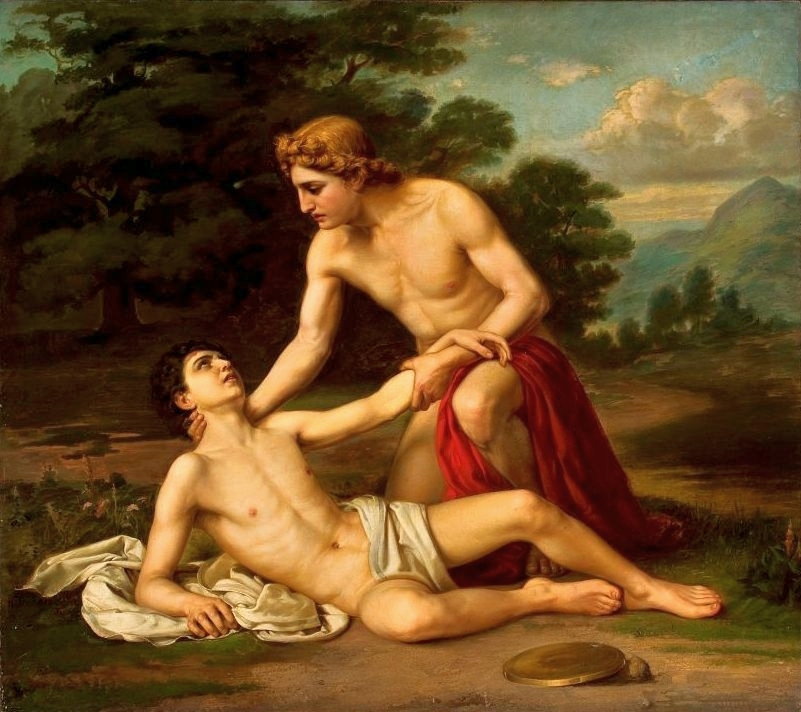
Apollo et Hyacinthus, Mozart’s first opera, premiered in Salzburg on this day in 1767; at the time, Mozart was just twelve years old.
Death of Hyacinth by Alexander Kiselyov was also inspired by the Greek myth of Apollo and Hyacinth
An upcoming limited series on FX/Hulu will tell the story of Great Britain’s punk pioneers The Sex Pistols. Titled Pistol, the series is based on Pistols guitarist Steve Jones’ 2017 memoir, Lonely Boy: Tales from a Sex Pistol. All six episodes were directed by Oscar-winner Danny Boyle, and I honestly couldn’t imagine a better person for the job. Pistol will premiere on May 31.
Character actor Jack Kehler, best known for playing the Dude’s landlord Marty in The Big Lebowski, has died of leukemia complications at the age of seventy-five. Kehler’s other movie appearances include Men in Black II, Point Break, Wyatt Earp, and Waterworld. His television credits include Murder One and The Man in the High Castle.
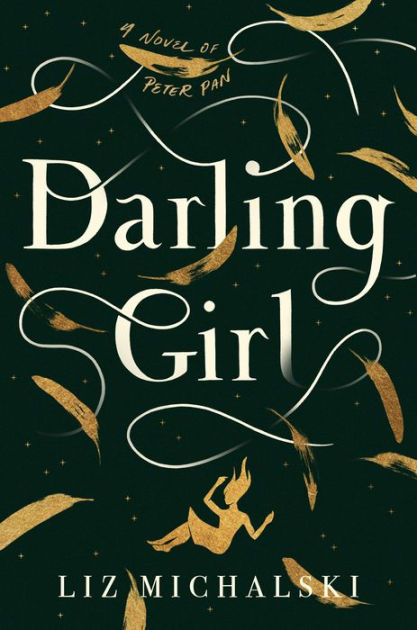
A new novel by Liz Michalski, Darling Girl, is a modern-day reimagining of Peter Pan. The protagonist, Holly Darling, is Wendy’s granddaughter; the plot kicks off with the kidnapping of Holly’s daughter Eden, who has been in a coma for ten years. Holly is certain she knows who the kidnapper is: Eden’s father, Peter Pan.
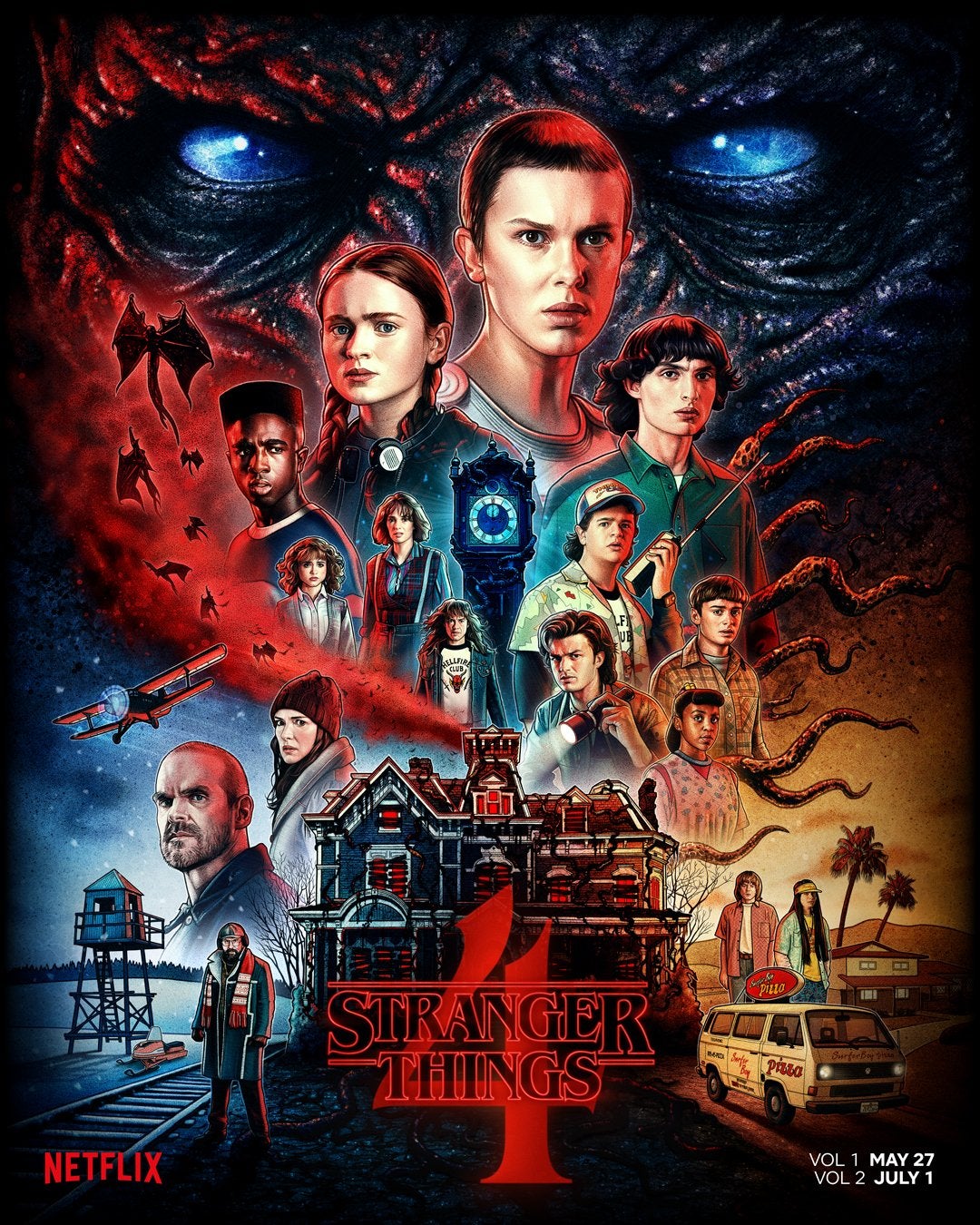
Last but not least, the final Stranger Things 4 poster is here. It prominently features both the season’s “big bad”, Vecna, and the Creel House, a major set piece for the season.
Fun fact: Vecna was partially inspired by Freddy Krueger (and Robert Englund will guest star as Victor Creel)
Pink Floyd has written its first new material since 1994, a single titled “Hey Hey, Rise Up”. The lyrics are based on the Ukrainian protest anthem “Oh, the Red Viburnum in the Meadow”. Ukrainian singer Andriy Khlyvnyuk, who took a break from touring the US with his band BoomBox to join the resistance to the Russian invasion, recorded himself singing the song in Sophia Square in Kyiv and posted the video to Instagram. David Gilmour’s Ukrainian daughter-in-law shared the post with Gilmour, who obtained permission from Khlyvnyuk to use his vocals. Gilmour collaborated with Floyd drummer Nick Mason to create the music. All proceeds from the single are going to Ukrainian Humanitarian Relief.
The charming, delightful, colorfully-blazered Mattea Roach has ended her run on Jeopardy! after winning twenty-three games and more than $560,000 dollars. She is ranked fifth all-time in both total wins and total earnings. Roach will obviously return for the Tournament of Champions, where she’ll face off against Amy Schneider.
Mike Hagerty, best known as Mr. Treeger on Friends, has passed away at the age of sixty-seven.
Paramount Pictures was founded on this day in 1912 as Famous Players Film Company. Paramount is the second-oldest American film studio after Universal. Among the most well-known Paramount productions are The Greatest Show on Earth, Vertigo, Rosemary’s Baby, Chinatown, Raiders of the Lost Ark, Beverly Hills Cop, Forrest Gump, Titanic, and the Mission Impossible series.
Dr. No, the first film in the James Bond series, was released in the US on this day in 1963.
Dr. No‘s iconic opening credits were created by Maurice Binder, who worked on a total of sixteen Bond films
Roberto Rossellini, Italian film director and father of Isabella Rossellini, was born on this day in 1906. Rossellini and Ingrid Bergman fell in love with each other on the set of Stromboli; since both were married to other people, the affair caused quite a stir in the US, especially after Bergman gave birth to a baby boy the same month that the movie was released (twins Isabella and Ingrid came along a few years later). Stromboli tanked at the box office in the States (though it fared better in Europe, where the affair wasn’t quite as scandalous) but it won the Rome Prize for Cinema as the year’s best film and is generally regarded as a masterpiece of Italian cinema.
How could you NOT fall in love with her?
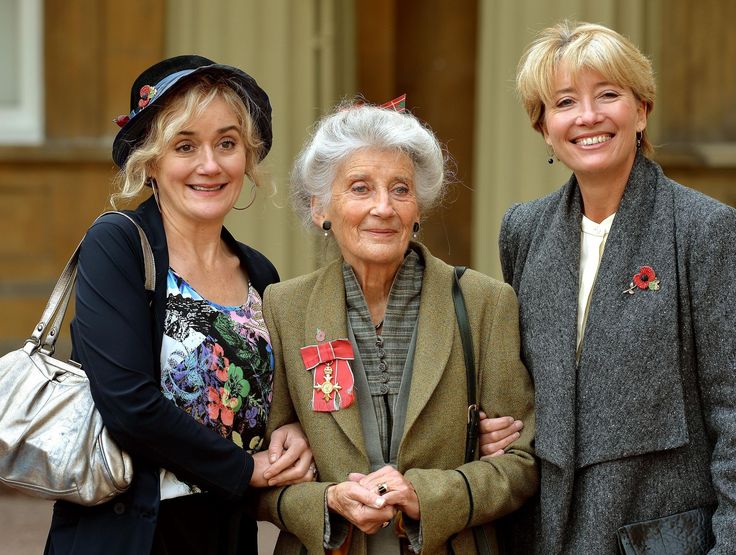
Phyllida Law, Scottish actor and mum to Sophie and Emma Thompson, is celebrating her 90th birthday today.
Sophie Thompson, Phyllida Law, Emma Thompson
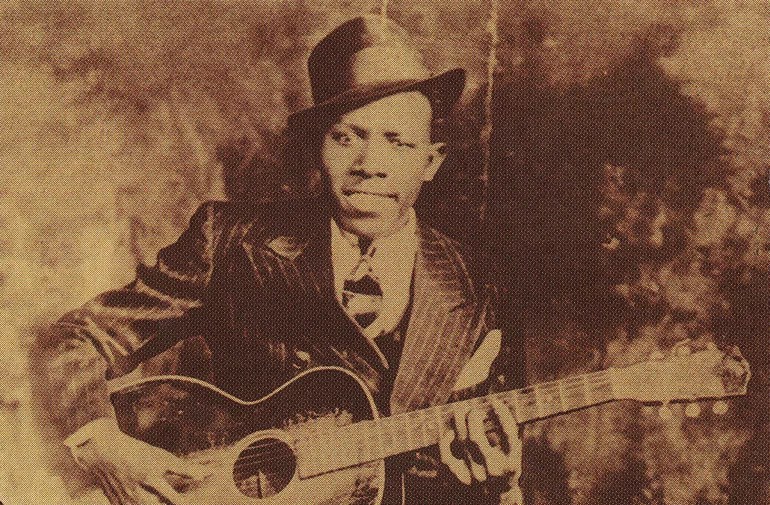
Robert Johnson, blues musician, songwriter, and founding member of the 27 Club (https://peanut-butter-and-julie.com/2021/04/05/the-27-club/), was born on this day in 1911. A master of the Delta Blues, Johnson is one of the most influential musicians of all time (I won’t get into boring music theory here, but there’s a direct line from Johnson to Chuck Berry to Keith Richards to Eric Clapton). Johnson’s death in 1938 remains a mystery, though there are plenty of theories: he likely had congenital syphilis, he may have been poisoned, or maybe he sold his soul to the devil in exchange for his musical talents. Even Johnson’s gravesite is unknown; markers have been put up in three different Mississippi cemeteries where his body could be buried.
A Funny Thing Happened on the Way to the Forum opened at the Alvin Theatre (now the Neil Simon Theatre). With music and lyrics by Stephen Sondheim and a book by Burt Shevelove and Larry Gelbart (who later created the M*A*S*H television series and wrote the Oscar-nominated Tootsie screenplay), A Funny Thing… really came alive when Jerome Robbins was brought in to consult after a disappointing preview. Robbins suggested a new opening number, one that would herald the bawdy comedy ahead. Sondheim wrote a new song – the iconic “Comedy Tonight” – and the rest is history. The original Broadway production racked up eight Tony nominations and six wins, including Best Musical, Best Director for George Abbott, and Best Actor for Zero Mostel (Nathan Lane also won a Tony for a 1996 revival). Mostel reprised his role in the delightful 1966 film adaptation, which you can stream on Tubi or Hoopla.
Three Imaginary Boys, The Cure’s UK debut, was released on this day in 1979. The album was later repackaged as Boys Don’t Cry (and given a different track order) for its release in the States. I much prefer the original cover.
After a more than two-year delay due to COVID, Top Gun: Maverick is finally set to be released later this month. Lady Gaga has released the first single off the film’s soundtrack, “Hold My Hand”. The clip includes snippets from the movie; Maverick, still haunted by Goose’s death, is now the flight instructor for Goose’s son, Bradley “Rooster” Bradshaw (Miles Teller). Oh, and Maverick gets another chance to hook up with Penny Benjamin, played by Jennifer Connelly.
Happy Star Wars Day, once again! May the force be with all of you today.
Obi-Wan Kenobi debuts on Disney+ on May 27
Spider-Man premiered twenty years ago today. Starring Tobey Maguire as Peter Parker, Kirsten Dunst as Mary Jane Watson and Willem Dafoe as Norman Osborn AKA Green Goblin, Spider-Man was the result of Marvel’s twenty-year journey to bring their flagship character to the big screen (a 1985 version might have starred Tom Cruise). Spider-Man broke box office records (it was the first film to earn $100 million in a weekend) and was the third biggest film of the year, after The Lord of the Rings: The Two Towers and Harry Potter and the Chamber of Secrets. It also earned two Oscar nominations, for Best Sound and Best Visual Effects.
Tobey Maguire and Kirsten Dunst won the MVT Movie Award for Best Kiss
The teaser trailer for Weird: The Al Yankovic Story was released yesterday. Starring Daniel Radcliffe, Weird will debut this fall on the Roku Channel.
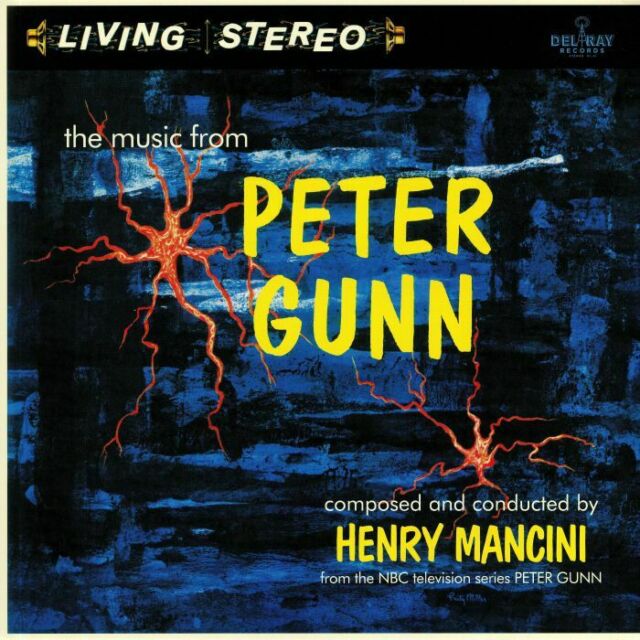
The first Grammy Awards were held on this day in 1959. Henry Mancini earned the Album of the Year award for The Music from Peter Gunn, the soundtrack to the television series of the same name, and Bobby Darin won Best New Artist.
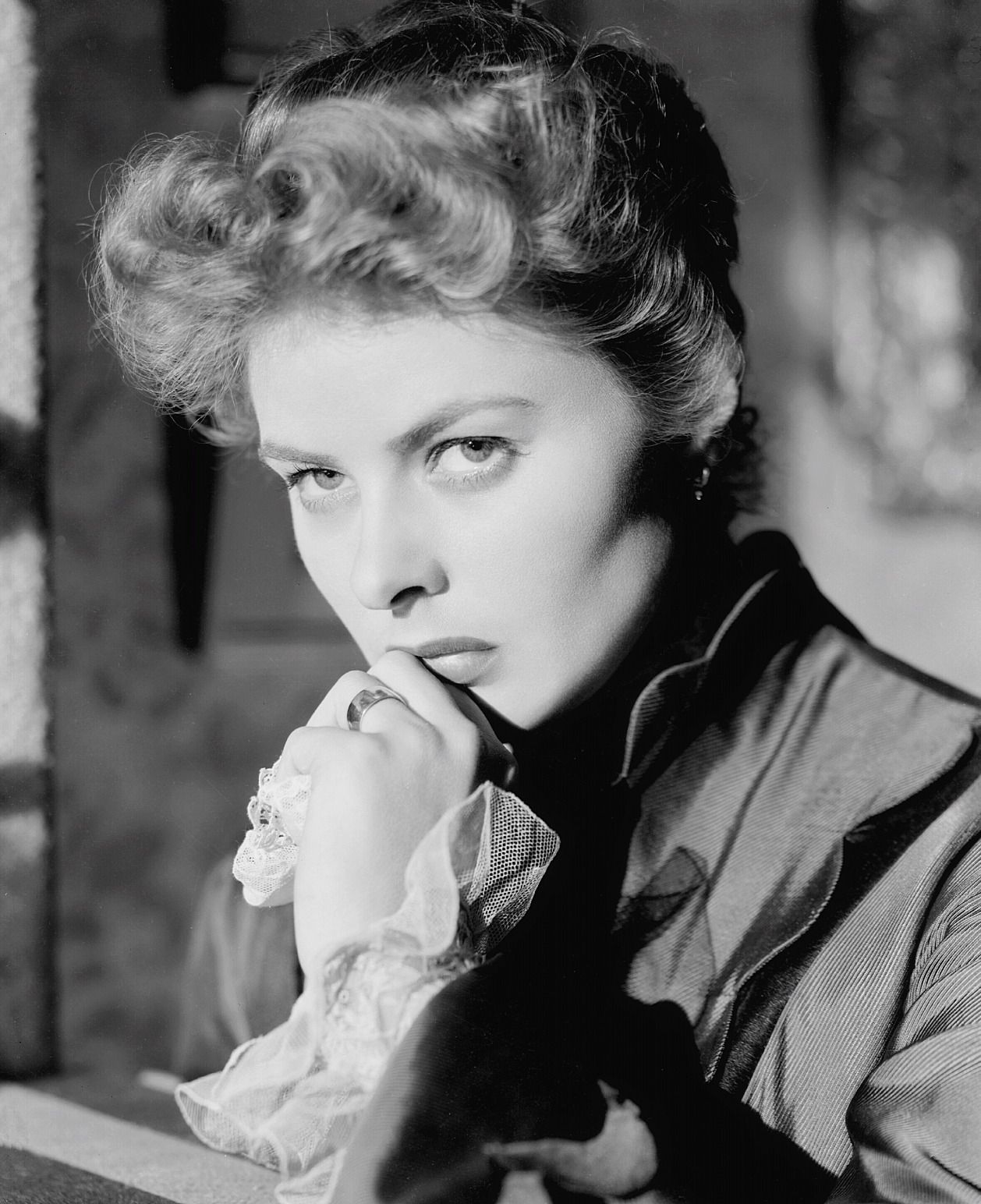
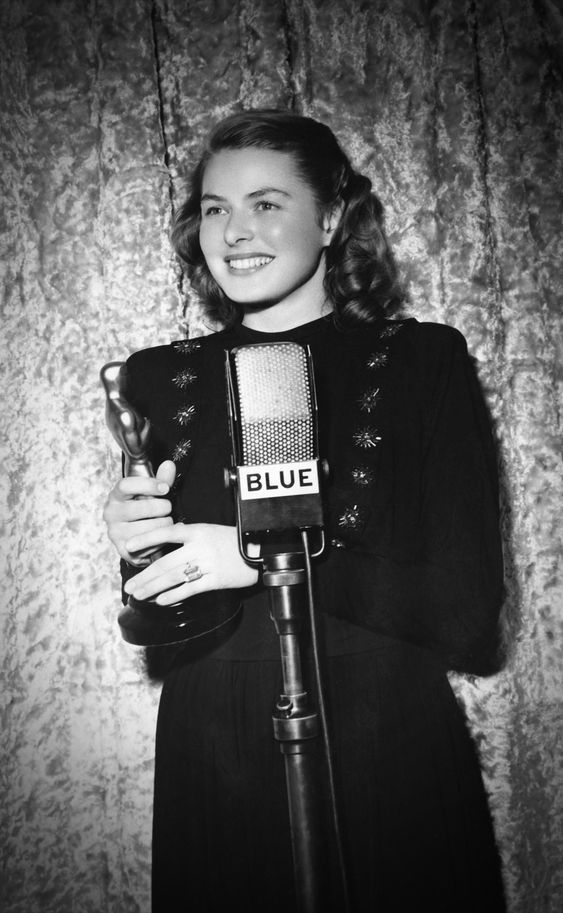
Gaslight was released on this day in 1944. Directed by George Cukor and starring Charles Boyer and Ingrid Bergman, Gaslight also featured an eighteen-year-old Angela Lansbury in her film debut. Gaslight was a commercial and critical success, receiving seven nominations at the 17th Academy Awards and winning two Oscars, Best Actress for Bergman and Best Art Direction.
Ingrid Bergman, Angela Lansbury and Charles BoyerBergmanBergman with her Best Actress Oscar
Seven Beauties was released on this day in 1975. The film’s director, Lina Wertmüller, went on to become the first woman nominated for a Best Director Oscar.
Seven Beauties star Giancarlo Giannini, who was nominated for the Best Actor Oscar
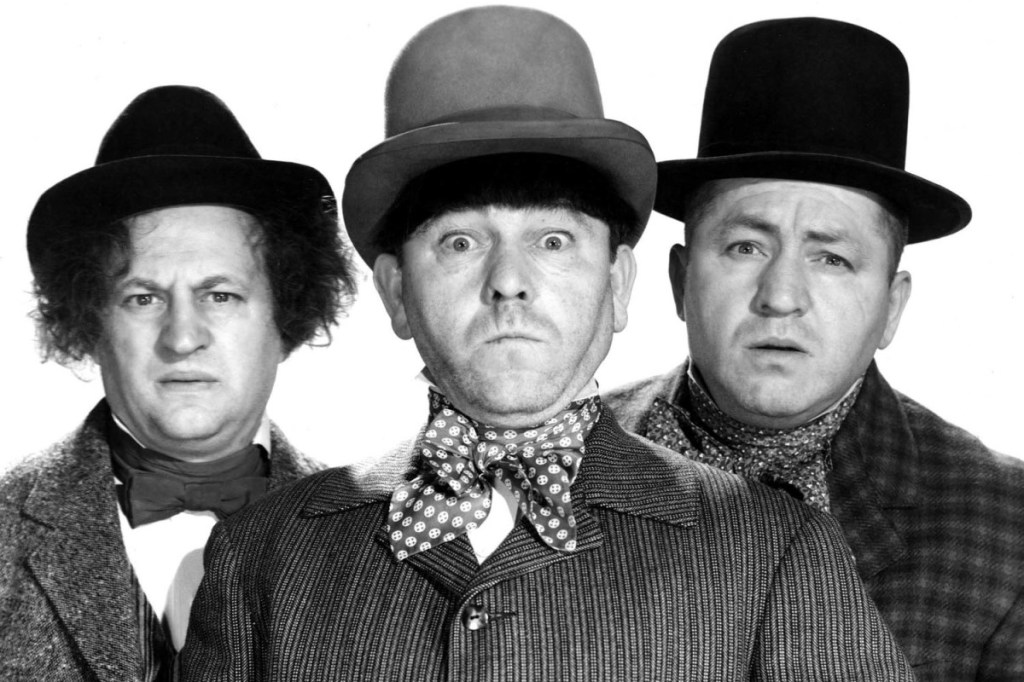
Moe Howard (born Moses Horwitz) died of lung cancer on this day in 1975.
The Three Stooges: Larry Fine, Moe Howard and Curly Howard
Nickolas Ashford was born on this day in 1941. Ashford and his wife Valerie Simpson joined Motown as songwriters in 1966; the two penned some of the label’s most iconic songs, including “Ain’t No Mountain High Enough”, “You’re All I Need to Get By” and “Ain’t Nothing Like the Real Thing”. As performers, Ashford & Simpson had their greatest success in 1984 with the release of their album, Solid. The title track was their biggest hit, reaching #12 on the Billboard Hot 100. Ashford died of throat cancer on August 22, 2011.
Green Day’s Mike Dirnt is celebrating his 50th birthday today!
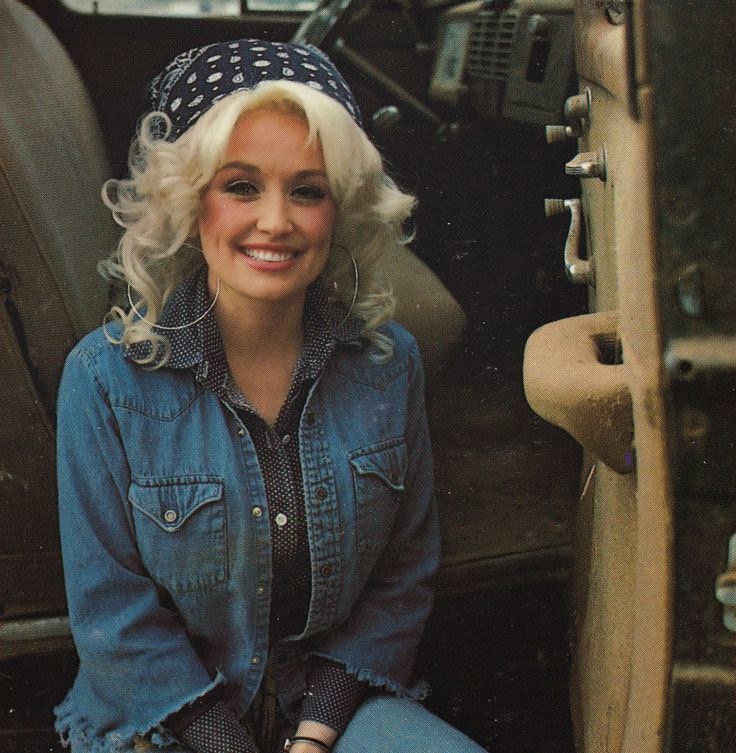
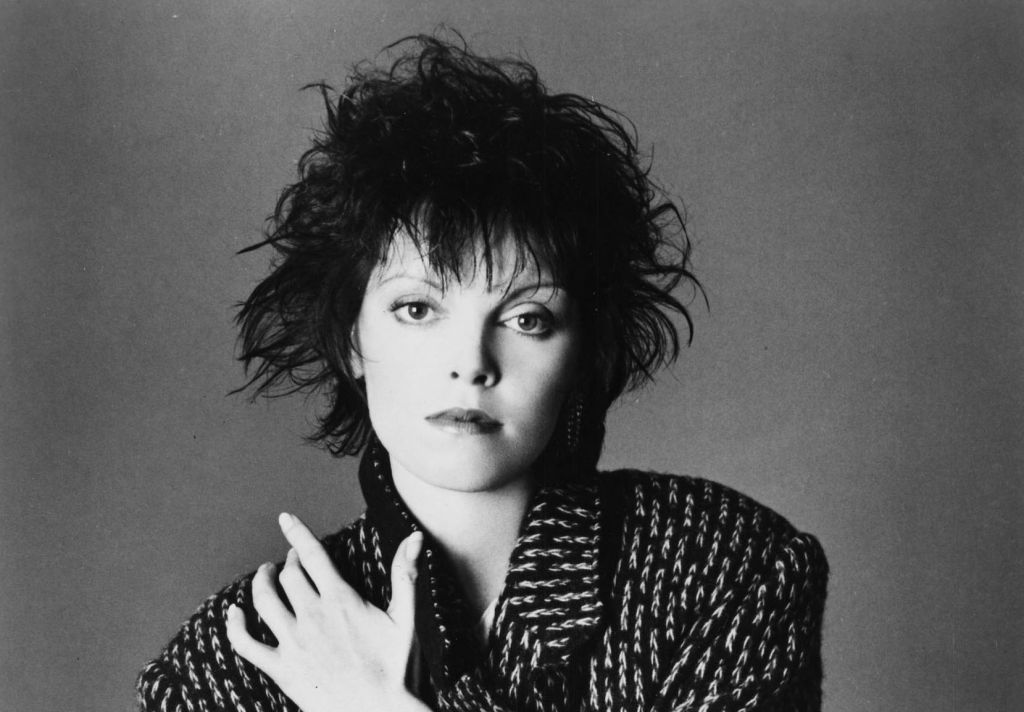
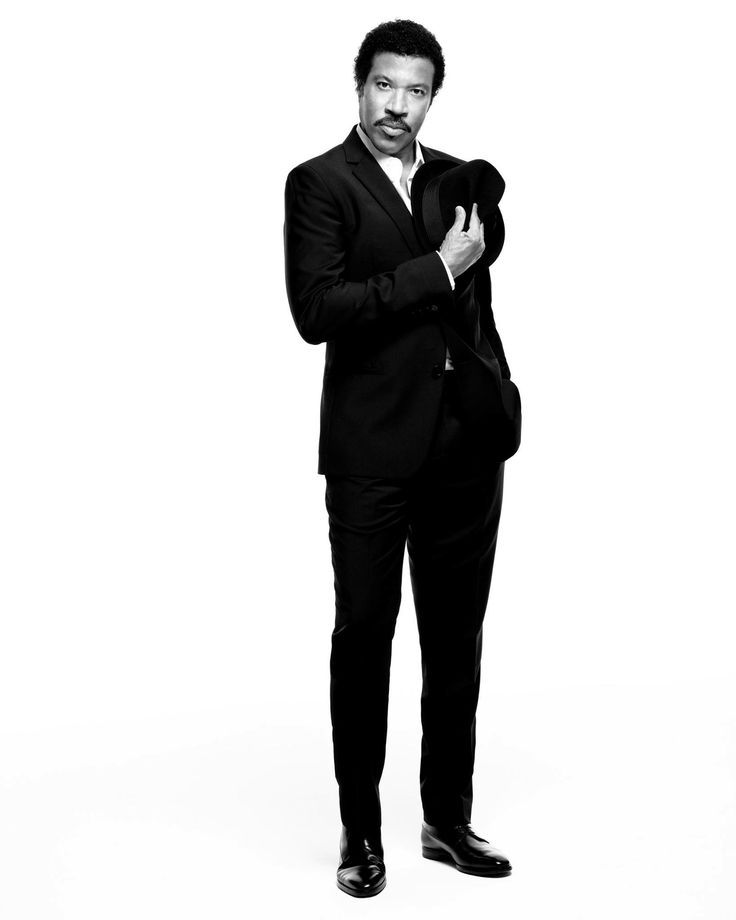
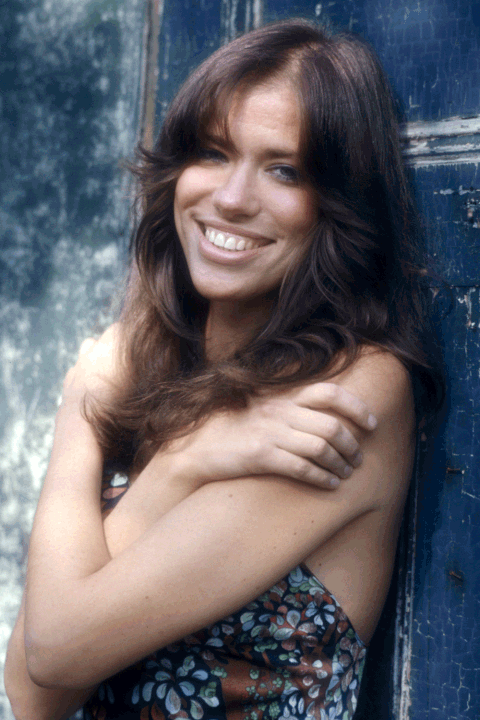
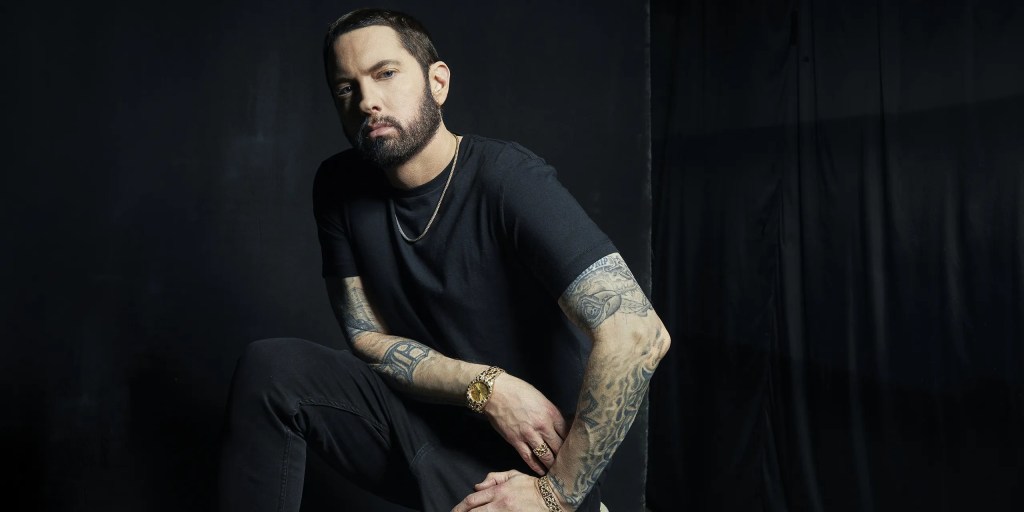
And finally, the Rock and Roll Hall of Fame has announced the inductees for the Class of ’22:
Duran DuranDolly PartonEurythmicsPat BenatarLionel RichieCarly SimonEminem
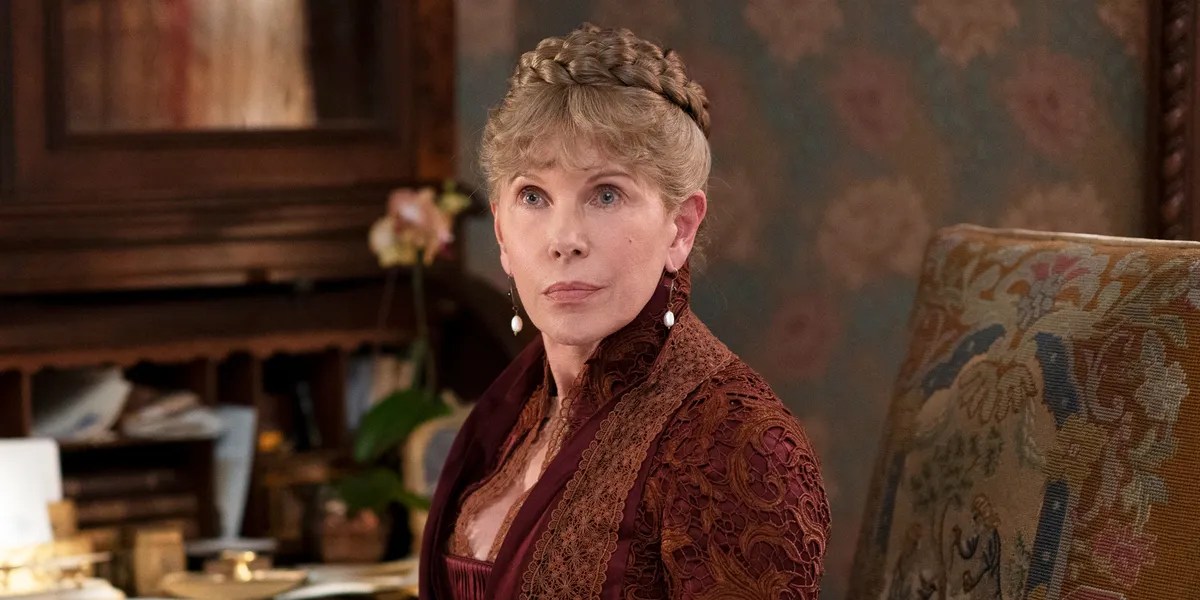
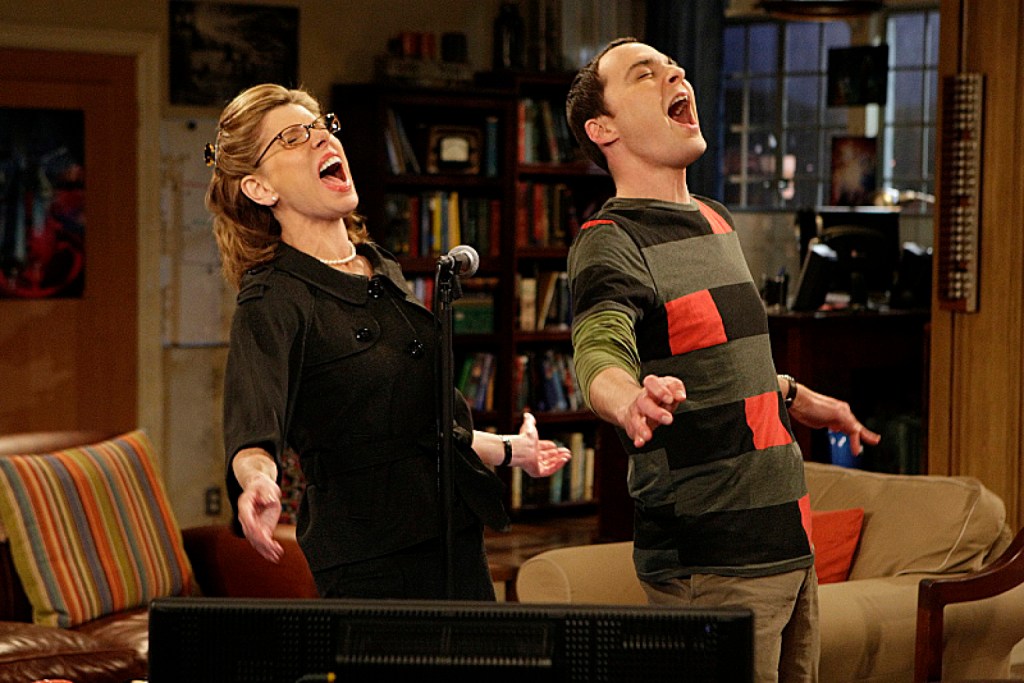
The divine Christine Baranski is celebrating her 70th birthday today. Born in Buffalo, New York, Baranski graduated from the prestigious Julliard School and began her career in the theater. She made her Broadway debut in 1980’s Hide & Seek; two years later, she won her first of two Tony Awards for her performance in Tom Stoppard’s The Real Thing (her co-stars Glenn Close and Jeremy Irons won as well). Baranski’s Hollywood breakthrough came in 1995 when she was cast in the CBS sitcom Cybill, for which she won an Emmy Award for Outstanding Supporting Actress in a Comedy Series. Since then, Baranski has found her greatest success on the small screen, with memorable roles in The Big Bang Theory, The Good Wife, and The Gilded Age. Among Baranski’s film credits are Addams Family Values, The Birdcage, Chicago, and Mamma Mia!
With Jim Parsons in The Big Bang Theory
The trailer for Don’t Worry Darling has arrived. The Olivia Wilde/Jason Sudeikis custody battle and Wilde’s relationship with her leading man Harry Styles are threatening to overshadow the film, which is a shame because it looks AMAZING.
<fans self>
The Curse of Frankenstein, the first color Hammer Horror film, was released on this day in 1957. Starring Peter Cushing as Victor Frankenstein and Christopher Lee as The Monster, The Curse of Frankenstein was the “first really gory horror film, showing blood and guts in color”, according to professor of philosophy Patricia MacCormack, who has written extensively on the horror genre.
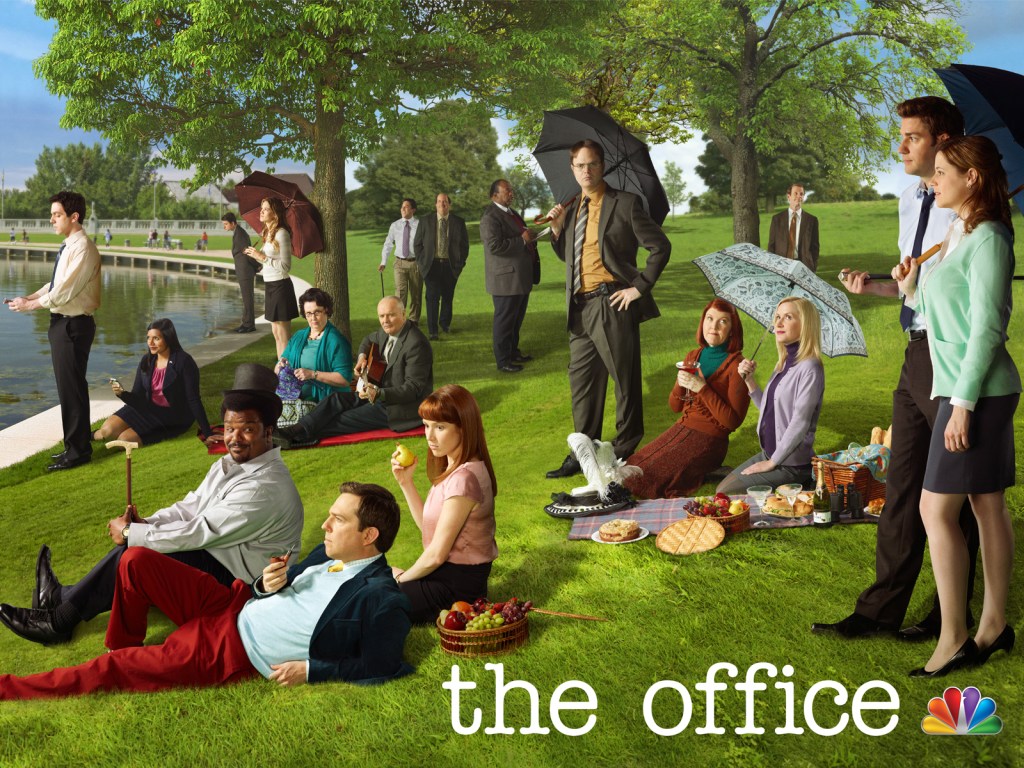
Sondheim’s Sunday in the Park with George opened on Broadway on May 2, 1984. Starring Mandy Patinkin and Bernadette Peters, the musical was inspired by Georges Seurat’s pointillist masterpiece A Sunday Afternoon on the Island of La Grande Jatte.
A Sunday Afternoon on the Island of La Grande Jatte has been housed at the Art Institute of Chicago since 1924One of the zillion other pop-culture references to A Sunday Afternoon on the Island of La Grande Jatte is this promo for The Office
Iron Man, the first movie in the Marvel Cinematic Universe (MCU), opened on this day in 2008. Robert Downey Jr. earned a paltry $500,000 to play the title character, also known as Tony Stark. At the time, Downey was in the midst of a career resurgence but was not considered a bankable star. That all changed with Iron Man, which grossed more than $585 million worldwide; presumably, Downey got a raise for Iron Man 2.
Fun fact: Robert Downey Jr. ad-libbed the iconic “I am Iron Man” line
The voting for this year’s Rock and Roll Hall of Fame Fan’s Ballot is closed. The top five artists will be up for induction into the Class of 2022. Duran Duran won the fan’s vote by more than 250,000 votes.
After four years in development, Almost Famous is finally headed to Broadway this fall. The musical will be directed by Jeremy Herrin, with music and lyrics by Next to Normal‘s Tom Kitt and book and lyrics by Cameron Crowe, writer/director of the film.
This clip of Jurassic Park co-stars Sam Neill, Laura Dern and Jeff Goldblum is just delightful. Can we please take a moment to appreciate how beautifully these three are aging?
Hubby and I have watched the first two episodes of FX’s Under the Banner of Heaven and I absolutely love it. Dustin Lance Black is treating the source material with the utmost reverence (Black himself was raised in the LDS church) and the performances are terrific, particularly Andrew Garfield as the devout detective suffering a crisis of faith as he investigates the murder of a young mother and her baby, and Daisy Edgar-Jones as the murder victim, seen in flashbacks.
Gil Birmingham and Andrew GarfieldDaisy Edgar-Jones
When I began working on this piece, I didn’t really have a specific cut-off year in mind. But once I finished my first draft and realized the latest year here was 1999, it just seemed perfect. After all, once Gen-Xers started turning thirty, we became culturally irrelevant; the Millenials were waiting in the wings to have the youth culture torch passed to them.
That’s not to say there aren’t fantastic movies from this century. I rank Almost Famous, Memento, Ocean’s Eleven, Arrival, Zodiac, Up, Burn After Reading, Catch Me If You Can, American Hustle, Shutter Island, Once Upon a Time… in Hollywood, and Inside Man as some of my all-time favorites. But the majority of movies that helped shape Gen-X – and vice versa – were released in the 20th century.
By the way, my first draft was more than twice this length, so at some point, keep your eyes peeled for another volume – and give me your suggestions in the comments!
Without further ado, here are some of the most significant films of the Gen-X era.
John Hughes oeuvre
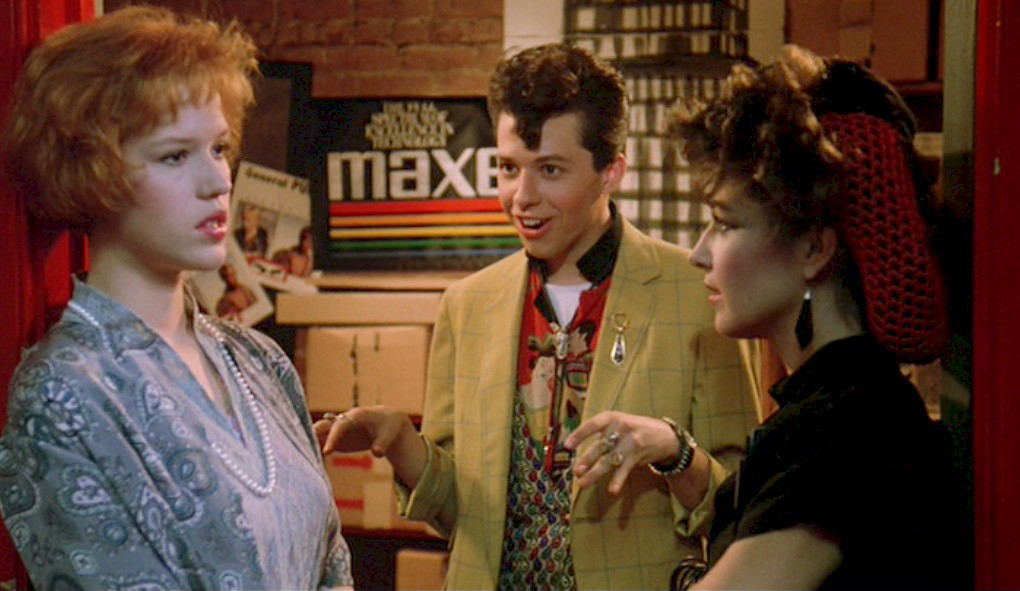
Sixteen CandlesFerris Bueller’s Day OffThe Breakfast ClubPretty in PinkSome Kind of Wonderful
For better or worse, no single filmmaker did more to define Gen-X cinema than John Hughes. Hughes himself was a boomer but he found a way to tap into the Gen-X zeitgeist as none of his contemporaries could, and in the process, created some of the most iconic films of the 1980s. After spending time in the advertising business, Hughes went to work for National Lampoon magazine and parlayed that into screenwriting. His script for National Lampoon’s Vacation, based on a story he wrote for the magazine (“Vacation ’58”), was optioned by Warner Brothers. The film was a success and garnered Hughes a three-movie deal with Universal.
Hughes’ directorial debut, Sixteen Candles, was released in 1984, and though it has aged poorly (the casual racism and rape jokes have made it unwatchable for me), it was a must-see for me at the time. The Breakfast Club, Hughes’ follow-up, has aged much better; my husband and I watched it again recently and it still holds up quite well (though I will say I sympathize much more with Vernon in my adulthood, which led me to discover that at the time The Breakfast Club was filmed, Paul Gleason was eight years younger than I am now). WeirdScience was never my favorite anyway, and I’ll be honest, I haven’t watched it in a long time. I doubt it has held up very well either, but that Oingo Boingo theme song still slaps.
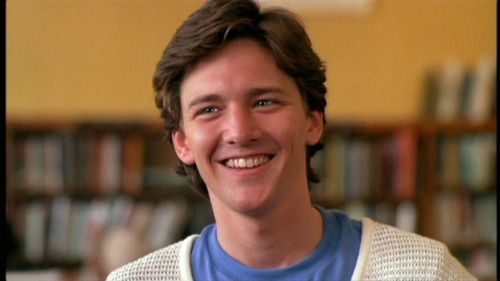
Hughes also wrote the scripts for two films that were directed by Howard Deutch, Prettyin Pink and Some Kind of Wonderful (Pretty in Pink is a personal favorite, largely due to my long-standing crush on Andrew McCarthy and that killer soundtrack). The final teen film that Hughes himself directed, Ferris Bueller’sDay Off, was released in 1986; by that point, Hughes was ready to move on to more adult-oriented fare. But his legacy as the king of ’80s teen comedies was sealed. Hughes died in 2009 of a heart attack, at the age of just fifty-nine, and a generation mourned.
This soundtrack was a “who’s who” of my mid-eighties favorites
Fun fact #1: John Cusack was originally hired to play The Breakfast Club‘s bad boy John Bender but Hughes eventually recast the role with Judd Nelson because Cusack didn’t look threatening enough.
Judd Nelson as John BenderJohn Cusack in The Sure Thing, one of three films he made in ’85
Fun fact #2: Pretty in Pink originally ended with Andie and Duckie together. Test audiences lost their minds and a new ending – with Andie choosing Blane – was commissioned. By the time the reshoot was scheduled, Andrew McCarthy was starring as a Marine in a play and had shaved his head for the role. So he was given this terrible, horrible, no good, very bad wig.
Real hairWig
Heathers
If you’ve ever said “Well, fuck me gently with a chainsaw” or “I love my dead gay son”, you’re definitely a Gen-Xer. Heathers, Michael Lehmann’s endlessly quotable, pitch-black comedy, stars Gen-X poster child Winona Ryder as Veronica, the only non-Heather in her clique at Westerburg High School. When Veronica meets J.D. (Christian Slater), the sociopathic new kid in town, all hell breaks loose. Upon its release in 1988, Heathers bombed (pun intended), earning only $1 million. But the film found an audience on home video and went on to become a cult classic.
Fun fact: Screenwriter Daniel Waters wrote the script with Stanley Kubrick in mind to direct the film. The cafeteria scene at the beginning of the film is an homage to the barracks scene in Kubrick’s Full Metal Jacket. Waters was unable to get the script to the famously private Kubrick and turned to Michael Lehmann, whom Waters had met through a mutual friend.
Reality Bites
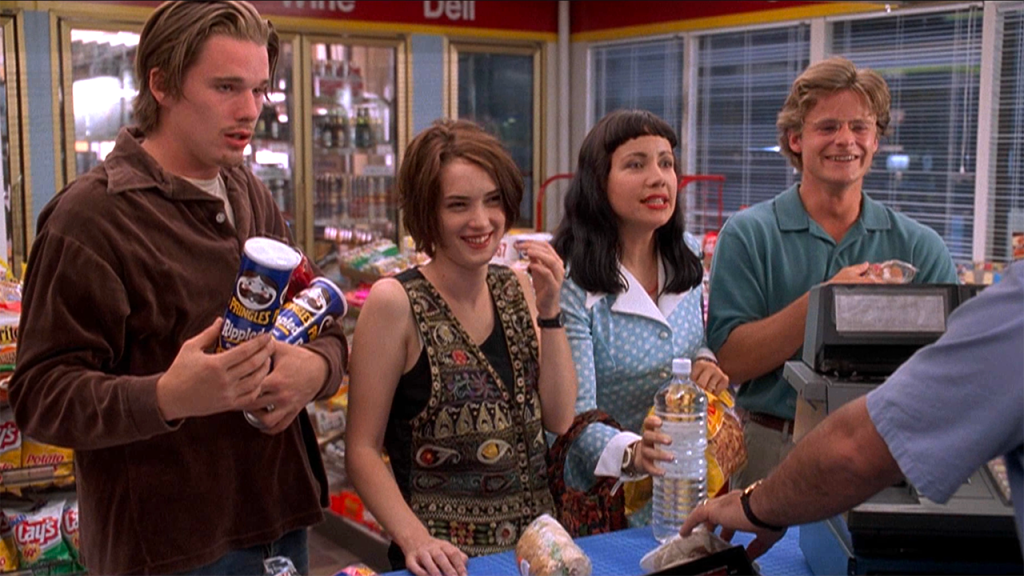
Reality Bites was one of the first films to be written and directed by Gen-Xers (Helen Childress and Ben Stiller, respectively). Its coming-of-age theme is universal, but the dialogue is all Gen-X. Winona Ryder stars as Lelaina, a recent college graduate and aspiring filmmaker learning to navigate adulthood along with her closest friends Troy (Ethan Hawke), Vickie (Janeane Garofalo), and Sammy (Steve Zahn). The whole “Will they, won’t they?” thing gets a little old; it’s obvious from the beginning that Lelaina and Troy will end up together (and frankly, they’re both kind of assholes anyway). Garofalo and Zahn steal every scene they’re in; I particularly love the poignant sequence where they anxiously get their first AIDS tests (a Gen-X rite of passage). One of my favorite things about Reality Bites is the soundtrack, which features retro jams like “My Sharona” and “Tempted” as well as songs from artists like Crowded House, Lenny Kravitz, and U2.
This is the appropriate response to hearing “My Sharona” on the radio
Fun fact: According to Childress, the title isn’t meant as a play on the phrase “reality sucks”; while writing the script during the 1992 election season, Childress kept hearing the term “sound bites” and came to think of Lelaina’s short films as “little bites of reality”.
E.T. the Extra-Terrestrial and Poltergeist
The year 1982 – “the summer of Spielberg” – was dominated by these two box office behemoths, released just a week apart in June. My generation just couldn’t get enough of them. I saw both of these films multiple times during their initial release, and have watched both countless times in the intervening years. Forty years later, the magic of these two movies still has the power to thrill, delight, terrify, and move me.
Fun fact #1: Both films have their roots in an unproduced screenplay called Night Skies, which Spielberg conceived as a horror sequel to Close Encounters of the Third Kind. Spielberg was contractually obligated by Universal Pictures to not direct another movie while E.T. was in development, and brought in Tobe Hooper. Hooper, who directed one of the most iconic horror films ever (The Texas Chainsaw Massacre), wasn’t interested in the sci-fi elements of Night Skies and suggested to Spielberg that they make a ghost story instead.
Fun fact #2: Steven Spielberg discovered Heather O’Rourke while eating lunch at the MGM commissary; O’Rourke and her mother were there with Heather’s older sister Tammy, who had a role in Pennies from Heaven. After he finished his lunch, Spielberg approached the family; Heather was signed to Poltergeist the following day. The runner-up for the role of Carol Anne Freeling, Drew Barrymore, was offered the role of Gertie in E.T. instead.
My research for this piece led me to this priceless clip of six-year-old Drew Barrymore being the absolute fucking cutest…
…and this one of a four-year-old Heather O’Rourke in a McDonald’s commercial
Pulp Fiction
Quentin Tarantino’s ultra-violent, darkly comic ode to 1950s hardboiled crime novels blew into the 47th Cannes Film Festival like a hurricane. Pulp Fiction won the festival’s top prize, the Palme d’Or, on its way to becoming the most buzzed-about (and best) film of 1994. Tarantino, like a lot of the directors on this list, is actually a boomer, but his sensibility is all Gen-X. Coming off the success of his feature-length debut Reservoir Dogs, Tarantino was given an $8.5 million budget and a creative blank check. After winning the Palme d’Or and opening the New York Film Festival, Pulp Fiction was given a wider release than most indie films (about 1,100 screens). While it wasn’t the highest-grossing movie of 1994 (it finished the year in tenth place), it was one of the most profitable, earning more than $200 million worldwide. Come Oscar time, Pulp Fiction raked in seven nominations: Best Picture, Best Director, Best Actor (John Travolta), Best Supporting Actor (Samuel L. Jackson), Best Supporting Actress (Uma Thurman), Best Film Editing, and Best Original Screenplay.
Fun fact: Quentin Tarantino has explicitly stated that the briefcase is a MacGuffin (“an object, device or event that is necessary to the plot and motivation of the characters, but insignificant or irrelevant in itself”), but that didn’t stop fans from speculating about its contents. One popular theory suggested that the briefcase contained Marcellus Wallace’s soul, which film critic Roger Ebert dismissed as “nothing more than a widely distributed urban legend given false credibility by the mystique of the Net”.
Star Wars trilogy
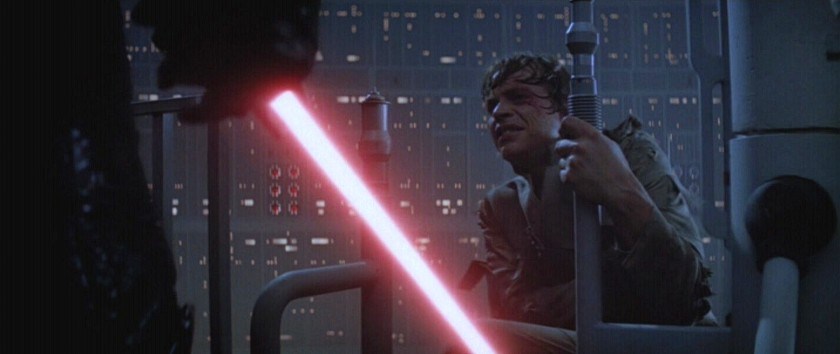
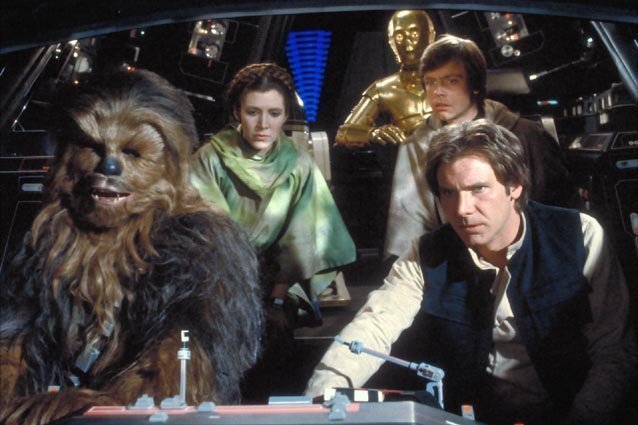
Star WarsThe Empire Strikes BackReturn of the Jedi
Star Wars was the first blockbuster film whose box office success was fueled in large part by Generation X. The oldest Gen-Xers were twelve years old when Star Wars (we didn’t call it “Episode IV” or “A New Hope” at the time) was released, and many of us were in our teens by the time the trilogy concluded. We coveted the tie-in merch and built the Legos. We dressed up like the characters for Halloween. Any cylindrical object became a lightsaber. I’ll admit that I wasn’t particularly into Star Wars at the time; I just didn’t see the big deal (I have come to regard the series more highly in my adulthood). But my disinterest aside, there’s no question Gen-X was responsible for making Star Wars a box office monster and a cultural icon.
Fun fact: George Lucas took story inspiration from Akira Kurosawa’s 1958 film The Hidden Fortress, in which two peasants agree to escort a man and a woman across enemy lines, not realizing that the man is a general and the woman is a princess.
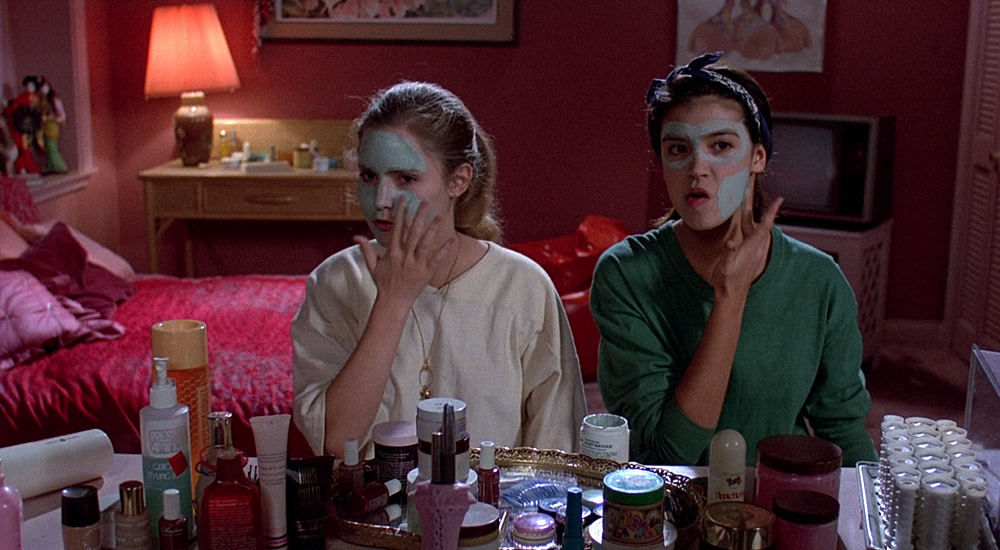
Fast Times at Ridgemont High
Cameron Crowe, another boomer, wrote the defining film of the Gen-X era. Fast Times at Ridgemont High, directed by Amy Heckerling and adapted from Crowe’s book of the same name, was based on Crowe’s experiences as an undercover reporter at Clairemont High School in San Diego. The characters in Fast Times feel like fully-formed people rather than teen-movie stereotypes; they grapple with real-world problems such as jobs, relationships, and sex. The cast – predominantly unknown at the time – was a “who’s who” of future movie stars, including Sean Penn, Jennifer Jason Leigh, Judge Reinhold, Phoebe Cates, Forest Whitaker, Eric Stoltz, Anthony Edwards, and Nicolas Cage (billed under his birth name, Nicolas Coppola).
Fun fact #1: In 1981, Cameron Crowe began dating Heart’s Nancy Wilson (the two were married in 1986). Heart recorded a song called “Fast Times” that was supposed to appear on the Fast Times at Ridgemont High soundtrack but it wasn’t used in the film. Heart included the track on their 1982 album Private Audition. Wilson herself appeared in Fast Times as “Beautiful Girl in Car”.
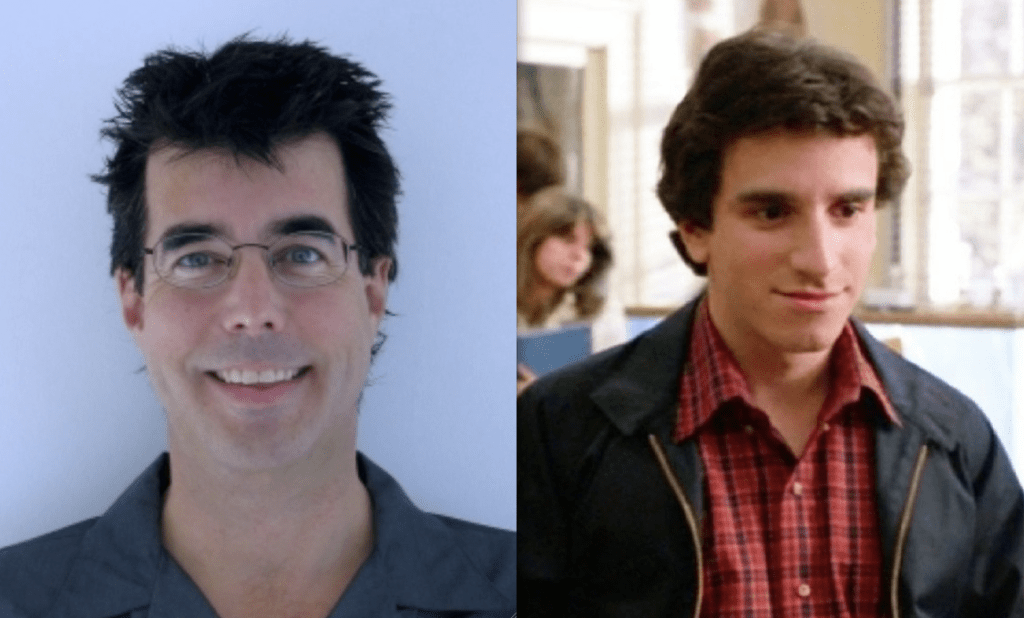
Fun fact #2: Andy Rathbone, whom Crowe befriended while attending Clairemont, was the basis for the Fast Times character Mark “Rat” Ratner. Rathbone went on to write more than fifty books in the …for Dummies series, beginning with Windows for Dummies in 1992.
Andy Rathbone, left, and Brian Backer as Mark Ratner
Back to the Future
Back to the Future was the biggest movie of 1985, by a pretty large margin; it ruled the box office all summer long. It held the top spot for eleven non-consecutive weeks, and was still in the top ten in its twenty-fifth week of release. I personally saw it three times in the theater (it was playing at the Campus Theater in Ann Arbor and my friends and I LOVED to hang out on and around campus). Director Robert Zemeckis and writer Bob Gale conceived of the idea for BTTF back in 1980; they were turned down more than forty times by studios who didn’t think the film could compete with the raunchy teen sex comedies popular at the time. After the success of 1984’s Romancing the Stone, Zemeckis secured a $15 million budget from Universal. BTTF went on to earn a total worldwide gross of almost $400 million. It also received five Oscar nominations and launched a franchise that includes two sequels, an animated television series, theme park attractions, a video game, and a stage musical.
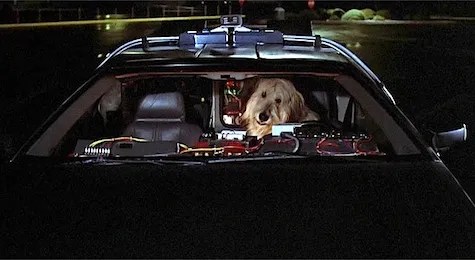
Fun fact #1: In the first draft of the screenplay, Doc Brown’s pet was a chimpanzee named Shemp. A studio exec asked the creators to change it because films with chimps never did well, and Shemp became a dog named Einstein.
Fun fact #2: Although Michael J. Fox was the first choice for the role of Marty McFly, Fox was contractually obligated to Family Ties at the time, and the creators had to move on or risk the studio backing out of the deal. Zemeckis wanted C. Thomas Howell for the role, but the studio pressured him to cast Eric Stoltz. Five weeks into filming, it was obvious to everyone that Stoltz was not the right fit for the part; Stoltz himself told a crew member that he wasn’t a comedian and didn’t understand why he’d been cast. Zemeckis convinced the studio to do whatever it took to get Fox and to give him an additional $4 million to extend the shoot. Filming with Fox began on January 15, 1985 – less than six months before the film’s scheduled release date. For three months, Fox spent his days on the Family Ties set and his nights and weekends filming BTTF.
By the way, Fox’s hiring necessitated the recasting of Marty’s girlfriend Jennifer. At five feet, seven inches, Melora Hardin is two inches taller than Fox. The film’s female crew members overwhelmingly agreed that Marty should not be shorter than his girlfriend, and Hardin was replaced with the five-foot, four-inch Claudia Wells. Just seventeen years old at the time, Hardin was understandably devastated.
Stoltz and Hardin as Marty and Jennifer
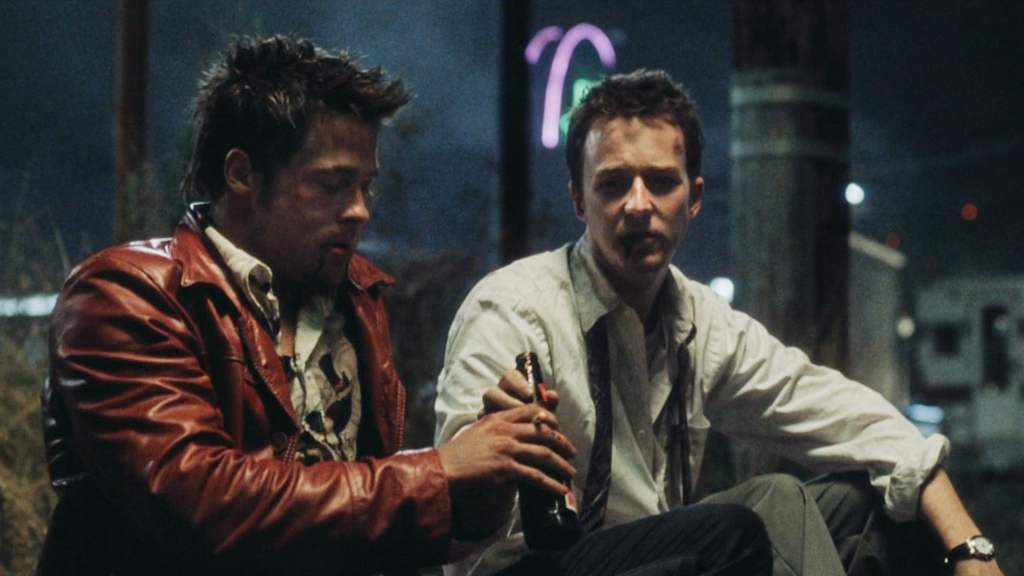
Fight Club
Another iconic Gen-X film directed by a boomer (David Fincher was born in 1962), Fight Club feels like the apex of Gen-X cynicism. I’ll admit that I hadn’t yet read the Chuck Palahniuk novel on which the film is based and mostly saw Fight Club because of how much I’d loved Fincher’s previous two films, Seven and The Game. I was wholly unprepared for how deeply Fight Club would inhabit me. I empathized with The Narrator’s insomnia and his desire to feel something other than depression and apathy, his need to “destroy something beautiful”. Fincher did a brilliant job satirizing toxic masculinity and rampant consumerism and told a damned entertaining story in the process; in doing so, Fincher accomplished the rarest of feats – a movie that’s better than the book.
20th Century Fox execs HATED the movie and didn’t know how to market it. The film premiered at the Venice Film Festival, where it received a polarized response. Christopher Goodwin, writing for The Australian, opined that “Fight Club is shaping up to be the most contentious mainstream Hollywood meditation on violence since Stanley Kubrick’s A Clockwork Orange.”
Fun fact #1: For the film’s first fight scene, Fincher instructed Edward Norton to actually hit Brad Pitt but didn’t warn Pitt. Fincher, a perfectionist who tends to film multiple takes, used the first take of this scene in the finished product.
Fun fact #2: The Dust Brothers composed the excellent electronic score, but they weren’t Fincher’s first choice. Fincher was looking for an artist who’d never scored a film before and initially pursued Radiohead; Thom Yorke, exhausted from promoting the band’s 1997 album OKComputer, declined. Yorke went on to compose the music for 2018’s Suspiria and his bandmate Jonny Greenwood has famously collaborated with Paul Thomas Anderson on five films, earning an Academy Award nomination for 2017’s Phantom Thread (and another one this past year for Jane Campion’s The Power of the Dog).
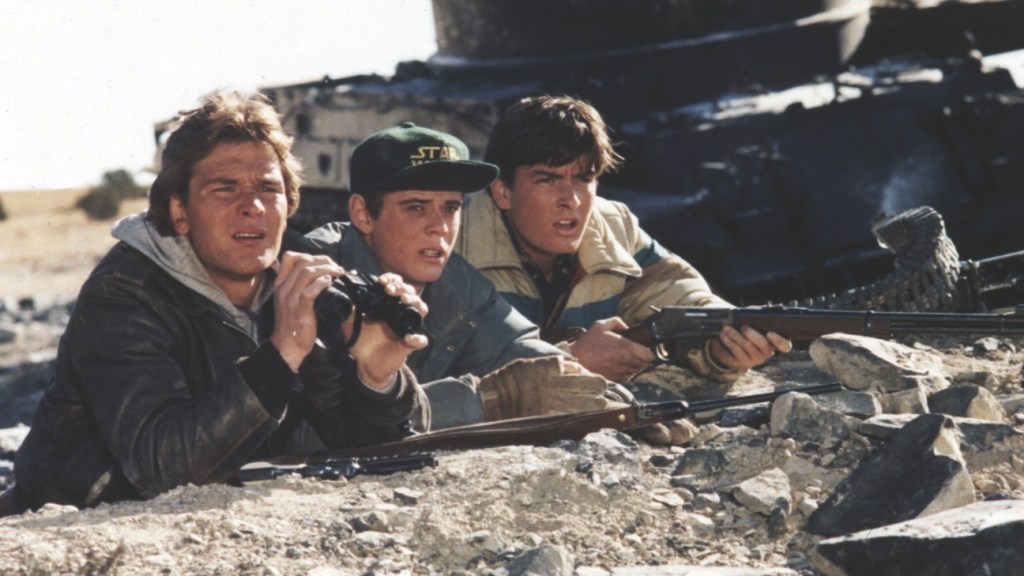
The Brat Pack – The Outsiders, Red Dawn, St. Elmo’s Fire
The OutsidersRed DawnSt. Elmo’s Fire
In addition to most of the John Hughes films discussed above, the so-called Brat Pack starred in several more iconic ’80s films. The term “Brat Pack” was coined for a 1985 article in New York magazine. Two popular movies from that year – The Breakfast Club and St. Elmo’s Fire – were referenced in the article, thus the Brat Pack is generally defined as actors who starred in one or both of those films. Among its members are Emilio Estevez, Ally Sheedy, and Judd Nelson (all three of whom starred in both of the aforementioned films), as well as Molly Ringwald, Anthony Michael Hall, Rob Lowe, Andrew McCarthy, and Demi Moore.
Technically speaking, most of the members of the Brat Pack are young boomers (the notable exceptions are Ringwald and Hall; Robert Downey Jr. and Charlie Sheen, sometimes cited as Brat Packers, are also Gen-Xers, having both been born in 1965). But the films they starred in – films like The Outsiders, Red Dawn, The Breakfast Club, and St. Elmo’s Fire – were Gen-X touchstones.
“Brat Pack” was meant derogatorily, of course; the word “brat” conjures up images of bad behavior. I don’t remember what they’d done to earn the moniker – perhaps they (gasp!) partied too hard, the way a lot of twenty-somethings do? – and I didn’t really care anyway. I just loved the movies, especially anything Andrew McCarthy – the love of my sixteen-year-old life – was in.
<sighs>
Fun fact: Harry Dean Stanton was something of a mentor to the group. Stanton, at the time in his fifties, co-starred in several films featuring Brat Packers, including Repo Man, Red Dawn, and Pretty in Pink.
Grease
When I started working on this post, I asked my husband – also a Gen-Xer – what he thought were the most iconic movies of our youth, and the first thing he said was “Grease“. It was a somewhat surprising answer, because he really doesn’t like musicals, but he hit the nail on the head. Grease is one of the first movies I distinctly remember seeing in the theater. A LOT of us saw it in the theater; made for about $6 million, Grease earned more than $132 million in its initial release, making it the highest-grossing film of 1978.
Fun fact: The film’s soundtrack has sold 38 million copies and was the second-best-selling album of the year (after Saturday Night Fever, the soundtrack to another John Travolta movie). The Grease soundtrack remains the eleventh-best-selling album of all time.
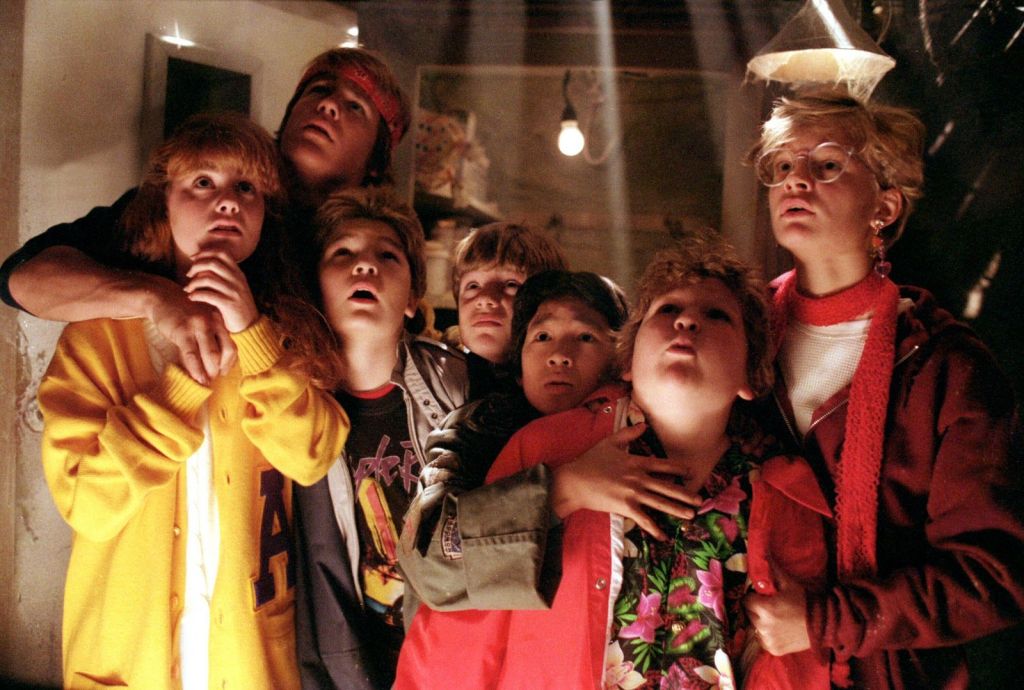
The Goonies
One of the first films to star Gen-Xers in the majority of the lead roles, The Goonies was one of the most popular movies of 1985 and remains a cult classic to this day. Steven Spielberg executive produced this adventure flick from a script by Christopher Columbus. The charming teen cast is headed by Josh Brolin and Sean Astin as brothers Brandon and Mikey Walsh, whose family is facing foreclosure by a greedy developer who wants to demolish the homes in their neighborhood (nicknamed the Goondocks) so he can build a swanky new country club. Mikey and his friends set out in search of the treasure of pirate One-Eyed Willie, hoping it will be enough to pay off the developer and keep their homes. Along the way, they encounter a family of criminals, countless booby traps, bats, a giant octopus (cut from the finished product for being too cartoonish), and a pirate ship full of treasure.
Fun fact #1: Executive producer Steven Spielberg asked Cyndi Lauper to be the musical director for The Goonies. Lauper included her friends The Bangles, who had opened for her on her Fun tour and were still relatively unknown at the time (their breakout second album, Different Light, was released the following year). The highlight of the soundtrack is Lauper’s own“The Goonies ‘R’ Good Enough”, which became Lauper’s fifth top ten hit. The video was directed by Goonies helmer Richard Donner and features appearances by the film’s cast, Spielberg, pro wrestlers Roddy Piper and André the Giant, and the members of The Bangles.
Fun fact #2: The house used as the Walsh home in the film, located in Astoria, Oregon, is a popular tourist destination.
On this day in 2001, Fatboy Slim released his single “Weapon of Choice”, which features Bootsy Collins on vocals. The video for “Weapon of Choice” was directed by Oscar winner Spike Jonze and stars the delightful Christopher Walken. Fatboy Slim earned six trophies at the MTV Video Music Awards that year and took home the 2002 Grammy Award for Best Music Video.
Shirley Temple was born on this day in 1928. Temple became an overnight sensation at the age of six when she starred in 1934’s Bright Eyes, which features the song most closely associated with her: “On the Good Ship Lollipop”. The United States was at the height of the Great Depression, and Temple provided a respite from the anguish of unemployment, homelessness, and hunger. Temple was the #1 box office draw from 1935 to 1938 and won an honorary Oscar in 1935. In her adulthood, Temple was a diplomat, serving as a United Nations delegate and US Ambassador to Ghana and Czechoslovakia.
Bill “Bojangles” Robinson was Temple’s favorite dance partner (“It was kind of a magic between us”). They were the first interracial couple to dance together onscreen (in 1935’s The Little Colonel). Here’s a scene from one of their later collaborations, Rebecca of Sunnybrook Farm.
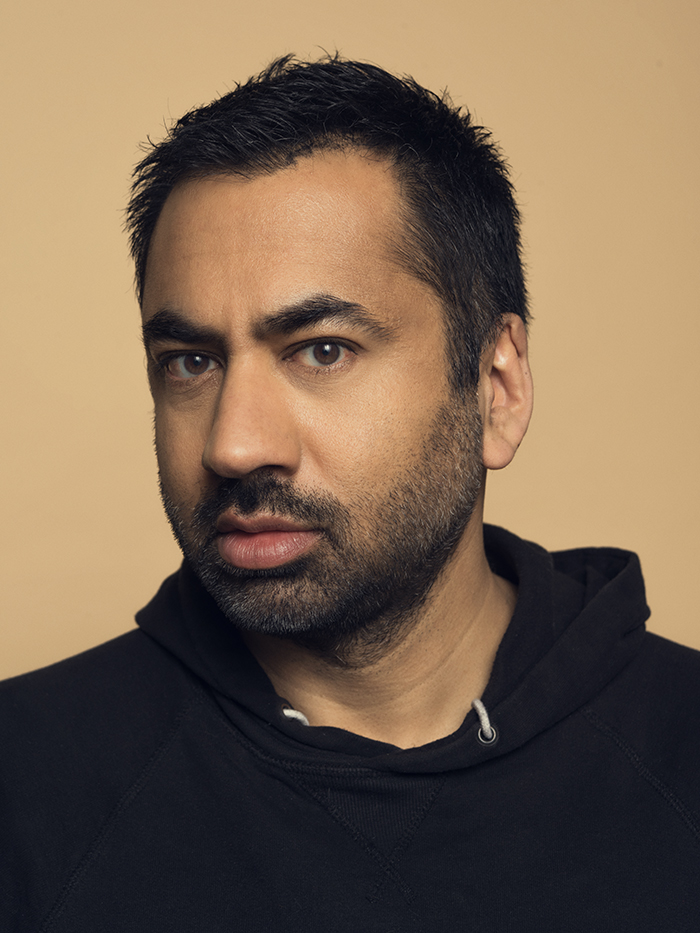
John Cena, Kal Penn and John Oliver are all celebrating their 45th birthdays today.
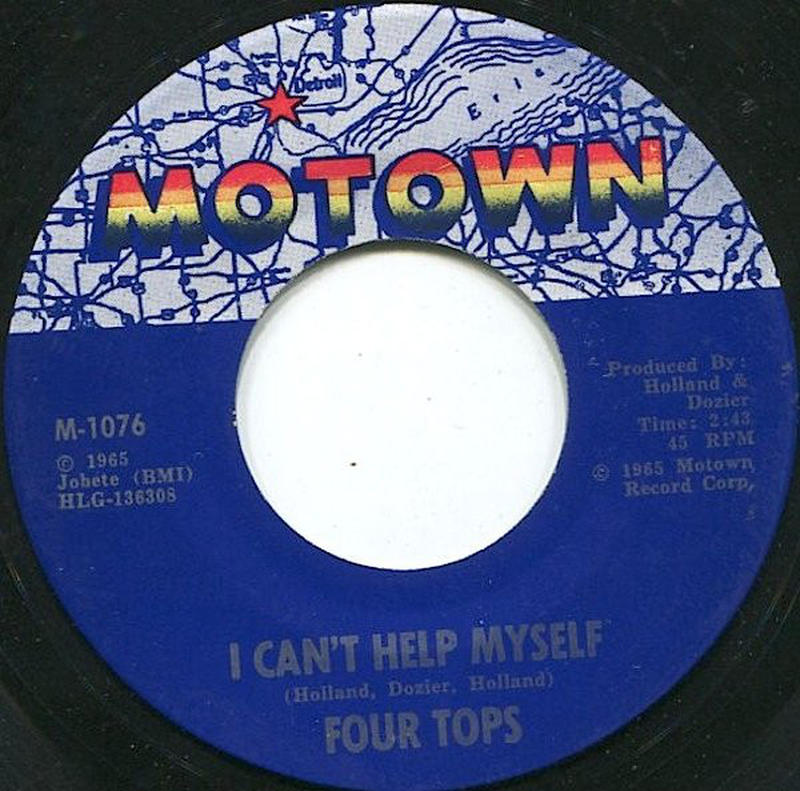
“I Can’t Help Myself (Sugar Pie Honey Bunch)” by The Four Tops was released on this day in 1965. The single spent nine weeks atop the Billboard R&B chart and two non-consecutive weeks at #1 on the Hot 100 (it was toppled by The Byrds’ “Mr. Tambourine Man” and The Rolling Stones’ “(I Can’t Get No) Satisfaction”, respectively). It was the second-best-selling single of 1965, after (and I am not making this up) “Wooly Bully” by Sam the Sham and the Pharaohs.
Because I needed another time-wasting activity, I just discovered this YouTube channel that discusses a film or television series based on real events and how closely it adheres to the historical record. Amadeus is a movie I’ve seen only once (when it was in theaters), but after watching this video I’ve decided it’s time for a re-watch. Some of the other clips by History Buffs cover everything from Gladiator to Braveheart to SavingPrivate Ryan to Bohemian Rhapsody. And down the rabbit hole, I go…
Yes, that’s Jeffrey Jones as Emperor Joseph II
Singer Michael Feinstein, a friend of Liza Minnelli’s, appeared on SiriusFM’s The Jess CagleShow this week with an interesting addition to that heartwarming Lady Gaga/Minnelli moment at the Oscars.
And finally, Robert Morse has died at the age of ninety. Morse is best known for his portrayal of J. Pierrepont Finch in How to Succeed in Business Without Really Trying, which earned Morse his first Tony; he reprised the role for the 1967 film adaptation. I appeared in my high school’s production of How to Succeed… so it holds a special place in my heart. Morse won his second Tony for playing Truman Capote in Tru (and an Emmy for the airing of the one-man play on PBS’s American Playhouse). Morse may be familiar to TV audiences for his role as Bert Cooper on Mad Men.
***** CONTENT WARNING: THIS POST CONTAINS REFERENCES TO DEPRESSION, DRUG USE, SUICIDE, A PLANE CRASH, CANCER, AND DEATH *****
These albums are all turned fifty in 2022. This list is chronological by release date.
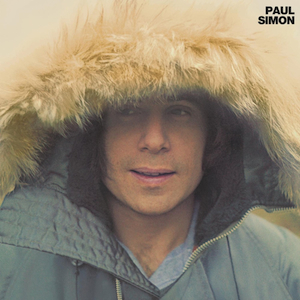
Paul Simon – Paul Simon
CHART POSITION: #4 in the US (it went to #1 in four other countries: Japan, Finland, Norway, and Sweden)
SINGLES: “Mother and Child Reunion”, “Me and Julio Down by the Schoolyard”, “Duncan”
MY FAVORITE TRACKS: “Mother and Child Reunion”, “Me and Julio Down by the Schoolyard”, “Run That Body Down”, “Paranoia Blues”
FUN FACT: The inspiration for the name “Mother and Child Reunion” was a chicken-and-egg dish Simon saw on a Chinese menu.
Harvest – Neil Young
CHART POSITION: #1 (Harvest was the best-selling album of 1972 in the United States)
SINGLES: “Heart of Gold”, “Old Man”
MY FAVORITE TRACKS: “Heart of Gold”, “The Needle and the Damage Done”
FUN FACT: Linda Ronstadt and James Taylor provided background vocals for “Old Man” and “Heart of Gold”.
Something/Anything? – Todd Rundgren
CHART POSITION: #29 in the US
SINGLES: “I Saw the Light”, “Couldn’t I Just Tell You”, “Hello It’s Me”, “Wolfman Jack”
MY FAVORITE TRACKS: All of the above, plus “It Wouldn’t Have Made Any Difference”, which was featured on the soundtrack to one of my all-time favorite films, Almost Famous.
FUN FACT: Rundgren was a prolific writer in those days (he claims to have written “I Saw the Light” in twenty minutes), which he has attributed to his use of Ritalin.
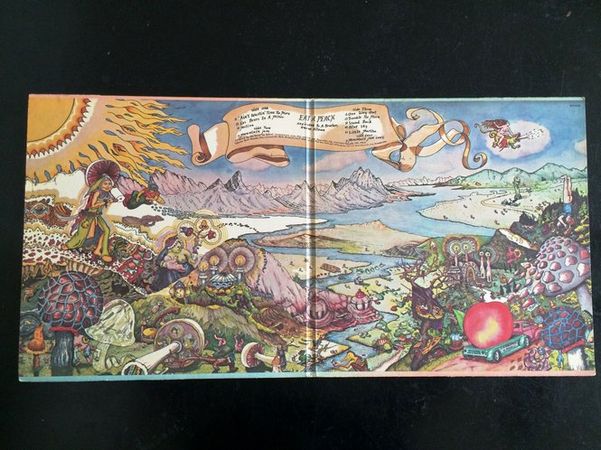
Eat a Peach – The Allman Brothers Band
CHART POSITION: #4 in the US
SINGLES: “Ain’t Wastin’ Time No More”, “Melissa / Blue Sky”, “One Way Out”
MY FAVORITE TRACKS: “One Way Out” (ALSO featured on the Almost Famous soundtrack), “Mountain Jam” (based on Donovan’s “There Is a Mountain”)
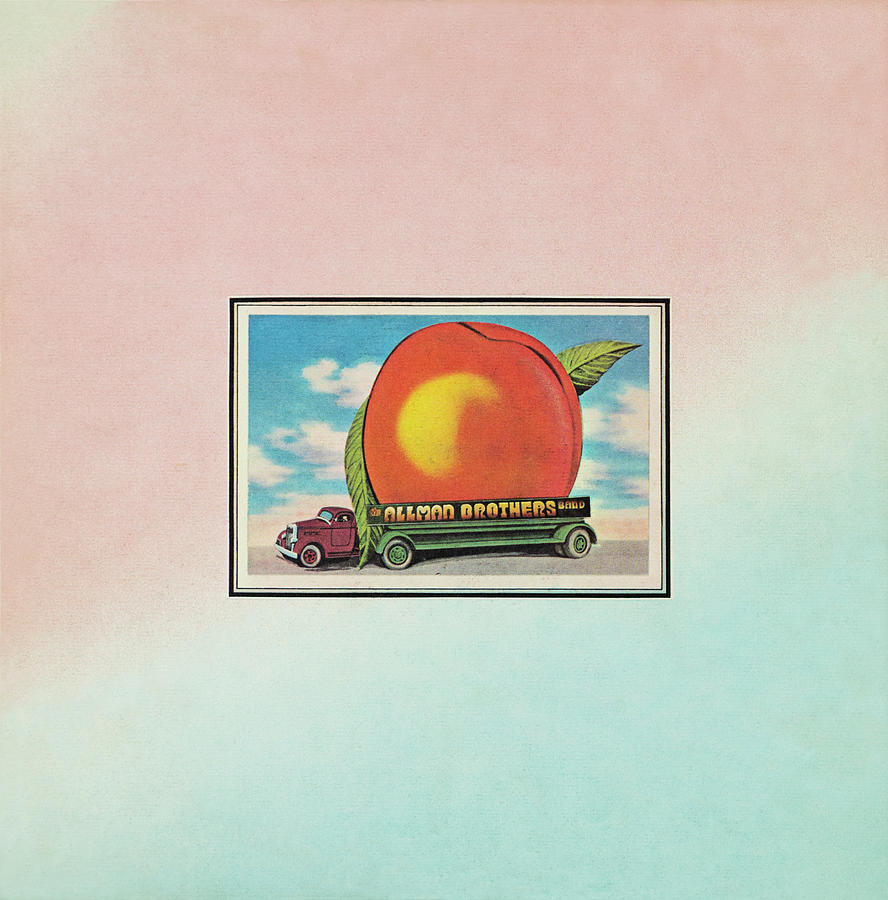
FUN FACT: The album’s gatefold art, done by W. David Powell and J. F. Holmes, is incredible; the pair were “profoundly influenced” by Dutch painter Hieronymus Bosch.
in 1991, Rolling Stone selected Eat a Peach as one of the 100 greatest album covers of all time; shown is the gatefold art by W. David Powell and J. F. HolmesAn example of Hieronymus Bosch’s work, The Garden of Earthly Delights
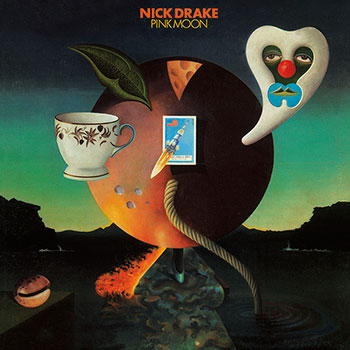
Pink Moon – Nick Drake
CHART POSITION: N/A
SINGLES: None
MY FAVORITE TRACKS: Written while Drake was in the throes of severe depression, the songs of Pink Moon are breathtaking but bleak, so “favorite” might not be the appropriate word. Pink Moon is worth experiencing; just be prepared to go to a dark place.
FUN FACT: Drake is one of the least commercially-successful artists on this list, but his music has inspired countless other artists, including Kate Bush, R.E.M.’s Peter Buck, and The Cure’s Robert Smith (in fact, The Cure’s name is derived from a Nick Drake lyric from the song “Time Has Told Me”). His tragic death by suicide in 1974 meant that Pink Moon would be Drake’s final album.
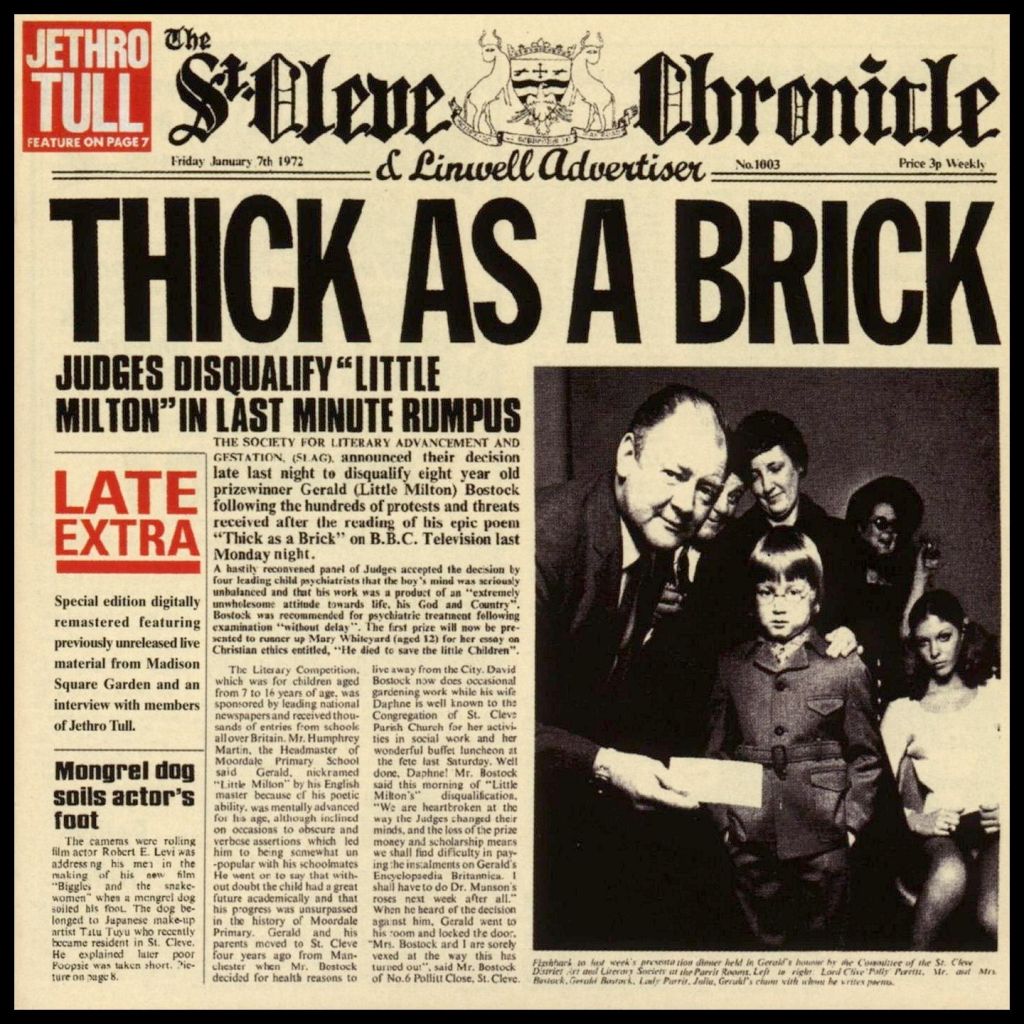
Thick as a Brick – Jethro Tull
CHART POSITION: #1 in the US, Australia, Canada, and Denmark
SINGLES: None
MY FAVORITE TRACKS: “Thick as a Brick, Part I”, “Thick as a Brick, Part II”
FUN FACT: Jethro Tull frontman Ian Anderson, offended by a critic who labeled the band’s previous effort, Aqualung, a “concept album”, decided to record a Monty Python-style spoof of a concept album. Thick as a Brick consists of two songs, the aforementioned “Thick as a Brick, Part I” and “Thick as a Brick, Part II”. And while it received mixed reviews at the time of its release, Thick as a Brick is generally considered one of the ten best prog-rock albums ever.
Machine Head – Deep Purple
CHART POSITION: #7 in the US, #1 in six other countries, including the UK and Australia
SINGLES: “Never Before”, “Lazy”, “Highway Star”, “Smoke on the Water”
MY FAVORITE TRACKS: “Highway Star”, “Smoke on the Water”, “Space Truckin'”
FUN FACT: Machine Head is a pivotal album in the development of heavy metal, but it almost didn’t happen. Deep Purple intended to record the album at the Montreaux Casino in Switzerland, but the casino burned to the ground when a fan set off a flare gun at a Frank Zappa/Mothers of Invention show. Fortunately, there were no major injuries from the fire, and the band was able to book another venue. Deep Purple’s most iconic song, “Smoke on the Water”, was written about the incident.
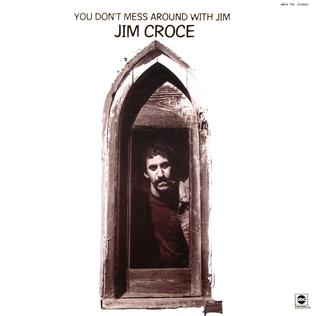
You Don’t Mess Around With Jim – Jim Croce
CHART POSITION: #1 in the US and Canada
SINGLES: “You Don’t Mess Around with Jim”, “Operator (That’s Not the Way It Feels)”, “Time in a Bottle”
MY FAVORITE TRACKS: All of the above, plus “New York’s Not My Home”, “Photographs and Memories”, “Rapid Roy (The Stock Car Boy)”
FUN FACT: “Time in a Bottle” was not originally intended as a single (in fact, he’d released another album by then), but after Croce’s death in a plane crash in September of 1973, radio stations were bombarded with requests for the song, forcing the label to release it as a single. It went on to become Croce’s second #1 hit (“Bad, Bad Leroy Brown” was the first).
I had to include this clip of Jim Hopper (David Harbour) doing a dad dance to “You Don’t Mess Around with Jim”
Exile on Main St. – Rolling Stones
CHART POSITION: #1 in five countries, including the US, the UK, and Canada
SINGLES: “Tumbling Dice”, “Happy”
MY FAVORITE TRACKS: “Tumbling Dice”, “Sweet Virginia”, “Rocks Off”, “Shine a Light”, “Soul Survivor”
FUN FACT: Liz Phair’s 1993 debut album, Exile in Guyville, is a song-by-song response to Exile on Main St (though not in the literal sense). A Spotify user helpfully put together a playlist for comparison.
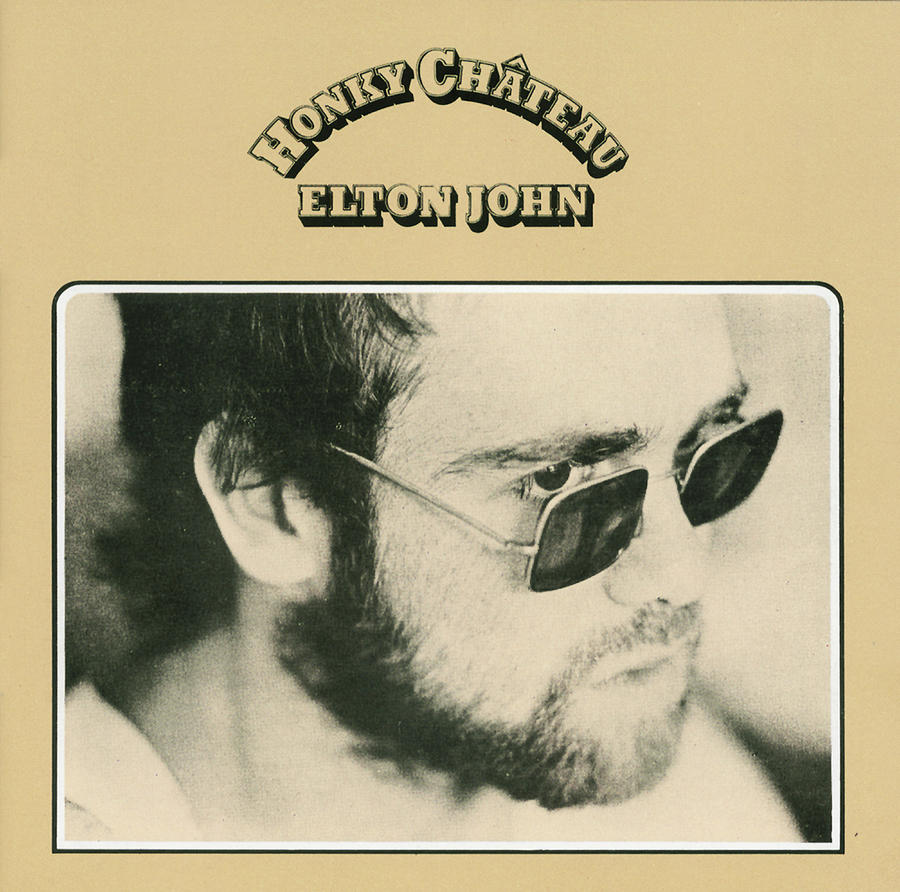
Honky Château – Elton John
CHART POSITION: #1 in the US, #2 in the UK
SINGLES: “Rocket Man (I Think It’s Going to Be a Long, Long Time)”, “Honky Cat”
MY FAVORITE TRACKS: “Mona Lisas and Mad Hatters”, “Honky Cat”, “Rocket Man”
FUN FACT: Honky Château was Elton John’s first recording to feature two members of his road band, bassist Dee Murray and drummer Nigel Olsson. Olsson performs with John to this day (Murray died in 1992 of skin cancer).
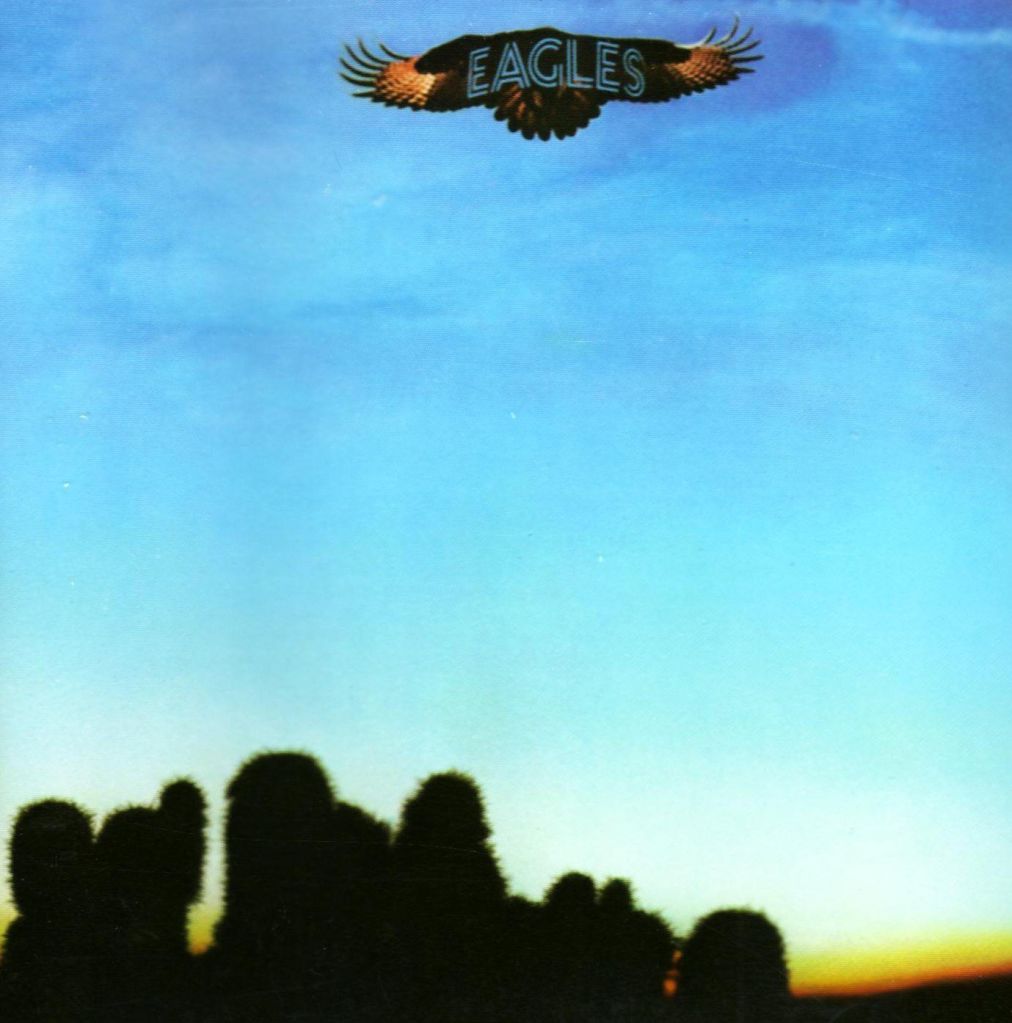
Eagles – Eagles
CHART POSITION: #22 in the US, #13 in Canada
SINGLES: “Take It Easy”, “Witchy Woman”, “Peaceful Easy Feeling”
MY FAVORITE TRACKS: All of the above
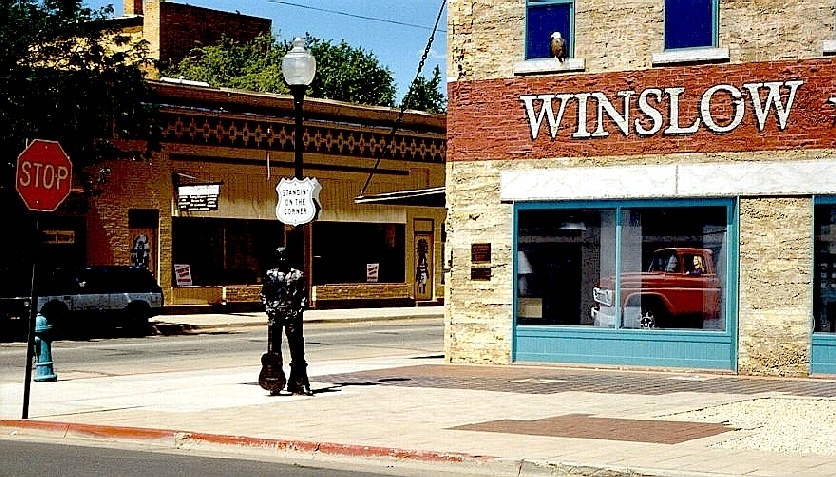
FUN FACT: “Take It Easy” was written by Jackson Browne and Eagle Glenn Frey. The lyric “Well, I’m a-standing on a corner/In Winslow, Arizona/Such a fine sight to see/It’s a girl, my Lord/In a flat-bed Ford/Slowin’ down to take a look at me ” was written after Browne’s vehicle broke down in Winslow (Frey added the part about the girl in the Ford). In 1999, the city of Winslow commissioned a statue and mural at the corner of Second Street and Kinsley Avenue. The mural depicts a red Ford flatbed truck and an eagle.
Obscured by Clouds – Pink Floyd
CHART POSITION: #46 in the US, #6 in the UK
SINGLES: “Free Four”
MY FAVORITE TRACKS: “Burning Bridges”, “Wot’s… Uh the Deal?”, “Childhood’s End”
FUN FACT: Obscured by Clouds was the soundtrack to the Barbet Schroeder film La Vallée.
The Rise and Fall of Ziggy Stardust and the Spiders from Mars – David Bowie
CHART POSITION: #21 in the US, #5 in the UK
SINGLES: “Starman/Suffragette City”, “Rock ‘n’ Roll Suicide”
MY FAVORITE TRACKS: “Five Years”, “Moonage Daydream”, “Starman”, “Ziggy Stardust”
FUN FACT: The primary inspirations for the Ziggy Stardust character were English singer Vince Taylor and American proto-punk icon Iggy Pop.
Bowie performing “Starman” on Top of the Pops (the British equivalent of American Bandstand)
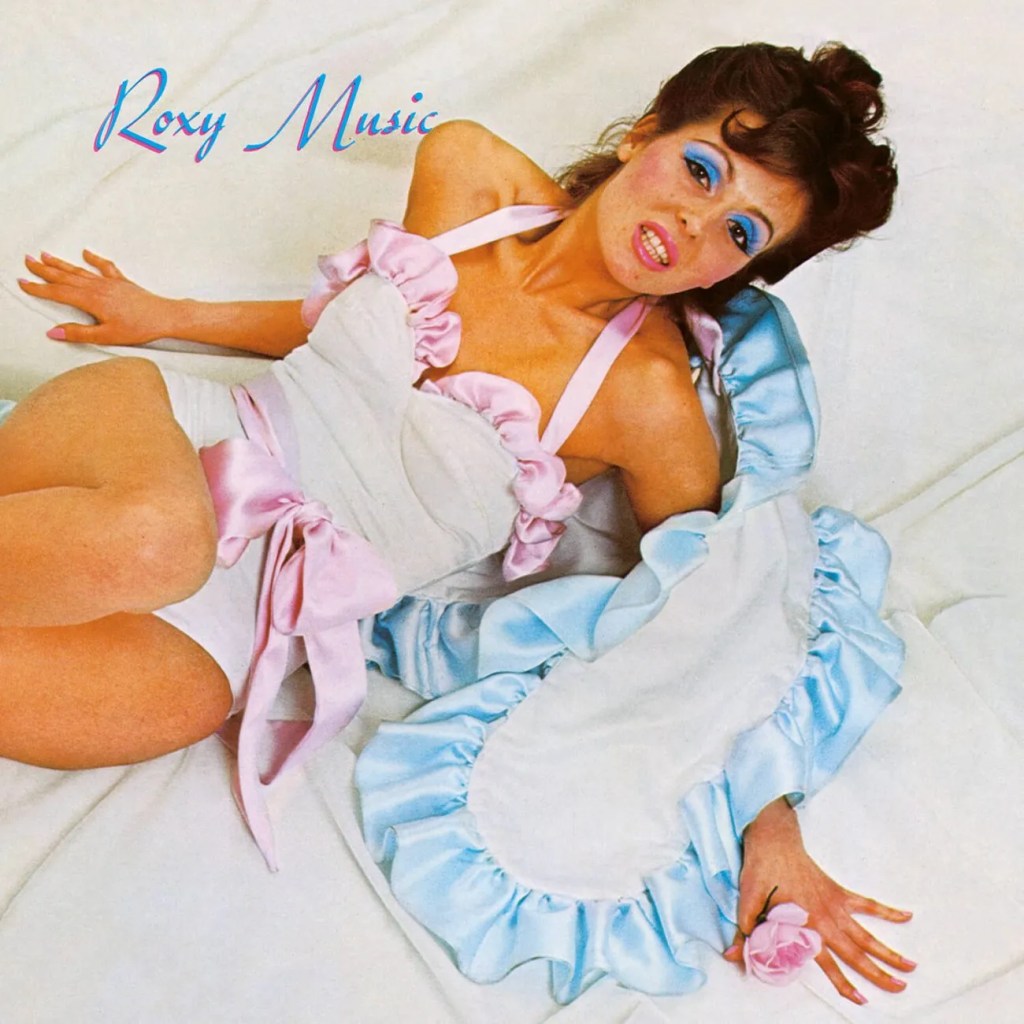
Roxy Music – Roxy Music
CHART POSITION: #10 in the UK; didn’t chart in the US
SINGLES: “Virginia Plain”
MY FAVORITE TRACKS: “Re-Make/Re-Model”, “2HB”, “Bitters End”
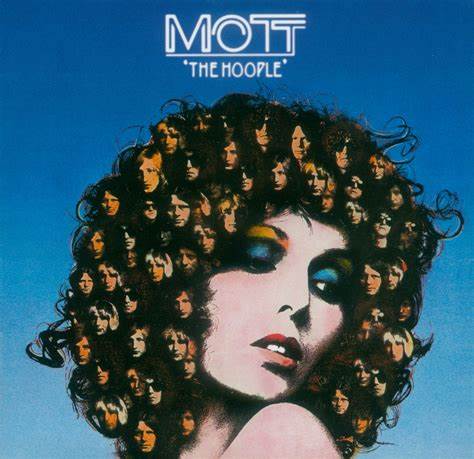
FUN FACT: “Virginia Plain” was recorded during the Roxy Music sessions and released as a single in advance of the album, only to be scrubbed from the finished product. In later printings of the album, “Virginia Plain” is included. “2HB” is Bryan Ferry’s love letter to Humphrey Bogart and includes the lyric “Here’s looking at you kid”, as well as a sax solo influenced by “As Time Goes By”. The model on the cover, by the way, is Kari-Ann Muller, who also appeared on the cover of Mott the Hoople’s 1974 album, The Hoople. Muller would later marry Chris Jagger, Mick’s younger brother.
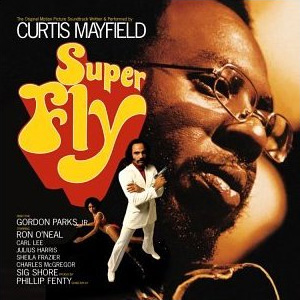
Superfly – Curtis Mayfield
CHART POSITION: #1 in the US
SINGLES: “Freddie’s Dead”, “Superfly”
MY FAVORITE TRACKS: Just listen to the whole dang thing, okay?
FUN FACT: This funk/soul masterpiece was the soundtrack to the Blaxploitation film of the same name; the album was so successful, it’s one of the few soundtracks to outgross their accompanying movie.
#1 Record – Big Star
CHART POSITION: N/A
SINGLES: None
MY FAVORITE TRACKS: “Thirteen”, “The Ballad of El Goodo”, “In the Street”,
FUN FACT: #1 Record only sold about 10,000 copies upon its initial release but fifty years later, the album is considered a power-pop masterpiece. Big Star’s Alex Chilton, who’d achieved fame at the age of sixteen with The Box Tops (“The Letter”, “Cry Like a Baby”), is a legend of the genre who inspired artists like The Replacements, R.E.M., and The Posies.
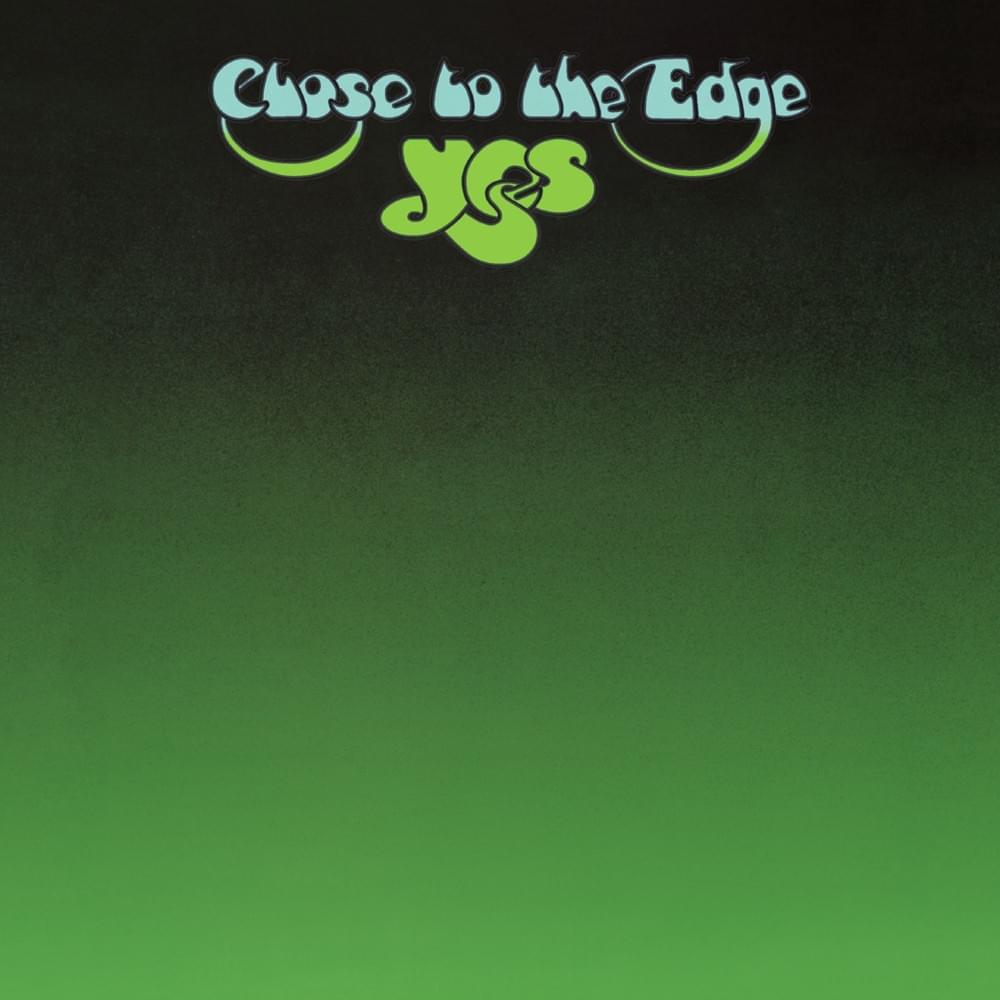
Close to the Edge – Yes
CHART POSITION: #3 in the US, #4 in the UK
SINGLES: “And You and I”
MY FAVORITE TRACKS: “Close to the Edge”, “And You and I”
FUN FACT: Among the inspirations for Close to the Edge: Symphony Nos. 6 and 7 by Finnish composer Jean Sibelius, Wendy Carlos’s Sonic Seasonings (widely regarded as the first new-age album), and the Herman Hesse novel Siddhartha. Close to the Edge was the first Yes album to feature the iconic band logo created by Roger Dean.
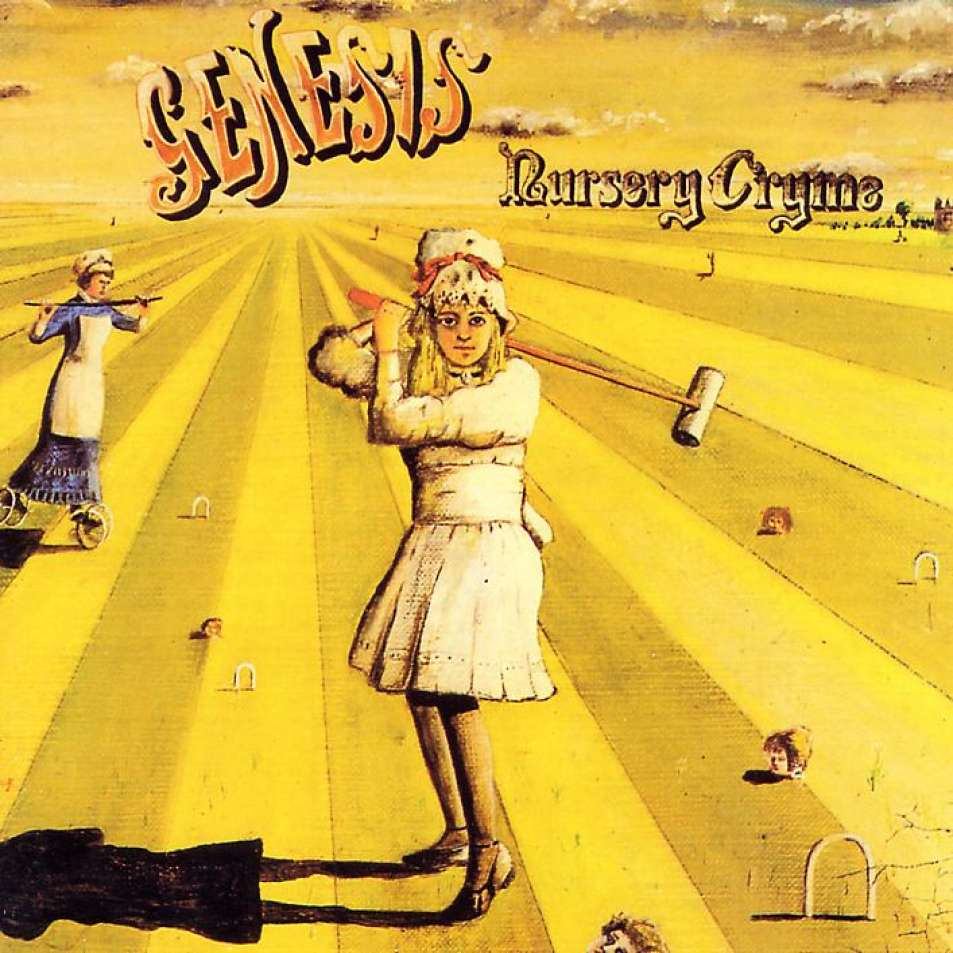
Foxtrot – Genesis
CHART POSITION: #12 in the UK (Genesis didn’t crack the Billboard 200 until their follow-up to Foxtrot, Selling England by the Pound)
SINGLES: “Watcher of the Skies”
MY FAVORITE TRACKS: “Supper’s Ready”
FUN FACT: “Supper’s Ready”, at just over twenty-three minutes, is the longest song Genesis ever recorded. The song is comprised of seven parts and undergoes multiple key and time signature changes. Foxtrot was the last of three Genesis album covers to be designed by Paul Whitehead (Trespass and Nursery Cryme were the other two).
Here’s Genesis performing “Supper’s Ready” live in its entirety
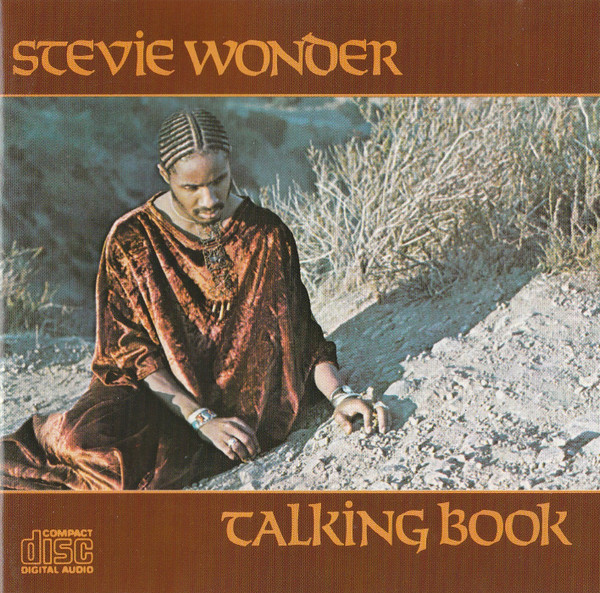
Talking Book – Stevie Wonder
CHART POSITION: #3in the US (#1 on the R&B chart)
SINGLES: “Superstition”, “You Are the Sunshine of My Life”
MY FAVORITE TRACKS: “Maybe Your Baby”, “You’ve Got It Bad Girl”, “Superstition”, “I Believe (When I Fall in Love It Will Be Forever)”
FUN FACT: Wonder’s Music of My Mind was also released in 1972, and while it’s a fine album, Talking Book is better. Talking Book earned Wonder his first Grammy, and on the same night, Wonder took home his first of three Album of the Year awards for his subsequent album, Innervisions, which was released during the same eligibility period.
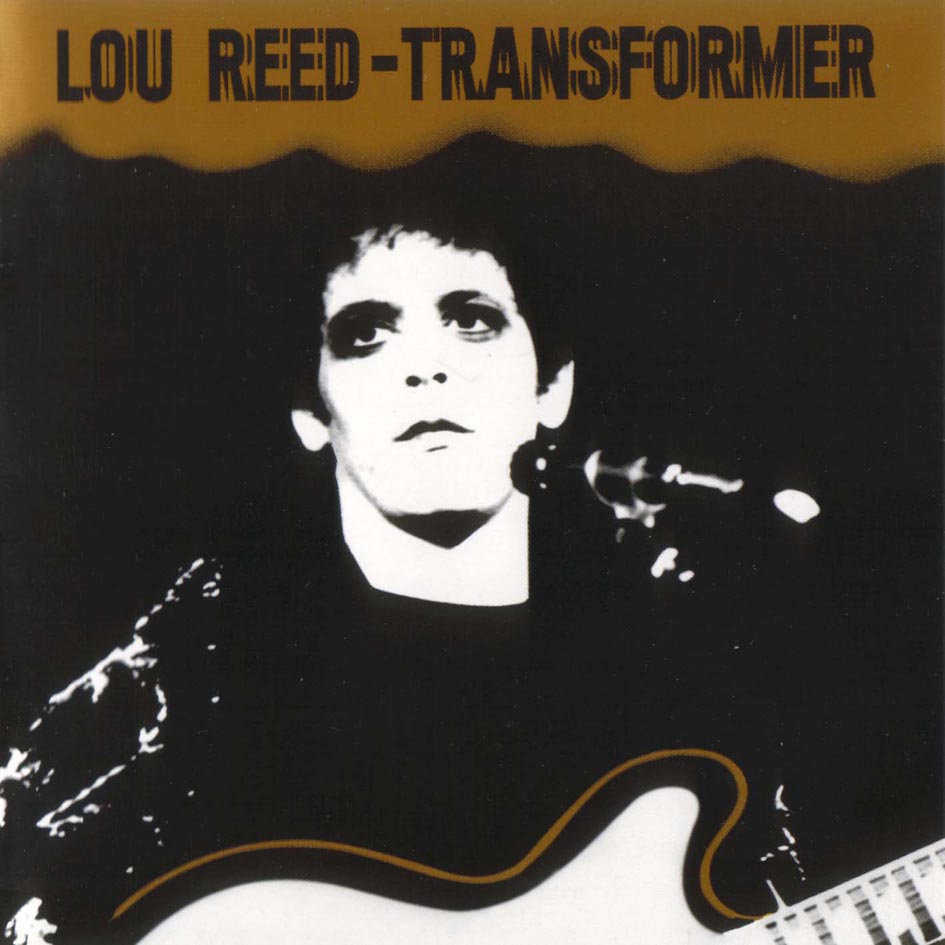
Transformer – Lou Reed
CHART POSITION: #29 in the US, #13 in the UK
SINGLES: “Walk on the Wild Side/Perfect Day”, “Satellite of Love”, “Vicious”
MY FAVORITE TRACKS: All of the above, “I’m So Free”, “Goodnight Ladies”
FUN FACT: Transformer was produced by David Bowie and Mick Ronson, who were both hugely influenced by Reed’s work with The Velvet Underground. “Vicious” was inspired by Reed’s friend and mentor Andy Warhol, who suggested Reed write a song about someone vicious. When Reed asked Warhol what he meant by “vicious”, Warhol replied, “Oh, you know, like I hit you with a flower.”
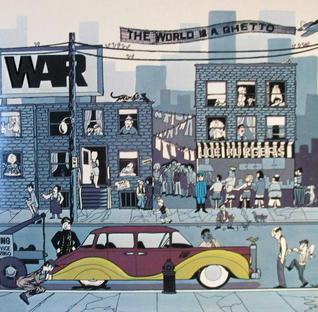
The World Is a Ghetto – War
CHART POSITION: #1 in the US
SINGLES: “The Cisco Kid”, “The World Is a Ghetto”
MY FAVORITE TRACKS: “The Cisco Kid”, “Four Cornered Room”, “The World Is a Ghetto”
FUN FACT: The World Is a Ghetto was the best-selling album of 1973 and was selected as Album of the Year by Billboard magazine.
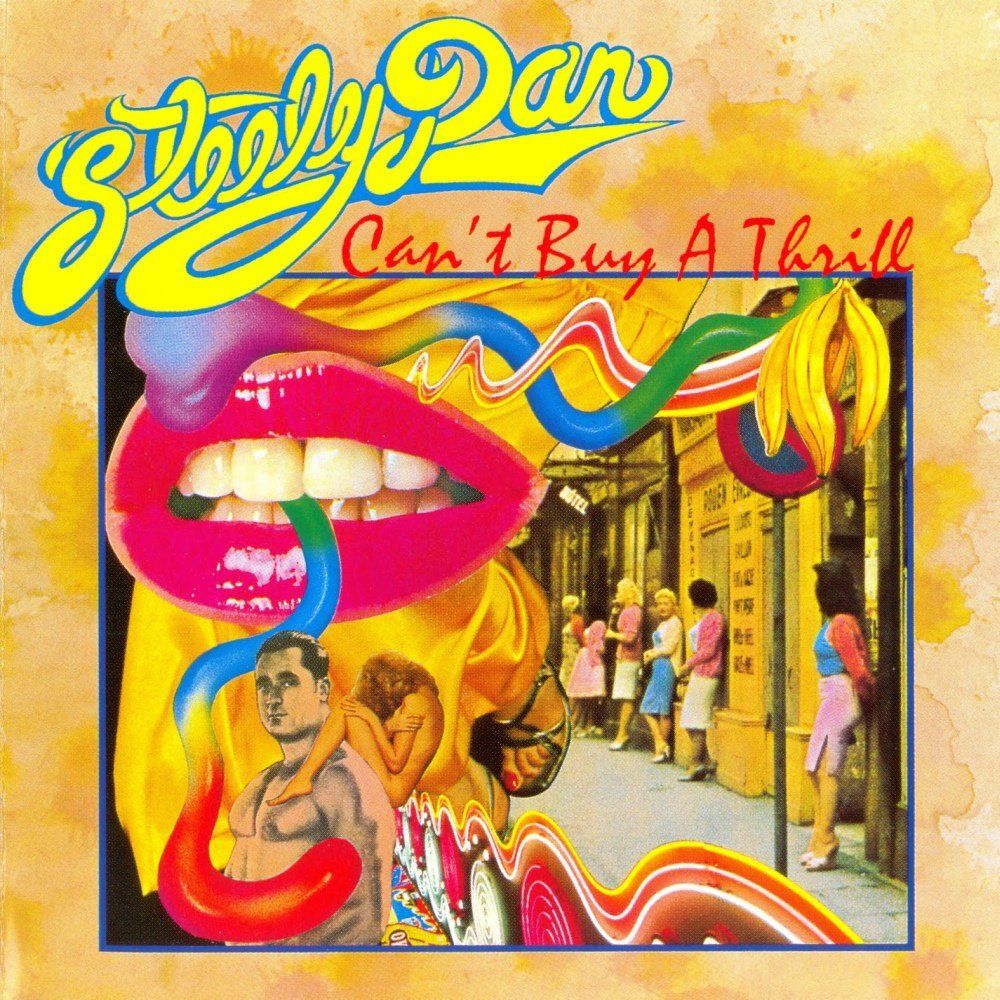
Can’t Buy a Thrill – Steely Dan
CHART POSITION: #17 in the US
SINGLES: “Do It Again”, “Reelin’ in the Years”
MY FAVORITE TRACKS: “Do It Again”, “Dirty Work”, “Only a Fool Would Say That”, “Reelin’ in the Years”, “Fire in the Hole”,
FUN FACT: Steely Dan’s name is a reference to a steam-powered, strap-on dildo in William S. Burroughs’ novel Naked Lunch (the dildo’s full name is Steely Dan III from Yokohama).
The 64th annual Grammy Awards were held on April 3, and the coveted Best New Artist prize went to teenage pop sensation Olivia Rodrigo. Over the years, the Grammys have made some head-scratchingly bizarre decisions in the Best New Artist category, often favoring pop one-hit-wonders over genre artists who are more likely to stand the test of time.
Awards are by their nature subjective, and it’s definitely worth noting that some of the most significant musical artists of the modern era – including Stevie Wonder, Marvin Gaye, Simon & Garfunkel, The Rolling Stones, Bee Gees, Queen, Michael Jackson, Prince, U2, Madonna, Nirvana, The White Stripes, and Lady Gaga – WEREN’T EVEN NOMINATED.
Only time will tell what Rodrigo’s legacy will be, of course. In thirty years, will pop culture bloggers be wondering why she beat Glass Animals or Japanese Breakfast? It’s impossible to say, but her win got me thinking: which Best New Artist winners were the biggest head-scratchers, and more importantly, which other nominee(s) should have won instead?
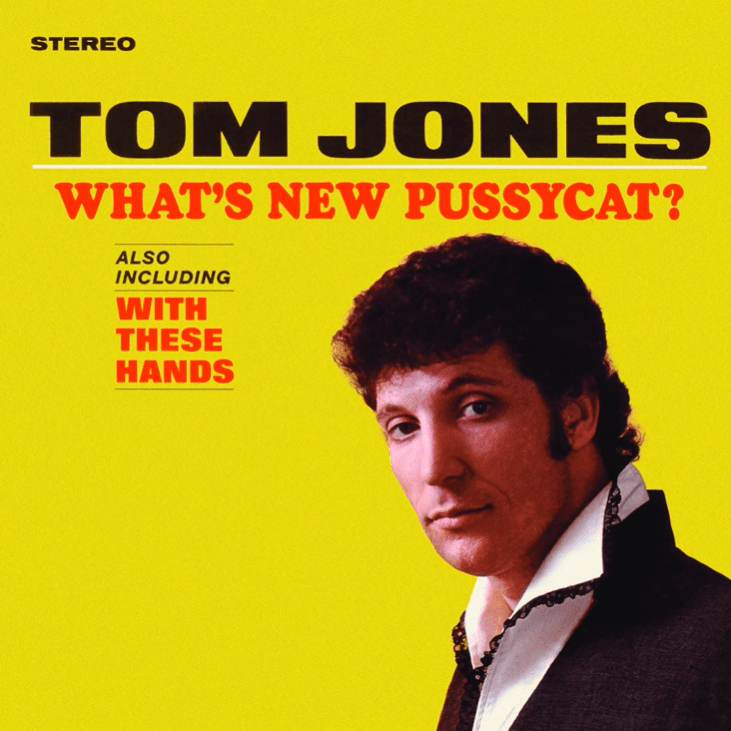
Tom Jones (1965)
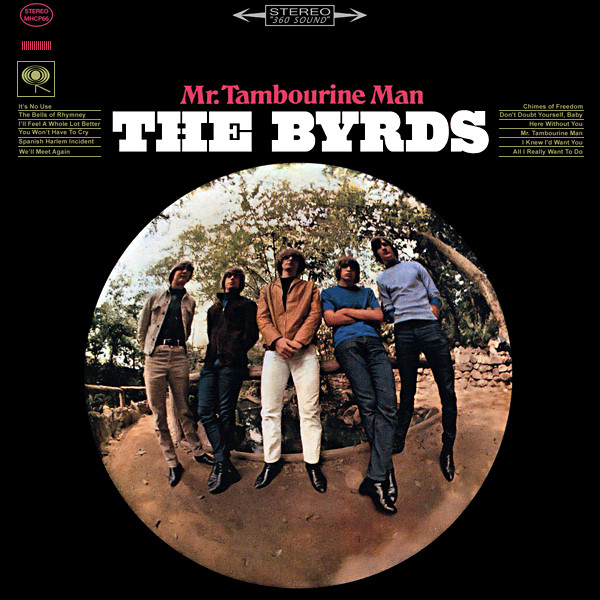
WHO SHOULD HAVE WON: THE BYRDS
No disrespect to Welch crooner Tom Jones, who burst onto the scene in 1965 with top ten hits “It’s Not Unusual” and “What’s New, Pussycat?”, but The Byrds are arguably the greatest and most influential American rock band of all time. These days, Jones is best known for his flashy Vegas performances and his philandering (Jones estimates he was sleeping with about 250 women per year at the height of his fame, all while married to his high school sweetheart Linda). Meanwhile, The Byrds released not one but two albums – Mr. Tambourine Man and Turn! Turn! Turn! – in 1965, and made some of the most important records of the late ’60s, including Fifth Dimension and Sweetheart of the Rodeo.
José Feliciano (1968)
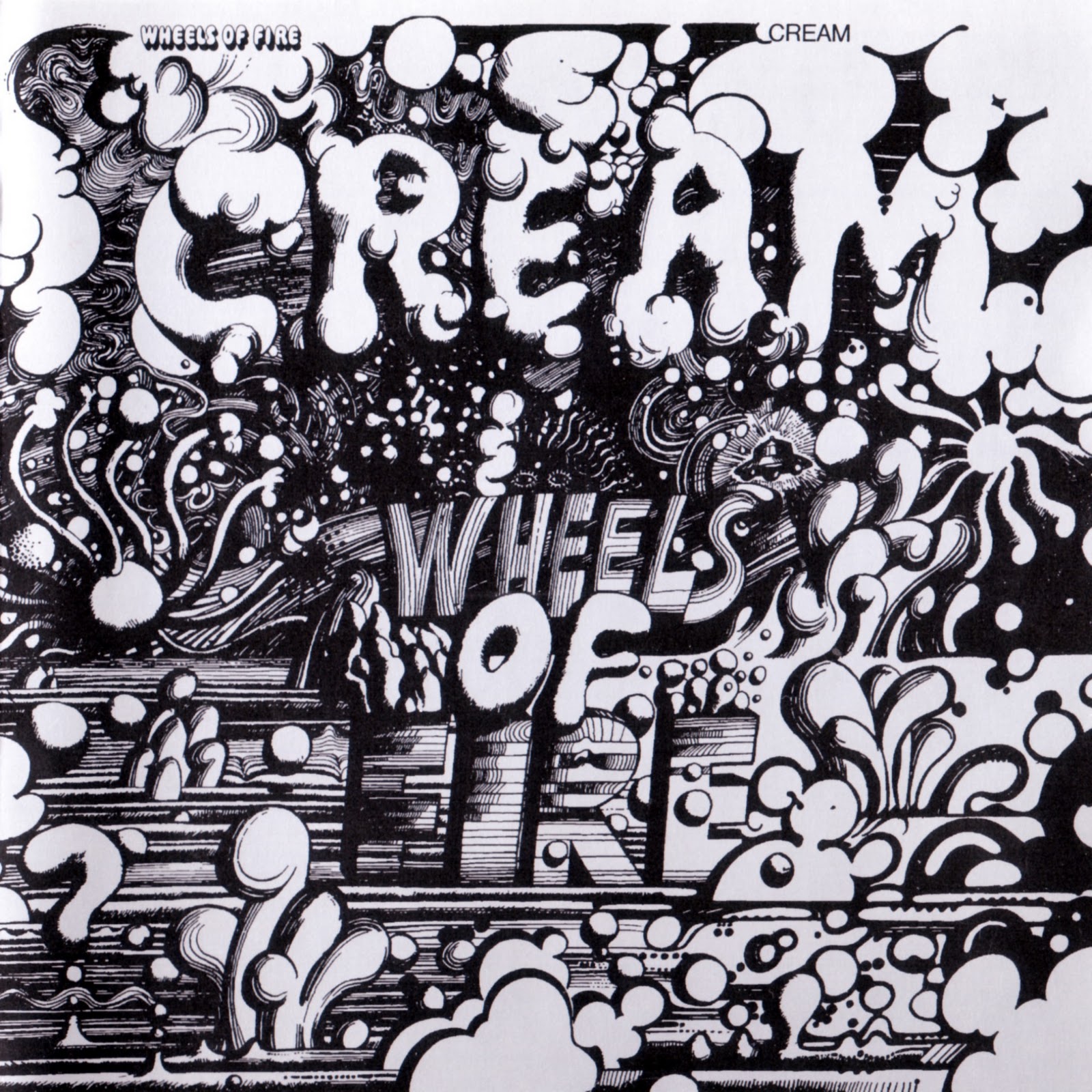
WHO SHOULD HAVE WON: CREAM
Latin music artist José Feliciano is best known for his annoyingly catchy Christmas tune “Feliz Navidad” and his acoustic cover of The Doors’ “Light My Fire”. Meanwhile, Cream – rock’s first supergroup – was making some of the most enduring music of the late 1960s. Comprised of Eric Clapton, Ginger Baker, and Jack Bruce, Cream was a blues-rock/psychedelic powerhouse, and though they only released four albums, they remain one of the greatest rock bands of all time.
Starland Vocal Band (1976)
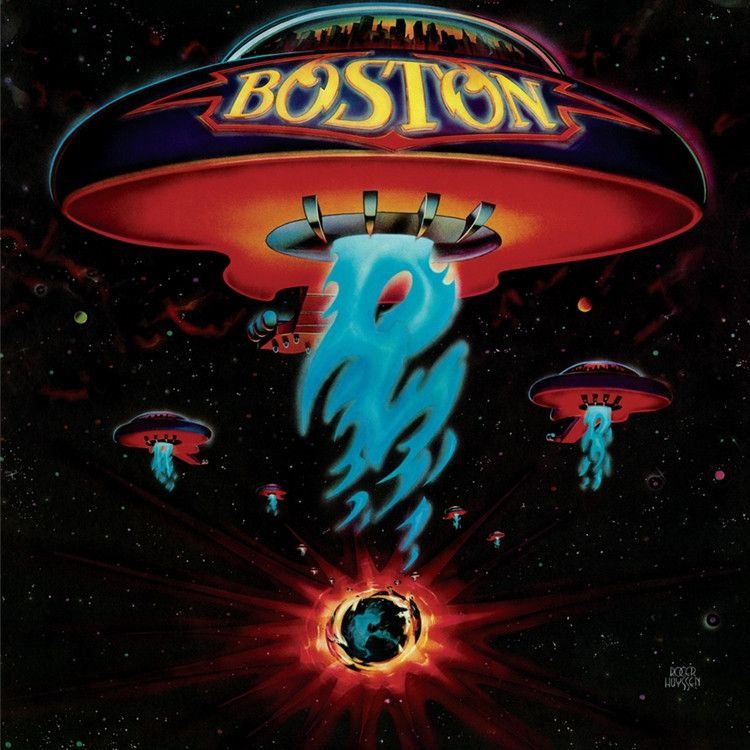
WHO SHOULD HAVE WON: Boston
Boston was, without a doubt, the best new artist of 1976. Their eponymous debut is an embarrassment of rock riches, featuring singles “More Than a Feeling”, “Long Time” and “Peace of Mind”, as well as several more songs that continue to get AOR airplay more than forty-five years later. Boston has sold more than twenty million copies worldwide and is still considered one of the greatest debut albums ever. But the Recording Academy went with literal one-hit wonders Starland Vocal Band, whose cheesetastic ode to daytime nookie “Afternoon Delight” went to #1 on the Billboard Hot 100.
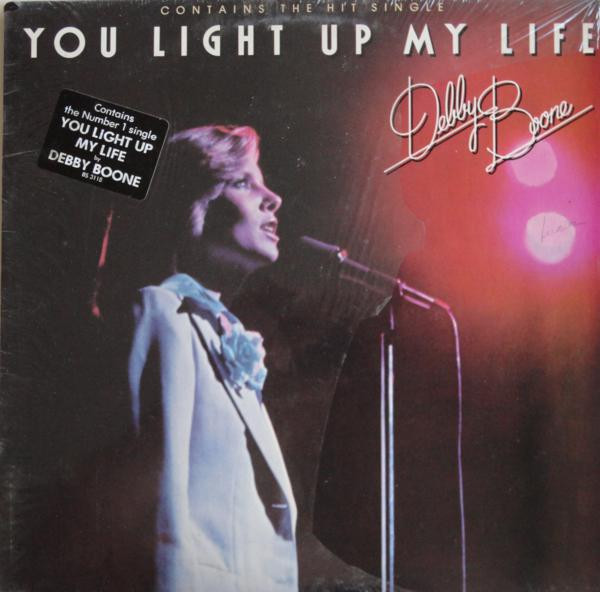
Debby Boone (1977)
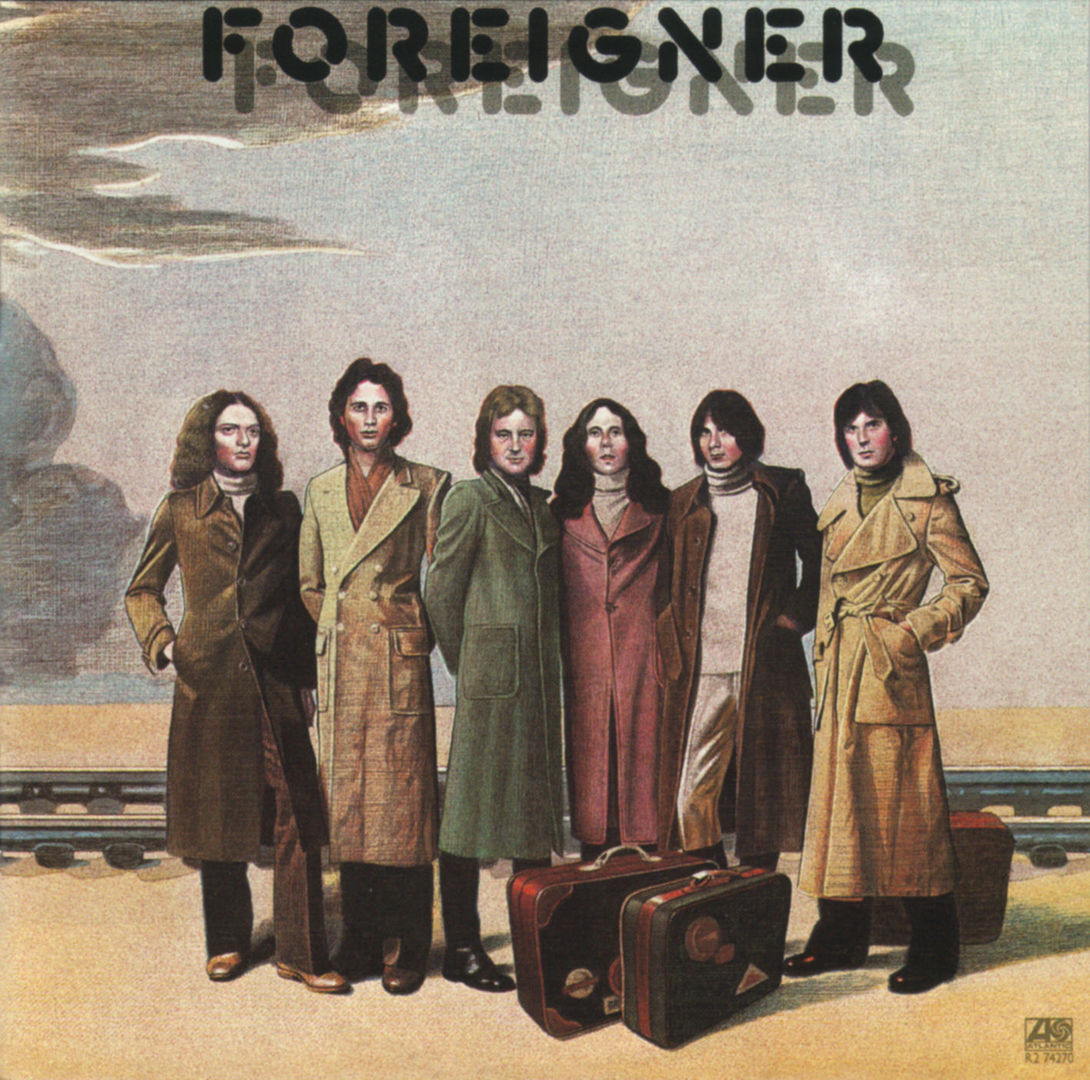
WHO SHOULD HAVE WON: Foreigner or Andy Gibb
Gospel artist Debby Boone – daughter of Pat – had one crossover hit, “You Light Up My Life” (the theme song to the movie of the same name), which went to #1 on the Billboard Hot 100 and stayed there for an unprecedented ten weeks. And though she’s technically not a one-hit-wonder (she had two other singles that cracked the Hot 100), Boone’s contributions to popular music begin and end with “You Light Up My Life”. Meanwhile, Foreigner’s self-titled debut featured three top-ten hits – “Feels Like the First Time”, “Cold as Ice” and “Long, Long Way from Home” – and kick-started their career as one of the most popular American rock bands of the 1970s and ’80s. Andy Gibb, younger brother to The Bee Gees, burst onto the pop scene at age nineteen with his debut, Flowing Rivers. The album produced two #1 hits: “I Just Want to Be Your Everything” and “(Love Is) Thicker Than Water”, and though Gibb’s career didn’t have the longevity of Foreigner’s, he still would have been a better Best New Artist pick than Boone.
A Taste of Honey (1978)
WHO SHOULD HAVE WON: The Cars, Elvis Costello or Toto
A Taste of Honey’s debut single “Boogie Oogie Oogie” was a smash hit, reaching #1 on the Billboard Hot 100, and it remains one of the most enduring songs of the disco era. I am unabashedly a disco fan, but when you stack A Taste of Honey’s career against The Cars, Elvis Costello, or even Toto, it just doesn’t hold up. Personally, I’d probably pick The Cars, one of my all-time favorite artists. The Cars’ eponymous debut is a power-pop classic, featuring the singles “Just What I Needed”, “My Best Friend’s Girl”, and “Good Times Roll”, as well as “You’re All I’ve Got Tonight”, “Bye Bye Love”, and my personal favorite, “Moving in Stereo”. Costello would have been a fine pick as well; his third album, Armed Forces, is the one that attracted the attention of the Recording Academy, and it is a banger. And yes, even Toto, whose single “Hold the Line” might be my favorite song of 1978, would have been a better choice.
Sheena Easton (1981)
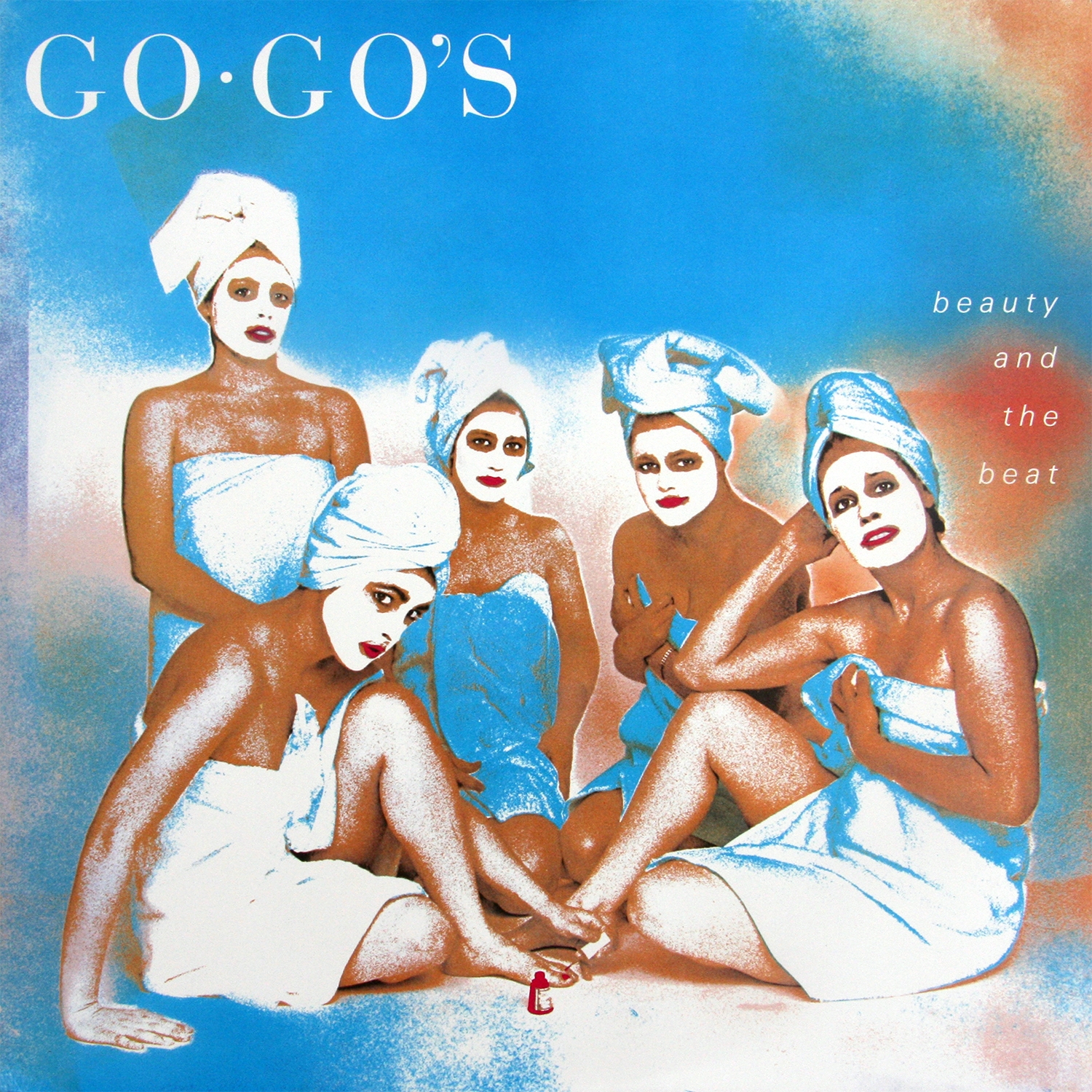
WHO SHOULD HAVE WON: The Go-Go’s
Scottish chanteuse Sheena Easton exploded onto the pop scene in 1981 with the one-two punch of “Morning Train (Nine to Five)” and “For Your Eyes Only”, the theme song to the James Bond film of the same name. Easton is lovely, but The Go-Go’s were the rightful winners of the Best New Artist prize that year. Their debut album, Beauty and the Beat, remains the only #1 record in history by an all-female band who wrote their own songs and played their own instruments. I’ve waxed rhapsodic about Beauty and the Beat before (ICYMI: https://peanut-butter-and-julie.com/2021/07/08/beauty-and-the-beat-at-40/), and I’ll probably do so again; its importance in rock history – and my own personal life – cannot be overstated.
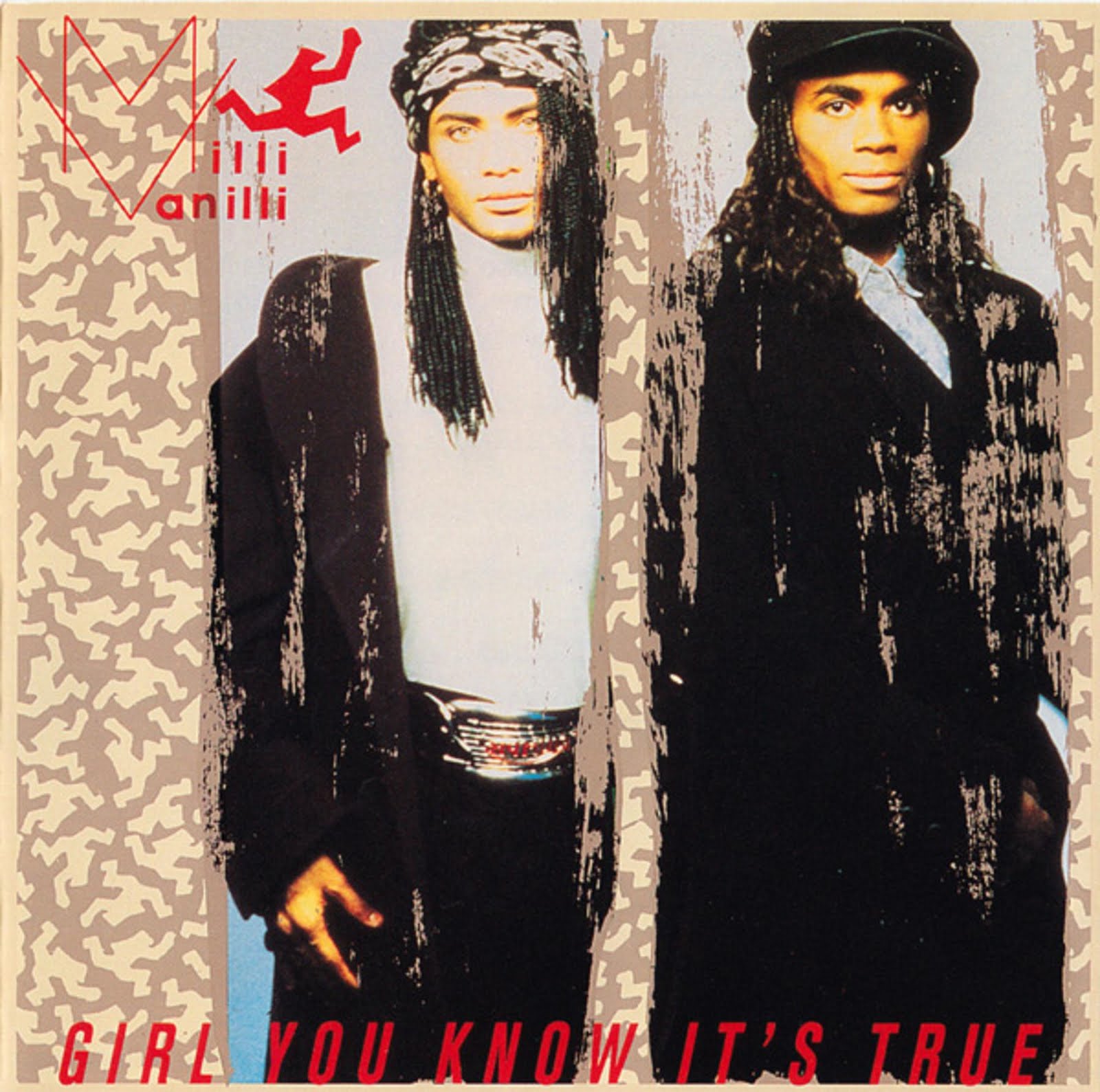
Milli Vanilli (1990)
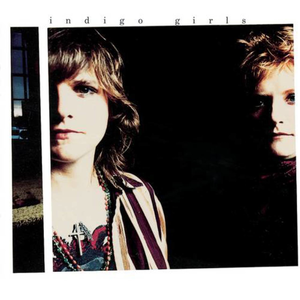
WHO SHOULD HAVE WON: Literally anyone else (Neneh Cherry, Indigo Girls, Tone Lōc, and Soul II Soul were the other nominees)
In one of the most mortifying incidents in Grammy history, Milli Vanilli was forced to return their Best New Artist Grammy after it was revealed that the duo hadn’t actually provided the vocals for their debut album, Girl You Know It’s True. With the benefit of hindsight, Indigo Girls are the obvious choice, but literally any of the other nominees would have been a better pick, even Tone Lōc, who at least did his own rapping on hits like “Wild Thing” and “Funky Cold Medina”.
Hootie & the Blowfish (1995)
WHO SHOULD HAVE WON: Alanis Morissette
Hootie & the Blowfish’s debut album, Cracked Rear View, is inexplicably the 19th-best-selling album in US history, and while their brand of pop-rock is entirely too bland for my taste, I guess I understand their appeal to the general music-listening population. But you know what album sold even more copies than Cracked Rear View in 1995? Jagged Little Pill, the phenomenal debut album by Alanis Morissette that spawned six singles, including the top-ten hits “You Oughta Know” and “Ironic”. Morissette actually won four Grammys for Jagged Little Pill, including Album of the Year, which makes her Best New Artist loss to Hootie & the Blowfish even more inexplicable.
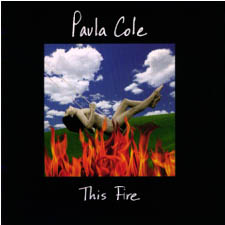
Paule Cole (1997)
WHO SHOULD HAVE WON: Fiona Apple
There’s nothing inherently wrong with singer-songwriter Paula Cole, known primarily for the top twenty hits “Where Have All the Cowboys Gone?” and “I Don’t Want to Wait”. It’s just that she isn’t Fiona Apple. Apple is one of those preternatural talents that comes along once in a generation, and her astonishing debut album Tidal was one of the best albums by any artist that year. Classically trained on the piano as a child, Apple began writing her own songs at the age of eight. The songs on Tidal – including “Sleep to Dream” and “Criminal” – were all written by the time she was seventeen. Apple did win a Grammy that night (Best Female Rock Vocal Performance for “Criminal”) but the fact that she went home without the Best New Artist prize is a travesty.
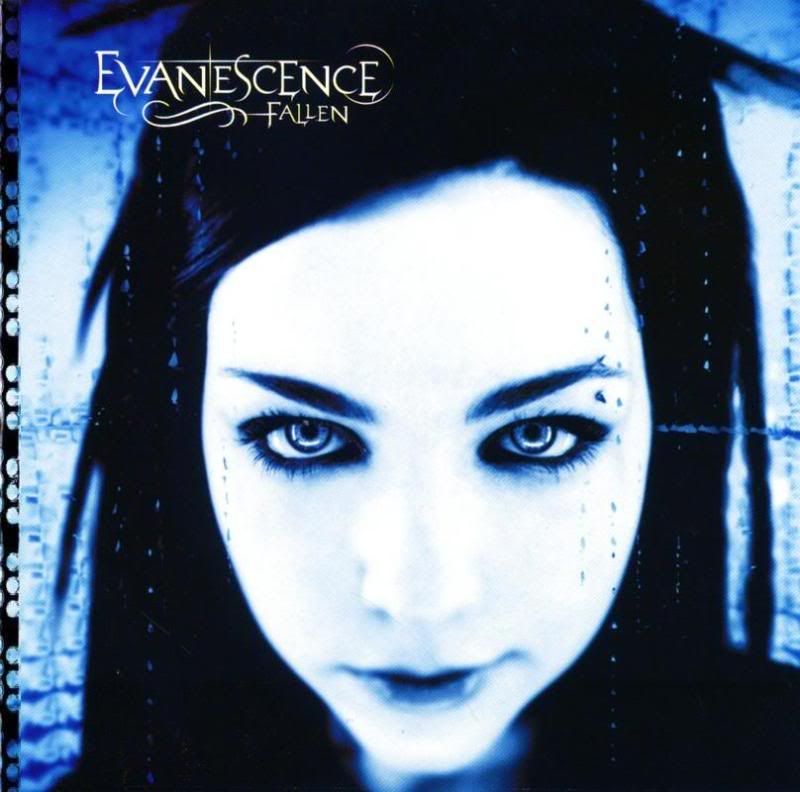
Evanescence (2003)
WHO SHOULD HAVE WON: Fountains of Wayne
Don’t get me wrong, if “Bring Me to Life” comes on the radio, I’m going to sing along, but Fountains of Wayne, led by Chris Collingwood and the late, great Adam Schlesinger, is one of the greatest pop bands of the 21 century. Welcome Interstate Managers was actually the band’s third album, but it’s the one that made the Recording Academy take notice. The album contains Fountains of Wayne’s biggest hit, “Stacy’s Mom”, as well as “Mexican Wine”, “Bright Future in Sales”, “Hackensack”, and my personal favorite (for obvious reasons), “Hey Julie”.
Adam Schlesinger died from complications of COVID-19 in March 2020; the remaining band members teamed up with Sharon Van Etten for a tribute
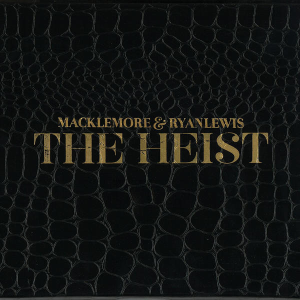
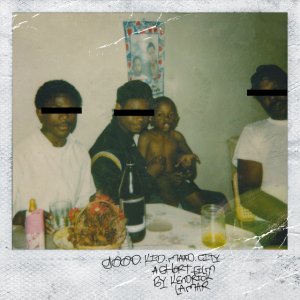
Macklemore and Ryan Lewis (2013)
WHO SHOULD HAVE WON: Kendrick Lamar or Kasey Musgraves
This is the most recent entry, but enough time has passed to safely say that Macklemore and Ryan Lewis were a flash in the pan. Kendrick Lamar and Kasey Musgraves have written some of the past decade’s most compelling music in their respective genres (hip-hop and country). Lamar even won the incredibly prestigious Pulitzer Prize for Music, which typically goes to classical compositions, for 2018’s Damn.
AND ONE TIME THE GRAMMYS GOT IT INCONTROVERTIBLY RIGHT:
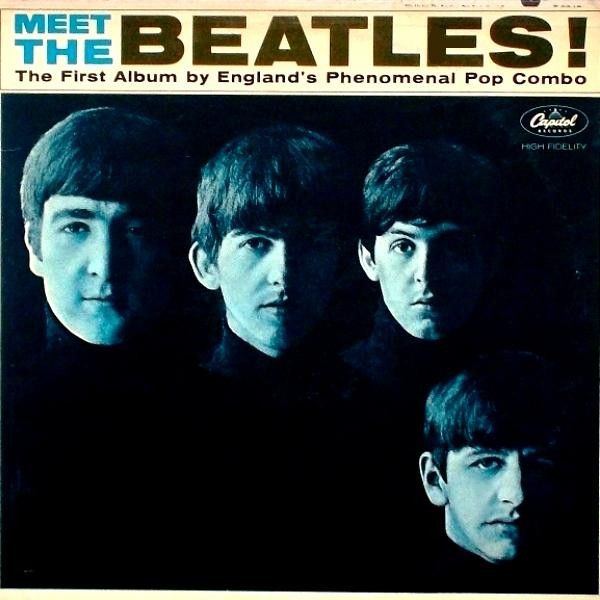
The Beatles (1964)
WHO THEY BEAT: Petula Clark, Astrud Gilberto, Antônio Carlos Jobim and Morgana King
Once in a blue moon, the Recording Academy gets it right. This was one of those times.
The Stranger Things 4 trailer is finally here, and it’s a doozy!
Here’s an exclusive interview with the Duffers, who break down the trailer for us in a non-spoilery way:
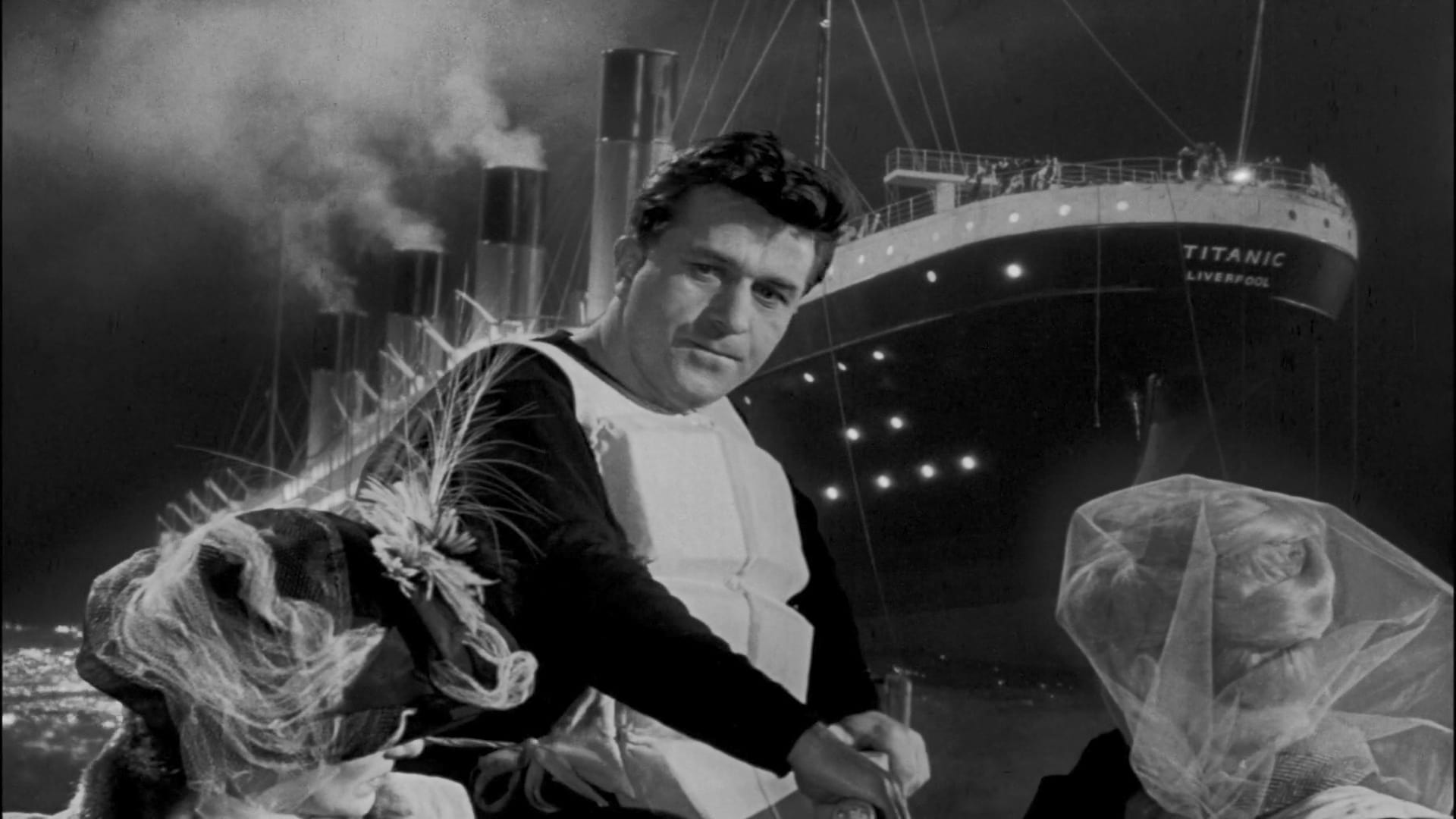
The RMS Titanic, under the command of Captain Edward Smith, sank into the North Atlantic one hundred and ten years ago today, so it’s a good day to watch a Titanic-themed movie (although I know my hubby will veto this idea).
A Night to Remember (1958)The Unsinkable Molly Brown (1964)Raise the Titanic (1980)Titanic (1997)
Leaving this here for no particular reason:
Today would have been Glenn Shadix’s 70th birthday. Now I know what you’re asking me: “‘Who the heck is Glenn Shadix?'” You might not know his name, but you’d probably recognize his face, or even just his voice. Shadix made small but memorable appearances in movies like Beetlejuice and Heathers, and he did extensive voice work in animation, including The Nightmare Before Christmas, for which he provided the voice of the Mayor of Halloweentown. Shaddix died in 2010 of blunt force trauma after he fell in the kitchen of his condo.
Flashdance was released on this day in 1983. The film was a surprise hit, grossing just over $200 million (it was the third-most-profitable movie of the year, after Return of the Jedi and Terms of Endearment) and was nominated for four Academy Awards: Best Film Editing, Best Cinematography, and Best Original Song for both “Maniac” and “Flashdance… What a Feeling” (the latter won). The soundtrack, which also includes songs by Kim Carnes, Donna Summer and Laura Branigan, was a huge hit as well, reaching #1 on the Billboard 200. It was also nominated for the Grammy Award for Album of the Year (it lost, rightfully, to Thriller). Flashdance was the first collaboration between producers Don Simpson and Jerry Bruckheimer, a professional relationship that lasted until Simpson’s untimely death in 1996 and yielded hits like Beverly Hills Cop, Top Gun and Crimson Tide.
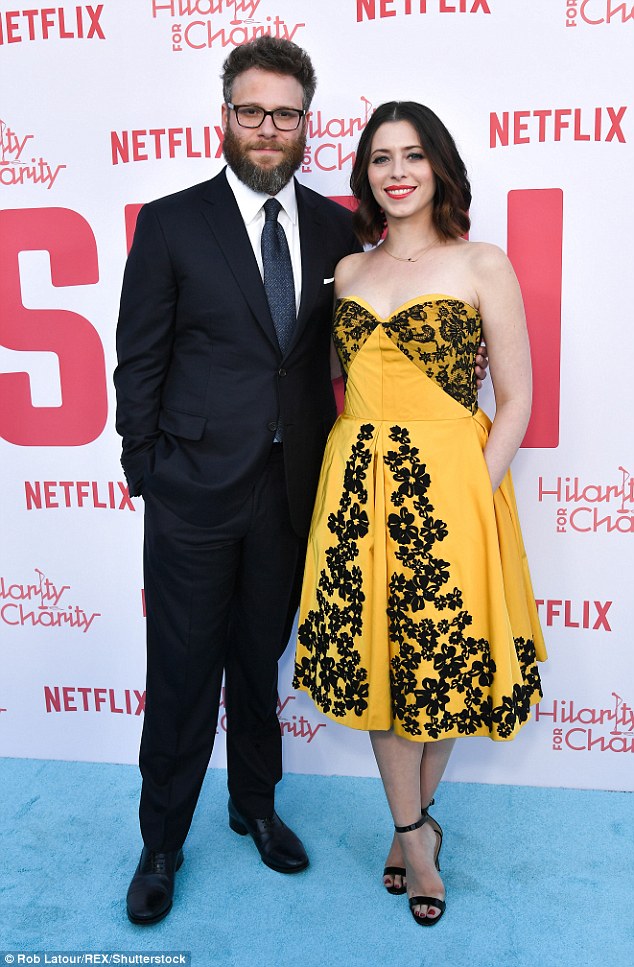
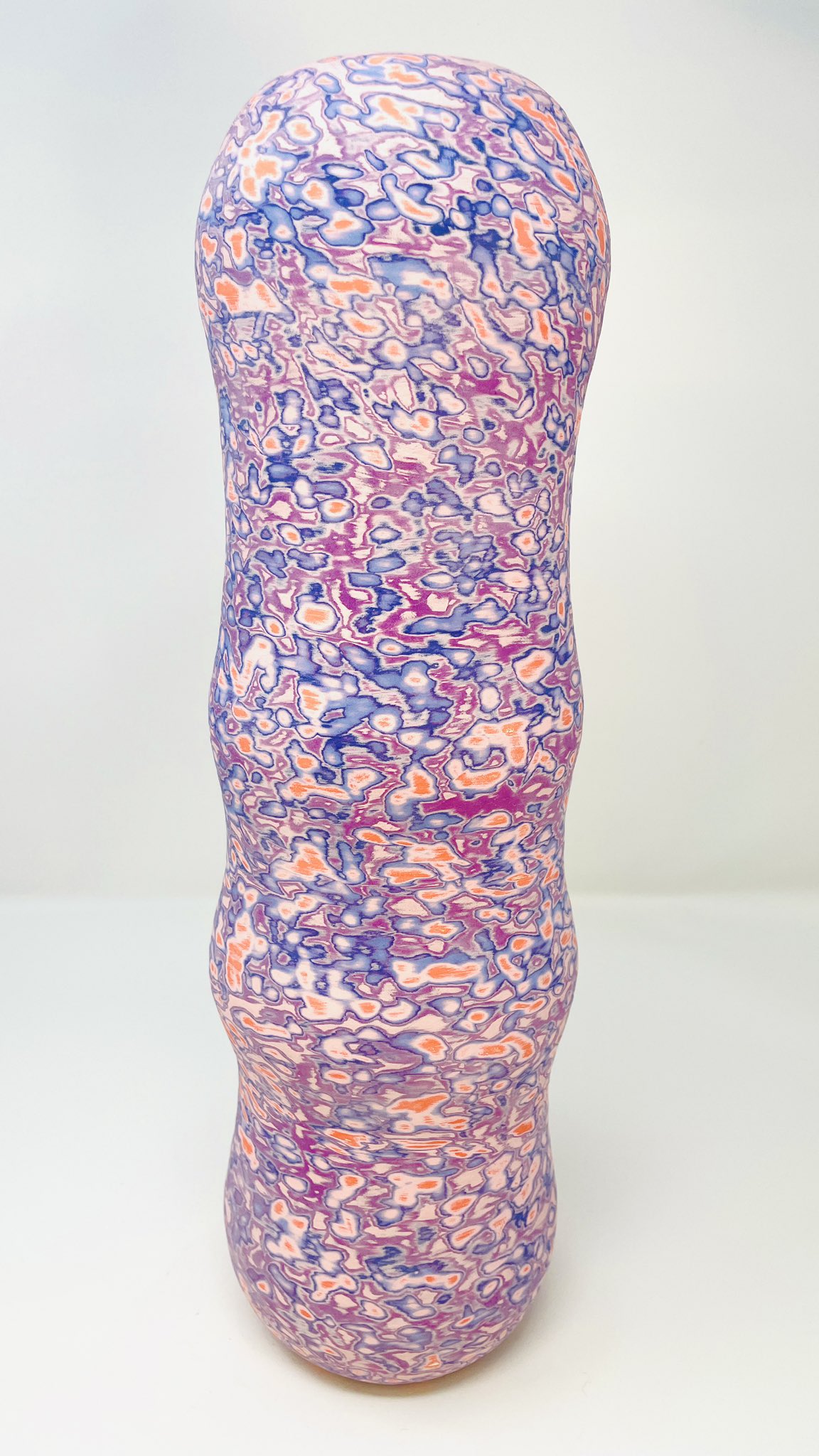
Seth Rogen is celebrating his 40th birthday today. If you’re not already following Rogen on Twitter (@Sethrogen), do yourself a favor and check him out. He posts pictures of his pottery and talks about weed and his spaniel Zelda.
Rogen with his wife Lauren MillerAn example of Rogen’s pottery (I’m kind of obsessed)
Gilbert Gottfried has died at the age of sixty-seven. After his death, Gottfried’s family revealed that he had suffered from ventricular tachycardia. Gottfried appeared in dozens of films and television series, but to me, he’ll always be Aladdin‘s Iago.
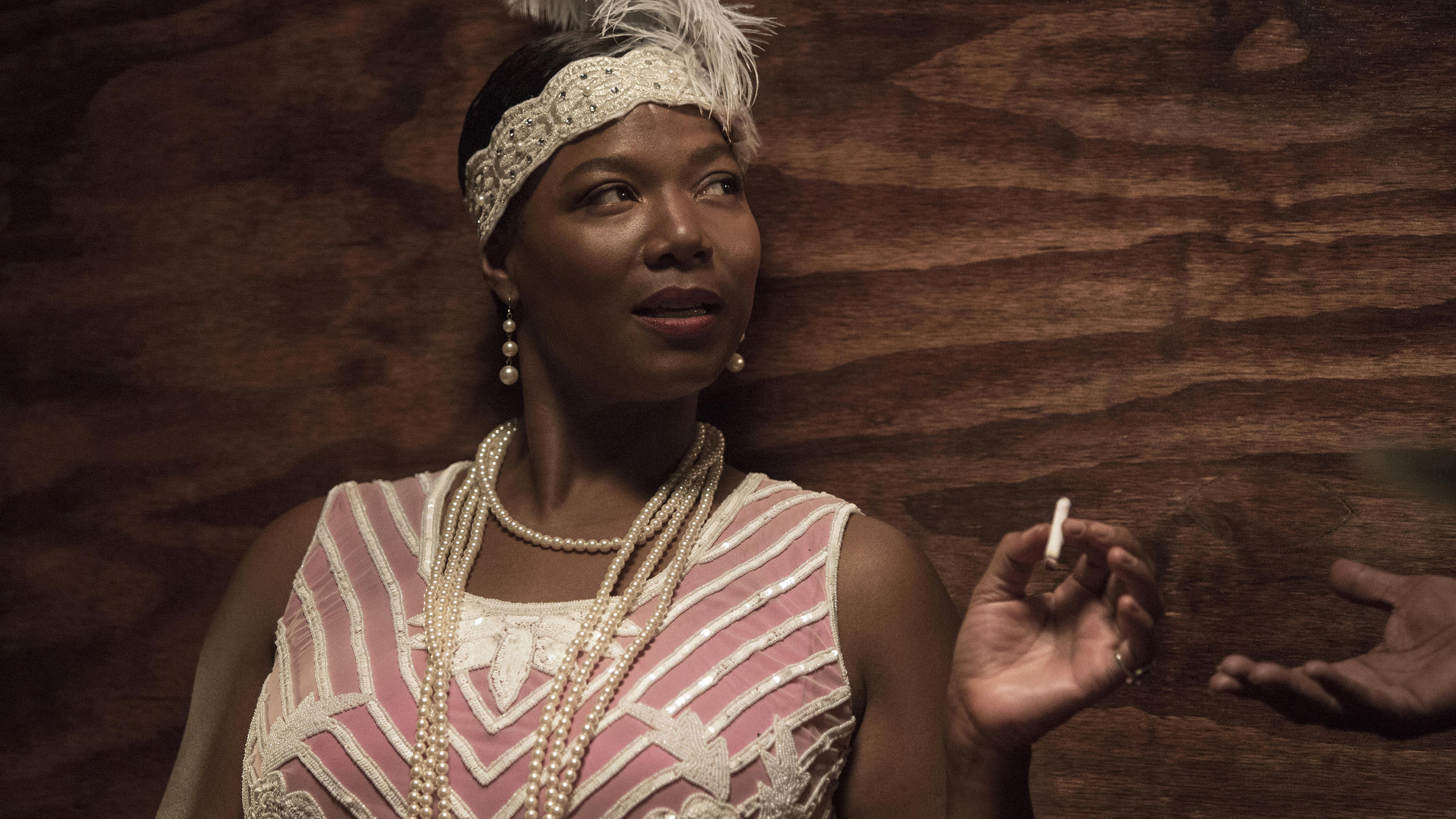
Bessie Smith, the “Empress of the Blues”, was born on this day in 1894. Raised in poverty and orphaned by the age of nine, Smith used her hardships as fuel for her music. She signed with Columbia Records in 1923, where she made more than 160 recordings. Smith’s recording career ended abruptly with the advent of the Great Depression, but she never stopped performing. Smith died from injuries sustained in a car crash on September 26, 1937; she was just forty-three years old.
If you’ve never seen HBO’s Emmy-winning Bessie, starring Queen Latifah, I highly recommend it.
Photos from the set of Christopher Nolan’s Oppenheimer have made their way to the internet. Shown are Cillian Murphy as Robert J. Oppenheimer and Robert Downey Jr. as Lewis Strauss, who served as commissioner of the United States Atomic Energy Commission. Other cast members include Emily Blunt as Oppenheimer’s wife Kitty and Matt Damon as Manhattan Project head Leslie Groves. The film is slated for release in July 2023.
And finally, here is a toddler dancing to Eminem, and now I’m off the listen to The Eminem Show.
It’s been three very long years since season one of Russian Doll. Like many series, filming on the existential time loop comedy’s second season was delayed due to COVID. Judging by the trailer, I think it will have been worth the wait. If you haven’t watched the first season, you have plenty of time to catch up before season two drops on April 20.
All hail Natasha Lyonne, Russian Doll‘s co-creator, executive producer, star, and all-around badass
At a concert in his hometown of Detroit, Jack White surprised the audience with a proposal to his girlfriend Olivia Jean. The two proceeded to get married onstage.
Estelle Harris died on April 2 at the age of ninety-three. Harris is best known for her role as Estelle Constanza on Seinfeld and her voice work as Mrs. Potato Head in the Toy Story series. Harris was born Estelle Nussbaum in Manhattan and grew up in the Pittsburgh area. She married Sy Harris in 1952 and raised three children. Once her youngest child was in school full time, Harris began pursuing her show business dreams, making her film debut in 1977’s Looking Up at the age of forty-nine.
On this day in 1967, Rosencrantz and Guildenstern Are Dead made its London Debut at the Old Vic. Tom Stoppard’s existentialist/absurdist/meta tragicomedy takes two minor Hamlet characters and puts them center stage, where they live out their predetermined fates and contemplate the meaning of their existence. The play came to Broadway the following year and raked in eight Tony nominations and four wins, including Best Play. You can watch the film adaptation on Acorn, Tubi, Amazon, or (if you have a library card) Hoopla.