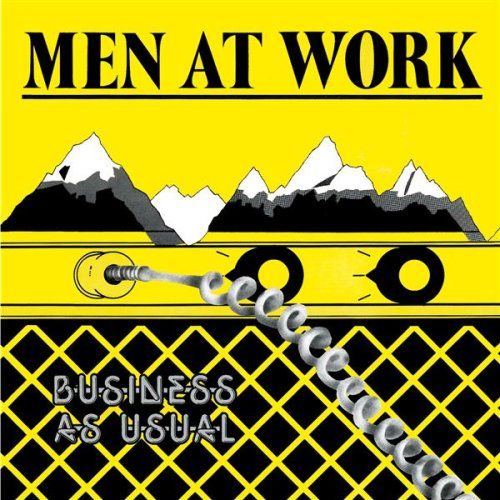
Business as Usual, the debut album by Men at Work, was released forty years ago this month. It would go on to become one of the best-selling albums ever by an Australian artist.
Men at Work was founded in 1979 by lead singer Colin Hay, guitarist Ron Strykert and drummer Jerry Speiser; they were later joined by multi-instrumentalist Greg Ham (saxophone, flute and keyboards) and bassist John Rees. They quickly became one of Australia’s most popular unsigned acts. In 1980, they recorded two songs, “Keypunch Operator” and “Down Under”, and released them as an independent single (“Down Under”, by the way, was the B-side). Although the single failed to chart, it was successful enough to get the band a contract with CBS Records.
Men at Work began recording Business as Usual in the summer of 1981. In the meantime, CBS released the band’s first Australian single, “Who Can It Be Now?”, which went to #2 in August and earned the band Best Debut Single at the annual Countdown Music Awards (the Aussie version of the Grammys). Business as Usual was released in October, along with their second single, a “popified” version of “Down Under”; both album and single went to #1 in Australia.
Despite Men at Work’s success in their native land, CBS was hesitant to release the album internationally. But the label’s A&R rep, Peter Karpin, believed in the band and convinced the label to release the album in Europe and North America.
Business as Usual arrived in the US in April of 1982. “Who Can It Be Now?” was the first single released in the US. Aided by a video that showcased the band’s quirkiness (and a stint opening for Fleetwood Mac on their North American tour), “Who Can It Be Now?” became Men at Work’s first #1 single in the US in October. Shortly thereafter, Business as Usual reached the top of the Billboard 200 – and stayed there for an astonishing fifteen weeks (the album would ultimately be the second-best-selling of the year in the US, behind only Michael Jackson’s Thriller).
“Down Under” was the band’s second US single, and also reached #1 in January 1983. Men at Work’s most iconic song, “Down Under” is a love letter to their homeland, complete with a reference to Vegemite. Once again, the band released a promotional video highlighting the goofy lyrics and Greg Ham’s iconic, and ultimately controversial, flute riff (more on that in a minute).
“Be Good Johnny” became the third and final single from Business as Usual, but by then the band was already working on their second album, Cargo.
At the 25th Grammy Awards, Men at Work received the coveted Best New Artist award, beating out Asia, Jennifer Holliday, The Human League and Stray Cats.
The band with their Best New Artist Grammy
Cargo, released in 1983, proved a more modest success, peaking at #3 on the Billboard 200 and producing two top-ten singles, “Overkill” and “It’s a Mistake”. Long-standing tensions between Colin Hay and Jerry Speiser led to Speiser and John Rees being dismissed from the band in 1984. Men at Work released just one more album, 1985’s Two Hearts; it was a critical and commercial flop. Men at Work disbanded the following year, though they have reunited for live performances over the years.
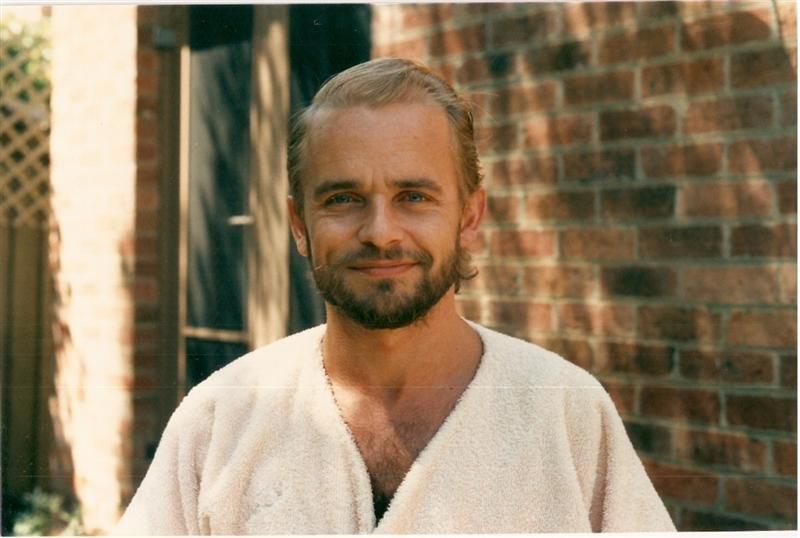
About that “Down Under” controversy: in 2007, on Australian quiz show Spicks andSpecks, host Adam Hills asked, “What children’s song is contained in the song ‘Down Under’?”. The answer was “Kookaburra”, a popular Australian nursery rhyme. The following day, Larrikin Music, which owns the copyright to “Kookaburra”, was flooded with emails and phone calls. Larrikin decided to take legal action, and sued the song’s writers, Colin Hay and Ron Strykert, for copyright infringement. On 4 February 2010, Justice Peter Jacobson ruled that “Down Under” reproduced “a substantial part of ‘Kookaburra'” and that Larrikin’s copyright had indeed been infringed. Although he was not named in the suit, Greg Ham, who performed the flute riff in the song, took the judgment particularly hard. Ham lamented, “I’m terribly disappointed that that’s the way I’m going to be remembered—for copying something.” Ham began struggling with depression; rumors spread that he was using heroin as an escape. Ham was found dead at his Melbourne home on April 19, 2012. Though several newspapers reported that Ham had suffered a heart attack, his cause of death is still being debated.
Greg Ham (1953-2012)
It’s hard to overstate how dominant Men at Work was for about a two year period. Their brand of new wave/pop rock was infectious and fun, and they were a smash crossover success. And though the band flamed out quickly, we’ll always have Business as Usual to remember them by.
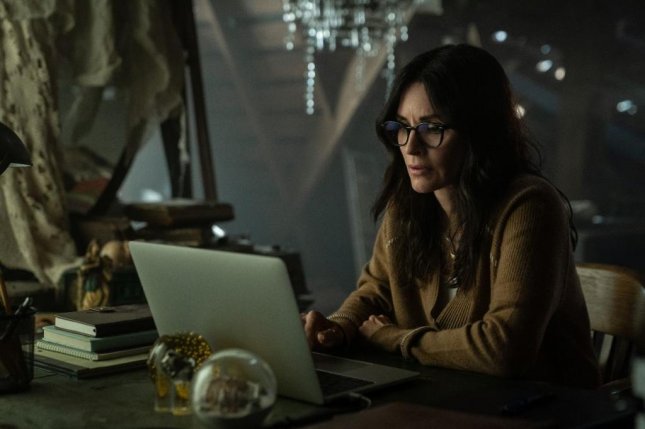
I am enjoying Shining Vale immensely. A horror-comedy series that delivers both genuine laughs AND genuine chills, Shining Vale also offers a thoughtful, refreshingly candid take on marriage, mental health issues, and intergenerational trauma. The entire cast is crushing it, especially Courteney Cox as protagonist Patricia Phelps, an author with clinical depression and a massive case of writer’s block, and Mira Sorvino as Pat’s muse/alter ego/possible demon, Rosemary. The nod to The Shining isn’t in name only; a number of easter eggs pay homage to both Stephen King’s 1977 novel and Stanley Kubrick’s iconic 1980 film adaptation. This week’s episode, “Whispering Hope”, was the best yet, with Pat answering the question of how far she’ll go to complete her novel. With two episodes left in the season, I’m pleased to say I have no idea where the story will go next.
Greg Kinnear, Courteney Cox and Mira Sorvino star in Shining Vale
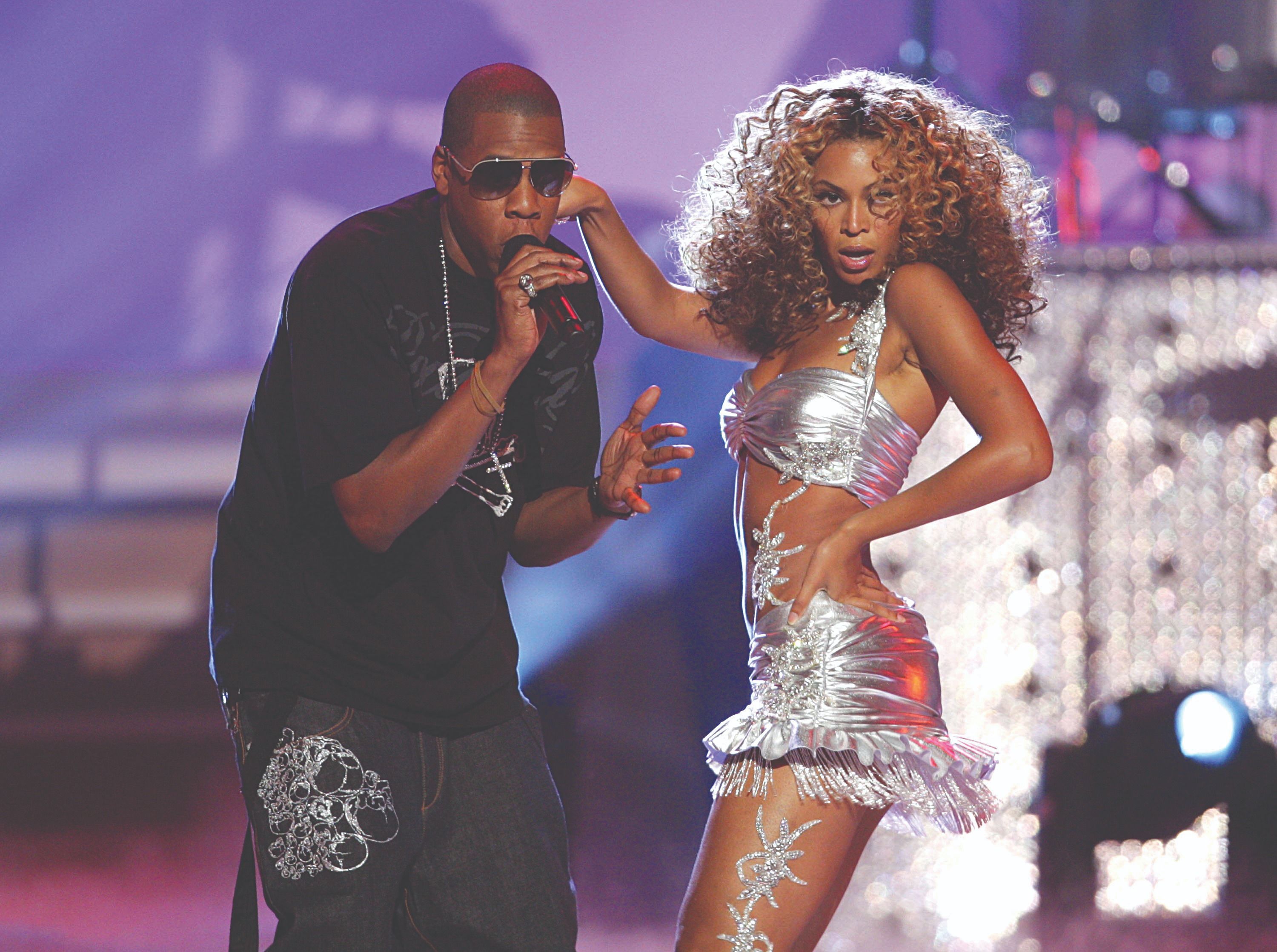
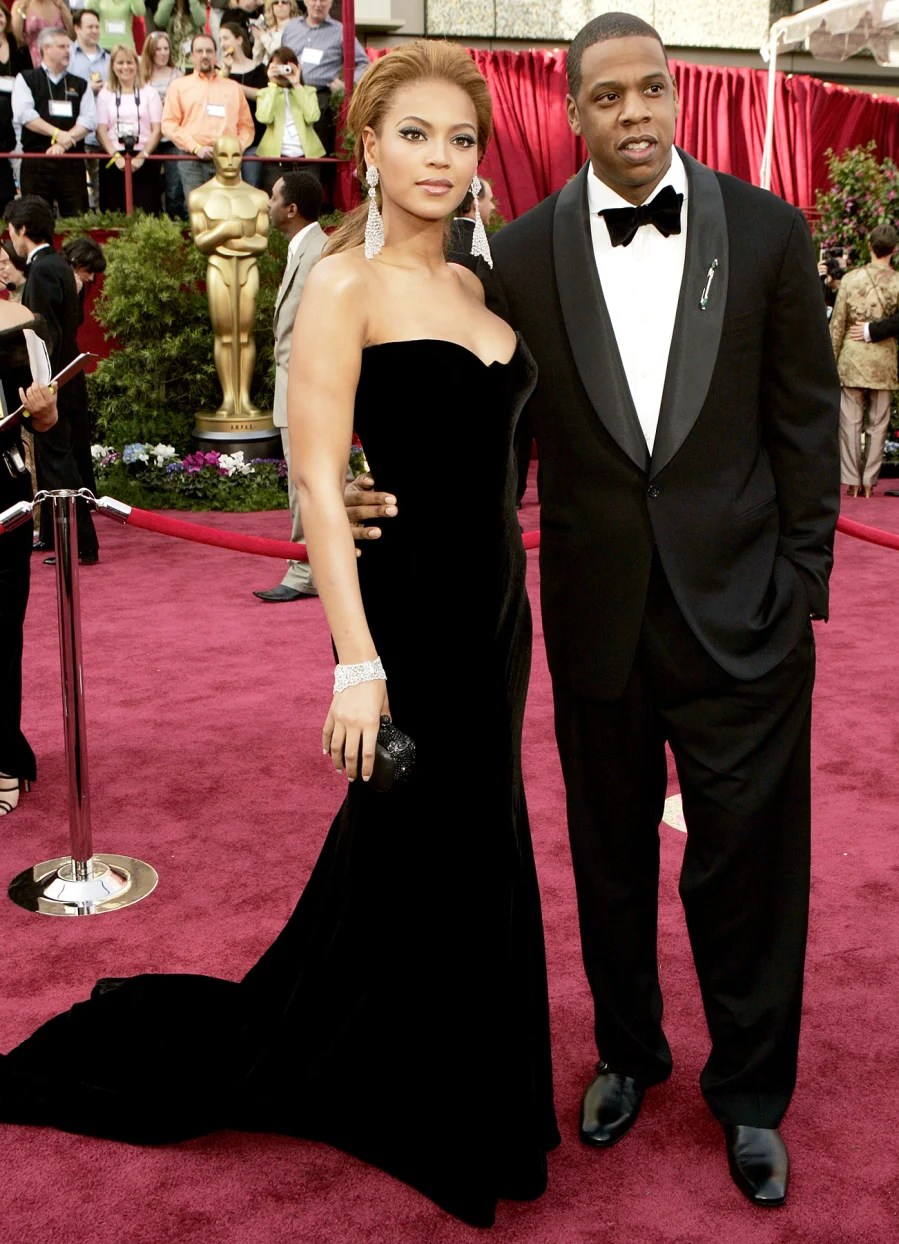
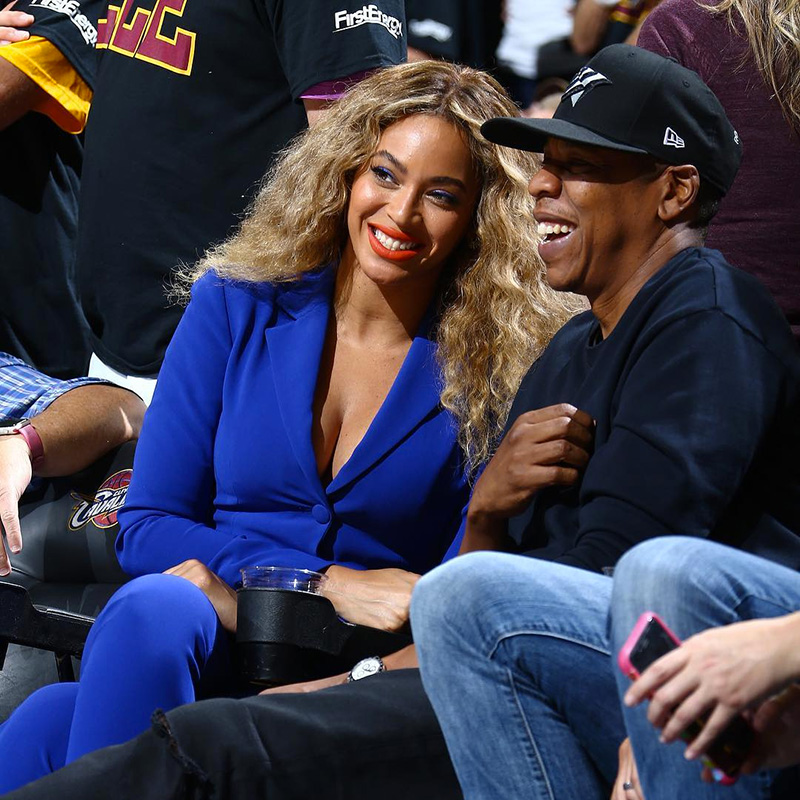
On this day in 2008, super couple Beyoncé and Jay-Z were married in New York City.
Beyoncé and Jay-Z are one of the most fabulous showbiz couples, whether performing together, walking the red carpet, or sitting courtside at a Brooklyn Nets game (Brooklyn-born Jay-Z was part owner of the team for ten years)
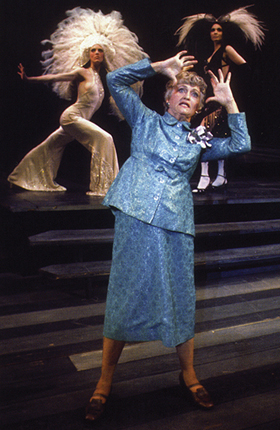
Stephen Sondheim’s Follies opened on this date in 1971 at the Winter Garden Theatre. Follies was directed by Broadway legends Harold Prince and Michael Bennett (Bennett was also the choreographer). Follies initially received a lukewarm critical reception, and it was a commercial flop as well, losing almost $800,000 by the time it ended its run after 522 performances. Follies nonetheless raked in eleven Tony nominations and took home seven awards (it lost Best Musical to Two Gentlemen of Verona, a musical adaptation of the Shakespeare comedy). A film adaptation is in the works; I am skeptical. Fun fact: The Munsters‘ Yvonne De Carlo originated the role of film star Carlotta, who sings one of Follies‘ show-stopping numbers, “I’m Still Here”.
Sondheim and book writer James Goldman were inspired to write Follies by a New York Times article about a reunion of Ziegfeld Follies showgirls
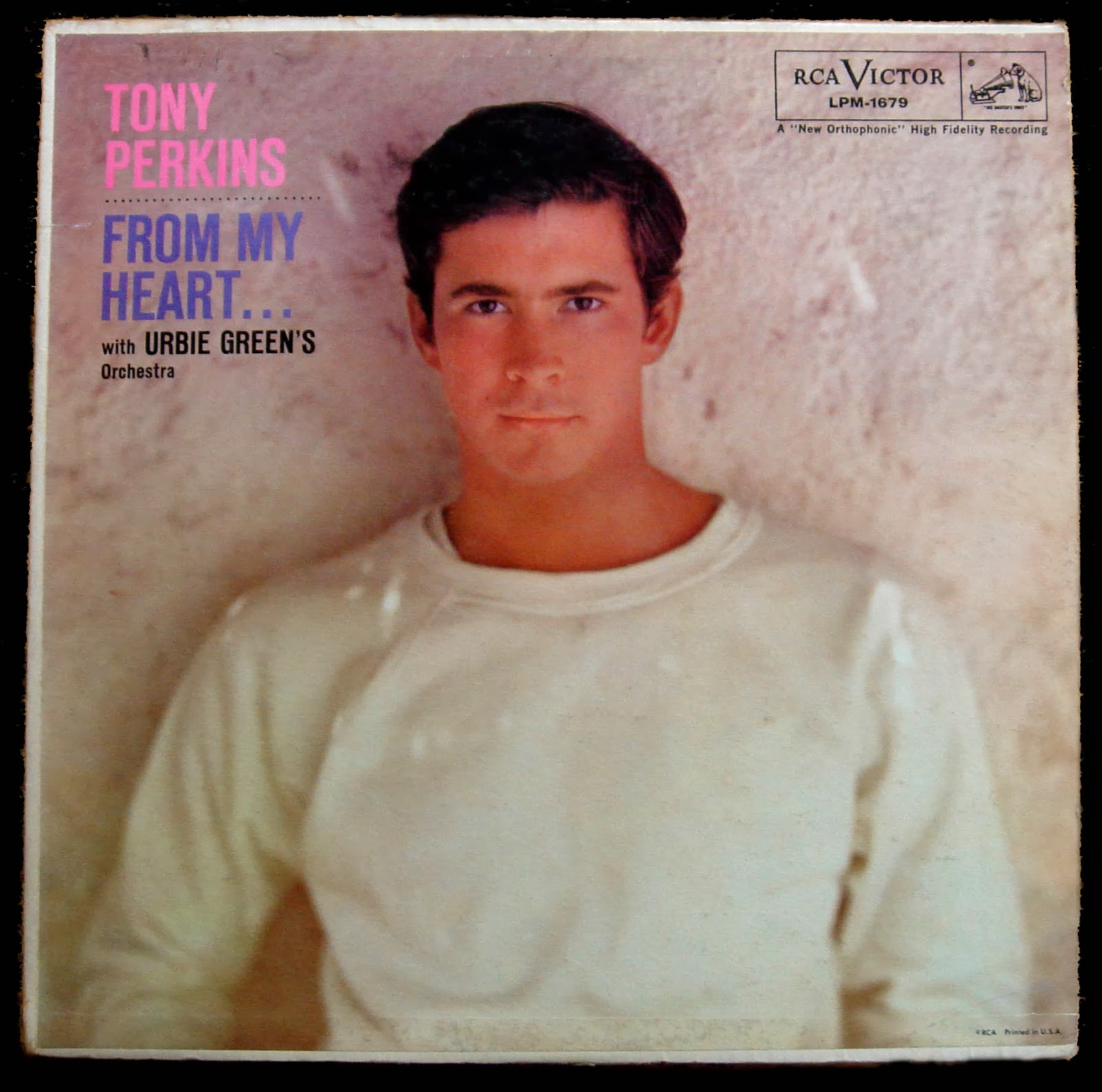
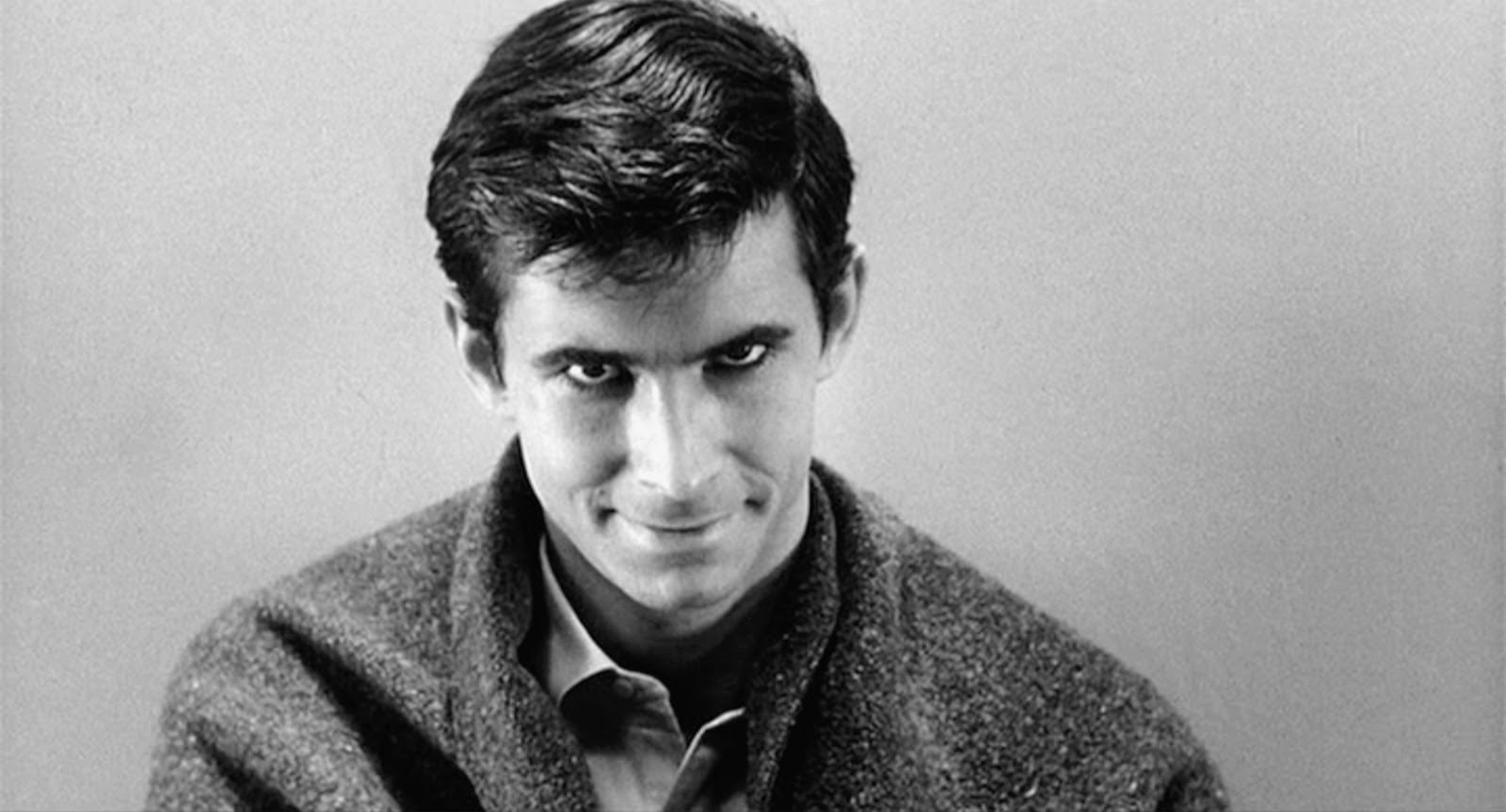
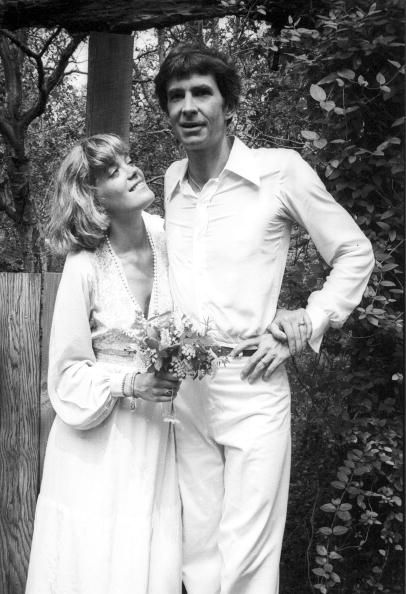
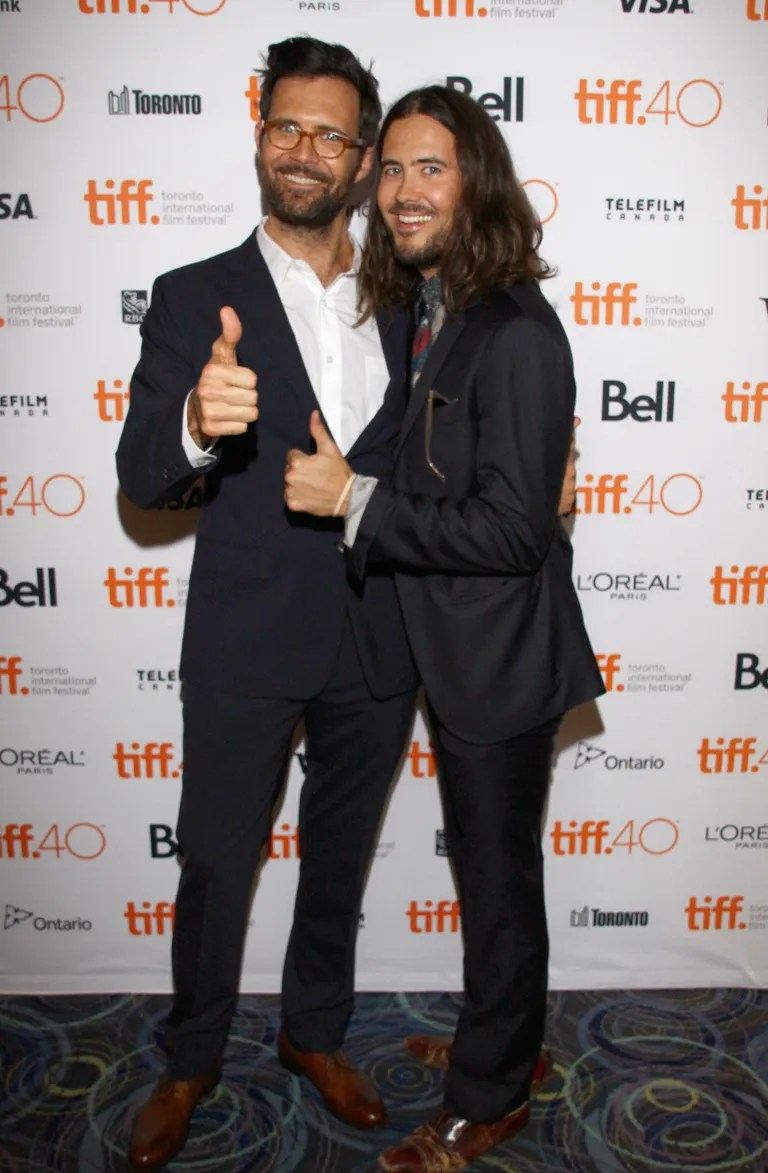
Anthony Perkins was born on this day in 1932. Although primarily known for his portrayal of Norman Bates in Psycho and its three sequels, Perkins was a versatile, Tony- and Oscar-nominated actor and singer who was equally adept at drama and comedy. He spent his early career playing romantic leading men while hiding his sexual orientation; in fact, his partner of several years was Tab Hunter, who also tended to play the romantic type (there’s a movie in development about their relationship, with Andrew Garfield the frontrunner to play Perkins). Perkins went to tragic lengths to deny his true self, but he did spend the last nineteen years of his life married to actress-photographer Berry Berenson, with whom he had two sons. Perkins passed away in 1992 of AIDS-related pneumonia at the age of sixty (to compound the tragedy of their story, Berenson was a passenger on American Airlines Flight 11, which crashed into the north tower of the World Trade Center on 9/11/01).
Tony Perkins hit teen-idol status in the late 1950sPerkins with Tab Hunter, his partner of four yearsThe film that changed Perkins’ life, for the better and the worsePerkins with Berry Berenson on their wedding dayOz and Elvis Perkins
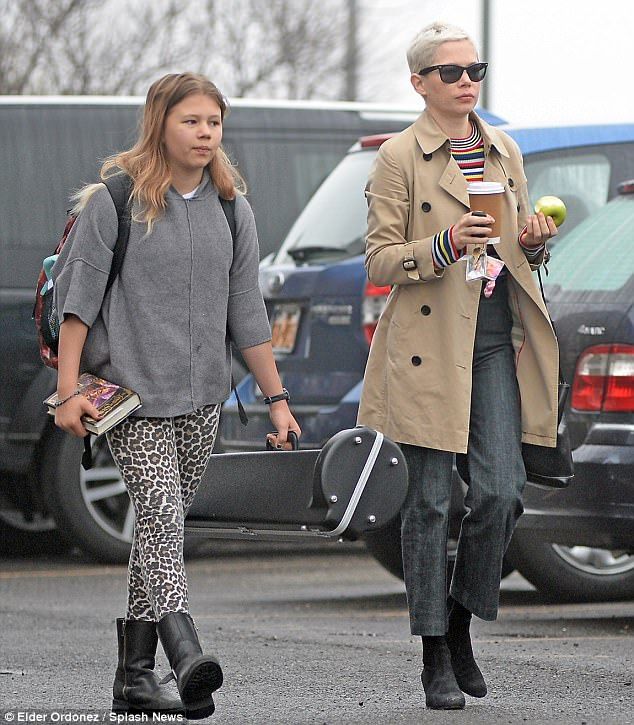
Heath Ledger was born on this day in 1979. Ledger burst onto the scene in 1999 when he made his American film debut in 10 Things I Hate About You, Disney-Touchstone’s delightful take on The Taming of the Shrew. Ledger was charming as the film’s Petruchio, Patrick, and he had sparkly chemistry with Julia Stiles. Over the next several years, Ledger gave us one killer performance after another, alternating between crowd-pleasers like The Patriot and A Knight’s Tale and indies such as Monster’s Ball and Brokeback Mountain. The latter film garnered Ledger his first Oscar nomination; Philip Seymour Hoffman swept the awards circuit that year for his astonishing turn as Truman Capote in Capote, but Ledger sure gave him a run for his money. In 2008, he delivered his most iconic performance yet, as The Dark Knight‘s Joker. On January 22, 2008, twenty-eight-year-old Ledger was found dead in his SoHo apartment, the result of acute multiple-drug intoxication. The Dark Knight was released that July to critical acclaim and a massive box office haul (more than $1 billion); that awards season, Ledger posthumously won the Oscar, the BAFTA, the Golden Globe and the SAG.
<swoons>Ledger with Jake Gylenhaal in Brokeback Mountain
ICONICLedger’s ex-wife Michelle Williams with their daughter Matilda (who apparently plays the trombone, which is super badass)
Elmer Bernstein would have been 100 years old today. Bernstein composed music for more than 200 movies and television series, including To Kill a Mockingbird, The Magnificent Seven, Ghostbusters, The Age of Innocence, and Far From Heaven (his final film). Bernstein died in 2004 at the age of eighty-two.
Elmer Bernstein received a total of fourteen Oscar nominations, winning just once, for 1967’s Thoroughly Modern Millie
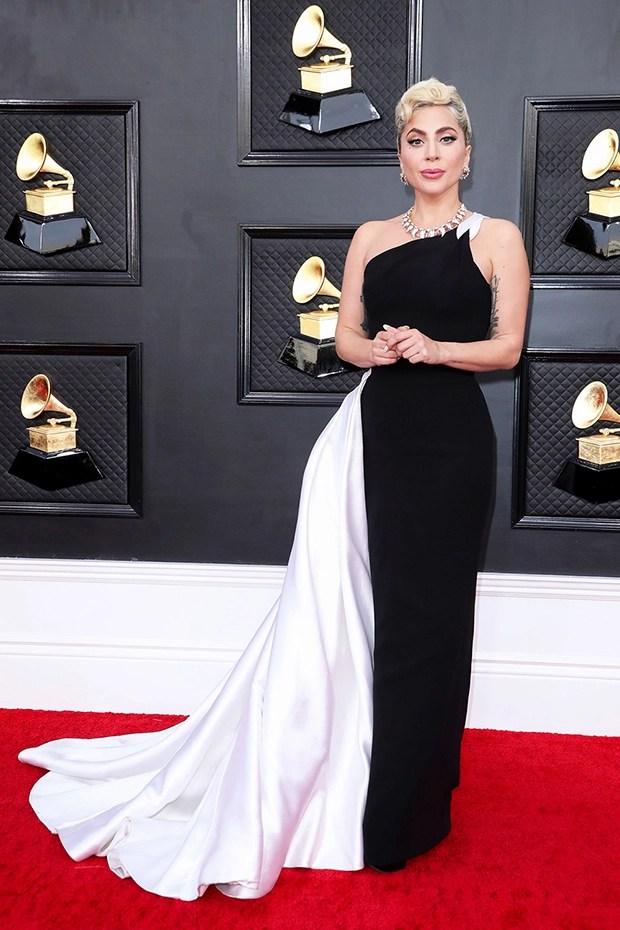
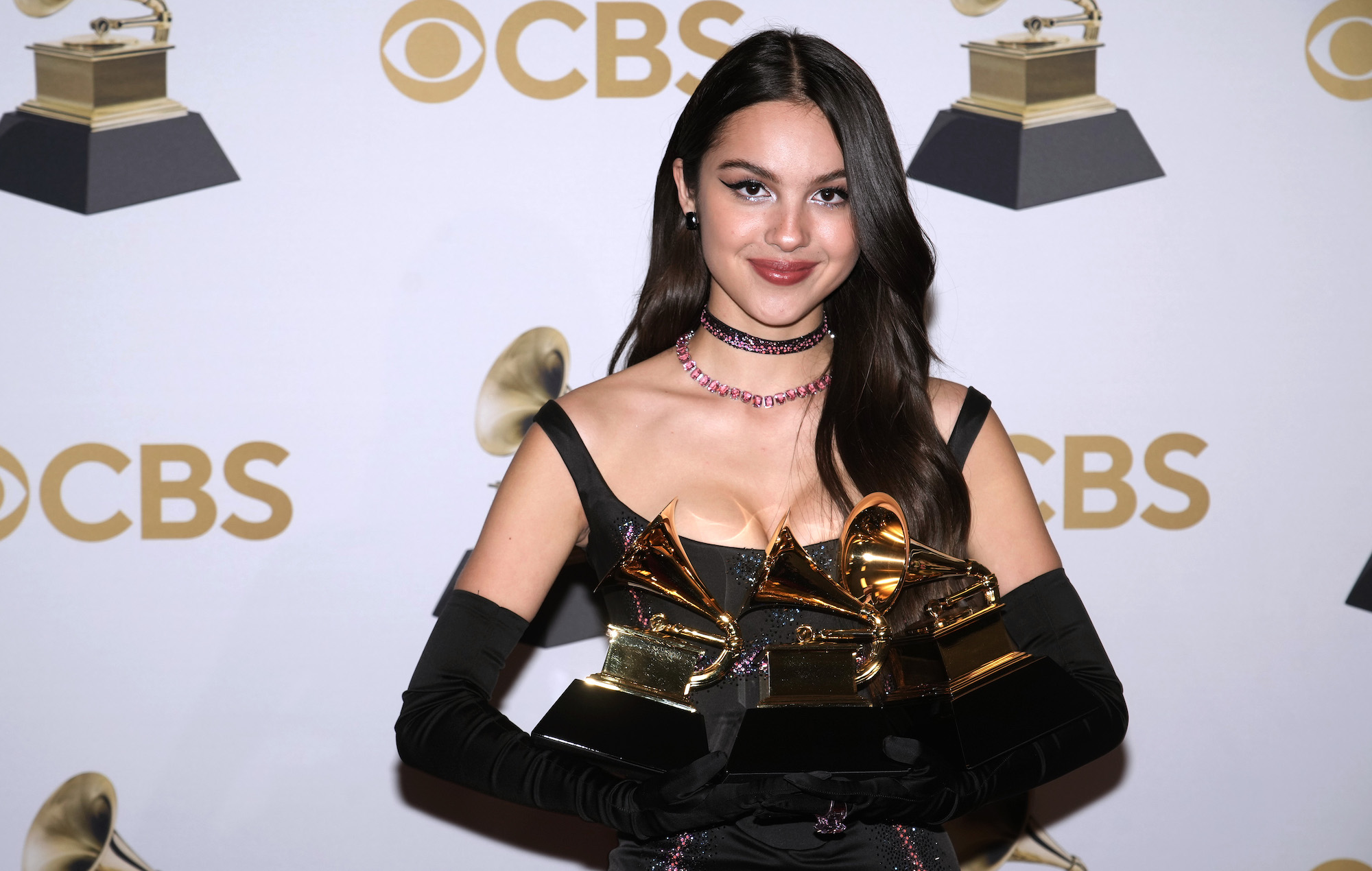
And finally, the Grammy Awards were held last night. As far as I know, no one slapped anyone else. Jon Batiste was the night’s big winner, with eleven nominations and five awards, including Album of the Year for We Are. Nineteen-year-old Olivia Rodrigo won three awards, including the coveted Best New Artist prize. Lady Gaga stunned on the red carpet in her black and pink Armani Privé gown. And Billie Eilish paid tribute to the late Taylor Hawkins while performing “Happier Than Ever”.
Jon Batiste with his five awardsOlivia Rodrigo was born in 2003, y’all
If you’re making a list of the most brilliant double albums in history – Songs in the Key ofLife, The Beatles, Bitches Brew, Blonde on Blonde, Physical Graffiti, and yes, 1999 – Prince’s 1987 masterpiece Sign O’ the Times has to be on that list.
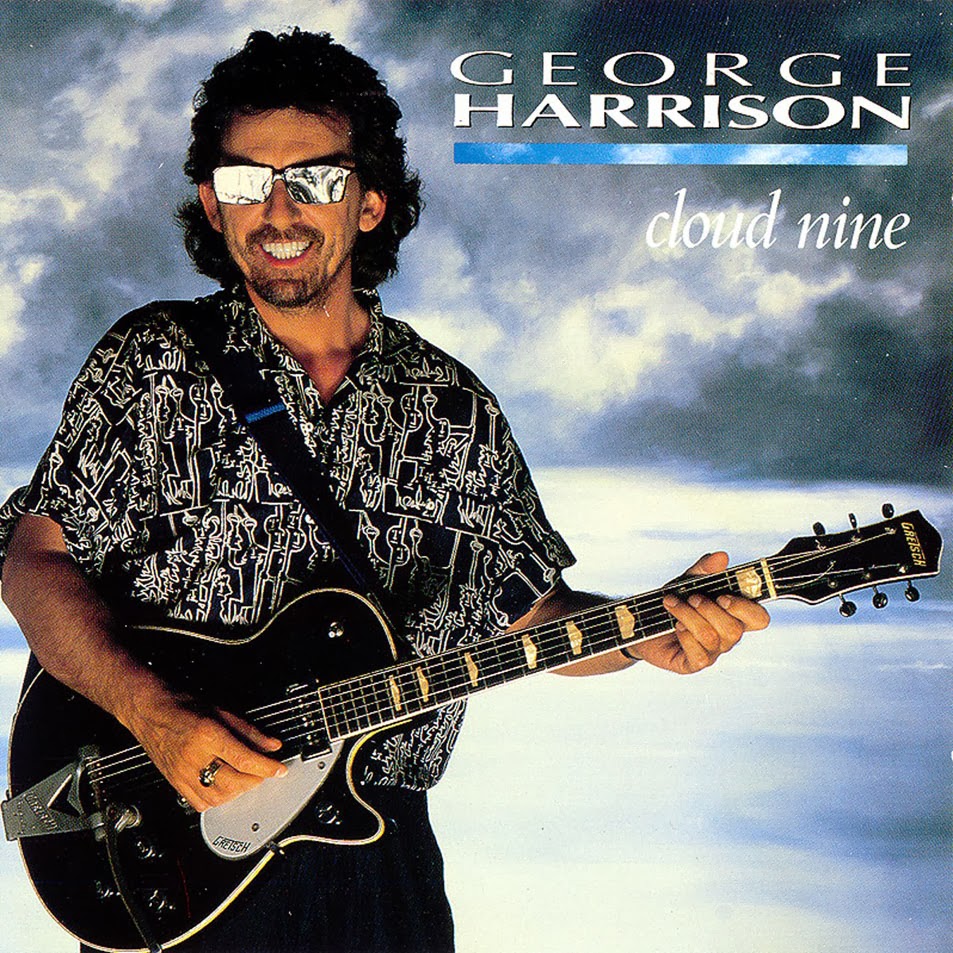
In the interest of full disclosure, you should know that part of my love for this album is driven by nostalgia. Sign O’ the Times (along with George Harrison’s Cloud Nine, Pink Floyd’s A Momentary Lapse of Reason, Terence Trent D’Arby’s Introducing the Hardline According to…, INXS’s Kick, George Michael’s Faith, and R.E.M.’s Document) was the soundtrack to my freshman year in college. And a very good year it was.
Nostalgia aside, Sign O’ the Times is a killer album, stacked with one amazing track after another. Is it Prince’s best album? That’s up for debate, obviously, though I’m guessing many people would say his best album is Purple Rain. But Sign O’ the Times is my favorite Prince album, hands down.
Released on March 31, 1987, Sign O’ the Times was Prince’s first album after the dissolution of his backing band, The Revolution. It was originally conceived as a triple album, but Warner Brothers balked at the idea and Prince was forced to trim it down to a double. The songs encompass an array of genres, including funk, R & B, rock, psychedelic pop, folk, and even gospel. Many of the tracks have a raw, unfinished feel, which was obviously by design (Prince never did anything by accident).
Fun fact: in 1986, Prince created an androgynous alter ego named Camille, whose voice Prince produced using a pitch-shifting technique. Prince actually recorded an entire album as Camille but the project was scrapped (the album will finally see a release sometime this year, according to Third Man Records, who recently acquired the rights). Four of the songs from the Camille sessions ultimately ended up on Sign O’ the Times: “Housequake”, “Strange Relationship”, “U Got the Look” and “If I Was Your Girlfriend”.
While not Prince’s most commercially successful outing – that’d be Purple Rain by a landslide – Sign O’ the Times sold well enough to land it in the top ten on the Billboard 200, where it peaked at #6. It also yielded three top ten singles – the title track, “U Got the Look” (with special guests Sheena Easton and Sheila E.) and “I Could Never Take the Place of Your Man” (an additional single, “If I Was Your Girlfriend”, made it to #67).
Sign O’ the Times was critically acclaimed as well. It was voted the best album of 1987 in The Village Voice‘s annual Pazz & Jop list. Robert Christgau, music critic for The Village Voice, called Sign O’ the Times “the most gifted pop musician of his generation proving what a motherfucker he is for two discs start to finish” and said the album “established Prince as the greatest rock and roll musician of the era—as singer-guitarist-hooksmith-beatmaster, he has no peer.” In 2004’s The Rolling Stone Album Guide, Michaelangelo Matos declared that Sign O’ the Times is “the most complete example of [Prince’s] artistry’s breadth, and arguably the finest album of the 1980s.”
At the 30th Grammy Awards, Sign O’ the Times was nominated for Album of the Year along with U2’s The Joshua Tree, Michael Jackson’s Bad, Whitney Houston’s Whitney and Trio by Dolly Parton, Linda Ronstadt and Emmylou Harris. Though The Joshua Tree took home the prize, it would have been a tough vote for me. Prince probably didn’t give a shit about awards, anyway; he created music because the music was inside him. And maybe a little bit for the women.
Check out this very cool New York Times video about the creation of “Sign o’ the Times”, which includes interviews with sound engineer Susan Rogers and Prince’s former fiancée and muse Susannah Melvoin.
By the way, Susannah Melvoin co-wrote one of Sign O’ the Times‘ standout tracks, “Starfish and Coffee”. While researching this piece, I found this charming version featuring the Muppets. The song was inspired by a quirky former classmate of Melvoin’s, Cynthia Rose, who “always stood at the back of the line, a smile beneath her nose”.
Whew! Well, another Oscars ceremony is in the books, and what a doozy it was. I can’t believe I missed it!
Okay, let me explain. About a year ago, my husband and I ditched cable and went to streaming exclusively. We don’t have a live TV option because it’s just not cost-effective for us (the same way that cable wasn’t cost-effective for us), so for the first time since I honestly don’t remember when, I was unable to watch the Oscars. I really wasn’t that bummed about it until I woke up yesterday morning and found out what I missed.
Let me get this out of the way right up front: Chris Rock’s “joke” about Jada Pinkett Smith – who suffers from alopecia – was tasteless and demeaning. I want to give Rock the benefit of the doubt and assume he wasn’t aware of her alopecia, but she’s been pretty open about it (the Smiths, like it or not, are pretty open about a lot of topics) and frankly, it wouldn’t have made the joke funnier anyway. I’d love to see a moratorium on mocking people for their appearances. I’d also love to see a moratorium on toxic masculinity. Will Smith’s assault on Chris Rock – and make no mistake about it, it was an assault – was not about “defending her honor”, it was about Smith’s inability to control his emotions.
The remainder of the ceremony became the “Will Smith Show”. The presentation of the Best Documentary Feature Oscar, which went to Questlove and the team from Summer of Soul (…Or, When the Revolution Could Not Be Televised), was completely overshadowed by the altercation. Minutes later, Smith used his Best Actor acceptance speech to tearfully apologize to the Academy and his fellow nominees but not to Rock himself [Smith released a public apology to Rock yesterday, and the Academy has announced it will conduct a formal review of the incident].
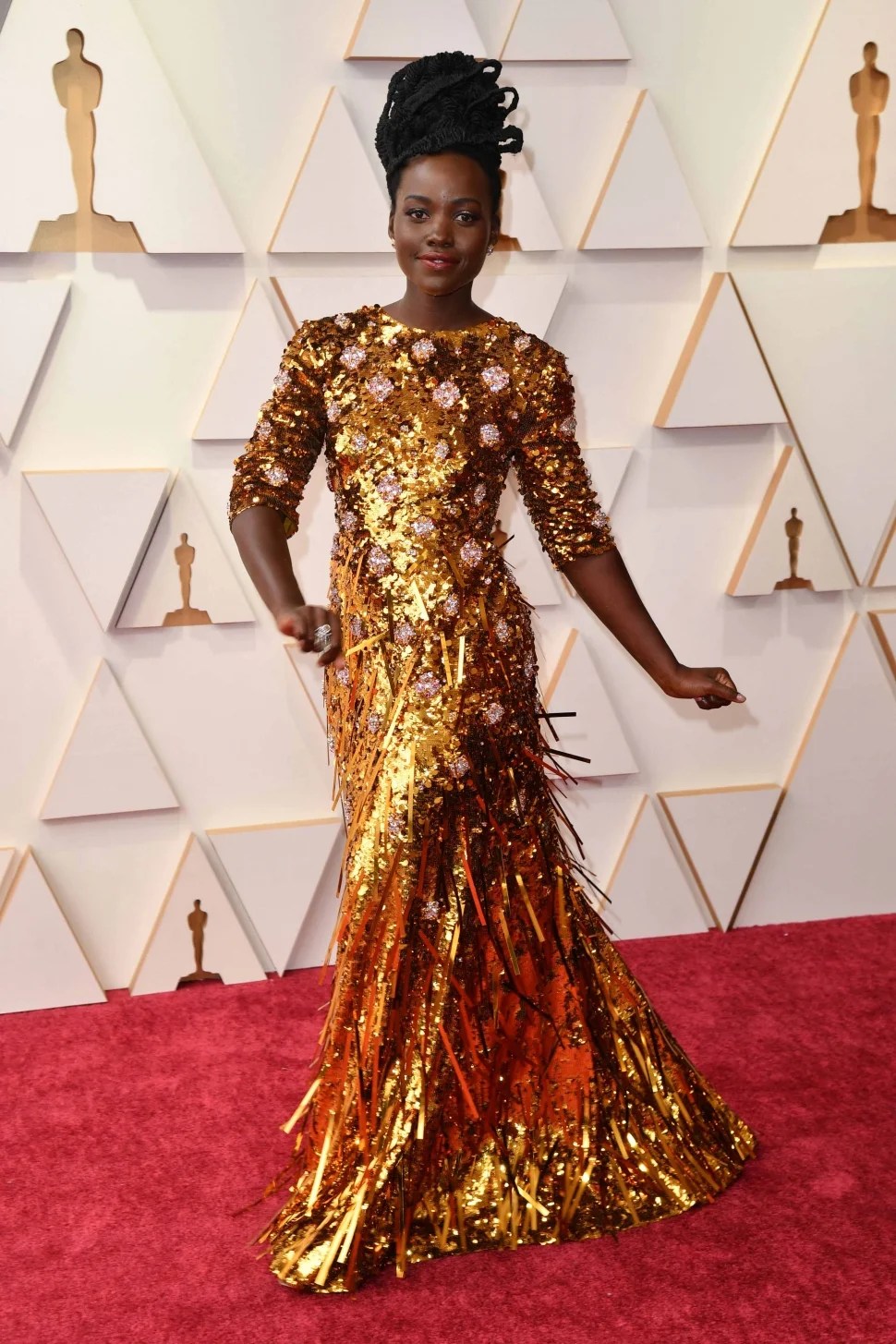
Lupita Nyong’o deserves an award for her facial expressions (and on an unrelated note, how fucking gorgeous is her skin?)
The slap wasn’t the evening’s only controversy. In a move intended to reduce the length of the broadcast, the Academy announced that the presentation and acceptance of the awards in eight categories – Best Animated Short Film, Best Documentary Short Subject, Best Editing, Best Live Action Short Film, Best Makeup and Hairstyling, Best Original Score, Best Production Design and Best Sound – would be pre-taped an hour before the broadcast began. Criticism was swift and sharp. Eventual Best Actress winner Jessica Chastain let it be known that she planned to skip the red carpet in favor of seeing the presentation of Best Makeup and Hairstyling (the team from The Eyes of Tammy Faye won, and no doubt they appreciated the support from their leading lady). Ultimately, a bunch of super talented artists lost out on their big Oscar moment (and at three hours and forty-two minutes, the broadcast was the longest in four years anyway).
In another head-scratcher, Rachel Zegler (Maria in Best Picture nominee West Side Story) took to Instagram a week ago with the news that she hadn’t been invited to the ceremony to cheer on her fellow cast and crewmates. The Academy was quick to ask Zegler to attend the ceremony as a presenter. Zegler cheekily referenced the incident in her pre-award banter (co-presenter Jacob Elordi: “Growing up in Australia, I never thought that I would stand on this stage” Zegler: “And I never thought that I would be here six days ago”).
In an evening beset by scandal, there were high points as well. For the first time since 2018, the Oscars had an official host and not one or two but three amazing women (Amy Schumer, Wanda Sykes and Regina Hall) were selected for the job. Ariana DeBose became the first openly queer woman of color to win an Oscar (Best Supporting Actress for WestSide Story). CODA‘s Troy Kotsur became just the second deaf actor in history to win an Oscar. Jane Campion became the third woman – and the second in a row! – to win a Best Director Oscar. We saw a Pulp Fiction reunion (Uma Thurman, Samuel L. Jackson and John Travolta handed out the award for Best Actor) and tributes to the fiftieth anniversary of The Godfather (Francis Ford Coppola, Al Pacino and Robert DeNiro were on-hand for that) and the sixtieth anniversary of the James Bond franchise. And in the evening’s most poignant moment, Lady Gaga and Liza Minnelli presented the Best Picture Award; at one point, Minnelli’s confusion prompted Gaga to say “I got you”, to which Minnelli replied, “I know, thank you”. The exchange was picked up by the mics and hearts around the world melted.
This is like a lesson in how to facilitate older people while honouring who they are. What a class act by @ladygaga with legend Liza Minnelli. The conferred whispers of "I gotcha" "I know" picked up by the mikes make it especially touching.pic.twitter.com/2JOWyrTQxn
The night’s biggest winners were Dune, which took home six awards – Best Original Score, Best Sound, Best Production Design, Best Cinematography, Best Film Editing and Best Visual Effects – and CODA, which won all three awards for which it was nominated (Best Picture, Best Supporting Actor and Best Adapted Screenplay). Kenneth Branagh finally took home an Oscar on his eighth try, winning Best Original Screenplay for Belfast (fun fact: Branagh is the only person to be nominated for Oscars in seven different categories!). And twenty-year-old Billie Eilish is now halfway to an EGOT after she and her brother Finneas won Best Original Song for “No Time to Die”.
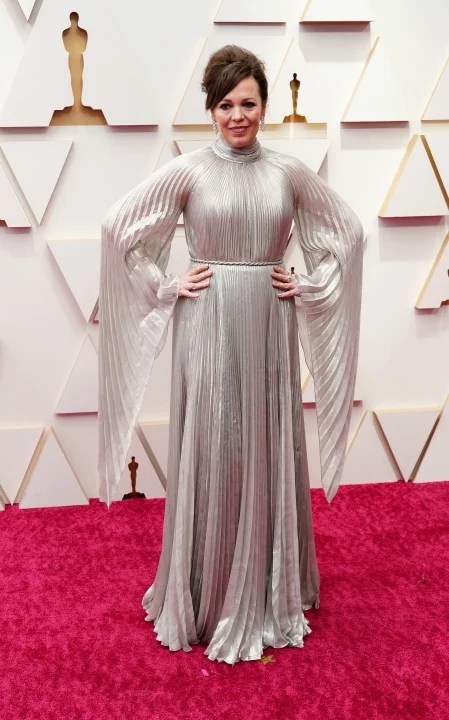
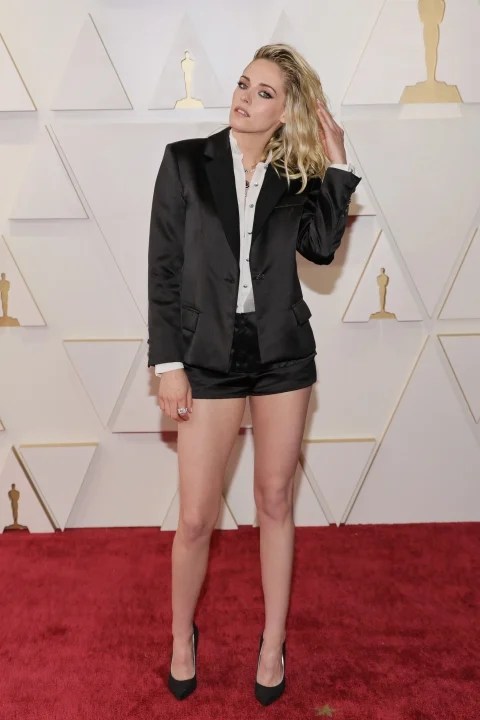
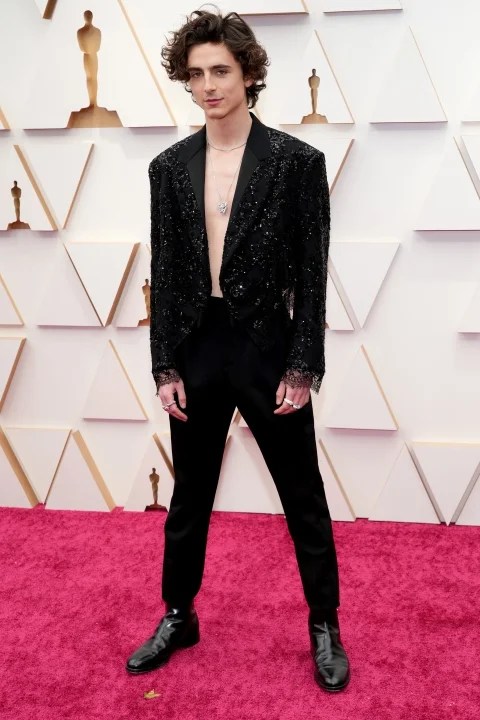
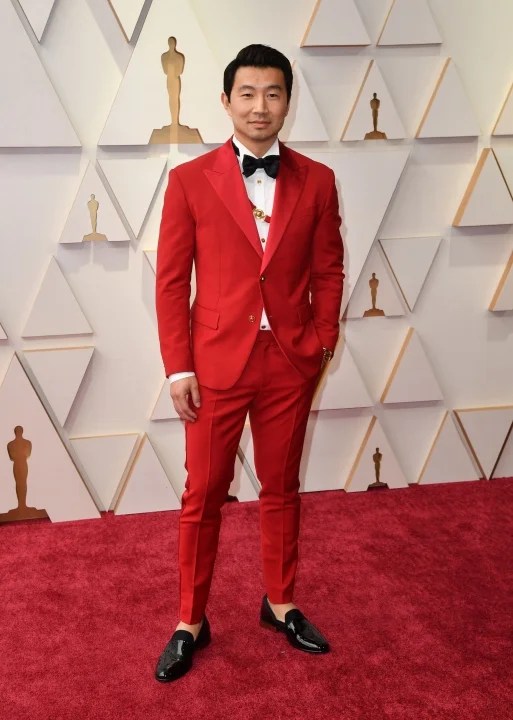
And finally, the fashion:
Saniyya Sidney
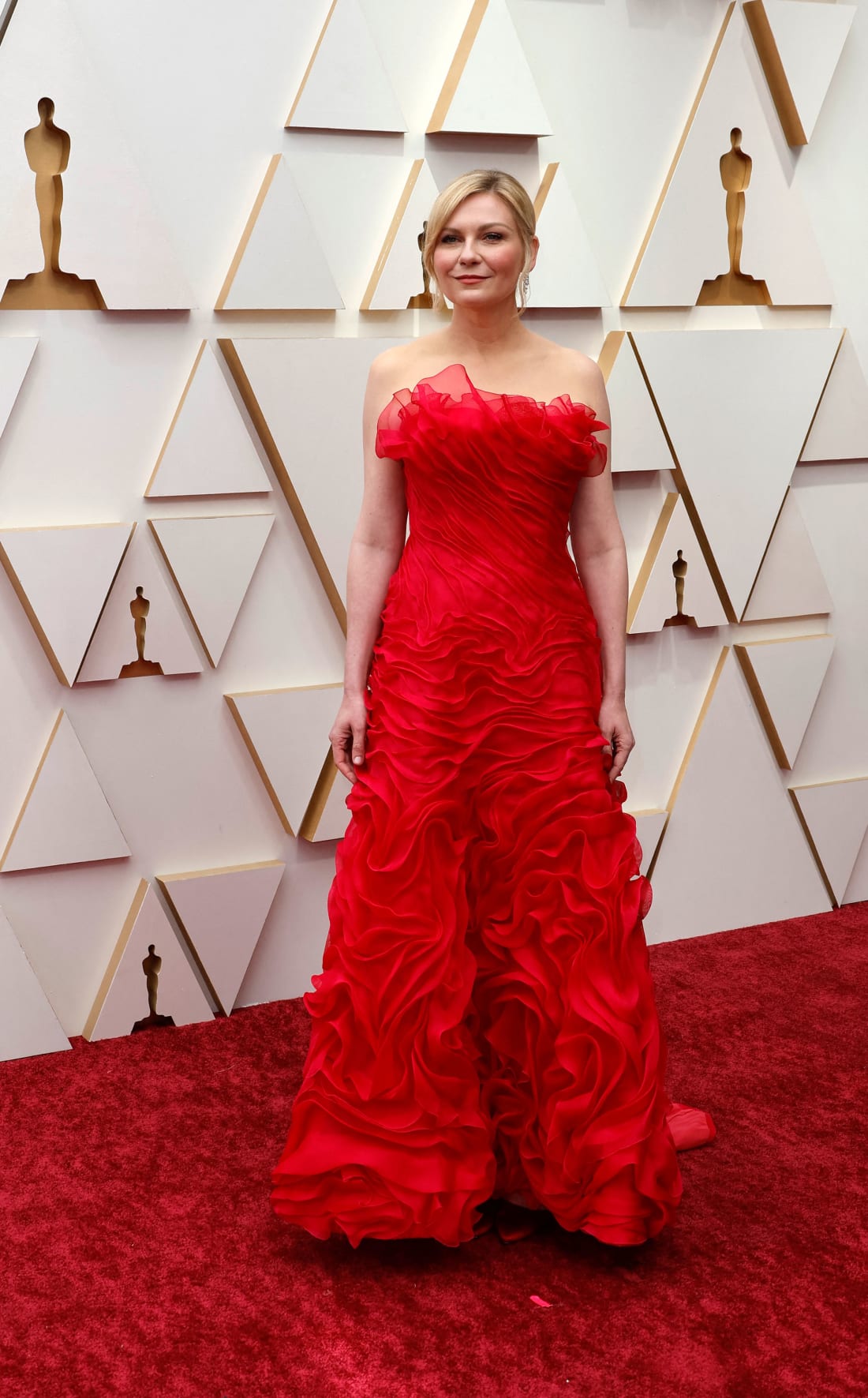
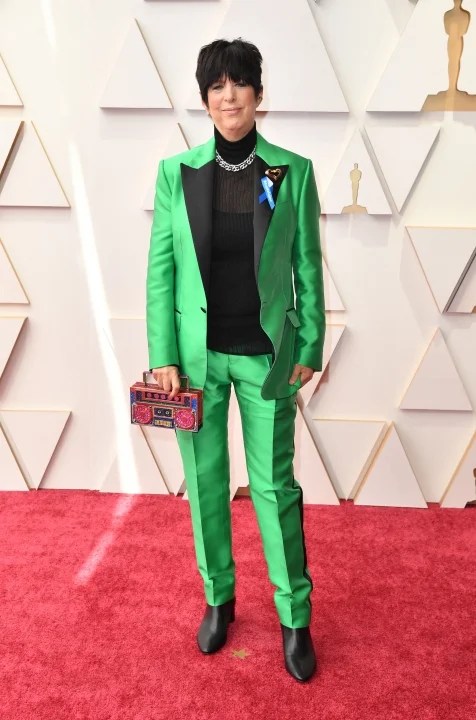
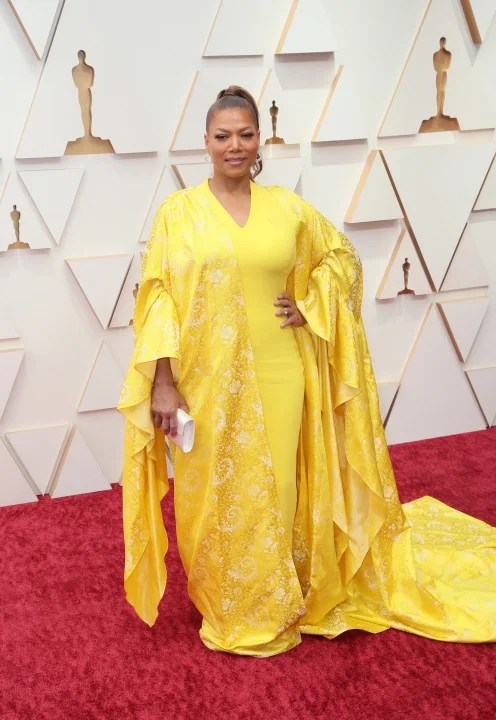
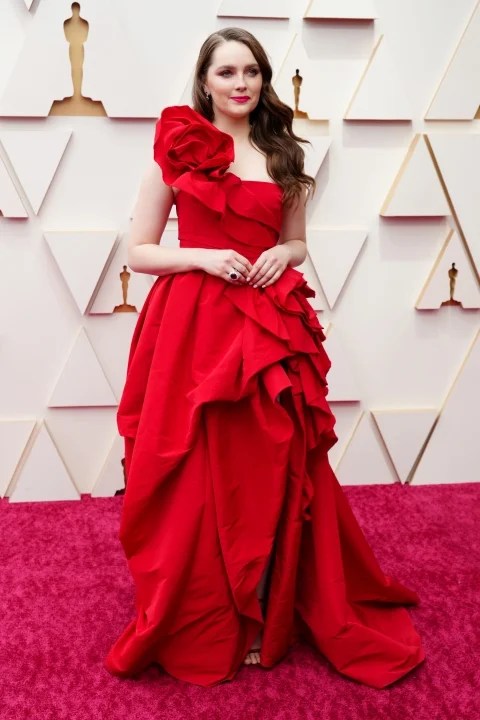
Zoë KravitzLily JamesThe pastelsAriana DeBoseJennifer GarnerKirsten DunstThe redsNaomi ScottJamie Lee CurtisDiane WarrenQueen LatifahMaya RudolphAmy ForsythThe rainbowZendayaLupita Nyong’oOlivia ColmanThe metallicsKristen StewartTimothée ChalametThe “dressed down” lookSimu LiuMy favorite look of the night
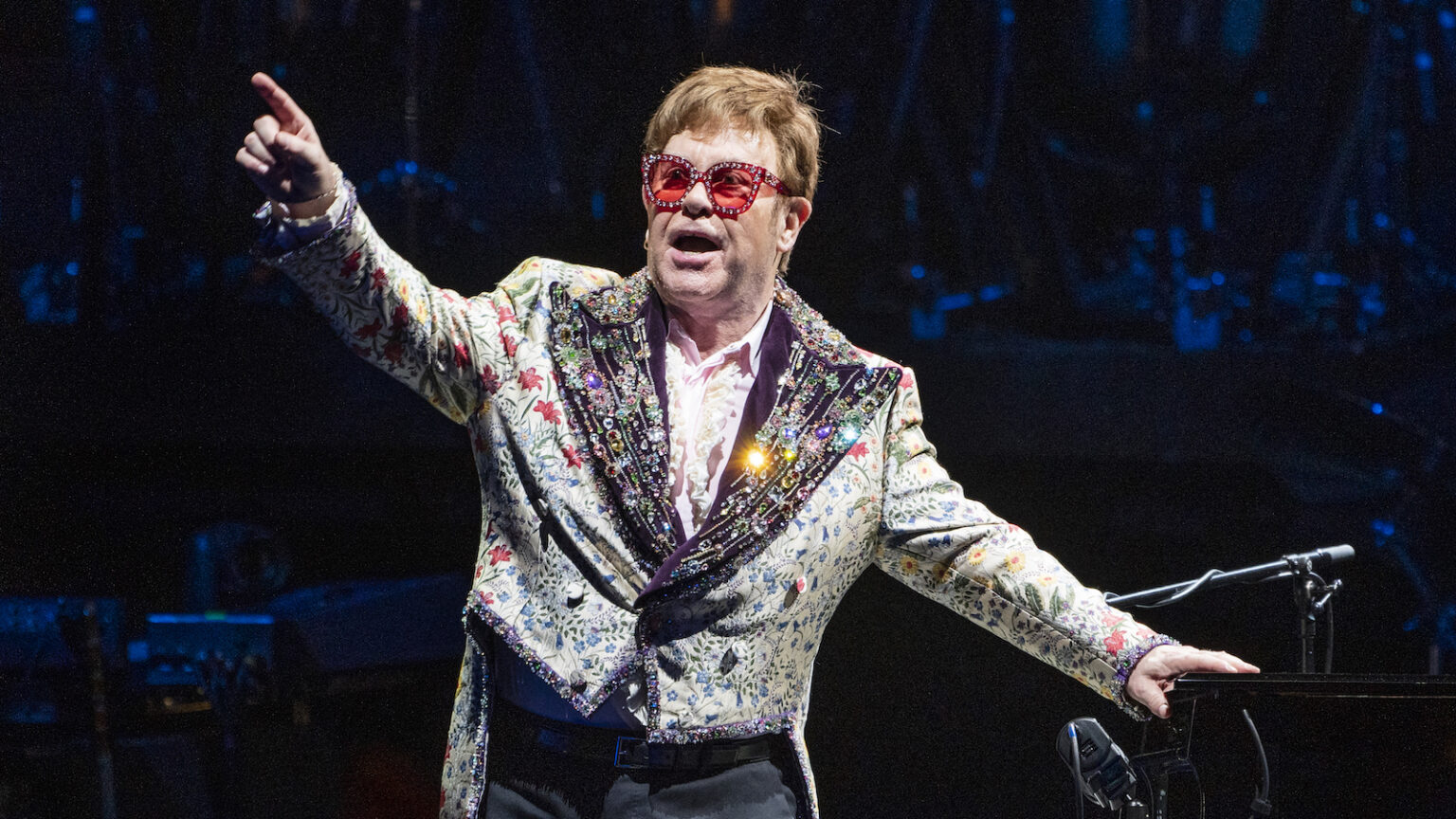
Elton John celebrated his 75th birthday on Friday. I was without wi-fi from Friday morning until earlier today (for the record, I needed a new modem). I’m assuming Sir Elton won’t be mad at me for being a couple days late.
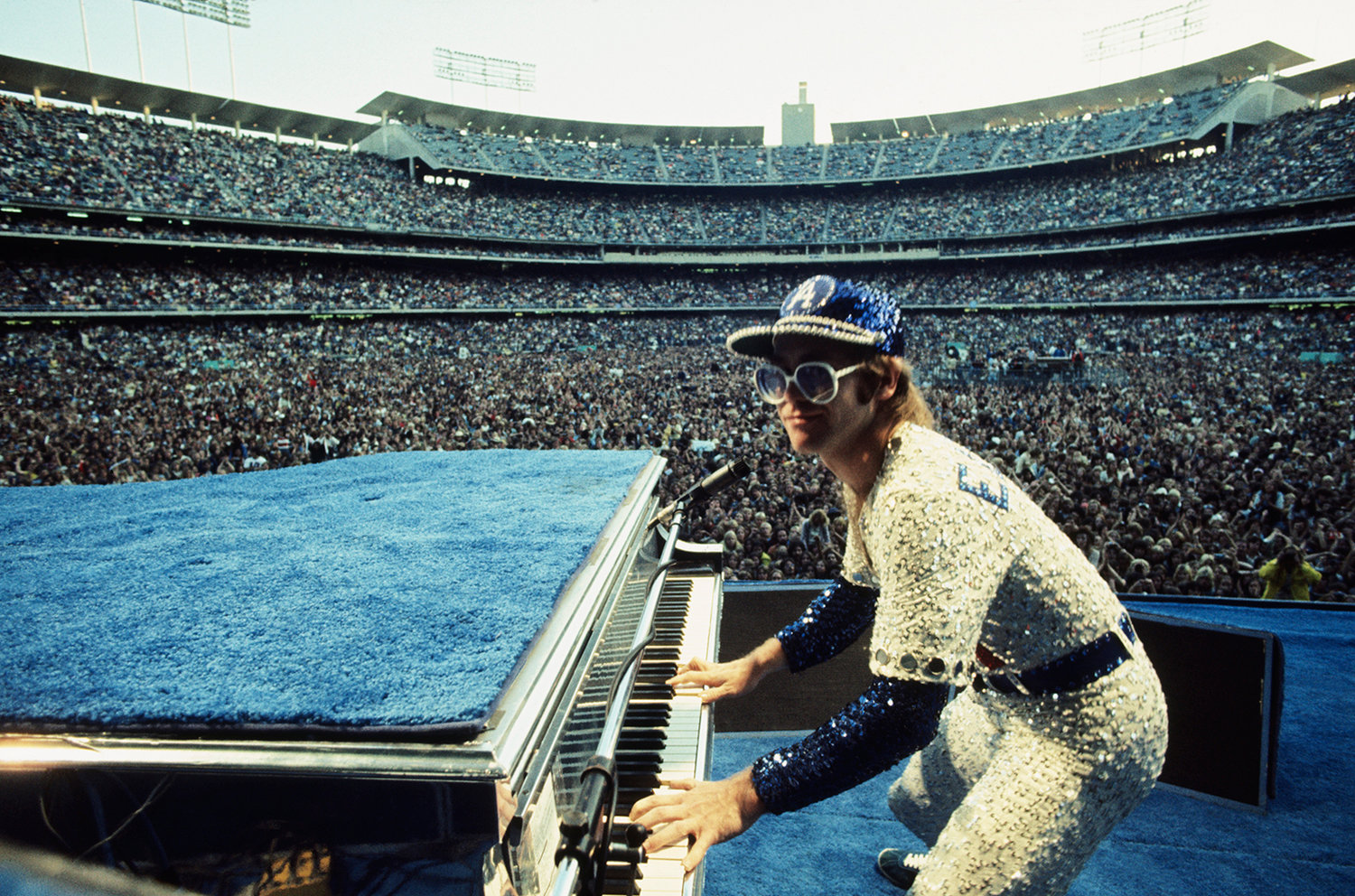
Born Reginald Kenneth Dwight in Pinner, Middlesex (Greater London area), Elton John began playing the piano at the age of seven. He saw Jerry Lee Lewis and Little Richard on television and knew exactly what he wanted to do with his life. His father Stanley tried to steer him toward a professional career, but John was not meant for the nine-to-five world. At age eleven, John was awarded a junior scholarship to the Royal Academy of London, and while he was something of a prodigy, he didn’t want to be a classical pianist; he wanted to be a showman.
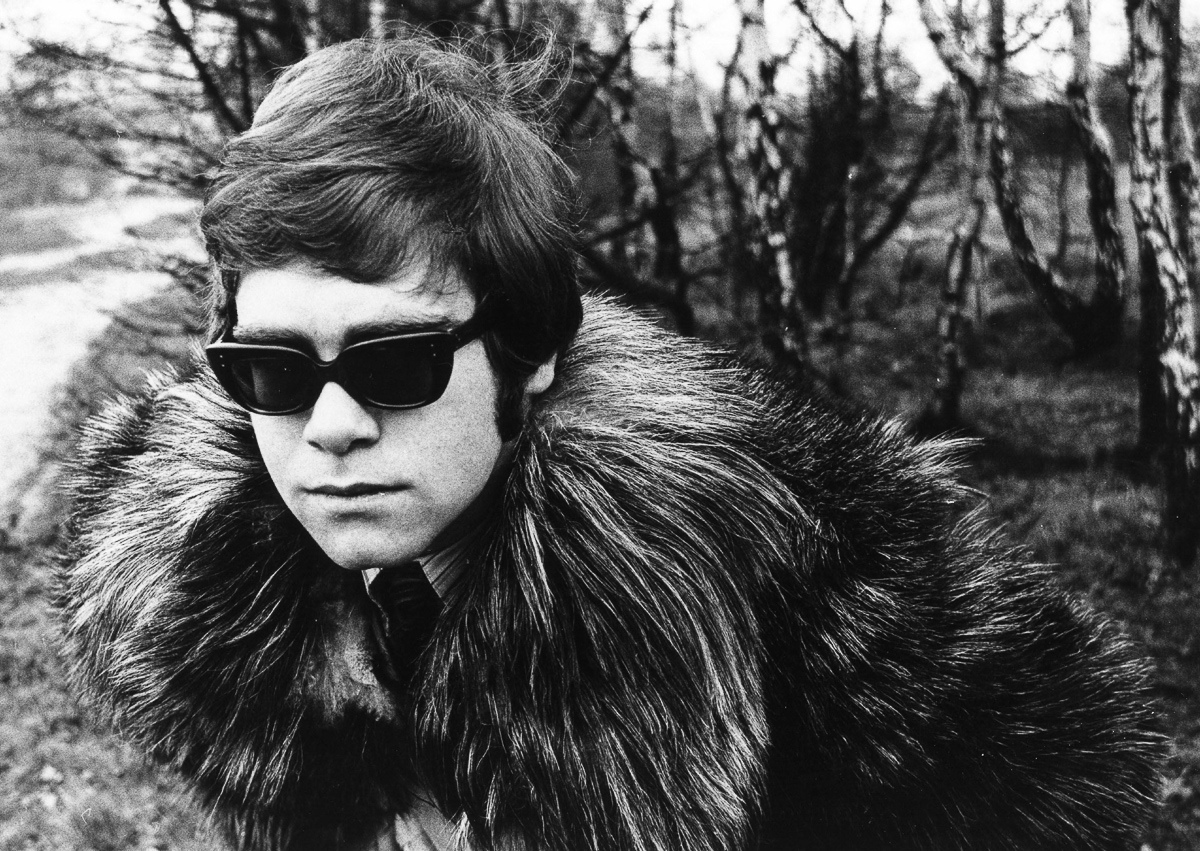
A photo taken during John’s first professional shoot in 1968
At age fifteen, John (still known as Reggie) began playing at a local pub and formed a band called Bluesology; he would later use the names of two of his bandmates – Elton Dean and John Baldry – to create his stage name. At the age of twenty, John answered an ad in the New Musical Express looking to pair composers and lyricists; he was handed a random unopened envelope and was matched with Bernie Taupin. Taupin and John’s partnership continues to this day.
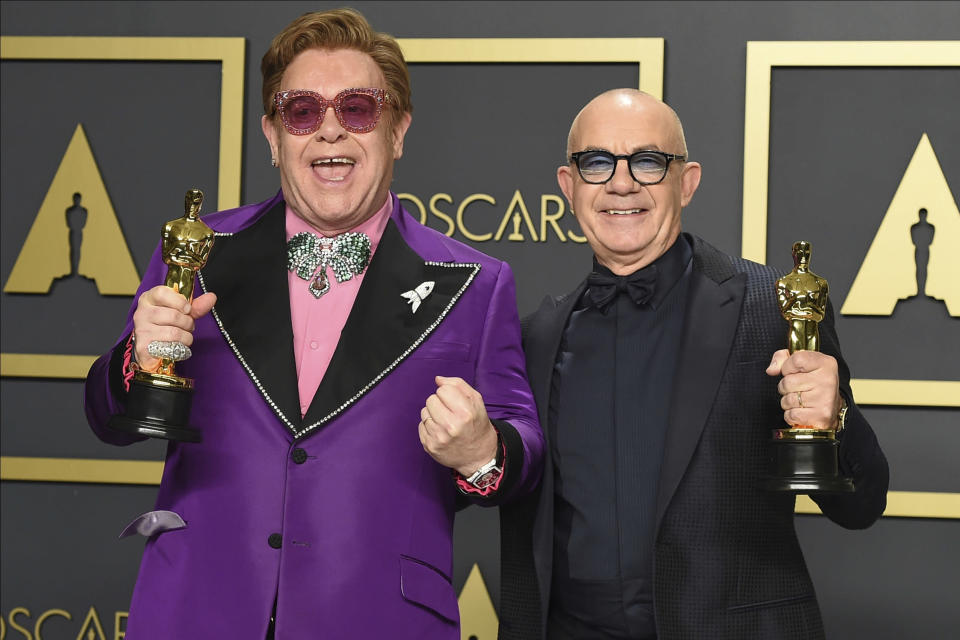
John and Taupin at the 92nd Academy Awards, where they won the Oscar for Best Original Song for Rocketman
Elton John has been one of the most commercially and critically successful artists of the past fifty years. He’s won two Oscars, six Grammys and a Tony. His nonprofit charity, the Elton John AIDS Foundation, has raised more than $600 million since its inception thirty years ago. He’s a Commander of the Order of the British Empire, and a member of the Rock and Roll and Songwriters Halls of Fame. He’s a husband and a father, a legend and an icon.
John with husband David Furnish and their kids Zachary and Elijah
In celebration of Elton John’s 75th, here is a list of my ten favorite John albums (and one bonus tribute album):
Goodbye Yellow Brick Road
CHART POSITION: #1 in the US, the UK, Canada and Australia
SINGLES: “Saturday Night’s Alright for Fighting” (US #12, UK #7), “Goodbye Yellow Brick Road” (US #2, UK #6), “Bennie and the Jets” (US #1, Canada #1, not released as a single in the UK), “Candle in the Wind” (UK #11, not released as a single in the US)
MY FAVORITE TRACKS: “Funeral for a Friend/Love Lies Bleeding”, “Goodbye Yellow Brick Road”, “Grey Seal”, “All the Girls Love Alice”, “Bennie and the Jets”
FUN FACT: Goodbye Yellow Brick Road is John’s magnum opus and best-selling album (more than thirty million copies have been sold worldwide since its 1973 release), but it might have been titled something else: the working titles for the album were Vodka and Tonics and Silent Movies, Talking Pictures.
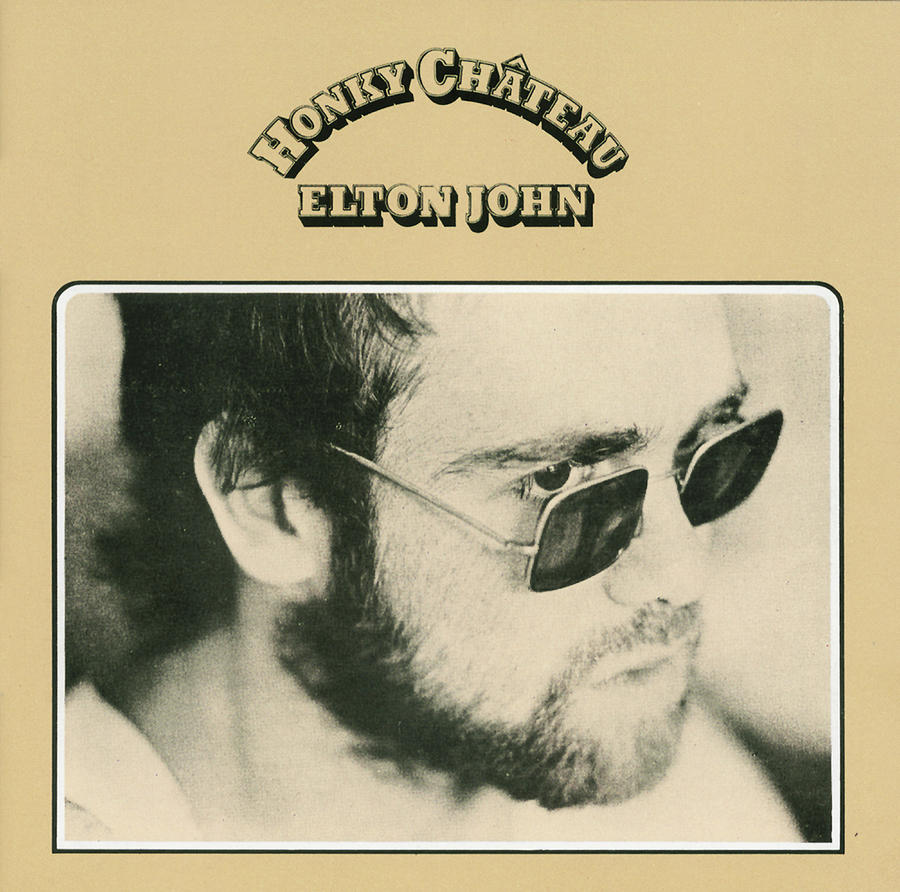
Honky Château
CHART POSITION: #1 in the US, #2 in the UK
SINGLES: “Rocket Man (I Think It’s Going to Be a Long, Long Time)” (#6 US, #2 UK), “Honky Cat” (#8 US, #31 UK)
MY FAVORITE TRACKS: “Mona Lisas and Mad Hatters” (my absolute all-time favorite Elton John song), “Rocket Man (I Think It’s Going to Be a Long, Long Time)”, “Honky Cat”
FUN FACT: Honky Château was the first of seven consecutive Elton John #1 albums in the United States.
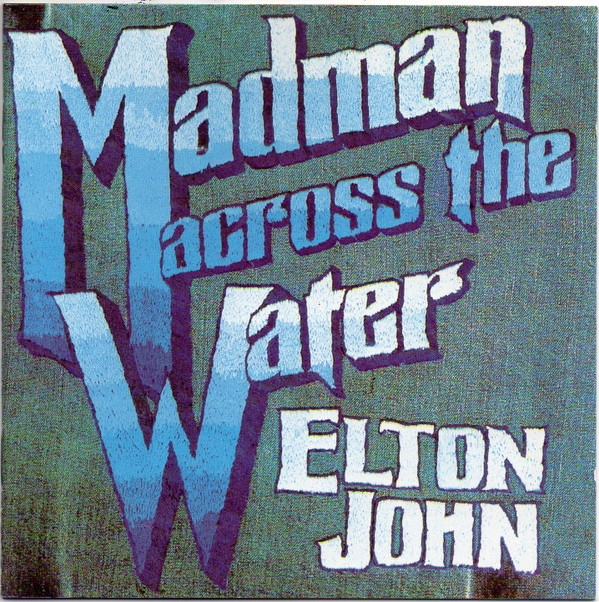
Madman Across the Water
CHART POSITION: #8 in the US and Australia, #9 in Canada, #41 in the UK
SINGLES: “Levon” (#24 US, #6 Canada), “Tiny Dancer” (#41 US, not released as a single in the UK)
MY FAVORITE TRACKS: “Tiny Dancer”, “Levon”, “Madman Across the Water” and “Holiday Inn”
FUN FACT: At 6:12, “Tiny Dancer” was more than twice as long as the typical pop song of the time. Because of its length, the song wasn’t even released as a single in the UK. Nevertheless, “Tiny Dancer” is one of John’s most enduring songs, both musically and culturally.
You had to know I would post this video…
…and this one
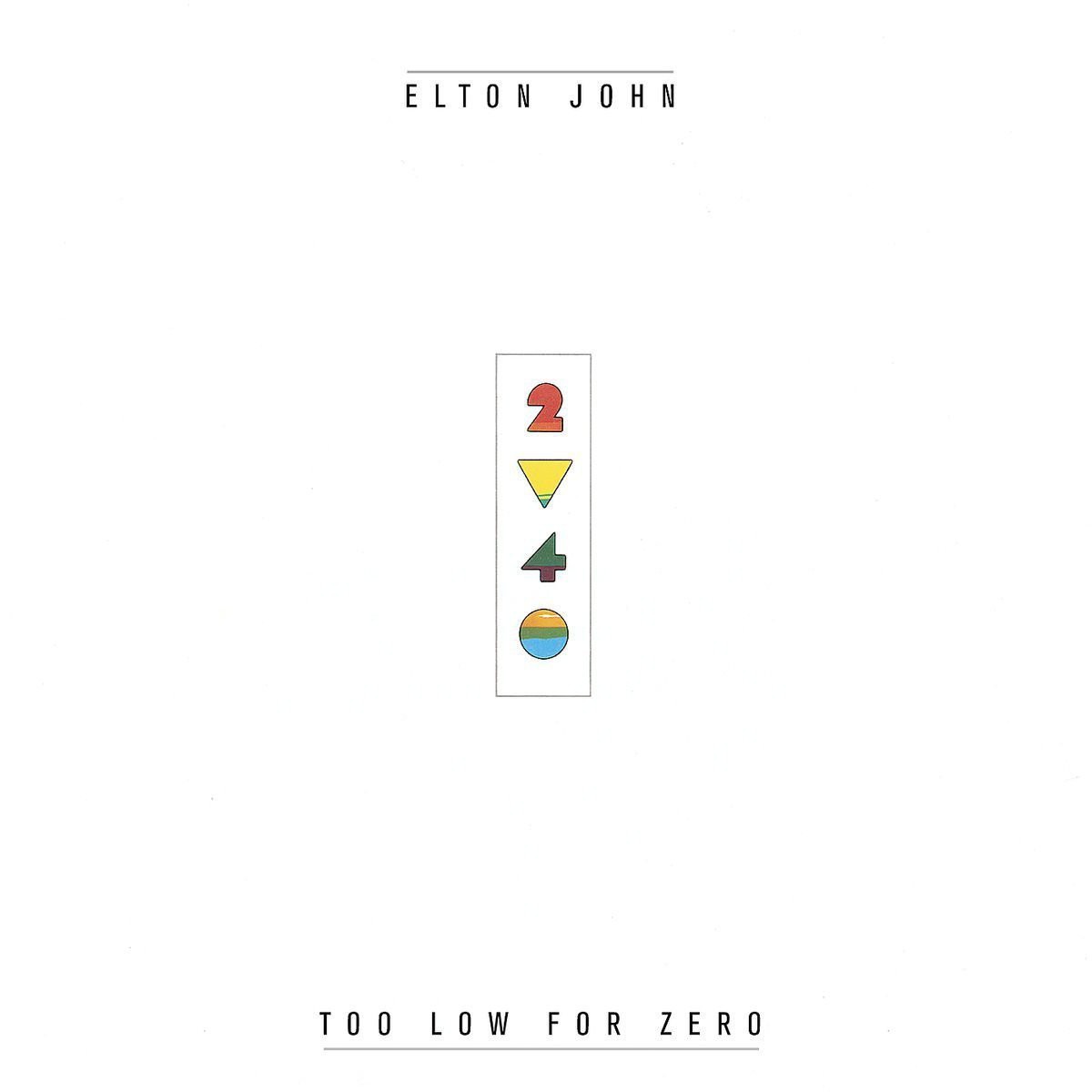
Too Low for Zero
CHART POSITION: #25 in the US, #7 in the UK, #2 in Australia and #17 in Canada
SINGLES: “I Guess That’s Why They Call It the Blues” (#4 US, #5 UK), “I’m Still Standing” (#12 US, #4 UK), “Kiss the Bride” (#25 US, #20)
MY FAVORITE TRACKS: “Cold as Christmas (In the Middle of the Year)”, “Whipping Boy”, “I Guess That’s Why They Call It the Blues”, “Crystal”
FUN FACT: After a several-album critical and commercial slump, John reunited with Taupin and his old backing band for the first time since 1976’s Blue Moves – and struck gold (actually platinum).
Don’t Shoot Me I’m Only the Piano Player
CHART POSITION: #1 in the US, the UK, Australia and Canada
SINGLES: “Crocodile Rock” (#1 in the US and Canada, #2 in Australia, #5 in the UK), “Daniel” (#2 US, #4 UK)
MY FAVORITE TRACKS: “Daniel”, “Elderberry Wine”, “Have Mercy on the Criminal”, “I’m Going to Be a Teenage Idol”, “Crocodile Rock”
FUN FACT: John once spent an evening playing piano at a party hosted by Groucho Marx. Marx had been gently ribbing John all night and at one point made a “pistol” hand gesture, to which John replied, “Don’t shoot me, I’m only the piano player”. The Marx Brothers movie Go West is featured on the album’s cover art.
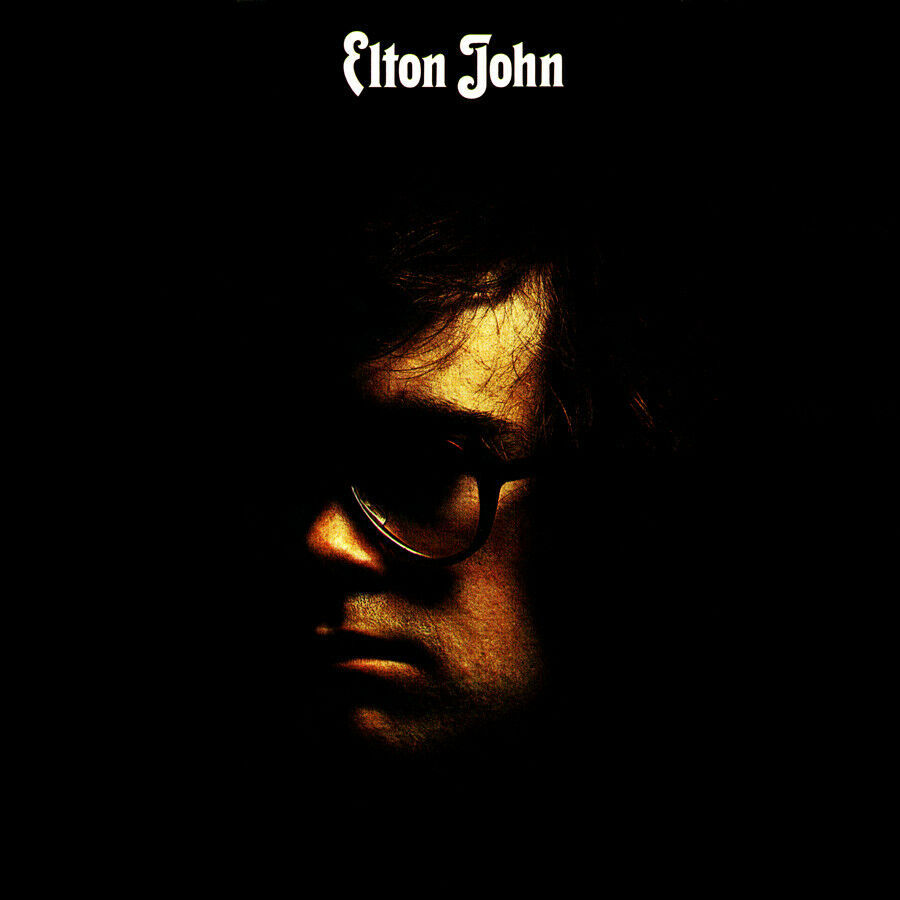
Elton John
CHART POSITION: #4 in the US, Australia and Canada, #5 in the UK
SINGLES: “Border Song” (#92 in the US, didn’t chart in the UK), “Your Song” (#8 in the US, #7 in the UK)
MY FAVORITE TRACKS: “Your Song”, “Take Me to the Pilot”, “No Shoe Strings on Louise”, “Border Song”
FUN FACT: John’s UK debut Empty Sky wasn’t released in the States until 1975, so Elton John was his US debut.
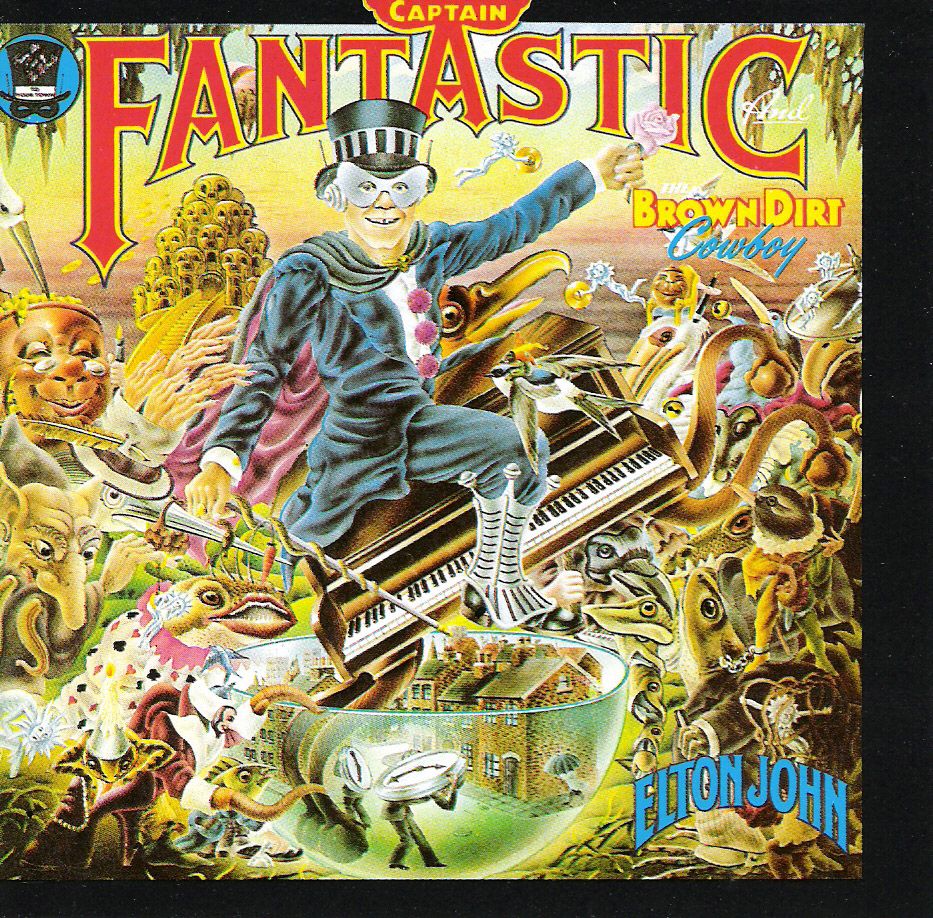
Captain Fantastic and the Brown Dirt Cowboy
CHART POSITION: #1 in the US, Australia and Canada, #2 in the UK
SINGLES: “Someone Saved My Life Tonight” (#4 US, #22 UK)
MY FAVORITE TRACKS: “Someone Saved My Life Tonight” (the semi-autobiographical account of John’s 1968 suicide attempt), “Better Off Dead”, “We All Fall in Love Sometimes”
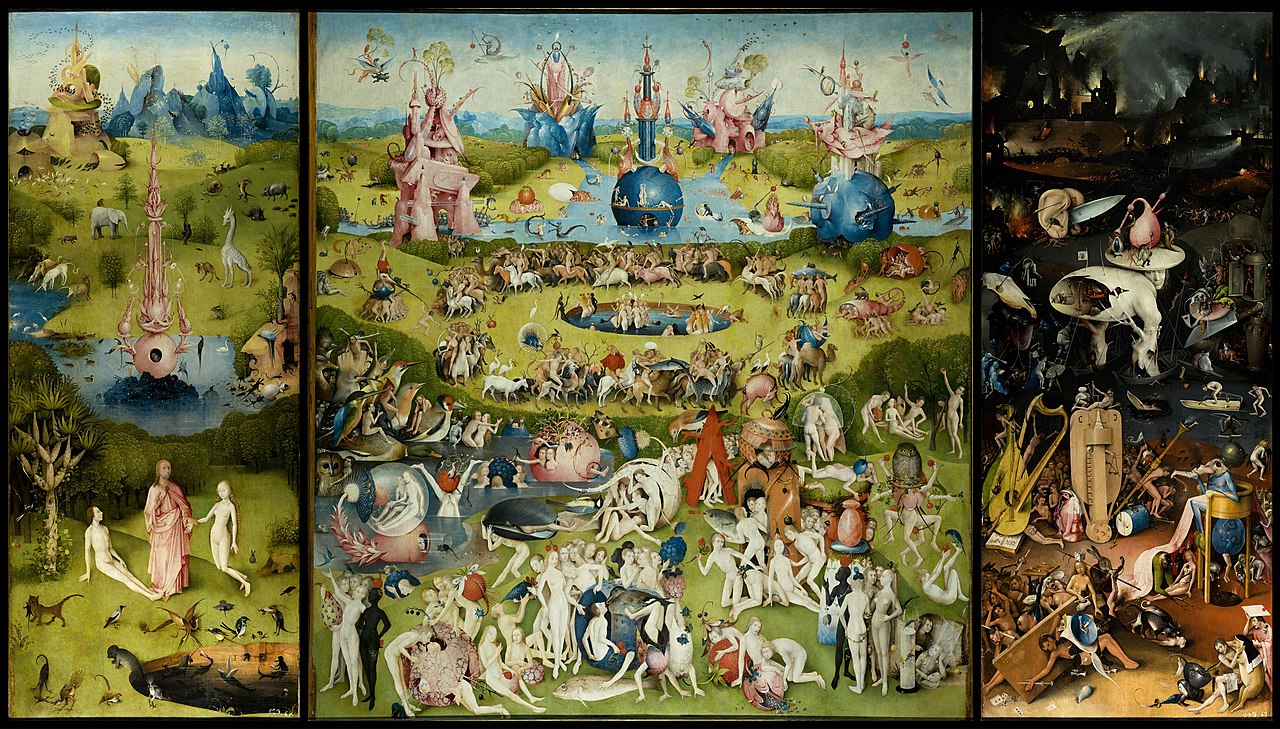
FUN FACT: The cover art by Alan Aldridge drew inspiration from The Garden of EarthlyDelights, a Renaissance triptych painting by Hieronymus Bosch.
The Garden of Earthly Delights
Rock of the Westies
CHART POSITION: #1 in the US and Canada, #4 in Australia, #5 in the UK
SINGLES: “Island Girl” (#1 US, #14 UK), “Grow Some Funk of Your Own”/”I Feel Like a Bullet (In the Gun of Robert Ford)” (#14 US)
MY FAVORITE TRACKS: “Island Girl”, “I Feel Like a Bullet (In the Gun of Robert Ford)”, “Medley: Yell Help / Wednesday Night / Ugly”
FUN FACT: Oscar-nominated film composer James Newton Howard, then a virtual unknown, played keyboards for Rock of the Westies. Howard also arranged strings for several other Elton John songs, including “Don’t Go Breaking My Heart” and “Sorry Seems to Be the Hardest Word”.
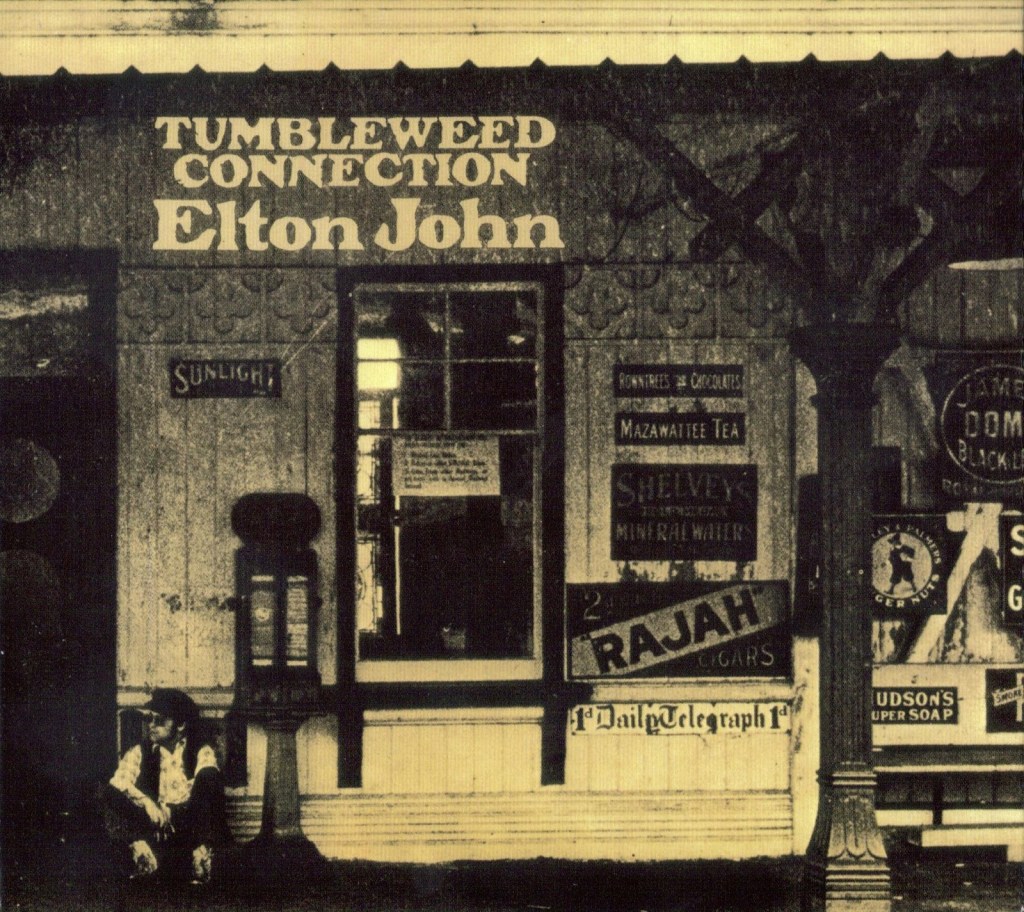
Tumbleweed Connection
CHART POSITION: #5 in the US, #2 in the UK
SINGLES: None in the US or the UK
MY FAVORITE TRACKS: “Come Down in Time”, “Burn Down the Mission”, “Country Comfort”
FUN FACT: Although the album is an ode to Americana, the cover photo was taken at the Sheffield Park railway station in East Sussex. Musically, the album was influenced by The Band’s Music from Big Pink.
Duets
CHART POSITION: #25 in the US, #5 in the UK
SINGLES: “Don’t Let the Sun Go Down on Me”
MY FAVORITE TRACKS: “Don’t Let the Sun Go Down on Me” with George Michael, “Ain’t Nothing Like the Real Thing” with Marcella Detroit, “Don’t Go Breaking My Heart” with RuPaul
FUN FACT: Duets was initially conceived as a Christmas album.
Bonus – Two Rooms: Celebrating the Songs of Elton John & Bernie Taupin
CHART POSITION: #18 in the US
SINGLES: “Don’t Let the Sun Go Down on Me” by Oleta Adams (UK only, #33), “Rocket Man” by Kate Bush (#2 Australia, #12 UK)
MY FAVORITE TRACKS: “Rocket Man”, “Sorry Seems to Be the Hardest Word” by Joe Cocker, “The Bitch is Back” by Tina Turner, “Madman Across the Water” by Bruce Hornsby, “Tonight” by George Michael, “Sacrifice” by Sinead O’Connor
FUN FACT: The title refers to a song on John’s album 21 at 33 titled “Two Rooms at the End of the World”
Kate Bush’s magical, reggae-tinged “Rocket Man” is one of the best covers of all time
William Hurt’s death brought with it a reminder of Marlee Matlin’s allegations of abuse against him. They’re not for the faint of heart. In her 2009 memoir, I’ll Scream Later, Matlin accused Hurt of verbal abuse and rape. On the night of the 59th Academy Awards, where their movie Children of a Lesser God was up for five awards, Matlin became the youngest Best Actress winner ever – and the only deaf person in history to win an acting Oscar (that could change this year, as Matlin’s CODA co-star Troy Kutsor has a good shot at the Best Supporting Actor prize). After her win, Hurt supposedly asked her, “What makes you think you deserve it?” On another occasion, Matlin alleges that Hurt violently raped her, stating that he “…finally came home around 4:30 A.M. drunk and woke me up. The next thing I knew he’d pulled me out of the bed, screaming at me, shaking me. I was scared, I was sobbing. Then he threw me on the bed, started ripping off his clothes and mine. I was crying. ‘No, no, no. Please Bill, no.’ The next thing I remember is Bill ramming himself inside me as I sobbed.”
Matlin and Hurt at the 59th Academy Awards, held March 30, 1987
In a 2009 interview with E! News, Hurt responded to the allegations by saying “My own recollection is we both apologized and both did a great deal to heal our lives. Of course, I did and do apologize for any pain I caused.” Sunday evening, on the red carpet at the Critics Choice Awards, Matlin was asked about Hurt’s death. She responded like the absolute pro she is: “We’ve lost a really great actor and working with him on-set in Children of a Lesser God will always be something I remember very fondly. He taught me a great deal as an actor and he was one of a kind.”
Matlin’s win should have been the happiest moment of her life; her Best Actress win was especially poignant because Hurt, the previous year’s Best Actor winner, presented her with the award. Now when I watch this, I can hear Hurt asking her later, “What makes you think you deserve it?”
Matlin was not Hurt’s only victim, just his most high-profile one. Hurt’s former partner Sandra Jennings also accused him of physical and verbal abuse; on one occasion, five days after Jennings gave birth to their son, Hurt allegedly “smashed me across the face”. And in a recent essay for Variety, author Donna Kaz recalled that “Bill would snap, physically shove, punch and beat me, followed by tears, apologies and him offering me expensive gifts. When the battering began I sloughed it off. He said he was sorry. Perhaps I instigated it. I only had to visit the ER once. It was only after many, many years I admitted to myself that I was the victim of domestic violence.”
It’s worth noting that substance abuse appears to have been a factor in at least one of these stories, but if I had to guess, it was a factor in all of them. And in Matlin’s case, at least, there was a pretty sizable power differential; not only was Hurt an established, Oscar-winning actor to Matlin’s film novice but he was also fifteen years her senior.
So how do we mourn a brilliant artist who was also a shitty human being? How do we reconcile their public image with their private behavior (especially in the #MeToo era and during Women’s History Month, no less)? Can I say that I loved Hurt in The Big Chill while also acknowledging that he may have been a domestic abuser and a rapist? There aren’t any easy answers, but I’d argue that holding these men to account while they’re still alive would be a great start. Then, we should give every abuse victim a voice, say their names, listen to their stories, and believe them.
[For the record, I acknowledge that false rape accusations do occur, but they are exceedingly rare. According to FBI statistics, as many as 8% of reported rapes end up being false but only about 35% of actual rapes are reported and 0% of unreported rapes are false allegations. In other words, false accusations are difficult to calculate, but they make up no more than 8% of the 35%. Sorry for the little foray into math.]
Finally, when these men die, we need to remind people of the loathsome things they did and not just their brilliant work, so we can get a full picture of their lives and the pain and trauma they may have caused. We simply cannot separate their private lives from their art.
Here are a few beloved artists who have died in the last five or so years and the details their official obituaries might have left out:
Bernardo Bertolucci
Bernardo Bertolucci, director of such films as The Last Emperor and Stealing Beauty, created a scandal in 1972 with the release of Last Tango in Paris. The story of a fifty-something man coping with his wife’s suicide by dominating a nineteen-year-old, Last Tango in Paris contained explicit nudity and gratuitous sex. In one particularly harrowing scene, Paul (Marlon Brando) anally rapes Jeanne (played by Maria Schneider) using butter as a lubricant. Schneider was obviously aware that her character would be raped in the scene, but she was not told in advance about the butter. Why? Well, it wasn’t in the script; Bertolucci and Brando came up with the idea together and conspired to withhold that information from Schneider. In 2013, two years after Schneider’s death, Bertolucci admitted in an interview that they improvised the butter “bit” on the set and intentionally kept that detail hidden from Schneider until the scene was filmed. The goal was to humiliate Schneider in order to get a better performance out of her. In 2013, Bertolucci appeared on a Dutch television show called College Tour and said about Schneider, “I feel guilty, but I don’t regret it.” Bertolucci died of lung cancer on November 26, 2018.
Last Tango in Paris‘s infamous butter rape scene
Kirk Douglas
In her 2001 biography of Natalie Wood, Suzanne Finstad alleged that Wood was violently raped by a major movie star when she was sixteen (though Finstad didn’t name the star). Physically injured and terrified of crossing a beloved, award-winning actor, Wood chose to keep the rape a secret. In a 2021 memoir, Wood’s sister Lana named Natalie’s A-list rapist: Kirk Douglas. It turns out, this story was one of Hollywood’s worst-kept secrets, but Kirk continued to be a beloved actor and patriarch of the Douglas dynasty long after the secret was out. Natalie Wood died in a mysterious, possibly murderous (though it’s never been proven) drowning on November 29, 1981 (more on Wood’s death later). Kirk Douglas died on February 5, 2020, at the age of 103, having never been held to account for his brutal assault on a sixteen-year-old girl.
Wood and Douglas at a B’nai B’rith dinner in January 1965, about ten years after the alleged rape took place (imagine standing inches from your rapist while he accepts an award for “Man of the Year” and “Citizen of the World”)
Sean Connery
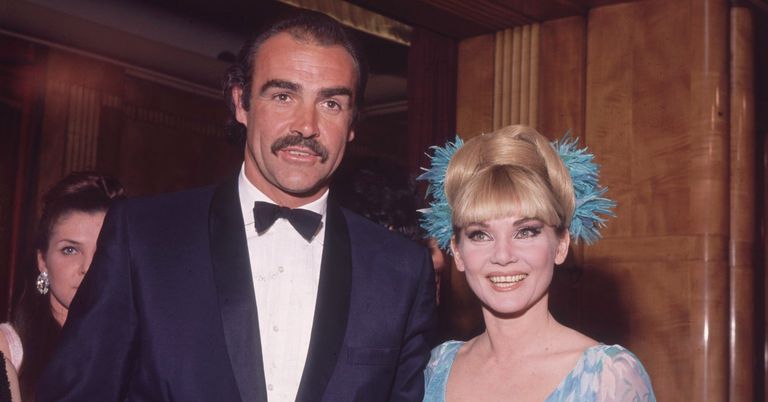
Yes, Sean Connery was James Bond and Henry Jones Sr. and Robin Hood and William of Baskerville. But he was also (probably) a wife-beater. In 2006, Connery’s ex-wife Diane Cilento accused Connery of mentally and physically abusing her. It might have been difficult to believe had it not been for a 1965 interview with Playboy magazine in which Connery said, “I don’t think there is anything particularly wrong in hitting a woman, though I don’t recommend you do it in the same way you hit a man”. And a 1993 interview with Vanity Fair, where Connery said, “There are women who take it to the wire. That’s what they are looking for, the ultimate confrontation. They want a smack”. Of course, Connery denied Cilento’s claims but he had already shown us who he really was. Sir Sean Connery died in his sleep on October 31, 2020.
Sean Connery and Diane Cilento
Chuck Berry
When Chuck Berry died on March 18, 2017, he was (appropriately) hailed for his pioneering contributions to the art of rock and roll. But there are a few more things you might not have read in those rapturous eulogies. For instance, did you know that in 1959, Berry was arrested on charges of transporting a fourteen-year-old girl across state lines for alleged “immoral purposes”? And did you know that in 1987, Berry was charged with assaulting a woman, who had mouth lacerations requiring stitches, two loose teeth and facial contusions? And did you also know that in 1990, Berry (who eventually settled out of court) was sued by a group of women who claimed that Berry had installed a camera in the bathroom of his restaurant?
This fucking asshole
So in the future, when the following men die, my blog posts may look something like this:
Roman Polanski
“Roman Polanski, who was convicted of sexually assaulting a thirteen-year-old girl in 1977 and then fled the country to avoid imprisonment and spent decades as a fugitive from justice, has died. Polanski also made movies.”
Polanski’s victim, Samantha Geimer, who was just thirteen years old at the time of the attack in which Polanski reportedly gave her drugs, sodomized her and took suggestive photos of her
Bill Cosby
“Bill Cosby, who admitted to giving out Quaaludes and Benadryl to ‘facilitate sexual encounters’, and definitely (allegedly) raped dozens of women, has died. Cosby co-created and starred in a couple of television shows we used to like. He also used to wear really stupid sweaters.”
In a 2015 interview with New York magazine, thirty-five of Cosby’s accusers told their strories
Woody Allen
“Woody Allen, who may or may not have molested his seven-year-old daughter Dylan and definitely had sex with and took nude photos of his twenty-one-year-old sort-of stepdaughter Soon-Yi Previn, has died. Allen wrote and directed a bunch of movies about neurotic Manhattanites.”
Woody Allen with a very young Dylan FarrowDylan Farrow in more recent yearsSoon-Yi Previn with adopted mom Mia Farrow in 1991, around the time Woody Allen began sleeping with her
Tom Cruise
“Tom Cruise, who may have helped cover up a series of rapes perpetrated by a fellow actor/Scientologist [That ’70s Show‘s Danny Masterson] and probably allowed the ‘church’ to wiretap his wife’s phone and who definitely spoke out against people receiving necessary mental health services, has died. Unfortunately, I never got the chance to punch Cruise in his smug face. He loved to run in his movies.”
As an aside, I HIGHLY recommend the Alex Gibney documentary Going Clear: Scientology and the Prison of Belief, which you can stream on HBO Max.
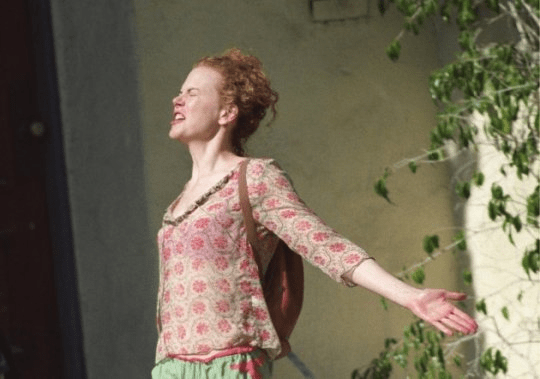
Tom Cruise with Scientology leader David MiscavigeThis photo, taken of Nicole KIdman moments after she left her attorney’s office to finalize her divorce with Cruise, kind of says it all
Sean Penn
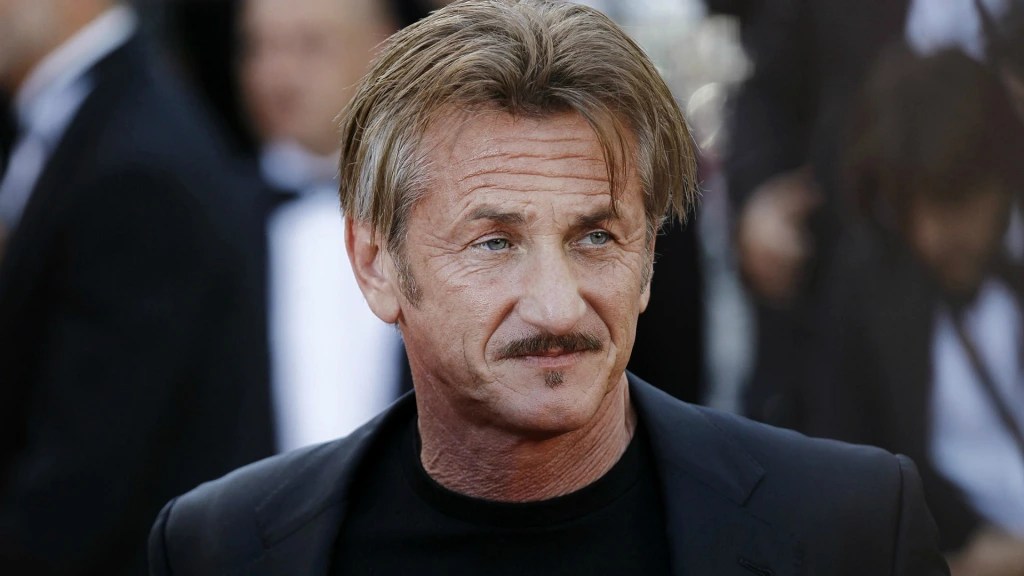
“Sean Penn, who loved to beat people up and who was a homophobe and a transphobe and an all-around asshole, has died. Penn played the iconic Spicoli in Fast Times at Ridgemont High and made some other movies.”
This fucking asshole
Kevin Spacey
“Kevin Spacey, who has denied the allegations*** made by several men that they were sexually harassed or molested by Spacey when they were as young as fourteen, has died. Spacey made a couple of stone-cold classics and a bunch of films I’ll never watch again.”
***Technically, Spacey denied all of the allegations but one: in 2017, when actor Anthony Rapp accused Spacey of an attempted sexual assault in 1986 when Rapp was fourteen, Spacey said he didn’t remember the encounter but that he was “beyond horrified to hear [Rapp’s] story” and he offered Rapp his “sincerest apology for what would have been deeply inappropriate drunken behavior”. After the BuzzFeed article in which Rapp made the allegations was published, fourteen more people came forward with accusations against Spacey, all of which he denied (presumably after his publicist got ahold of him).
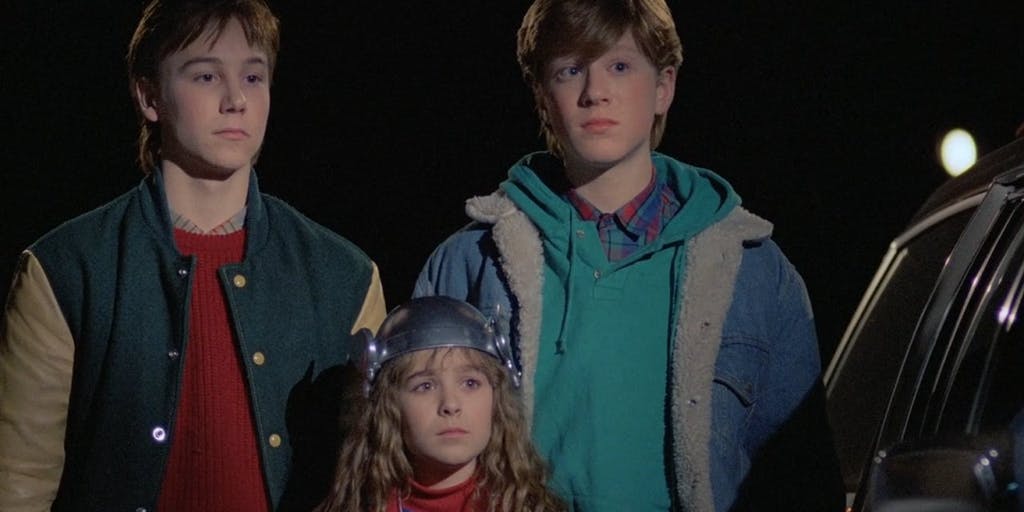
This fucking assholeAnthony Rapp (right) with Keith Coogan and Maia Brewton in 1987’s Adventures in Babysitting, around the time he met Kevin Spacey
Gary Oldman
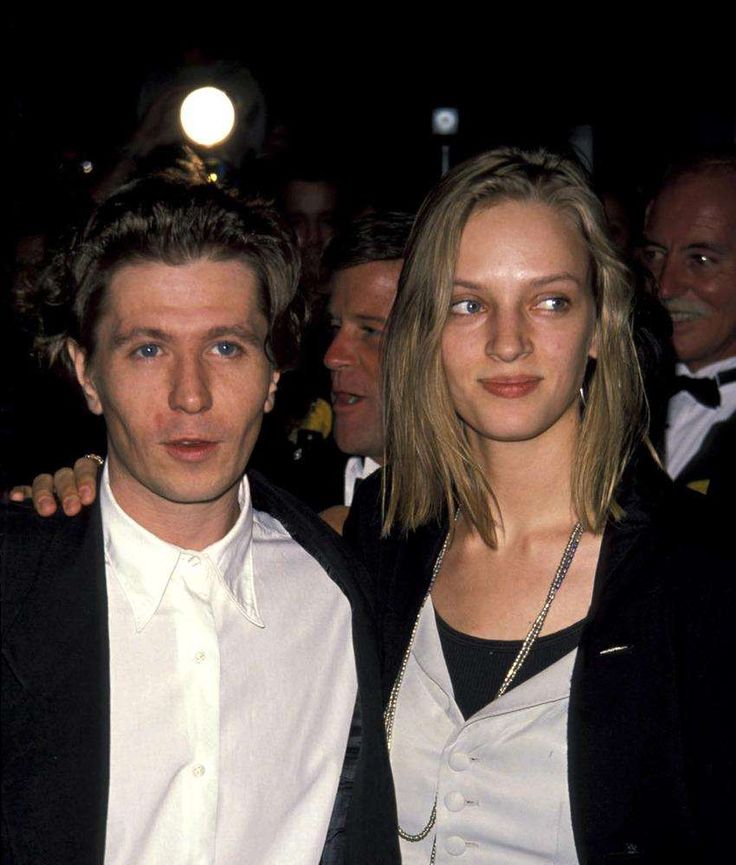
“Gary Oldman, who was a homophobe and an anti-semite and probably a wife-beater, has died. Oldman overacted in some movies.”
In 1990, Oldman married his second wife, Uma Thurman, who at twenty was twelve years Oldman’s junior. Although Thurman has never publicly spoken about it, rumors have swirled for decades that Oldman used to beat her.Oldman with third wife Donya Fiorentino, who accused Oldman of domestic assault
Plácido Domingo
“Plácido Domingo, who was accused of sexual harassment by at least fifteen women, has died. He was a pretty good singer.”
This fucking asshole
Marilyn Manson
“Marilyn Manson, who was accused by his former fiancee Evan Rachel Wood (and at least fifteen other women) of emotional, physical and/or sexual abuse, has died. He made some pretty decent music when he wasn’t being an absolute fucking monster.”
Marilyn Manson and Evan Rachel Wood, who met Manson when she was just eighteen years old and Manson was thirty-seven
Robert Wagner
“Robert Wagner, who was very likely responsible for wife Natalie Wood’s death, has died [author’s note: Wagner is ninety-two years old]. I literally can’t tell you anything he’s been in besides Hart to Hart and the Austin Powers movies, which you can definitely keep.”
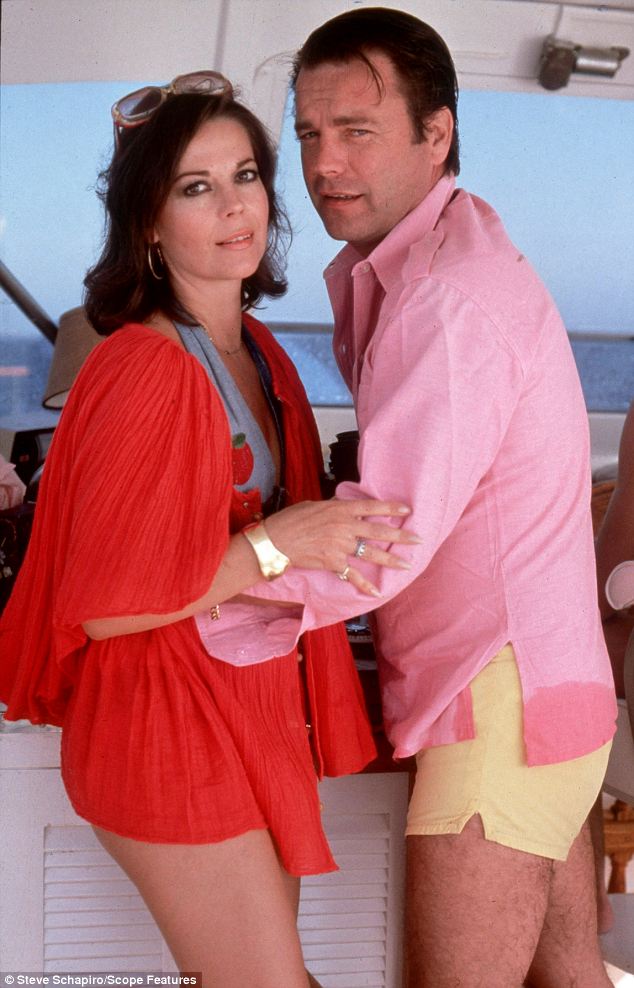
Robert Wagner and Natalie Wood, sometime during their first marriage. The pair divorced in 1962……and remarried in 1972. This picture was taken aboard the couple’s yacht Splendour, which later became the scene of Wood’s death.
Initially published in 2022, this post has been edited for content and clarity.
***** CONTENT WARNING: THIS POST CONTAINS REFERENCES TO A SHOULDER DISLOCATION, CANCER, AND DRUG USE *****
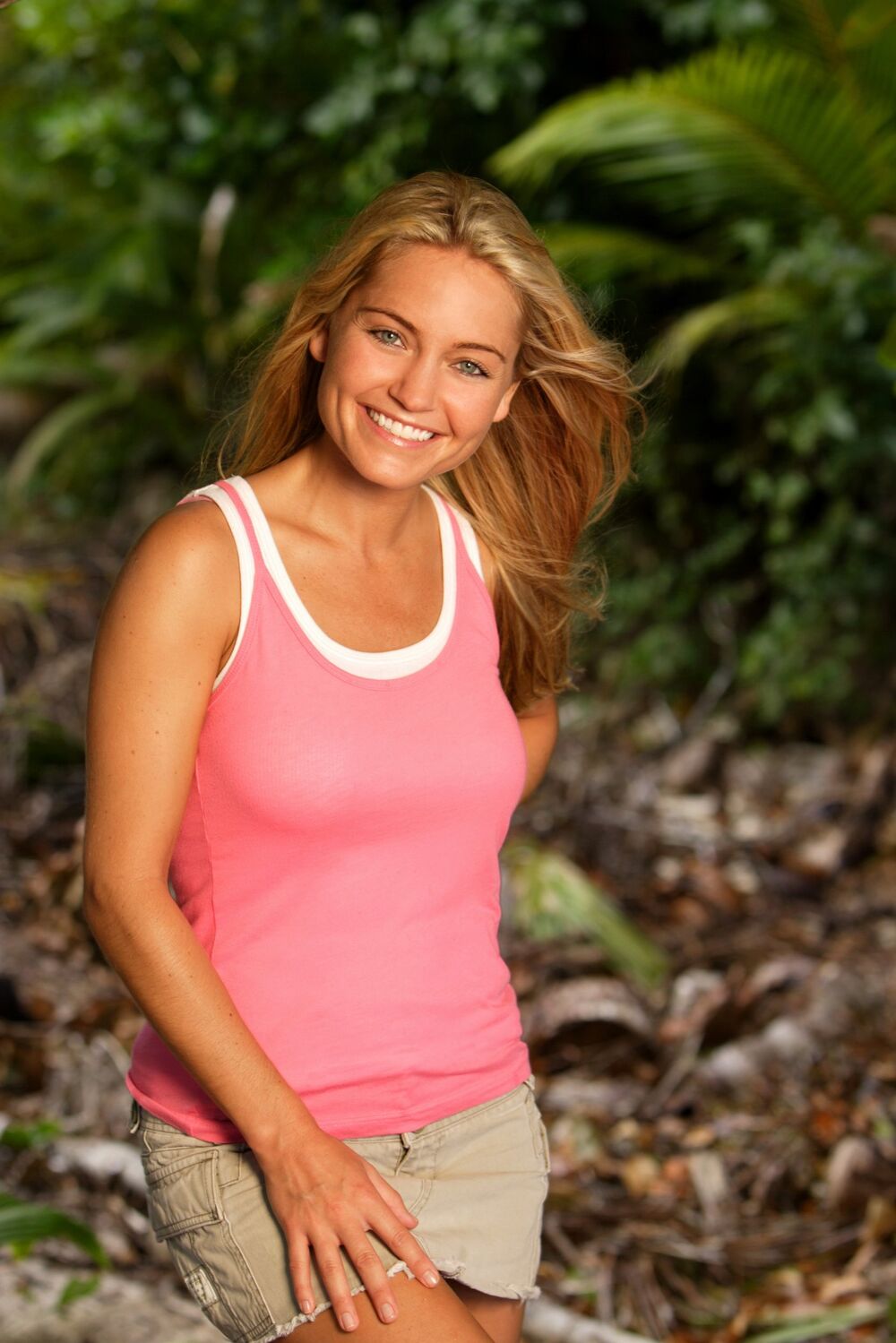
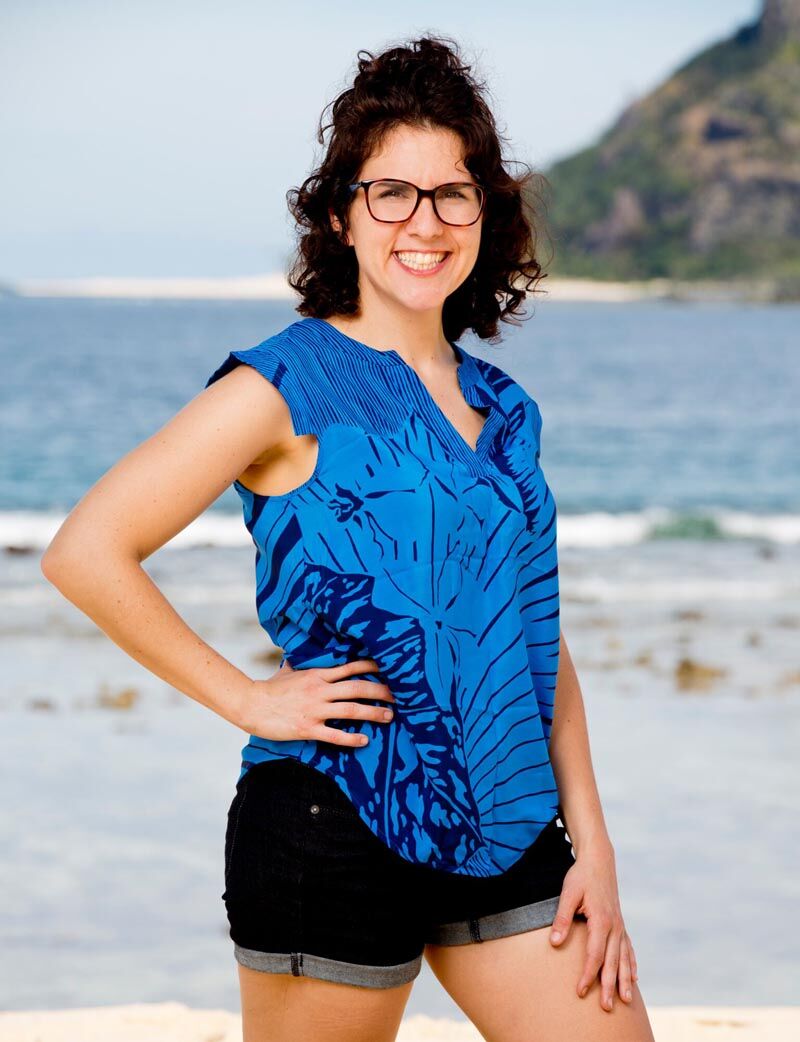
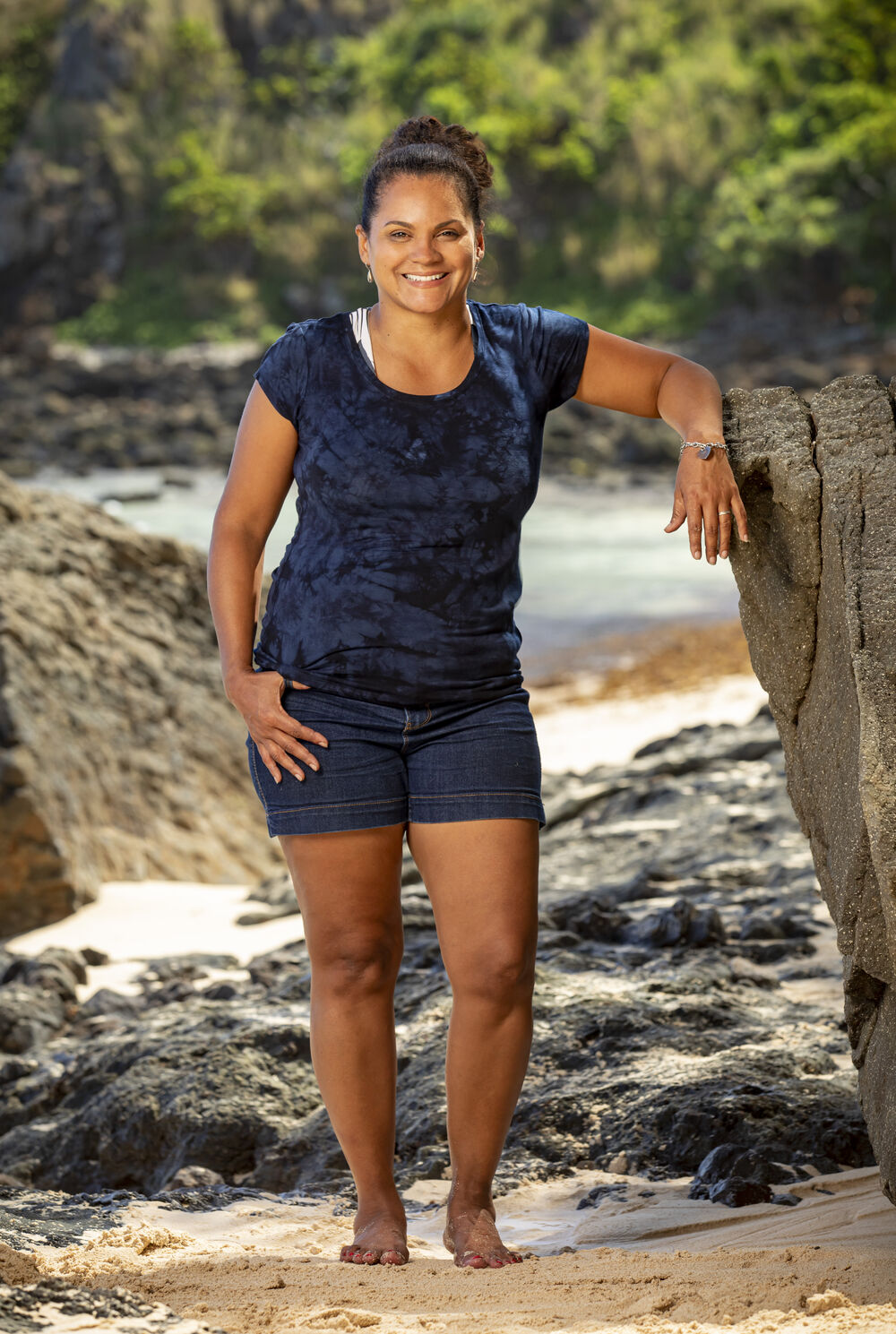
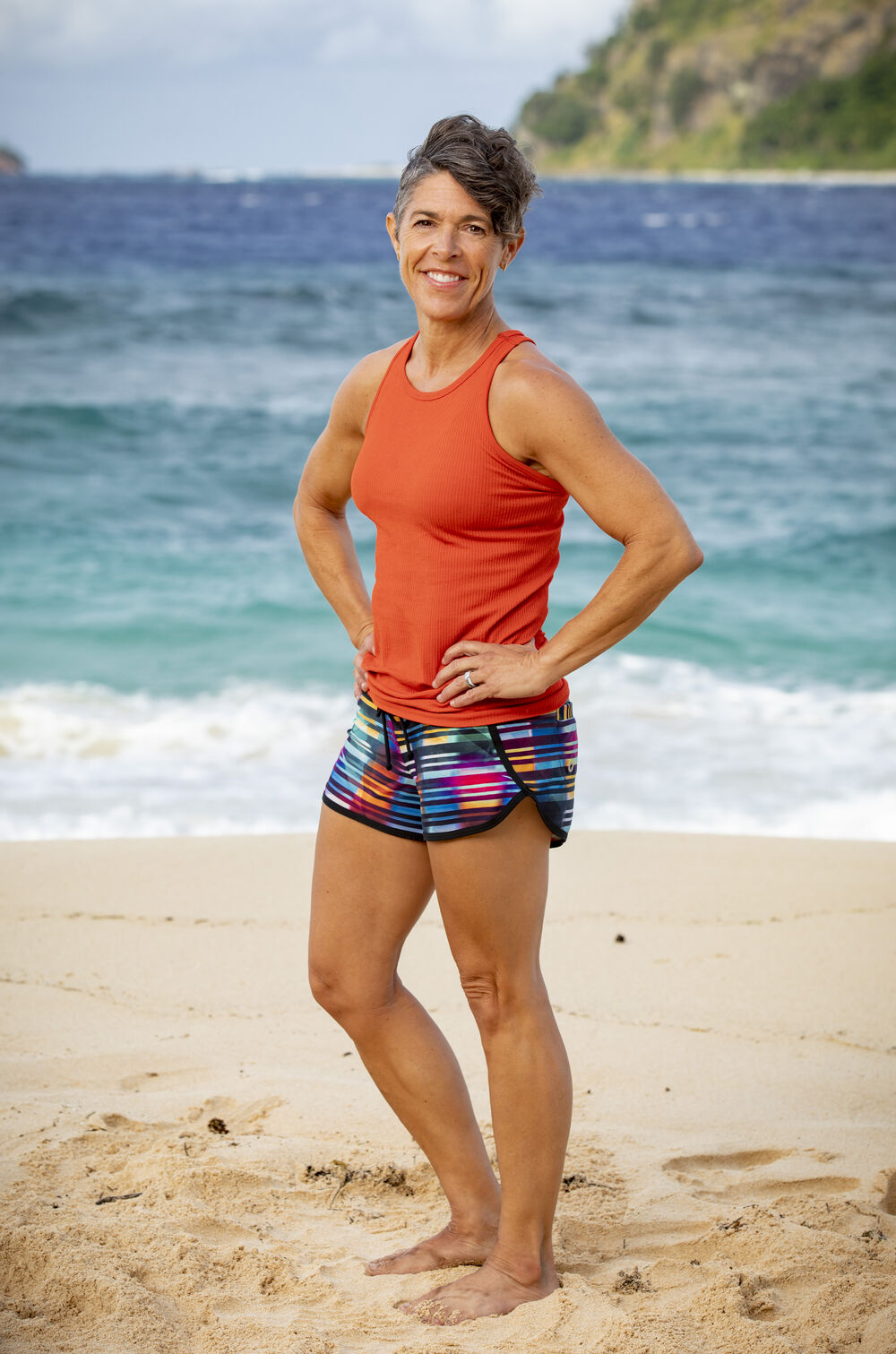
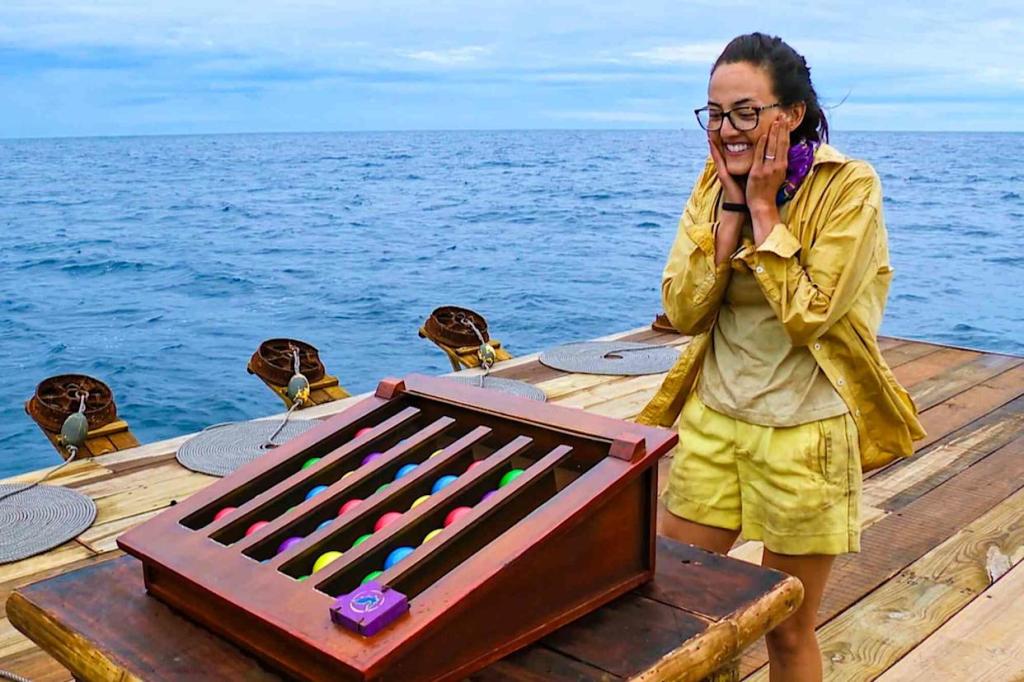
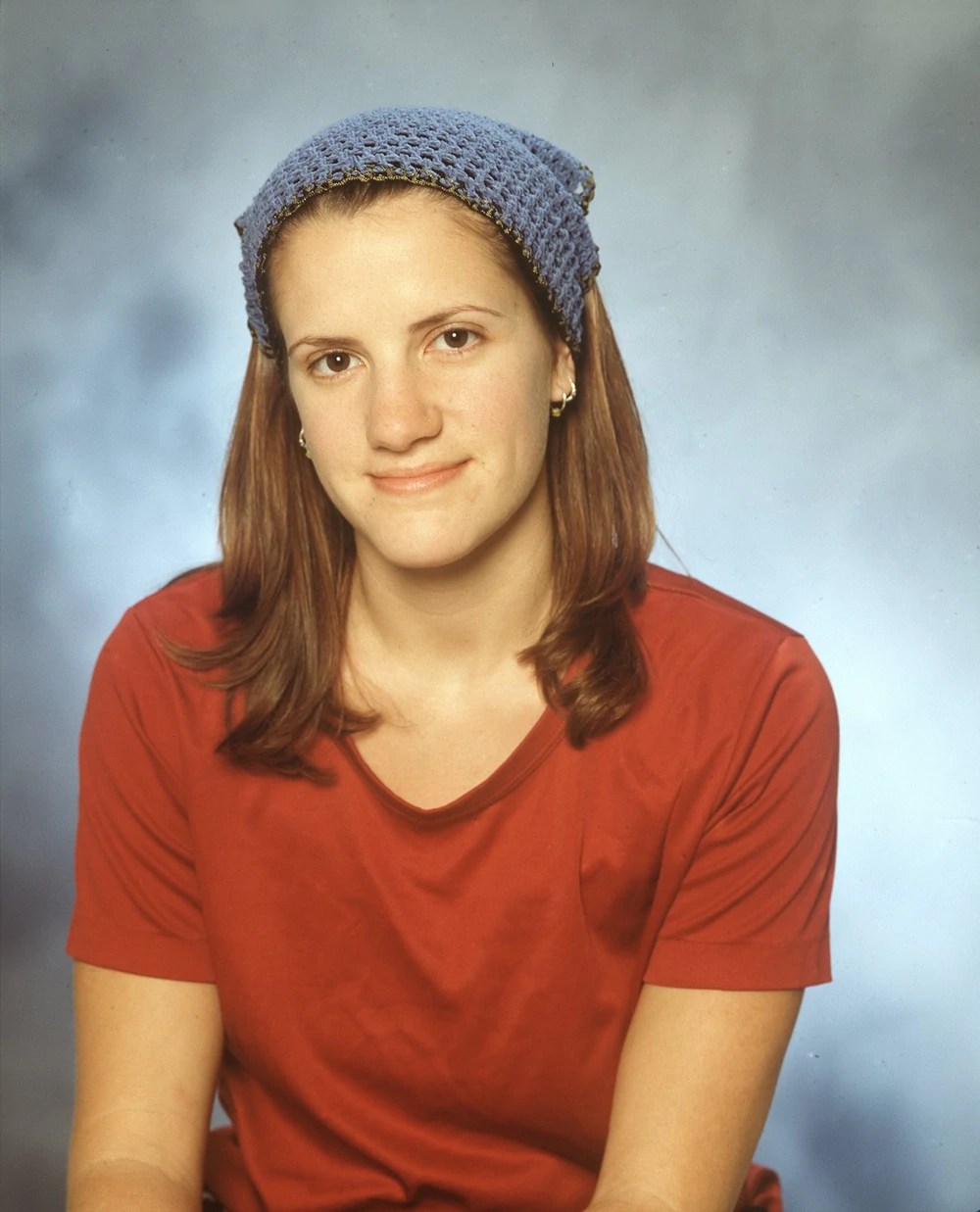
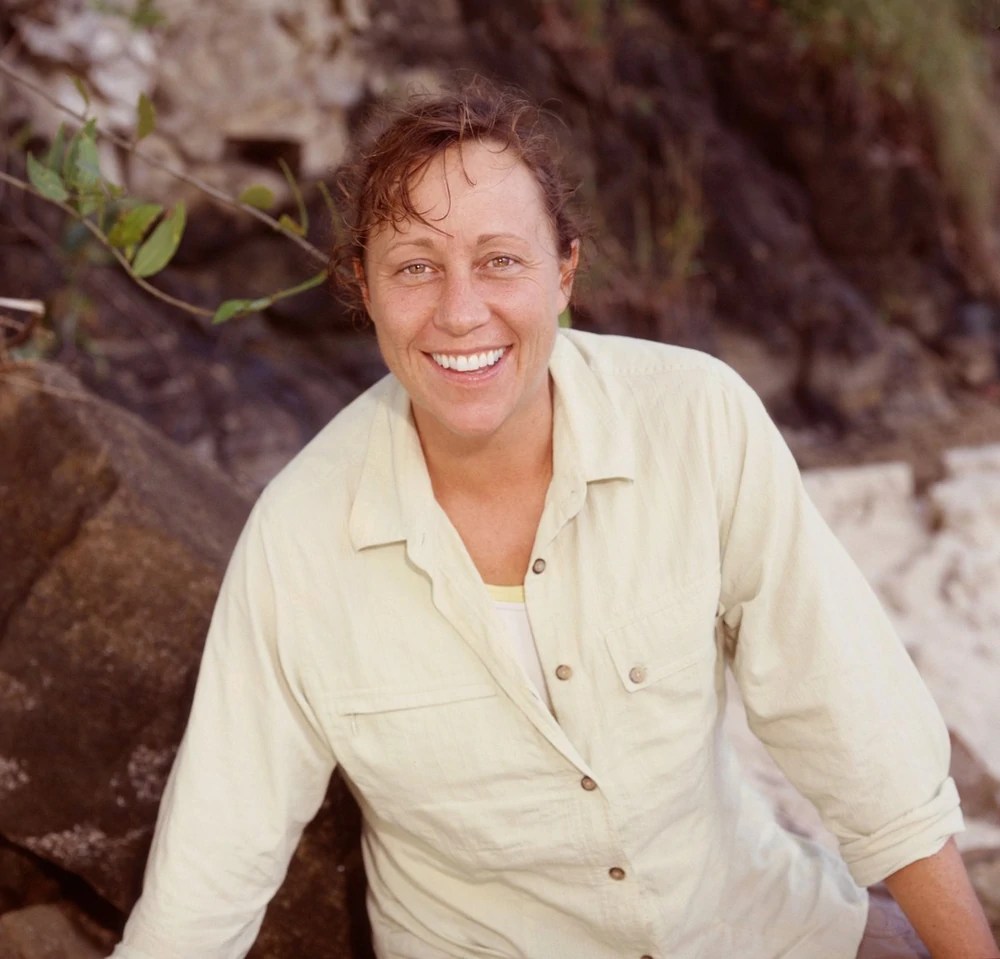
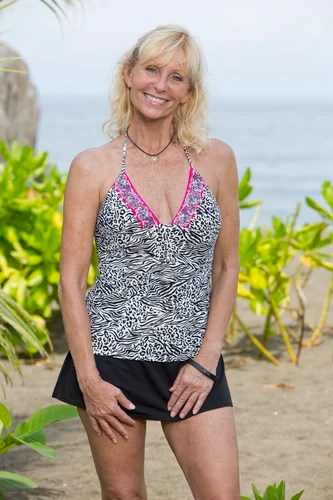
Survivor is a brutal game. Lack of food, the stress of gameplay, and exposure to the elements can all cause a contestant to crack under pressure. But not these badasses. The following women are among the best to have ever played the game, and many people have played it (733, to be precise). So, without further ado, here are my picks for the most badass women to ever play Survivor.
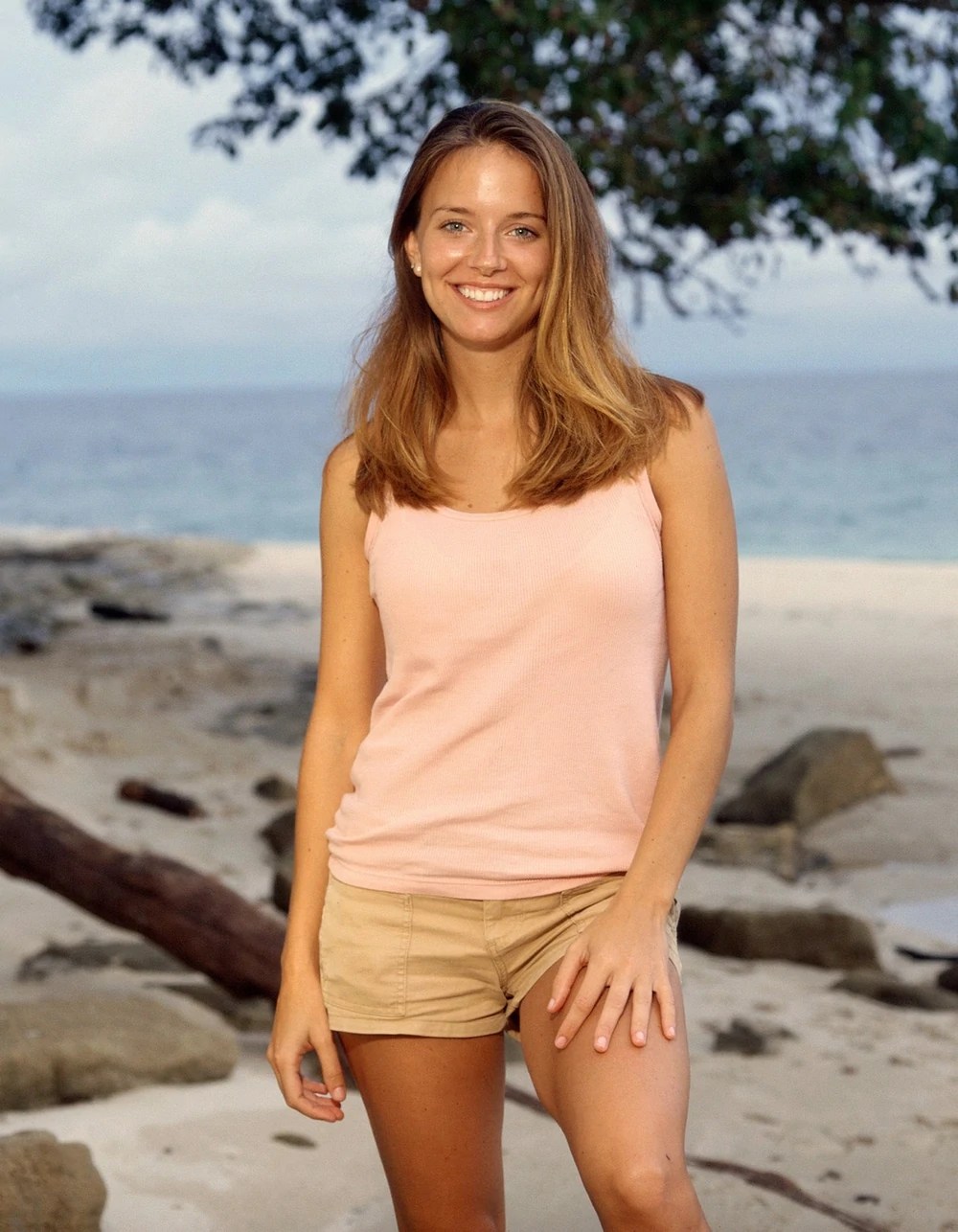
Stephenie LaGrossa Kendrick – Palau, Guatemala, Heroes vs. Villains
Few players have gotten a rawer deal than Stephenie LaGrossa in her first Survivor outing, Palau. Assigned by chance to the underdog Ulong tribe, Stephenie watched in frustration as her tribe lost every single immunity challenge, desperately waiting for the tribal merge that never happened. The last person standing on her tribe, Stephenie spent a night alone at her camp before she merged with the still-intact Koror tribe. She even managed to survive two more tribal councils before being ousted. She returned the following season for Guatemala, where she experienced what it felt like to actually win a challenge once in a while. Stephenie made it all the way to the final tribal council, where she lost to Danni Boatwright. Steph competed once more in Heroes vs. Villains, and right off the bat, she had the opportunity to prove what a badass she is: she dislocated her shoulder in the very first challenge and KEPT COMPETING UNTIL THE ROUND WAS OVER! She then had the medical team pop it back in (do not watch the video below if you are squeamish about such things). Although Steph was the second person voted out of Heroes vs. Villains, her badass reputation had already been cemented. Stephenie will be returning for Survivor‘s 50th season, which is set to air next spring.
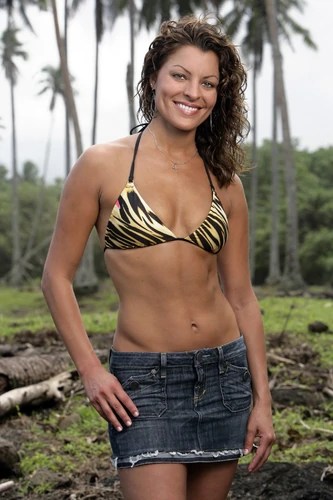
Stephenie LaGrossa KendrickParvati Shallow
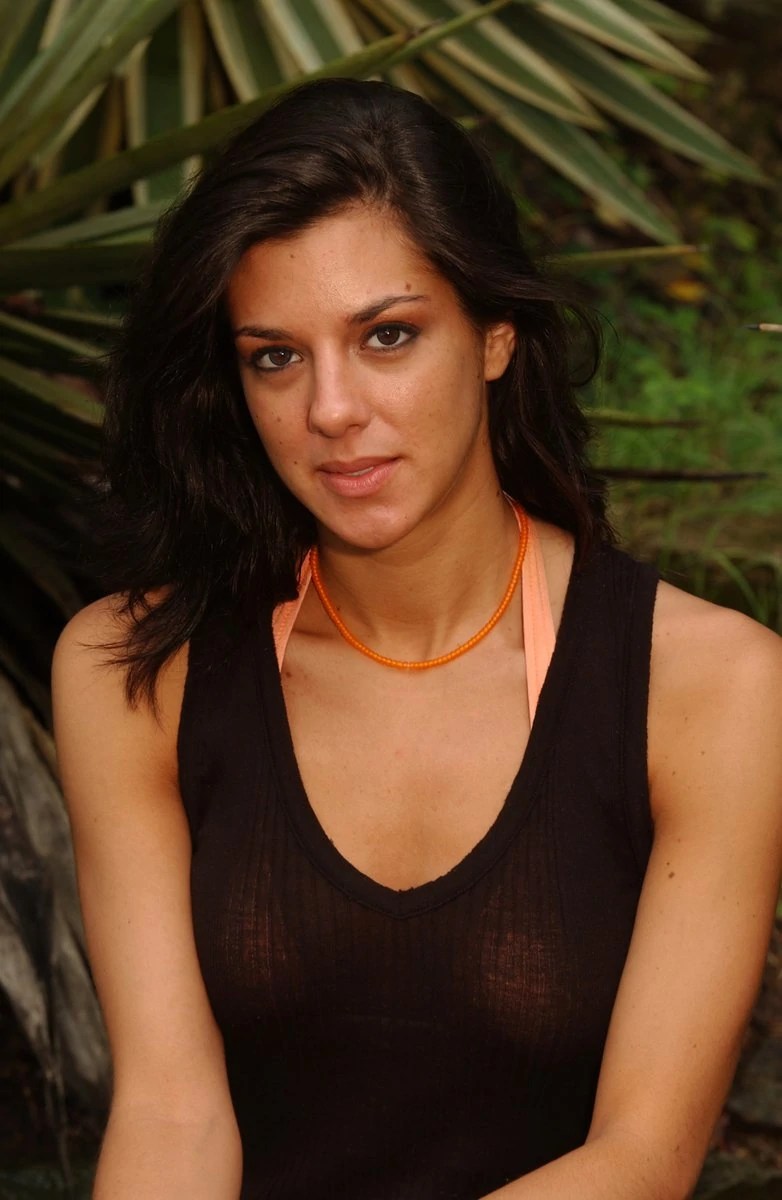
Parvati Shallow – Cook Islands, Micronesia – Fans vs. Favorites, Heroes vs. Villains, Winners at War
Generally considered one of the greatest Survivor players of all time, Parvati Shallow knew how to use her assets to her advantage. But Parvati was so much more than a beautiful flirt, and her strategic dominance helped her make it deep into her first three seasons: she placed sixth in Cook Islands, won Micronesia, and came in second behind Sandra Diaz-Twine (more on her in a bit) in Heroes vs. Villains. Parvati was the mastermind behind Micronesia‘s “Black Widow Brigade”, which successfully eliminated the men left in the game. And on Heroes vs. Villains, in one of her most badass moves ever, she used two hidden immunity idols to protect her alliance mates Sandra and Jerri. In doing so, she surprised even her closest ally, Russell, WHO HAD GIVEN HER ONE OF THOSE IDOLS (he thought Parv herself was in trouble). Parvati returned once more for Winners at War, and though she had her worst finish ever (15th place), Parvati’s legacy as an absolute badass was already sealed. Parvati was one of just two women to be selected for the inaugural class of the Survivor Hall of Fame in 2010 (the other woman was the aforementioned Sandra). With 149 days under her Survivor belt, Parvati is surpassed only by Rob Mariano for most days played.
The funniest part of this sequence is that JT had given Russell his hidden immunity idol in the hope that Russell would use it to eliminate Parvati. Russell instead gave the idol to Parv, who then used the idol to vote JT out. Absolutely badass.
Amanda Kimmel – China, Micronesia – Fans vs. Favorites, Heroes vs. Villains
Sweet, adorable Amanda Kimmel never got the respect she deserved for her accomplishments. Not only was she was the first person to make it to the final tribal council in two seasons, but she did it in CONSECUTIVE seasons with just a short break in between. In China, Amanda was the first player to orchestrate the flushing of a hidden immunity idol, which sent James Clement home with two idols in his pocket. In the final immunity challenge, Amanda’s ingenuity secured her a crucial win and ensured her position at the final tribal council. In Micronesia, Amanda was a member of the “Black Widow Brigade” with Parvati and Cirie (more on her in a moment) and played a hidden immunity idol at just the right time, when the fans were targeting her for elimination. And while Amanda was never able to convince a jury that she deserved the title of Sole Survivor, her performance was enough to convince the producers to bring her back for a third season two years later (Heroes vs. Villains).
Amanda KimmelCirie Fields
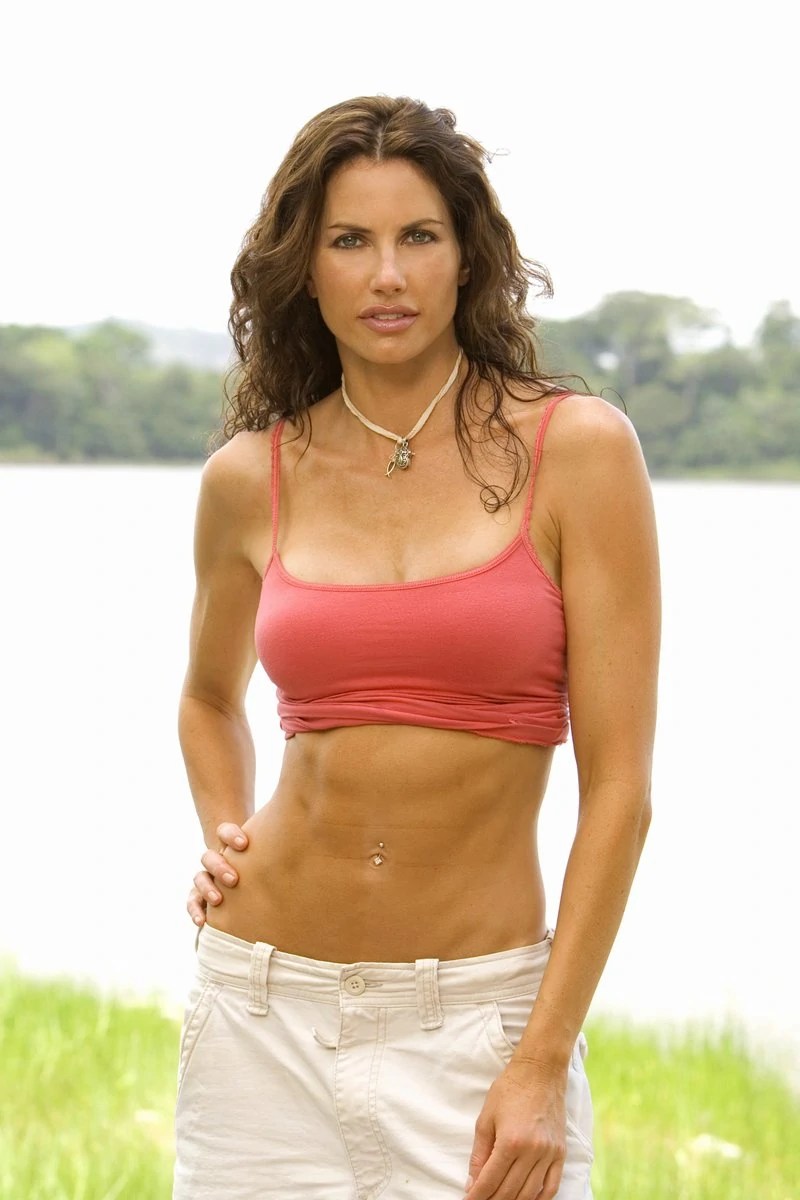
Cirie Fields – Panama, Micronesia – Fans vs. Favorites, Heroes vs. Villains, Game Changers
A self-acknowledged couch potato with no prior camping experience, Cirie has played four seasons of Survivor and is one of the most beloved castaways of all time. In Panama, Cirie was immediately targeted for her perceived weakness, yet she found a way to avoid elimination. She made it to the final four, where Danielle beat her in a fire-making challenge (she did win the season’s Fan Favorite vote, though). In Micronesia, Cirie pulled off one of the most badass moves of all time by convincing Erik Reichenbach to give up individual immunity – and then promptly voting him out. Cirie made it to the final three in Micronesia, with Amanda voting her off because she (correctly) believed Cirie would beat her for the million dollars. Though Cirie only made it to day eleven in Heroes vs. Villains, she returned once more for Game Changers, where she became the first person in Survivor history to be eliminated without receiving a single vote (see the clip below for a breakdown of the craziest tribal council ever). In my opinion, Cirie is the best Survivor player to never win the game. She will also be returning for Survivor 50: In the Hands of the Fans.
❤️❤️❤️
Eliza Orlins – Vanuatu, Micronesia – Fans vs. Favorites
One of the most intelligent Survivor contestants ever, Eliza Orlins is a personal favorite of mine. She finished in a respectable fourth place in Vanuata, but got caught in Parvati’s crosshairs in Micronesia and was the ninth person voted out of the season; crucially, she became the first member of the jury, and what a jury it was. I call Eliza “Queen of the Tribal Council reaction shots” and believe me, she has earned that title. Eliza graduated cum laude from Fordham University Law School; after graduating, she found work as a public defender for the Legal Aid Society, where she continues to advocate for criminal justice reform. BADASS.
All hail Queen Eliza (I know this clip is terribly edited, but it will give you the idea)Eliza OrlinsJenn Lyon
Jenn Lyon – Palau
One of the few women on this list to play only one season, Jenn Lyon nonetheless earned her place in the Survivor badass hall of fame with her courageous and ultimately unsuccessful battle against breast cancer. On January 19, 2010, Jenn became the first former Survivor contestant to pass away, at the age of just thirty-seven.
Aubry Bracco – Kaôh Rōng, Game Changers, Edge of Extinction
Aubry Bracco’s first Survivor appearancewas on Kaôh Rōng, where the tribes were divided (bizarrely) into Brains, Beauty, and Brawn; Aubry, a self-professed nerd, was on the Brains tribe. She is one of the smartest and most strategic players in Survivor history. Aubry came in second place in Kaôh Rōng; Michelle Fitzgerald beat her because she was perceived to have played a stronger social game than Aubry. Aubry returned for Game Changers, where she made it all the way to fifth place; in Edge of Extinction, her status as a returning player made her an early target for elimination, and she was the third person voted out. Aubry will also appear on Survivor 50.
I just adore herAubry BraccoSarah Lacina
Sarah Lacina – Cagayan, Game Changers, Winners at War
In her first Survivor outing, despite an alliance with eventual winner Tony Vlachos, Sarah finished in eleventh place. But Game Changers was hers to lose; she had control of the game from day one, finding idols and advantages, winning challenges, and orchestrating blindsides. Though she was chastised at the final tribal for her backstabbing ways, Sarah was rightfully crowned the winner. Returning one more time for Winners at War, the first all-winner season, Lacina finished a respectable fourth against some of the titans of the game, including Rob Mariano, Sandra Diaz-Twine, Kim Spradlin-Wolfe, and the eventual winner, Sarah’s Cagayan ally Tony.
Sarah helped orchestrate Sierra’s blindside but pulled off an Oscar-worthy performance so Sierra would leave Sarah her legacy advantage, and it worked perfectly. BADASS.
Kim Spradlin-Wolfe – One World, Winners at War
In what was perhaps the most impressive performance by a Survivor winner, One World‘s Kim Spradlin-Wolfe absolutely dominated every aspect of gameplay: physical, social, and strategic. It was as close as you can get to a perfect game (although it made for a rather boring season). Kim returned for Winners at War with nothing left to prove; her ninth-place finish did nothing to tarnish her reputation as one of the biggest badasses in the history of Survivor.
Kim Spradlin-WolfeSandra Diaz-Twine
Sandra Diaz-Twine – Pearl Islands, Heroes vs. Villains, Game Changers, Island of the Idols, Winners at War
Love her or hate her, there’s no denying that Sandra Diaz-Twine is one of the biggest badasses to ever play the game of Survivor. She was the first person to win two seasons (after Winners at War, she is tied with Tony Vlachos for the two-time winner trophy). As one of three former winners on Game Changers, Sandra had a huge target on her back but managed to make it farther in the game than the other two (Tony and J.T.). Sandra appeared on season 39 (Island of the Idols), but not as a competitor; she and Rob Mariano served as mentors to a new group of castaways. The following season, Winners at War, Sandra competed once again; this time, she was the fifth person voted out after Denise Stapley (more on her in a minute) orchestrated a brilliant blindside. No matter; Sandra has appeared on more Survivor seasons than any other woman. The queen stays queen. Is she the most likable Survivor contestant? Absolutely not. But Sandra never gave a shit about being likable; her only goal was to win.
Denise Stapley – Philippines, Winners at War
Denise Stapley would make this list regardless of her appearance on Winners at War, where she coordinated Sandra Diaz-Twine’s ouster. In her first season on the show, Philippines, Denise managed to outwit, outplay, and outlast several key opponents, including returning players Russell Swan, Jonathan Penner, and Michael Skupin, Facts of Life actress Lisa Welchel, and Stapley’s beloved ally Malcolm Freberg. In doing so, Denise became the oldest woman to ever win a season of Survivor at the age of 41. Denise returned for Winners at War, where she pulled off one of the most badass moves of all time by using a hidden immunity idol to slay the queen, Sandra Diaz-Twine.
Denise StapleyCiera Eastin
Ciera Eastin – Blood vs. Water, Cambodia, Game Changers
In her first Survivor outing, Blood vs. Water, Ciera Eastin made history by VOTING OUT HER OWN MOTHER (Laura). The politics of Survivor are always tricky to navigate, and I’m sure Ciera never imagined she’d need to vote out her mom, but she and Laura were the last set of loved ones left in the game, and they were being targeted for it. Laura, for her part, was prouder than shit of her daughter. Ciera was a dangerous player, and the other players knew it; she made it to the top five before she was deemed too much of a threat to win and was voted out. She placed tenth in Cambodia, only after forming an alliance known as the “Witches Coven” (BADASS), and she was the first person voted out of Game Changers for being a social and strategic threat.
Sophie Clarke – South Pacific, Winners at War
Challenge beast and strategic mastermind Sophie Clarke was just twenty-one when she won South Pacific, making her the third-youngest Survivor winner ever. Known for her forthrightness and acerbic wit, Sophie was a brilliant medical student who “played dumb” to keep herself under the radar until it was far too late for the other contestants to catch on. By the time Sophie played Winners at War, she was an M.D. (she’s an OB/GYN, which by itself is pretty badass) and as bright as ever. She made an early alliance with one of my all-time favorite players, Yul Kwon; Sophie called Kwon her “nerd shield” so she wouldn’t be considered the smartest player in the game. She also befriended Sarah Lacina, which Lacina’s Cagayan ally Tony Vlachos couldn’t tolerate. Tony sent Sophie packing on his way to becoming the second two-time winner; Sophie finished in tenth place.
Sophie ClarkeNatalie Anderson
Natalie Anderson – San Juan del Sur, Winners at War
I’m the first to admit that I didn’t love Natalie when she made her reality television debut in The Amazing Race21, in which she competed with her twin sister Nadiya. They were hypercompetitive and referred to themselves as “Twinnie” and spent most of their time yelling at each other – “Hurry up, Twinnie!”, “You can do it, Twinnie!”. It was all a little much. So when I heard the sisters were going to compete on Survivor‘s twenty-ninth season, my expectations were low. But then came the twist: the loved ones were placed on opposing tribes. Nadija was the first person voted out of the game, and from that moment forward, Natalie had only one goal: to kick the ass of everyone who eliminated her Twinnie. And kick ass she did; her dominance in the physical, social, and strategic elements of the game made her the obvious choice for the win. In Winners at War, Natalie was immediately targeted as one of the biggest threats and was the first person to be eliminated. She spent a record thirty-three days at the Edge of Extinction, where eliminated contestants awaited the opportunity to re-enter the competition. Natalie used her time on Edge of Extinction to accrue advantages, and on day 35, she was back in the game. She ended up in second place, finishing only behind Tony Vlachos. Absolutely badass.
Erika Casupanan – Survivor 41
COVID delayed season 41 of Survivor by a year, but for Erika Casupanan, it was well worth the wait. Erika was an early target for elimination, with her tribe even attempting (and hilariously failing) to throw a challenge so they could vote her out. Post-merge, she became a force to be reckoned with, controlling the vote in the background and using various advantages to further her game. By the time her fellow castaways realized how dangerous Erika was, it was too late to stop her.
Erika CasupananMaryanne Oketch
Maryanne Oketch – Season 42
Just two episodes into season 42, we already have a fan favorite, and her name is Maryanne Oketch. Actually, two MINUTES into the season, she was already my favorite. Oketch’s exuberance and positivity are infectious, and she has a giant heart full of love. When her tribemate, Jackson, had to be medically removed (see video below, content warning for drug use) from the game on day three, Oketch’s reaction was genuine and raw. Only time will tell how Oketch will fare in the game, but no matter the outcome, this young woman has a place in my heart forever.
*** Updating this piece in 2025, I am happy to say that Maryanne won Survivor 42!! ***
Emily Flippen and Dee Valladares – Survivor 45
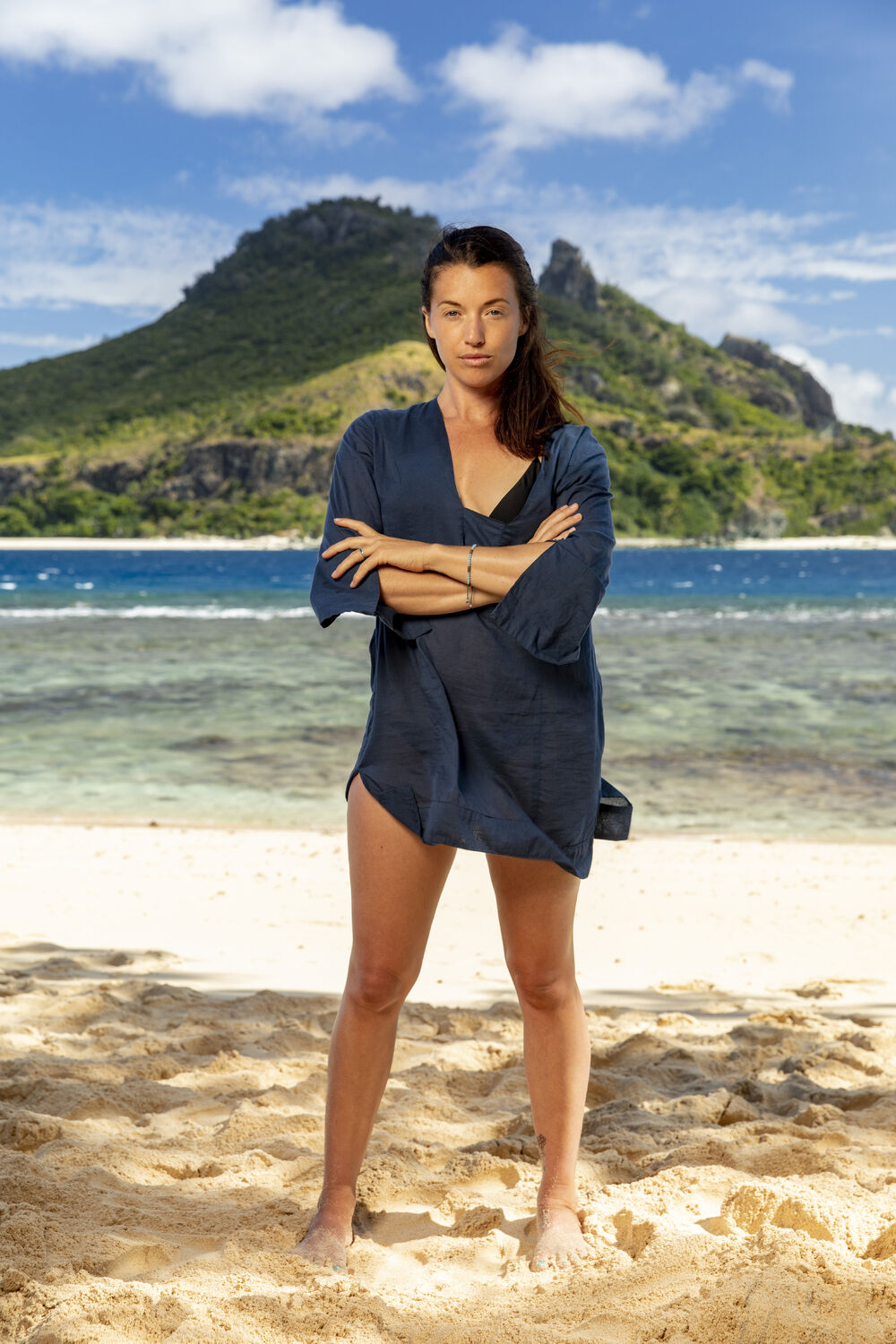
Emily FlippenDee Valladares
Emily Flippen had a much different start to her Survivor experience than eventual winner Dee Valladares. Whereas Dee was a member of the season’s dominant alliance, Emily spent her first days as the social outcast on her tribe because she just couldn’t chill. With an assist from unlikely ally Kaleb, Emily outlasted all five of her Lulu tribemates – including Kaleb himself – and became one of the most endearing players of the season. Meanwhile, Dee commanded all aspects of the game (including showmance partner Austin). Dee is one of just two winners competing in Survivor 50 (most recent champ Kyle Fraser is the other), but Emily is also returning.
Genevieve Mushaluk and Rachel LaMont – Survivor 47
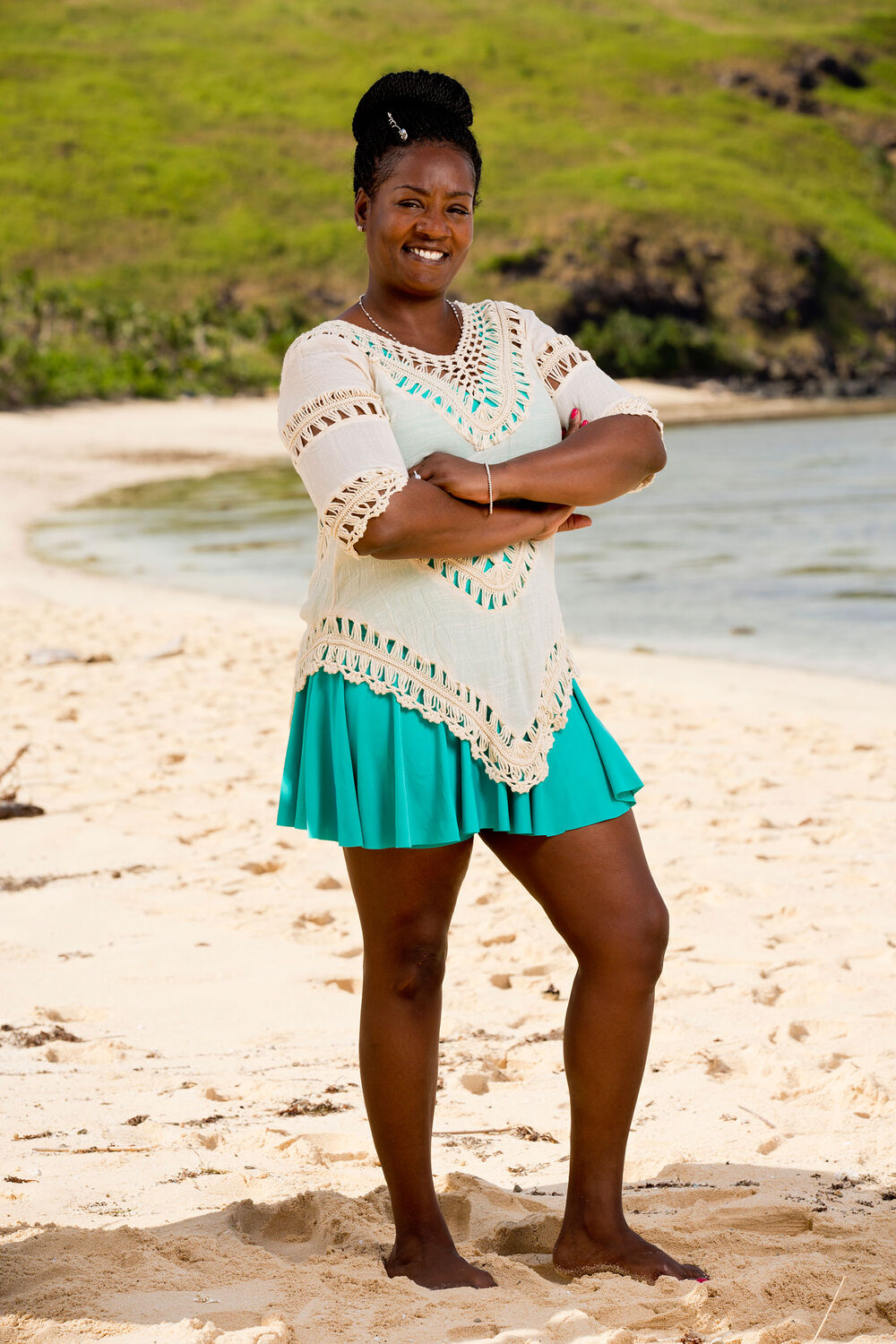
Genevieve MushalukRachel LaMont
Genevieve Mushaluk and Rachel LaMont were archenemies on Survivor‘s 47th season; Rachel emerged victorious, but Genevieve proved herself a devious strategic threat and was eliminated at the final five as a result. Fortunately, Genevieve will get a second chance by competing in Survivor 50.
FUN FACT: In researching this post, I discovered that Rachel is from my hometown of Dexter, Michigan!
Eva Erickson – Survivor 48
Eva Erickson, the runner-up on Survivor 48, had the season’s most compelling storyline. Autistic and athletic, Eva is as adept at physical challenges as she is at pulling on our heartstrings. A PhD candidate in Engineering and Fluid & Thermal Sciences at Brown University (badass), Eva is also the only woman to ever play on the Georgia Tech men’s hockey team (BADASS). She entered the game as a physical and strategic force, but it was her openness about her autism (and her sweet bond with her Survivor father figure Joe) that we’ll remember most.
More badass women of Survivor:
Kelly Wiglesworth – Runner-up, Borneo; 11th place, CambodiaSue Hawk – 4th place, Borneo; 13th place, All-StarsTina Wesson – Winner, The Australian Outback; 18th place, All-Stars; 4th place, Blood vs. WaterJerri Manthey – 8th place, The Australian Outback; 10th place, All-Stars; 4th place – Heroes vs. VillainsAmber Brkitch-Mariano – 6th place, The Australian Outback; winner, All-Stars; 20th place, Winners at WarVecepia Towery – winner, MarquesasJenna Morasca – winner, The Amazon; 16th place, All-Stars (quit to take care of her ailing mother, who died eight days after Jenna returned home)Ami Cusack – 6th place, Vanuatu; 11th place, Micronesia – Fans vs. FavoritesDanni Boatwright – winner, Guatemala; 19th place, WInners at WarDanielle DiLorenzo – Runner-up, Panama; 7th place, Heroes vs. VillainsCandice Cody-Woodcock – 8th place, Cook Islands; 8th place, Heroes vs. Villains; 16th place, Blood vs. WaterPeih-Gee Law – 5th place, China; 18th place, CambodiaMonica Culpepper – 14th place, One World; Runner-up, Blood vs. WaterKelley Wentworth – 14th place, San Juan del Sur; 4th place, Cambodia; 10th place, Edge of Extinction
WordPress began a new feature for March, a “Blog Prompt of the Month”, and I’ve decided to give it a whirl. This month’s word is “bridge” and while that doesn’t immediately bring to mind pop culture, it didn’t take very long for my gears to start turning.
The Bridge on the River Kwai
I’m going to admit right up front that I’ve never actually seen The Bridge on the River Kwai. But, like many people, I can instantly recognize the iconic song the POWs whistle in the film. The tune, titled “Colonel Bogey March”, was originally composed in 1914 by British Army bandleader F.J. Ricketts. The march was popularized during World War II when a song called “Hitler Has Only Got One Ball” was set to its tune. A sample lyric:
“Hitler has only got one ball, The other is in the Albert Hall. His mother, the dirty bugger, Cut it off when he was small.”
For his Oscar-winning River Kwai score, composer Malcolm Arnold wrote a counter-march called “River Kwai March”, but it’s “Colonel Bogey March” that everyone remembers. By the way, The Bridge on the River Kwai was the highest-grossing film of 1957 and went on to win seven Oscars, including Best Picture, Best Director and Best Actor for Alec Guinness.
You can hear both “Colonel Bogey March” and “River Kwai March” in this clip
Like many Gen X-ers, I was introduced to “Colonel Bogey March” through The Breakfast Club
“Bridge over Troubled Water”
Simon and Garfunkel’s masterpiece, from their 1970 album of the same name, came to Paul Simon so quickly that he later asked himself, “Where did that come from? It doesn’t seem like me.” Simon was partially inspired by the sacred hymn “O Sacred Head, Now Wounded”, which was famously adapted by J.S. Bach for movement 54 of his St Matthew Passion. Listen here for comparison:
In 1970, the vast majority of pop songs still clocked in at three minutes or less, but despite its five-minute run time, “Bridge over Troubled Water” spent six weeks at #1 on the Billboard Hot 100. At the 13th Grammy Awards, the song won Record of the Year and Song of the Year. “Bridge over Troubled Water” is not only one of Simon and Garfunkel’s most enduring songs, it is simply one of the greatest songs ever written. Fun fact: one of the issues that led to the duo’s breakup was Simon’s disgruntlement at having allowed Art Garfunkel to sing the lead vocal on “Bridge over Troubled Water”.
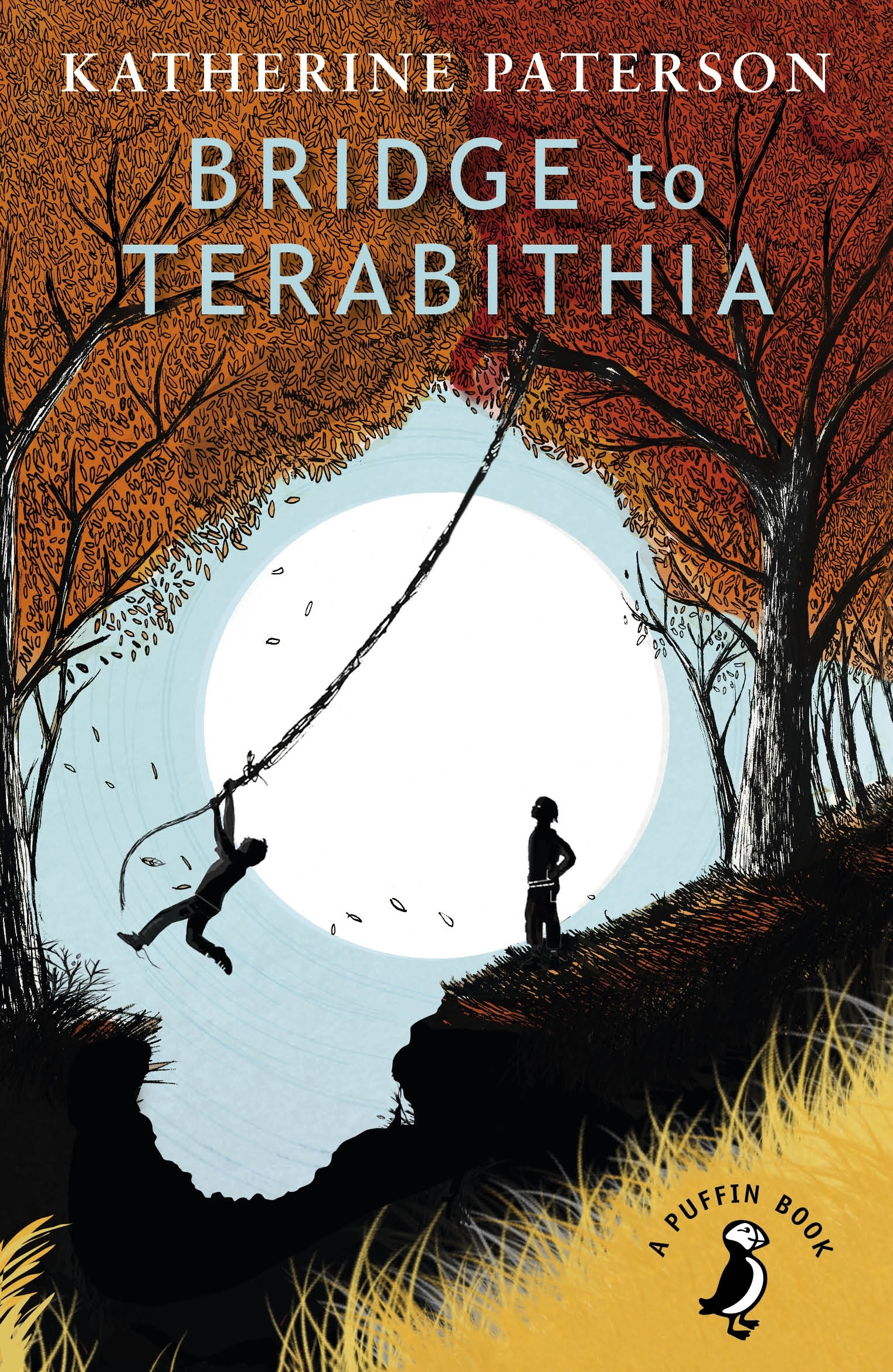
Bridge to Terabithia
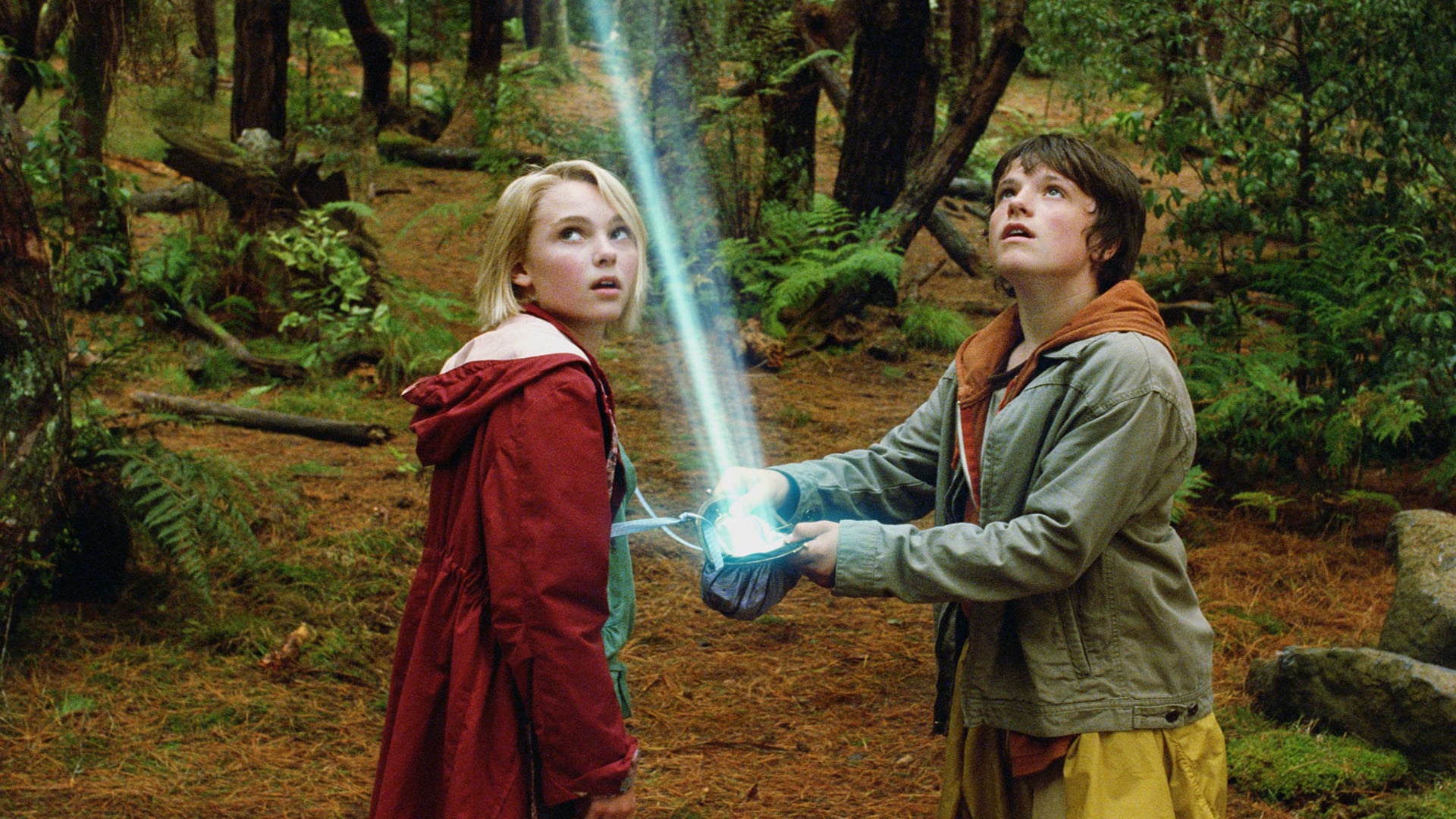
Katherine Paterson’s Newbery Medal-winning novel was inspired by her son David and his childhood friend Lisa, who died at the age of eight after being struck by lightning. The coming-of-age tale is about the friendship between former running rivals Jess and Leslie, who create an imaginary kingdom called Terabithia, the “bridge” to which is a rope swing that takes them across a creek. While Jess is away on a school trip, Leslie attempts to go to Terabithia on her own, and tragedy strikes. Bridge to Terabithia is frequently banned or challenged, for offensive language, Jess’s use of the word “lord” outside of prayer, the death plotline itself, and allegations that it promotes occultism or satanism (insert eyerolls here). Bridge to Teribithia introduces young readers to the concepts of death and grief in a thoughtful, sensitive way. I haven’t seen the 2007 film adaptation; though it looks charming enough, too many of my childhood favorites have been made into terrible movies.
AnnaSophia Robb and Josh Hutcherson in the film adaptation, which was co-written by David Paterson, the author’s son
“Under the Bridge”
“Under the Bridge” started life as a poem written by Red Hot Chili Peppers lead singer Anthony Kiedis. Blood Sugar Sex Magik producer Rick Rubin found the poem in Kiedis’s notebook and insisted the Peppers record it. Kiedis was concerned that the subject matter – addiction and loneliness – didn’t quite fit with the band’s usual style, but he needn’t have worried: “Under the Bridge” became the Peppers’ biggest hit, peaking at #2 on the Billboard Hot 100, and the Gus Van Sant-directed video won the group two MTV Video Music Awards.
A View from the Bridge
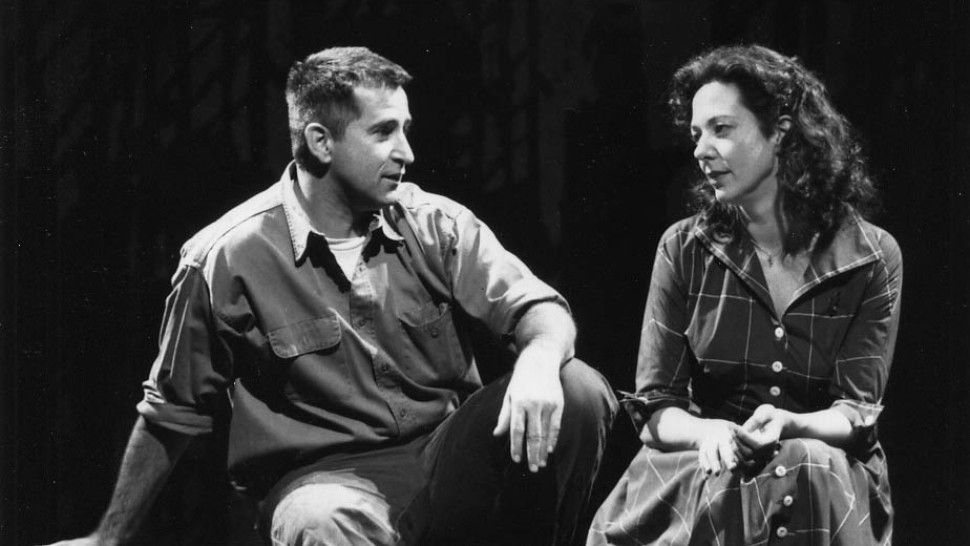
Arthur Miller’s interest in writing about dockworkers’ union corruption was sparked by the real-life story of Pete Panto, a longshoreman and anti-union activist who was murdered in 1939. In 1947, Miller collaborated on an unproduced screenplay with Elia Kazan, who eventually told a very similar story with his Oscar-winning On the Waterfront. Miller himself revisited the topic in his 1956 tragedy A View from the Bridge. Over the years, several successful revivals have been staged in both the US and London. Four actors have been nominated for the Best Actor Tony for portraying the play’s doomed protagonist Eddie: Tony Lo Bianco, Anthony LaPaglia, Liev Schrieber and Mark Strong. Only LaPaglia won, and his is the version of the play I’d most want to see: LaPaglia’s co-star was the extraordinary Allison Janney, who was two years away from becoming a household name.
Tony winner Anthony LaPaglia and Allison Janney in the 1997 revival of A View from the Bridge
By the way, reading about Arthur Miller and Elia Kazan led me down the rabbit hole of the House Un-American Activities Committee’s witchhunt into Hollywood’s supposed Communist sympathies. Kazan famously named names to the committee, something the film industry never let him live down (see the picture below, which was part of the chilly reception Kazan received at the 71st Academy Awards, where Kazan received a Lifetime Achievement Award). Miller was subpeonaed but refused to name names, and was held in contempt of Congress as a result.
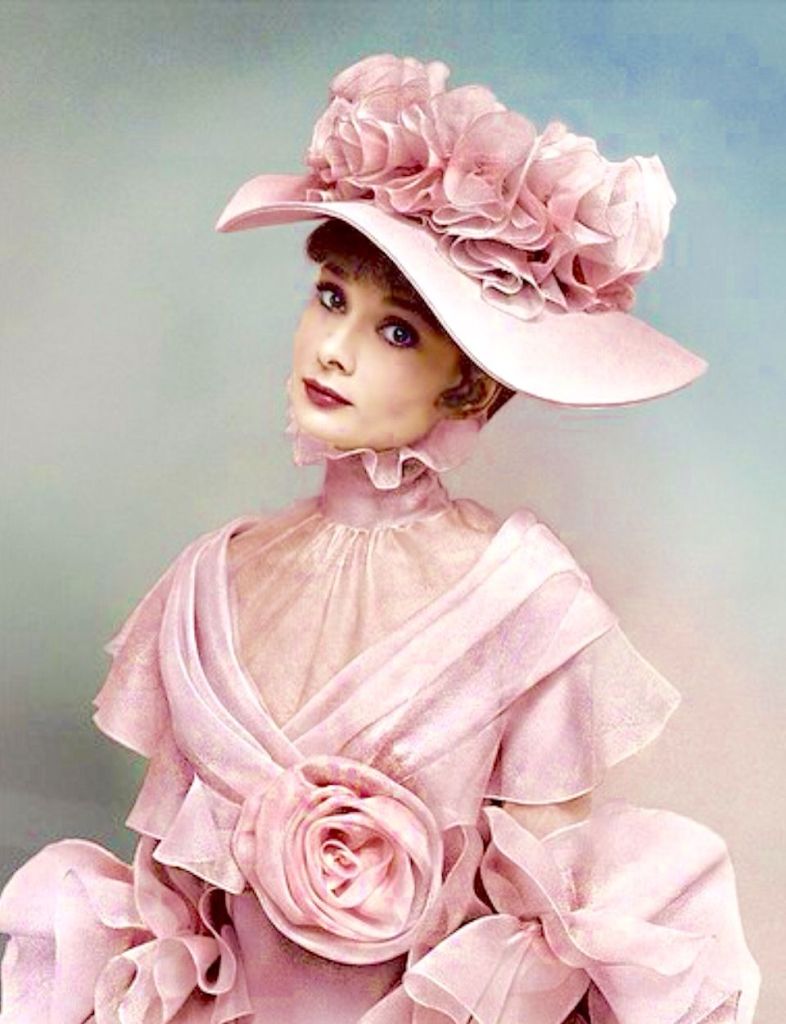
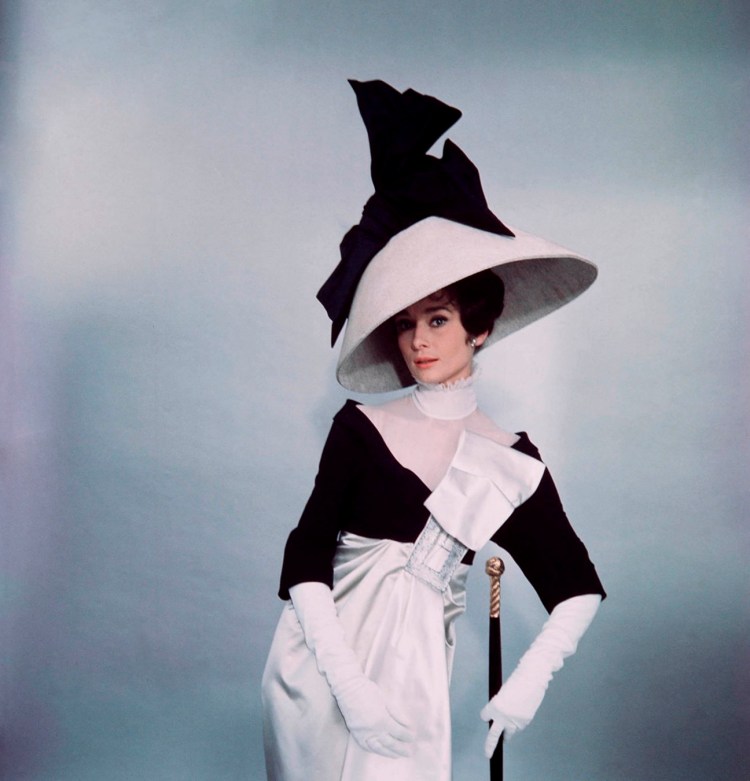
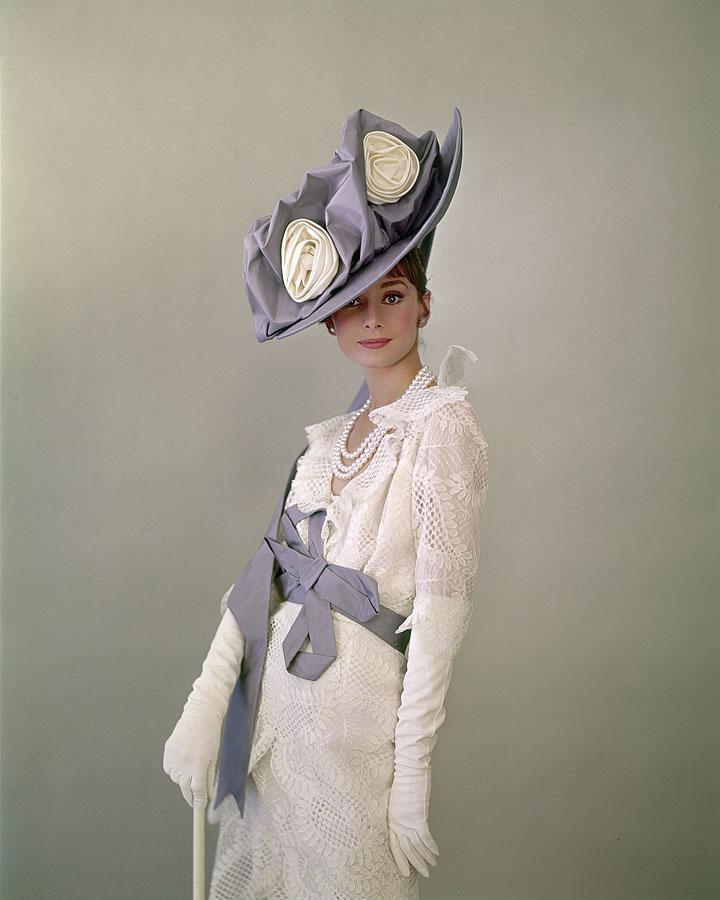
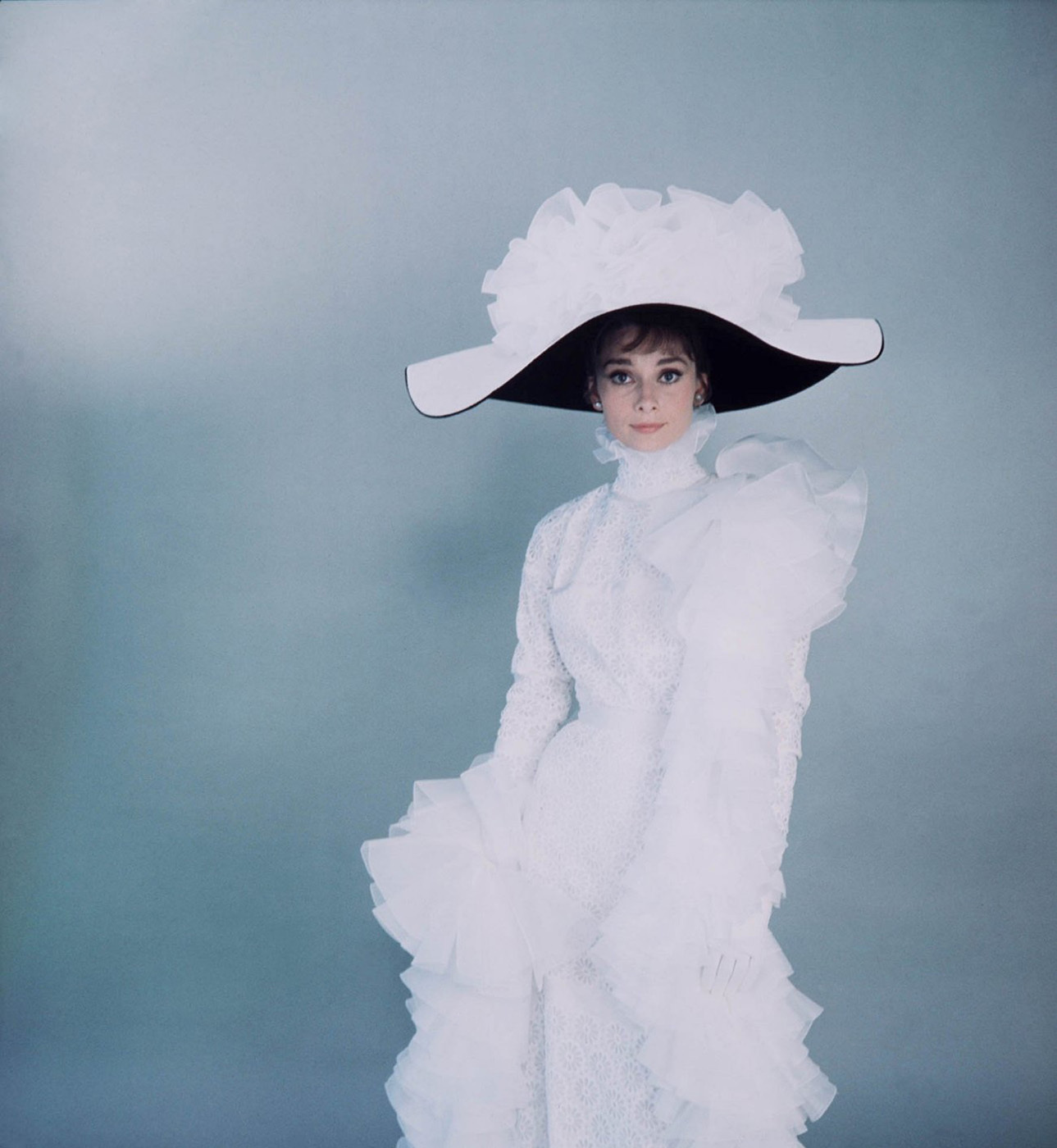
My Fair Lady
The title of Lerner and Loewe’s musical adaptation of George Bernard Shaw’s Pygmalion is derived from the nursery rhyme “London Bridge Is Falling Down”. The bridge connection may be tenuous, but who needs an excuse to watch this enchanting 1964 film? Not me; I am unabashedly a fan of big-budget musicals, and My Fair Lady is one of the best. My FairLady was the second-biggest grossing film of 1964, behind Mary Poppins (more on that in a bit). My Fair Lady received twelve nominations at the 37th Academy Awards; it won eight Oscars, including Best Picture, Best Director for George Cukor, Best Actor for Rex Harrison and Best Costume Design (more on that in a bit, too).
Fun fact: Julie Andrews, who portrayed Eliza Dolittle on Broadway, auditioned for My FairLady. In fact, Andrews was lyricist Jay Lerner’s top choice for the part. Jack Warner, whose Warner Brothers studio was putting up a then-record $17 million for My Fair Lady, wanted a name that movie-goers would know, so Audrey Hepburn ended up with the role. That left Julie Andrews free to play the starring role in Mary Poppins, her film debut. Andrews ended up winning the Best Actress Oscar that year; Hepburn, whose singing in My Fair Lady was dubbed by Marni Nixon, wasn’t even nominated.
Now, about those My Fair Lady costumes:
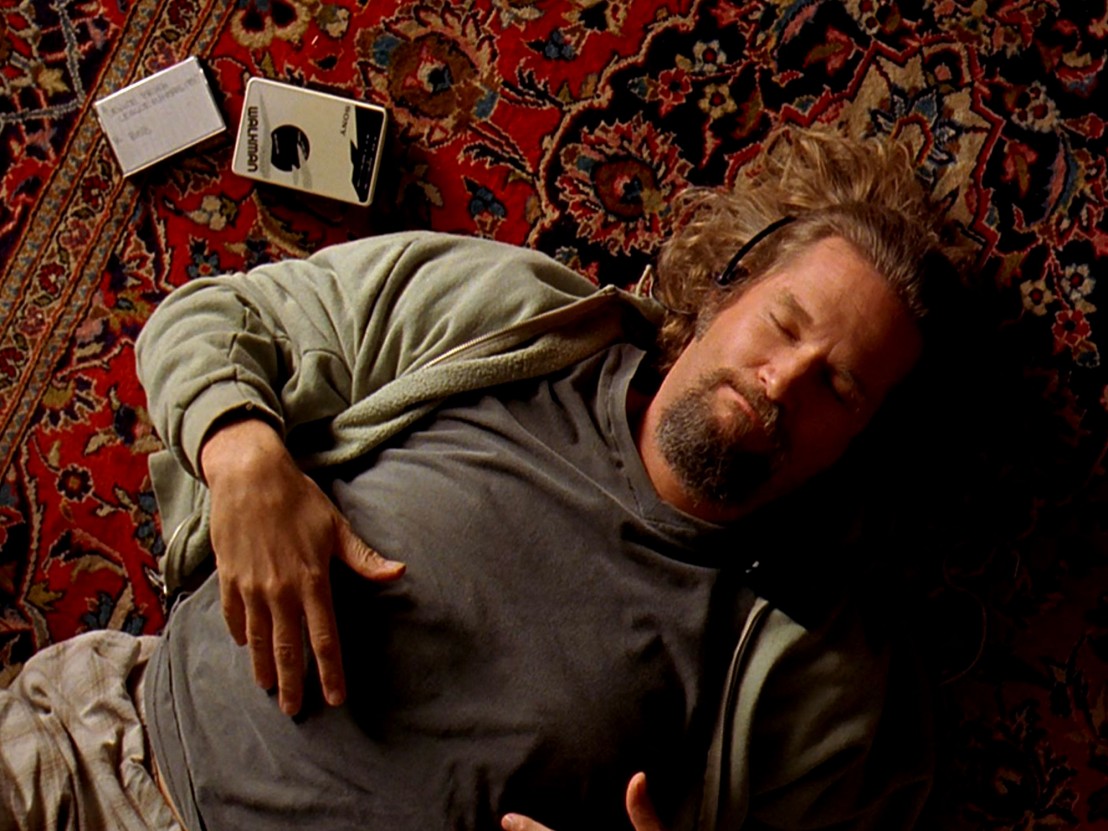
Jeff Bridges
No list of pop culture bridges would be complete without Jeff Bridges. Bridges was born into a show business family and made his film debut in The Company She Keeps at the age of one. He became a star – and an Oscar nominee – at the age of just twenty-two, when he co-starred in The Last Picture Show. Over the years, Bridges has been nominated for seven Academy Awards, taking home the Best Actor Oscar for his role as Otis “Bad” Blake in 2009’s Crazy Heart. In addition to acting, Bridges is a musician, writer, photographer, philanthropist and, most recently, cancer survivor.
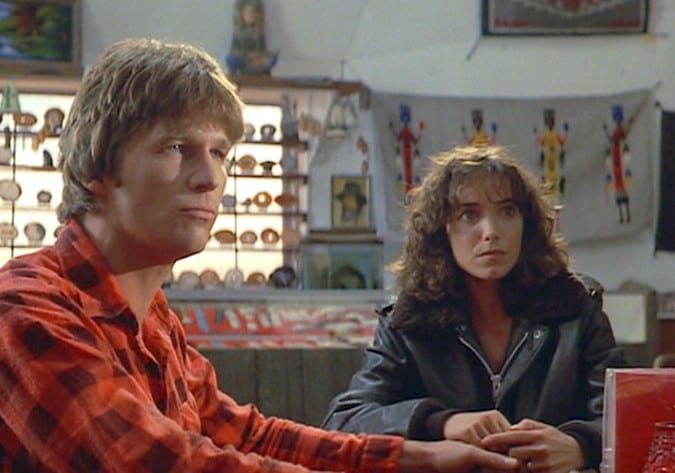
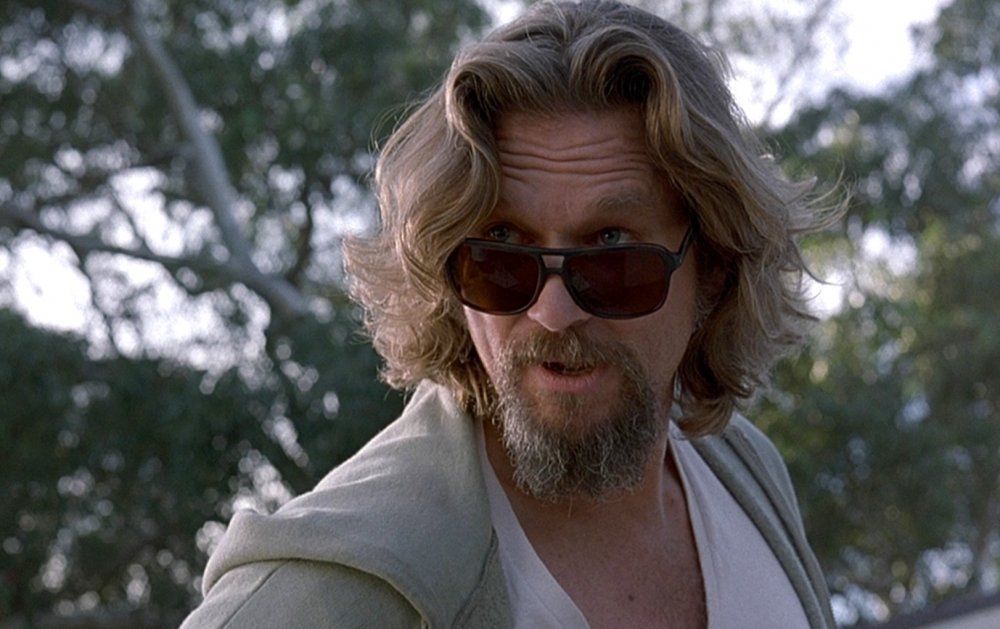
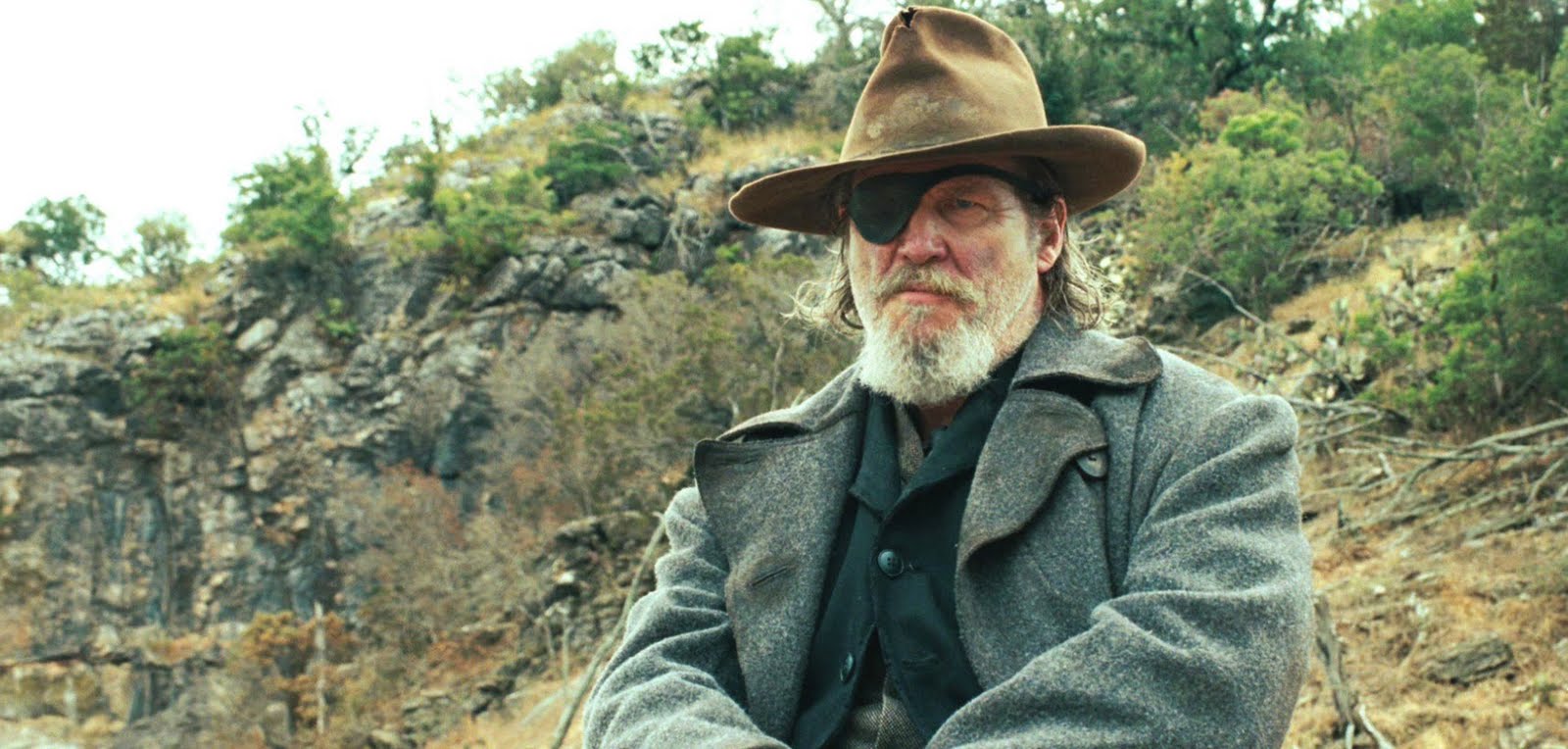
The Last Picture ShowAgainst All OddsStarmanCrazy Heart, which earned Bridges his first and only OscarThe Big LebowskiTrue GritHell or High Water
“The Crunge”
“Ah, excuse me Oh, will ya excuse me I’m just trying to find the bridge Has anybody seen the bridge? Please Have you seen the bridge? I ain’t seen the bridge! Where’s that confounded bridge?”
Jay Baruchel’s Almost Famous character, Vic, is a huge Led Zepellin fan; his jersey pays homage to “The Crunge”
Vertigo
The Golden Gate Bridge is featured in dozens of films and television series: Full House, Interview with the Vampire, Star Trek: The Motion Picture, Futurama. Often, the bridge is being destroyed (Superman, The Core, San Andreas and Monsters vs. Aliens, to name just a few). My personal favorite depiction of the Golden Gate is in Vertigo. Alfred Hitchcock’s masterpiece of psychological obsession was criminally underrated at the time of its release; it bombed at the box office, and at the 31st Academy Awards, Vertigo received zero nominations, not even for Bernard Herrmann’s iconic score. Over time, appreciation for Vertigo grew, and it is now appropriately ranked as one of the greatest films ever made.
Fun fact: Vertigo was the first film to use a dolly zoom, an effect that relies on perspective distortion to convey Scottie’s vertigo. It’s a technique that’s subsequently been used by directors like Steven Spielberg (Jaws), Martin Scorsese (Goodfellas) and Sam Raimi (The Quick and the Dead).
Graffiti Bridge
Prince’s 1990 album is the soundtrack to the film of the same name, which was a standalone sequel to Purple Rain. Unlike its predecessor, the movie bombed, effectively ending Prince’s film career. But Graffiti Bridge, the album, is a delight. The album was the first to feature The New Power Generation, which would be Prince’s backing band for the next several years. Graffiti Bridge also includes collaborations with George Clinton (“We Can Funk”) and Tevin Campbell (“Round and Round”). The album’s standouts are the top-ten hit “Thieves in the Temple” and the bluesy slow jam “The Question of U”.
A Little Romance
Venice’s legendary Bridge of Sighs factors into the story of our young lovers, Lauren (Diane Lane) and Daniel (Thelonious Bernard), who fall in love in Paris and sneak away to Venice to seal their love with a kiss in a gondola under the bridge. This charming 1979 film, directed by George Roy Hill (The Sting), won French composer Georges Delerue the Academy Award for Best Original Score (the film was also nominated for Best Adapted Screenplay). Lane and Bernard, both making their screen debuts, are darling, and Laurence Olivier is wonderful as the kids’ matchmaker/chaperone.
Okay, the trailer is pretty cheesy, but how adorable are these two?
The Joshua Tree was released thirty-five years ago yesterday, catapulting U2 to superstardom. Inspired by the band’s fascination with the mythical American experience, and their disillusionment with the “real America”, The Joshua Tree is steeped in Irish and American roots music and represented a substantial leap forward for U2 both musically and lyrically. The Joshua Tree was one of the most critically acclaimed and commercially successful albums of 1987, winning the Grammy Award for Album of the Year and selling more than twenty-five million copies worldwide. The album is jam-packed with bangers: #1 hits “With or Without You” and “I Still Haven’t Found What I’m Looking For”, “Bullet the Blue Sky”, “In God’s Country” and “One Tree Hill”, just to name a few.
I Never Loved a Man the Way I Love You was released fifty-five years ago today. The album was Aretha Franklin’s commercial breakthrough and featured the #1 smash “Respect”.
Andy Gibb died on this day in 1988, five days after his 30th birthday. Gibb, the younger brother of Bee Gees Barry, Robin and Maurice, found musical success while still in his teens. He recorded three #1 hits in the late 1970s, “I Just Want to Be Your Everything”, “(Love is) Thicker than Water” and “Shadow Dancing”. But fame came with a price – a cocaine addiction – and his career had faltered by the mid-eighties. His family implored him to seek help for his addiction, and by 1988, Gibb seemed to have beaten his cocaine dependence. But years of abuse had left his heart weakened, and two days after his birthday he went to a London hospital complaining of chest pains. Before all the necessary tests could be completed, Gibb slipped into a coma and died. His official cause of death was myocarditis, an inflammation of the heart that the doctors directly linked to Gibb’s cocaine abuse.
Happy birthday, Edie Brickell! Brickell first came to prominence in the late 1980s with her band New Bohemians and their top-ten album, Shooting Rubberbands at the Stars. Brickell continues to record music as a solo artist and with New Bohemians. In 2013, she collaborated with Steve Martin on a bluegrass album titled Love Has Come for You.
Brickell’s daughter, Lulu Simon, is also a recording artist; her focus is synth-heavy pop rather than the folk sound of her mother
Jezebel held its NYC premiere on this date in 1938. Bette Davis’s performance as New Orleans belle Julie Marsden earned her a second Best Actress Oscar in four years; Jezebel was also nominated for Best Picture, Best Supporting Actress, Best Cinematography and Best Score.
Bette Davis and Henry Fonda in Jezebel
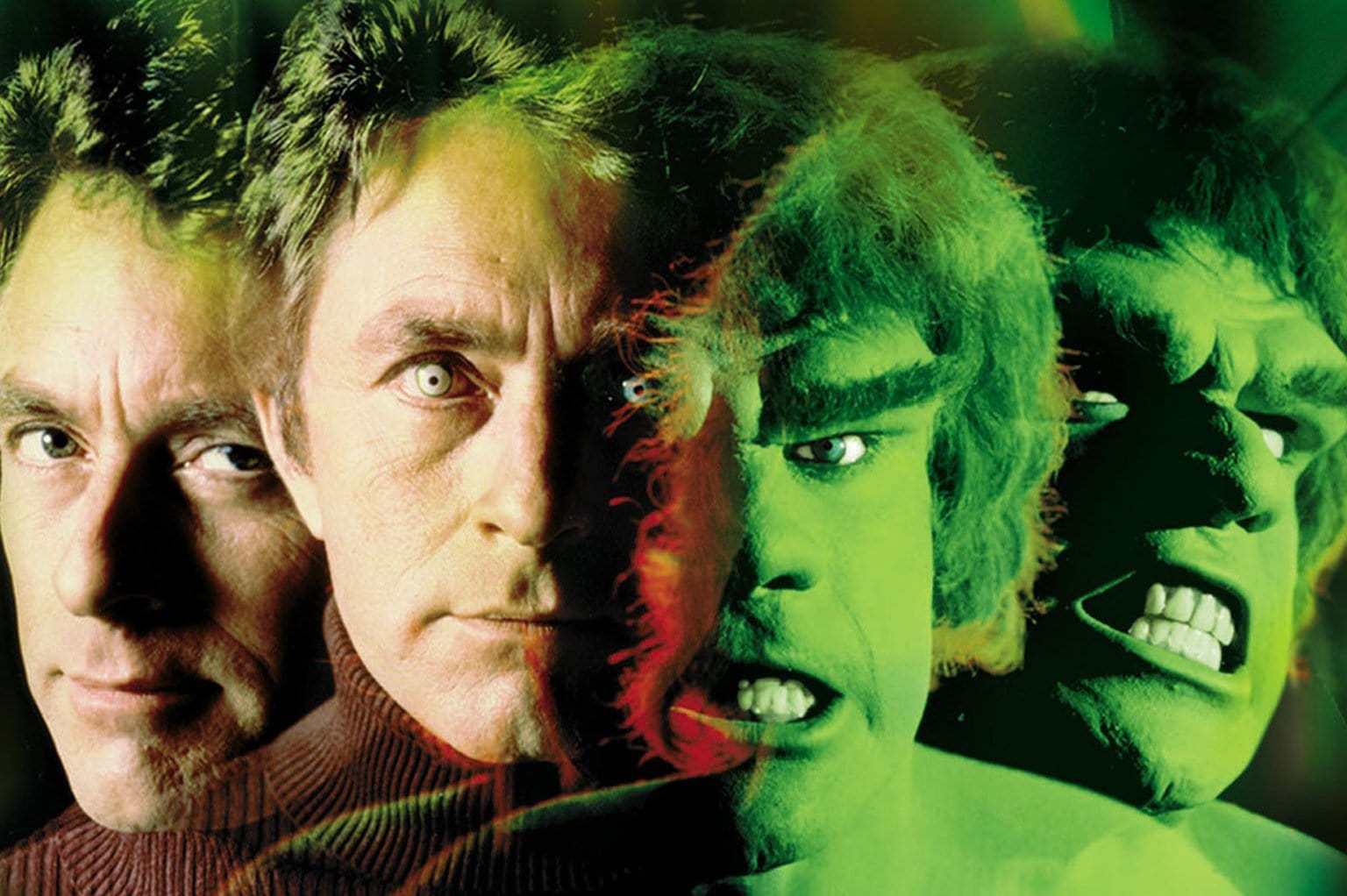
The Incredible Hulk premiered on CBS on this day in 1978. Starring Bill Bixby as Dr. David Banner and Lou Ferrigno as his angry alter ego, The Incredible Hulk ran for five seasons and was a commercial, if not critical, success. It was certainly a hit in my house!
Buffy the Vampire Slayer premiered on this day in 1997. Described by showrunner Joss Whedon as “My So-Called Life meets The X-Files“, the series starred Sarah Michelle Gellar as the titular slayer. The series ran for seven seasons and was a ratings success for the fledgling WB Network. The “Buffyverse” eventually grew to include a spin-off (Angel) and tie-in products like novels, comic books and collectibles.
The Adam Project comes to Netflix tomorrow. The film stars Ryan Reynolds and Walker Scobell as Adam Reed, a time-traveling fighter pilot who teams up with his twelve-year-old self to save the future. Stranger Things executive producer Shawn Levy directed the film, which co-stars Zoe Saldaña and features a 13 Going on 30 reunion, with Jennifer Garner and Mark Ruffalo portraying Adam’s parents.
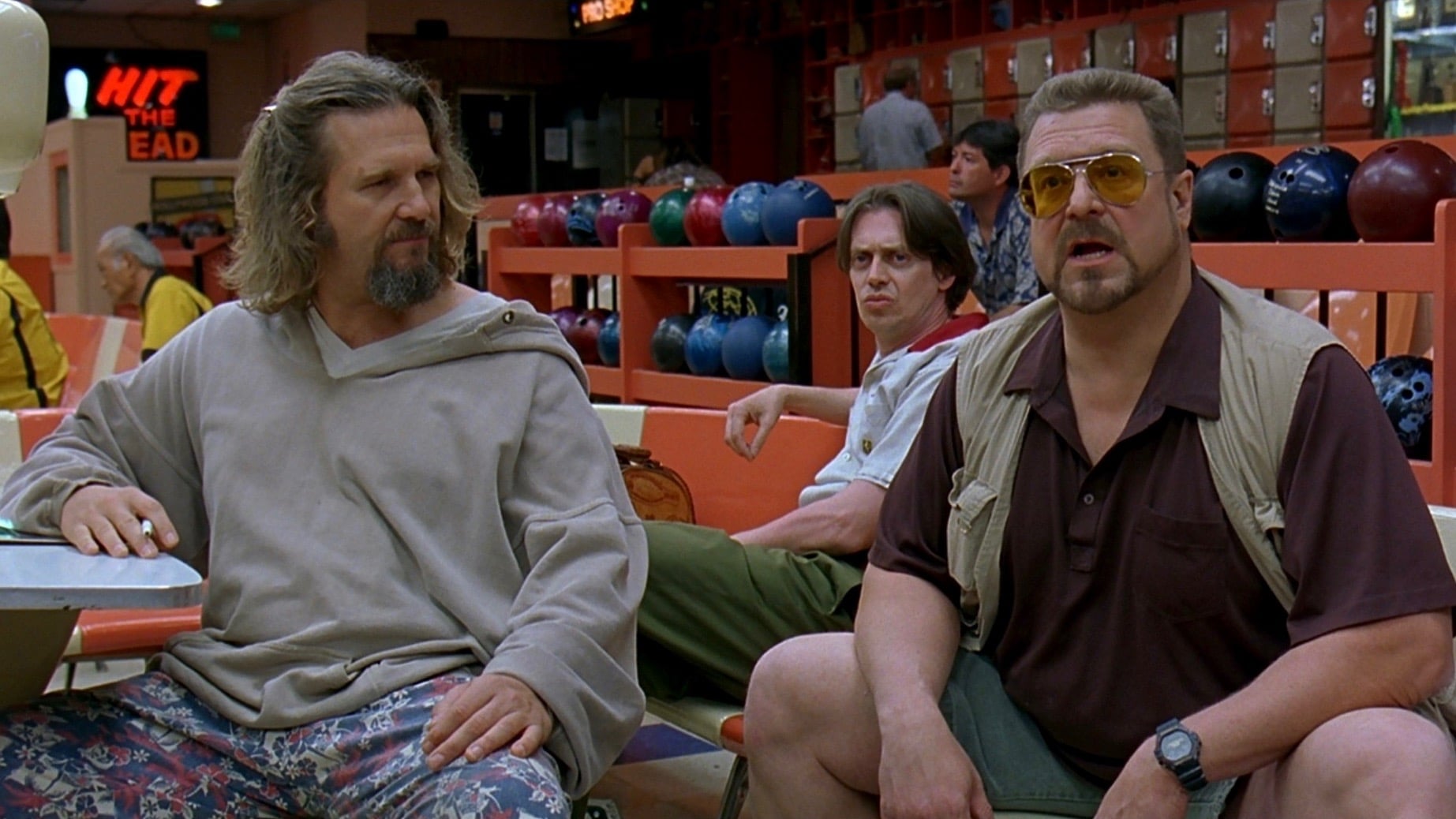
March 6 is the Day of the Dude, the high holy day of Dudeism. For those of you unfamiliar with the holiday, it is the anniversary of the release of The Big Lebowski, which stars the incomparable Jeff Bridges as “The Dude”. So smoke a joint, drink a White Russian (but use American vodka), go bowling, or just stay home and watch the movie; however you celebrate, I wish you a very happy Day of the Dude.
Bridges with his Lebowski co-stars Steve Buscemi and John Goodman
Shining Vale premieres tonight on STARZ.
The new season of Survivor premieres Wednesday on CBS and Paramount Plus. Here are the castaways explaining the one thing they don’t want the other players to know.
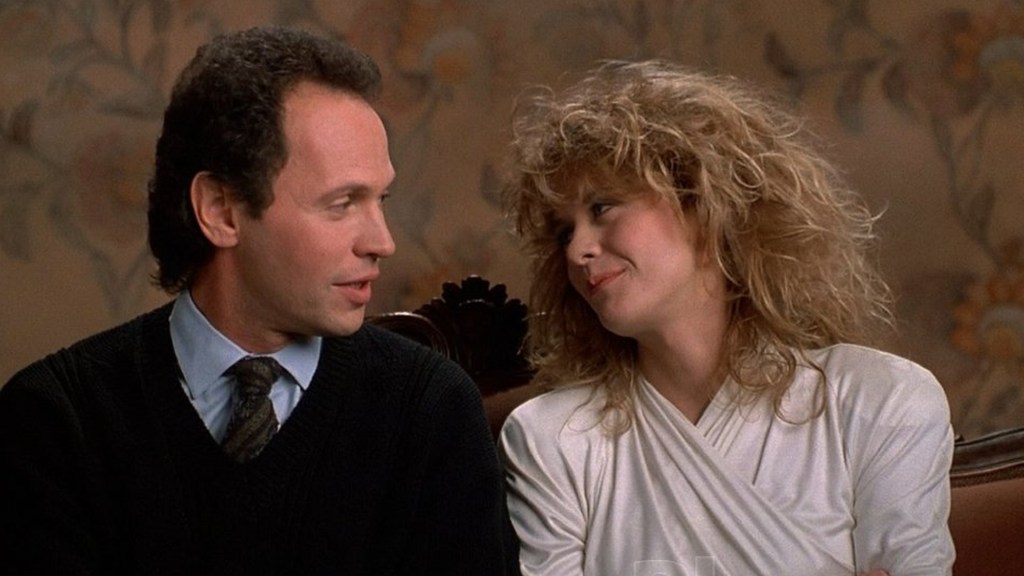
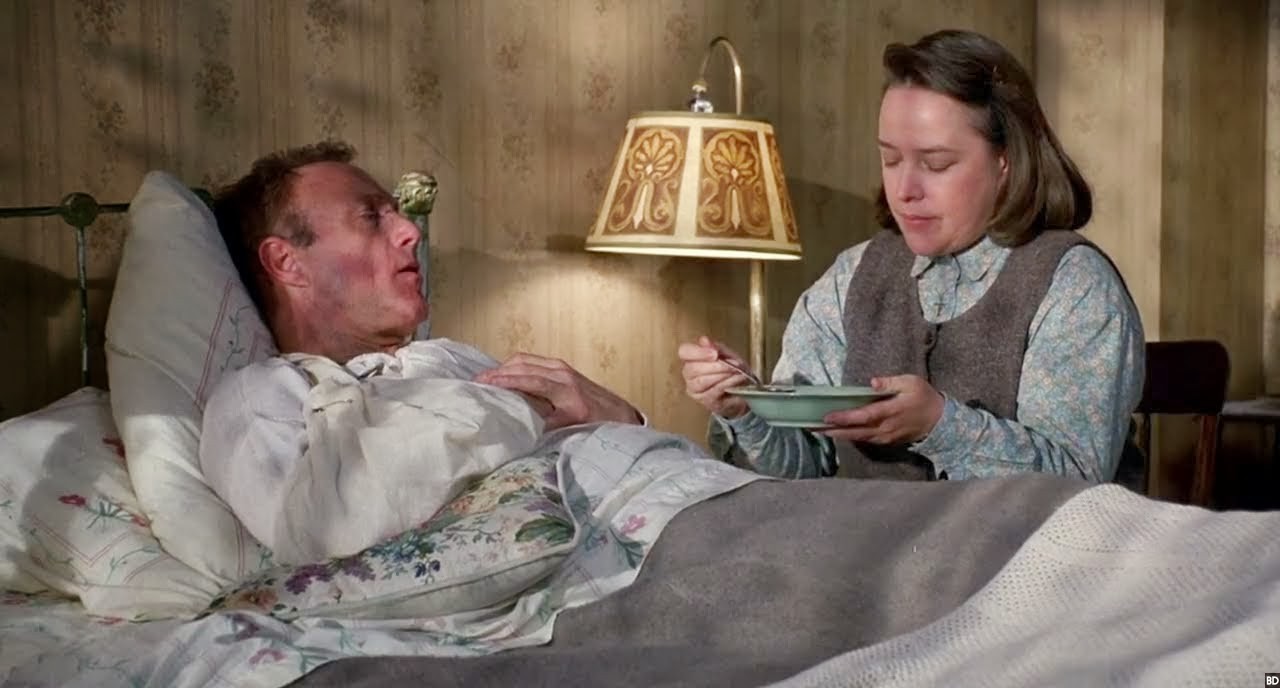
Happy 75th birthday to Rob Reiner, creator of my favorite five-movie run of all time.
Stand By Me (1986)The Princess Bride (1987)When Harry Met Sally… (1989)Misery (1990)A Few Good Men (1992)Happy birthday, Mr. Reiner!
Kim Walker died on this day in 2001 of a brain tumor at the age of just thirty-two. Walker is best known for her portrayal of Heather Chandler in Heathers, where she delivers one of the greatest line readings in the history of cinema:
Also celebrating a birthday today is David Gilmour, legendary singer, songwriter and guitarist for Pink Floyd.
Gilmour, second from left, with Pink Floyd bandmates Richard Wright, Roger Waters and Nick MasonGilmour in recent years
Verdi’s La traviata premiered at the Teatro La Fenice in Venice on this day in 1853.
Teatro La Fenice – The Phoenix Theater – is so named because it has risen from the ashes of three separate fires, in 1774, 1836 and 1996. This is how the theater would have looked in 1853 when La traviata premiered.
The trailer for Bullet Train has been released, and it looks entertaining as hell.