Alfred Hitchcock tended to put his leading ladies – the characters AND the actors who played them – through the wringer. “The Master of Suspense” was a consummate filmmaker, but by some accounts, he was verbally (and possibly sexually) abusive to the women he worked with. The torment they endured make their performances all the more impressive. Today, I’ll pay homage to seven of Hitchcock’s most badass leading ladies.
Joan Fontaine – Rebecca and Suspicion
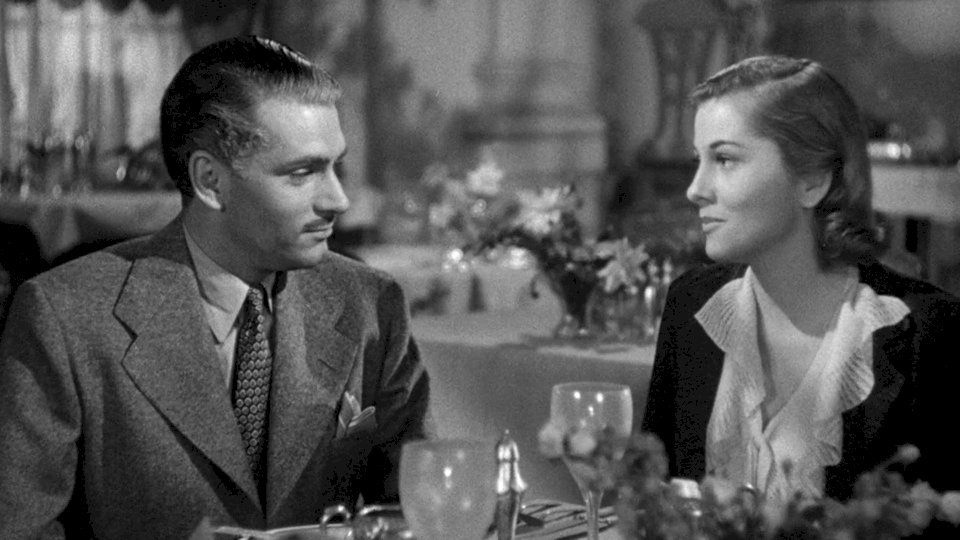
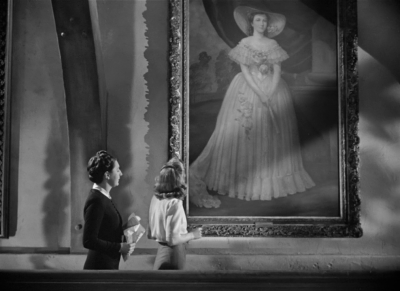
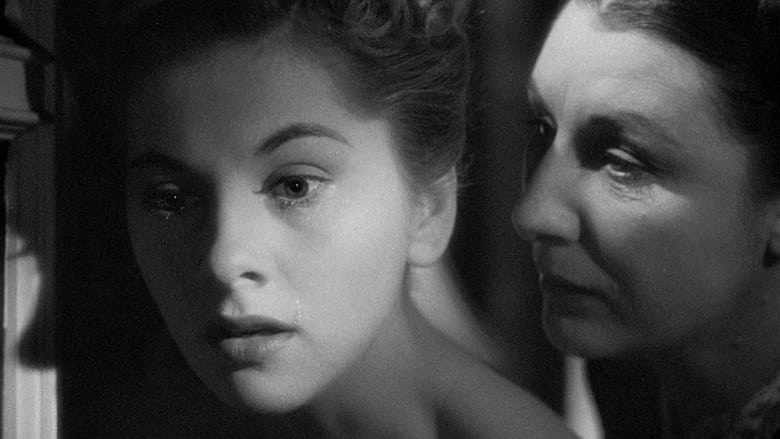
Rebecca was Hitchcock’s first American film, and what a debut it was. Based on Daphne du Maurier’s 1938 novel of the same name, the gothic tale of suspense centers around the psychological torture of the second Mrs. Maxim de Winter, who is haunted by the specter of the first Mrs. de Winter, Rebecca, and tormented by Rebecca’s confidant, housekeeper Mrs. Danvers. The story relies on Mrs. de Winter feeling unworthy of her aristocratic husband (played by Laurence Olivier), to the point of considering suicide, and Joan Fontaine portrays that vulnerability perfectly. For her efforts, Fontaine was nominated for Best Actress at the 13th annual Oscars (and the film itself was nominated for twelve more awards, and won Best Picture), and many felt she should have won (she lost to Ginger Rogers for Kitty Foyle).
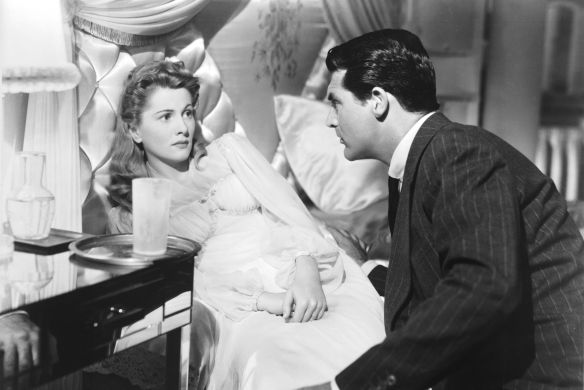
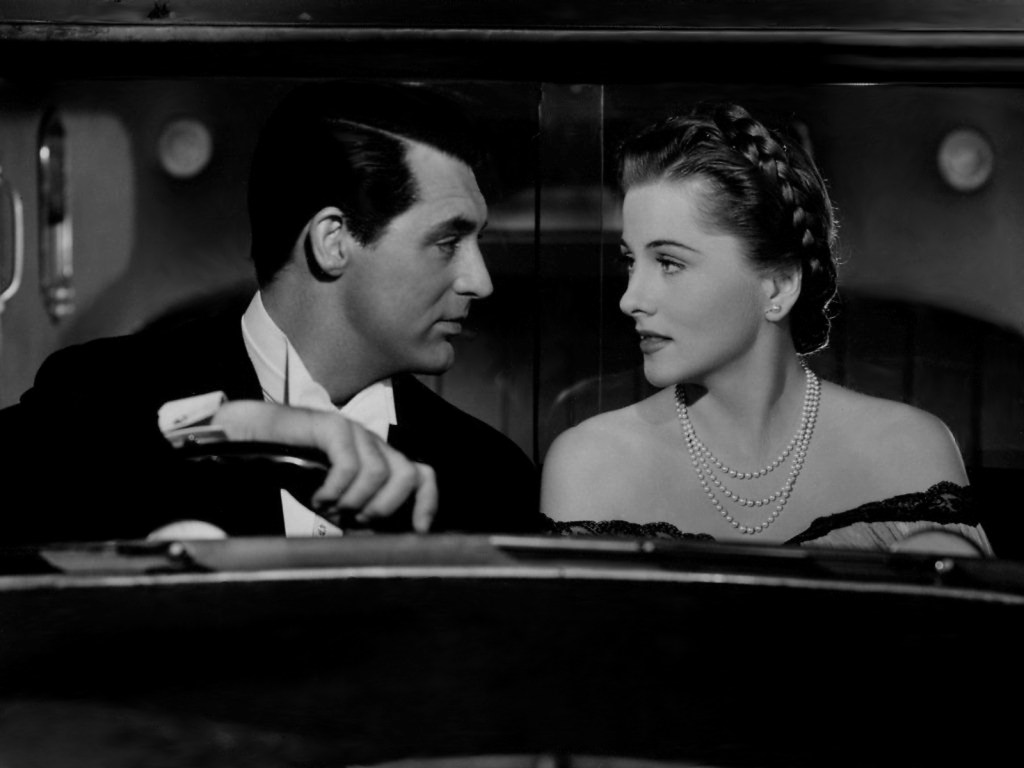
Suspicion, Fontaine’s second collaboration with Hitchcock, was released just a year after Rebecca, and as with that film, the central tension rests with the doubts and insecurities of its female lead. Fontaine plays Lina McLaidlaw, a young woman with wealthy parents who meets a charming, irresponsible playboy named Johnnie Aysgarth (played by Cary Grant, naturally). Johnnie convinces Lina to marry him, but almost immediately, Lina begins to suspect that her new husband’s motives are less than honorable. Once again, Fontaine was nominated for Best Actress, but this time, she won. Hers was the only Oscar-winning performance in a Hitchcock film.
Ingrid Bergman – Spellbound and Notorious
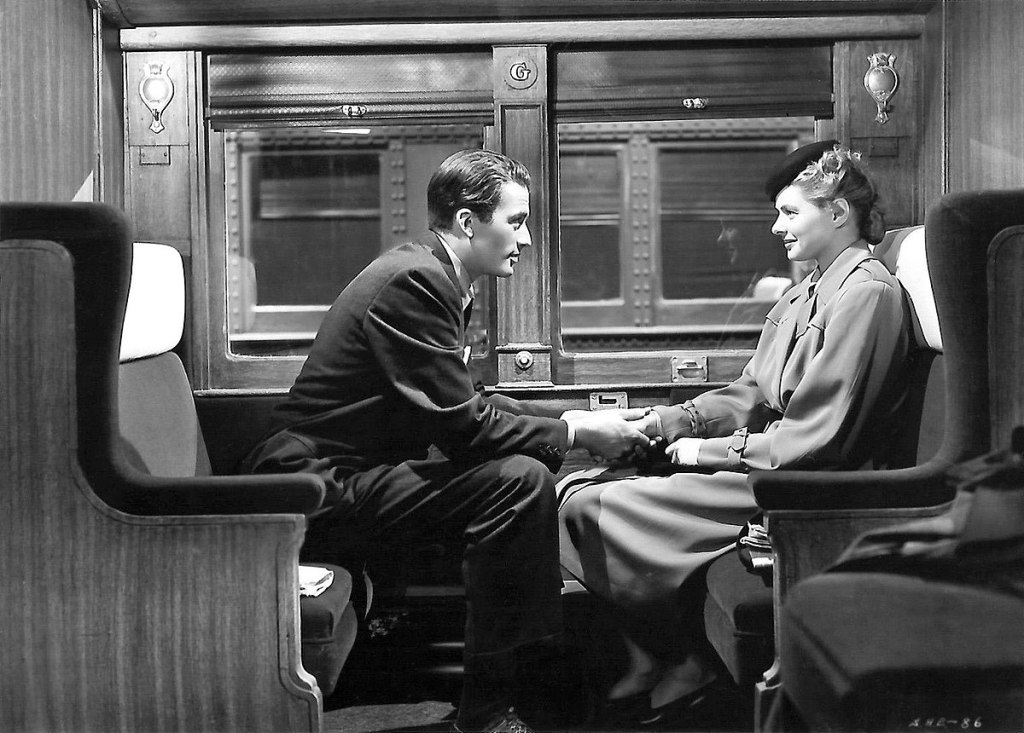
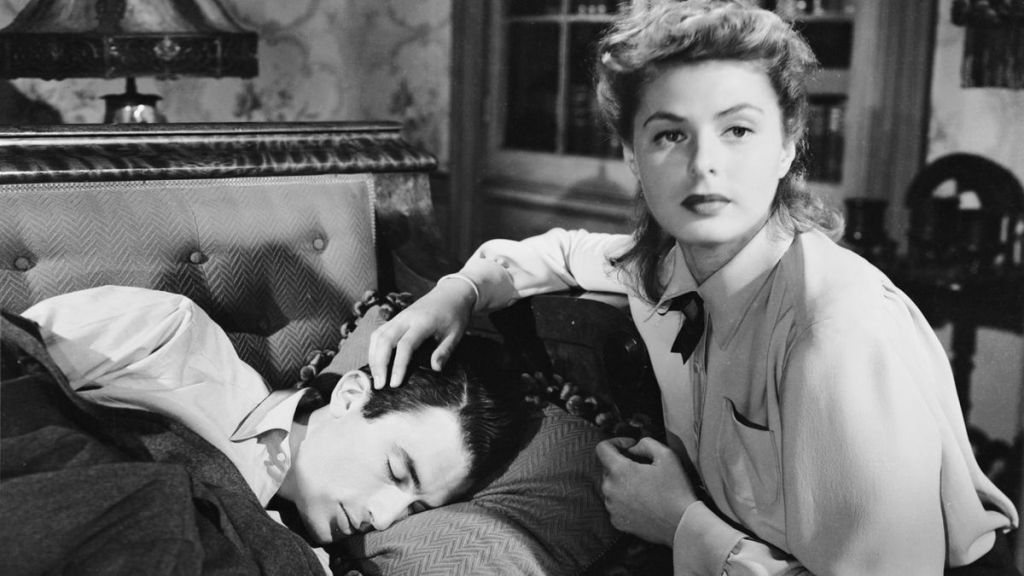
Spellbound, Ingrid Bergman’s first Hitchcock film, is the story of Dr. Constance Petersen, a psychoanalyst who falls in love with Dr. Anthony Edwardes (Gregory Peck), the new director of the mental hospital where she is employed. Since this is a Hitchcock film, Edwardes is not what he seems. It turns out he’s not Edwardes, he’s suffering from amnesia and he may or may not have murdered the real Edwardes. Dr. Petersen uses her psychiatric skills to get to the bottom of both the amnesia and the murder mystery.
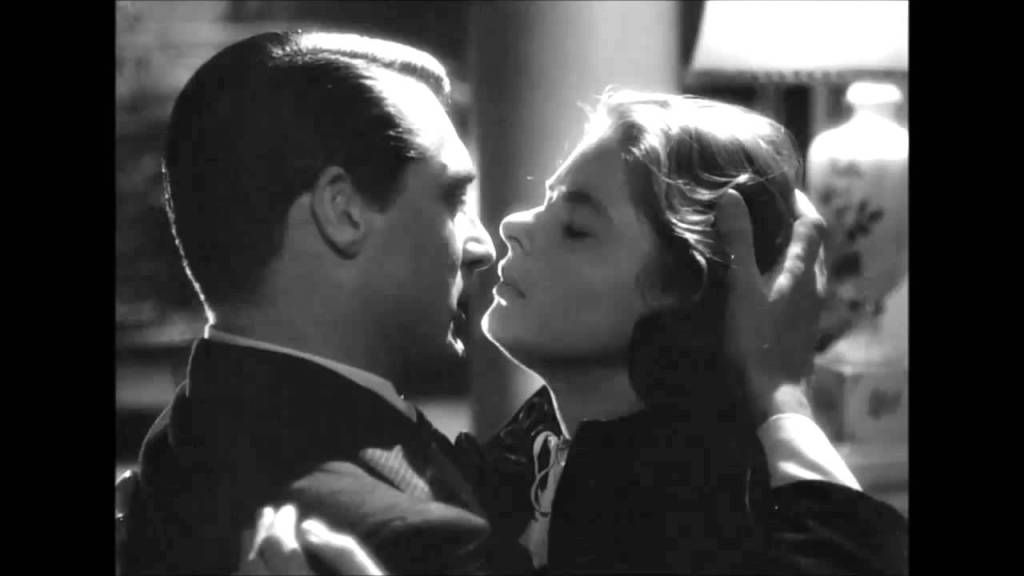
In Notorious, Hitchcock and Bergman’s next collaboration, Bergman plays Alicia Huberman, the American daughter of a Nazi spy, who is recruited by US government agent TR Devlin (Cary Grant) to seduce Alex Sebastian (Bergman’s Casablanca co-star Claude Rains), a Nazi friend of her father’s who is currently living in Brazil. The mission is complicated when Alicia and Devlin fall in love. Once again playing on themes of trust (trust withheld, trust too easily given), Hitchcock also succeeds in telling his most passionate love story (even getting around the three-second rule in the Hays Production Code by interrupting a two-and-a half-minute kiss every three seconds).
Grace Kelly – Dial M for Murder, Rear Window and To Catch a Thief
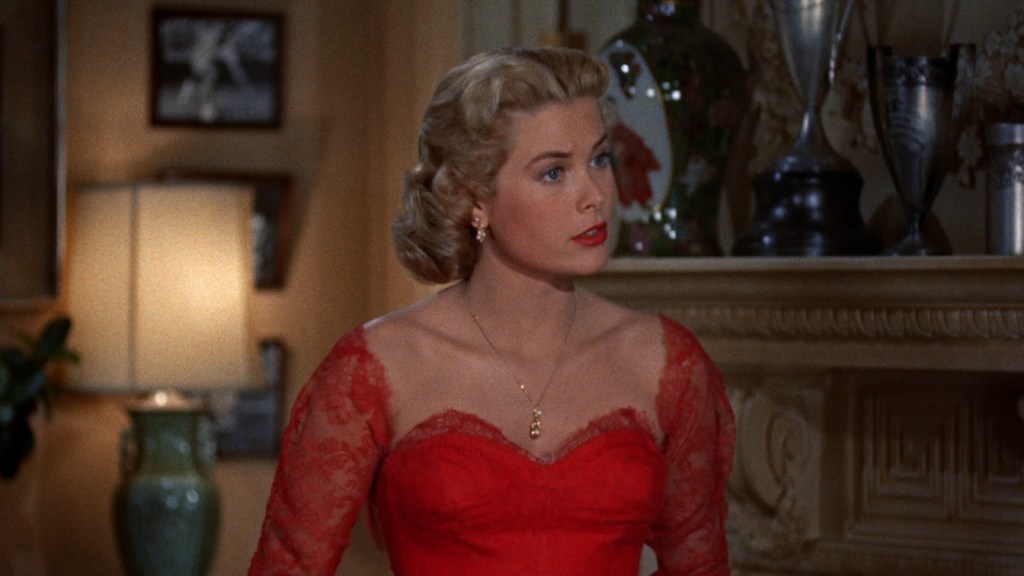
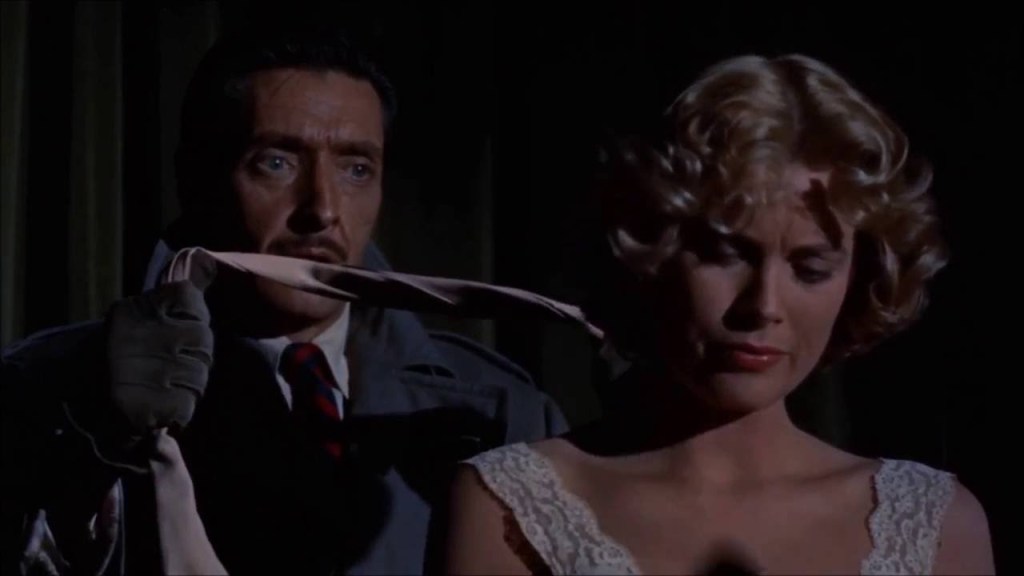
In Dial M for Murder, Grace Kelly’s first of three Hitchcock films, Kelly plays a wealthy socialite named Margot whose husband discovers she has had an affair and arranges to have her murdered. The hit goes awry, the hitman ends up dead and Margot winds up in prison. The assault scene supposedly took five days to film and left Kelly covered in bruises. Hitchcock, enamored of (obsessed with?) Kelly’s combination of “frigidity and lust”, would cast her in his next two films, and would even attempt to coax her out of retirement ten years later to play Marnie; Tippi Hedren would wind up with the role – more on that in a bit.
Kelly’s next collaboration with Hitchcock, Rear Window, is one of Hitch’s best and Kelly is perfect as Lisa Fremont, socialite girlfriend to photographer LB “Jeff” Jeffries (James Stewart), who is laid up in his Greenwich Village apartment with a broken leg. To pass the time, Jeff spies on his neighbors through his courtyard window and becomes obsessed with the notion that one of them has murdered his wife. Initially, Lisa is skeptical, but eventually comes around, even participating in the investigation by climbing up the fire escape and breaking into the neighbor’s apartment. One of my favorite shots in any movie is Lisa pointing to her finger, on which she has placed the missing wife’s wedding ring.
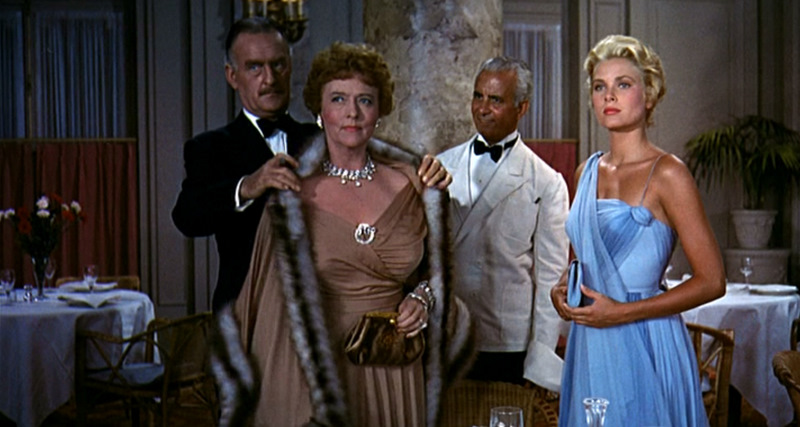
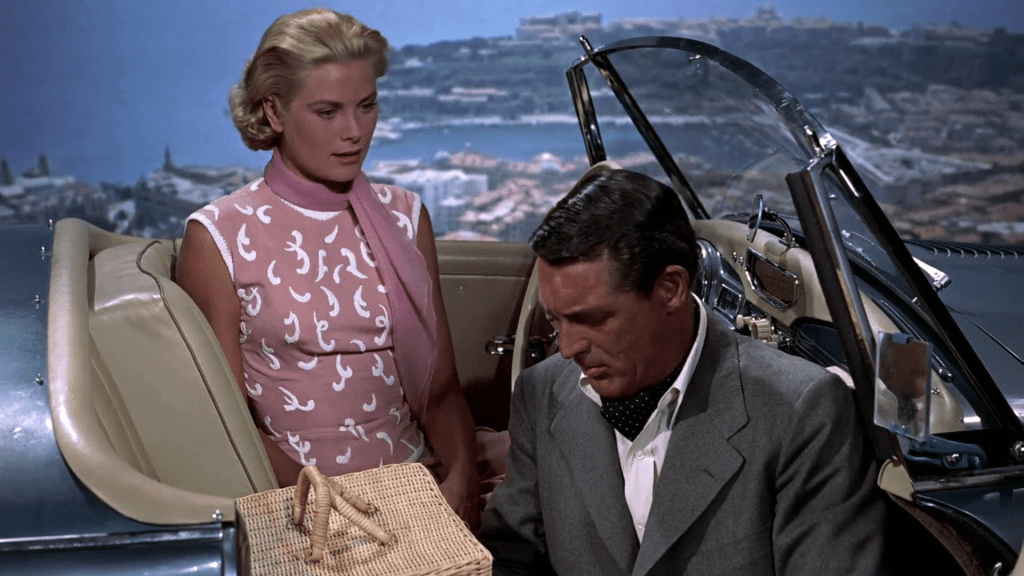
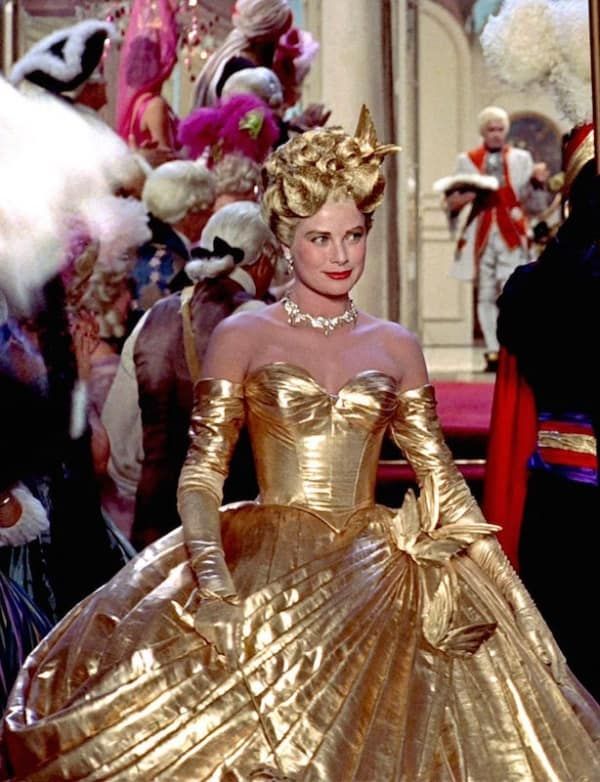
Kelly’s final Hitchcock film, To Catch a Thief, is a more light-hearted romp than Hitchcock’s usual fare. It’s technically a mystery, but one with lower stakes – John Robie, played by Cary Grant, is a former jewel thief lured out of retirement when a copycat burglar puts him in legal jeopardy. Robie teams up with an insurance adjuster, who reluctantly divulges the name of the woman most likely to be the cat burglar’s next target and arranges a meeting with her – and her socialite (seeing a trend here?) daughter Frances, played by Kelly. The plot is merely a pretext to put the two impossibly beautiful stars together, but they both play their roles to perfection. And Kelly, wearing some of the most exquisite costumes Edith Head ever created, never looked more stunning.
Kim Novak – Vertigo
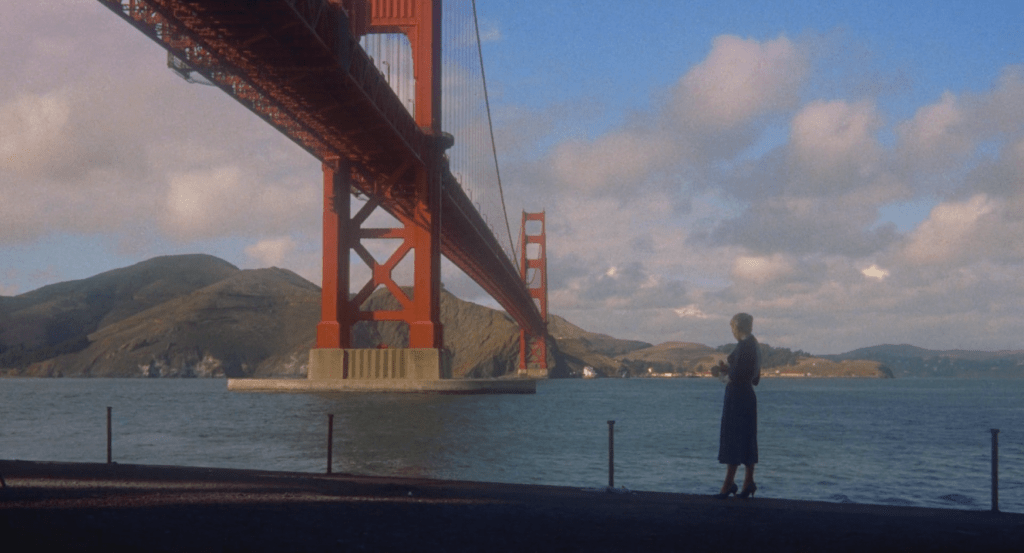
Widely regarded as Hitchcock’s finest work (and one of the best films ever made, period), Vertigo received mixed reviews at the time of its release. A film noir about romantic obsession, Vertigo is the story of John “Scottie” Ferguson (James Stewart), a police detective forced into early retirement when an incident leaves him with a fear of heights and a raging case of, you guessed it, vertigo. An old acquaintance named Gavin Elster hires Scottie as a private investigator to track the movements of his wife Madeleine, played by Kim Novak. In the process of trailing Madeleine, Scottie naturally falls for her. If you haven’t seen the movie, I’ll not spoil it here, but since it’s Hitchcock, things aren’t exactly what they seem. There’s so much genius in this film – from Bernard Herrmann’s iconic score, to Edith Head’s elegant costumes, to the use of the dolly zoom to mimic Scottie’s vertigo – but the audience buy-in depends so much on the captivating, unattainable Madeleine, and Novak plays her to perfection.
Eva Marie Saint – North by Northwest
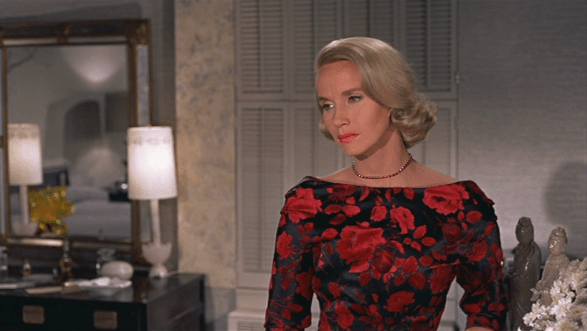
For his next film, North by Northwest, Hitchcock hired another beautiful blonde, Eva Marie Saint. Saint plays Eve Kendall, who meets Cary Grant’s Roger Thornhill on a train. Thornhill, in a case of mistaken identity, is on the run from thugs who think he’s a spy (he’s actually an advertising exec). And because this is a Hitchcock film, once again the beautiful blonde is not who she says she is. Northby Northwest features some of Hitch’s most iconic set pieces – the UN General Assembly, a crop dusting plane over a cornfield, Mount Rushmore – but those are mere backdrops to Kendall’s icy beauty.
Janet Leigh – Psycho
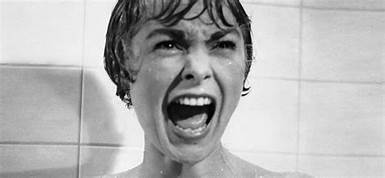
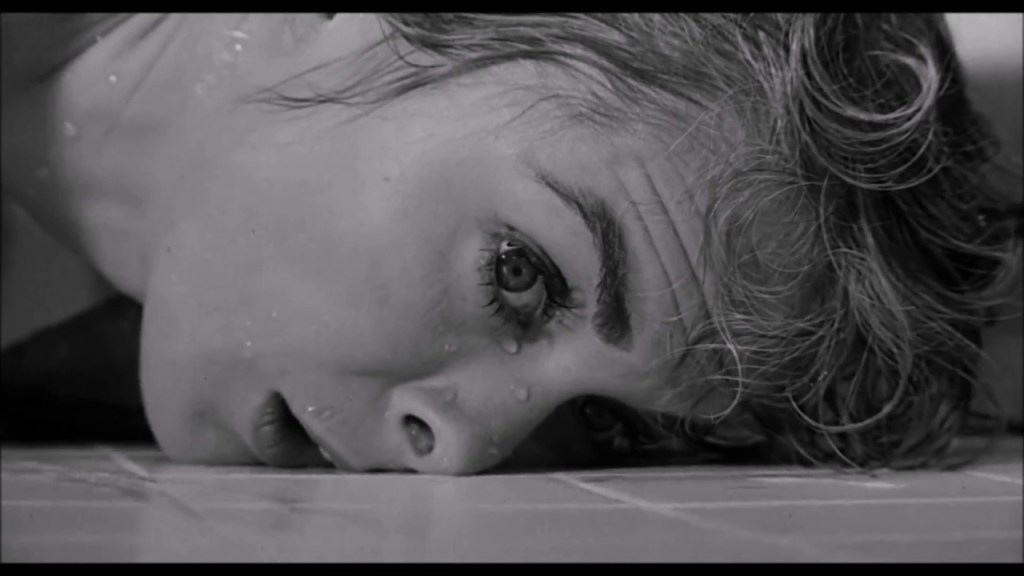
For his next film, 1960’s Psycho, Hitchcock chose another gorgeous blonde, Janet Leigh. The promotional materials – and the fact that Leigh was such a big star – led audiences to believe that her Marion Crane was the film’s protagonist; imagine their shock when she is murdered less than halfway through. Psycho was revolutionary in a lot of ways – showing an unmarried, bra-clad Marion in bed with her lover, for instance, was forbidden by the Hays code, as was the shot of the flushing toilet. And the film’s casual violence, though merely hinted at through quick cuts and clever camera angles, was unthinkable prior to 1960. Filming the shower scene was brutal – it took a full week, and Leigh never voluntarily took another shower in her life. But for her efforts, she was nominated for an Oscar for Best Supporting Actress, and won the Golden Globe in that category.
Tippi Hedren – The Birds and Marnie
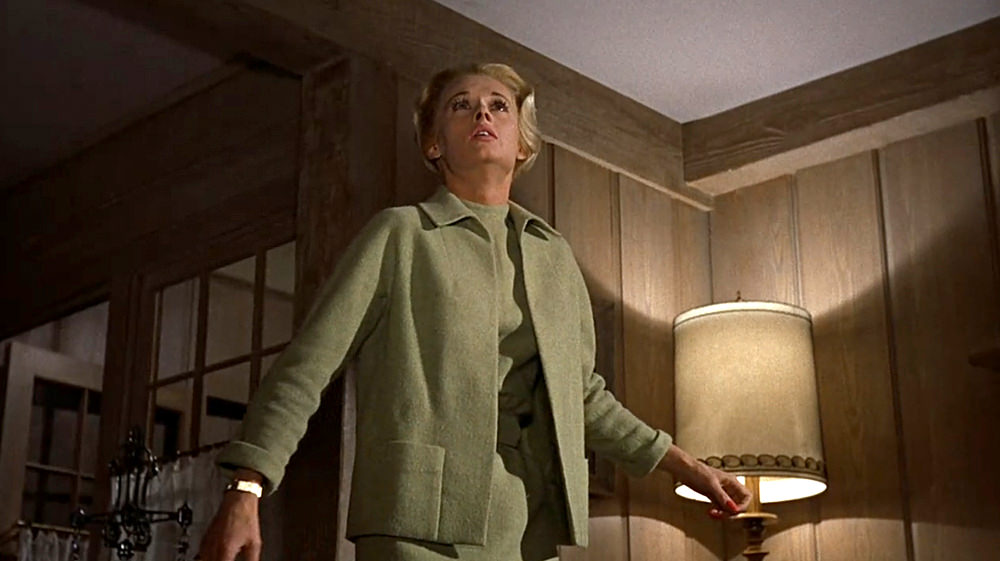
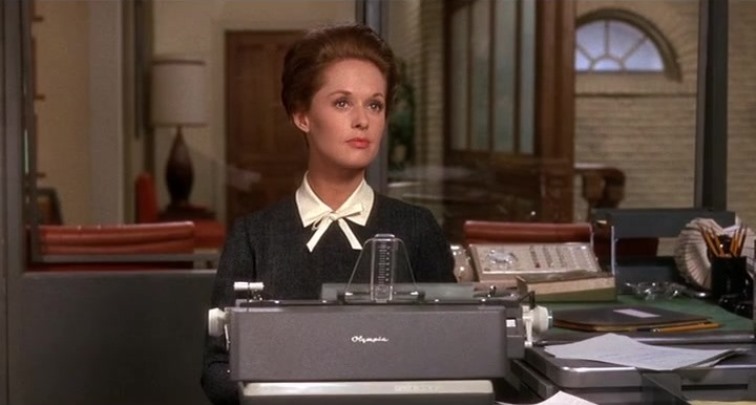
In 1961, Hitchcock saw Tippi Hedren in a diet soda commercial and knew immediately that he wanted to work with her; she certainly was his type – tall, blonde and beautiful. Hedren met with Hitch and agreed to a seven year contract. She made her film debut in Hitchcock’s next effort, 1963’s The Birds. Filming turned out to be an arduous experience for Hedren. In her 2016 memoir, Tippi, Hedren accused Hitchcock of making sexual advances toward her, and when she rebuffed him, he punished her by using live birds instead of mechanical ones for the scene in which her character, Melanie, is attacked. She spent five days filming the scene with live birds being thrown at her and attached to her body with rubber bands. At one point, a bird almost pecked her in the eye. The ordeal left Hedren exhausted and leery of working with Hitchcock again.
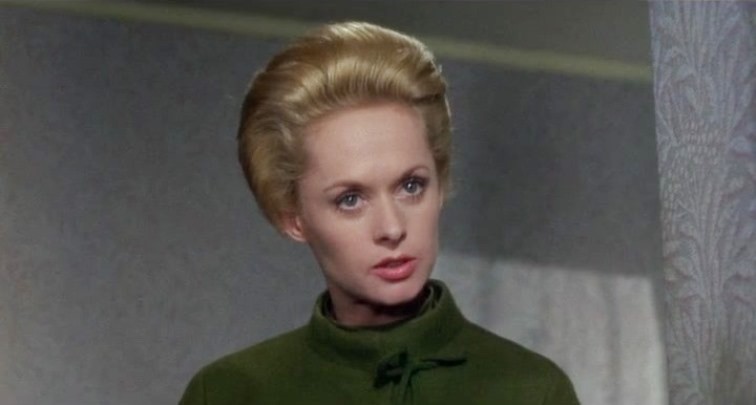
Knowing she couldn’t break her contract with Hitchcock without consequences – and afraid of being blacklisted – Hedren worked with Hitch again on his next film, 1964’s Marnie. A psychological thriller about a damaged woman with suppressed memories of childhood trauma, Marnie turned out to be traumatic for Hedren as well. In her memoir, Hedren states that Hitchcock put her dressing room next to his office, with an adjoining door, so he could walk in whenever he pleased. Hitch “gleefully” wanted to keep the marital rape scene when screenwriter Evan Hunter implored him to excise it. At one point, Hedren alleges that Hitchcock sexually assaulted her. Once filming was complete, Hedren was under contract with Hitchcock for several more years, but she refused to work with him again, and he refused to allow her to work with other directors. Hitchcock promised Hedren, “I’ll ruin your career”, but Hedren was a fighter, saying “He ruined my career but he didn’t ruin my life.”
It’s St. Patrick’s Day! Here are a few of my favorite depictions of the holiday in film and television:
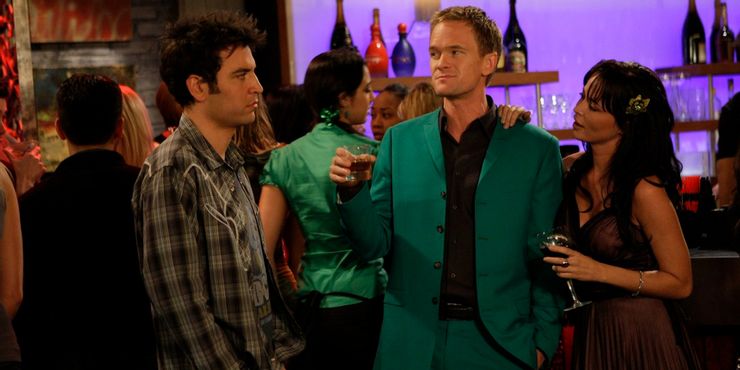
“No Tomorrow” – How I Met Your Mother
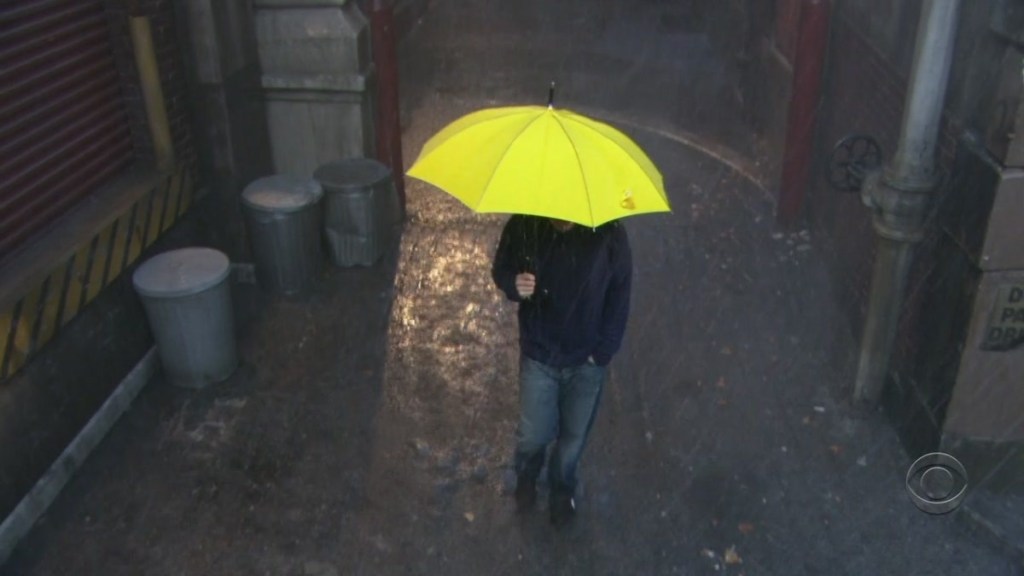
Ted has decided to forego barhopping for game night at Marshall and Lily’s new apartment; Barney has other plans, and convinces Ted to join him for an evening of consequence-free debauchery. It turns out to be anything but consequence-free, but when Ted returns to the club the next day to search for his lost phone, he instead finds his future wife’s yellow umbrella.
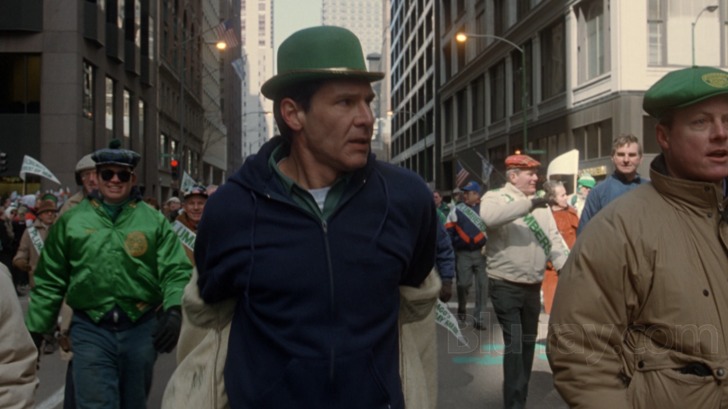
The Fugitive
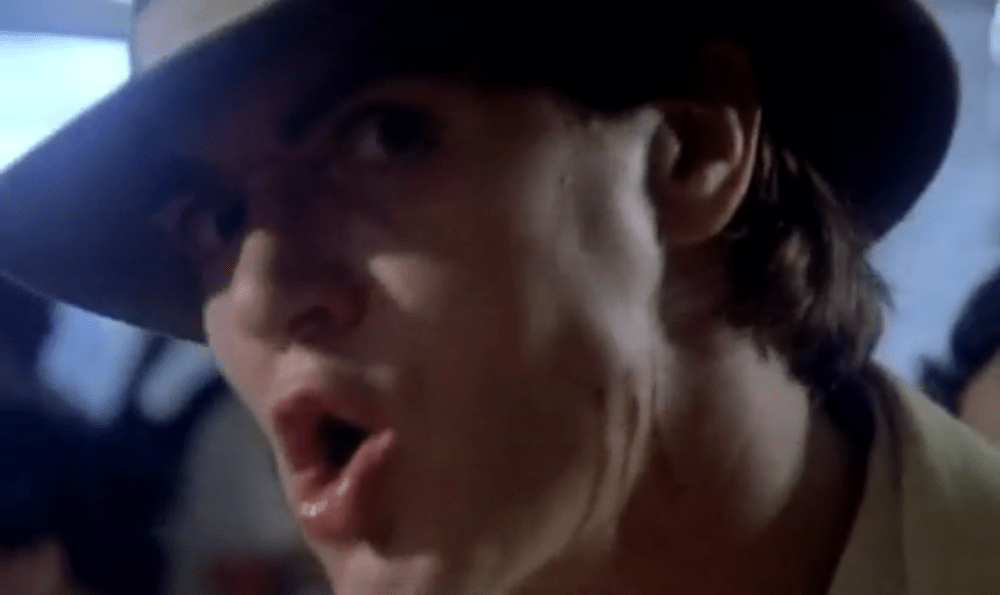
Deputy US Marshall Gerard has tracked Richard Kimble to a downtown Chicago prison (Kimble is visiting a one-armed man who may be his wife’s killer); Kimble escapes and disappears into the St. Patrick’s Day parade, eluding Gerard once again.
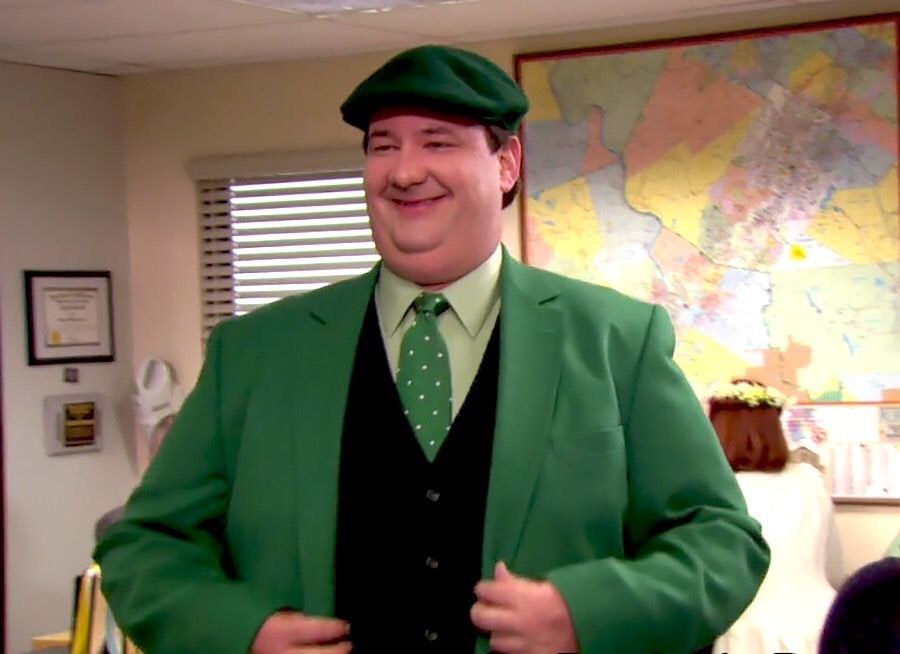
“St. Patrick’s Day” – The Office
Jo Bennett, on her last day at the Scranton branch of Dunder-Mifflin, forces the office to work late, much to Michael Scott’s dismay (“It is St. Patrick’s Day. And here in Scranton, that is a huge deal. It is the closest that the Irish will ever get to Christmas.”).
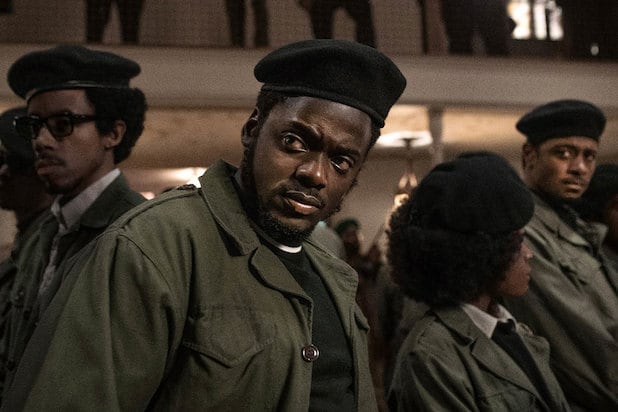
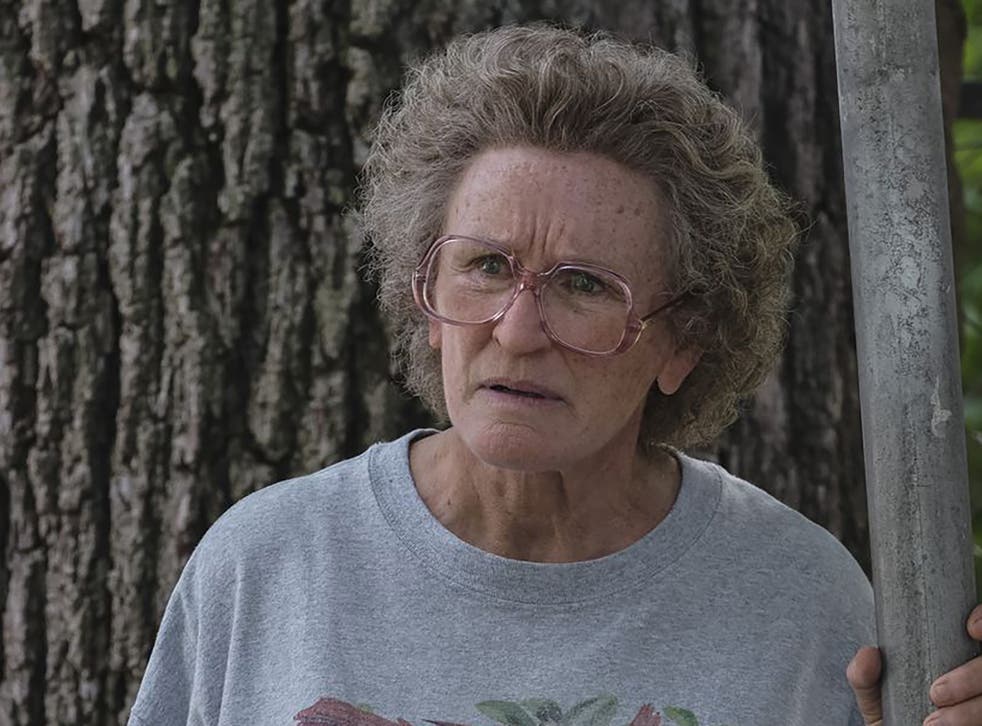
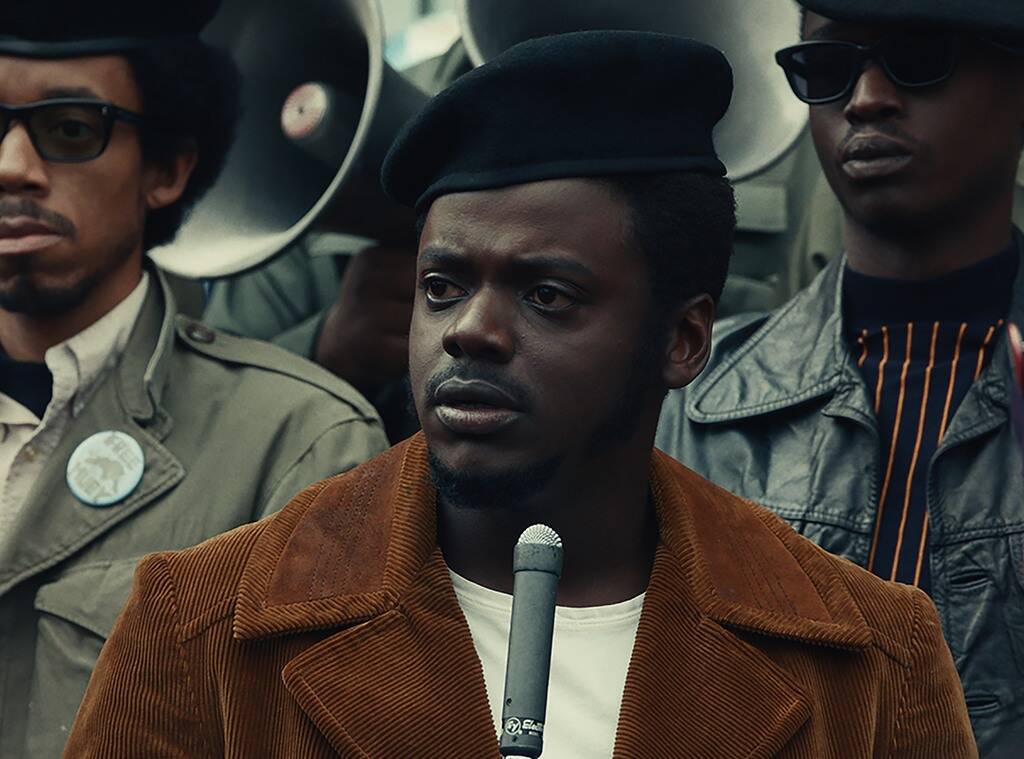
The nominations for the 93rd Academy Awards were announced this week. Regina King missed the cut for Best Director (she would have been the first black woman to be nominated), but two women were nominated for the first time ever – PromisingYoung Woman‘s Emerald Fennell and Golden Globe winner Chloé Zhao for Nomadland. Somehow both title characters in Judas and the Black Messiah are supporting roles, as Lakeith Stanfield and Daniel Kaluuya were both nominated for Best Supporting Actor. Viola Davis is now the most-nominated black actress in history, with four career nominations. And Glenn Close (Hillbilly Elegy) became the third person to receive Oscar and Razzie nominations for the same performance; the other two were James Coco for Only When I Laugh and Amy Irving for Yentl.
Lakeith Stanfield
Daniel Kaluuya
Glenn Close
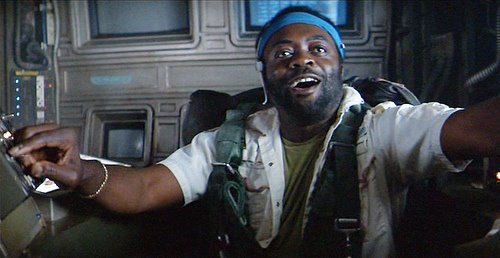
Yaphet Kotto has died at the age of 80. I loved him as Parker in Alien and as Lt. Giardello on Homicide: Life on the Street.
Rhythm & Blues (R&B) is a blanket term used to describe music recorded primarily by black artists; it combines elements of jazz, gospel, blues and soul. R&B developed in the mid-20th century along with the Great Migration that saw African-Americans leaving the South for urban industrial centers like New York City, Los Angeles, Chicago and Detroit. The term “rhythm & blues” is credited to Jerry Wexler of Billboard Magazine; previously, R&B had been referred to as “race records”, and that term (understandably) didn’t sit well with Wexler.
As with other musical genres, men generally get much of the credit for its development, but the women of R&B have been badasses from the start. Artists like Ma Rainey, Bessie Smith, Alberta Hunter, Mamie Smith and Big Mama Thornton contributed to the development of R&B. As the decades went by, R&B evolved into sub-genres like doo-wop, disco, funk and hip-hop. The following artists were instrumental in that evolution. Here are some of the most badass women in the history of R&B.
Etta James
Etta James is a significant artist in the development of R&B in the 50s and 60s. James primarily recorded doo-wop inspired ballads, but she could growl her way through bluesy numbers as well. Her signature song, “At Last”, is one of the greatest love songs ever recorded; her sweet and soulful voice blends perfectly with those dreamy strings. James was inducted into the Rock and Roll Hall of Fame in 1993.
Dionne Warwick
Dionne Warwick is one of the most-charted female vocalists of all time, with fifty-six Hot 100 singles and twelve Top Ten hits. Warwick and Burt Bacharach represent one of the greatest singer/songwriter combinations ever – their collaborations include “Wishin’ and Hopin'”, “Anyone Who Had a Heart”, “Walk On By”, “The Windows of the World” and “Do You Know the Way to San Jose”. At the age of 80, Warwick shows no sign of slowing down; she’s still performing, and if you don’t follow her on Twitter, you’re really missing out.
I am always tweeting while wearing a black, vintage, sequin gown… as divas do.
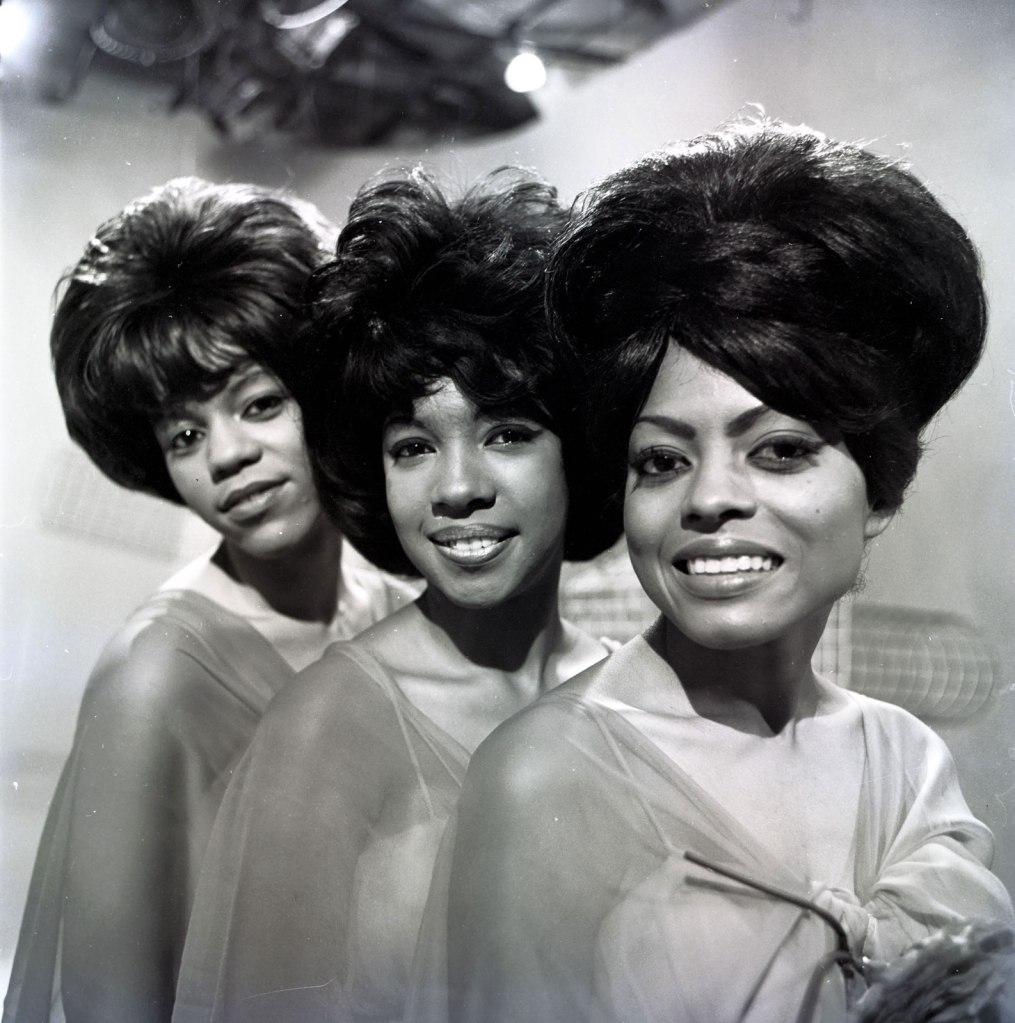
R&B took a big leap into the mainstream in the 60s, and Motown Records was largely responsible. Motown popularized the “girl group” sound with artists like The Marvelettes and Martha & The Vandellas, but none attained the critical and commercial success of The Supremes. Comprised of Diana Ross, Florence Ballard and Mary Wilson, The Supremes are, to date, the most successful vocal group in US history, with twelve number one singles on the Billboard Hot 100 (only The Beatles, Mariah Carey, Elvis Presley, Rihanna and Michael Jackson have had more). With some of the greatest songs of the era, a career that has influenced countless artists (among them, The Pointer Sisters and Destiny’s Child) and induction into the Rock and Roll Hall of Fame in 1988, The Supremes have left a lasting legacy.
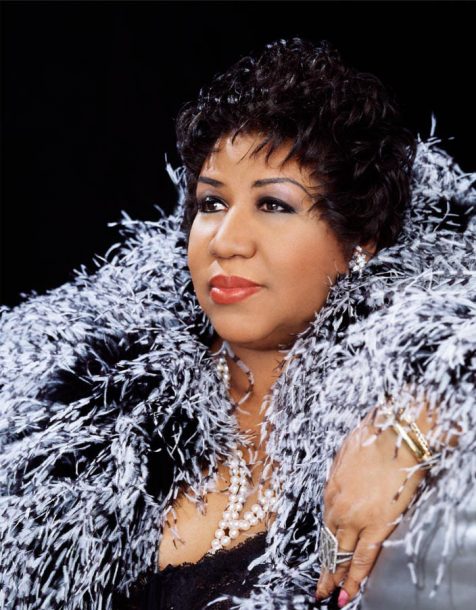
Aretha Franklin
What can I possibly say about “The Queen of Soul” that hasn’t been said before? Not a god damn thing, so I’ll just leave this here.
Tammi Terrell
Another sound that Motown helped popularize was the soulful duet, and no two people did duets better than Marvin Gaye and Tammi Terrell. “You’re All I Need to Get By”, “Ain’t Nothing Like the Real Thing” and “Ain’t No Mountain High Enough” are essential pop songs in the Motown canon. Tragically, Terrell’s career was cut short when she died of brain cancer at the age of 24, but she left behind a substantial legacy nonetheless.
Gladys Knight
Gladys Knight & the Pips were one of the top vocal groups of the 60s and 70s; first with Motown Records, where they recorded such songs as “I Heard It Through the Grapevine” and “If I Were Your Woman”, then with Buddah Records, where they recorded “Best Thing That Ever Happened to Me” and the #1 smash “Midnight Train to Georgia”. Knight also had a successful solo career with songs like “License to Kill”, the theme song to the 1989 James Bond film. Known as “The Empress of Soul”, Knight was inducted, along with the Pips, into the Rock and Roll Hall of Fame in 1996.
Merry Clayton
You might be asking yourself, “WHO?” By far the least famous woman on this list, Merry Clayton nonetheless merits a spot. She began her career at age 14 when she performed a duet with Bobby Darin titled “Who Can I Count On? (When I Can’t Count on You)” and for a time was one of Ray Charles’ Raelettes. But Clayton is most well known for providing vocals for “Gimme Shelter”, off the Rolling Stones’ 1969 masterpiece, Let It Bleed. Listening to Clayton’s voice cracking as she delivers the searing lyrics “Rape, murder/It’s just a shot away/It’s just a shot away” gives me chills every time. Clayton, who was pregnant at the time, suffered a miscarriage shortly after returning home, leading some to speculate that the physical strain of her exertions during recording were to blame.
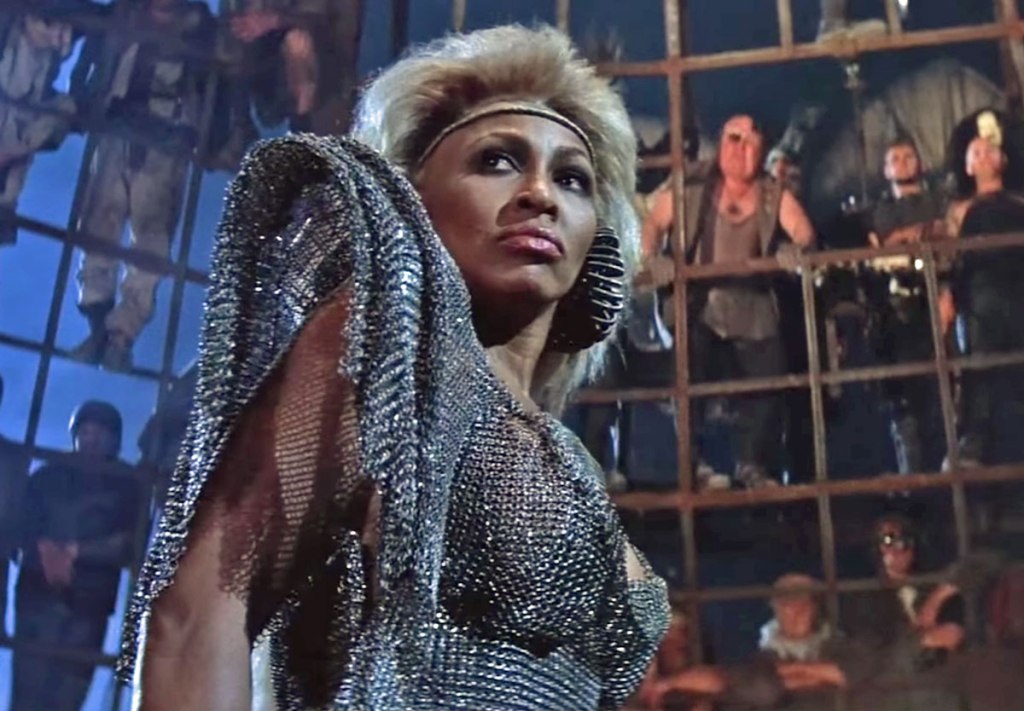
Tina Turner
From her early days performing with ex-husband Ike on hits like “Proud Mary” and “River Deep – Mountain High” (and surviving years of his abuse) to her 1984 comeback Private Dancer to her acting career in films like Tommy and Mad Max Beyond Thunderdome to her recent career as a writer, there really is nothing Tina Turner can’t do. She has sold over 100 million records, won a Grammy Lifetime Achievement Award and was inducted with Ike into the Rock and Roll Hall of Fame in 1991; she is nominated again this year as a solo artist, and she would be only the second woman (and the first black woman) to be inducted twice.
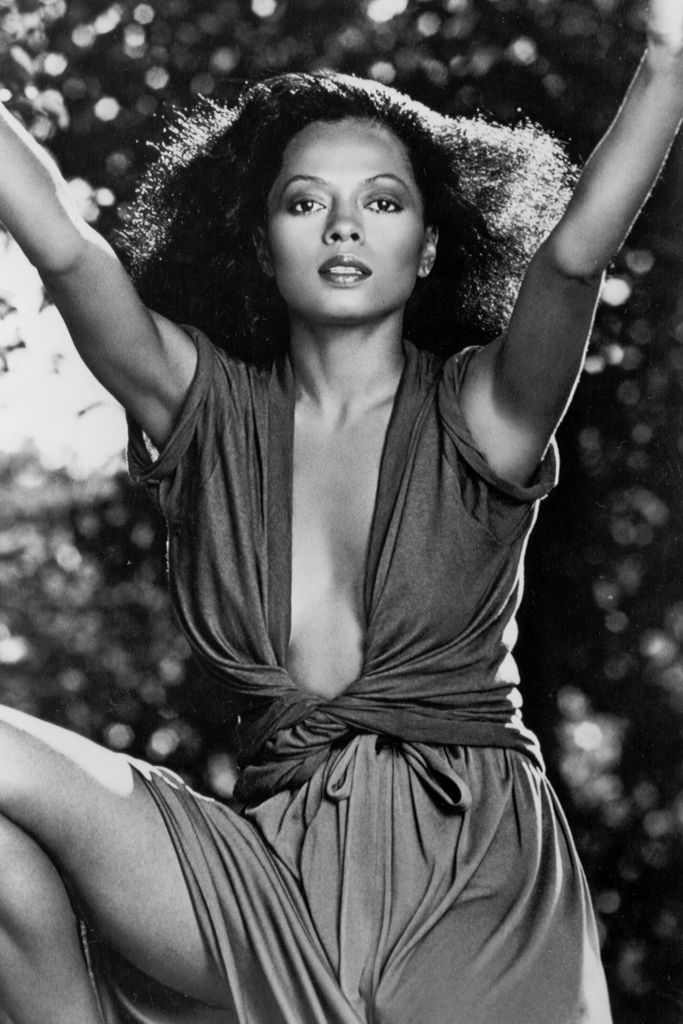
Diana Ross
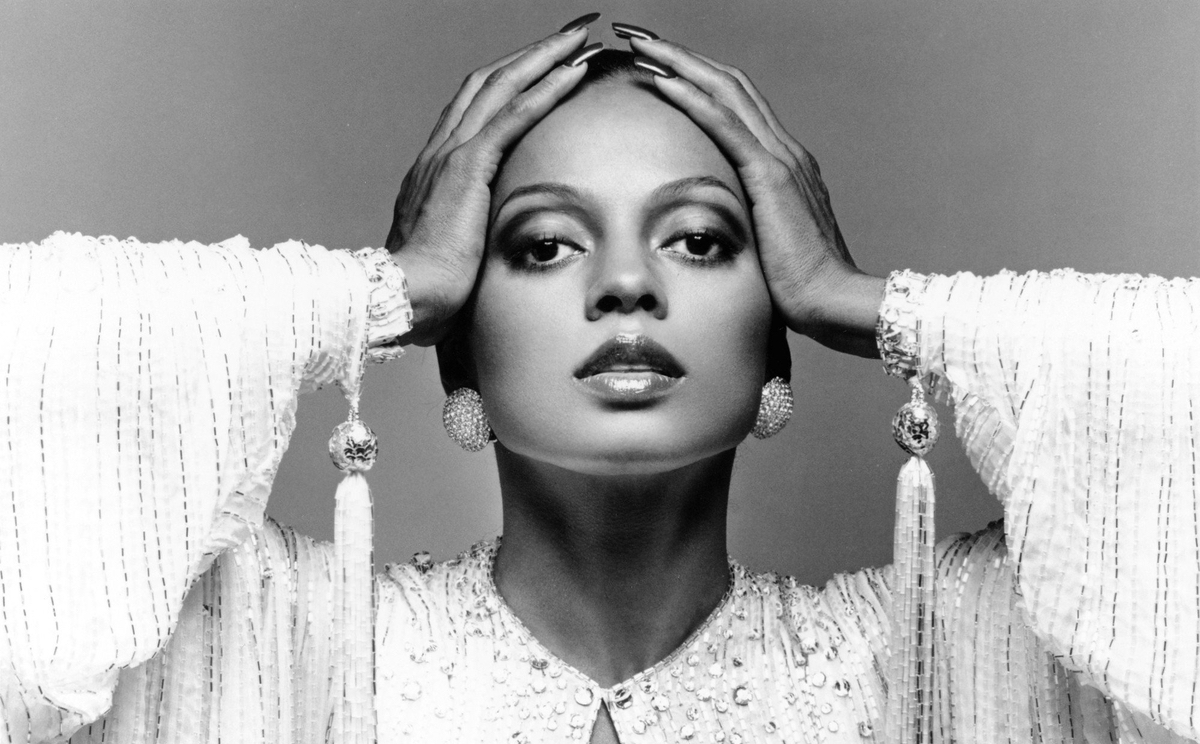
The only artist on this list twice, Diana Ross had a very successful solo career in addition to her work with the Supremes. She also made the leap into acting in films like Lady Sings the Blues, for which she won a Golden Globe and was nominated for an Oscar for her portrayal of Billie Holiday. She ranks among the top five artists on the all-time Billboard Hot 100 and she was named “Female Entertainer of the Century” by Billboard in 1976. She was responsible for #1 hits like “Theme from Mahogany (Do You Know Where You’re Going To)”, “Love Hangover”, “Upside Down” and “Endless Love”, her 1981 duet with Lionel Richie. Her role as an R & B legend is unequivocal.
Thelma Houston and Gloria Gaynor
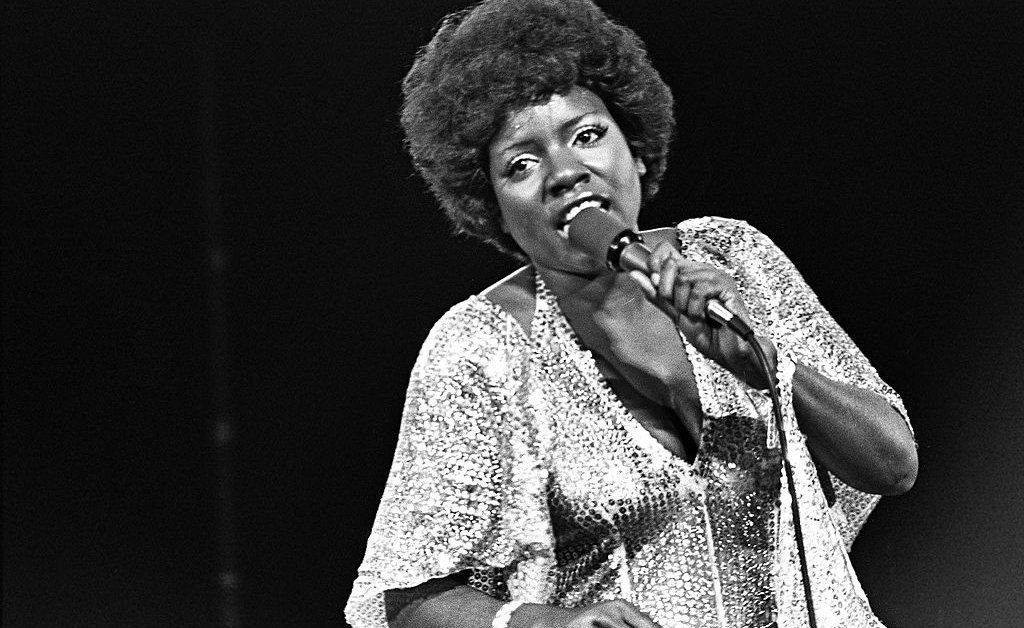
Gloria Gaynor
Thelma Houston
Thelma Houston and Gloria Gaynor are responsible for two of the most iconic and abiding #1 singles of the disco era; Houston’s 1977 smash “Don’t Leave Me This Way” and Gaynor’s 1978 phenomenon “I Will Survive” were both runaway successes. “Don’t Leave Me This Way” became the unofficial theme song for the HIV/AIDS epidemic among the gay community, and “I Will Survive” is the biggest dance anthem of all time. If you can hear either song without shaking your groove thing, you’re a stronger person than I.
Donna Summer
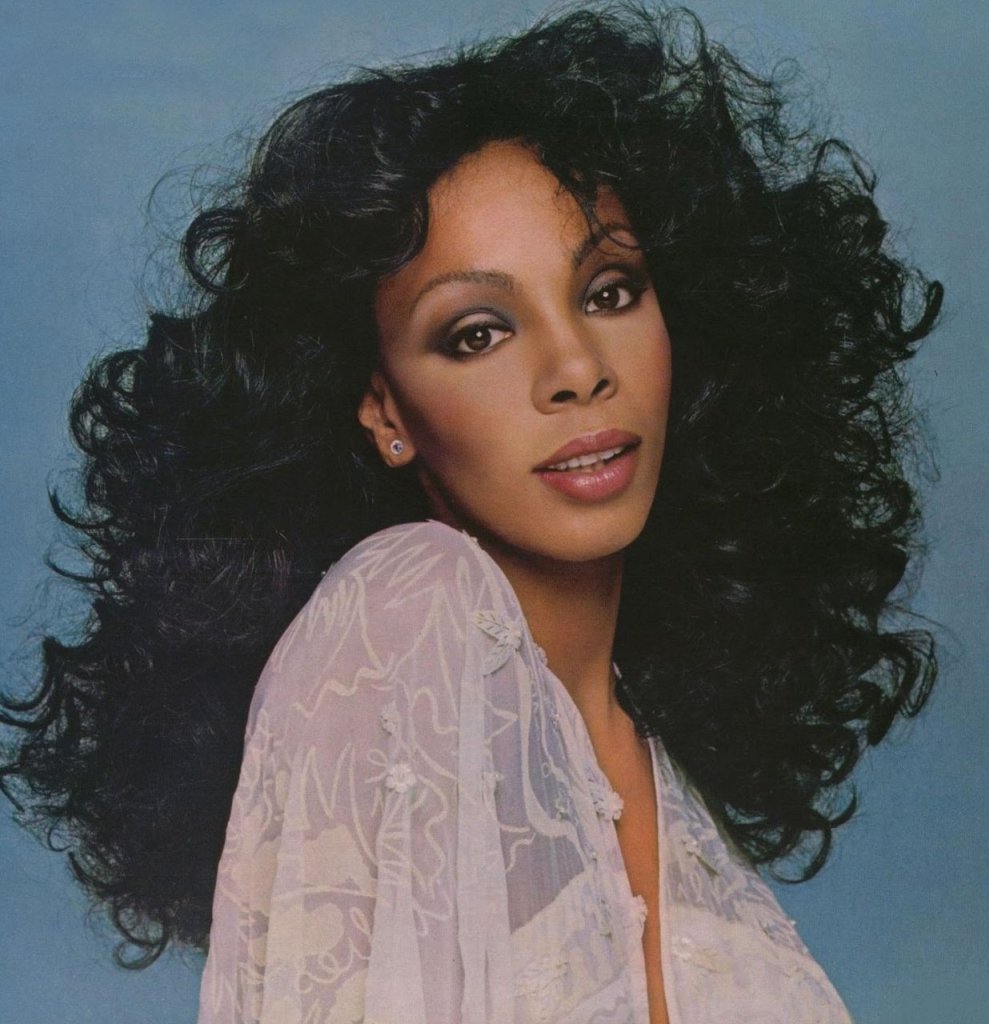
Known as “The Queen of Disco”, Donna Summer recorded some of the most iconic songs of the 70s and 80s, including forty-two Hot 100 singles and four #1s – “MacArthur Park,” “Hot Stuff,” “Bad Girls” and “No More Tears (Enough Is Enough)”, her duet with Barbra Streisand. Her three-octave voice could belt or coo, and it harmonized exceptionally – listen to “I Feel Love” to hear how well she harmonized with herself. She oozed sex appeal, but also sang about female empowerment. Her sixteen minute opus to sexual ecstasy, “Love to Love You Baby”, contained (by the BBC’s count) 23 orgasms; an edited version of the song became Summer’s first top 10 hit.
Janet Jackson
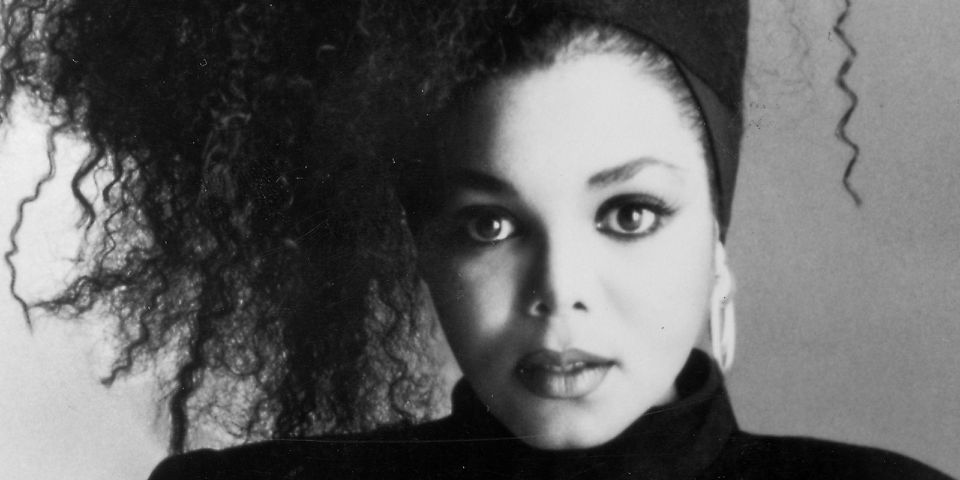
Janet Jackson comes by her talent naturally; the youngest of ten, Janet’s older brothers were superstars by the time she was in elementary school. Jackson began her career as an actress in such television shows as Good Times, Diff’rent Strokes and Fame. At age twenty, she catapulted to pop music fame with Control, her #1 smash album that contains five top 5 hits. Her next album, Rhythm Nation 1814, became the best selling album of 1990 and yielded seven top 5 hits. It is also the only album in history to produce #1 hits in three consecutive calendar years (1989-1991). Jackson continued her musical success through the 90s with albums like Janet and The Velvet Rope, and began a successful movie career with 1993’s Poetic Justice. She is a fashion icon, one of the most successful female recording artists of all time, and an all-around badass.
Whitney Houston
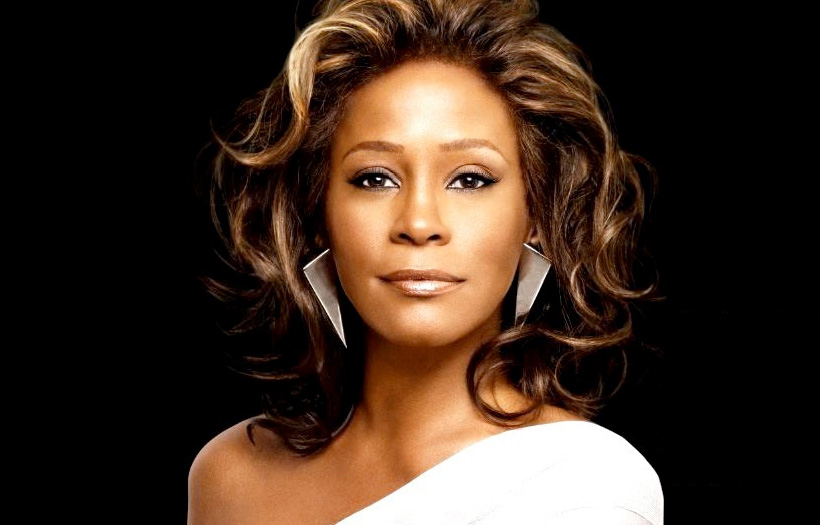
Another artist who came by her talent naturally (her maternal aunt is Dionne Warwick), Whitney Houston became a superstar at age twenty-two with the release of her first album, Whitney Houston, which stayed at #1 on the album chart for fourteen weeks and yielded three #1 singles. Her follow-up, Whitney, debuted at #1 on the album chart and produced four #1 singles. Her musical career continued to flourish in the 90s, and she launched a successful film career with 1992’s The Bodyguard, in which she starred as – and this was quite a stretch – a pop star. Her musical contributions to the film, including the #1 sensation “I Will Always Love You”, made the soundtrack the best-selling album of 1993. By the early 2000s, Houston’s personal struggles and drug use began to overshadow her career, and Houston tragically died in 2012 when she accidentally drowned in the bathtub of her room at the Beverly Hilton Hotel. But her status as one of the best R&B singers ever remains intact. Houston was inducted into the Rock and Roll Hall of Fame in 2020.
Queen Latifah
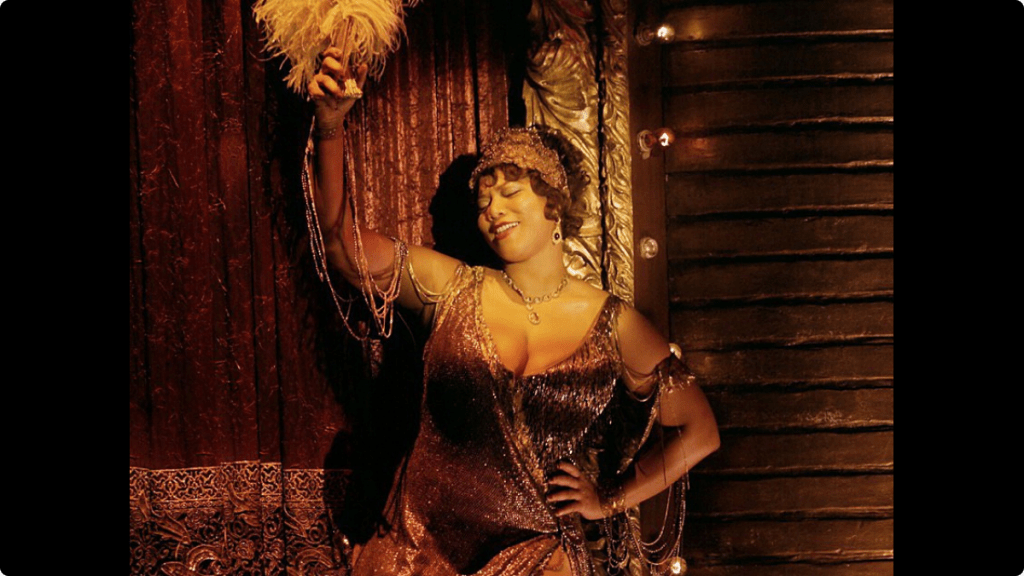
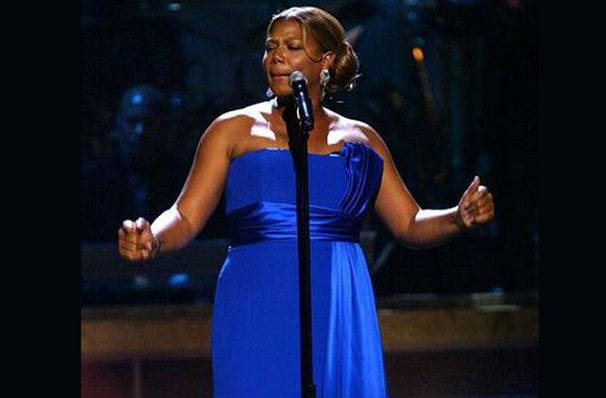
From her early career as one of the most successful female hip-hop artists to her Oscar-nominated turn as Matron “Mama” Morton in Chicago to her recent jazz-inspired recordings, Queen Latifah is constantly transforming, but always stays true to herself. She is a fashion and feminist icon, and an absolute badass.
Mariah Carey
With her bonkers five-octave range and incredible vocal runs (known as melisma), Mariah Carey has one of the most distinctive voices in R&B. With the release of her self-titled debut album in 1990, Carey became an overnight sensation at just twenty years old, and was the first artist in history to have their first five singles go to #1 on the Hot 100. With sales of more than 200 million worldwide and nineteen #1 singles, she is one of the most successful female artists of any genre.
TLC
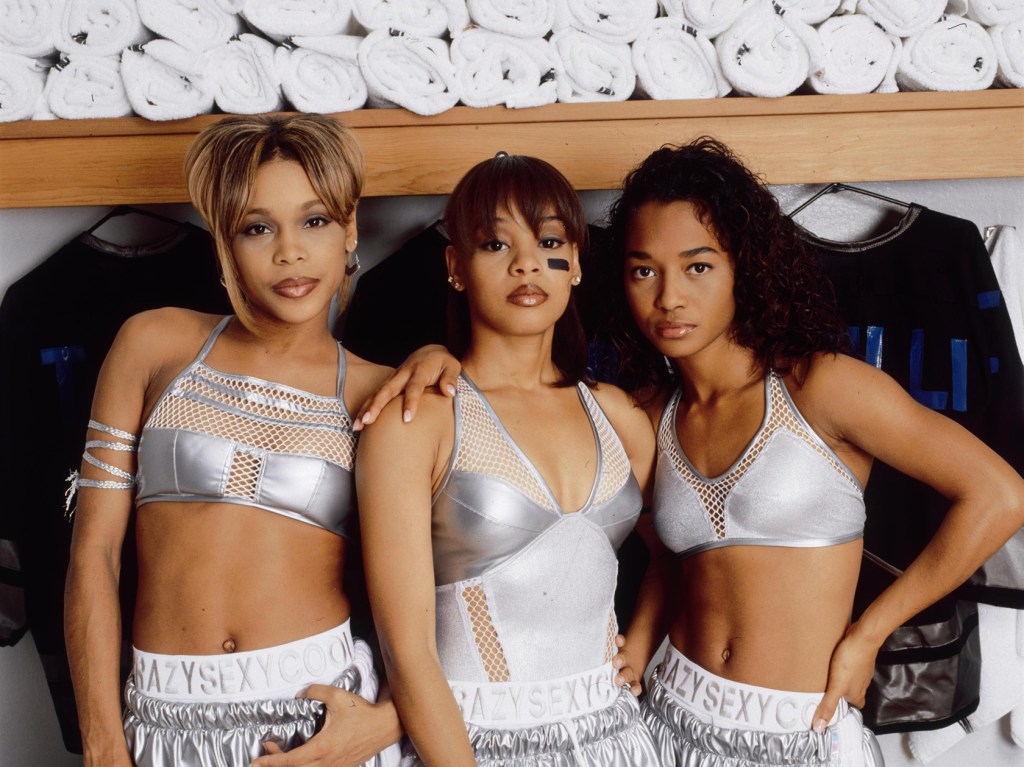
Tionne “T-Boz” Watkins, Lisa “Left Eye” Lopes and Rozonda “Chilli” Thomas – TLC – are one of the most successful female vocal groups of all time. Their signature blend of R&B, funk and hip-hop – along with their sexy, edgy image – made them superstars. TLC recorded three of the most successful albums of the 90s, and scored four #1 hits – “Waterfalls”, “Creep”, “No Scrubs” and “Unpretty”. The video for “Waterfalls” made TLC the first black act to win the MTV Video Music Award (VMA) for Video of the Year. In 2002, before their fourth album could be completed, Lopes died in an auto accident; T-Boz and Chilli carried on as a duo.
Missy “Misdemeanor” Elliott
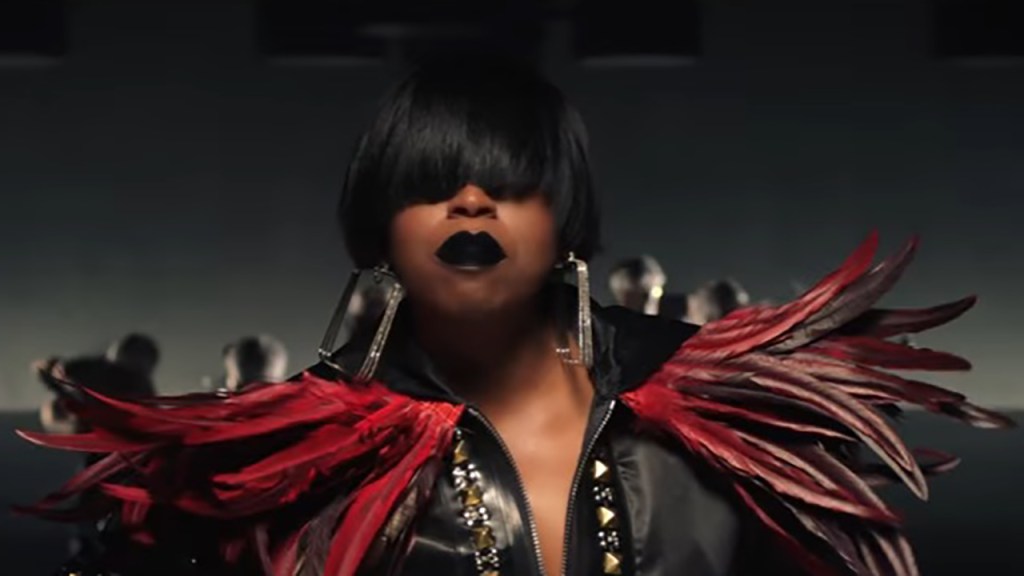
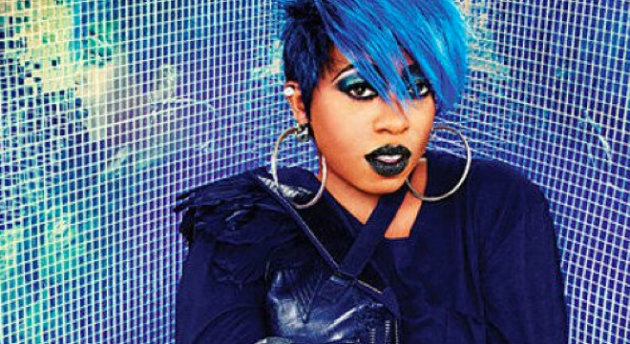
Missy Elliott is the best selling female rapper in history, and a consummate badass. Songs like “Work It” and “Get Ur Freak On”, and their companion videos, made Elliott one of the most successful hip-hop artists of the 2000s. She was the first female rapper inducted into the Songwriters Hall of Fame, and she paved the way for future artists such as Eve, Nicki Minaj and Cardi B. She’s a feminist, a fashion icon and one of the most impossibly cool human beings on the planet.
Destiny’s Child and Beyoncé
Destiny’s Child exploded onto the pop music scene with the release of their second album, The Writing’s on the Wall, in 1999. The album yielded two #1 hits, “Bills, Bills, Bills” and “Say My Name”. Their second album, Survivor, entered the Billboard album chart at #1 and generated two more #1 singles, “Independent Women Part I” and “Bootylicious”. In 2002 and 2003, on hiatus from the group, all three members released solo albums, and the most successful – by far – was Beyoncé’s Dangerously in Love. Destiny’s Child officially disbanded in 2006, and Beyoncé has continued to dominate pop music ever since. She’s won more Grammy Awards than any other artist in history (thirty-two after last night). She’s won more MTV VMAs than any other artist in history. She won a Peabody Award in 2017 for Lemonade. She’s an actress, a fashion designer, a philanthropist and a bona fide badass.
Rihanna
Rihanna is the best-selling artist of the 21st century – and seventh on the all-time list – with more than 250 million albums sold. Her distinctive Caribbean-inspired (she’s from Barbados) dance music and her sexy, provocative image have made her a superstar. Like other artists on this list, she too made the foray into acting and fashion design. She is known for her humanitarian efforts, donating millions to HIV/AIDS and cancer research, and COVID-19 relief. She is sexy as hell, and a complete and total badass.
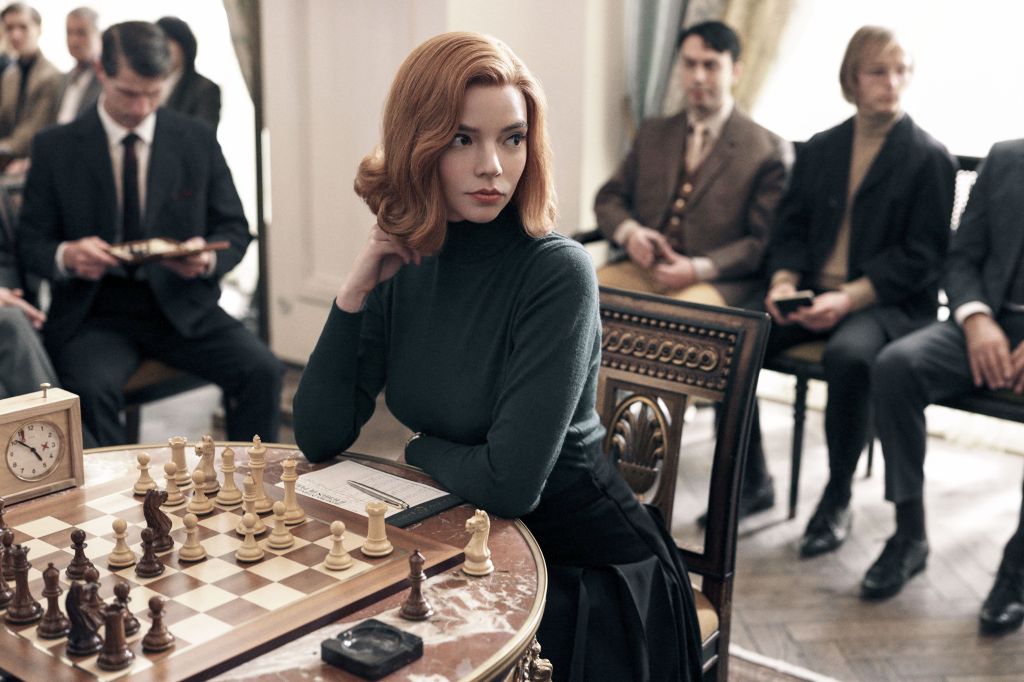
My husband and I have finished watching The Queen’s Gambit, and I’m a little sad to not be living in Beth Harmon’s world anymore. I’m considering watching PBS Masterpiece’s The Miniaturist next, because I just can’t get enough of the remarkable Anya Taylor-Joy.
The Miniaturist
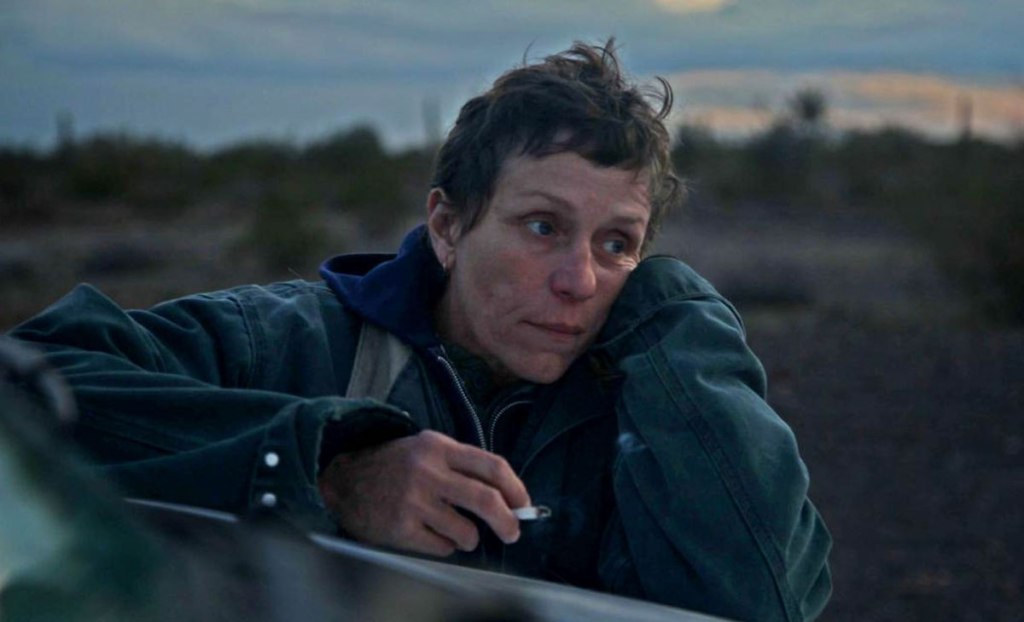
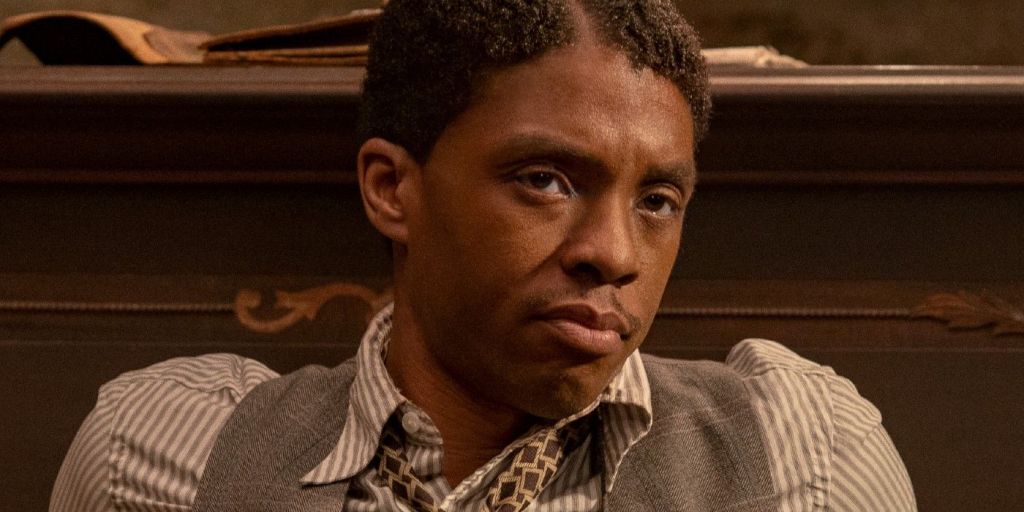
The Critics Choice Awards were held over the weekend, and several winners mirrored the Golden Globes, potentially forecasting the Oscars – Nomadland won Best Picture and Chloe Zhao Best Director (Zhao also won Best Adapted Screenplay), Chadwick Boseman posthumously won Best Actor for Ma Rainey’s Black Bottom and Daniel Kaluuya won Best Supporting Actor for Judas and the Black Messiah. However, whereas Andra Day won Best Actress at the Globes, Carey Mulligan won the Critics Choice for Promising Young Woman. On the TV side, The Crown cleaned up once again, and The Queen’s Gambit and Anya Taylor-Joy won as well (yeah!).
Frances McDormand in Nomadland
Chadwick Boseman
Daniel Kaluuya
Rent opened twenty-five years ago this month, which means it’s now 100 “Seasons of Love” old. This is a nice tribute which includes new interviews with the incomparable Idina Menzel and the delightful Wilson Jermaine Heredia.
Composer Samuel Barber was born on this day in 1910. His “Adagio for Strings” became iconic after director Oliver Stone used it in his 1987 film Platoon. Who can hear this music without thinking about the death of Sgt. Elias, his arms raised in the air?
Stay tuned throughout March for posts about remarkable women, starting with a discussion about some of my favorite female pop culture friendships.
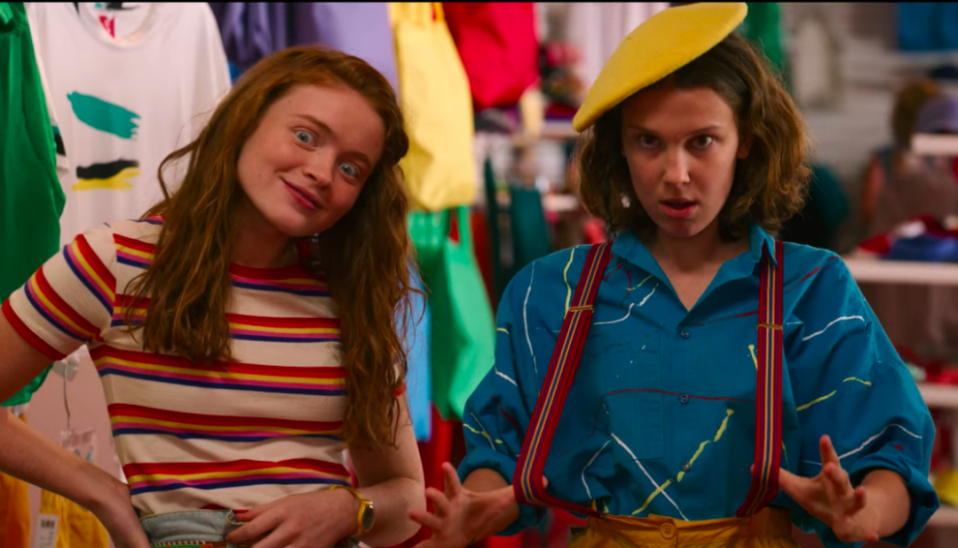
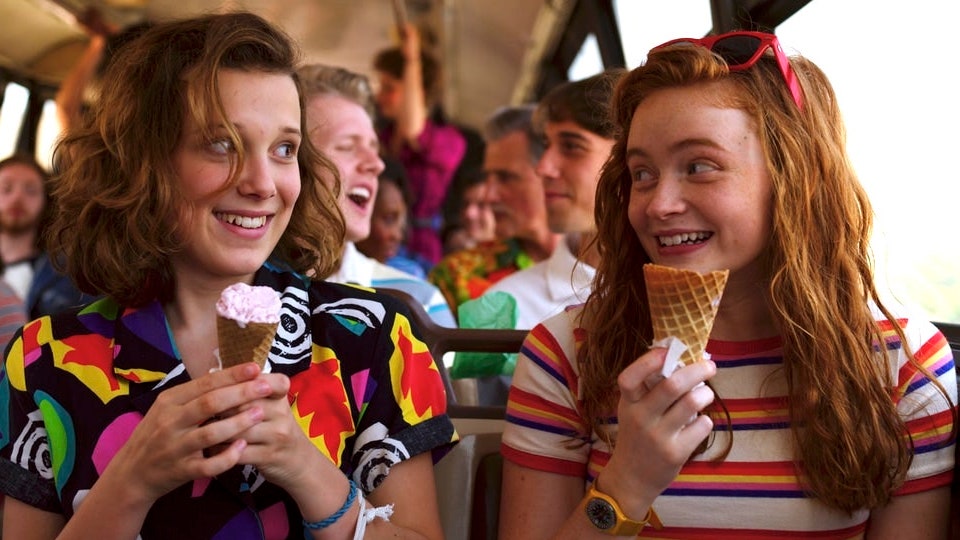
Elle and Max – Stranger Things
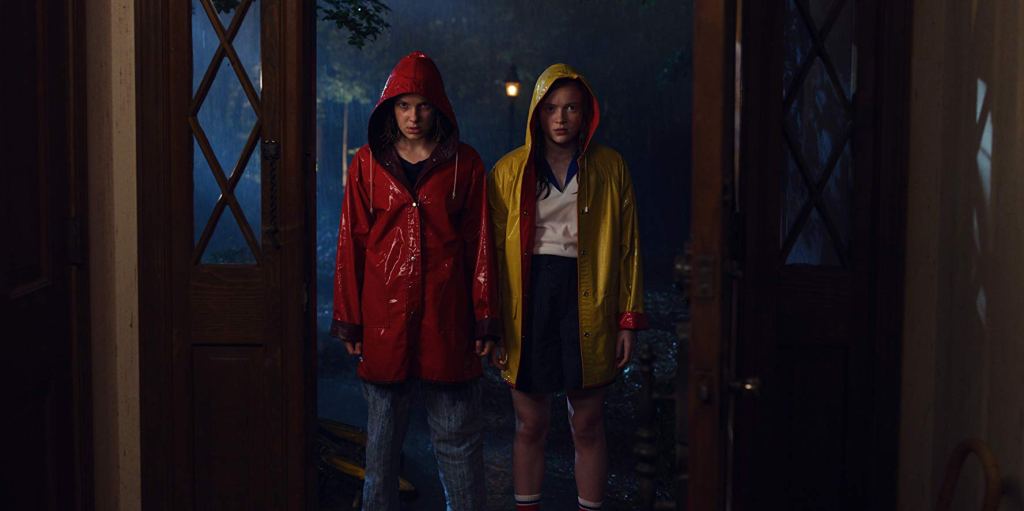
Elle and Max got off to a rocky start. Having been separated from Mike, Dustin and Lucas for most of season 2, Elle sees Max as an interloper and a potential rival for Mike’s affections (she doesn’t realize Max is actually attracted to Lucas). But at the start of season 3, the two have put those issues aside and are BFF’s. In the second episode of the season, “The Mall Rats”, Max takes Elle to the new Starcourt Mall and the two go shopping at The Gap, pose for some Glamour Shots and eat ice cream cones. Elle, encouraged by Max, breaks up with Mike (“I dump your ass!”) for lying to her. Later in the season, with Max’s step-brother Billy (along with one of his fellow lifeguards) seemingly missing, Elle and Max become amateur sleuths, using Elle’s powers and some old-fashioned detective work to solve the mystery. It’s an endearing, wholesome portrait of young female friendship that belies the danger that exists in Hawkins.
Sydney and Francie – Alias
The life of a spy is complicated – you may have to jet off to Taipei, Bucharest or Morocco on a moment’s notice, but your friends think you’re a banker so you tell them you’re going to Boston or San Francisco. And though much of Sydney’s life is a secret, her friendship with Francie is the real deal. They’ve seen each other through the worst – murdered fiancés, estranged fathers, potentially cheating fiancés, actually cheating fiancés. But together they also enjoy the simpler pleasures – cocktails, dancing, Halloween parties, Thanksgiving dinners and pints of ice cream. When Francie is murdered and replaced with a double, Sydney senses something is wrong but can’t quite put her finger on it; once she does (“Francie doesn’t like coffee ice cream”), the result is one of the most epic fight scenes in the show’s history.
Annie and Becky – Sleepless in Seattle
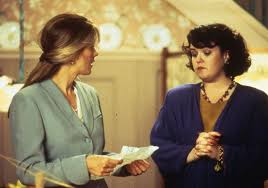
Becky is the ultimate movie best friend – supportive and loving, and funny as hell, Becky not only tolerates Annie’s antics, she encourages them. But Becky also serves as Annie’s conscience, a romcom Jiminy Cricket (“You don’t want to be in love. You want to be in love in a movie!”). The chemistry and affection between Meg Ryan and Rosie O’Donnell is genuine; you really buy this friendship. Sleepless was the first time I recall platonic pop culture friends saying “I love you” to each other, and it was refreshingly realistic.
Mae and Doris – A League of Their Own
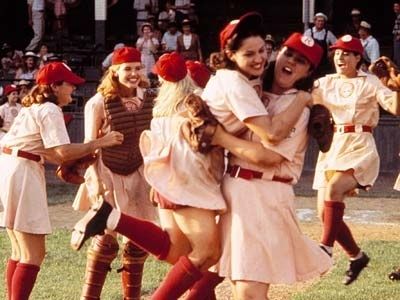
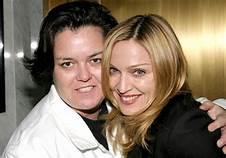
In a movie full of female relationships, this one is my favorite. Mae and Doris are sassy, and often tease each other, but it’s always done with love (“You think there are men in this country who ain’t seen your bosoms?”). They support each other and celebrate each other’s successes, and at the end of the day, isn’t that what friendship is all about? Madonna and Rosie O’Donnell struck up a real-life friendship during the making of the film, and remain good pals to this day; that authentic affection definitely translates to the screen.
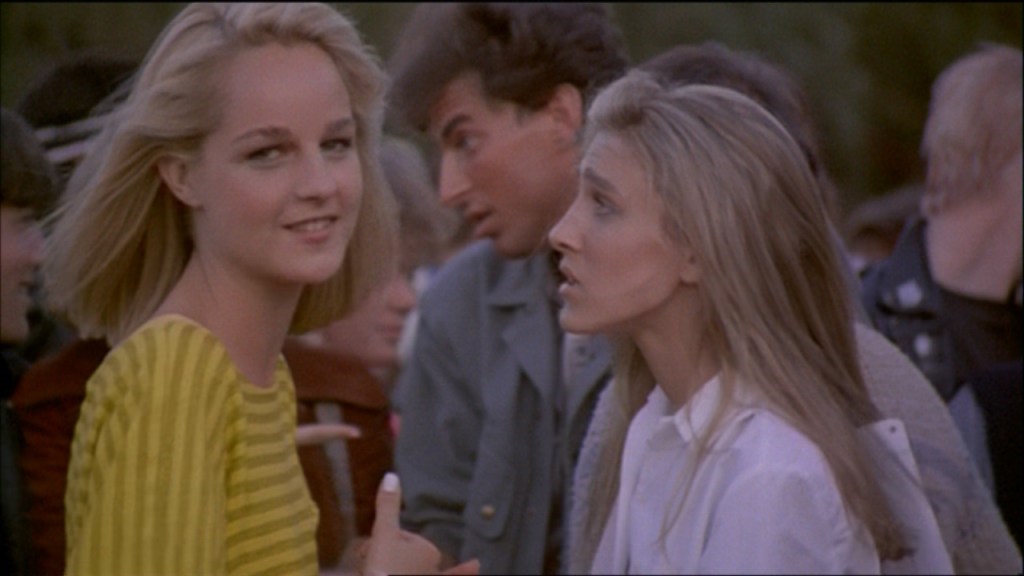
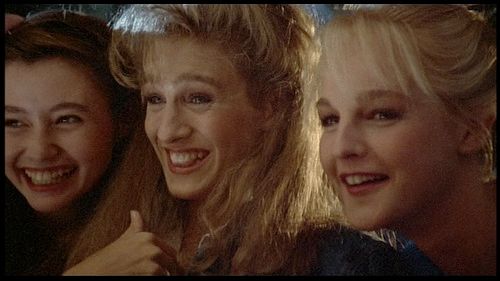
Janey and Lynne – Girls Just Want to Have Fun
Unlike a lot of the friends on this list, these two don’t already know each other at the beginning of the movie (Janey has just moved to Chicago), but 10 minutes in, they’re besties. Janey has lived too long under the thumb of her strict military father, and Lynne brings out her adventurous side, eventually sneaking a grounded Janey out of her house so she can get to the Dance TV studio in time for the competition. A good BFF will always have your back when you need her. This movie is wildly dated – you definitely know you’re in 1985 – and it was completely ridiculous to begin with, but I love it.
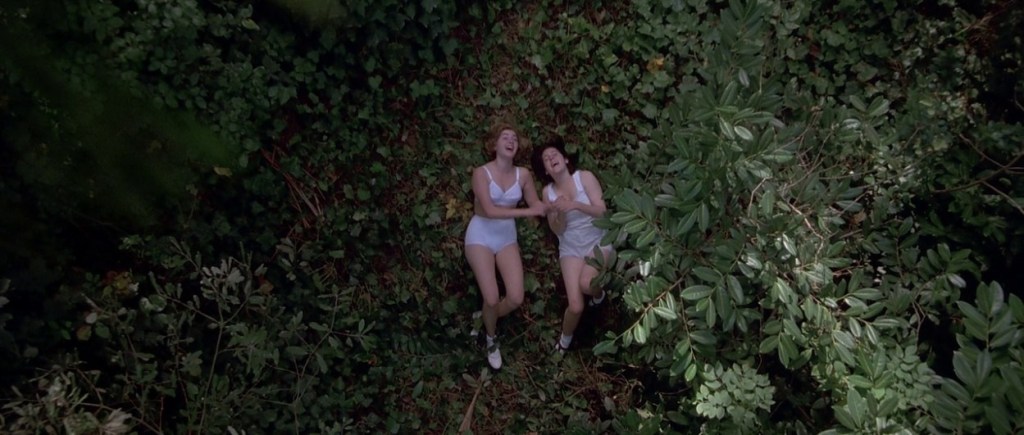
Pauline and Juliet – Heavenly Creatures
Unlike the other, fictional friendships on this list, Pauline Parker and Juliet Hulme are real people. Based on an actual 1954 murder case in Christchurch, New Zealand, Heavenly Creatures depicts the obsessive friendship of two teenage girls, who created an elaborate fantasy life to cope with their unhappy exterior lives. Concerned over the intensity of their friendship (and worried that the relationship was sexual), the girls’ parents conspire to keep them apart; in retaliation, the two murder Pauline’s mother. An absurdly young Kate Winslet and Melanie Lynskey are astonishing as Juliet and Pauline, and convincingly portray the obsessive nature of the girls’ friendship (and director Peter Jackson does a helluva job bringing their fantasy world to life).
By the way, Juliet grew up to be mystery author Anne Perry, a fact that was not widely known until the release of the movie in 1994.
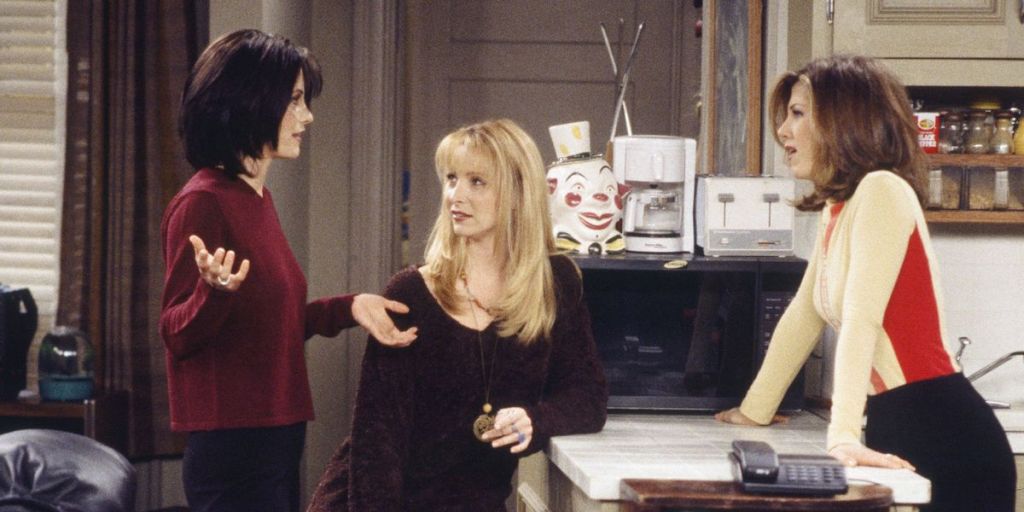
Monica, Rachel and Phoebe – Friends
DUH. Like I wasn’t going to say these three. Yes, the six Friends often appear together, but they can also be broken up into smaller groups, and I love when it’s just the gals. Whether they’re seeing each other through life’s major changes – marriages, children, careers – or just hanging out, these three are always there for each other. Even when they fight, they always make up (but not before giving the audience a solid dose of humor).
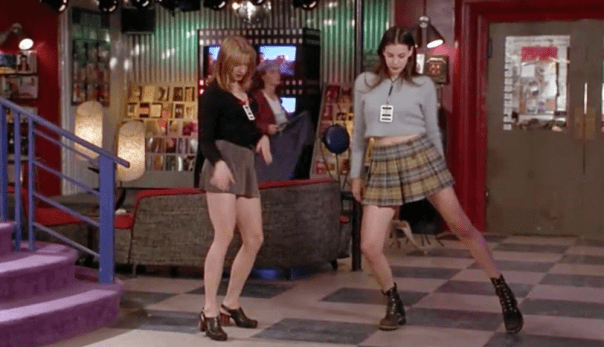
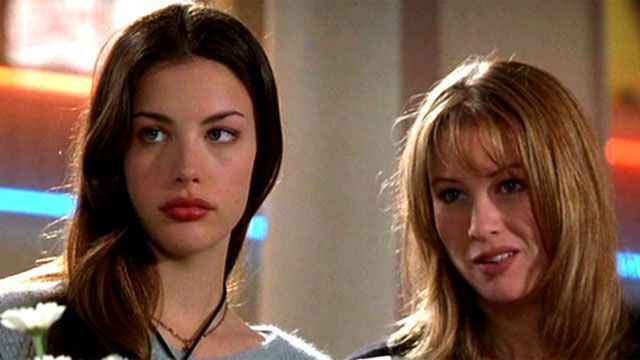
Corey and Gina – Empire Records
These two have their shares of ups and downs, even over the course of one day. And while a lot of the tension between them is fairly cliché (Gina’s a slut! Corey’s popping pills!), we buy their angst (especially Gina’s – a pre-Jerry Maguire Renee Zellweger outshines co-star Liv Tyler, who’s lovely nonetheless). The two also know how to have a good time, and while it feels like a friendship that might not survive a change in life events, we accept that they are work besties, at least for now.
A side note – I met my own bestie/sister-in-law while working for a retail record store chain (the “Town” in Empire‘s “Music Town”), and for that reason, the two of us adore this silly movie more than is probably rational. We are not Corey and Gina though; we’re more like Sydney and Francie from Alias, without all the spy shit.
Readers – what are YOUR favorite female friendships?
On this day in 2010, at the 82nd Academy Awards, Kathryn Bigelow became the first woman to win a Best Director Oscar, for 2009’s The Hurt Locker. I’ll never forget Barbra Streisand’s glee as she announced, “The time has come.” Now, eleven years later, let’s say “The time has come” for a woman of color. Chloe Zhao won this year’s Golden Globe, for Nomadland; Regina King is also a top contender for a nomination, for One Night in Miami. The Oscar nominations will be announced on Monday, March 15.
Today would have been John Heard’s 75th birthday. An actor that I adored, Heard is most well known for playing Kevin McAllister’s dad in the Home Alone franchise, but he was a reliably great (and ridiculously handsome) character actor in both dramas and comedies, appearing in films like The Pelican Brief, Big, Beaches and a personal favorite of mine, Heaven Help Us. Heard died in 2017 of a heart attack.
Heard in Big
With Andrew McCarthy in Heaven Help Us
With Catherine O’Hara in Home Alone
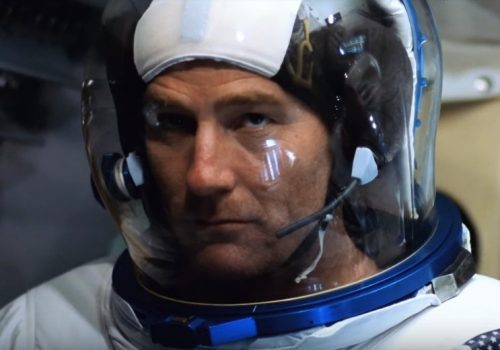
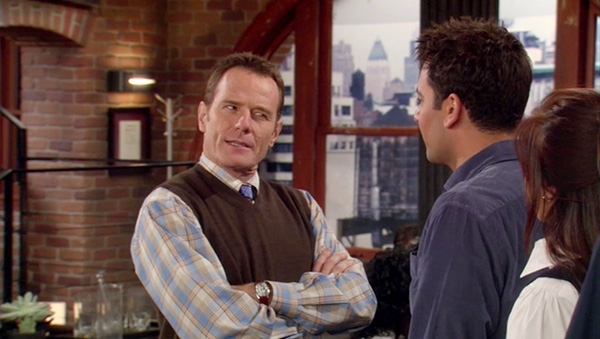
Happy Birthday, Bryan Cranston! One of the most versatile actors around, he is the winner of two Tony Awards, four Emmys, a Golden Globe and five SAG Awards. Adept at both comedy and drama, Cranston is, quite simply, one of our greatest living actors. I’m particularly fond of his turn as Hammond Druthers on How I Met Your Mother and his portrayal of Buzz Aldrin in HBO’s magnificent mini-series From the Earth to the Moon.
From the Earth to the Moon
How I Met Your Mother
Yesterday I learned a fun fact about Don McLean’s song “American Pie” – apparently The Levee was a bar in New Rochelle, NY, where Don and his friends would drink. When the bar closed, they would go across the river to Rye and look for places to continue the party. This gives new meaning to the lyrics “Drove my Chevy to the levee/But the levee was dry”.
March is Women’s History Month, so all month long I’ll be talking about the glorious women of pop culture, past and present. Stay tuned!
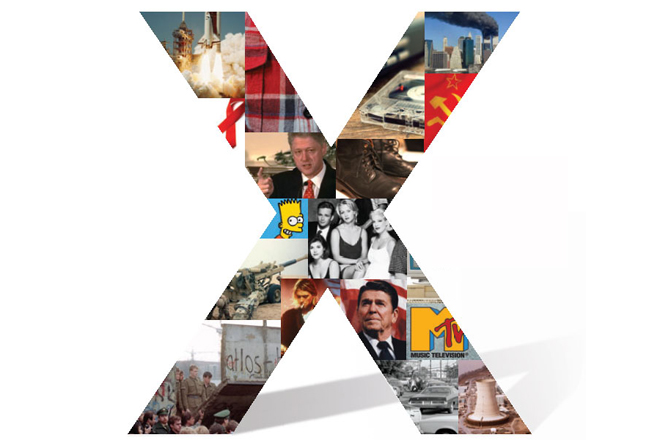
Gen-X. Slackers. The MTV generation. Latchkey kids. Thirteeners? Apparently, generational theorists Neil Howe and William Strauss suggested the latter name for the thirteenth generation born since the American Revolution; thankfully, it never caught on.
The term Generation X was coined by writer Douglas Coupland, in his 1991 book Generation X: Tales for an Accelerated Culture. Gen-X generally refers to people born to baby boomers, and is typically defined as people born between 1965 and 1980. I am decidedly, proudly a Gen-Xer.
Due to an increase in divorce rates and more women in the workforce, Gen X-ers were unsupervised a lot more than previous generations. I was certainly a latchkey kid, especially once I was in 7th grade and both of my older sisters had moved out of the house. Both my parents worked full-time, and I was responsible for myself a decent amount of the time. I never felt like this defined me as a person; it was just the way things were. What did define me, as you might guess, was pop culture.
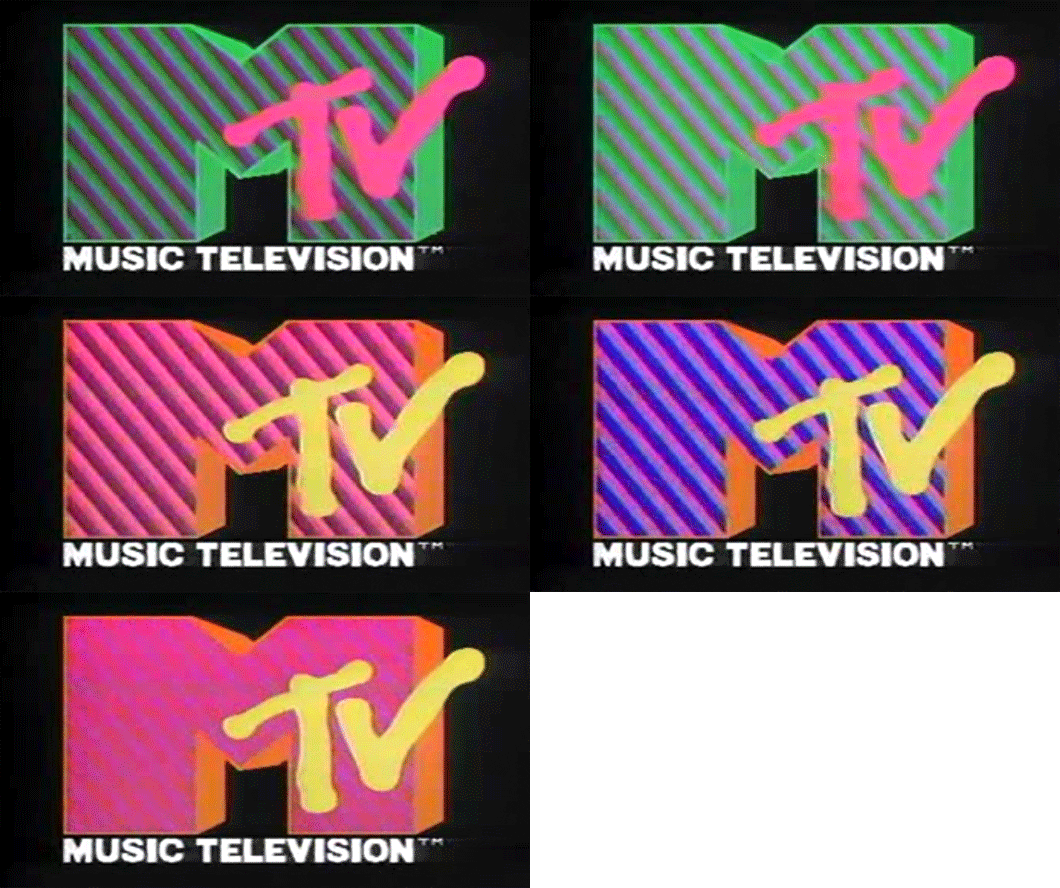
What does Gen-X pop culture look like? We’ll explore that in a series of posts, and we’ll start with perhaps the single most consequential one – MTV, or Music Television. As Steve Jones, professor at the Department of Communication at the University of Illinois, Chicago, in an article titled “MTV: The Medium was the Message”, wrote, the development of MTV “had an immediate impact on popular music, visual style, and culture”.
Because my house was on a street with only two other houses, we did not get cable until the late 80s, but music videos were a huge part of my existence nonetheless. I recall watching Friday Night Videos, an NBC show that began airing in 1983. I would record the show (which aired at 12:30 am, so I guess technically it was Saturday Morning Videos?) on our VCR and play it back, savoring every moment. And of course, when I visited friends that had cable, we watched MTV as often as possible.
If you weren’t alive at the time, you might not realize how revolutionary MTV was. It wasn’t just the videos; music videos had actually been around for decades. Prior to the 80s, they were primarily promotional clips and merchandising tie-ins. In 1975, Queen employed Bruce Gowers to direct a promotional clip for their new single “Bohemian Rhapsody”, to be played on BBC’s Top of the Pops. The resulting video is widely considered the first to be central to the marketing strategy for a single. Queen was always ahead of their time.
Obviously, the videos were a big part of the picture, but MTV changed the way we dressed and how products were advertised and what graphics looked like. It changed the way movies and commercials looked – more quick cuts, montages set to pop music. It helped popularize formerly niche musical genres such as alternative rock, hip-hop and heavy metal. But at the end of the day, the thing it changed most was how musical artists promoted themselves.
MTV launched on August 1, 1981 at 12:01 am. The first video MTV played was The Buggles’ “Video Killed the Radio Star”, a sublime slice of cheese directed by the legendary Russell Mulcahy. Hardly anyone saw it, though; MTV wasn’t even available in Manhattan for its first year, so network employees gathered at a bar in New Jersey to watch the debut.
Since the network needed to air videos that had already been produced, the pickings were slim initially, and videos were often repeated throughout the day. But once the format caught on, music videos became de rigueur, and artists capitalized on the medium. Many artists of the time period had videos to thank – at least in large part – for their success. Video budgets grew and clips became slicker, with elaborate storylines, multiple costume changes and dance sequences. It also helped if you were ridiculously attractive.
Since I don’t have the space in a blog to cover every major artist of the MTV era, I’ve picked three artists who helped make MTV a monster – and MTV returned the favor by making them superstars.
Duran Duran, l to r: Roger Taylor, Nick Rhodes, Simon LeBon, Andy Taylor, John Taylor
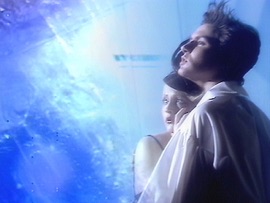
One of the most popular artists of the time period – and a personal favorite of mine – typifies the way music videos defined the era: Duran Duran. The band was at the forefront of what is referred to as the second British invasion. Their good looks, New Romantic style and glam-synth music made them the perfect band at the perfect time. Their first video, for 1981’s “Planet Earth”, was directed by the aforementioned Russell Mulcahy, who would go on to direct many of the band’s clips. The video isn’t as polished as some of their later clips, but it established the template for what was to come – the frilly New Romantic fashion, the dancing, the close-ups of the group’s beautiful faces.
Duran Duran would make several more clips from their self-titled debut album, but wouldn’t really make a splash in the US until their second album, 1982’s Rio. And splash they did. Rio was a monster, with hit after hit, and the videos were a huge part of the equation.
“Planet Earth”
“Hungry Like the Wolf”
“Rio”
“Save a Prayer”
“My Own Way”
Rio was so successful, Capitol Records re-released Duran Duran in the US in 1983, with the addition of a new song, “Is There Something I Should Know?” The video accompanying the song was their most polished yet, with bright colors, eye-popping visuals and yes, more close-ups of those gorgeous faces.
That same year, Duran Duran released their most highly anticipated album yet, Seven and the Ragged Tiger. I recall wanting my parents to take me to buy the album, but they wanted to be certain it was available before they drove me to the mall, so my little 14 year old self called the record store. I remember them answering the phone with a blurb about having the new Duran Duran album, so apparently I wasn’t the only 14 year old girl calling to ask. Anyway, you know the story – more videos, more gorgeousness.
“Union of the Snake”
“New Moon on Monday”
“The Reflex”
In 1984, Duran Duran released a live album, Arena, with highlights from their “Sing Blue SIlver” tour (I saw them in concert for the first – and only – time on this tour, at Cobo Arena in Detroit. It was basically my dad and 12,000 screaming teenage girls. The date was 2/25/84, according to the band’s Fandom wiki). Arena contained one new studio track, “The Wild Boys”, and the clip for that single was made for a whopping $1 million, making it the most expensive video to date.
In 1985, Duran Duran was tapped to record the title song from the new James Bond movie, A View to a Kill. The video integrates clips of the movie and makes it appear that the band is part of the action. There’s a Walkman that’s actually a detonator, a telescope that’s actually a gun, and a cheeky reference to Bond’s signature catchphrase by lead singer Simon LeBon. It is gloriously, delightfully silly.
The second artist is another favorite of mine, and she and MTV loved each other from the start. One of the most successful female pop stars of all-time, Madonna saw her greatest success in the 80s, but continues to make music and tour to this day – in her fucking 60’s. The woman is an unstoppable force.
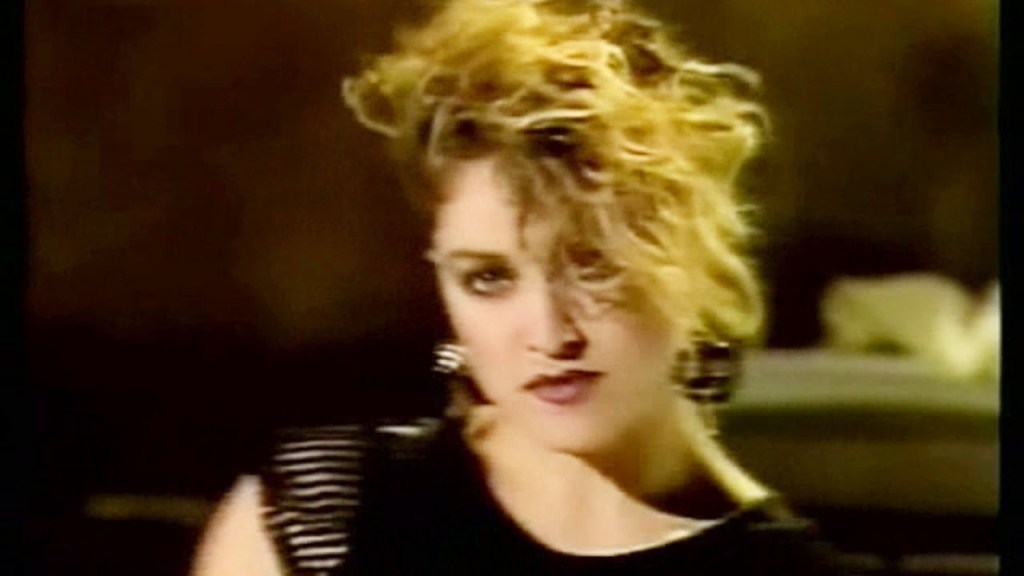
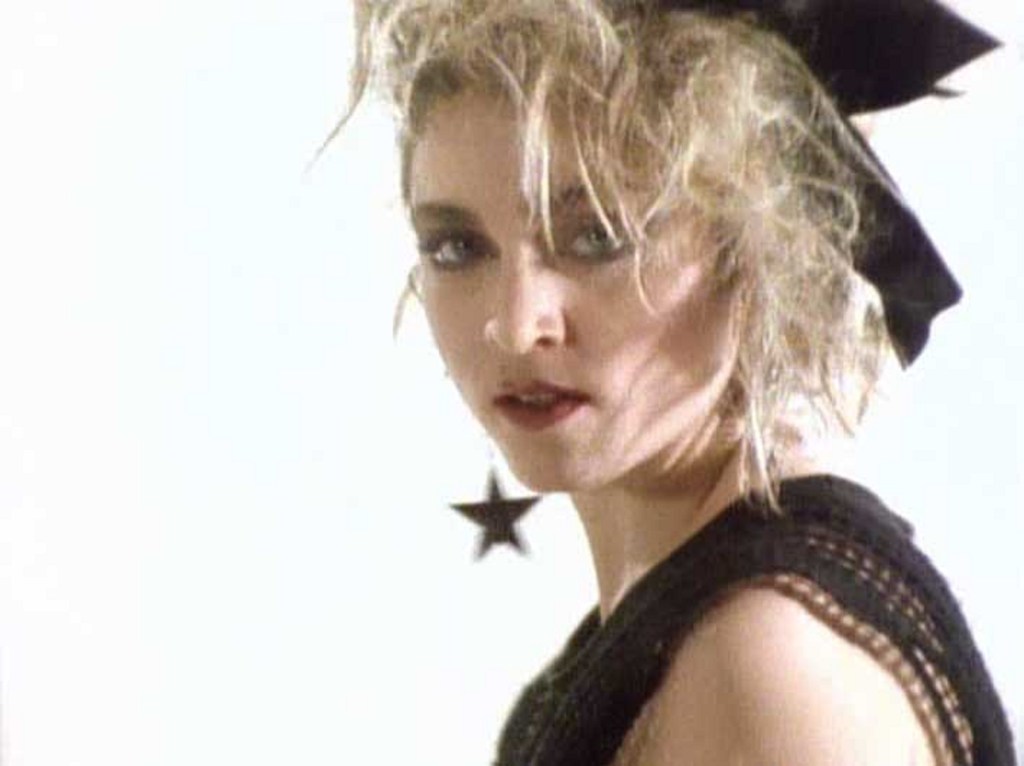
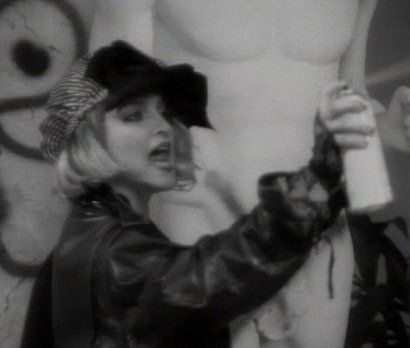
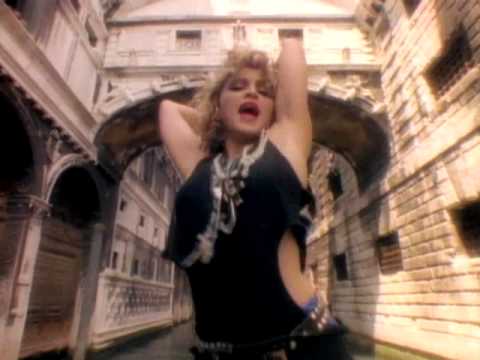
Madonna’s self-titled debut came out in 1983, and though it was not her first single, “Holiday” was her first hit. The single peaked at #16, but the simple video – just Madonna, her brother and her friend, performing a choreographed dance routine in a studio – failed to make an impression on MTV. Her next two videos, “Lucky Star” and “Borderline”, fared better. “Lucky Star” was essentially “Holiday 2.0” – Madonna, her brother and her friend, performing a choreographed dance routine, but on a set and with lighting! “Borderline” intercut a standard relationship storyline with black & white scenes of Madonna dancing, lip-syncing and generally being cool as shit.
“Holiday”
“Lucky Star”
“Borderline”
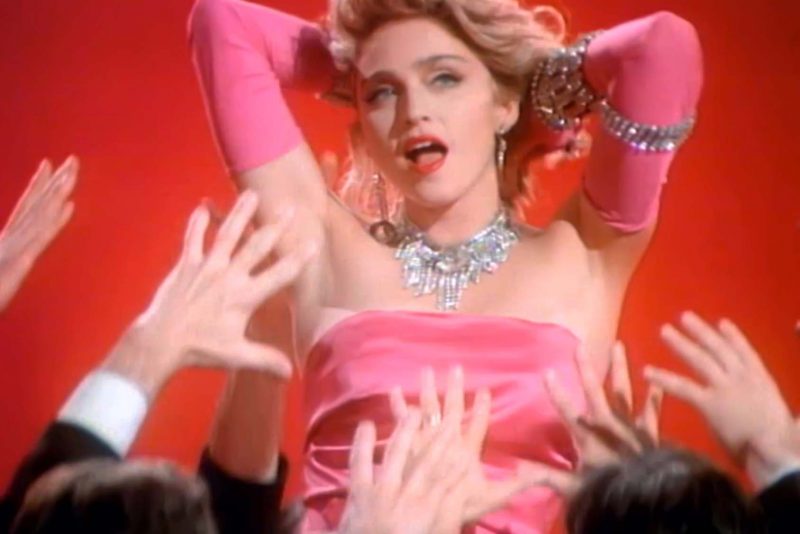
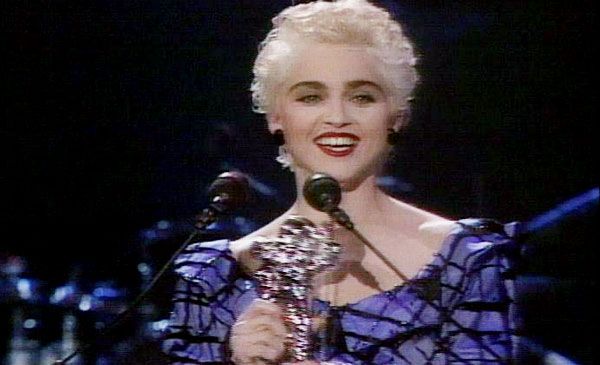
When the title track from her 1984 album Like a Virgin was released, demand was high, and Madonna delivered. The single went to #1, the video was a smash and Madonna’s performance of the song at that year’s Video Music Awards was both legendary and controversial. Madonna never was one to leave much to the imagination, and I love her for it. Madonna’s next single, “Material Girl”, was her most elaborate to date, and featured a recreation of the “Diamonds Are a Girl’s Best Friend” scene from the Marilyn Monroe movie Gentlemen Prefer Blondes. We couldn’t get enough.
“Like a Virgin”
At the ’84 VMAs
“Material Girl”
Madonna’s next album, 1986’s TrueBlue, was her most popular yet, and it yielded three #1 hits – “Live to Tell”, “Papa Don’t Preach” and “Open Your Heart”. The videos were iconic, and solidified Madonna’s status as the Queen of MTV. That same year, Madonna was the recipient of the MTV Video Vanguard Award.
“Live to Tell”
“Papa Don’t Preach”
“Open Your Heart”
At the ’86 VMAs
Madonna’s fourth album, Like a Prayer, dropped in 1989, and was her most accomplished record to date. The title track was also the first single and video – and the video caused quite a stir. The clip features, among other things, Madonna kissing a black saint, religious imagery like stigmata, and burning crosses. The video was condemned by the Vatican and family groups protested its broadcast. It was, of course, a massive hit, and the single reached #1 on the Billboard chart.
Madonna’s next video, “Express Yourself”, was also her first collaboration with David Fincher (my future favorite director) and it was the most expensive video to date at $5 million (that record would be broken by our third artist and his sister). Inspired by the movie Metropolis, the video features shots of machinery and half naked men, some BDSM and Madonna looking drop-dead gorgeous in a variety of outfits (the chartreuse gown and the pinstripe suit are my personal favorites). Was it worth $5 million? You be the judge.
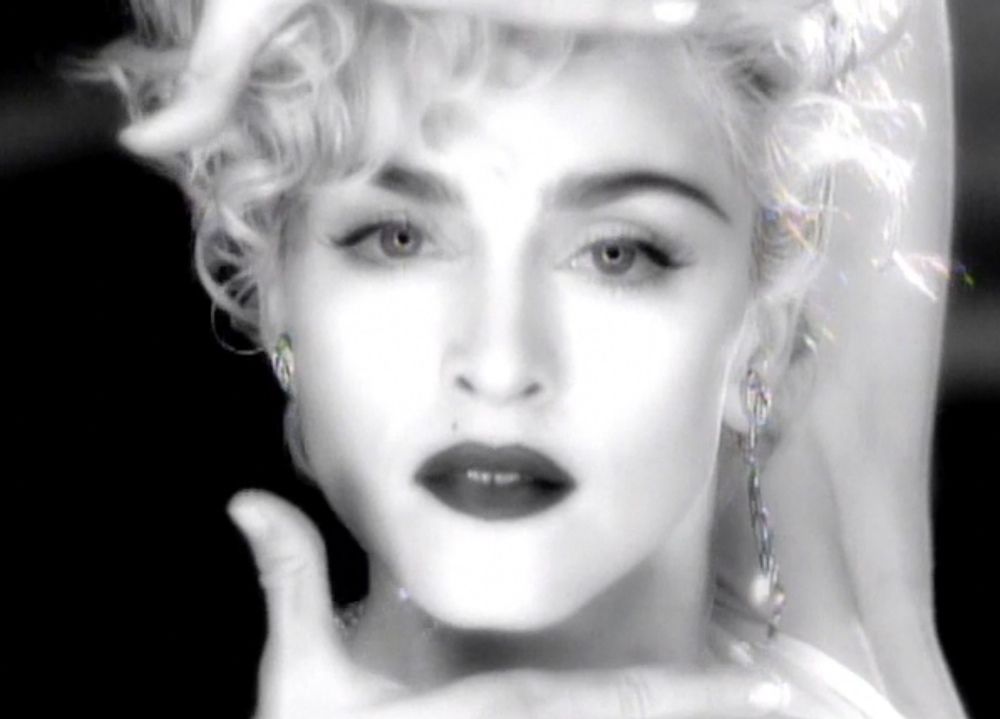
Madonna welcomed the 90s with a bang – the single “Vogue”, from the soundtrack for DickTracy (Madonna played Breathless Mahoney in the film) was another smash. The video was shot by Fincher in breathtaking black and white. Her performance of the song at that year’s VMAs was another showstopper, with the singer and her backup dancers performing in Dangerous Liasons-style costumes.
“Vogue”
At the ’90 VMAs
Our third artist, unlike our first two, was already a star when MTV first started airing. But he and MTV made each other superstars. The MTV Video Vanguard award is named for him. His contributions to the art of music video are legendary. He is the undisputed King of Pop.
When MTV first started airing, it featured predominantly white artists, particularly during the daytime. Black artists were relegated to the overnight hours, or not played at all. This fact didn’t go unnoticed; watch David Bowie, in a 1983 interview, make VJ Mark Goodman squirm as he inquires why he doesn’t see enough black artists on the network.
In November, 1982, Michael Jackson released Thriller, an absolutely colossal record. The album sold 33 million copies in the US alone, spent 37 weeks at #1 and featured seven – SEVEN – top-10 hits. And almost overnight, MTV was assuaged of their fear of playing black artists.
The videos from Thriller were top of the line, generally featuring Jackson performing his signature dance moves. The video for the title track, however, was something altogether different. Conceived as a short film, shot by renowned film director John Landis, “Thriller” was an homage to horror films. Jackson chose Landis based on Landis’s most recent film at the time, An American Werewolf in London. With a budget of almost $1 million – a record at the time – and impeccably high production standards, including makeup by Rick Baker, “Thriller” wasn’t a video – it was an event. It premiered on MTV on December 2, 1983 to ten times the network’s typical ratings. A superstar and a supernetwork were born.
“Billie Jean”
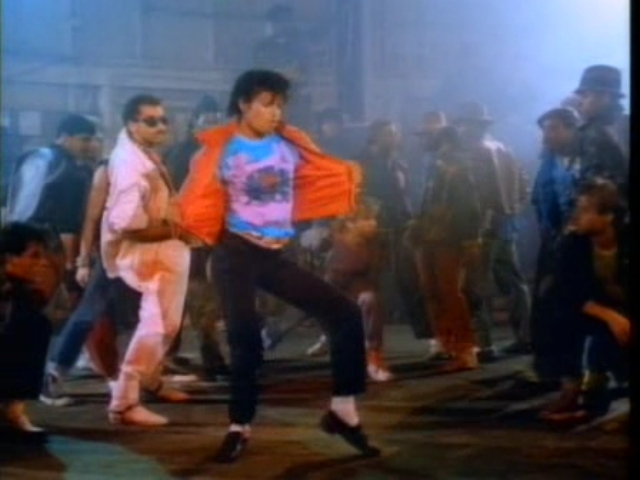
“Beat It”
Bad, Jackson’s follow up to Thriller, was released in 1987, and while it wasn’t quite the monster that its predecessor was, it still sold 10 million copies and featured five #1 singles – “I Just Can’t Stop Loving You”, the title track, “The Way You Make Me Feel”, “Man in the Mirror” and “Dirty Diana” – and one more top ten hit (and my personal favorite), “Smooth Criminal”.
The video for “Bad” was another short film, this time written by Richard Price and directed by Martin Scorsese. “Man in the Mirror” was notable because Jackson didn’t even make an appearance in the video, aside from a brief clip toward the end of him donning his signature red jacket. “Smooth Criminal” features some truly badass choreography, including the impossible leaning effect that was accomplished using a hitching mechanism that Jackson co-patented.
Jackson’s next album, 1991’s Dangerous, featured only one #1 single, but it was a doozy, and the video featured what was then cutting-edge technology. “Black or White” reunited Jackson with John Landis, and it’s pretty silly, but watch the last minute for the morphing technology that had previously only been used in movies such as Terminator 2: Judgment Day. It’s pretty fucking cool, even thirty years later.
By the mid-90s, MTV was shifting its programming to reality and scripted shows like TheRealWorld and Beavis and Butt-head, but Michael Jackson had one more trick up his sleeve. “Scream”, the lead single from Jackson’s 1995 album HIStory: Past, Present and Future, is a duet with his sister Janet, and the video, made for an astronomical $7 million, remains the most expensive video of all time. It features playful dancing and some pretty cool special effects; the two of them look fantastic.
By the 2000s, MTV essentially stopped showing videos altogether, and eventually dropped the “Music Television” from its moniker. But during that golden age, these three artists helped create a template for other musical artists to follow, creating not just videos, but musical pieces of art, and in the process, defining pop culture for a generation.
Congratulations to all the Golden Globes winners, but especially Anya Taylor-Joy, who is so brilliant in The Queen’s Gambit that I’ll never be over it.
Today would have been David Niven’s 111th birthday. I know he was an Oscar-winning actor (1959’s Separate Tables) and a writer and served in the British army in WWII, but when I think of David Niven, I will always think of this.
Happy birthday, Harry Belafonte! In his honor, my favorite uses of his music, from one of my favorite movies, Beetlejuice.
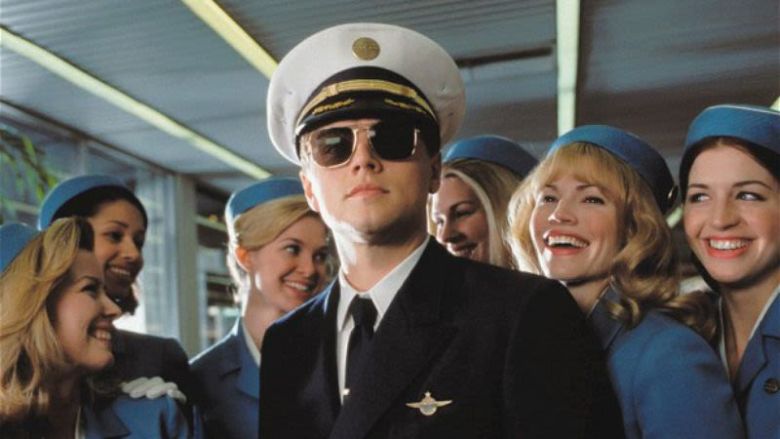
They had never seen it, so last night I treated my parents to the delightful Catch Me If You Can. According to Wikipedia, several other directors were considered before Steven Spielberg decided to do it himself; one of those directors was David Fincher, and hoo boy, I can’t help wondering how that would have turned out. As it stands, it’s an entertaining-as-hell movie, with winning performances and an iconic score from John Williams. It only received two Oscar nominations – Best Supporting Actor (Christopher Walken) and Best Original Score – but it is still one of my favorite films of 2002.
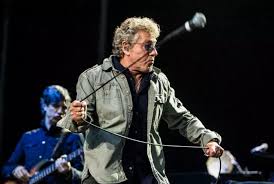
And finally, happy 78th birthday to The Who’s Roger Daltrey!!
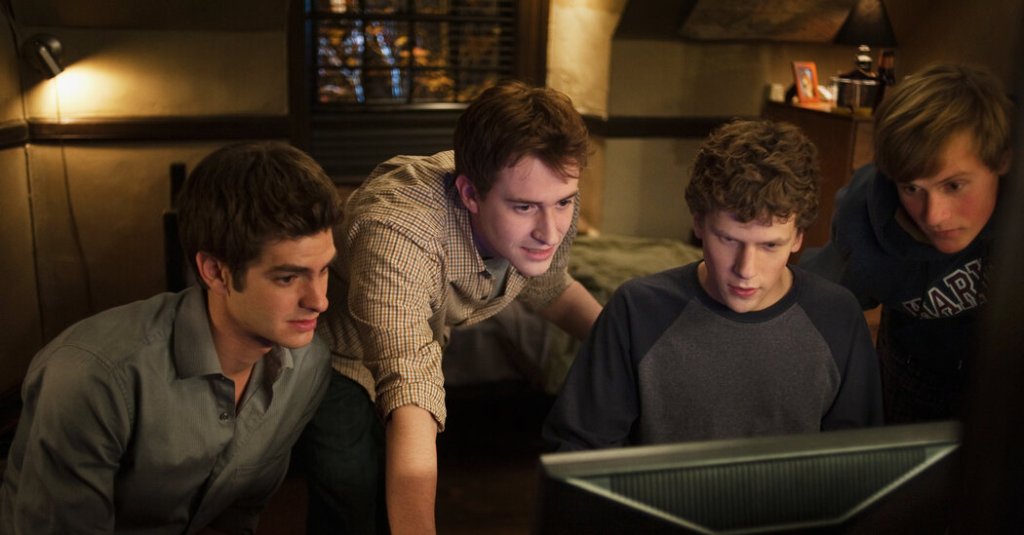
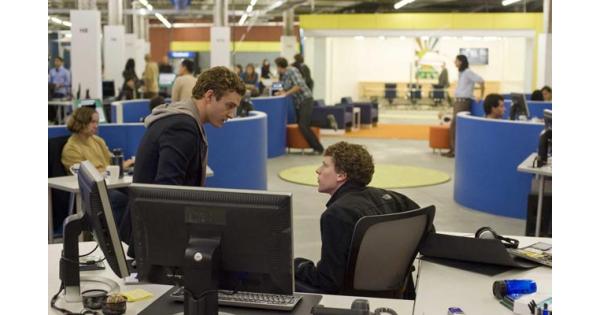
On this day in 2011, The Social Network took home three awards at the 83rd Oscars – Best Adapted Screenplay, Best Film Editing and Best Original Score. It should have won more – it was absolutely the best film of 2010, and the fact that David FIncher hasn’t won a Best Director Oscar yet is criminal (of course, Hitchcock, Kurosawa and Kubrick never won competitive Oscars either). But these three awards were certainly well deserved. Aaron Sorkin’s brilliantly structured screenplay, full of snappy, Sorkin-y dialogue, jumps seamlessly between the two timelines (the creation of Facebook and the deposition for the lawsuit). Kirk Baxter and Angus Wall’s taut editing establishes the tone of the film immediately – the five-minute opening scene apparently took three weeks to edit. And that music! Forget Jesse Eisenberg – he’s great, don’t get me wrong, but the real stars of the film are Trent Reznor and Atticus Ross. Their score accompanies more than sixty percent of the film, and creates a humming, electric tension throughout the film. The music is a character in itself, rather than background noise. I never could have imagined such tension could be procured from scenes of characters sitting around computers. Absolute fucking genius. The Social Network remains Reznor/Ross’s only Oscar nomination; the Golden Globes have been more generous, nominating them for 2012’s The Girl with the Dragon Tattoo and 2014’s Gone Girl. They are up for two more Globes tomorrow night – for Mank (their fourth collaboration with Fincher) and Pixar’s Soul, co-written with Jon Batiste.
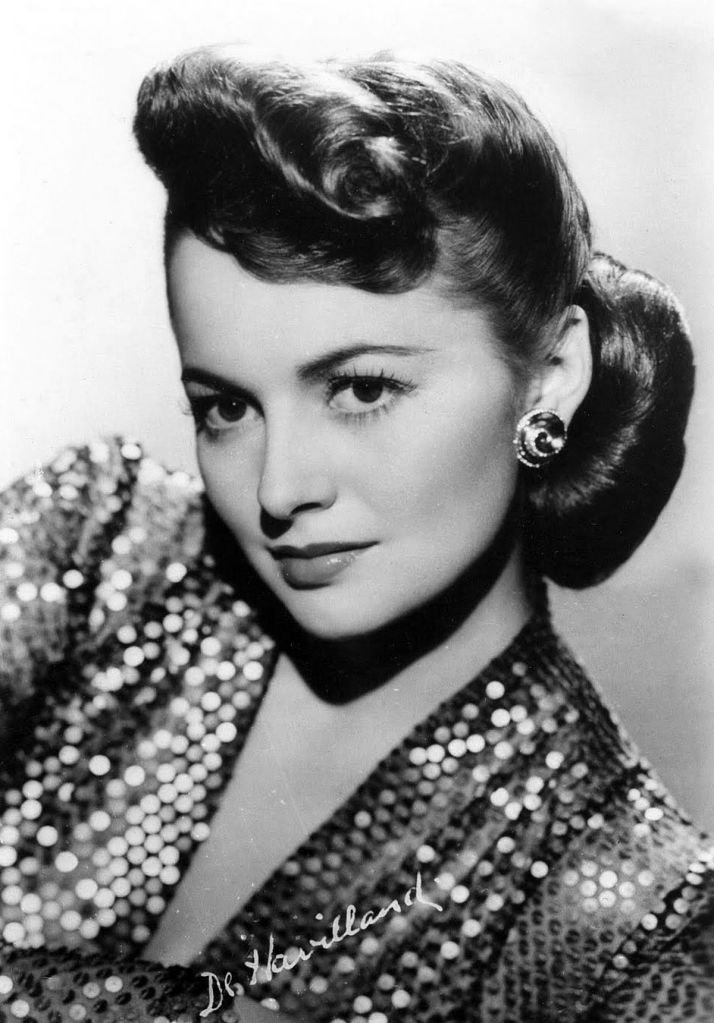
Happy 91st birthday to Joanne Woodward, Paul Newman’s better half, philanthropist and Emmy, Golden Globe and Oscar winning actress. With Olivia de Havilland’s death last July, Woodward is now the oldest living recipient of the Best Actress Academy Award.
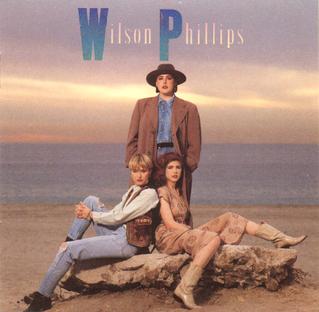
On this day in 1990, Wilson Phillips released “Hold On”, a lovely pop confection that would go on to become the #1 single on the Billboard charts that year. Producer Glen Ballard presented the track to the group, but it needed lyrics. Chynna Phillips, struggling with substance abuse and a bad relationship, wrote the lyrics, basing them on the tenets of AA, specifically the notion of taking things one day at a time. The group added their trademark gorgeous harmonies, and the rest is history.















































































 PB & Julie + Julie C. Trivia