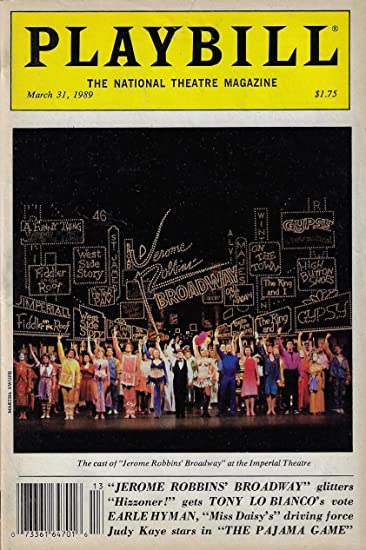
On this day in 1989, Jerome Robbins’ Broadway opened at the Imperial Theater. Jason Alexander is a god damn delight as the narrator – and rightfully won the Tony for Best Performance by a Leading Actor in a Musical (the show won 5 other Tonys, including Best Musical). You can listen to the Original Broadway Cast Recording on Spotify. Be prepared to sing along!
In 2017, at the 89th Academy Awards, Faye Dunaway and Warren Beatty were accidentally given the wrong card for the announcement of Moonlight as Best Picture, and the entire crew of La La Land gathered on the stage before they realized what had happened, leading to one of the craziest moments in Oscar history.
On this day in 1983, Michael Jackson’s Thriller went to #1 on the Billboard album chart – and stayed there for a whopping 37 weeks. The album has sold 33 million copies in the United States alone and currently holds the record for second-best-selling album in the US, behind Eagles’ Their Greatest Hits (1971-1975). Thriller won a whopping eight Grammys, including Album of the Year (beating another masterpiece, The Police’s Synchronicity). If you weren’t alive in 1983, it’s difficult to describe how dominant Thriller was – the singles, the videos, the live performances. This clip is from the television special Motown 25: Yesterday, Today, Forever, and it was the first time Jackson did the moonwalk live.
Actor JT Walsh died on this day in 1998, at the age of 54. One of my favorite character actors of all time, Walsh often played the bad guy in films such as Good Morning, Vietnam and TV series such as The X–Files (season 3 episode “The List”). He had a small but pivotal role in one of my favorite movies, A Few Good Men. In his last film to be released before his death, Breakdown, he terrorizes Kurt Russell and kidnaps his wife (Kathleen Quinlan). It is a doozy of a thriller and I highly recommend it. You can stream Breakdown on CBS All Access.
February is Black History Month, and like every other segment of our society, the Academy of Motion Picture Arts and Sciences (AMPAS) has a long history of racism that it has only recently attempted to remedy. The recent pressure on the Academy to diversify has resulted in very little improvement; in 2020, the distribution of Academy voters by race was 84% white and 16% minority. Yes, you read that right – 16%. In 20fucking20.
From its inception, Hollywood was a racist institution. The motion picture industry was founded by white men, and with few exceptions, white men told the stories; men and women of color (and women more generally – we’ll dig into Hollywood’s complicated and deplorable treatment of women another time), simply did not get a seat at the table. Black stories were not told, or they were told by white people and through the lens of white supremacy – slaves were happy, black women were servants or prostitutes, black men were dim-witted or criminals, white folks were their saviors.
One need look no later than 1915, when motion pictures were still in their infancy, to see the ultimate in movie racism – The Birth of a Nation. Although lauded for its innovative techniques (it pioneered close-ups and fade-outs, and was the first film to use an orchestral score), it is rightfully criticized for its use of blackface, its depiction of black men as sexual predators and its glorification of the Ku Klux Klan. The NAACP unsuccessfully attempted to ban the film; in retaliation, director D.W. Griffith titled his next film Intolerance, a message to those who would censor him. Ah, cancel culture.
The Birth of a Nation‘s white supremacy message was so powerful, it literally spawned the rebirth of the Ku Klux Klan. Oh, and Woodrow Wilson screened it at the White House. Wilson reportedly said of the film, “It is like writing history with lightning. And my only regret is that it is all so terribly true.”
The Academy wouldn’t exist for another twelve or so years, but if Oscars had been given out that year, The Birth of a Nation almost certainly would have won Best Picture. It would have been the first in a long line of “white savior” movies being celebrated while black men and women were prevented from telling their own stories.
At the 12th annual Academy Awards, held in 1940, the most celebrated movie was Gone with the Wind; it earned thirteen nominations and won eight competitive and two honorary Oscars, including Best Picture, Best Director and Best Actress for Vivien Leigh. Hattie McDaniel became the first black actor to receive an Oscar, for her role as Mammy in the film. McDaniel was forced to sit at a segregated table because the Ambassador Hotel, where the awards ceremony was held, had a strict whites-only policy.
Vivien Leigh and Hattie McDaniel in Gone with the Wind
Gone with the Wind is, of course, racist as hell. It portrays the confederacy in a sympathetic light and plantation owners as heroes, and McDaniel’s Mammy is such a stereotype of a sassy but dutiful servant that the character’s name came to be shorthand for that role (a more recent example, The Help‘s Minny Jackson, also won its portrayer a Best Supporting Actress Oscar). But the film is also considered one of the all-time greats, and still holds the record for the highest box office gross adjusted for inflation.
The next black actor to be nominated for an Oscar was Dorothy Dandridge, for 1954’s Carmen Jones. She lost to Grace Kelly. A black actor wouldn’t win a Best Actress Oscar until 2001, when Halle Berry took home the prize for Monster’s Ball. In her acceptance speech, an emotional Berry dedicated her statue to Dandridge, among others. There wasn’t a dry eye in the house. Five more black women have been nominated for Best Actress Oscars since then, but Berry remains the only black winner in the category in the Academy’s 92 year history.
The first black man to win an acting Oscar was Sidney Poitier, for 1963’s Lilies of the Field (he’d also been nominated for 1958’s The Defiant Ones). One of the most notable things about the role of Homer Smith is that he could have been played by an actor of any color; Homer’s race is never even mentioned in the film. Poitier earned his Oscar not by playing a black man, but by playing a man, and his success would pave the way for more contemporary black actors to play roles where their race isn’t a plot point – among others, Morgan Freeman, Denzel Washington and Will Smith.
Sidney Poitier with Lilia Skala in Lilies of the Field
Poitier at the 36th Academy Awards
The 1970’s saw only five black actors nominated in any category; none won. In the 1980’s, two black actors won, both in the Best Supporting Actor category. At the 55th Academy Awards, Louis Gossett Jr. took home the prize for his portrayal of Gunnery Sgt. Emil Foley in An Officer and a Gentleman. It was another role where race was not a factor; in fact, R. Lee Ermey was originally cast for the part. Seven years later, at the 62nd Oscars, Denzel Washington took home his first statue, for his portrayal of Pvt. Silas Trip in Glory.
Louis Gossett Jr. with Richard Gere in An Officer and a Gentlemen
Denzel Washington in Glory
1989 was an interesting year for race in film, and that year’s Oscars highlight Hollywood’s problem with racial issues. The best film of 1989, Spike Lee’s incendiary Do the Right Thing, wasn’t even nominated, and Lee was overlooked in the Best Director category as well (Lee would have been the first black Best Director nominee; that honor would go to John Singleton two years later). Lee did receive a nomination for Best Original Screenplay; he lost to Tom Schulman for Dead Poets Society. The winner of the Best Picture Oscar for 1989? DrivingMissDaisy.
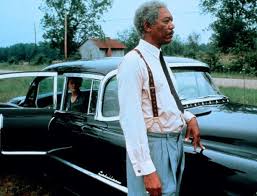
Driving Miss Daisy is well-intentioned, and it isn’t a bad movie. It’s anchored by two great performances; Morgan Freeman (reprising his role from the original off-Broadway production) is particularly wonderful, imbuing Hoke Colburn with a wisdom and dignity deserving of his own story. But the story isn’t Hoke’s – it’s Daisy’s (it’s right there in the title). We see the world through her eyes, and in her eyes, Hoke is a servant. Yes, the Jewish Daisy faces discrimination of her own, but a subplot with the potential to humanize her Jewishness – the bombing of a synagogue – inexplicably occurs off-screen. The film seems to long for a time before the civil rights movement, when black people still “knew their place”. and it seems to imply that if you endure enough verbal abuse and prejudice, you too can become friends with an old Southern white woman. Freeman has since disavowed his participation in the film, stating that it led him to being typecast as the “noble, wise, dignified” black man.
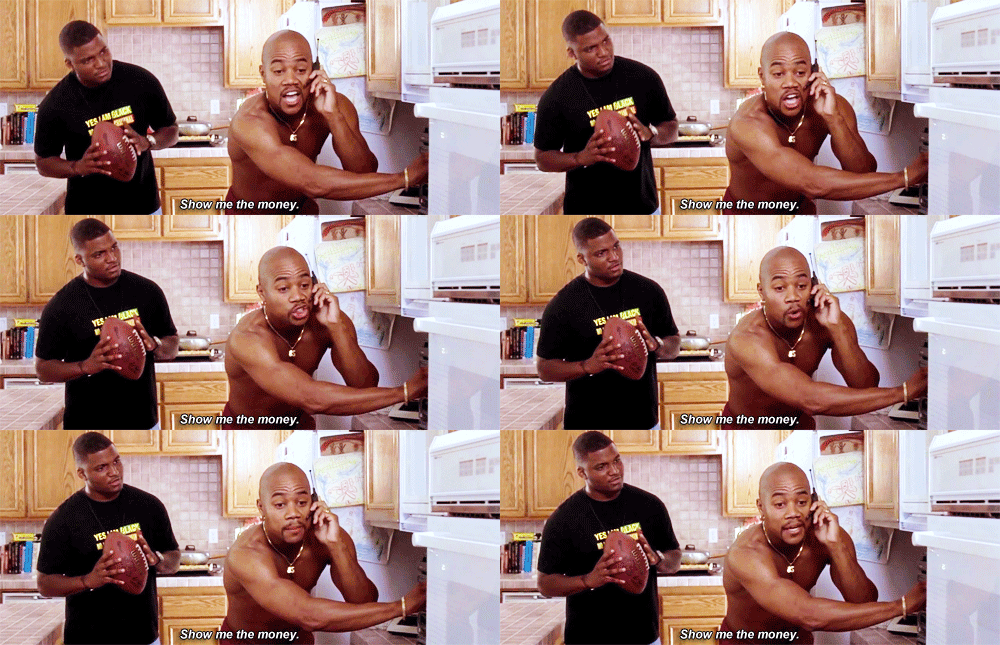
The 1990’s saw only two black acting Oscar winners: Whoopi Goldberg took home the Best Supporting Actress prize for her riotous turn as Oda Mae Brown in Ghost, and Cuba Gooding Jr. won Best Supporting Actor for 1996’s Jerry Maguire. For those of you keeping track, that’s six Oscar winning performances by black actors in the 20th century. Six – out of 1440 nominations.
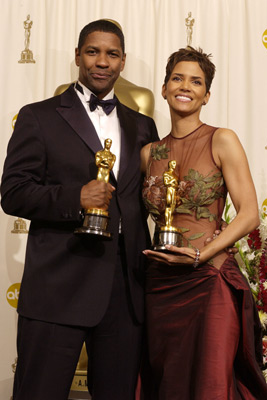
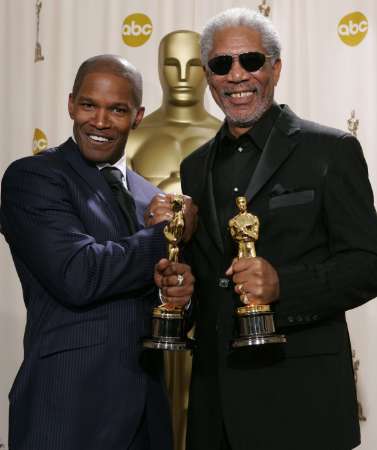
The 21st century started off well – at the 74th Academy Awards, two black actors took home Oscars: the aforementioned Halle Berry – still the only black person to win Best Actress – and Denzel Washington, who won Best Actor for Training Day. Obviously, Washington should have won nine years earlier for his blistering portrayal of Malcolm X in Spike Lee’s 1992 biopic, but the Academy loves to hand out “lifetime achievement” awards (that’s the reason he lost in ’92 to Al Pacino). Three years later, at the 77th Oscars, two more black actors took home prizes – Jamie Foxx won Best Actor for Ray and Morgan Freeman finally won his first award, for Best Supporting Actor in Million Dollar Baby.
Denzel Washington and Halle Berry
Jamie Foxx and Morgan Freeman
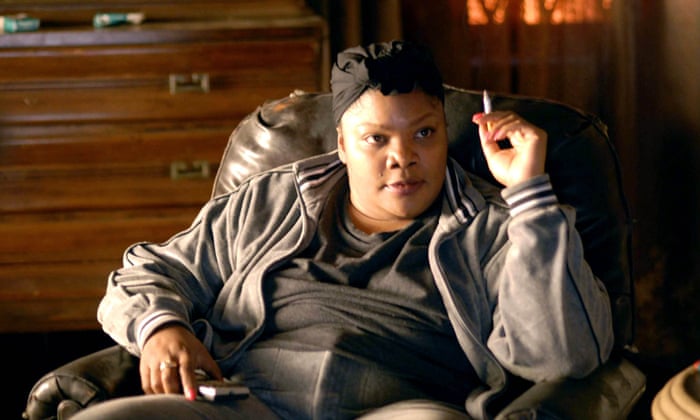
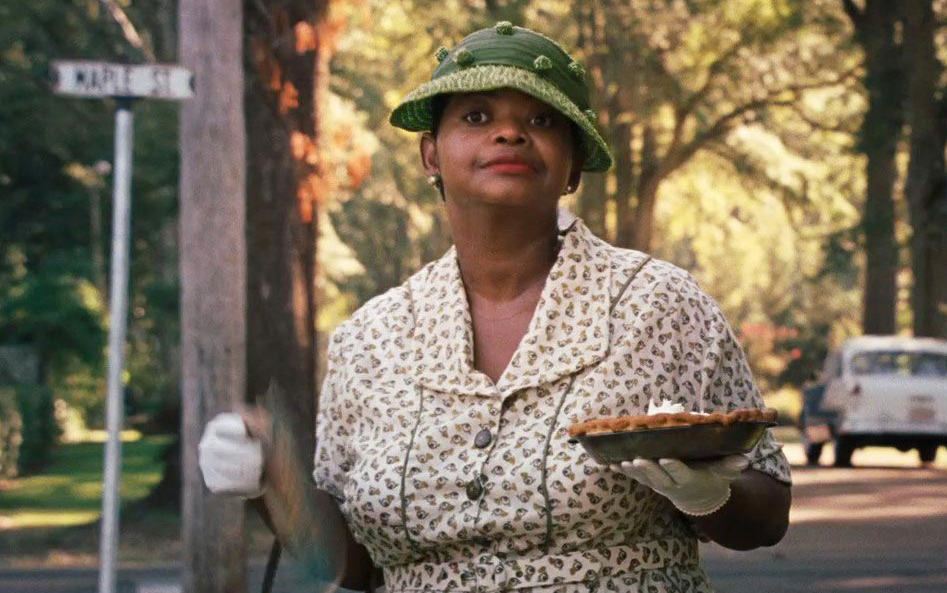
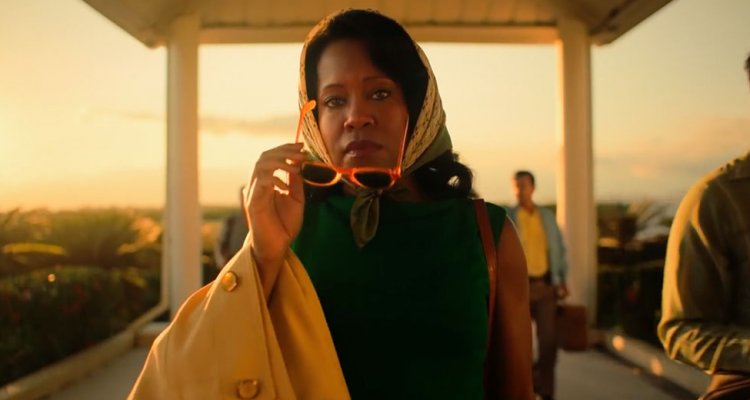
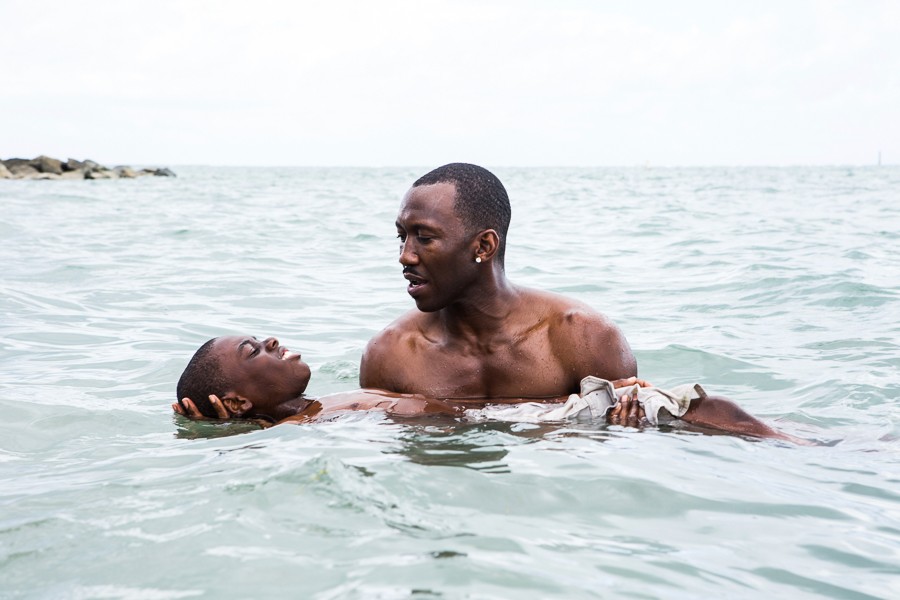
As the 2000’s continued, we saw a smattering of black actors in the race, and a handful won – Forest Whitaker won Best Actor for his portrayal of Idi Amin in The Last King of Scotland, and several black women won Best Supporting Actress: Jennifer Hudson for Dreamgirls, Mo’Nique for Precious, Octavia Spencer for The Help, Lupita Nyong’o for 12 Years a Slave, Viola Davis for Fences and Regina King for If Beale Street Could Talk (it’s notable that the Academy seems to prefer black women in supporting roles). And Mahershala Ali took home two Best Supporting Actor prizes in three years, for Moonlight and Green Book.
Forest Whitaker
Jennifer Hudson
Mo’Nique
Octavia Spencer
Lupita Nyong’o
Viola Davis
Regina King
Mahershala Ali in Moonlight
Mahershala Ali in Green Book
In addition to Best Supporting Actor, Green Book won two other Oscars – Best Picture and Best Original Screenplay. It was also nominated for Best Film Editing and Best Actor (Viggo Mortensen). Green Book is the sort of problematic film about race relations that Hollywood continues to make in the 21st century. The title comes from the guidebook used by African-American motorists in the Jim Crow era to locate black-owned businesses and avoid so-called “sundown towns”. One would naturally assume, given the title, that the story would center the black man; instead, Ali’s Don Shirley is relegated to the supporting role, with Mortensen’s Frank “Tony Lip” Vallelonga taking the lead. The film is the stereotypical “white savior” film that centers a bigot’s redemption. As New York Times writer Wesley Morris put it, Green Book is a “racial reconciliation fantasy”. A big part of the problem, of course, is that the film was written and directed by a white man, Peter Farrelly. One wonders what the movie could have been had a person of color told the story, with Don Shirley at the center of it.
Farrelly wasn’t even nominated for Best Director (but he did receive an Oscar for co-writing the screenplay) and a person of color (Roma‘s Alfonso Cuarón) did win the Best Director prize that year. Spike Lee, having finally gotten his long-overdue first Best DIrector nod, for BlacKkKlansman, had to settle for winning Best Adapted Screenplay. In an alternate universe, Lee also wrote and directed Green Book, with Ali as the star and a killer jazz score by Terence Blanchard.
Last year’s 93rd Academy Awards saw only one black acting nominee – Cynthia Erivo for her turn as Harriet Tubman in Harriet. One, out of twenty nominees.
Cynthia Erivo in Harriet
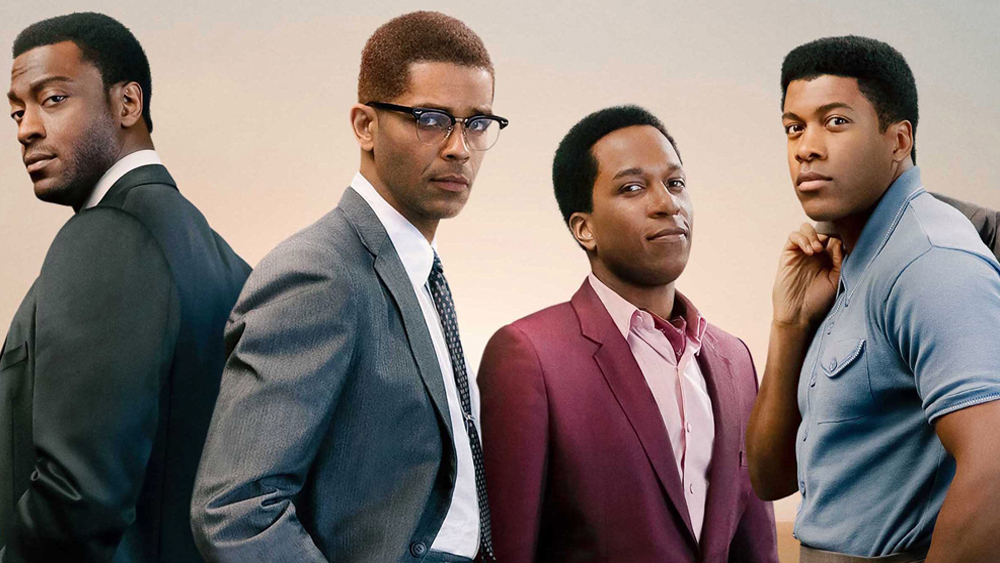
We’ve mainly discussed acting awards and nominations, but it’s important to note that the number of Oscars and nominations for black people in other categories are even worse. Best Cinematography – two nominees total, no winners. Best Film Editing – two nominees total, no winners. Best Costume Design – five nominations between two women (the legendary Ruth E. Carter took home the prize two years ago for Black Panther). Best Director – no winners and a total of six nominations for black men (no black women have been nominated thus far, though that could change this year – Regina King has already been nominated for the Best Director Golden Globe for One Night in Miami).
One NIght in Miami
2020 was a year in which the struggle for civil rights reached an apex. Massive protests erupted all across the country over the summer, brought on by the murder of George Floyd by the Minneapolis PD. Black people still need to fight to exist – in their homes, in their cars, at their jobs – free of persecution and discrimination. The rise of the white supremacy movement during Trump’s presidency has made this fight even more difficult. Hollywood, as a microcosm of our larger society, still has a long way to go as well. Parity is needed both in front of and behind the camera.
Several years ago, when #OscarsSoWhite was created to address the lack of diversity in Hollywood, my husband sincerely asked me to explain it to him. His thought was “whoever is most deserving should get nominated”. Seems simple enough, right? Setting aside the fact that the Oscars don’t always nominate those most deserving, the problem, of course, is that if creative, talented people of color don’t get the same opportunities as white people, they’ll never have the chance to be rewarded. And it starts with allowing black people to tell their own stories – stories that make white people uncomfortable – stories where they are their own saviors.
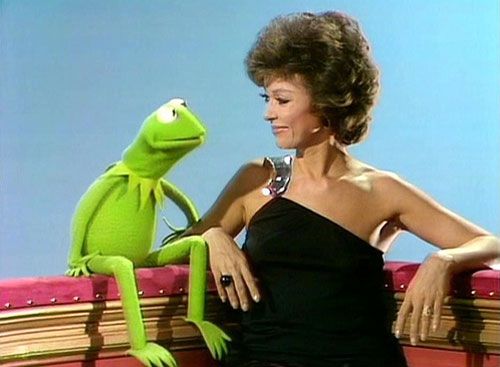
The Muppet Show is now on Disney+ and you’d better believe I’m watching it. The first episode’s guest star was the incomparable Rita Moreno.
The Go-Go’s have finally – FINALLY – been nominated for the Rock & Roll Hall of Fame, after fifteen years of eligibility. The most successful all-female rock band ever, they still look and sound fantastic. My sister shared this amazing video with me yesterday – enjoy! I’m off to listen to Beauty and the Beat.
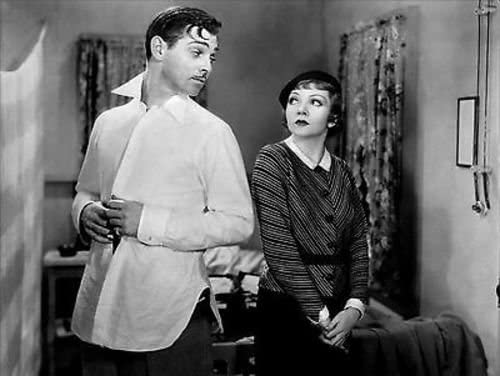
It Happened One Night, directed by Frank Capra and starring Clark Gable and Claudette Colbert, opened on this day in 1934. It would go on to win the top five Academy Awards, the first of only three films to do so.
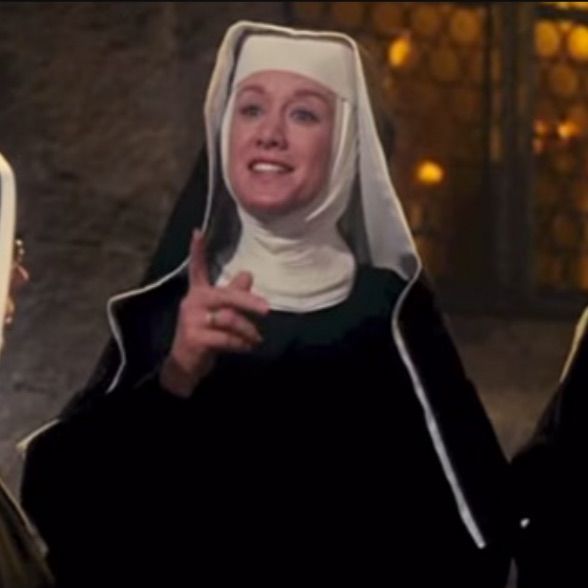
Marni Nixon was born on this day in 1929. Nixon was the ghost singer who provided the vocals for Deborah Kerr in The King and I, Natalie Wood in West Side Story and Audrey Hepburn in My Fair Lady. She also played Sister Sophia in The Sound of Music. Nixon died in 2016 at the age of 86.
Genesis released their first single “Silent Sun” on this day in 1968, and it is bizarre in its conventionality. Unlike future recordings, which delved into prog and art rock, “Silent Sun” is pure pop confection. The song was written by Peter Gabriel and Tony Banks in an effort to secure the approval of record producer Jonathan King, who would go on to produce their debut album From Genesis to Revelation. Knowing King was a Bee Gees fan, Gabriel and Banks attempted to replicate the Bee Gees sound with this piano-driven romantic ballad. Did they succeed? Listen and decide for yourself.
On February 20th, 1998, the US box office hit $1 billion for the year, the quickest that’s ever happened. Those are big numbers. Huge. Titanic, you might say.
It’s impossible to overstate how much Titanic dominated popular culture in late 1997 and early 1998. The film smashed one box office record after the next – highest domestic total (it currently ranks 6th), most weeks at number one (it still holds that record), most tickets sold (it still holds that one too), the first film to surpass $1 billion. But it’s easy to forget that Titanic was not a slam dunk; it lacked a bankable star and many insiders believed the film would sink on arrival, toppled by the weight of production delays, budget overruns and James Cameron’s ego.
Originally slated for a July 4th weekend release, Titanic began filming in July of 1996 with a budget of $100 million, which seems positively quaint in this era of box-office smashing superheroes, but was a record at the time. Production delays and Cameron’s perfectionism caused the budget to balloon to $200 million, or approximately $1 million for each minute of the film’s run time. 20th Century Fox, rightfully concerned about their investment, asked Paramount Pictures to foot $65 million of the bill in exchange for North American distribution rights. Titanic‘s release was postponed to December. The Los Angeles Times began a daily column called “Titanic Watch”, which chronicled the film’s production woes, from on-set injuries and illnesses resulting from cast and crew members spending so much time in ice-cold water, to a pissed-off crew member spiking a pot of chowder with PCP (more than fifty people were hospitalized, including Bill Paxton).
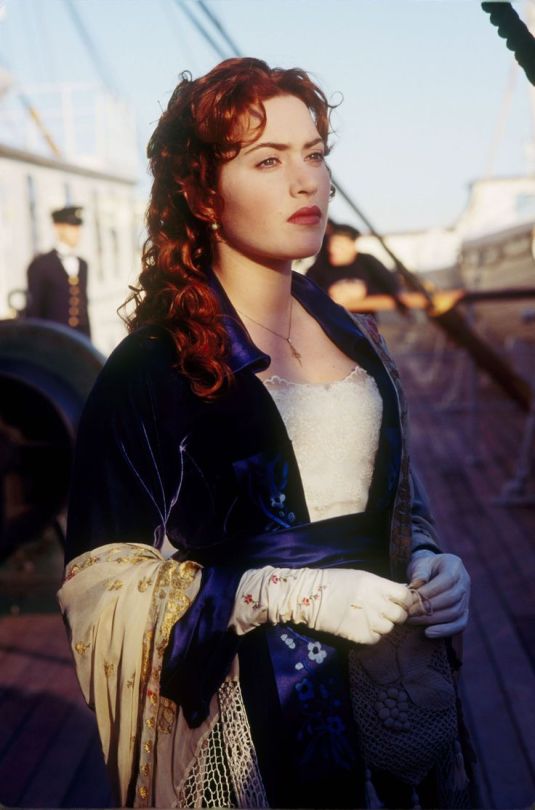
Ultimately, though, the film’s production issues made little impression on moviegoers and Titanic became the top grosser of all time. It would hold that record until 2009, when it would be surpassed by Cameron’s own Avatar (the crown is currently worn by Star Wars: Episode VII – The Force Awakens). Audiences fell for the film’s spectacular special effects, its sumptuous costumes, its….oh, who are we kidding, we fell for Kate and Leo.
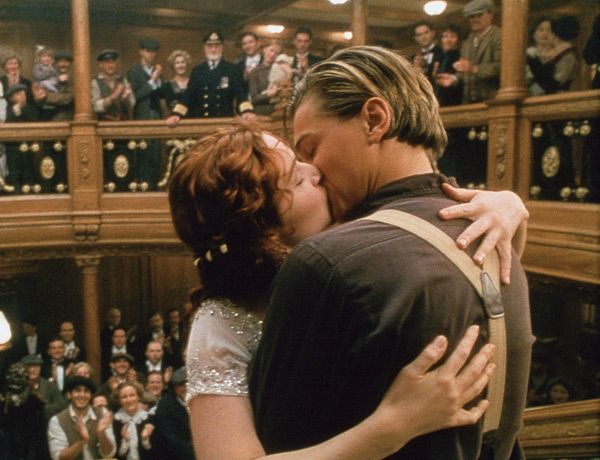
At its heart, Titanic is a love story. The film’s box office success came down to audiences buying into this love story, and did they ever. Kate Winslet and Leonardo DiCaprio had crackling chemistry, and Cameron himself has described the film as “Romeo and Juliet on a boat”. Pre-teen and teenaged girls flocked to Titanic in droves, making a matinee idol out of Leonardo DiCaprio (a role he never wanted, and ultimately transcended); he and Kate Winslet became superstars overnight. As the film’s critical success made it an awards-season favorite, the two attended events together and held each other close, weathering the insanity together; they remain good friends.
Kate and Leo at the 1998 Golden Globe Awards
Leo and Kate at the 2016 Academy Awards
Titanic would go on to earn 14 Academy Award nominations (tying All About Eve for the record) and win 11 Oscars (tying Ben-Hur), including Best Picture and Best Director, losing only Best Actress (Helen Hunt swept the awards circuit that year for As Good as It Gets), Best Supporting Actress (ditto Kim Basinger for L.A. Confidential) and Best Makeup (it lost to, and I am not making this up, Men in Black – the legendary Rick Baker has rarely been beaten). Leo wasn’t even nominated for Best Actor, much to the dismay of his fan base.
Was Titanic the best movie of 1997? I’d argue not, but it all comes down to how you measure “best”. The film is a stunning technical achievement, no question. But it also suffered for Cameron’s insistence on overseeing every aspect of its production. His screenplay is clunky, and riddled with anachronisms. And 1997 was a FANTASTIC year for motion pictures – Boogie Nights, Jackie Brown, L.A. Confidential, Wag the Dog, The Game, Good WIll Hunting and The Sweet Hereafter all came out that year (for the record, BoogieNights is my favorite of the bunch). But Titanic is epic and opulent, the kind of movie Oscar voters – and audiences – adore.
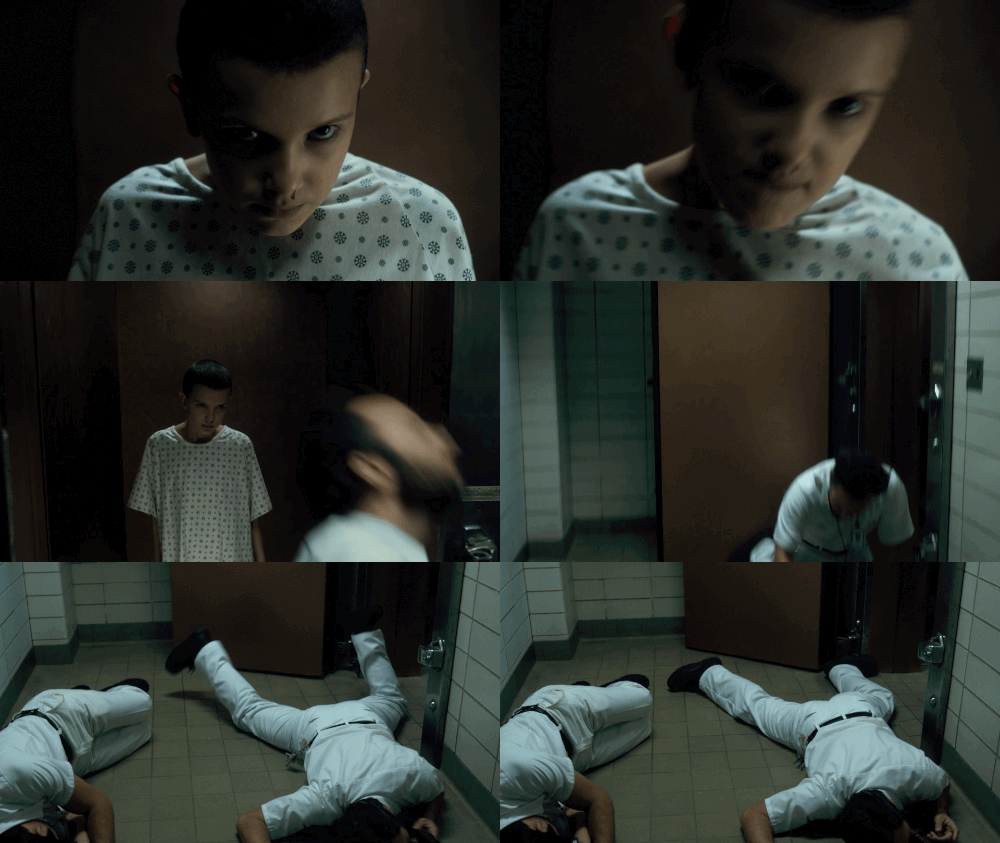
Today is Millie Bobby Brown’s 17th birthday, which gives me the perfect excuse to talk about one of the most astonishing and authentic performances by a child actor that I’ve ever seen. Brown’s rendering of Eleven on Stranger Things is so mind-bogglingly good, it’s easy to forget that she only utters 246 words in the entire first season.
Just eleven years old (ELEVEN!) at the time of filming Stranger Things 1, Brown was selected from a field of about 300 girls. Eleven (“Elle”, as she is lovingly nicknamed by friend and future suitor Mike Wheeler) was a key role in the series, and, since the character says so few words, the actress who played her needed to be able to communicate a variety of intense emotions using primarily her body language and facial expressions. Casting director Carmen Cuba (who deservedly won an Emmy for Outstanding Casting of a Drama Series) hit the jackpot with Brown.
Seriously – she. is. just. so. fucking. good.
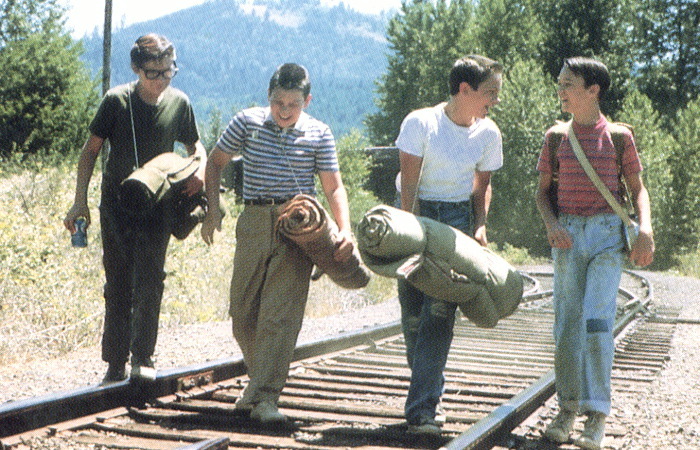
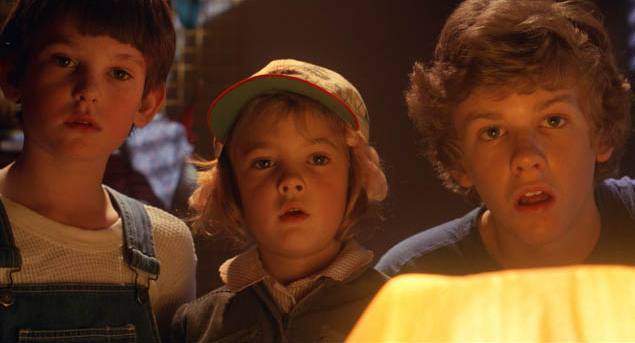
Of course, the rest of the cast is amazing as well, including the four boys whose friendship forms the heart of the series. The performances by all the kids are impressive; for my money, you’d have to go back to Stand By Me and E.T. to find performances this good by a group of child actors. Too often, child actors put on airs, masquerading as tiny adults without conveying authentic emotions. But these kids are REAL.
The comparisons to Stand By Me and E.T. are apt, because the Duffer brothers conceived Stranger Things as “What if Steven Spielberg directed a Stephen King movie?” Like those films, the series’ success hinges on the collective performances of the youngsters. The comparison to Stand By Me is especially appropriate, because like that movie, the series is about friendship and the sacrifices we make for it.
Stand By Me
E.T. the Extra-Terrestrial
Bottom line, we must believe these kids have been friends for years, and we do. Of course, in the case of Eleven, she is brand new to the group, and though that initially causes some friction among the boys (particularly between Mike and Lucas, who is skeptical of Elle’s motives and views her as an interloper), eventually she is accepted into the group unconditionally.
Through it all, Elle learns about love and friendship, things she never knew, having spent her first twelve years as a laboratory subject. Brown conveys these new emotions with awe and wonder. But she really shines when communicating Elle’s rage – rage at her former captors, who continue to hunt her down, determined to imprison her at Hawkins lab once again; rage at the bullies who torment her new – and only – friends; rage at the demogorgon, whom she brought back from the Upside Down. By the climax of the season finale, that rage boils over, and she faces down the demogorgon, channeling all of her raw emotion, sending it – and herself – back to the Upside Down.
Eleven’s character arc was supposed to end with season 1, but Brown was so preternaturally good, the Duffers wisely chose to extend it. And while the storylines may have suffered a bit in subsequent seasons, Brown’s performance has been a consistent highlight throughout, especially in her scenes with David Harbour as police chief/adoptive father Hopper. At the end of season 3, she believes Hopper dead, and as she reads the letter Hopper had written to her earlier in the season, Elle’s grief is palpable, and Brown breaks our hearts all over again.
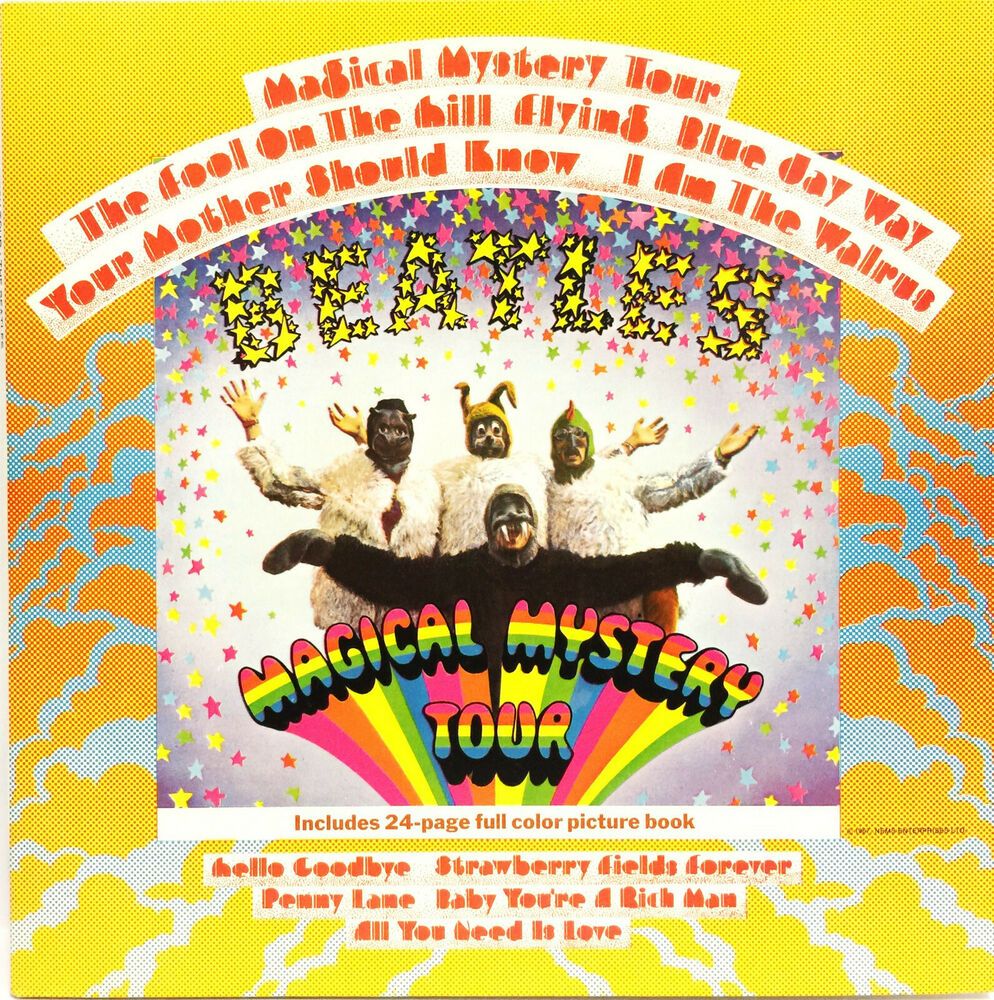
On this day in 1967, The Beatles released “Strawberry Fields Forever” and “Penny Lane”. Both singles would eventually appear on the soundtrack to Magical Mystery Tour. The album is an embarrassment of riches, including those first two singles, “I Am the Walrus”, “All You Need Is Love” and “Hello, Goodbye”. It was reviewed unfavorably compared to their previous album, Sgt Pepper‘s, but it’s an album that I love.
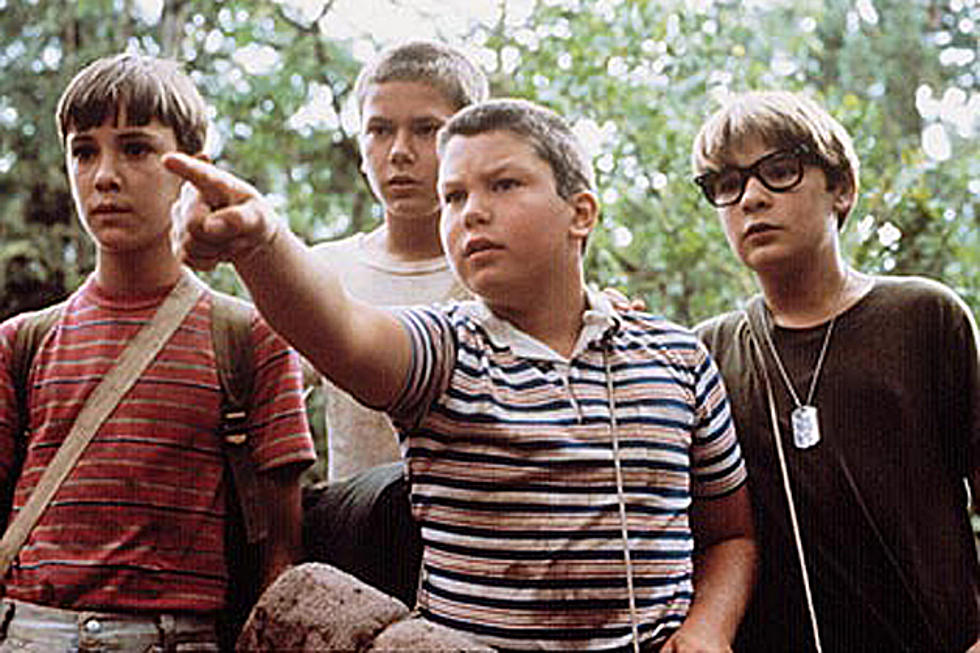
Happy Birthday, Jerry O’Connell! You’ll always be Vern to me!
Stand By Me
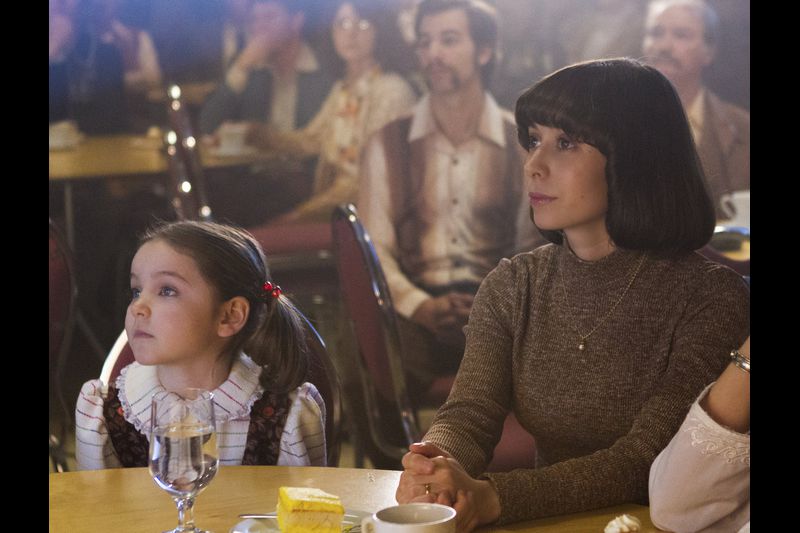
My husband and I are watching season 2 of Fargo, and I’ve been listening to the original Broadway cast recording of Once, and I am just falling (slowly) in love with Cristin Milioti all over again. If you only know her as “The Mother” from How I Met Your Mother, do yourself a favor and check out some of her other work. She’s phenomenally talented and funny; also, how many people can pull off this haircut?
Fargo
Wishing a happy birthday as well to the incomparable Christina Pickles! Perhaps best known as Judy Geller, Monica and Ross’s hypercritical mother on Friends, Pickles was also featured on one of my favorite 80s television dramas, St. Elsewhere. This scene from the season 6 episode of Friends, “The One Where Ross Got High”, shows Pickles at her peak comedic powers.
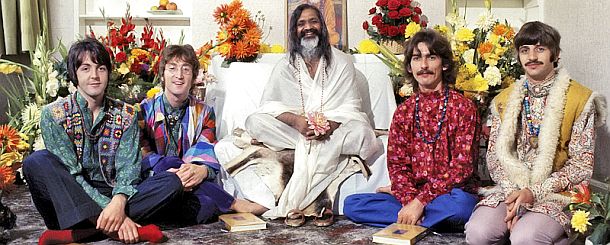
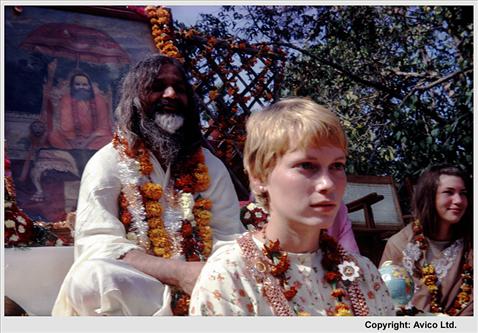
On this day in 1968, George Harrison and John Lennon, along with their wives, flew to Rishikesh, India, to study transcendental meditation (TM) with Maharishi Mahesh Yogi. Paul McCartney and Ringo Starr would join them later. The trip would end on a sour note (more on that later), but the group’s time there fueled a newfound creativity that would result in their epic 1968 self-titled album, commonly referred to as The White Album.
The band’s association with the Maharishi began in 1967. Harrison’s then-wife, Pattie Boyd, was seeking more spirituality in her life, and, responding to a newspaper ad, signed up for classes in TM. Husband George would later attend classes with her. In August of that year, the Harrisons, along with the rest of the group, attended a Maharishi lecture in London. In Boyd’s words (from her 2007 memoir Wonderful Tonight), they were “spellbound”. The entire group would later attend a 10 day conference in Bangor, Wales, hosted by the Maharishi (the band’s trip to Wales was cut short by the news that their manager, Brian Epstein, had died unexpectedly). The Maharishi then invited the group to his ashram in Rishikesh, where he held a course for people interested in becoming instructors of TM.
The ashram, nestled in the foothills of the Himalayas, turned out to be the perfect antidote to the group’s world-weariness. But for the people already in attendance at the compound, the appearance of the most famous rock group in the world was an unwelcome distraction. Among those in attendance were actress Mia Farrow and her siblings John and Prudence.
Mia Farrow with the Maharishi
Prudence Farrow
Mia was at the ashram to heal from her break-up with Frank Sinatra. Sinatra, who insisted Mia give up her acting career, served her divorce papers – without warning – while she was completing work on the 1968 film Rosemary’s Baby. Farrow’s sister Prudence, however, was there to become a TM instructor. Though only 19 years old at the time, Prudence had already been practicing TM for a few years. She took her studies with the Maharishi seriously, and devoted all her time to them. While The Beatles and their entourage spent their evenings playing music on their guitars and sitars, Prudence would go back to her room for more meditation. Prudence’s fierce dedication to her studies – to the detriment of just about everything else – inspired John Lennon to write “Dear Prudence”, a highlight of The White Album and one of my personal favorite songs.
Mia’s experience at the ashram would also inspire a White Album song, albeit a much darker one. On April 12, after about eight weeks in Rishikesh, Harrison and Lennon abruptly departed, leaving the Maharishi mystified by their change of heart. When he asked them why they were leaving, Lennon supposedly said, “Well, if you’re so cosmic, you’ll know why.” Accounts vary, but legend has it that Lennon and Harrison were informed of the Maharishi’s inappropriate behavior with two of his female students. One of those students was Mia. The Maharishi denied the allegations, of course, and it’s unclear exactly what happened. Some accounts say he made “unwelcome sexual advances”; others use the word “grope”. Farrow, for her part, has stated that the Maharishi put his arms around her, making her uncomfortable, but he may not have intended the embrace to be sexual. Either way, the allegations were deeply upsetting to Lennon, and he was spurred to write the lyrics “Maharishi/What have you done?/You made a fool of everyone”. Harrison implored Lennon not to name check the Yogi, and “Maharishi” was changed to “Sexy Sadie”.
Regardless of the way the trip ended, there is no doubt that the Beatles’ time at the ashram produced a creative spark in the band members. Though the band was coming off the success of the critical and commercial smash Sgt Pepper’s Lonely Hearts Club Band, they found themselves out of sync, burdened by their fortune and fame. Their dedication to the principles of TM weren’t the only influence on the White Album, though; they also picked up some new techniques from their friend and musical mentor Donovan. Donovan taught John Lennon a finger-picking technique he’d been perfecting; Lennon would use this technique on “Sexy Sadie” as well as “Julia”, another White Album standout. Additionally, Donovan taught George Harrison some descending chord progressions he’d been working on; Harrison would incorporate these chord progressions into one of the White Album’s best songs, “While My Guitar Gently Weeps”. (Those same chord progressions would make an appearance in Donovan’s own “Hurdy Gurdy Man”, also written at the ashram)
The White Album is far from perfect. Some of the songs that made it on the album are head-scratchingly bizarre, and the less said about “Revolution 9”, the better. But for every “Rocky Raccoon”, there’s a “Blackbird”; for every “Wild Honey Pie”, an “I Will”. And the group’s time in Rishikesh profoundly influenced this flawed masterpiece.
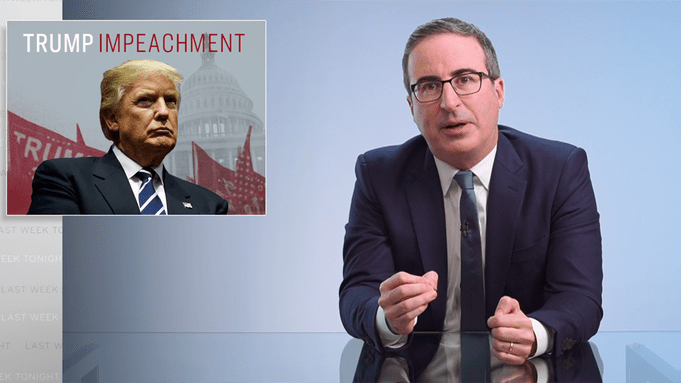
John Oliver and the crew of Last Week Tonight have returned from hiatus and all’s right with the world again.
YouTube launched in the US on this date in 2005, so basically, YouTube is old enough to drive now.
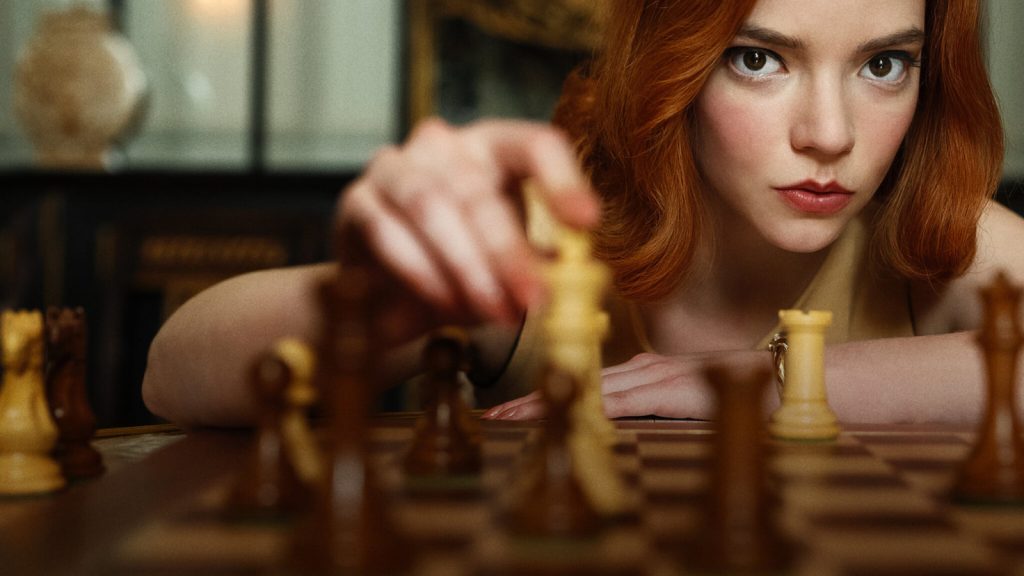
My husband and I finally started watching The Queen’s Gambit over the weekend, and it is a fucking delight. Anya Taylor-Joy is mesmerizing, and the period details – set decoration, costumes, etc – are exquisite. I don’t understand chess – AT ALL – but it legitimately doesn’t matter.
Happy Birthday, Matt Groening!
Also in birthdays today, English record producer and engineer Hugh Padgham turns 66. One of the most prolific producers of the 1980’s, Padgham is most well-known for his work with Genesis, Phil Collins, Peter Gabriel and The Police. He and Collins shared the Grammy for Record of the Year and Producer of the Year for the 1985 album No Jacket Required. Padgham is also credited with creating the “gated reverb” drum sound used prominently in the 80’s. For more on gated reverb, please watch this excellent Vox video.
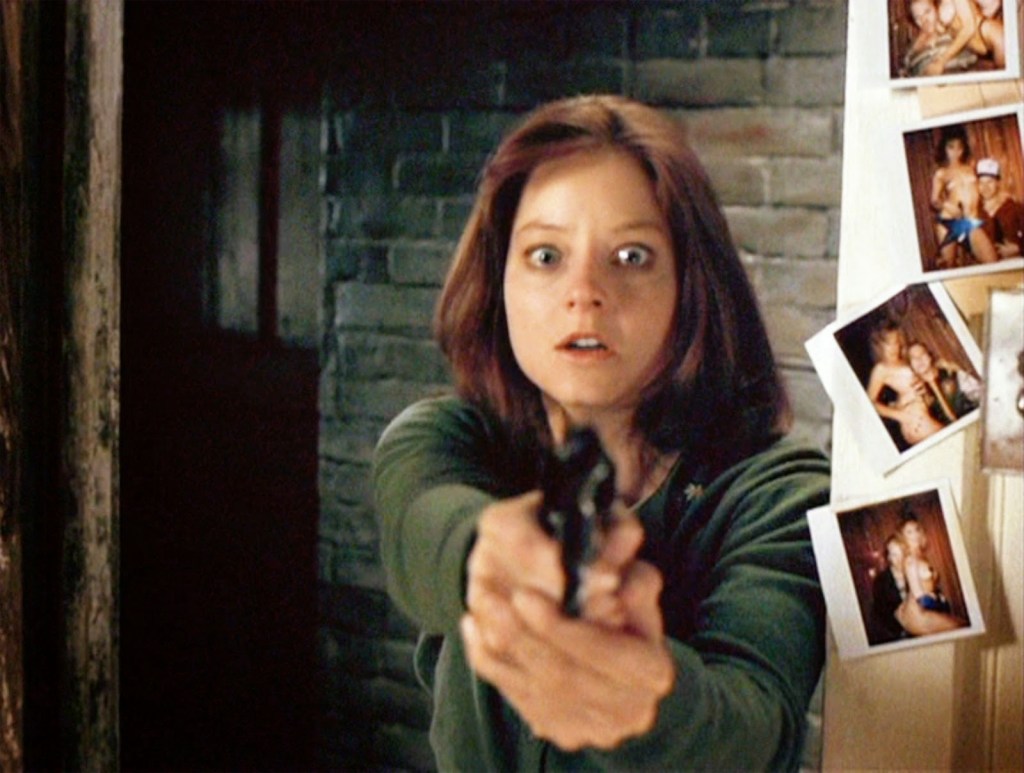
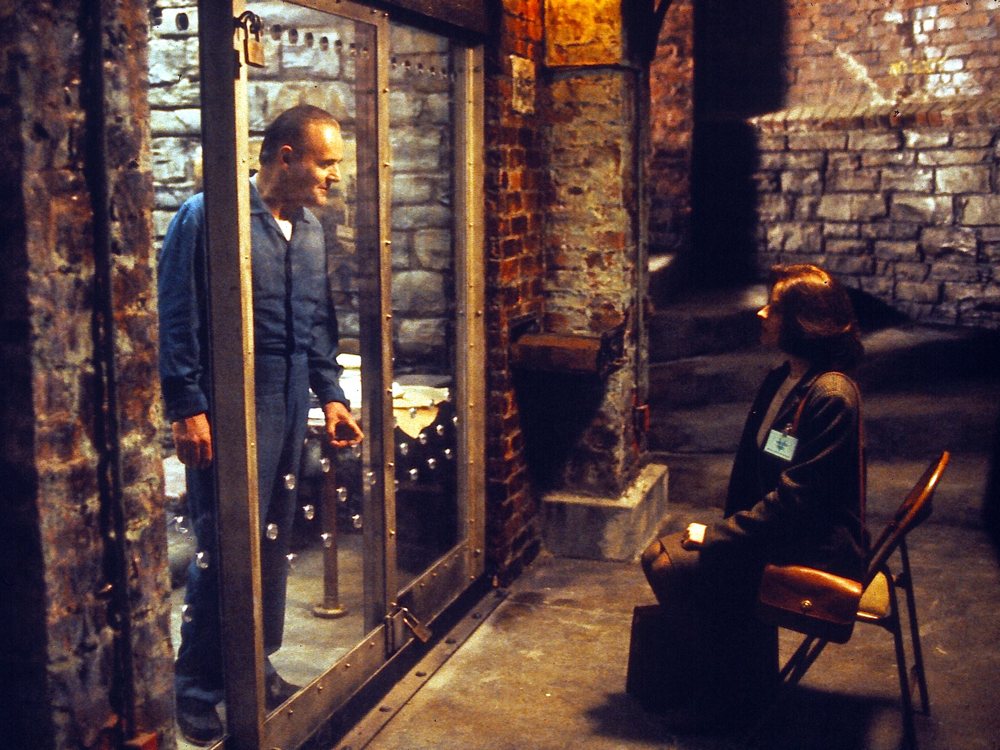
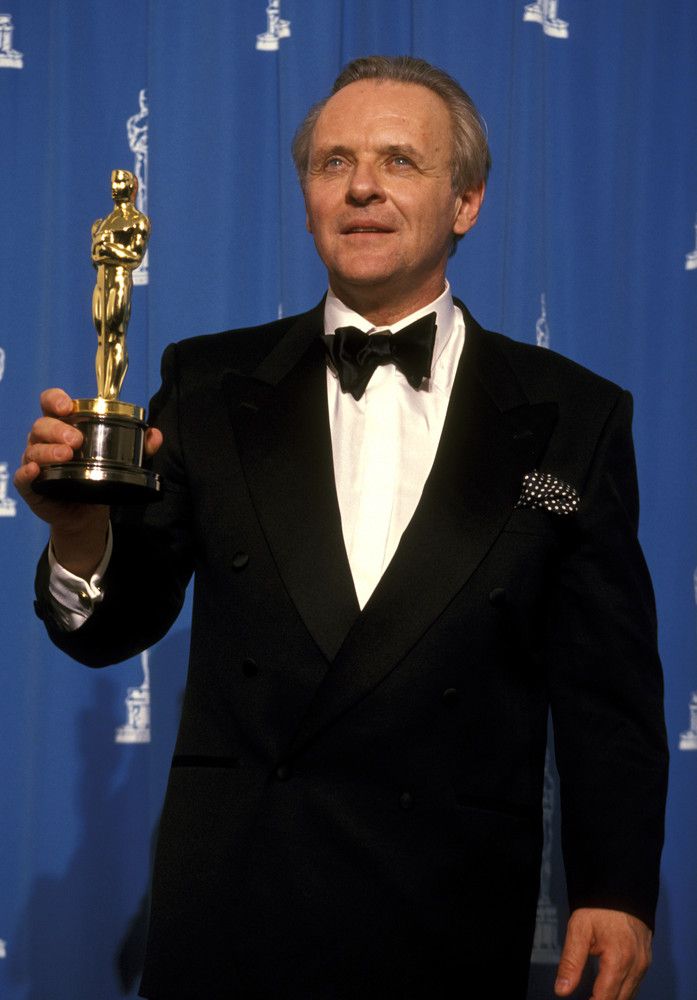
The Silence of the Lambs, Jonathan Demme’s gothic masterpiece of horror and suspense, was released thirty years ago today. A Valentine’s Day release seems an odd choice for a horror movie, but it was perfect for me, a chronically single college student, and I went to see the film on opening night with friends. It remains my favorite horror movie.
Based on the Thomas Harris novel of the same name, the film was made for a tidy sum of $19 million. It was a critical and commercial smash, earning $272 million worldwide and becoming the 5th highest grossing film of 1991 (behind Terminator 2: Judgment Day, Robin Hood: Prince of Thieves, Beauty and the Beast and Hook). It would also dominate the awards season, a rare feat for a movie released in February.
The film was not without controversy (more on that in a bit) but it was nonetheless a master class in filmmaking, from the taut script by Ted Tally, to the terrific performances, to the confident direction by Demme, to the haunting score by Howard Shore. Silence begins as more of a procedural crime drama, but ratchets up the tension before evolving into full blown psychological horror.
One of the more interesting aspects of the film is how Demme uses point of view to place the viewer into the action. The actors perform much of their dialogue facing directly into the camera; this fourth wall break is an unusual technique for a horror movie, and it makes the performances even more impressive (actors often rely on their co-stars’ reactions to hone their performances; obviously this can’t be done if you’re talking right to the camera).
Speaking of the cast, had Demme gotten his way, it would have looked A LOT different. Having worked with her on Married to the Mob, Demme wanted Michelle Pfeiffer to play Clarice Starling, but she turned the role down due to the subject matter. Meg Ryan did the same. Jodie Foster, who wanted the role from the beginning, was ultimately cast. For Hannibal Lecter, Demme originally approached Sean Connery; thankfully, Connery passed (“Good evening, Clarishe”), paving the way for Anthony Hopkins’ iconic performance. Gene Hackman, who was initially going to direct the film as well, ultimately passed on playing FBI Agent Jack Crawford, and the role went to Scott Glenn.
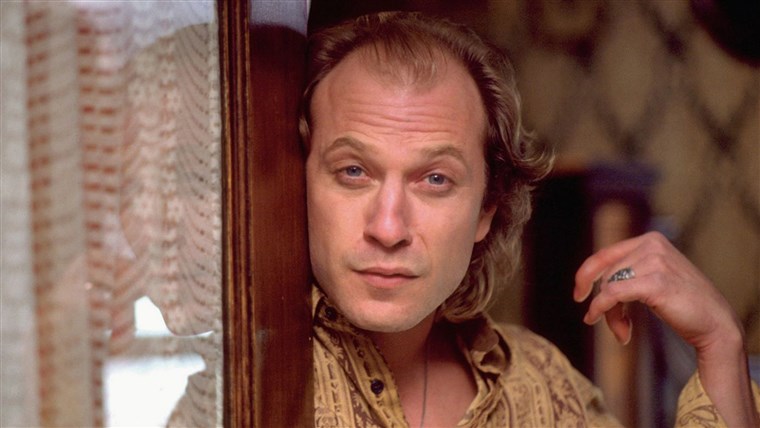
The chemistry between Foster and Hopkins is so incredible, it’s easy to forget they share less than twenty minutes of screen time. And while the two got the lion’s share of the credit, and all the awards, the supporting cast was excellent as well, most notably the magnetic Ted Levine as Jame Gumb, AKA Buffalo Bill. Levine’s performance was so superbly menacing, to this day I have difficulty watching him in anything else. Just the sound of his voice sends shivers down my spine.
The Buffalo Bill character is the source of the film’s controversy. Although Lecter goes out of his way to say that Bill is not a transexual, he just THINKS he is, it’s obvious that Bill has some pretty severe gender dysmorphia, and the film seems to suggest that the dysmorphia is the reason Bill kills. And while the film doesn’t overtly mention it, it’s been widely assumed that Starling is a lesbian. I’m not sure how much of that was driven by the speculation over Foster’s real-life sexual orientation; at that time, Foster had not come out publicly. But Foster has been criticized individually, as though as a member of the LGBTQ+ community, she is required to personally answer for the film’s transmisogyny. No doubt about it, the film pathologizes non-conforming gender identity, and it certainly missed an opportunity for a positive LGBT character. But that is the responsibility of all the filmmakers, not just the is-she-or-isn’t-she lesbian lead actress.
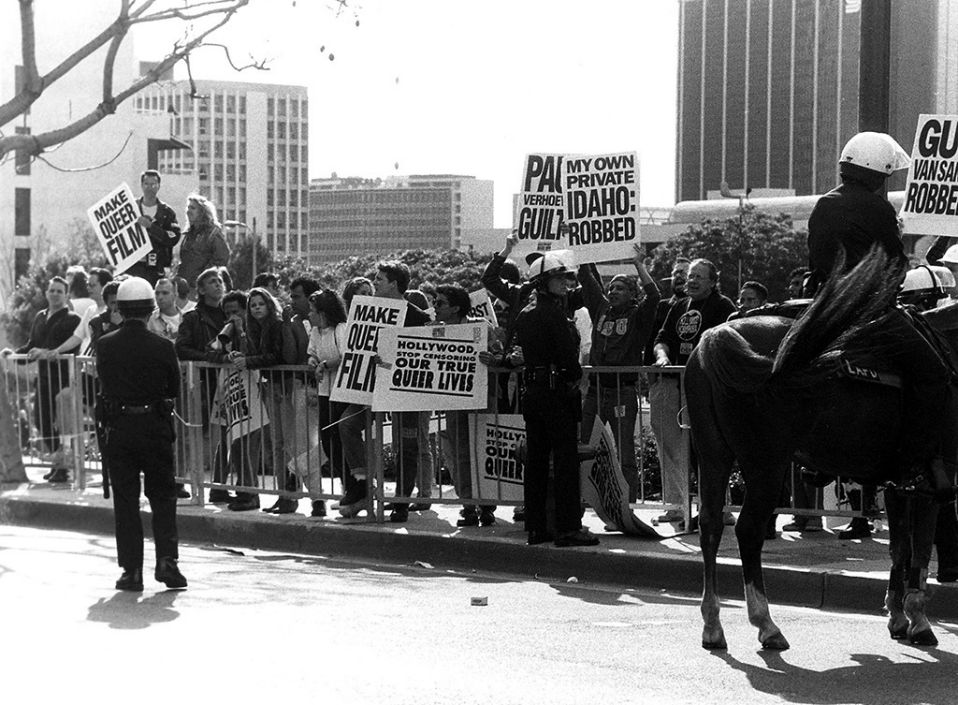
At the time of the film’s release, the AIDS crisis loomed large over our culture. The failure of the Reagan administration to properly respond to the crisis left AIDS research underfunded. Treatments were slow to be developed, and too expensive for most to afford. And AIDS was still very much seen as a “gay male” problem. The gay community was righteously angry, and understandably so. And the gay community continued to be underrepresented – and pathologized – in Hollywood. When Silence was released into this environment, and became such a success, tempers flared and violence ensued at a protest planned to coincide with the 64th annual Oscar ceremony. Apparently police in riot gear showed up to quell the protest, and though the ceremony itself was not disrupted, ten people were arrested but not before protestors slapped “f@g” stickers on 24-foot-tall Oscar statues.
UNITED STATES – AUGUST 27: Gay Protesters; 1992 Academy Awards in Los Angeles, CA (Photo by Vinnie Zuffante/Getty Images)
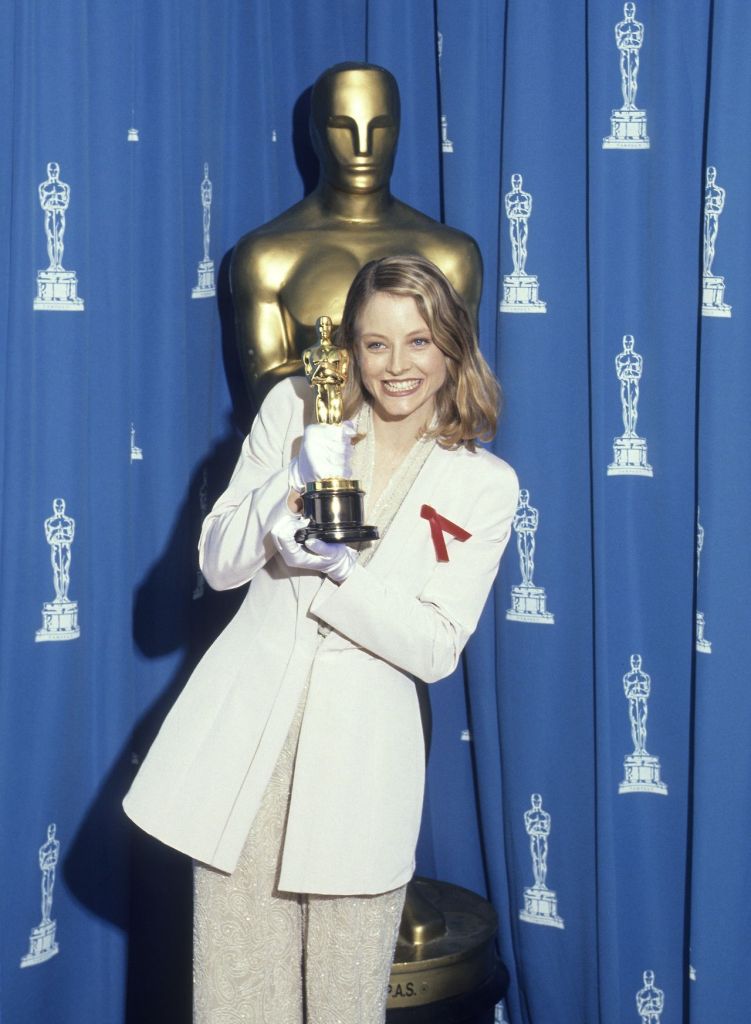
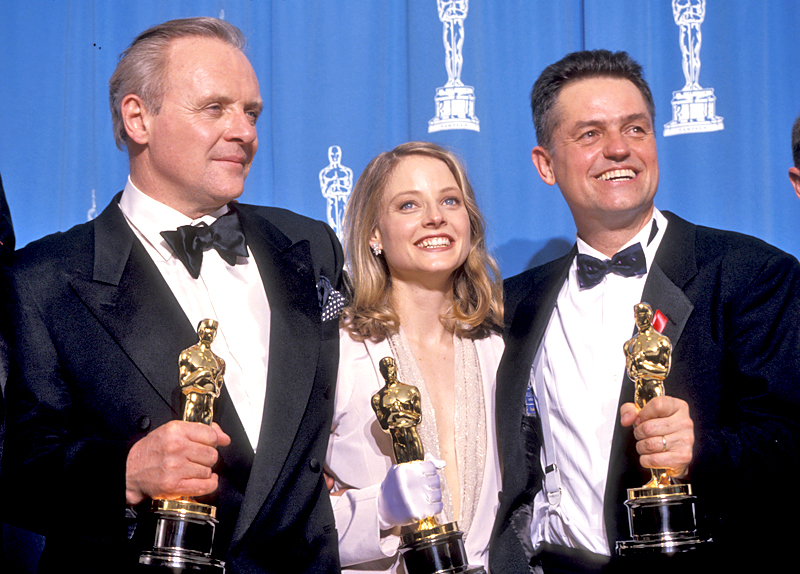
Later that evening, Silence took home the top five Oscar prizes (Best Picture, Best Director, Best Actor, Best Actress and Best Adapted Screenplay) – one of only three films to ever do so. It was also nominated for Best Sound and Best Editing, but lost, respectively, to Terminator 2: Judgment Day and JFK (another film with problematic treatment of gay characters). Silence is not the sort of movie the Oscars typically reward – the Academy loves lavish musicals, historical dramas and sweeping epics, and generally steers clear of genre films. But the film’s quality couldn’t be denied, not even by the stodgy Academy members.
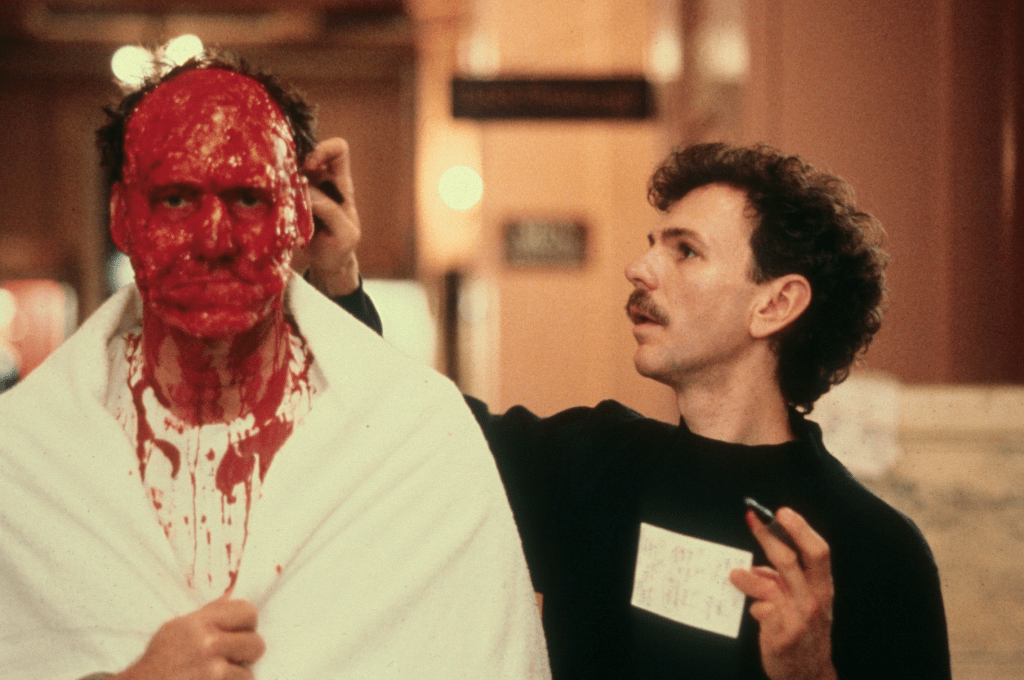
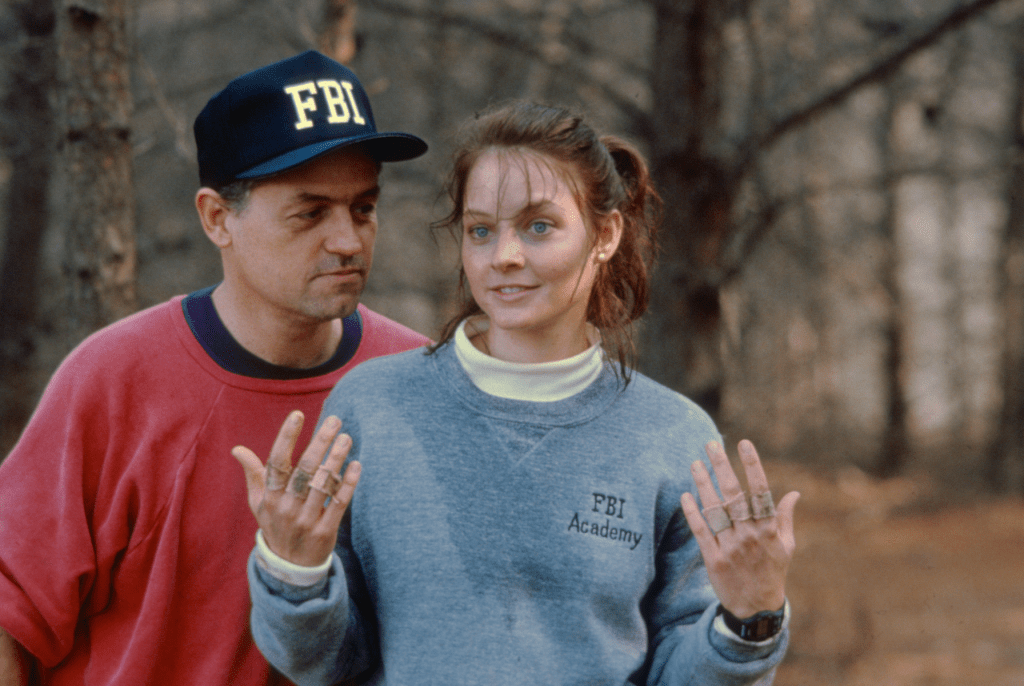
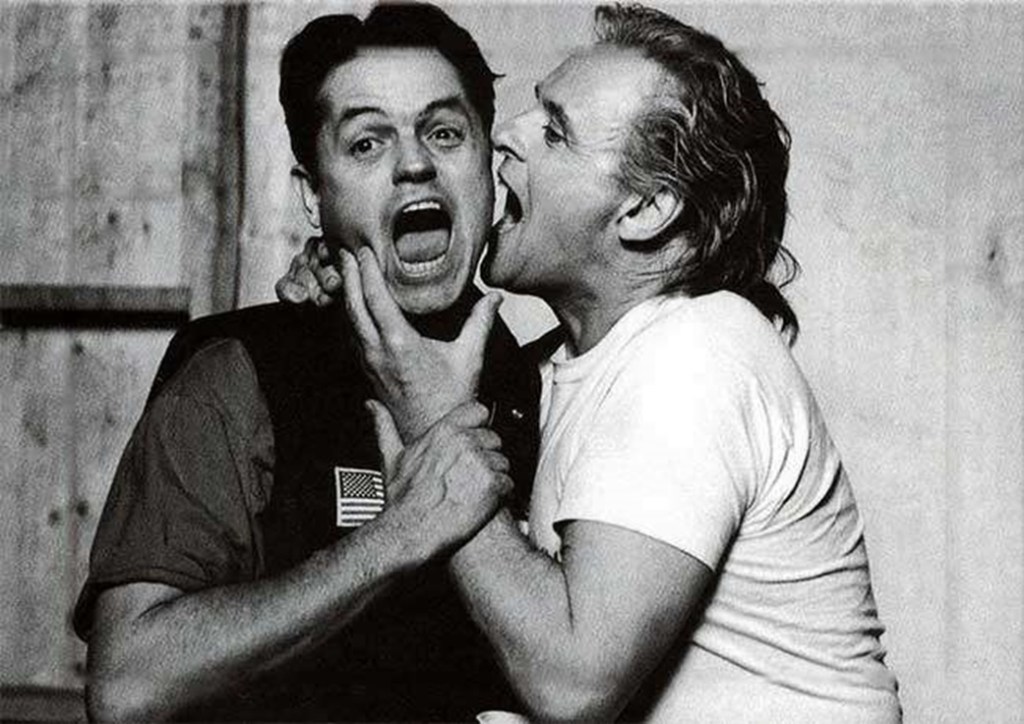
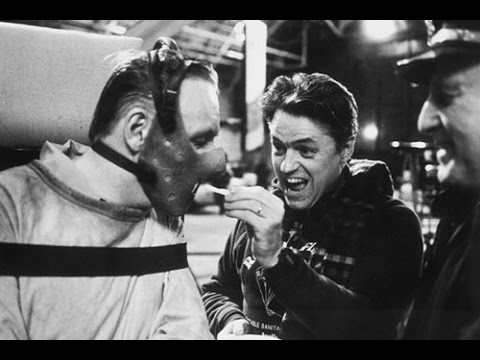
As I was researching this post, I came across some absolutely amazing behind-the-scenes photos. When the film in question is as tense and terrifying as this one is, pictures like this are even more jarring. Demme and Hopkins, in particular, seem to be having entirely too much fun. Anyway, I hope you enjoy these as much as I did.
Happy Anniversary, Silence, and Happy Valentine’s Day to you all!!
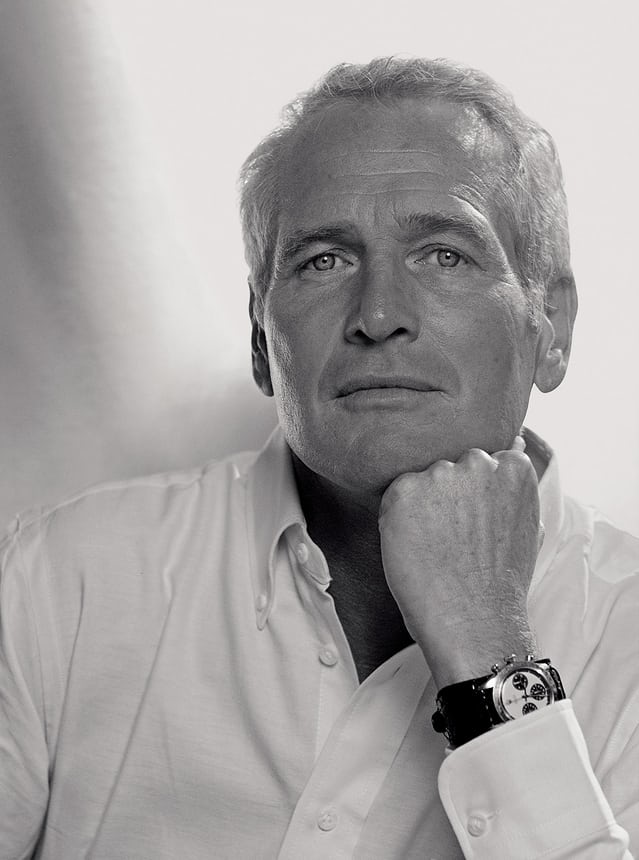
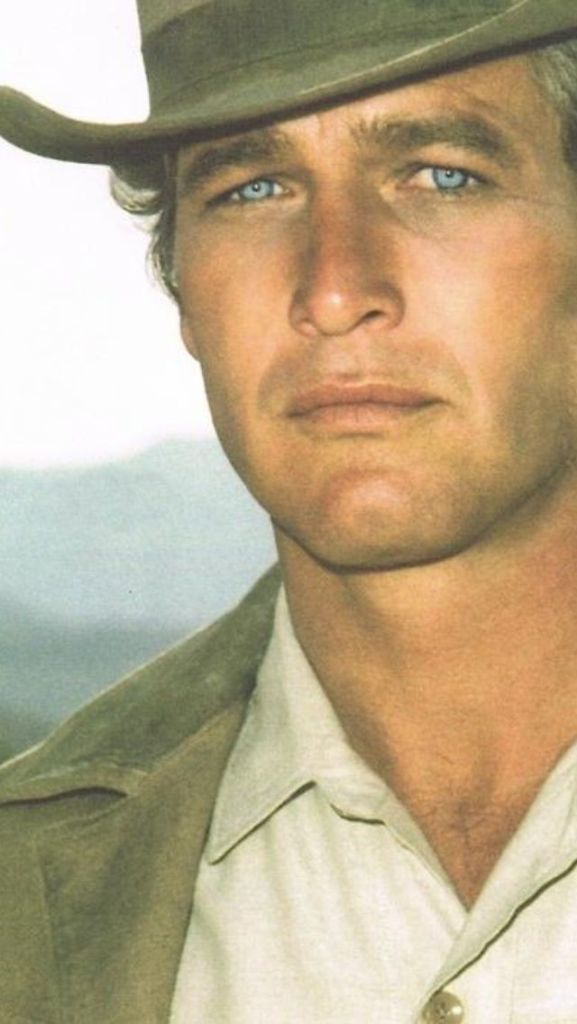
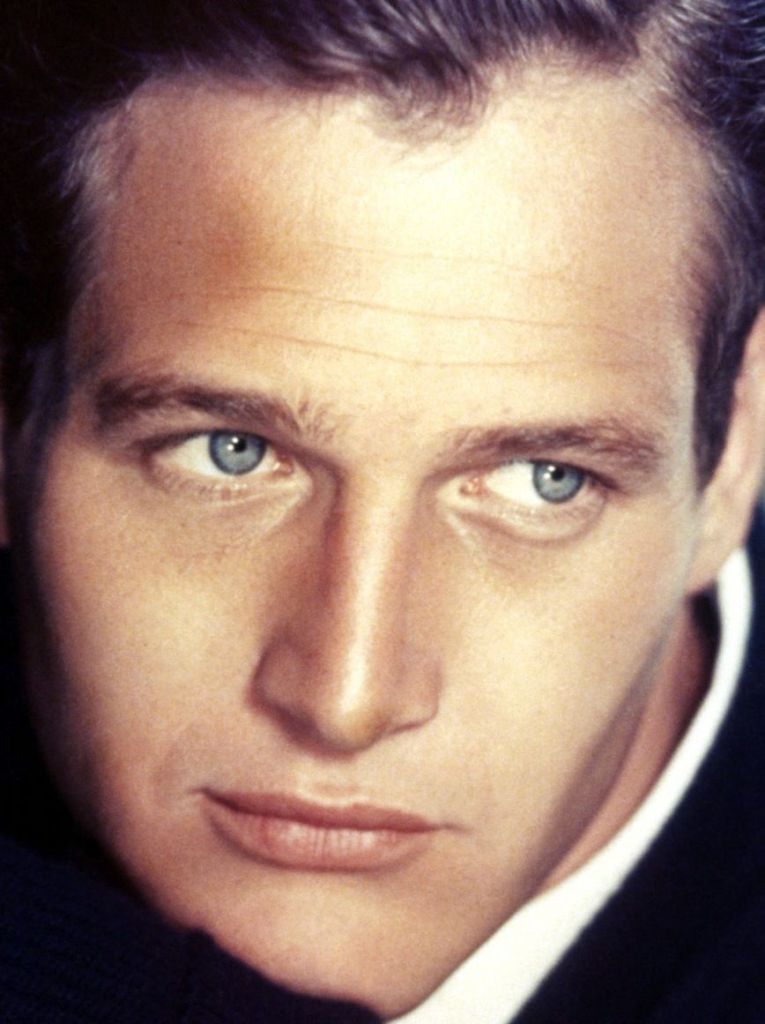
One of the finest – and most beautiful – actors of all time is the subject today. A very important person in my life is going through a tough time, and I’m dedicating this post to her. She adored Newman for his acting, his philanthropy and his looks – hoo boy, those looks.
I mean….
Paul Leonard Newman was born on January 26, 1925 in Shaker Heights, Ohio. He seemed born to act; by age 10, he was performing in productions at the Cleveland Play House. After high school, he joined the US Navy, serving in the Pacific Theater in WWII. Upon returning home, he graduated from Kenyon College with a BA in drama and economics (presumably economics was the backup plan, but of course he never needed it). He spent a year at the Yale School of Drama before moving to New York City to study with Lee Strasberg at the Actors Studio.
Newman made his Broadway debut in 1953, in a production of William Inge’s Picnic (this was also how he met second wife, Joanne Woodward). His big break in Hollywood came in 1956, with the role of boxer Rocky Graziano in Somebody Up There Likes Me. In 1958, Newman fulfilled that early promise with two major movies – Cat on a Hot Tin Roof, which earned Newman his first Oscar nomination, and The Long, Hot Summer, for which he won the Best Actor prize at the 1958 Cannes Film Festival.
Somebody Up There Likes Me
Cat on a Hot Tin Roof, with Elizabeth Taylor
The Long, Hot Summer, with Joanne Woodward
By 1960, Newman was a bonafide movie star, and the 60’s saw some of his greatest film successes – The Hustler, Hud and Cool Hand Luke were just a few of the highlights; all three performances earned him Academy Award nominations for Best Actor (he lost, respectively, to Maximilian Schell, Sidney Poitier and Rod Steiger). He finished the 60’s with one of his most iconic films, Butch Cassidy and the Sundance Kid.
The Hustler, with Jackie Gleason
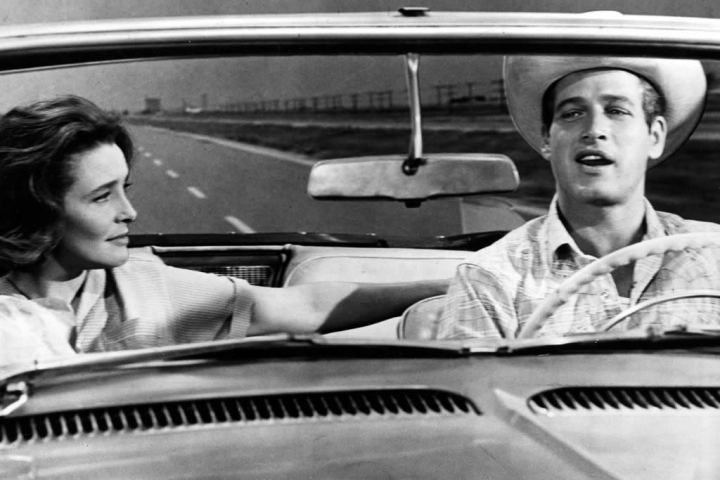
Hud, with Patricia Neal
Cool Hand Luke
Butch Cassidy and the Sundance Kid, with Robert Redford
Butch Cassidy was a perfect way to transition Newman to the 70’s, when he made movies that were generally less serious – crowd pleasers such as The Sting, The Towering Inferno and Slap Shot (a Gen X favorite). He received no Oscar nominations in the 70’s, but we sure were entertained.
The Sting
The Towering Inferno, w/ Steve McQueen and Faye Dunaway
Slap Shot
Late in the 70’s, Newman’s personal life took a tragic turn. In the fall of 1978, Newman’s eldest child (and only son) Scott suffered injuries in a motorcycle accident and began taking painkillers. On November 20th, he took a fatal overdose of valium and alcohol. He was just 28 years old. Newman would later say that Scott’s death was his greatest failure. His pain over losing his son would imbue his later roles with a devastating realism. Newman’s performance in The Verdict, as washed-up, alcoholic lawyer Frank Galvin, is one for the ages, and garnered Newman his sixth Oscar nomination for Best Actor (he absolutely should have won).
The Verdict
In 1986, realizing the injustice of Newman never having received a competitive Oscar, the Academy gave him the Honorary Award. But Newman had more to say about that. Later that year, he reprised his role as Fast Eddie Felson in Martin Scorsese’s The Color of Money. He received his seventh nod for Best Actor, and finally went home with the big prize in 1987. Was it Newman’s best performance? Definitely not. But his Felson had a lived-in quality befitting a legend, and the Academy could no longer deny Newman his due.
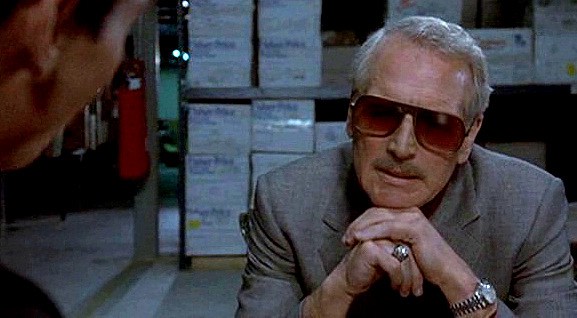
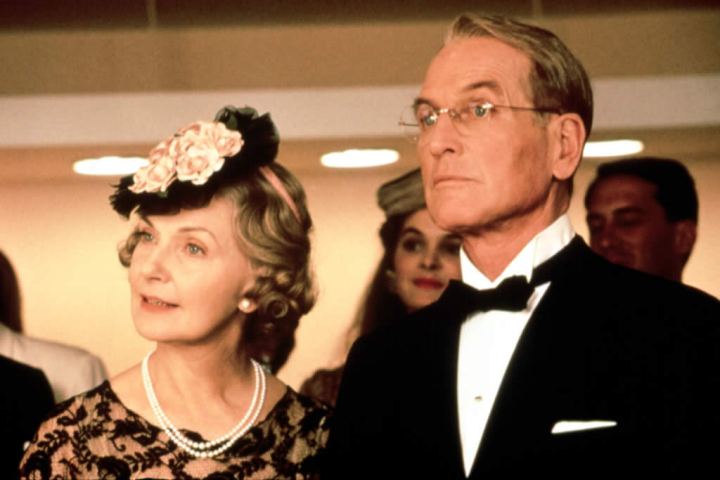
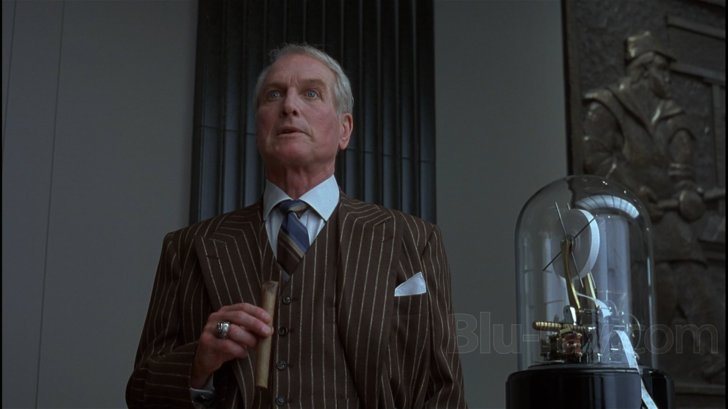
By the 90’s, acting took a backseat to Newman’s philanthropic endeavors, and he made only five movies in a decade – Mr. and Mrs. Bridge (a personal fave of mine), The Hudsucker Proxy (Paul Newman + Coen brothers? Yes please!), Nobody’s Fool (which earned him his eighth and final Oscar nod for Best Actor), Twilight (a neo-noir with a fantastic cast but not much substance) and Message in a Bottle (the less said, the better, although Newman is far and away the best thing about the film).
Mr. and Mrs. Bridge, with Joanne Newman
The Hudsucker Proxy
Nobody’s Fool, with Jessica Tandy
Now in his seventies, Newman was acting less in the 2000’s, but was still making an impression. His final live action film role, in 2002’s Road to Perdition, earned him his ninth and final Oscar nomination (this time for Best Supporting Actor). He starred in a 2003 Broadway revival of Our Town, and received a Tony nomination (as well as Emmy and SAG nods for the made-for-television adaptation). He co-starred in the deservedly acclaimed HBO mini-series Empire Falls, and won the Emmy and the Golden Globe for Best Supporting Actor. His final feature film appearance, in Pixar’s Cars, was the perfect coda to Newman’s career; a race car driver in real life, Newman was the perfect choice to voice Doc Hudson, aka the Fabulous Hudson Hornet.
Road to Perdition
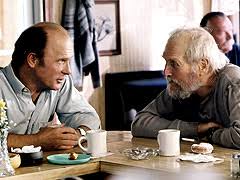
Empire Falls, with Ed Harris
Cars
Newman died on September 26, 2008 from lung cancer. He left behind his beloved wife Joanne, a philanthropic empire (his Newman’s Own Foundation, which donates 100% of the net profits from the sale of food products such as salad dressings, salsas and popcorn, has donated more than half a billion dollars to charity since its inception in 1982) and an iconic filmography featuring some of the best performances ever committed to celluloid.











































 PB & Julie + Julie C. Trivia