The Joshua Tree was released thirty-five years ago yesterday, catapulting U2 to superstardom. Inspired by the band’s fascination with the mythical American experience, and their disillusionment with the “real America”, The Joshua Tree is steeped in Irish and American roots music and represented a substantial leap forward for U2 both musically and lyrically. The Joshua Tree was one of the most critically acclaimed and commercially successful albums of 1987, winning the Grammy Award for Album of the Year and selling more than twenty-five million copies worldwide. The album is jam-packed with bangers: #1 hits “With or Without You” and “I Still Haven’t Found What I’m Looking For”, “Bullet the Blue Sky”, “In God’s Country” and “One Tree Hill”, just to name a few.
I Never Loved a Man the Way I Love You was released fifty-five years ago today. The album was Aretha Franklin’s commercial breakthrough and featured the #1 smash “Respect”.
Andy Gibb died on this day in 1988, five days after his 30th birthday. Gibb, the younger brother of Bee Gees Barry, Robin and Maurice, found musical success while still in his teens. He recorded three #1 hits in the late 1970s, “I Just Want to Be Your Everything”, “(Love is) Thicker than Water” and “Shadow Dancing”. But fame came with a price – a cocaine addiction – and his career had faltered by the mid-eighties. His family implored him to seek help for his addiction, and by 1988, Gibb seemed to have beaten his cocaine dependence. But years of abuse had left his heart weakened, and two days after his birthday he went to a London hospital complaining of chest pains. Before all the necessary tests could be completed, Gibb slipped into a coma and died. His official cause of death was myocarditis, an inflammation of the heart that the doctors directly linked to Gibb’s cocaine abuse.
Happy birthday, Edie Brickell! Brickell first came to prominence in the late 1980s with her band New Bohemians and their top-ten album, Shooting Rubberbands at the Stars. Brickell continues to record music as a solo artist and with New Bohemians. In 2013, she collaborated with Steve Martin on a bluegrass album titled Love Has Come for You.
Brickell’s daughter, Lulu Simon, is also a recording artist; her focus is synth-heavy pop rather than the folk sound of her mother
Jezebel held its NYC premiere on this date in 1938. Bette Davis’s performance as New Orleans belle Julie Marsden earned her a second Best Actress Oscar in four years; Jezebel was also nominated for Best Picture, Best Supporting Actress, Best Cinematography and Best Score.
Bette Davis and Henry Fonda in Jezebel
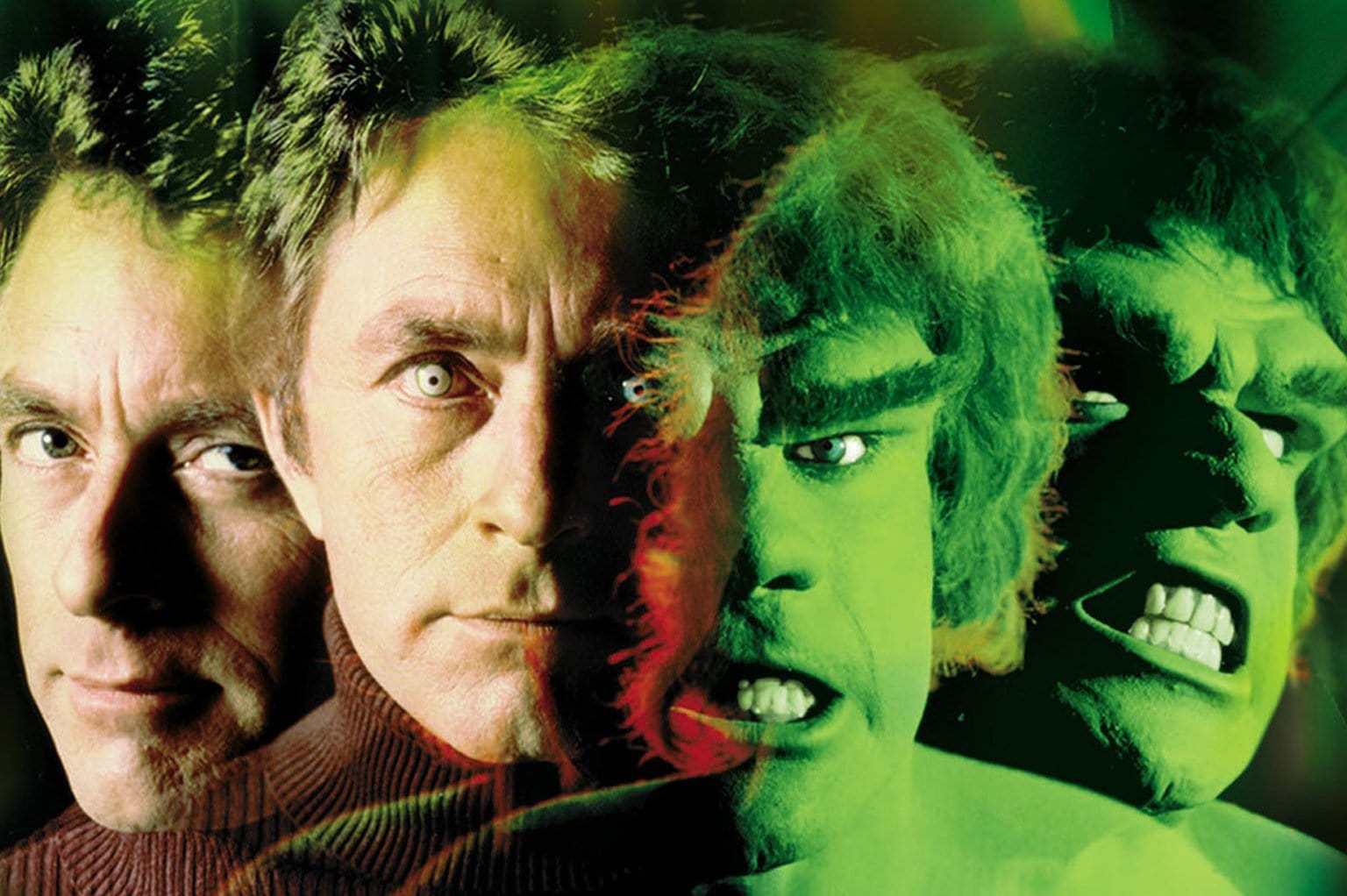
The Incredible Hulk premiered on CBS on this day in 1978. Starring Bill Bixby as Dr. David Banner and Lou Ferrigno as his angry alter ego, The Incredible Hulk ran for five seasons and was a commercial, if not critical, success. It was certainly a hit in my house!
Buffy the Vampire Slayer premiered on this day in 1997. Described by showrunner Joss Whedon as “My So-Called Life meets The X-Files“, the series starred Sarah Michelle Gellar as the titular slayer. The series ran for seven seasons and was a ratings success for the fledgling WB Network. The “Buffyverse” eventually grew to include a spin-off (Angel) and tie-in products like novels, comic books and collectibles.
The Adam Project comes to Netflix tomorrow. The film stars Ryan Reynolds and Walker Scobell as Adam Reed, a time-traveling fighter pilot who teams up with his twelve-year-old self to save the future. Stranger Things executive producer Shawn Levy directed the film, which co-stars Zoe Saldaña and features a 13 Going on 30 reunion, with Jennifer Garner and Mark Ruffalo portraying Adam’s parents.
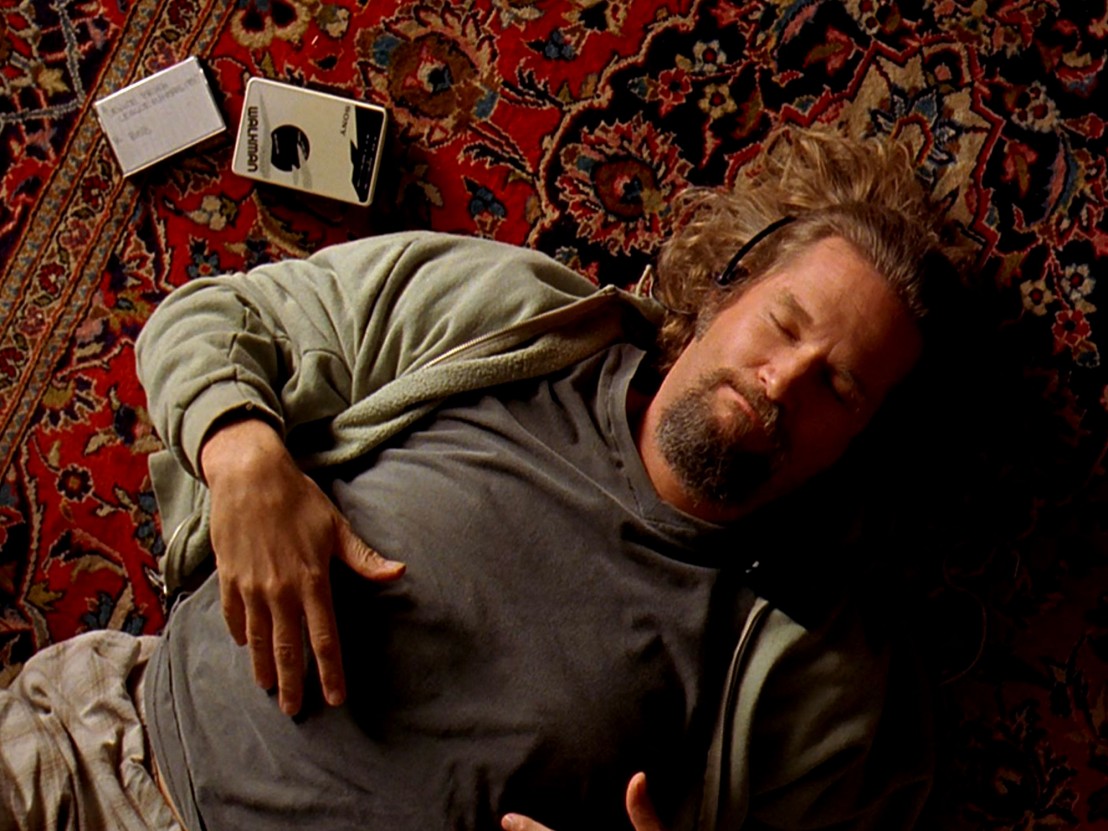
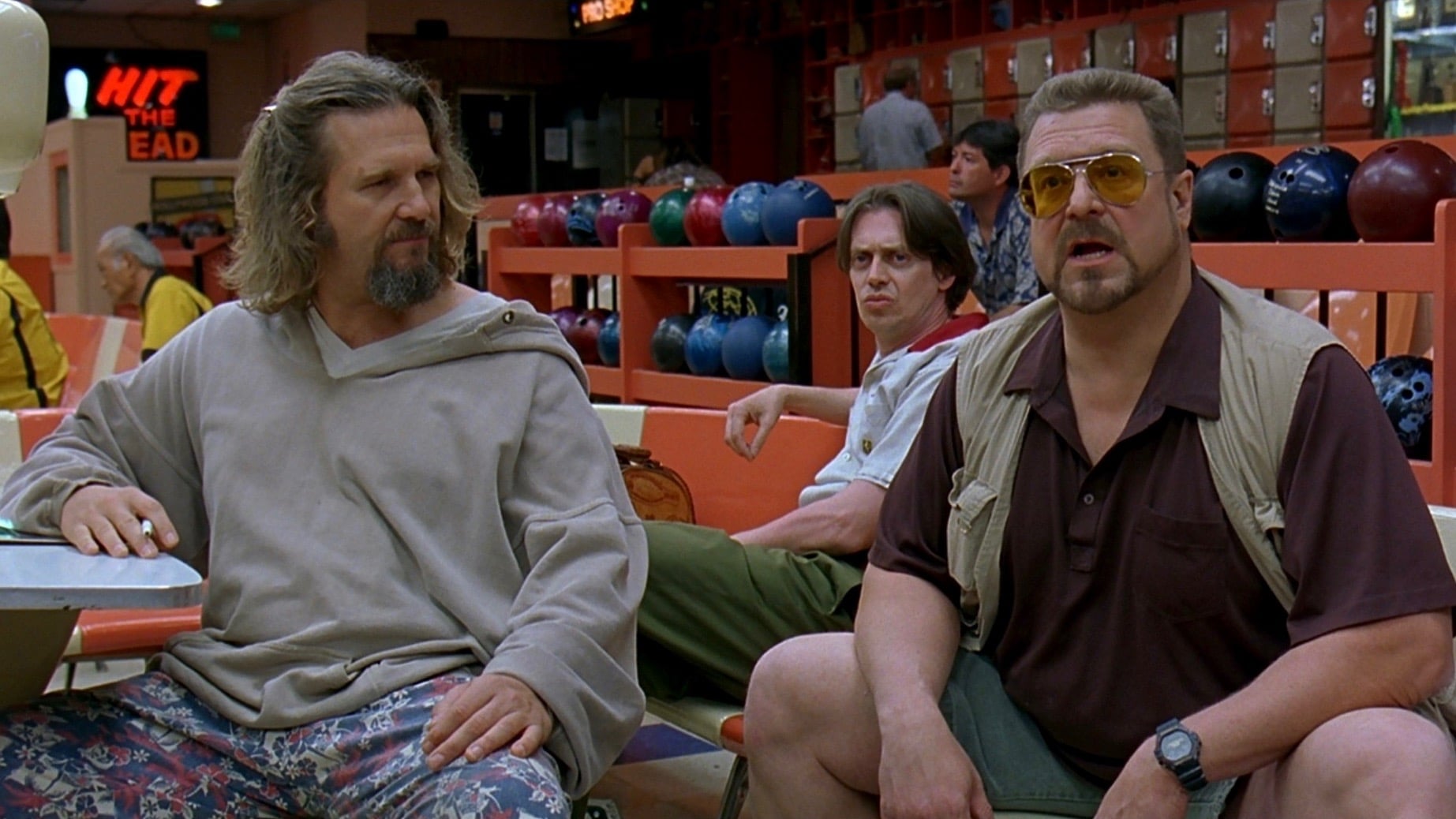
March 6 is the Day of the Dude, the high holy day of Dudeism. For those of you unfamiliar with the holiday, it is the anniversary of the release of The Big Lebowski, which stars the incomparable Jeff Bridges as “The Dude”. So smoke a joint, drink a White Russian (but use American vodka), go bowling, or just stay home and watch the movie; however you celebrate, I wish you a very happy Day of the Dude.
Bridges with his Lebowski co-stars Steve Buscemi and John Goodman
Shining Vale premieres tonight on STARZ.
The new season of Survivor premieres Wednesday on CBS and Paramount Plus. Here are the castaways explaining the one thing they don’t want the other players to know.
Happy 75th birthday to Rob Reiner, creator of my favorite five-movie run of all time.
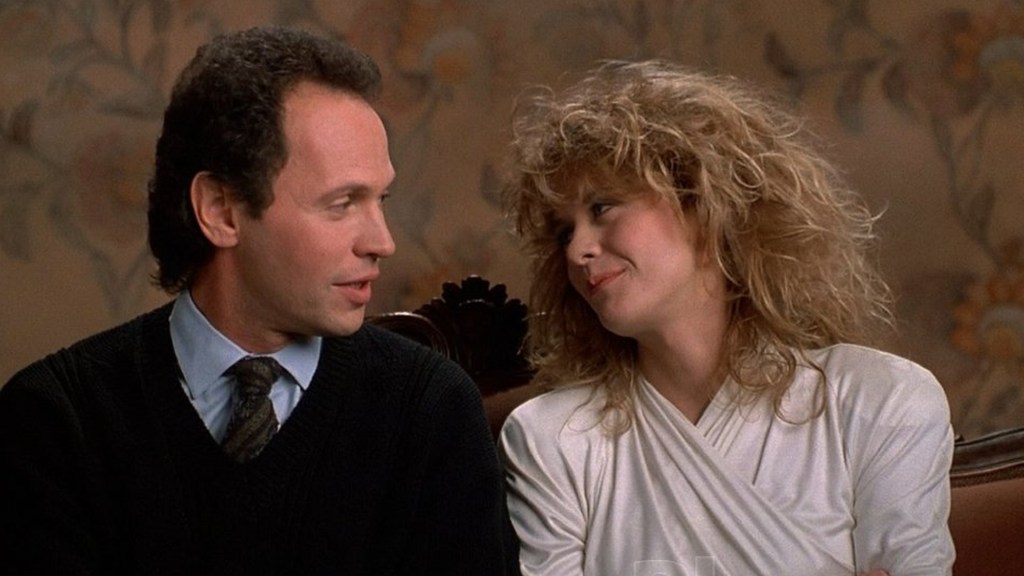
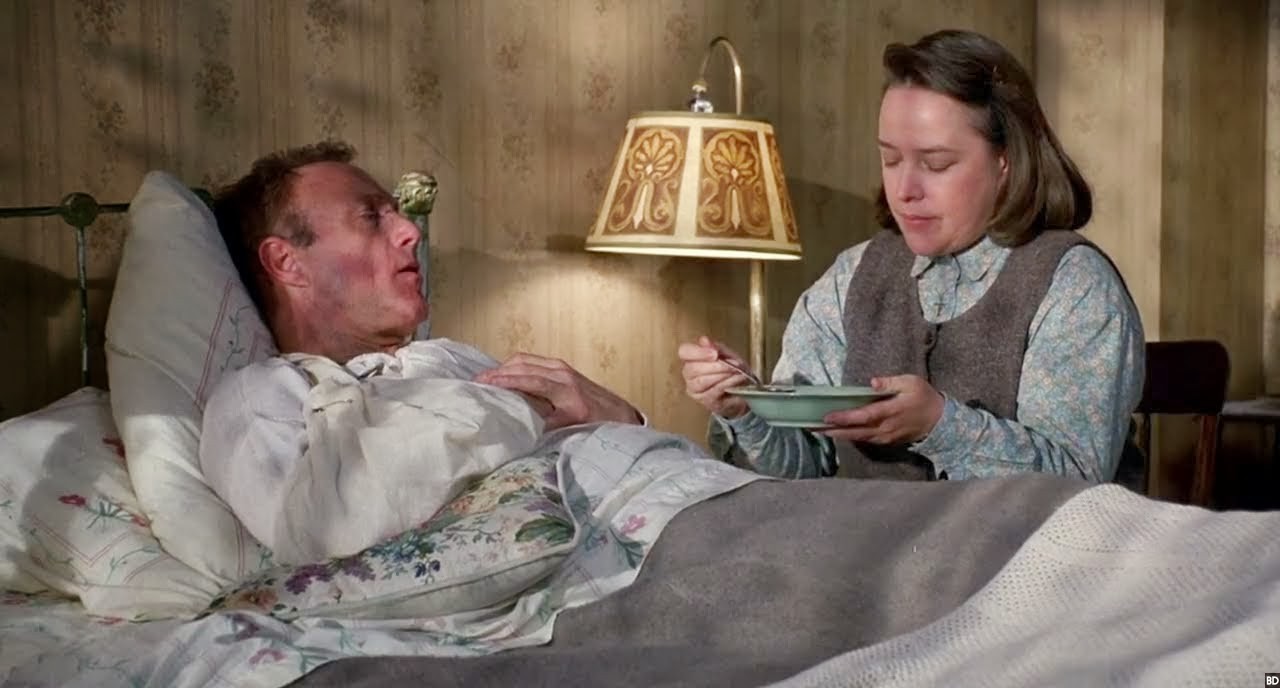
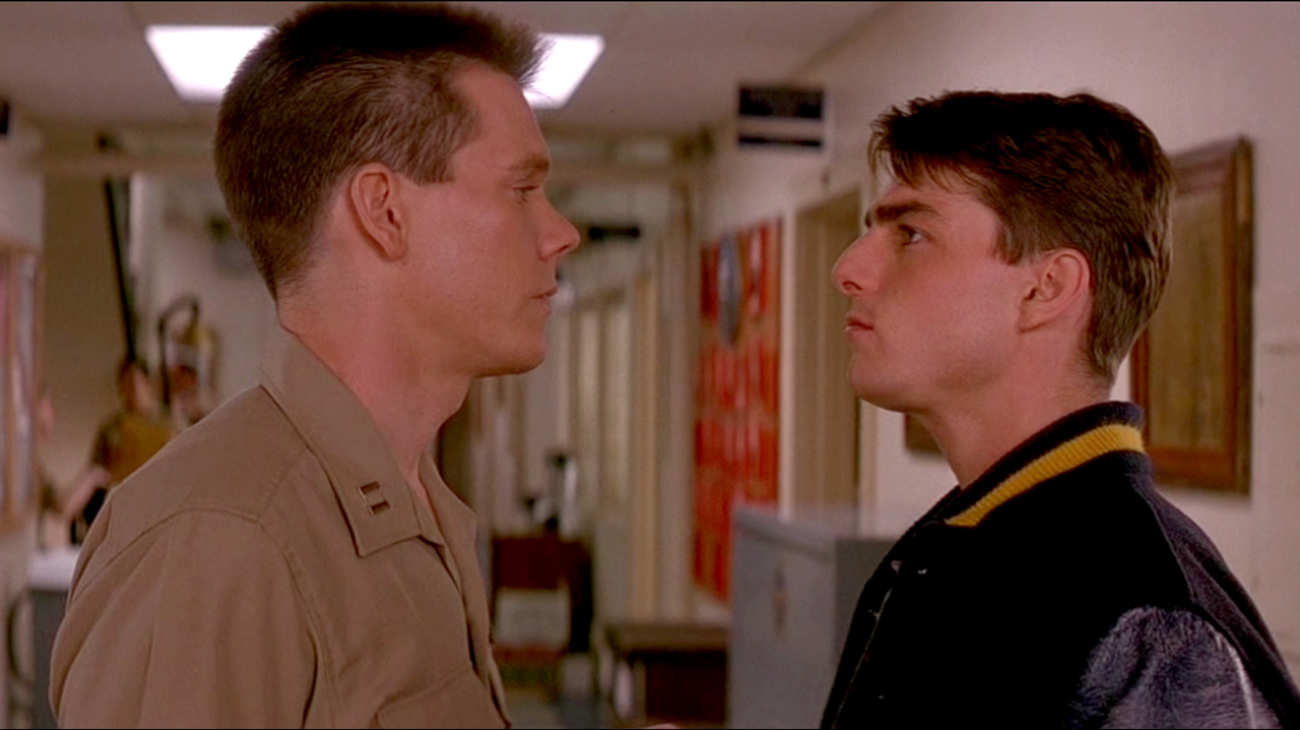
Stand By Me (1986)The Princess Bride (1987)When Harry Met Sally… (1989)Misery (1990)A Few Good Men (1992)Happy birthday, Mr. Reiner!
Kim Walker died on this day in 2001 of a brain tumor at the age of just thirty-two. Walker is best known for her portrayal of Heather Chandler in Heathers, where she delivers one of the greatest line readings in the history of cinema:
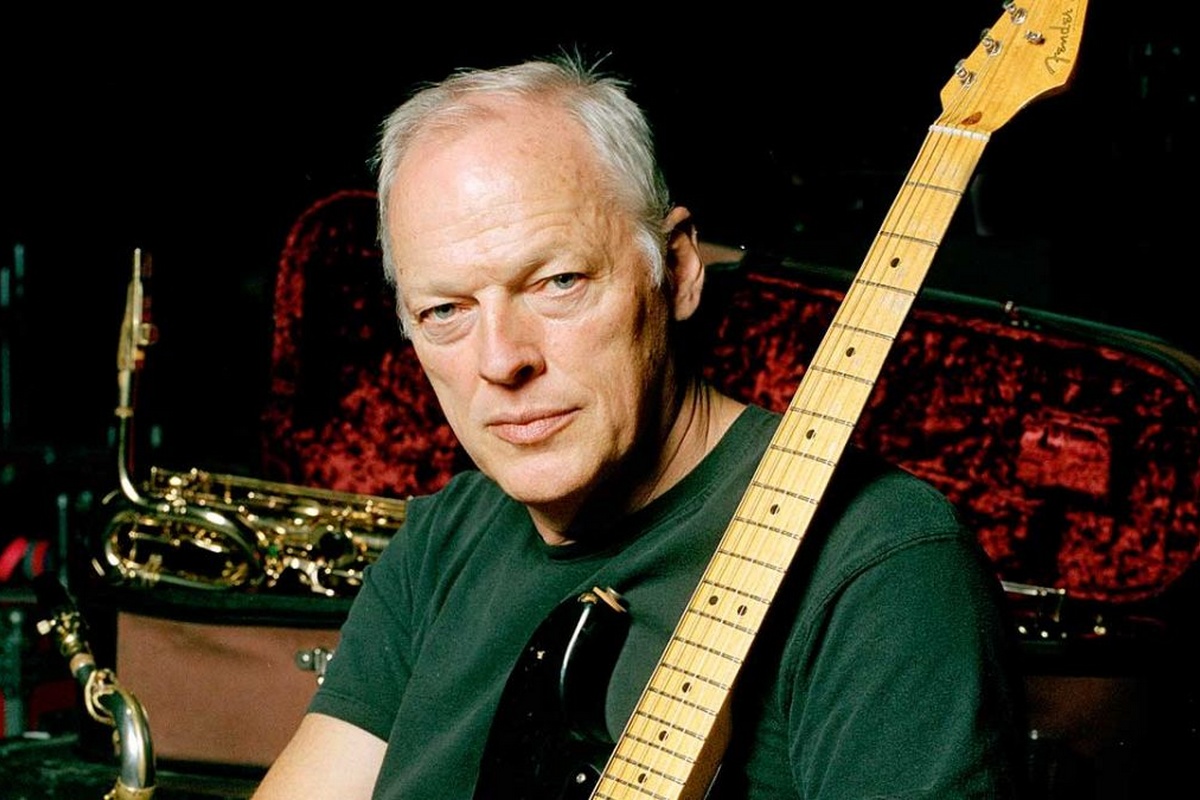
Also celebrating a birthday today is David Gilmour, legendary singer, songwriter and guitarist for Pink Floyd.
Gilmour, second from left, with Pink Floyd bandmates Richard Wright, Roger Waters and Nick MasonGilmour in recent years
Verdi’s La traviata premiered at the Teatro La Fenice in Venice on this day in 1853.
Teatro La Fenice – The Phoenix Theater – is so named because it has risen from the ashes of three separate fires, in 1774, 1836 and 1996. This is how the theater would have looked in 1853 when La traviata premiered.
The trailer for Bullet Train has been released, and it looks entertaining as hell.
Season 19 of Top Chef, filmed last fall in and around Houston, premieres tomorrow night. My pre-premiere favorite is Sarah Welch, who was born in my hometown of Ann Arbor and is the executive chef at Marrow in Detroit.
Judges Gail Simmons, Padma Lakshmi and Tom Colicchio
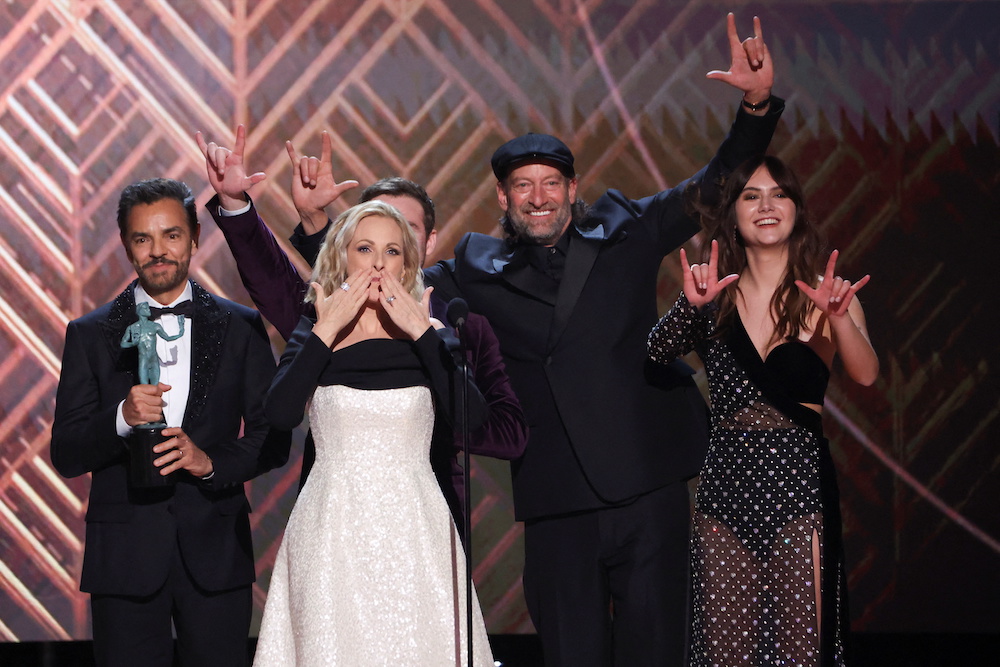
The Screen Actors Guild Awards were held Sunday evening. The results threw the Oscar race into further disarray, especially in the Best Supporting Actor category, where Golden Globe winner Kodi Smit-McPhee (The Power of the Dog) lost to CODA‘s Troy Kotsur (the first deaf actor to win a SAG!). CODA‘s cast also took home the night’s top prize. Will Smith and Jessica Chastain earned the lead acting honors for their performances in King Richard and The Eyes of Tammy Faye, respectively. As expected, Ariana DeBose took home the supporting female award for her turn in Steven Spielberg’s West Side Story. On the television side, Squid Game, Succession and Ted Lasso were the big winners. And Kate Winslet and Cate Blanchett presented the Lifetime Achievement Award to Dame Helen Mirren.
Marlee Matlin and the cast of CODA accepting their award for Outstanding Performance by a Cast in a Motion Picture
From the barrel roll onto the stage to the heartfelt end, Michael Keaton (accepting Outstanding Performance by a Male Actor in a Miniseries or Television Movie for Hulu’s Dopesick) gave the best speech of the night.
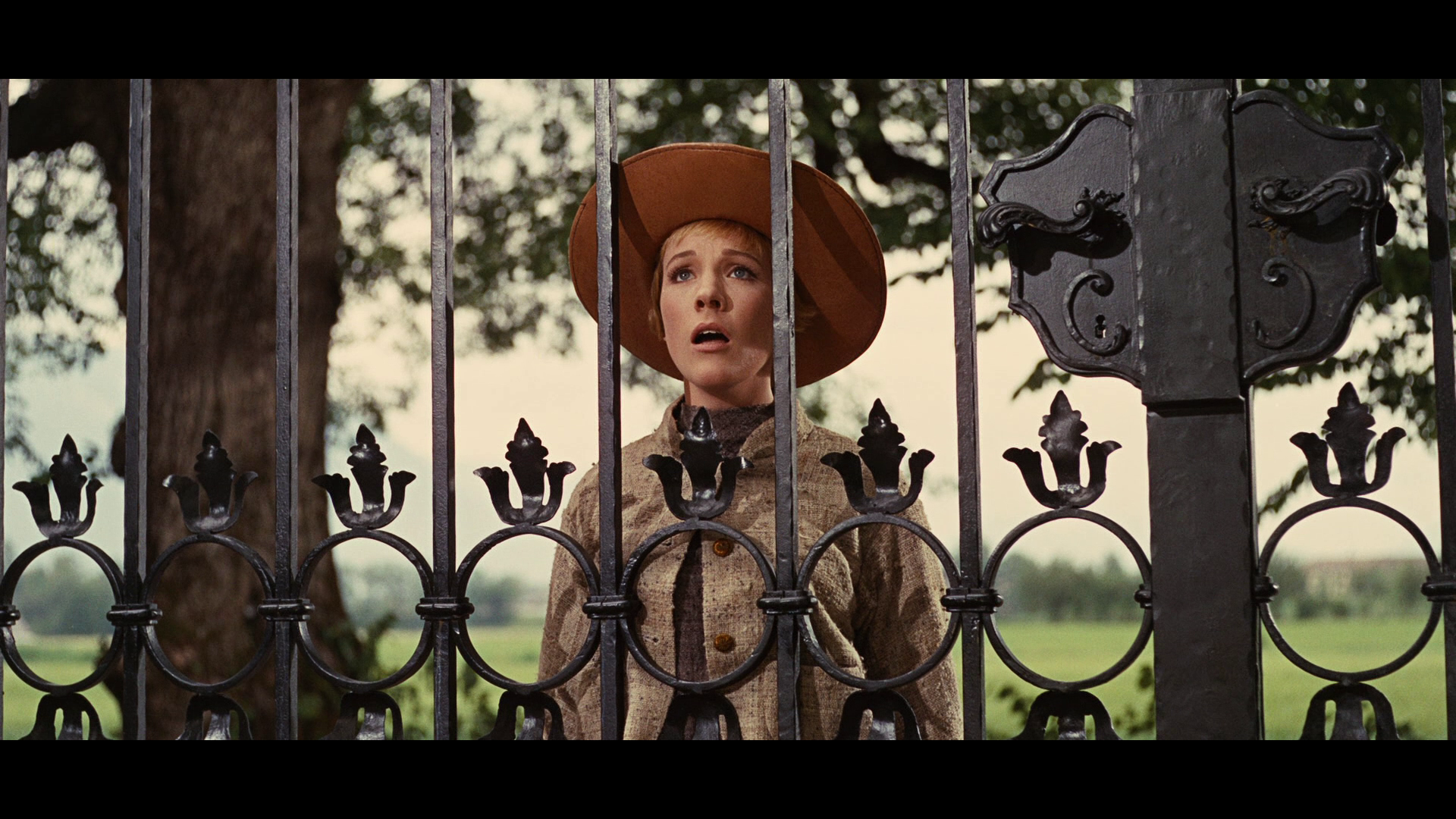
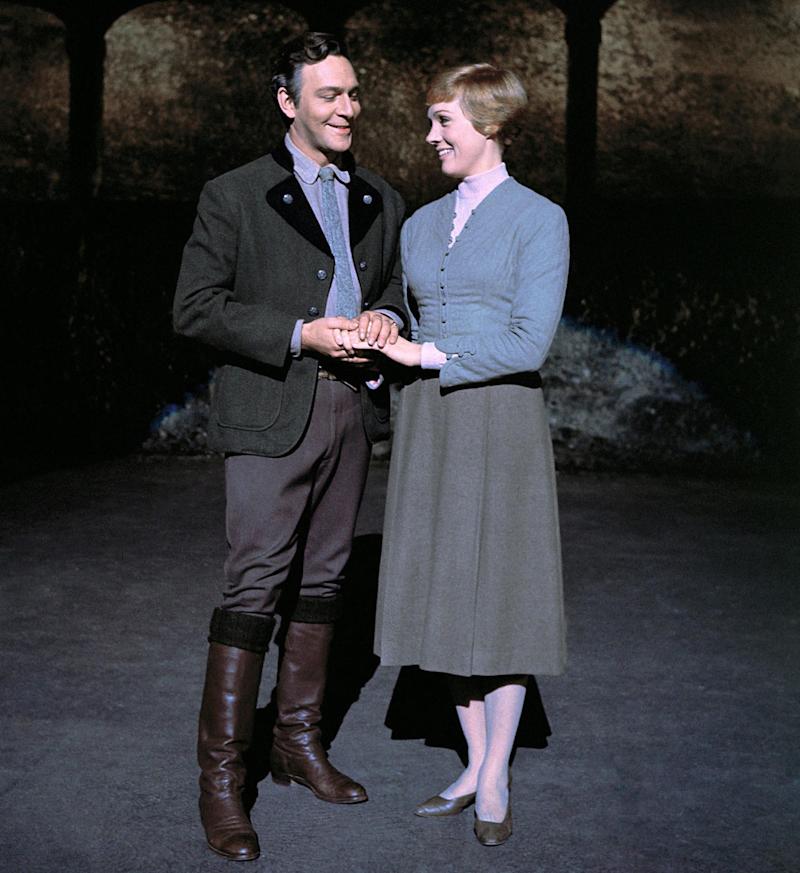
The Sound of Music premiered on this day in 1965 on its way to becoming a five-time Oscar winner and one of the most beloved movies of all time. Adapted from the Rodgers & Hammerstein stage musical, The Sound of Music received wildly mixed reviews from the critics. Moviegoers, on the other hand, couldn’t get enough. Not only was The Sound of Music the highest-grossing film of 1965, it is in the all-time top ten when you adjust for inflation (just over $1.4 billion at 2019 prices). The American Film Institute (AFI) listed the film as the fourth-greatest movie musical ever (for the record, one through three are Singin’ in the Rain, West Side Story and The Wizard of Oz).
Julie Andrews as Maria in The Sound of MusicChristopher Plummer, far right, as Captain von Trapp with his chidrenPlummer and Andrews In 2015, the two reunited for an event honoring the film’s 50th anniversary
This sequence was filmed at Mount Untersberg in the Bavarian Alps, one of the film’s shooting locations in and around Salzburg
On this day in 1977, Bette Davis became the first woman to receive the AFI Life Achievement Award.
Porky Pig made his film debut on this day in 1935 with the Merrie Melodies short, I Haven’t Got a Hat.
Joni Mitchell’s third album, Ladies of the Canyon, was released on this day in 1970.
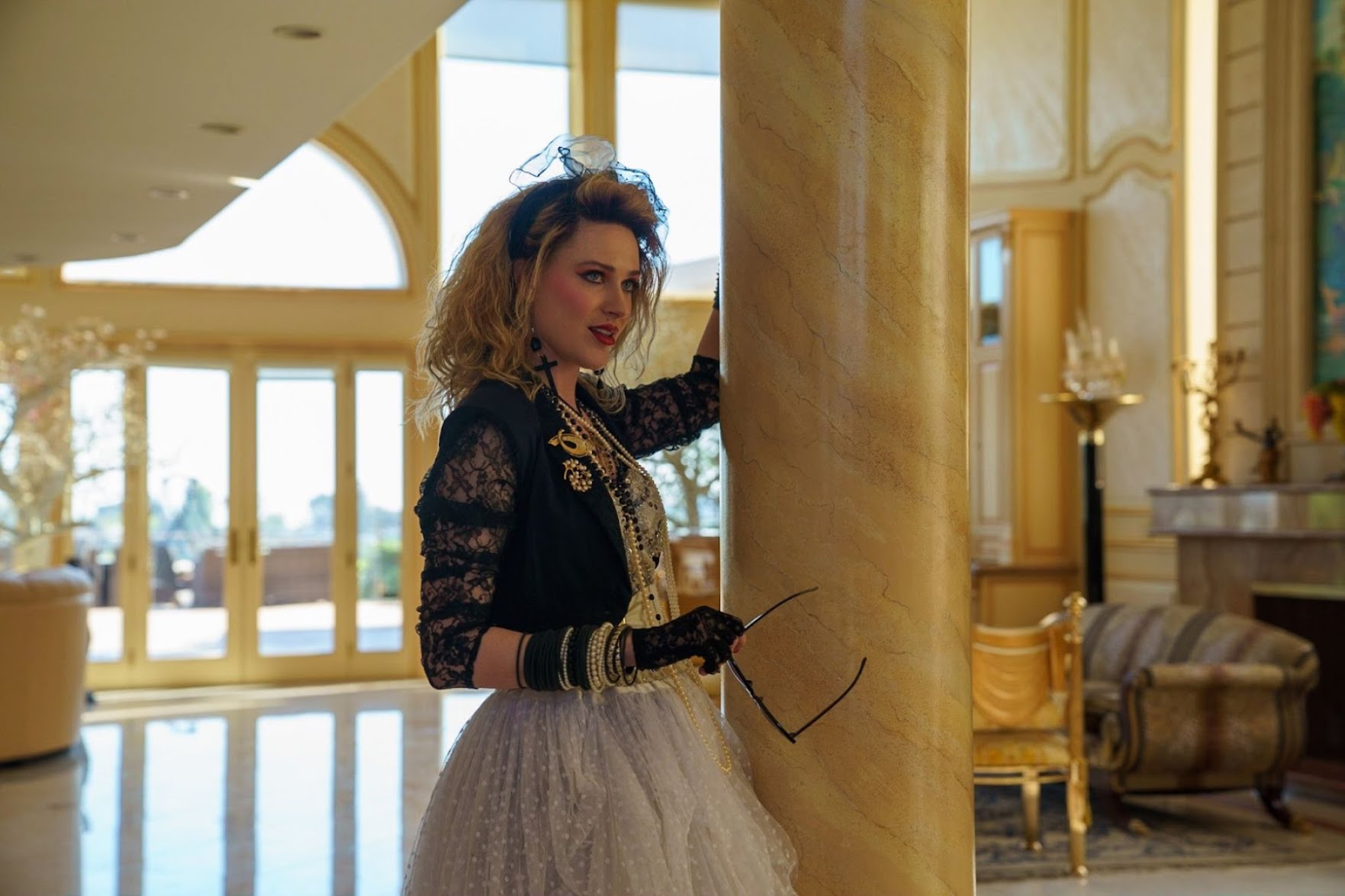
Rolling Stone has given us the first look at Evan Rachel Wood as Madonna in Roku’s “Weird Al” Yankovic biopic, which I assume will recreate the genesis of “Like a Surgeon”. By the way, Yankovic will be portrayed by Daniel Radcliffe and Rainn Wilson will co-star as Yankovic’s mentor Dr. Demento.
Not only did Madonna give her blessing for “Weird Al” to parody “Like a Virgin”, she allegedly came up with the title as well
Speaking of Madonna, she will be co-writing (with Diablo Cody) and directing a biopic about her own music career. Apparently, Madonna had her heart set on Florence Pugh for the role (a casting decision I support 100%), but other actresses have been auditioning for the part so Pugh likely turned it down or wasn’t available. Among the actresses who have auditioned are Ozark‘s Julia Garner and Euphoria‘s Sydney Sweeney and Barbie Ferreira. I think any of them would be lovely in the role. I also think this movie is probably going to be a train wreck but I’m absolutely still going to see it.
CONTENT WARNING: DEPICTIONS OF BLACKFACE. Casual depictions of racism in moviesare a result of institutionalized white supremacy. Racial stereotypes are reinforced by pop culture and it causes harm. I do not wish to cause more harm by posting the following photos, but I think it’s imperative that we (white people) confront these images – and our complicity in the institutionalized racism that allows these depictions to thrive – head-on. Doing the research for this piece made me profoundly uncomfortable, and it should make you uncomfortable to read it.
February is Black History Month, a time set aside to honor the history and contributions of black Americans. The origins of Black History Month date back to 1926, when historian Carter G. Woodson proposed that the second week of February should be “Negro History Week”. That week was chosen to coincide with the birth dates of Abraham Lincoln and Frederick Douglass. Woodson’s hope was to encourage the teaching of black history in schools; several state departments of education and city school administrations chose to participate that first year, with more joining in later. The first Black History Month took place at Kent State University in 1970, and over the next several years, Black History Month was celebrated in educational institutions and community centers around the country. In 1976, President Gerald Ford formally recognized Black History Month.
Last year for Black History Month, I wrote a piece about the Academy of Motion Picture Arts and Sciences’ failure to recognize the accomplishments of black artists both in front of and behind the camera (https://peanut-butter-and-julie.com/2021/02/25/black-history-month-and-the-oscars/). This year, I’ll take a look at whitewashing and blackface in cinema.
Whitewashing, the practice of hiring white actors to portray non-white characters, can apply to characters of any ethnic or racial group (for now, we’ll specifically look at the whitewashing of black or biracial characters). Blackface is the use of dark theatrical makeup by people of non-African descent, often to present a caricatured version of a racial stereotype (for example, “happy-go-lucky slave” or “sassy maid”). While blackface is used less frequently these days, for obvious reasons, the insidious custom of whitewashing is unfortunately still quite prevalent (the most recent film on this list is just five years old).
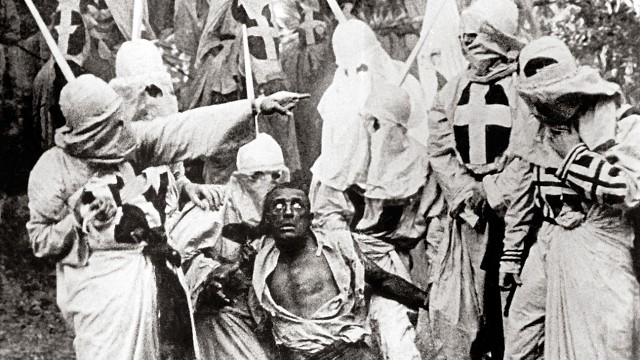
The Birth of a Nation
In the early days of cinema, it was commonplace for black characters to be portrayed by white actors in blackface. The most infamous example of this practice is D.W. Griffith’s 1915 silent epic The Birth of a Nation. One of the earliest blockbusters (it’s earned an estimated $1.8 billion, adjusted for inflation), The Birth of a Nation was essentially a KKK recruitment film; the rebirth of the Klan took place just a few months after its release. If there was any doubt about the filmmakers’ intentions here, the name of the novel on which The Birth of a Nation is based is The Clansman: A Historical Romance of the Ku Klux Klan. And in case that’s still too subtle, here’s another “fun” fact: Griffith’s father Jacob was a colonel in the Confederate Army. The NAACP spearheaded an unsuccessful campaign to ban The Birth of a Nation; Griffith was so incensed by the effort to censor his work, he titled his next film Intolerance.
The Birth of a Nation
Show Boat
In 1951’s Show Boat, Ava Gardner (who is of English, Irish and Scottish descent) was cast as biracial character Julie LaVerne. Initially, Lena Horne (herself biracial) was to have played Julie; Horne had already played Julie in 1946’s Till the Clouds Roll By, a fictionalized Jerome Kern biopic. But MGM executives were nervous about casting a glamorous black woman in such a prominent role, so Gardner – who was under contract with MGM at the time – was given the part.
Ava Gardner in Show Boat
Lena Horne in Till the Clouds Roll By
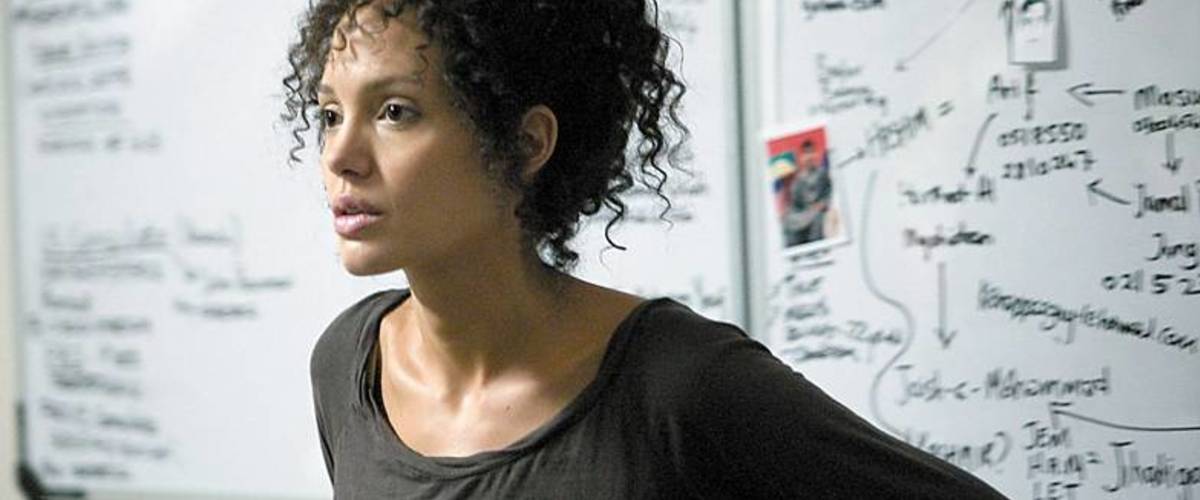
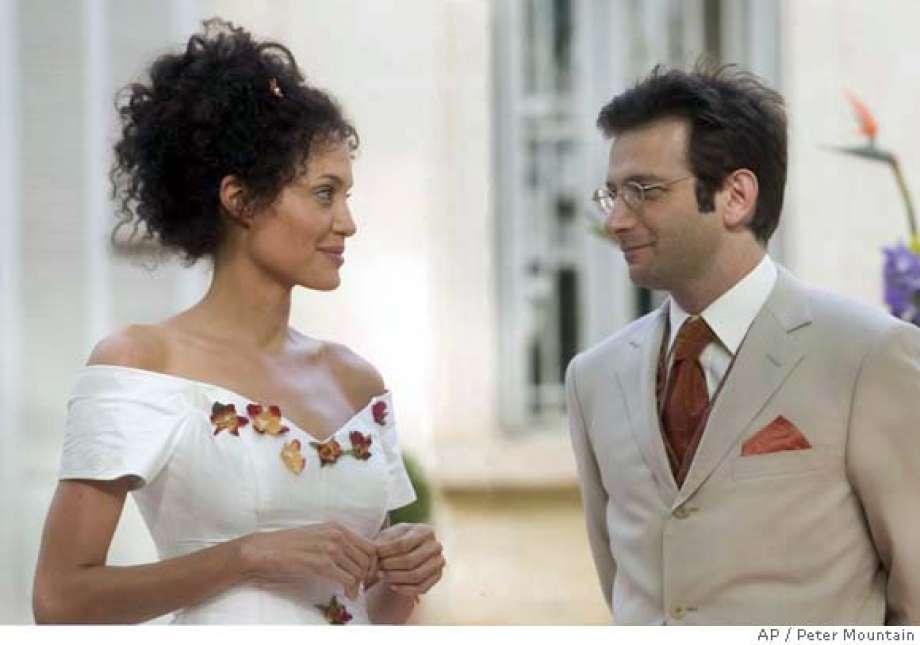
A Mighty Heart
Unlike the other films on this list, A Mighty Heart is a true story. Based on the Mariane Pearl memoir of the same name, A Mighty Heart is about Pearl’s relationship with her husband, Wall Street Journal reporter Daniel – and Daniel’s grisly death at the hands of Pakistani militants. Mariane, who was born in France to an Afro-Chinese-Cuban mother and a Dutch Jewish father, is played by Angelina Jolie. Mariane herself made appearances with the cast and crew at events for the film; whether this implies her approval of the casting is not for me to say. Either way, seeing Jolie decked out in a curly wig and brown contacts is disconcerting (see featured image).
Mariane and Daniel Pearl on their wedding day in 1999Angelina Jolie & Dan Futterman in A Mighty HeartJolie and Mariane Pearl at the 2007 Cannes Film Festival, where A Mighty Heart premiered
Trading Places
Comedy classic Trading Places, starring Dan Akyroyd and Eddie Murphy, is a product of its time (1983): equal parts hilarious and cringeworthy. Although the story itself (two men of opposite social status are swapped for a nature vs. nurture bet by billionaire brothers) is still a winner, some of the film’s elements – use of the n-word, the implied rape of a character by a gorilla – have aged poorly. In one particularly cringe-inducing scene, Dan Aykroyd’s character dons blackface and a fake Jamaican accent to avoid detection by the brothers’ henchman.
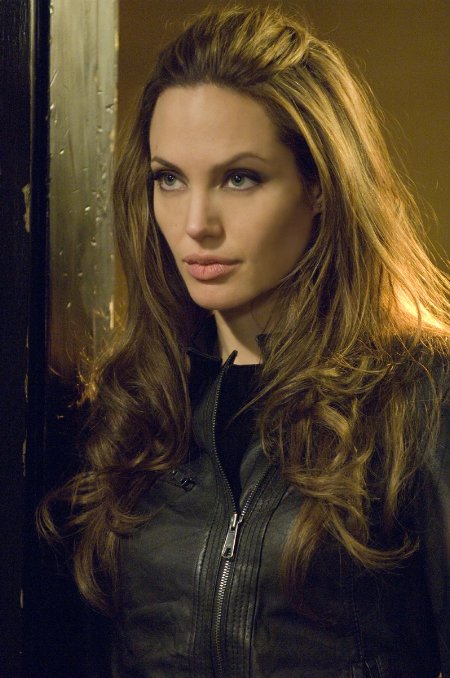
Wanted
Oh look, it’s Angelina Jolie again. Wanted is very loosely based on the comic book series of the same name by Mark Millar and J.G. Jones. In the comic book, Jolie’s character “Fox” is biracial, inspired by Halle Berry. Which begs the question, if a character is inspired by Halle Berry, why not just cast Halle Berry?
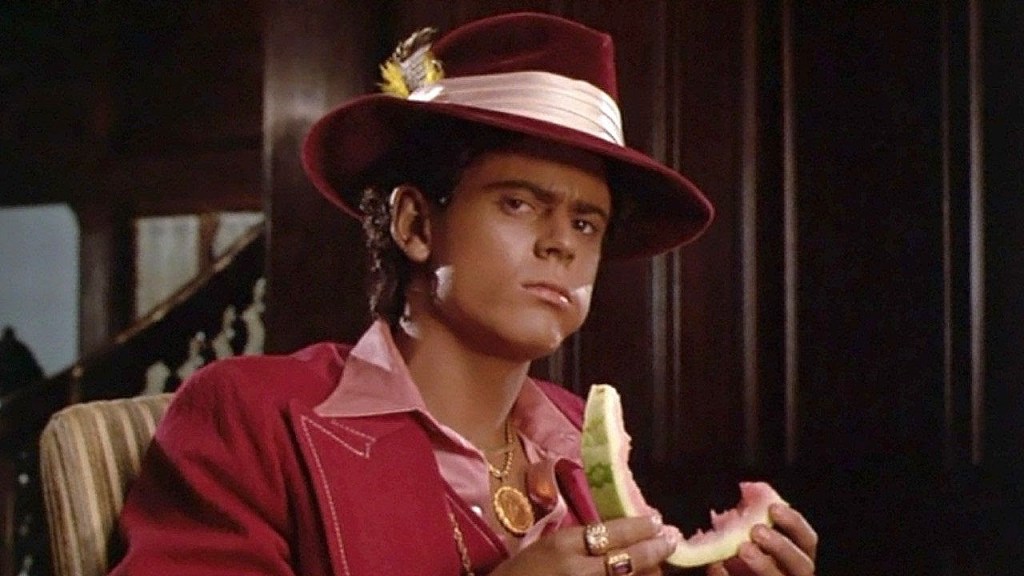
Soul Man
1986’s Soul Man stars C. Thomas Howell as Mark Watson, whose wealthy father reneges on his promise to pay for Mark’s law school education. Mark finds out that the only scholarship still available is earmarked for an African-American student, so he takes a large dose of tanning pills (WUT?) and off to Harvard Law he goes. The filmmakers genuinely seem to believe they’re making a profound statement about racism, but the whole affair is awkward and embarrassing and extremely unfunny.
Y I K E S
Pay It Forward
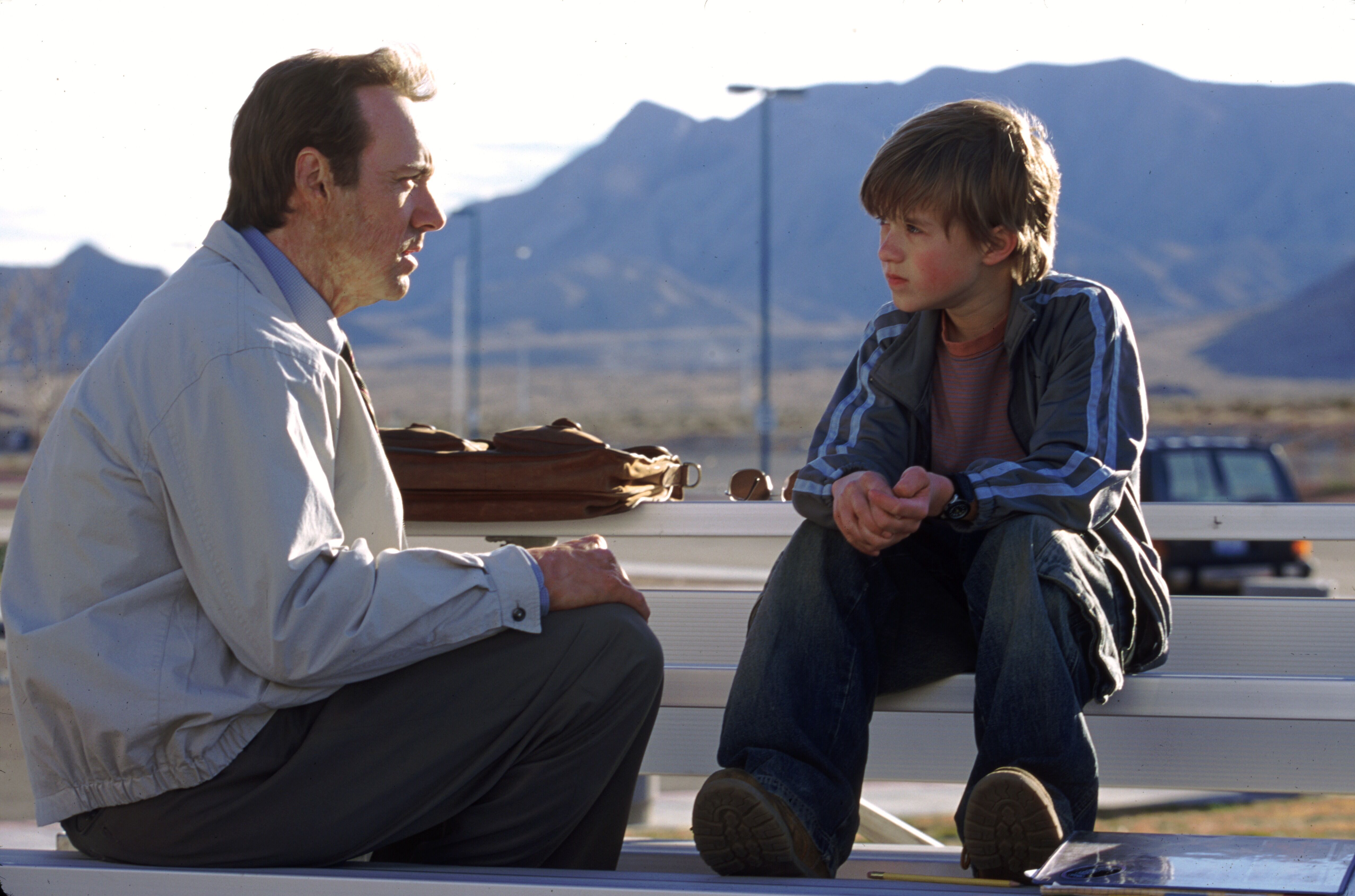
This terrible 2000 flick, based on a terrible 1999 novel, is manipulative and mawkish. Of its many sins, the worst is that the book’s black teacher named Reuben St. Clair becomes a white man named Eugene Simonet for the movie. Casting a black man in the role wouldn’t have made Pay It Forward better (yes, it really is that bad, just take my word for it), but the whitewashing of the role is completely unnecessary.
Kevin Spacey and Haley Joel Osment in Pay It Forward
The New Mutants
The New Mutants, Marvel’s attempt at an X-Men reboot, was a bomb both critically and commercially. In another case of absolutely needless whitewashing, Bobby de Costa (AKA Sunspot) went from an Afro-Brazilian comic book character to a just-Brazilian movie character played by Henry Zaga.
The Jazz Singer (1927 and 1980)
The 1927 version of The Jazz Singer is notable primarily as the first motion picture to use synchronized sound, with Al Jolson’s Jakie Rabinowitz proclaiming, “Wait a minute, wait a minute. You ain’t heard nothin’ yet!” The Jolson version of Jakie dons blackface in the horrifying minstrel tradition. The 1980 remake could have removed the blackface subplot, but the filmmakers doubled down instead. Neil Diamond looks like Greg Brady was left out in the sun for the summer (but it’s the picture of Jolson that will haunt my dreams).
Al JolsonNeil Diamond
Imitation of Life
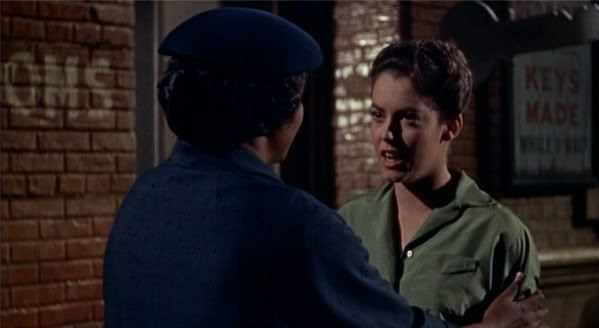
Douglas Sirk’s 1959 melodrama Imitation of Life features a storyline about a black mother (Juanita Moore) and her light-skinned daughter (Susan Kohner) who fervently wishes to pass for white. Kohner herself is Mexican, Irish and Austrian. This instance of whitewashing is particularly galling to me because the plot literally hinges on her race.
Juanita Moore and Susan Kohner were both nominated for the Best Supporting Actress Oscar
The Human Stain
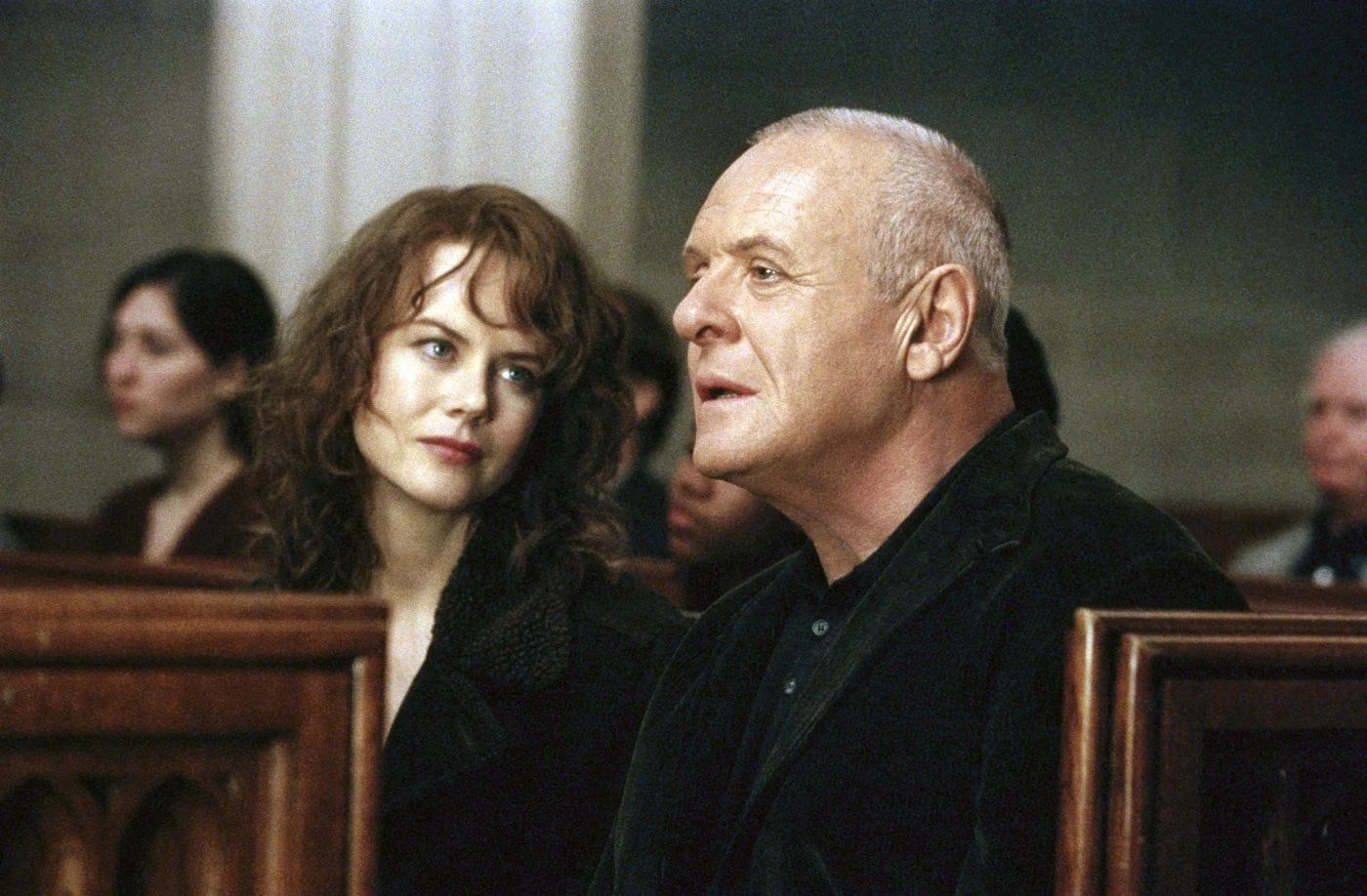
In another “passing” plotline, Anthony Hopkins plays a disgraced former college professor who resigns following an accusation of racism. Turns out, Hopkins’ character is a light-skinned black man who has been passing as a white Jew. The weird thing is, they got the casting right for the younger version of the character: Wentworth Miller, who has African and Jamaican roots on his father’s side.
Anthony Hopkins and Nicole Kidman in The Human StainWentworth Miller
Silver Streak
Silver Streak, the 1976 buddy comedy/murder mystery starring Gene Wilder and Richard Pryor, was a critical and commercial hit. The pairing of this duo proved so popular, they would make three more movies together. Yet even this beloved film is not without flaw. In Silver Streak‘s most notorious scene, Wilder’s character needs to disguise his identity; naturally, he does so with face paint and a wildly caricaturish “shuck and jive” routine.
Hud
Hud, based on Larry McMurtry’s 1961 novel Horseman, Pass By, is a highly regarded film and the winner of three Academy Awards. One of those Oscars went to Patricia Neal, who won Best Actress for her performance as housekeeper Alma Brown. In the novel, however, the character is a black cook named Halmea, whom Hud rapes. The movie spares us the rape, as Hud assaults Alma (seen below) but is interrupted before he can rape her. Director Martin Ritt asked for the character to be rewritten as a white woman because he didn’t think moviegoers would buy a relationship between a white man and a black woman. In the words of the film’s screenwriters, “Neither American Western film nor American society was quite ready for that back then”.
Paul Newman and Patricia Neal in Hud and no this is not a love scene
The Beguiled
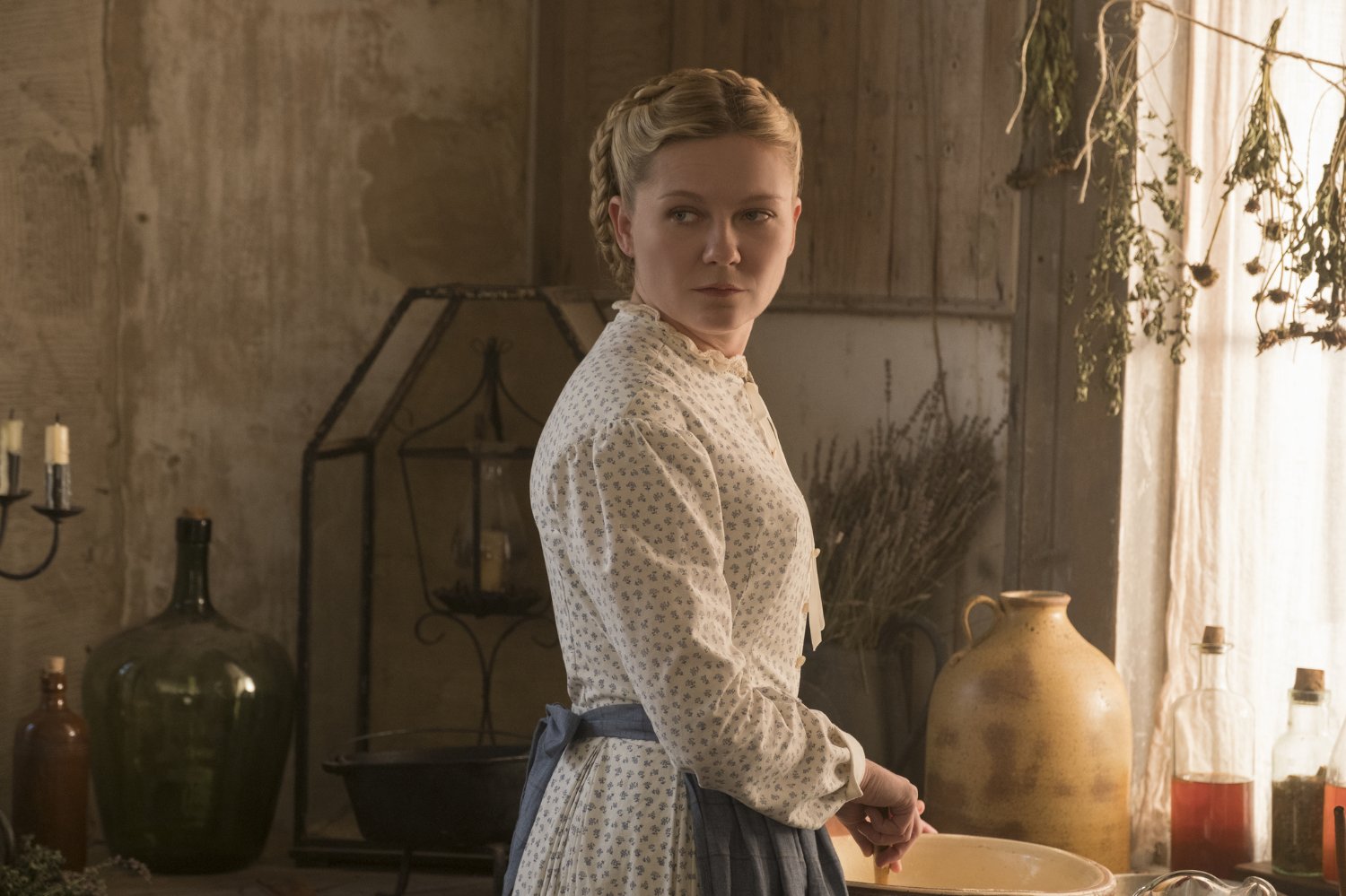
The Beguiled, Sofia Coppola’s 2017 adaptation of Thomas P. Cullinan’s 1966 novel, contains two separate instances of whitewashing: a biracial character named Edwina is portrayed by Coppola’s longtime muse Kirsten Dunst and a black slave named Hattie is excised entirely. In fact, the Civil War-set film essentially erases slavery altogether. When BuzzFeed News asked about her controversial choices, Coppola didn’t help her cause much: “I didn’t want to brush over such an important topic in a light way. Young girls watch my films and this was not the depiction of an African-American character I would want to show them.” I would argue that there are other options besides “brushing over” slavery and pretending it didn’t exist.
Kirsten Dunst in The Beguiled
Tropic Thunder
What can I say about Robert Downey Jr.’s Oscar-nominated performance as method actor Kirk Lazarus that hasn’t already been said? It’s a brilliant performance in a hilarious movie, and the use of blackface is definitely intended to satirize method actors. But is the average movie-goer capable of making that distinction? To make matters worse, in a 2020 interview with renowned racist Joe Rogan, Downey said, “And I thought, ‘Yeah… I’ll do that after Iron Man.’ And then I started thinking, ‘This is a terrible idea; wait a minute.’ Then I thought, ‘Well, hold on, dude, get real here, where is your heart? And my heart is, a), I get to be black for a summer in my mind, so there’s something in it for me. The other thing is, I get to hold up to nature the insane self-involved hypocrisy of artists and what they think they’re allowed to do on occasion—just my opinion.” In the same interview, Downey stated that the movie was a hit with 90% of his black friends; of the other 10%, Downey said, “I can’t disagree with them. But I know where my heart was.”
It’s worth noting that with one exception, these films were all directed by white men. The exception? Sofia Coppola. A white woman. A white woman who is the offspring of Hollywood royalty. An exceedingly privileged white woman. And like most of the filmmakers on this list, Coppola probably had the best of intentions, but good intentions just aren’t good enough anymore. We need to do better, and that starts with owning up to our white privilege, committing ourselves to diversity, and disavowing these harmful depictions of racial stereotypes.
This post is dedicated to Danny, who had a heart full of love and light and hope, and who believed in equality for all. I will treasure and miss you forever, Danny.
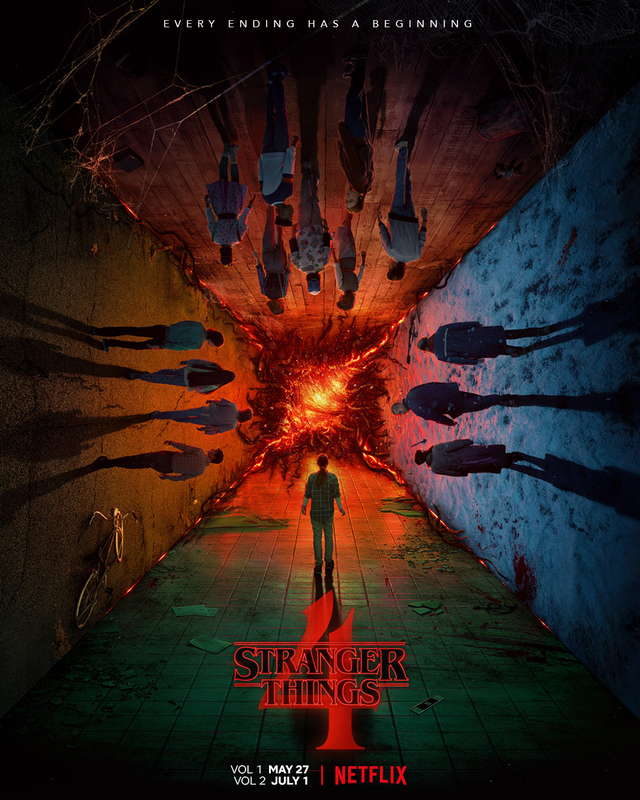
Stranger Things 4 FINALLY has a release date, or rather, two release dates. The season will be split into two parts; volume one will be released on May 27, volume two on July 1. The Duffer brothers have also confirmed that season five will be the final season. POTENTIAL SPOILER ALERT: there has been internet chatter since the beginning of the show, but especially after season three, that time travel might end up being a plot point on the show, and this season four tagline – “Every ending has a beginning” – has me thinking it’s a strong possibility. We already know Eleven can travel through space using her powers, so it’s conceivable she could travel through time as well.
This poster is actually a composite of four separate posters (the phenomenal Kyle Lambert has done the artwork for the show from the beginning)
The trailer for Showtime’s The First Lady has arrived. Should we just hand out the Emmys now?
A fun fact I learned while researching my post about Ivan Reitman: back in the early ’80s, there was a Batman project in development that would have been directed by Reitman and starred Bill Murray as Batman, David Niven as Alfred Pennyworth, William Holden as Commissioner Gordon, and – wait for it – David Bowie as Joker. Niven and Holden died before the project got off the ground and the script never came together for Reitman, so he left the project and was replaced by Gremlins director Joe Dante. The film never got made, obviously, but hoo boy would this have been an interesting flick. When Tim Burton was casting 1989’s Batman, Bowie was again in consideration for the Joker role (as were John Lithgow, Tim Curry, Ray Liotta and James Woods); Jack Nicholson ended up with the part on the studio’s insistence.
Fan art, including this piece by Shishkina, pays tribute to what might have been
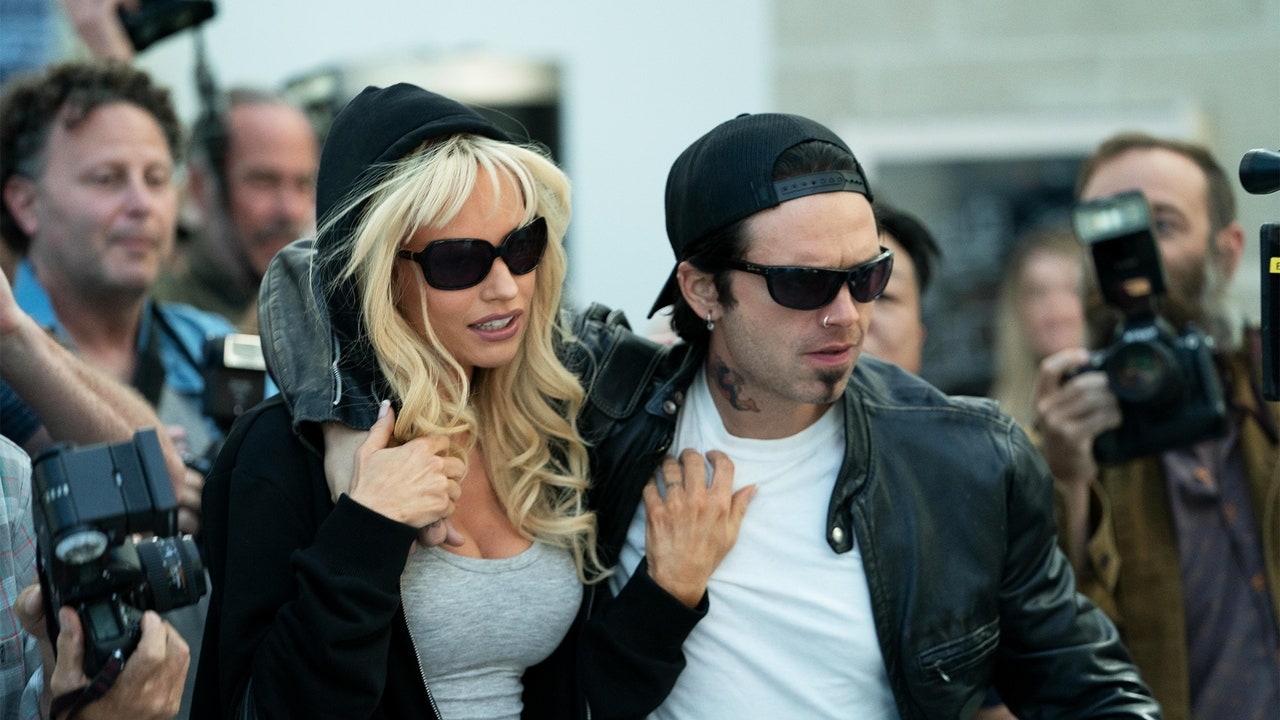
On this day in 1995, Pamela Anderson and Tommy Lee got married on a beach in Cancun after a whirlwind four-day romance. The cemeromy was recreated for Hulu’s Pam & Tommy.
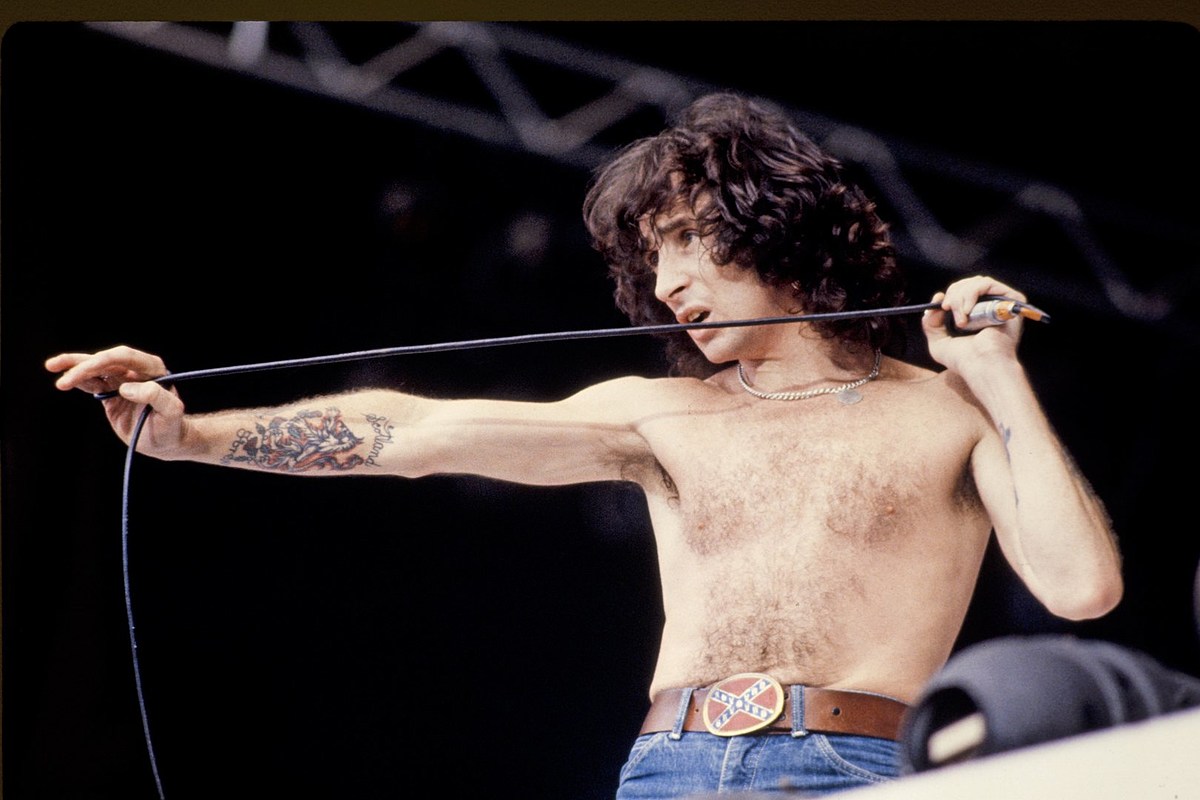
Bon Scott, then lead singer for AC/DC, died on this day in 1980. In 1979, AC/DC released Highway to Hell, their first album to hit the US top 100; the band was on the verge of a commercial breakthrough. While in London visiting friends, Scott died from acute alcohol poisoning at the age of thirty-three. The remaining members contemplated disbanding but ultimately decided to go on with a new lead singer (Brian Johnson). Back in Black, released later in 1980 and dedicated to Scott, became one of the ten-best-selling albums of all time.
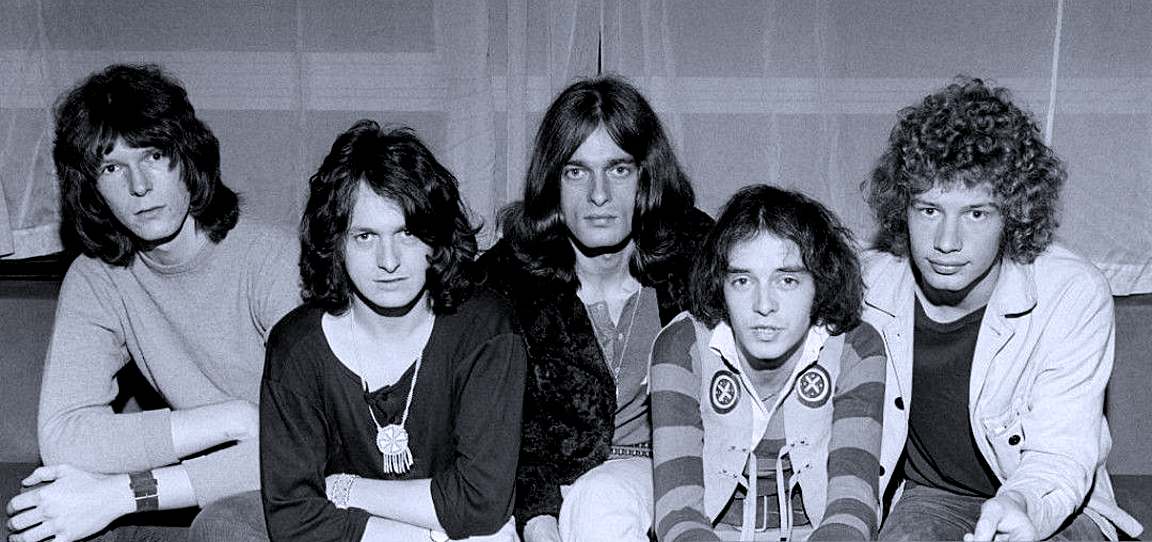
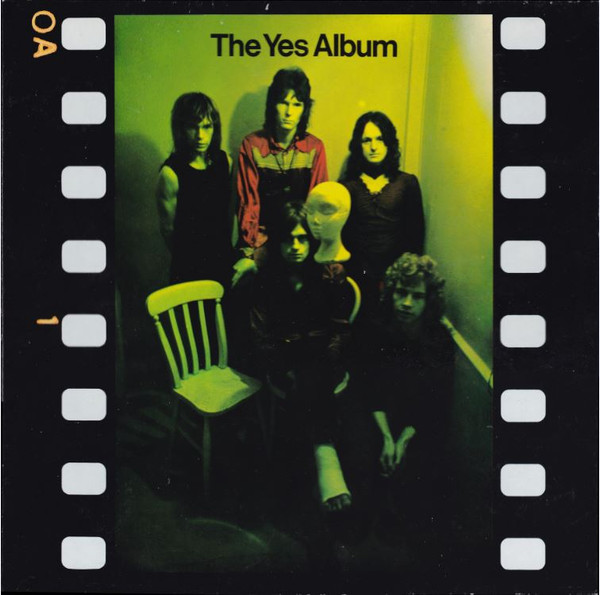
The Yes Album, the third album by English prog-rock group Yes, was released on this day in 1971. It was the first album to feature Steve Howe, whose guitar work would become instrumental to the band’s evolving sound. At the time of the album’s release, Yes was on the verge of being dropped by Atlantic Records due to the commercial failure of their first two albums. Fortunately for the band, The Yes Album was a critical AND commercial success, reaching #4 on the UK album chart and #40 in the US. The album features one of the band’s most enduring songs, “I’ve Seen All Good People”, the first part of which – “Your Move” – became the band’s first US top-forty single.
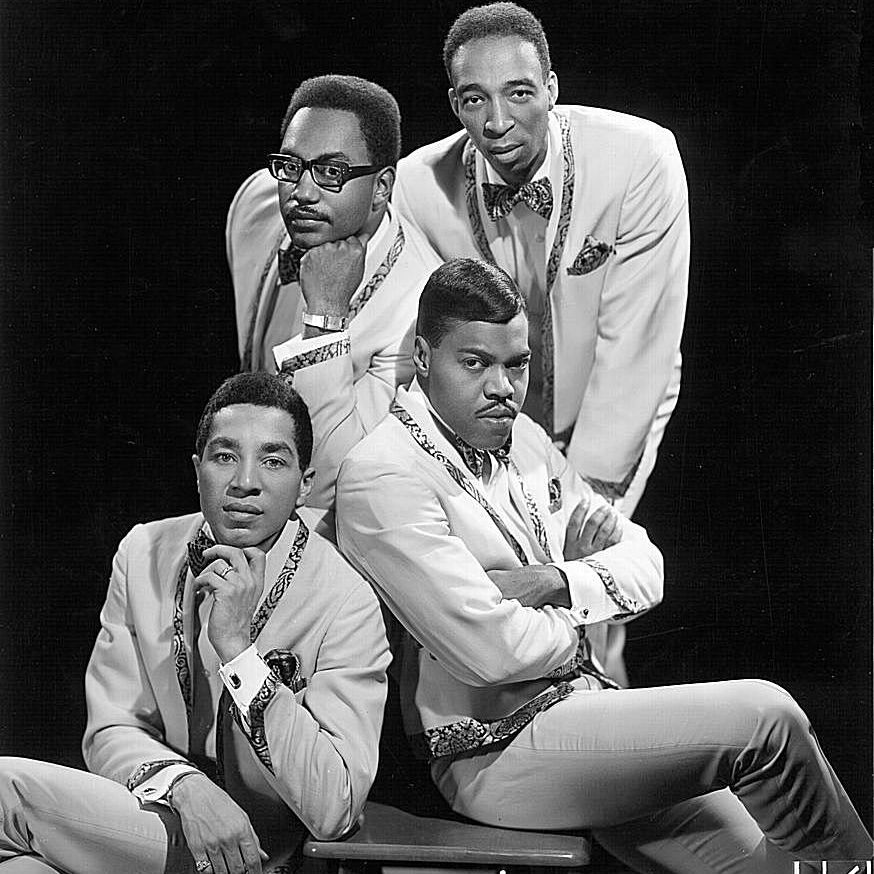
William “Smokey” Robinson Jr. is celebrating his birthday today. Robinson got his nickname from his favorite uncle, Claude, who called him “Smokey Joe”; by the time he was twelve, he had dropped the Joe and no one called him anything but Smokey. Just seventeen when he met Berry Gordy in 1957, Robinson and his group, the Miracles, were one of the most successful Motown acts; they recorded sixteen top-twenty singles, seven top-tens and one number-one, “The Tears of a Clown”. Robinson left the group in 1972, embarking on a solo career that yielded catchy singles like “Cruisin'” and “Being with You”. He has one of the best falsetto voices of all time; his voice has inspired songs by other musicians, among them “Pure Smokey” by George Harrison and “When Smokey Sings” by ABC. In 1987, Robinson was inducted into the sophomore class of the Rock and Roll Hall of Fame (sans the Miracles, an oversight that was corrected in 2012) along with artists like Aretha Franklin, Marvin Gaye, Bill Haley, B.B. King and Roy Orbison.
Also born on this day, in 1957, was Austrian musician Falco. Born Johann Hölze in Vienna, Falco became the first German-speaking artist to have a US #1 single with 1985’s “Rock Me Amadeus” (the previous record-holder was Nena, whose “99 Luftballons” peaked at #2 in 1983). Sadly, Falco died from injuries he sustained in an auto accident on February 6, 1998. He was just forty years old.
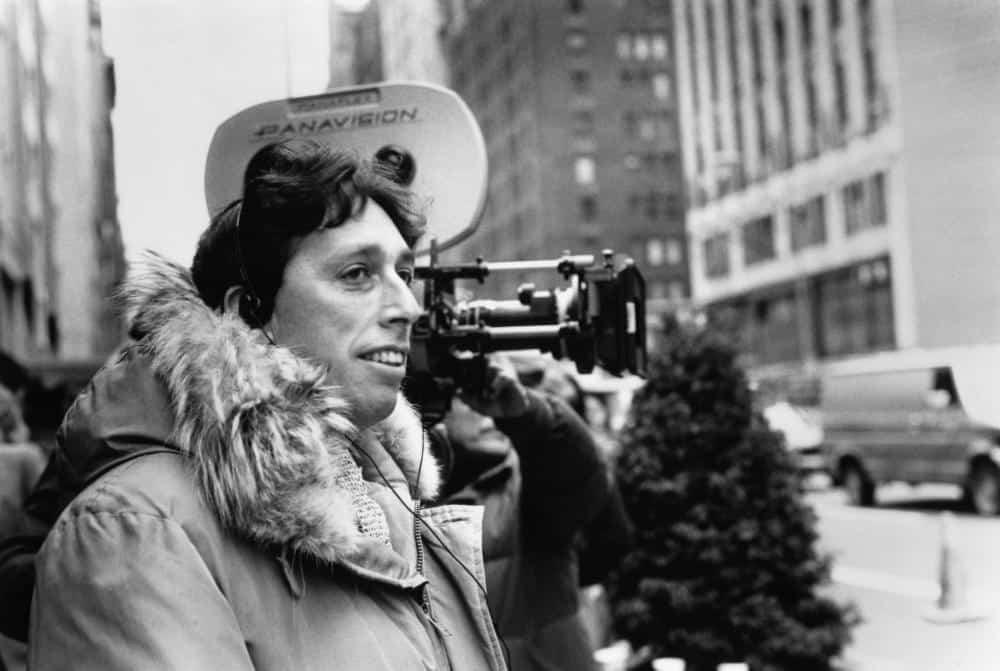
Ivan Reitman has died, and the film world has lost another legend.
Ivan Reitman was born in Komárno, Czechoslovakia (now Slovakia), on October 27, 1946. His parents were both Hungarian Jews; his mother had survived Auschwitz and his father was a member of the underground resistance. The family arrived in Canada as refugees when Ivan was four years old; they eventually settled in Toronto. Reitman attended McMaster University in Hamilton, Ontario, where he earned a BA in Music in 1969. While attending McMaster, Reitman discovered a love for filmmaking.
Reitman found work at a Toronto television station, CITY-TV, where he met Dan Aykroyd (at the time, Aykroyd was the station’s announcer), a professional relationship that would last for decades. Reitman found work as a theater producer and eventually moved to New York City to work on a musical called The Magic Show. Reitman produced two early films directed by David Cronenberg, Shivers and Rabid, before segueing into comedy with National Lampoon’s Animal House.
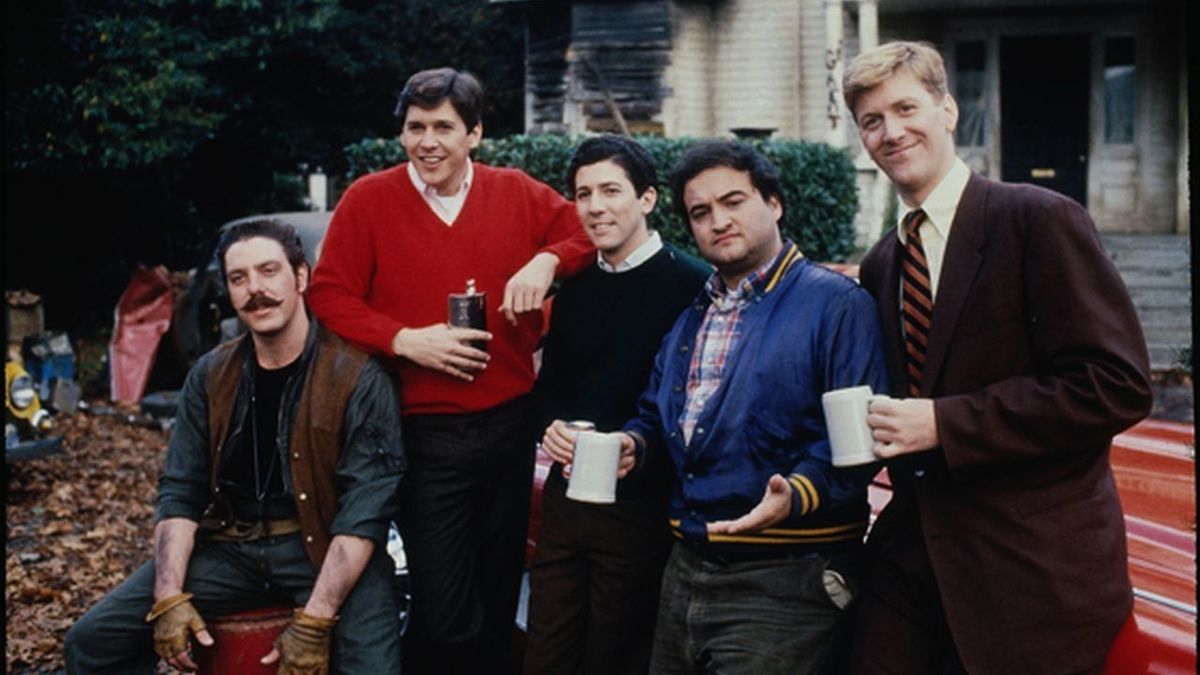
Members of the Animal House cast (L to R: Bruce McGill, Tim Matheson, Peter Riegert, John Belushi, James Widdoes)
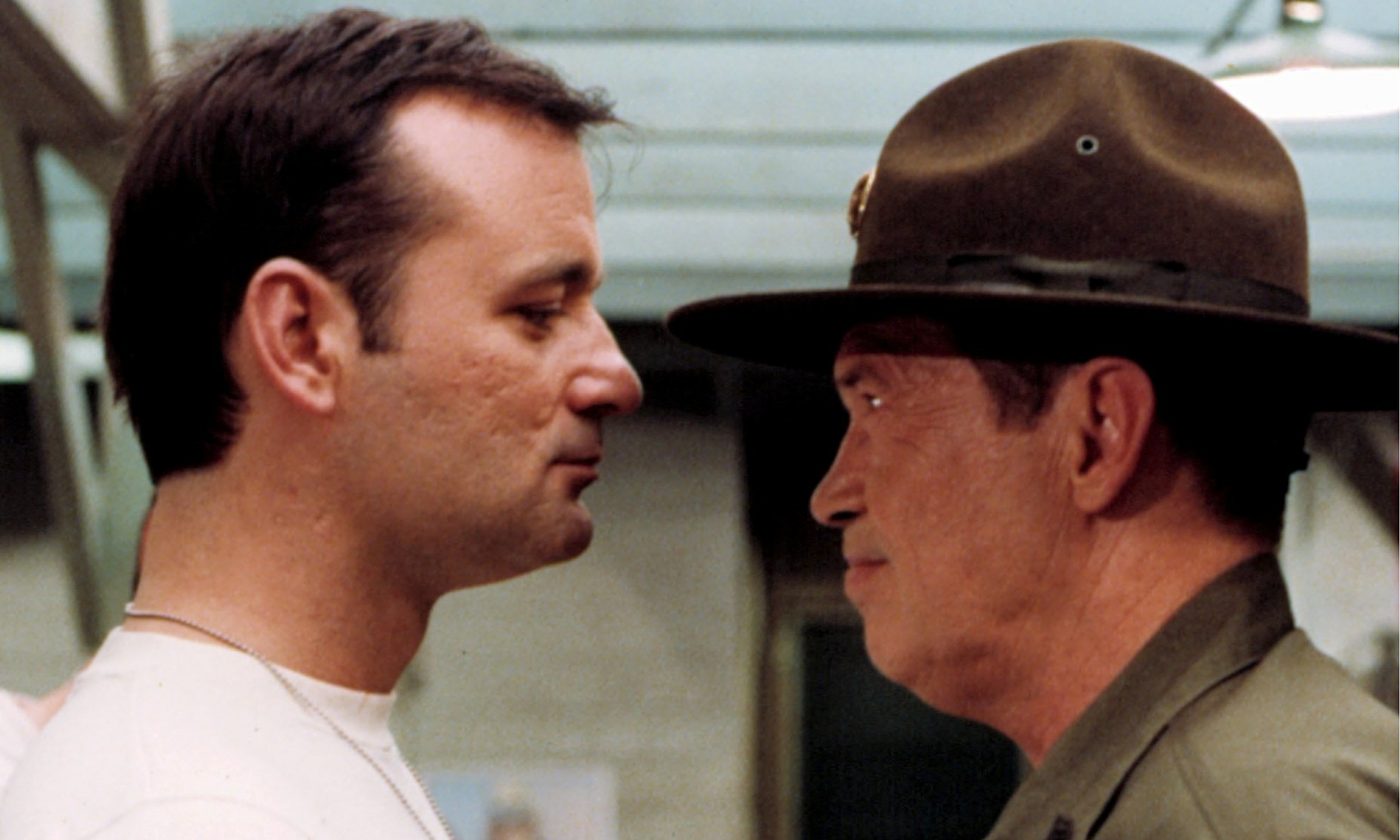
In 1978, Reitman got his first directing gig. The resulting film, Meatballs, starred Bill Murray in his first leading role. Meatballs started life as a raunchy teen sex romp but morphed into something else: the sweet story of a 12-year-old boy named Rudy (My Bodyguard‘s Chris Makepeace, in his film debut) and his friendship with Camp North Star head counselor Tripper Harrison (Murray). Post-production, some additional scenes were filmed that played up the touching father-son dynamic between the two. Meatballs was a surprise hit, and Reitman had his ticket to Hollywood. Reitman reunited with Murray for his second feature, Stripes, the story of a misfit platoon of Army recruits. Reitman’s concept for the film was “Cheech and Chong join the Army”. Stripes was the fifth most popular movie of 1981, and allowed Reitman more creative control as well as a bigger budget for his next feature.
Chris Makepeace and Bill Murray in MeatballsMurray with Warren Oates in Stripes
Next up was Reitman’s most successful film ever and a pop-culture juggernaut: the deliriously entertaining and endlessly quotable Ghostbusters. It’s impossible to overstate the extent to which Ghostbusters dominated pop culture in 1984. It was the second-highest-grossing film of the year (behind Beverly Hills Cop) and yielded a #1 single. There were Ghostbusters action figures and Ghostbusters Lego sets and Ghostbusters lunch boxes and Ghostbusters Halloween costumes. Ghostbusters was nominated for two Oscars, Best Original Song (it lost to “I Just Called to Say I Love You” from The Woman in Red) and Best Visual Effects (it lost to Indiana Jones and the Temple of Doom), but its cultural reach is far greater. Ghostbusters launched a franchise that includes two sequels and a reboot, an animated television series, theme park attractions, video games and comic books.
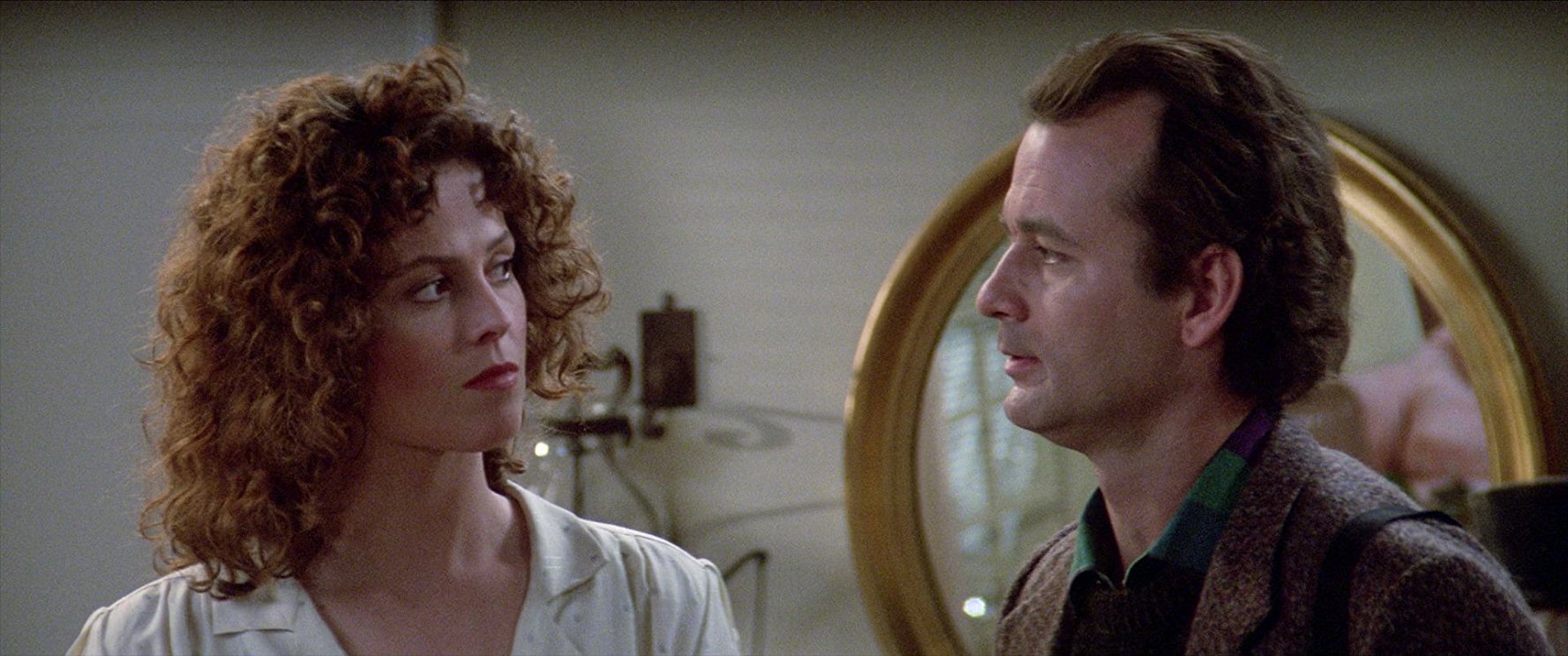
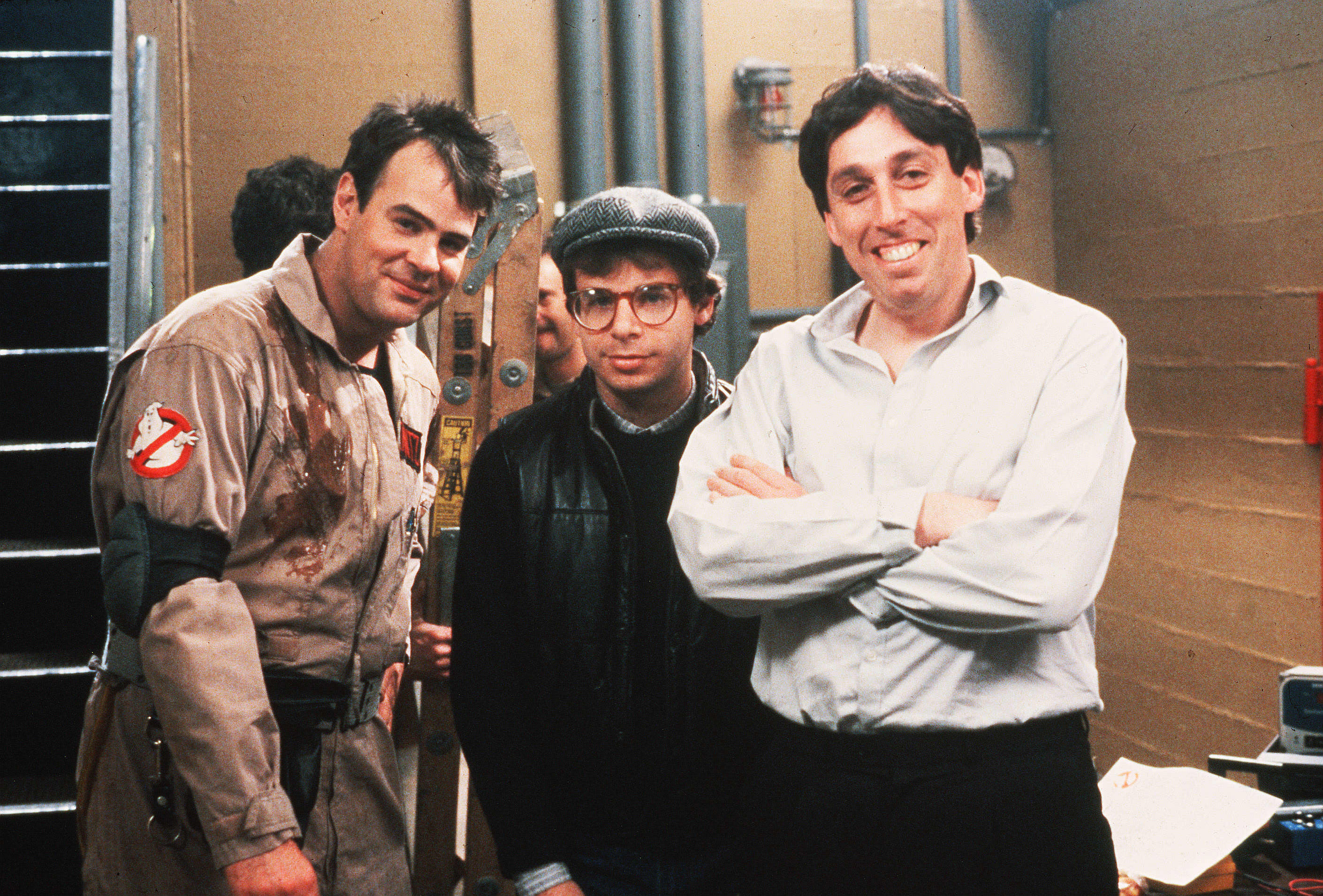
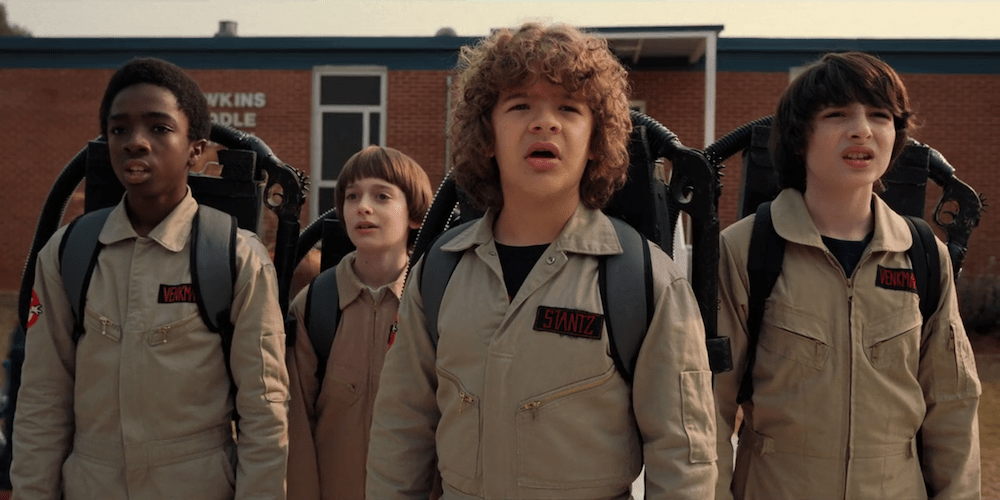
Sigourney Weaver and Bill MurrayThe Stay Puft Marshmallow ManHarold Ramis, Ernie Hudson, Murray and Dan AykroydReitman on the Ghostbusters set with Aykroyd and Rick MoranisGhostbusters costumes were popular that Halloween, as portrayed in Stranger Things 2
“Yes, it’s true. This man has no dick.”
Reitman also directed the video for “Ghostbusters”, which went to #1 on the Billboard 100 and received an Oscar nomination for Best Original Song
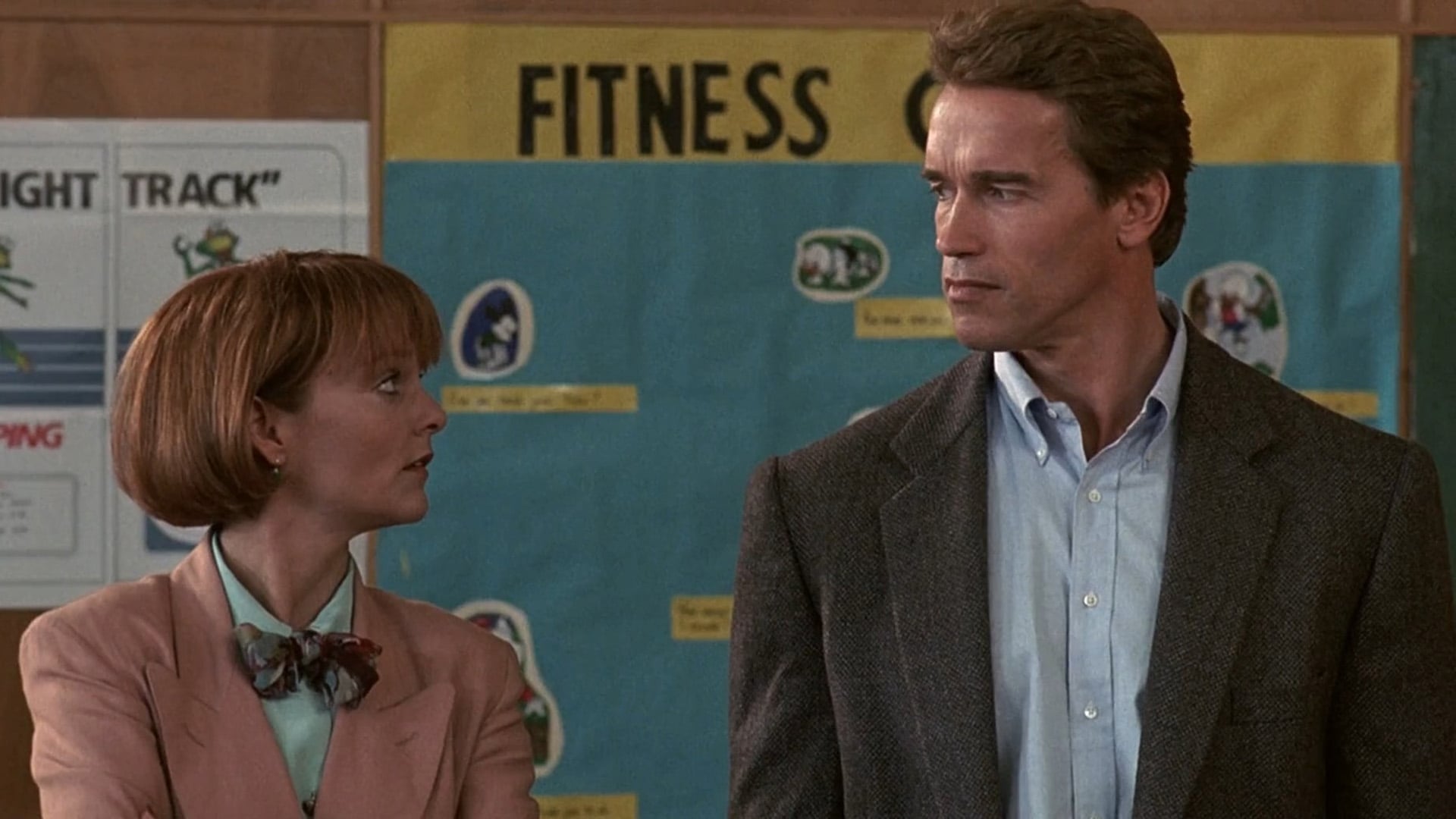
Although Ghostbusters represents Reitman’s commercial peak, he continued to direct solidly entertaining and financially successful comedies throughout the ’80s and ’90s, among them Twins, Ghostbusters II, Kindergarten Cop and Dave (a personal favorite of mine).
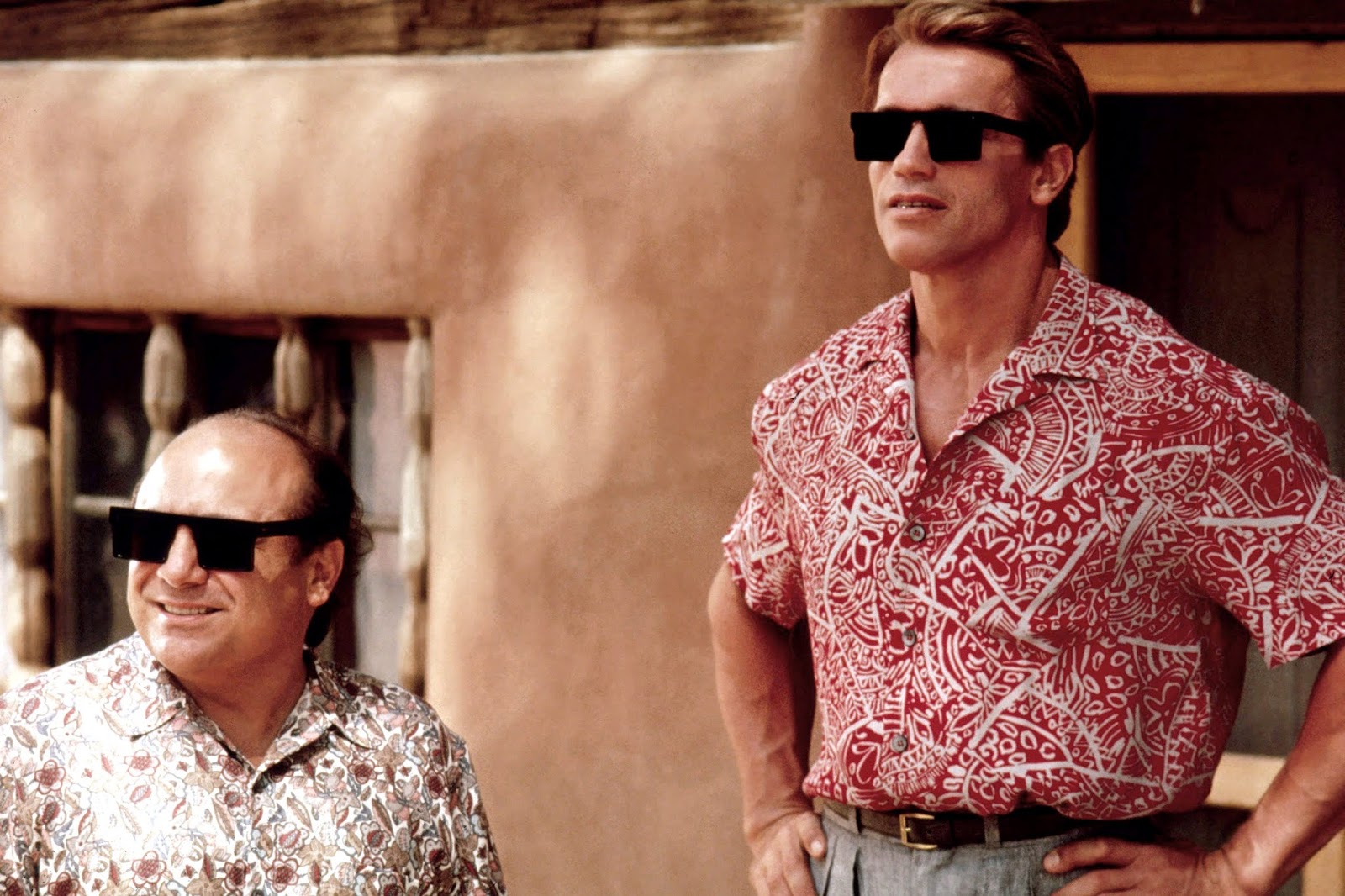
Danny Devito and Arnold Schwarzenegger in TwinsSchwarzenegger with Pamela Reed in Kindergarten CopSigourney Weaver and Kevin Kline in Dave
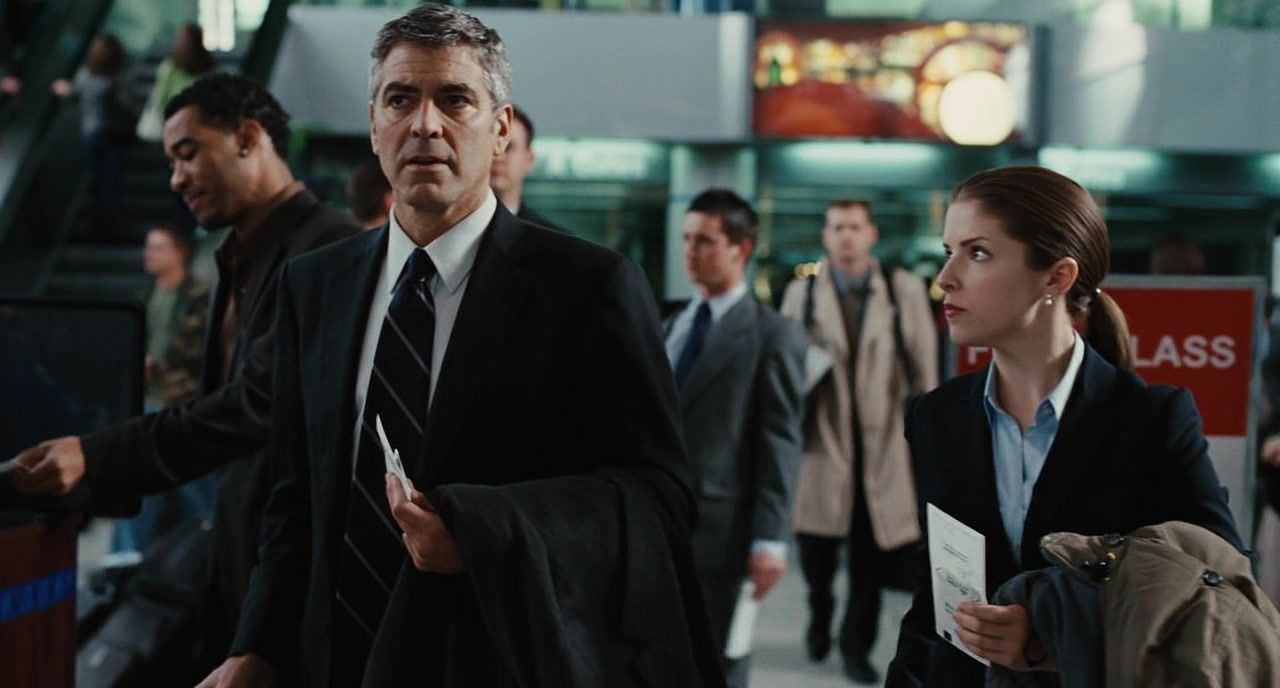
Reitman only directed four movies in the 21st century: Evolution, My Super Ex-Girlfriend, No Strings Attached and Draft Day. He also served as producer on a number of other notable films, including Space Jam, Oscar nominee Up in the Air (directed by his son Jason), 2016’s Ghostbusters reboot and 2021’s Ghostbusters: Afterlife (also directed by Jason).
Bill Murray and Michael Jordan in Space JamOrlando Jones in EvolutionGeorge Clooney and Anna Kendrick in Up in the AirAshton Kutcher and Natalie Portman in No Strings AttachedReitman with Kate McKinnon on the set of Ghostbusters (2016)Reitman with son Jason, Carrie Coon, Finn Wolfhard and Mckenna Grace on the Ghostbusters: Afterlife set
In 1976, Reitman married Geneviève Robert. The couple had three children: Jason, Catherine (who is a writer, actor and producer in her own right), and Caroline. On Saturday, February 12, Reitman died in his sleep at his Montecito, California home at the age of seventy-five. May his memory be a blessing.
Reitman with wife Geneviève Reitman and daughter Catherine
The results of Bob Saget’s autopsy have been revealed. His cause of death was head trauma. In a statement, his family said “The authorities have determined that Bob passed from head trauma. They have concluded that he accidentally hit the back of his head on something, thought nothing of it and went to sleep.”
Super Bowl LVI will be played tonight at SoFi Stadium in Los Angeles. Scheduled to appear at the halftime show: Dr. Dre, Eminem, Snoop Dogg, Mary J. Blige and Kendrick Lamar. Kickoff is scheduled for 6:30; coverage begins at noon on NBC and Peacock.
Starz has released the full trailer for Shining Vale, its upcoming horror-comedy series starring Courteney Cox. I’m super excited for this one.
Cabaret was released fifty years ago today. Directed by Bob Fosse and starring Liza Minnelli, Michael York and Joel Grey, Cabaret was based on the stage musical by Kander and Ebb (which itself was based on the autobiographical novel The Berlin Stories by Christopher Isherwood). Cabaret opened to glowing reviews and was a box office success despite its X rating. Come Oscar time, the film received ten nominations, including Best Picture, Best Director, Best Actress for Minnelli and Best Supporting Actor for Grey. Cabaret won eight Oscars (Fosse, Minnelli and Grey all won) but lost Best Picture to The Godfather, making it the film with the most Academy Awards to not receive the Best Picture honor.
Ian McDonald, co-founder of King Crimson and Foreigner, has died of cancer at the age of seventy-five. King Crimson’s debut album, In the Court of the Crimson King, is a prog-rock classic. McDonald left the band shortly thereafter, apparently due to disagreements with co-founder Robert Fripp over the direction of the band. After moving to New York City in the mid-70s, he co-founded Foreigner with fellow Brit Mick Jones and appeared on their first three albums. The trailer for an upcoming King Crimson documentary was released just a week before McDonald’s death.
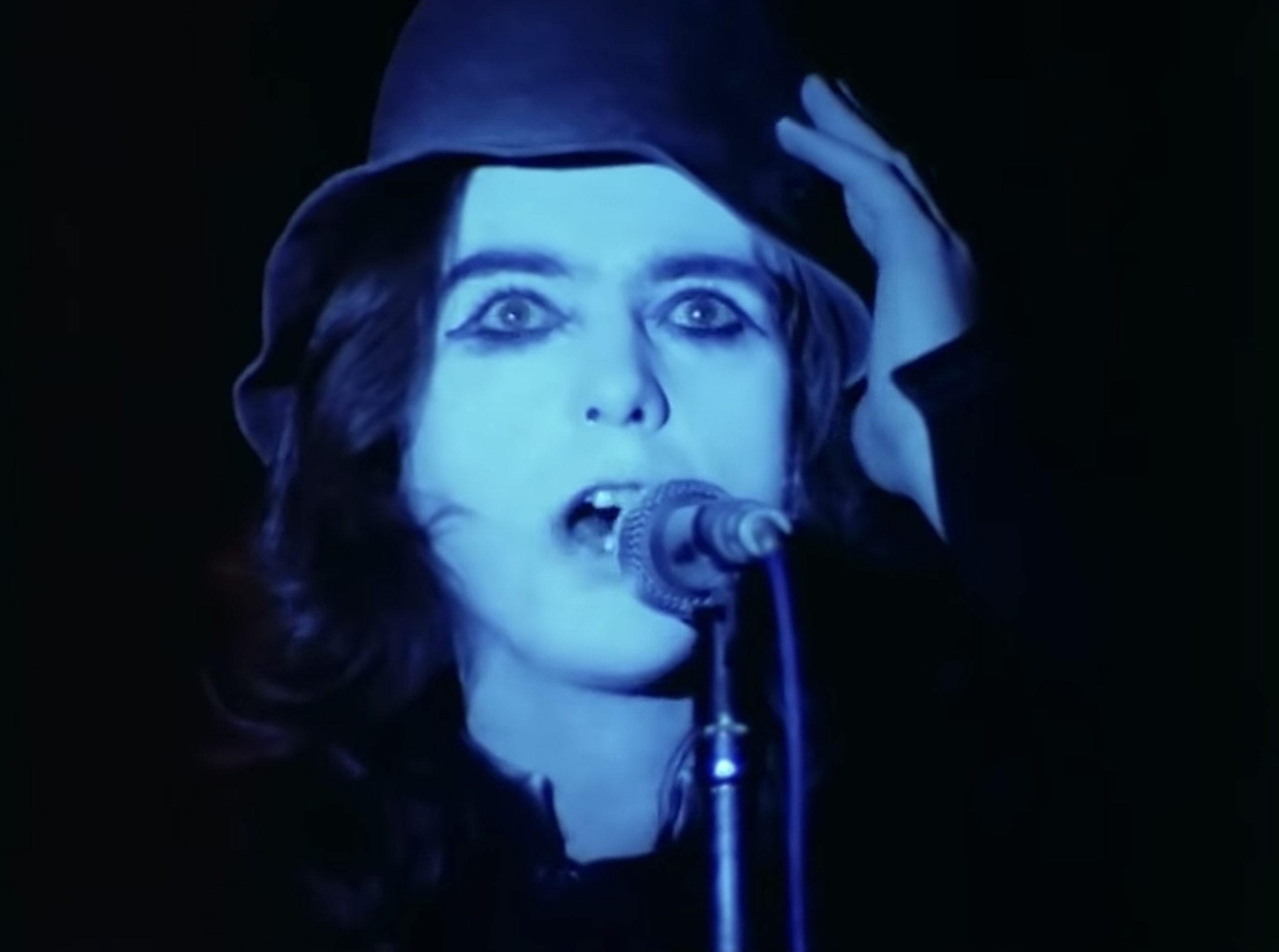
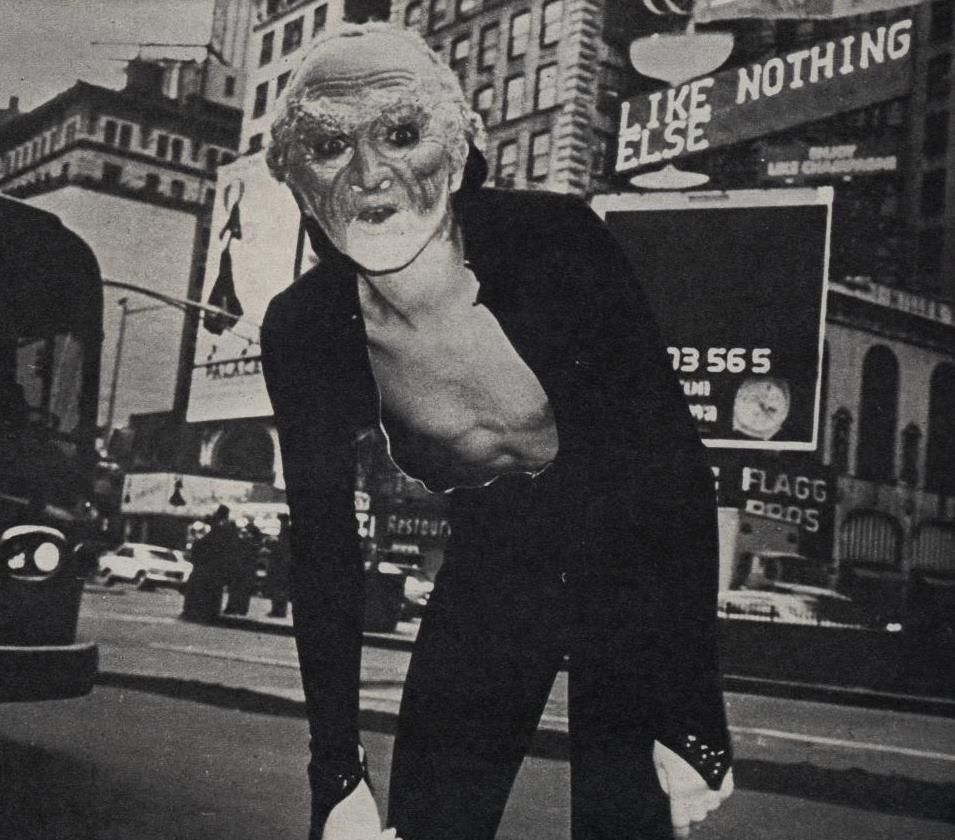
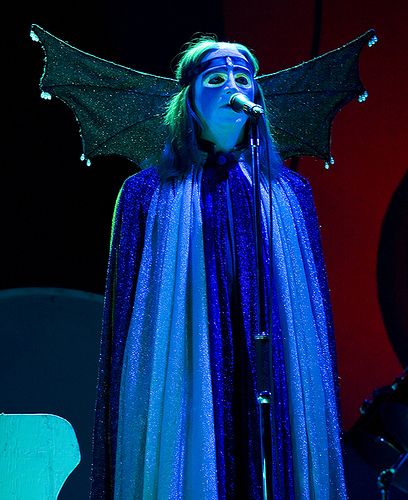
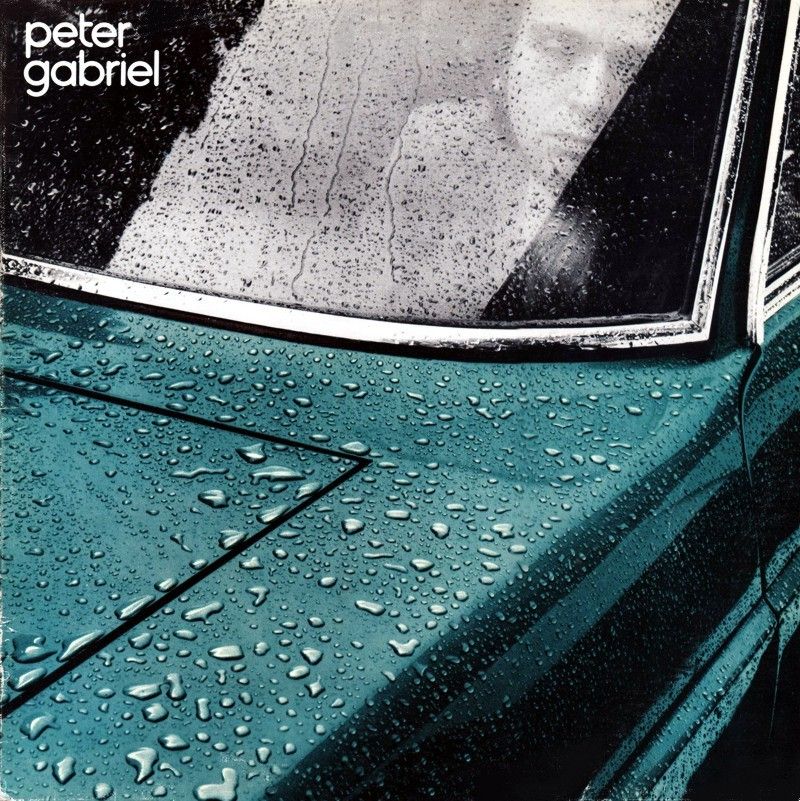
Speaking of prog-rock classics, today is Peter Gabriel’s 72nd birthday. Gabriel began his career as lead singer and primary songwriter for Genesis. Gabriel was as much a performance artist as a singer; his outlandish costumes and makeup lent an air of theatricality to his concert performances. By the mid-70s, a disillusioned Gabriel departed Genesis to embark upon a solo career. His first solo album came out in 1977 and featured the single “Solsbury Hill”, which detailed his departure from Genesis (“I was feeling part of the scenery/I walked right out of the machinery”). Gabriel’s first four albums were top ten hits in the UK, but it was his fifth album, 1986’s So, that made him a superstar in the US. So‘s lead single, “Sledgehammer”, reached the top of the Billboard 100 and won a record nine MTV Video Music Awards. Gabriel has also composed music for films like Birdy and The LastTemptation of Christ, and earned an Oscar nomination for co-writing the song “Down to Earth” (from WALL-E) with Thomas Newman. He is simply one of the most inventive artists of all time, an activist and a humanitarian, and a personal favorite of mine.
Just a few of Gabriels’s Genesis personasGabriel’s first four albums were all self-titled and are commonly referred to by their cover art. From L to R, 1977’s Car, 1978’s Scratch, and 1980’s Melt
And finally, the cast of Survivor season 42 has been revealed. The season premiere will air on CBS and Paramount Plus on March 9.
The teaser for the upcoming Starz series Gaslit is here. Gaslit stars the incomparable Julia Roberts as Martha Mitchell, the outspoken wife of Nixon Attorney General John Mitchell. Inspired by Leon Neyfakh’s podcast Slow Burn, Gaslit tells the story of Martha’s attempts to raise alarm bells over the Watergate scandal – and the lengths to which Nixon and his henchmen would go to silence and discredit her. The supporting cast, featuring folks like Betty Gilpin, Shea Wigham, Allison Tolman, Chris Messina, Hamish Linklater and Anne Dudek, is wonderful. No doubt, though, the main event will be Roberts in a rare television appearance. Her Martha Mitchell looks like an absolute boss. If I can get past Sean Penn’s astonishingly awful makeup (if I can just get past Sean Penn, period), Gaslit looks like it could be a fun romp.
Hubby and I started watching Amazon’s Reacher and Hulu’s Pam & Tommy this past weekend. Based on Lee Child’s debut novel, 1997’s Killing Floor, Reacher is big, bone-crunching fun. Alan Ritchson is affable and charming (not to mention buff in an “I can’t believe he’s not CGI” kind of way) as the titular military police major turned knight errant. The supporting cast is solid and the storyline is engaging enough, if a little unoriginal. I’ve never read any of the books, nor have I seen either of the Tom Cruise movies, but Reacher feels like a good introduction to the character. Pam & Tommy is wildly entertaining. The story of Pamela Anderson and Tommy Lee’s whirlwind romance, which culminated in a beach wedding four days after they met – and a honeymoon sex tape – Pam & Tommy stars Lily James and Sebastian Stan as the pair, as well as Seth Rogen and Nick Offerman as the men who release the sex tape to the internet. It’s a pulpy blast, and I’ll never get over how much James and Stan resemble their real-life counterparts.
Alan Ritchson (right) with Malcolm Goodwin in ReacherPam & Tommy’s Lily James and Sebastian Stan
The Academy Award nominations have been announced. The Power of the Dog leads the pack with twelve nominations. The Oscar broadcast will take place on Sunday, March 27. Here’s the list of nominations:
Good Times premiered on this day in 1974. A spin-off of Maude (which itself was a spin-off of All in the Family), Good Times starred Esther Rolle and John Amos as Florida and James Evans, who live in a Chicago housing project with their three children, James “JJ” Junior, Thelma and Michael. Created by Eric Monte and Mike Evans (at a time when few people of color found work behind the camera), Good Times was one of the first programs to present an authentic portrait of a working-class black family. The series was also notable for kick-starting the career of an eleven-year-old Janet Jackson. Good Times is available for streaming on Peacock.
Taxi Driver was released on this day in 1976. Directed by Martin Scorsese and starring Robert DeNiro as Vietnam vet turned vigilante Travis Bickle, Taxi Driver was a critical and commercial success but not without controversy. Not only was Taxi Driver shockingly violent, it co-starred twelve-year-old Jodie Foster as Iris, the child prostitute Bickle vows to protect (more controversy was generated five years later when John Hinckley Jr., inspired by the film and obsessed with Foster, attempted to assassinate President Reagan). At the 1976 Cannes Film Festival, Taxi Driver was booed by the audience for its graphic depiction of violence – then won the festival’s highest honor, the Palme d’Or. At the 49th Academy Awards, the film received four nominations: Best Picture, Best Actor for DeNiro, Best Supporting Actress for Foster, and Best Original Score (posthumously) for Bernard Herrmann. You can stream Taxi Driver on Netflix.
Full Frontal with Samantha Bee premiered on TBS on February 8, 2016. Bee, TheDailyShow‘s longest-serving correspondent (she appeared in 332 episodes!), departed the show in 2015 just before Jon Stewart stepped down as host (if TDS had been smart, they’d have given Bee his job). Bee brings a distinctly feminine – and feminist – perspective to a genre almost completely dominated by men. Full Frontal has been a ratings success and recently began airing its seventh season. The show has also won plenty of awards, including an Emmy, a WGA Award and a GLAAD Media Award. With a quick wit, a foul mouth and an endless supply of pantsuits, Bee is the leading lady of late night.
James Dean was born on this day in 1931. Dean grew up in Indiana and moved to Los Angeles after his high school graduation. After studying pre-law at Santa Monica College and then UCLA, Dean changed his major to drama. In 1951, he left UCLA to work full-time as an actor. Commercials, television roles and uncredited bit movie parts led to Dean’s big break, playing Cal Trask in Elia Kazan’s adaptation of John Steinbeck’s East ofEden. East of Eden was the only one of Dean’s movies released during his lifetime. He starred in two more iconic films, Rebel Without a Cause and Giant. On September 30, 1955, Dean – who had developed a passion for car racing – crashed his Porsche 550 Spyder into another vehicle on U.S. Route 466. He died instantaneously at the age of just twenty-four. Dean received two posthumous Oscar nominations for Best Actor, for East of Eden and Giant. He left an enduring cultural legacy, inspiring actors like Martin Sheen, musicians such as Bob Dylan and generations of misunderstood teens. Popular culture is riddled with references to Dean and his films (see a few examples below). Fun fact: at the time of his death, Dean was set to appear in Somebody Up There Likes Me as boxer Rocky Graziano. Paul Newman, whom Dean had beaten out for the role of Cal in East of Eden, ended up playing Graziano.
Dean in Rebel Without a CauseWith Elizabeth Taylor in GiantMartin Sheen channeled Dean for his performance in BadlandsCome Back to the 5 & Dime Jimmy Dean, Jimmy Dean, about a group of James Dean fans who meet up twenty years after his deathRizzo the Rat as “James Jeans” in a 1998 Muppets calendarJames Franco earned an Emmy nomination for his performance in the 2001 TNT movie James Dean
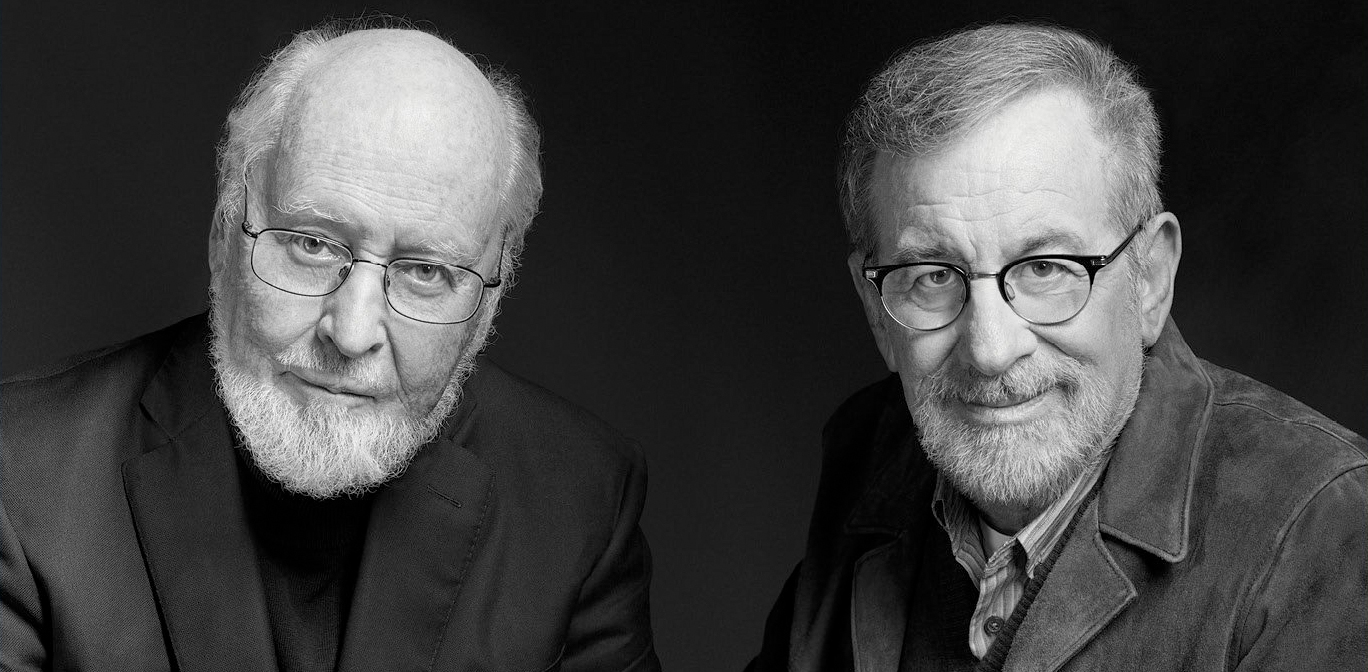
John Williams is celebrating his 90th birthday today. Williams was born in Flushing, Queens. At sixteen, Williams moved with his family to Los Angeles, where he attended North Hollywood High School. In 1951, he joined the Air Force, where he played piano and arranged music for the U.S. Air Force Band. After completing his service, Williams moved back to New York City to attend the prestigious Julliard School. His original goal was to become a concert pianist, but while at Julliard, Williams decided to focus on composition instead. He returned to Los Angeles and began composing music for film and television. He received his first Oscar nomination for 1967’s Valley of the Dolls. In 1974, Williams was approached by an up-and-coming filmmaker named Steven Spielberg to score his debut feature film, The Sugarland Express. In the almost fifty years since, Williams has composed music for a total of twenty-eight Spielberg movies, including the Oscar-winning scores for Jaws, E.T. the Extra-Terrestrial and Schindler’s List. In 1976, Spielberg introduced Williams to his friend George Lucas, who needed a composer for Star Wars. Williams has scored a total of six films in the Star Wars franchise; he received an Oscar nod for every single one. In fact, Williams has earned a total of fifty-two Oscar nominations (and five wins); he is the second-most nominated person in Oscar history, after Walt Disney (he’s also the only person to have secured Oscar nominations in seven consecutive decades). He has been nominated for six Emmys, twenty-five Golden Globes, seventy-two Grammys and sixteen BAFTAs. Williams is an absolute legend, and nothing less than the most iconic film composer of all time. Happy birthday, Mr. Williams!
Williams and Spielberg are a match made in movie heaven
It’s that magical time that only comes once every four years – the Winter Olympics! I’ve been a fan of the Winter Olympics since I was a kid. I was captivated – along with millions of others – by Dorothy Hamill, the darling of the 1976 Innsbruck games. Figure skating is my personal favorite event, but I also love snowboarding, ski jumping, Alpine skiing and ice hockey. I don’t participate in any of these activities, which require so much more grace than I possess. I can’t even stand up on ice skates and the one time I went downhill skiing, I didn’t even make it off the bunny hill (the chair lift scared the shit out of me anyway).
In addition to being a fan of the Winter Olympics, I am also a fan of movies about the Winter Olympics (this is a pop culture blog, after all). Here are some suggestions:
Miracle
“Do you believe in miracles? YES!” – Al Michaels
“The Miracle on Ice”Team USA went on to defeat Finland to secure the gold medal
If you are old enough to remember the event on which 2004’s Miracle is based, hearing that play call probably sends shivers down your spine. For the rest of you, a quick history lesson to give the story context: in February of 1980, the US really, really needed a win. The Cold War was at its peak, the economy was in the tank, gas was being rationed and fifty-two American citizens were being held hostage at the US Embassy in Tehran. Our nation wasn’t exactly pinning its hopes on the men’s Olympic hockey team (women’s ice hockey wasn’t included at the Olympics until the 1998 games in Nagano), which was comprised primarily of college kids whose average age was twenty-one. The Soviet Union, on the other hand, used “athletes for hire”, paid for by corporations, to maintain their team’s amateur status. The Soviet men’s hockey team was older and far more experienced. They had won four consecutive gold medals dating back to the 1964 games in Innsbruck. They hadn’t lost an Olympic game since 1968. They would make mincemeat out of our boys, wouldn’t they?
Miracle‘s Team USA, featuring Eddie Cahill (front left) as goaltender Jim Craig
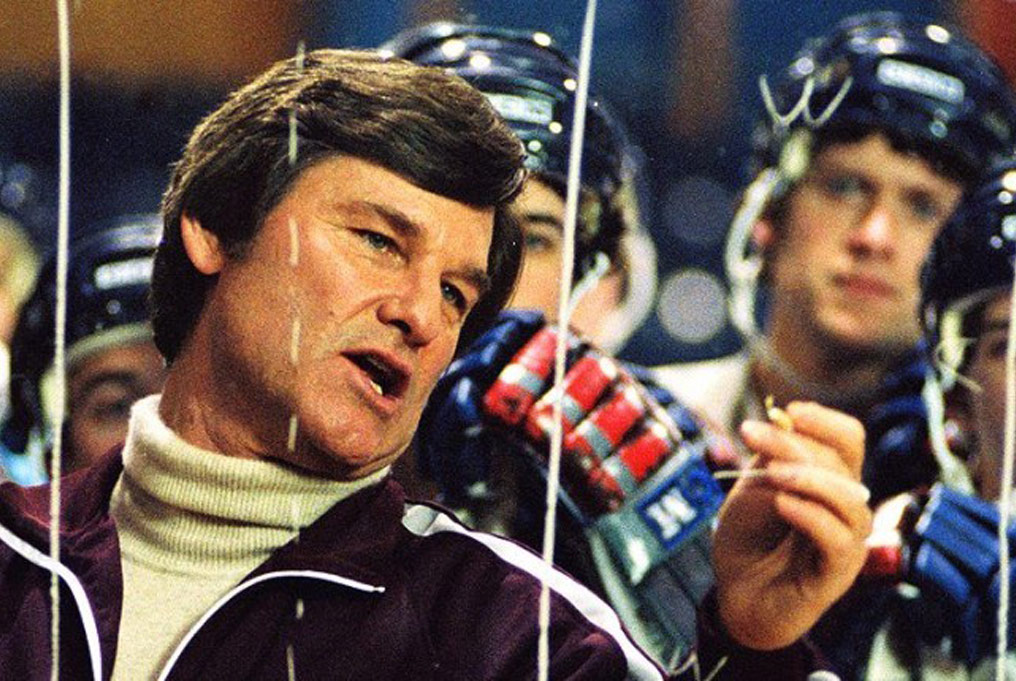
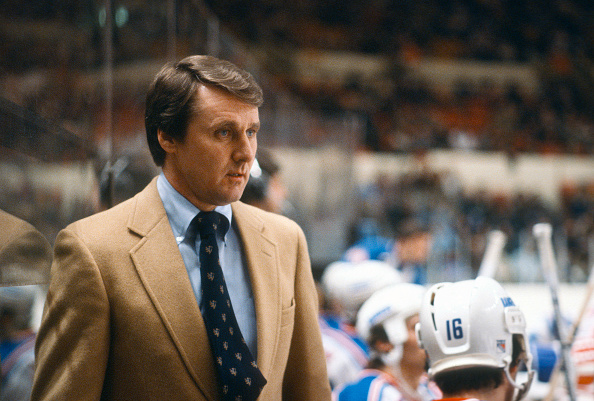
The Soviets didn’t make mincemeat out of our boys. In fact, we eliminated the Soviets and left them to duke it out with Sweden for the silver medal. Led by coach Herb Brooks, our scrappy little team implausibly pulled off one of the most stunning upsets in sports history. It was a big, big win, which obviously makes this story perfect for a Disney movie, right down to the guaranteed happy ending. But Miracle has some grit to it, too. To give the hockey scenes authenticity, director Gavin O’Connor auditioned ice hockey players for the majority of the roles, figuring it would be easier to teach hockey players to act than it would be to teach actors to play hockey. The best-known member of the team, goaltender Jim Craig, is played by the adorable Eddie Cahill; then best known as Friends‘ Tag Jones, Cahill also plays hockey, and Craig was his boyhood idol. Patricia Clarkson is delightful as always as Brooks’s wife Patti. But Miracle belongs to Kurt Russell as Coach Brooks. O’Connor knew he wanted Russell from the get-go, and Russell gives a terrific performance. The real Brooks served as a technical advisor for the film but sadly died in a car accident before it was completed. An epitaph at the end of Miracle states: “This film is dedicated to the memory of Herb Brooks, who died shortly following principal photography. He never saw it. He lived it.”
Kurt Russell as Coach Herb Brooks The real Brooks circa 1981 in his role as head coach for the New York Rangers
Miracle is available to stream on Disney+.
The Cutting Edge
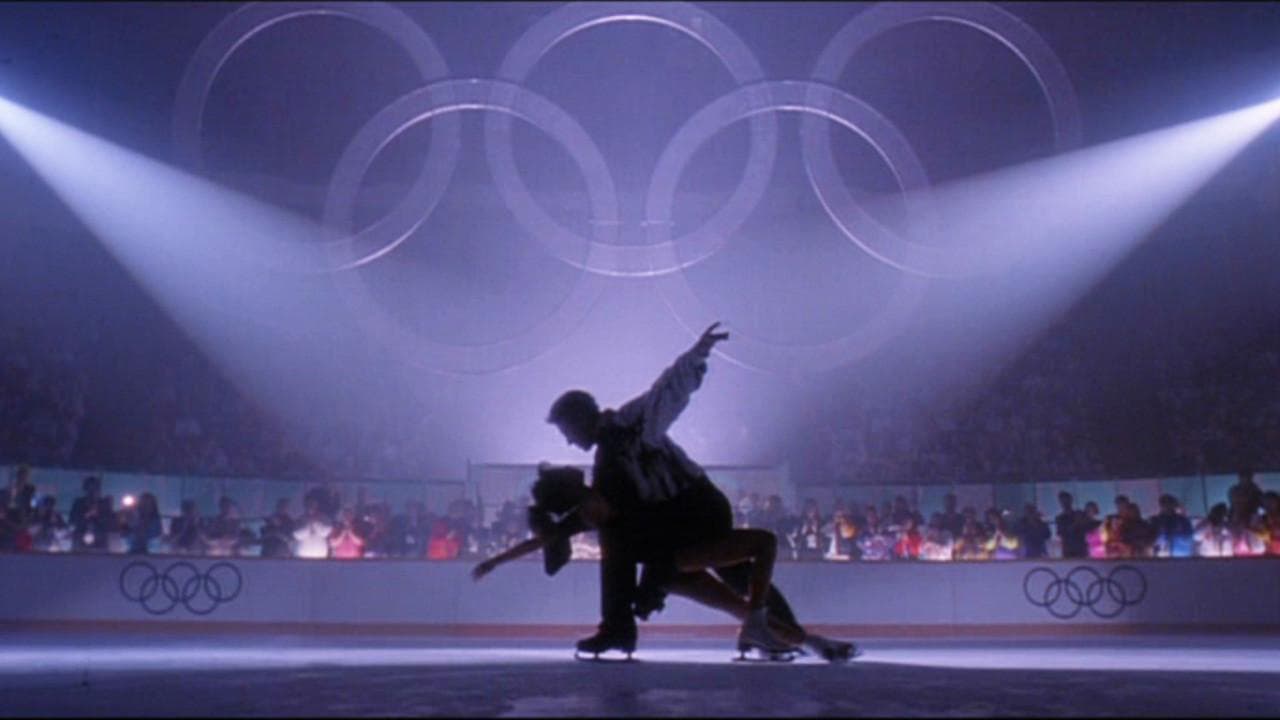
The Cutting Edge is not necessarily a good movie but I love it anyway. File this one under “guiltless pleasures”. Released in 1992, The Cutting Edge is ostensibly about a figure skating team preparing for the 1992 Winter Olympics (which were held in Albertville about six weeks before the film’s release). But the skating is just a vehicle to get the two absurdly attractive leads (D.B. Sweeney’s working-class hockey player turned figure skater Doug Dorsey and Moira Kelly’s spoiled ice princess Kate Moseley) from bickering teammates to lovers. The skating sequences are fun, albeit often unrealistic. For one thing, spotlights are never used in competition, only in exhibition performances. For another, the Pamchenko twist would absolutely, positively be illegal. The screenplay, while clichéd, zips along at a nice pace (The Cutting Edge was screenwriter Tony Gilroy’s first produced script; Gilroy would go on to write several highly acclaimed films, including the Bourne trilogy and Michael Clayton, for which he won the Oscar for Best Original Screenplay). Since both the gold medal win AND the declarations of love are a foregone conclusion, The Cutting Edge hinges on the chemistry between Sweeney and Kelly. Fortunately, they’re adorable together, even when they’re bickering.
In one of The Cutting Edge‘s funniest scenes, Doug learns a key difference between ice hockey skates and figure skates…TOE PICKS!
You can watch The Cutting Edge on Showtime.
I, Tonya
Nancy Kerrigan in the immediate aftermath of her assaultAt the Lillehammer games, all eyes were on Kerrigan and Tonya Harding, who was by then a suspect in Kerrigan’s assault
Unlike The Cutting Edge, whose characters are fictional figure skaters, I, Tonya is (very loosely) based on the story of US figure skater Tonya Harding and her dedication to winning an Olympic gold medal at any cost. In case you don’t know the whole story, I’ll give you a rundown. On January 6, 1994, Nancy Kerrigan was kneecapped with a baton as she left a practice session at Cobo Arena. The injury forced Kerrigan to withdraw from the US Figure Skating Championships taking place in Detroit that weekend. Kerrigan recovered in time to take part in the Winter Olympics in Lillehammer, where she ultimately won the bronze medal – and Harding placed a distant, disappointing eighth. Kerrigan’s attacker was later revealed to have been hired by Harding’s husband Jeff Gillooly. A disgraced Harding, who has always maintained her innocence in the attack, was banned from competitive skating for life.
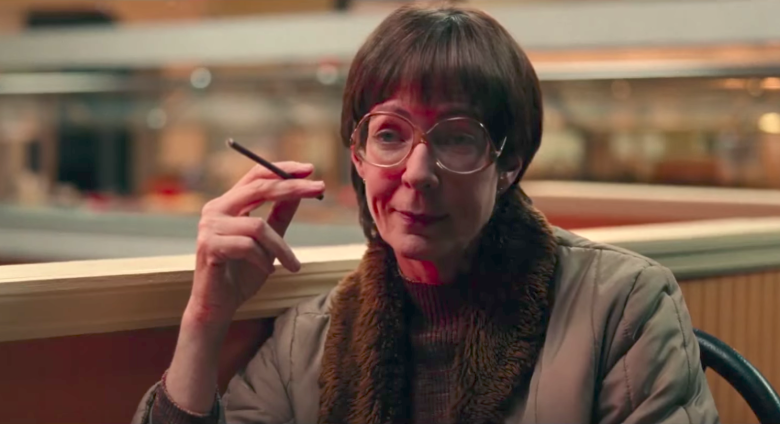
Margot Robbie as Tonya HardingAllison Janney as LoVona Harding
I, Tonya is a darkly comic take on the events, using both the unreliable narrator technique and a mockumentary style to juxtapose the conflicting statements of Gillooly and Harding. How much Harding knew before – and after – the attack has always been up for debate; I, Tonya reframes the narrative to make it more sympathetic to Harding. The skating sequences are dazzling; Tatiana S. Riegel received a well-earned Oscar nomination for Best Film Editing. The supporting cast, which includes Sebastian Stan as Gillooly and Julianne Nicholson as Harding’s coach, is terrific, as is Margot Robbie, whose compassionate portrayal of Harding earned her all sorts of award nominations. But the star of the show is Allison Janney as Harding’s abusive, foul-mouthed mother LaVona. Janney chews all the scenery on her way to sweeping awards season: she won the Oscar, the BAFTA, the SAG and the Golden Globe. Janney’s performance alone is worth the price of admission.
I, Tonya is available to stream on Hulu.
Cool Runnings
Cool Runnings is another “inspired by a true story” flick, this one based on the Jamaican bobsleigh team that made their debut at the 1988 Calgary games. John Candy, in his final film role released before his death in 1994, plays Irving Blitzer, a disgraced former bobsleigh competitor who was disqualified from the 1972 games for cheating. Blitzer winds up coaching a tenacious team of Jamaican runners who are determined to compete at Calgary. Cool Runnings was originally conceived as a drama, but with the addition of Candy and director Jon Turteltaub, it just made more sense as a comedy. The movie isn’t terribly accurate; from the details of the crash that derailed the team’s Olympic dreams to the story behind Blitzer’s real-life counterpart George Fitch to the sometimes cringe-worthy Jamaican accents, Cool Runnings is more fiction than truth. Even the weather is misrepresented; instead of the cold and blustery conditions shown in the movie, it was sunny and mild in Calgary that February, with temperatures reaching as high as 61 degrees Fahrenheit. But Cool Runnings is still entertaining as hell, and when the team picks up their sleigh and carries it across the finish line, you’ll be cheering and clapping along with the crowd.
“Feel the rhythm! Feel the rhyme!”
You can watch Cool Runnings on Disney+.
Eddie the Eagle
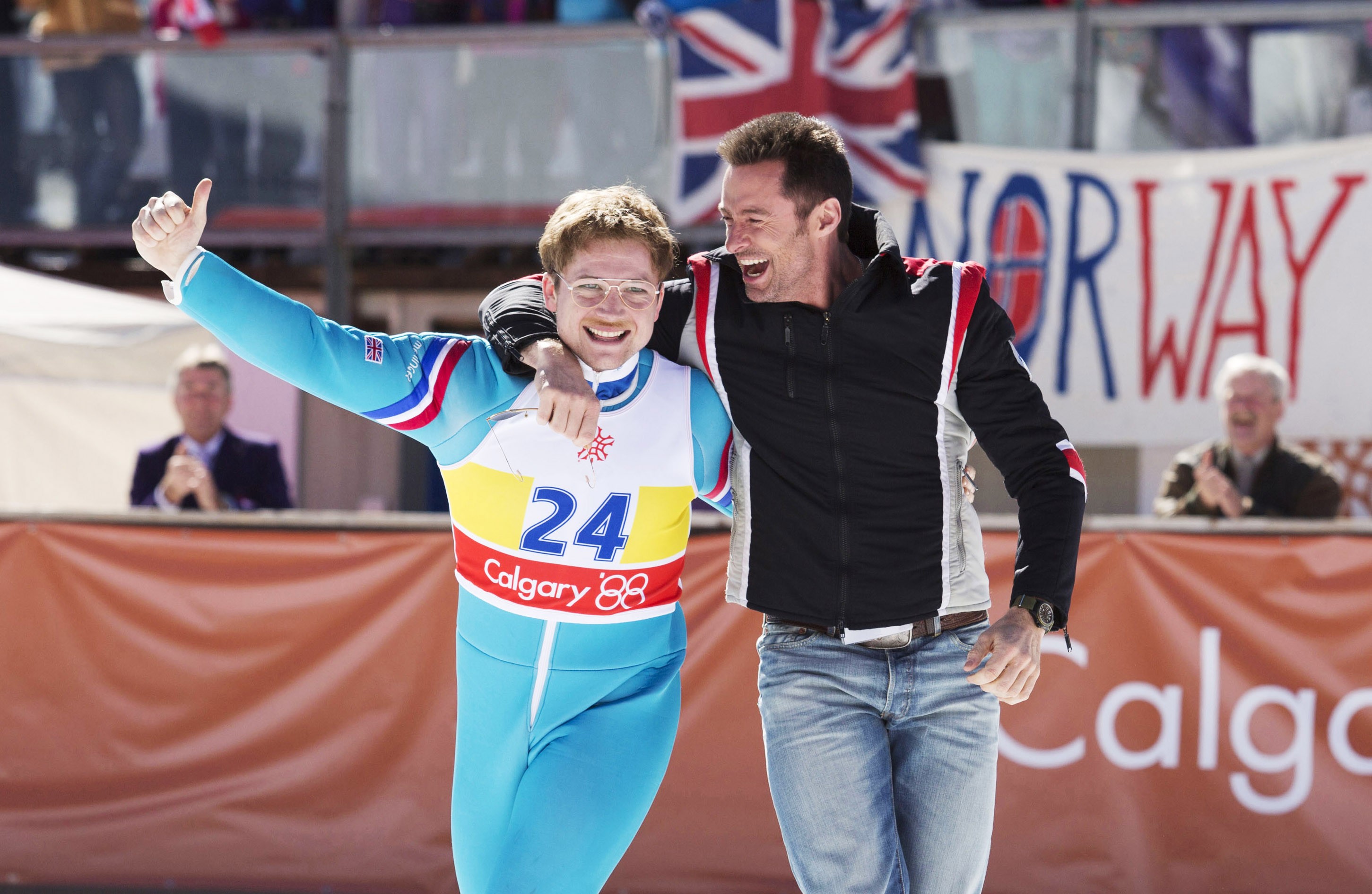
Michael David Edwards AKA “Eddie the Eagle”Taron Egerton and Hugh Jackman in Eddie the Eagle
For Eddie the Eagle, we return to the Calgary games for the story of Michael David Edwards, who in 1988 became Great Britain’s first ski jumper to compete in the Olympics since 1928. Eddie, as Michael’s friends called him, qualified for the Olympics by participating in the 1987 World Championships in Bavaria, West Germany, where he placed 55th. At the Olympics, Eddie competed in the 70- and 90-meter events. While he finished both events in last place, he set a British record AND won the hearts of the spectators and the press, who affectionately dubbed the near-sighted Eddie “Mr. Magoo”. You’ll also fall in love with movie Eddie, who is endearingly played by Taron Egerton. Eddie the Eagle is schmaltzy and sentimental, but damn entertaining nonetheless. And after the last two years, don’t we all deserve a little schmaltz?
Eddie the Eagle is not available on any streaming subscriptions, but you can rent it on Amazon Prime.
You can stream coverage of the XXIV Olympic Winter Games (Beijing 2022) on Peacock.
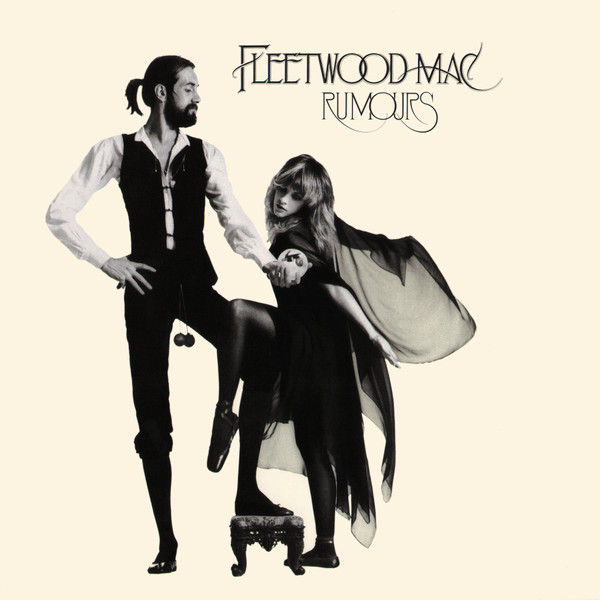
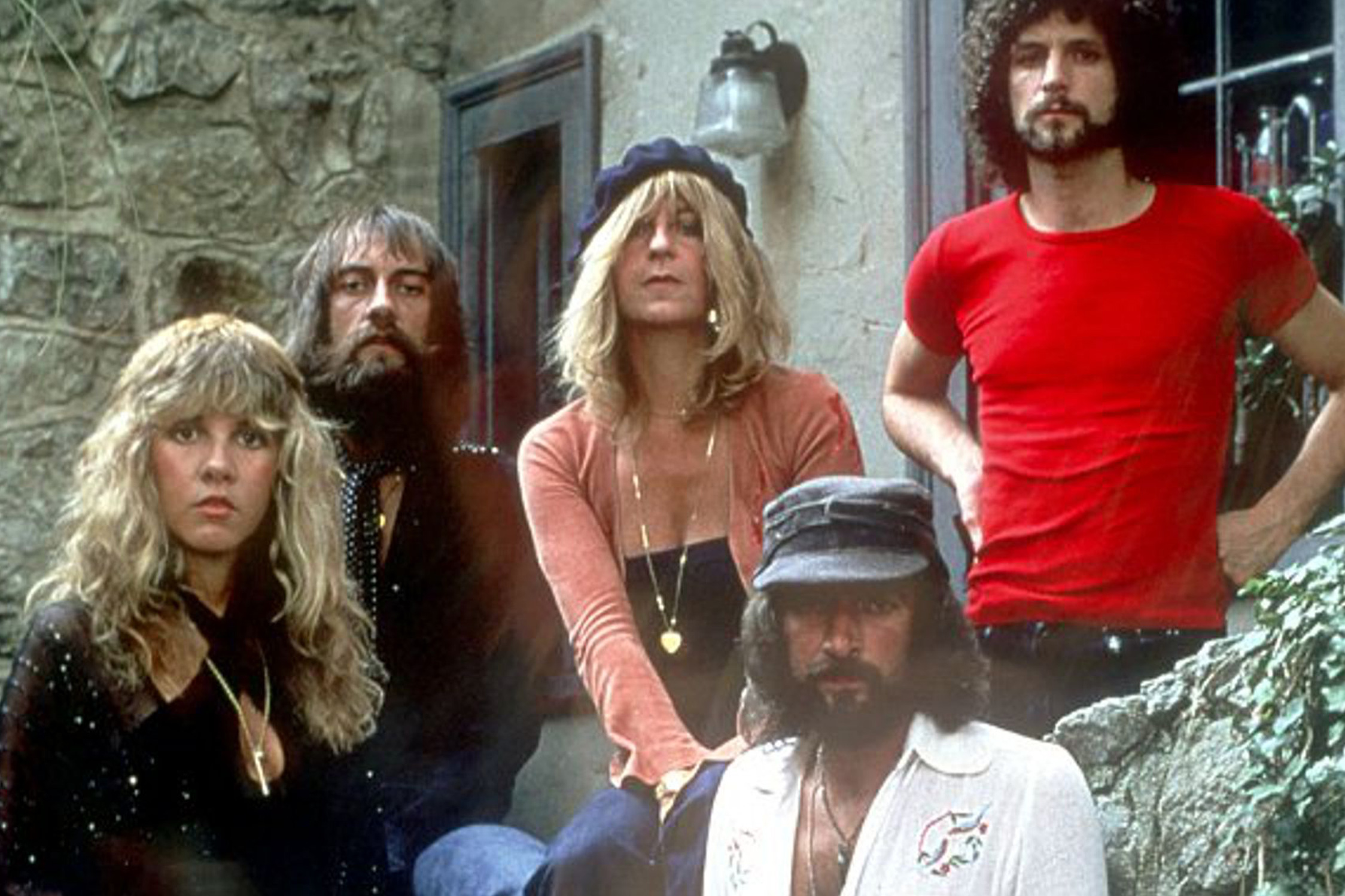
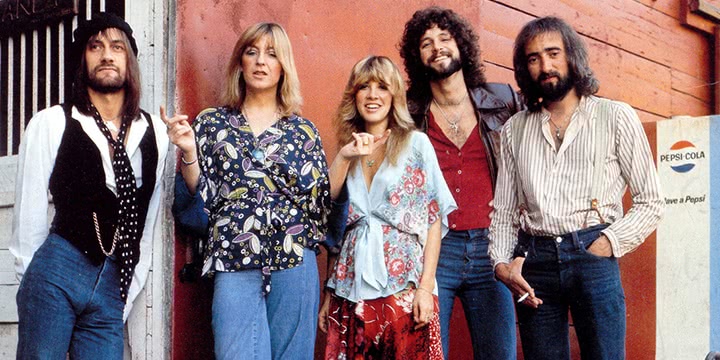
Forty-five years ago today, Fleetwood Mac released their magnum opus, Rumours. Forty minutes of pop-rock perfection, Rumours yielded four top-ten hits and won the Grammy for Album of the Year. Rumours has sold more than forty million copies worldwide, putting it in the all-time top ten alongside albums like Thriller, Saturday Night Fever, Bat Out of Hell, Back in Black and The Dark Side of the Moon. It is, quite simply, one of the greatest – and most iconic – albums ever made.
Rumours was actually Fleetwood Mac’s eleventh studio album, but only the second with the line-up of Mick Fleetwood, John McVie, Christine McVie, Lindsey Buckingham and Stevie Nicks. Fleetwood Mac, recorded in 1975 just after Buckingham and Nicks joined the group, was successful both critically and commercially; it went to #1 on the Billboard 200 and yielded three top-twenty singles (“Over My Head”, “Rhiannon” and “Say You Love Me”). In 1976, as the band was preparing to record Rumours (fun fact: the working title of the album was Yesterday’s Gone), the band’s two couples (the McVies and Buckingham/Nicks) were uncoupling. Mick Fleetwood had relationship troubles of his own; his wife Jenny reportedly had an affair with Fleetwood’s best friend (the two divorced, reconciled, remarried and divorced again over the next two years).
The press, of course, had a field day with the band’s relationship woes. They speculated that Fleetwood Mac would be going through a line-up change as a result of the breakups. They reported that Christine McVie was seriously ill in the hospital. When Buckingham and Nicks were photographed with Fleetwood’s daughter Lucy, the press declared that she was their secret love child. As the (ahem) rumors swirled, the members of Fleetwood Mac convened at the Record Plant studio in Sausalito, California in February of 1976 to begin recording.
The band chose not to work with Fleetwood Mac producer Keith Olsen again. Instead, they hired Ken Caillat and Richard Dashut, with whom they would work on subsequent albums Tusk and Mirage. Buckingham, Nicks and Christine McVie took primary songwriting duties, moving the band further away from its blues-rock roots and squarely into pop territory. Although most of the songs on the album are credited to a sole writer, they often collaborated; Buckingham and Christine McVie found that their songwriting sensibilities meshed well, and they helped polish each other’s songs.
Many of Rumours‘ individual songs are built around the romantic turmoil that imbued the proceedings. “Dreams”, written and sung by Nicks, offers up an optimistic yet melancholy view of the end of a relationship: “Now here you go again/You say you want your freedom/Well, who am I to keep you down?” Buckingham’s “Second Hand News”, on the other hand, takes a more direct approach: “One thing I think you should know/I ain’t gonna miss you when you go”. And in “Go Your Own Way”, Buckingham is even blunter: “Tell me why everything turned around/Packing up, shacking up’s all you want to do”. Ouch. Apparently, Nicks lobbied for Buckingham to remove that last line, but he refused. Meanwhile, “The Chain”, the only song on the album credited to all five band members (and my personal favorite Rumours track), seems like the perfect amalgamation of everyone’s anguish: “Run in the shadows/Damn your love, damn your lies/Break the silence/Damn the dark, damn the light”. Even a lovely, lighthearted song like Christine McVie’s “You Make Loving Fun” belies the darker story behind it (McVie wrote the song about Curry Grant, the band’s lighting director with whom she’d had an affair).
An open-ended budget from the record company and a never-ending supply of cocaine conspired to put recording behind schedule (it didn’t help that some of the band members weren’t on speaking terms with each other). All-night jam sessions would yield nothing usable. After two months in Sausalito, the band members were given ten days off to decompress before reconvening in Los Angeles. A sell-out tour scheduled for the fall was postponed; the album’s original release date of September came and went. Finally, the album now known as Rumours was complete, and a new release date of February 4 was set.
Fleetwood Mac released “Go Your Own Way” in December of 1976. The single reached #10 on the Billboard Hot 100, and its success helped build demand for the album. Three subsequent singles – “Dreams”, “Don’t Stop” and “You Make Loving Fun” – all landed in the top ten as well (“Dreams” is the band’s only US number one). On April 2, Rumours peaked at #1 on the Billboard 200 (and in six other countries, including the UK, Australia and Canada) and stayed there for thirty-one non-consecutive weeks. It was the best-selling album of 1977. It was the third-best-selling album of 1978 (behind the soundtracks for Saturday Night Fever and Grease). It was the FIFTY-THIRD best-selling album of 2020.
[An important aside: of the ten all-time best-selling albums, four of them – five if you count The Eagles’ Their Greatest Hits (1971–1975) – were released between December 1976 and November 1977. An incredible coincidence? Perhaps, or maybe it’s because popular music fucking ruled in 1977. Remember this fun fact, because I’m going to come back to it another time.]
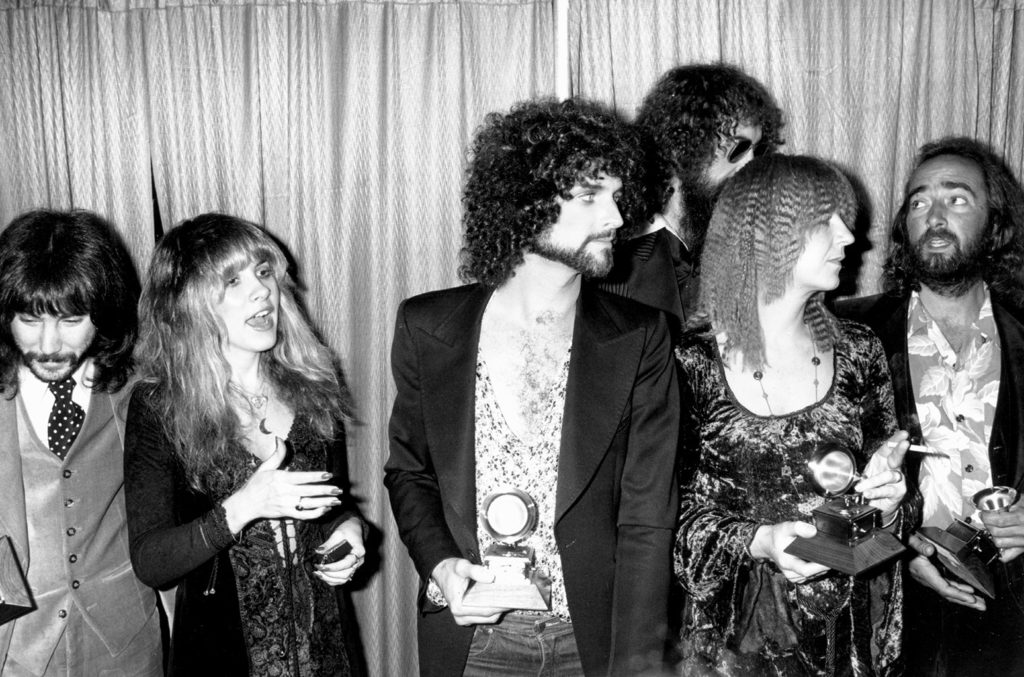
When Grammy time rolled around, Rumours was nominated for Album of the Year alongside Aja by Steely Dan, Hotel California by the Eagles, JT by James Taylor, and the Star Wars soundtrack with John Williams conducting the London Symphony Orchestra. Apparently, no black or brown people released albums in 1977. Anyway, Rumours won (and Williams made do with the Oscar).
Co-producer Richard Dashut, far left, and the band members backstage at the Grammy Awards
I still listen to Rumours on a regular basis. It is that rare perfect album, the one with zero fat or fillers, where every song could be a single. The album that captures the zeitgeist, a commercial and critical smash, a timeless classic. With more than forty million sold, chances are good you’ve had a copy in your household at some point in your life. In 2020, Rolling Stone listed Rumours as the seventh-greatest album ever in an updated edition of its “500 Greatest Albums of All Time”. AllMusic editor Stephen Thomas Erlewine, in a retrospective review, called Rumours an “unparalleled blockbuster”. I couldn’t have said it better.




































































 PB & Julie + Julie C. Trivia