The Pop Cultural Impact of 9/11

It was the most beautiful mid-September day you could hope for – no matter where you lived. A high pressure system covered a large swath of the Northeast, meaning warm, sunny weather prevailed. The sky was blue and bright, with just a few puffy clouds. I was in an especially good mood, because my best friend and I were to head out the following morning for a five day weekend with friends in D.C.-area Maryland. When I think of September 11, 2001, I think of the weather that day; it was such a jarring contrast to the horror unfolding on our television screens.

I was at work that morning, intent on getting as much done as I could before I left for my mini-vacation. Someone came around to my office and asked me if I’d heard about the plane accidentally crashing into the World Trade Center. I knew immediately that something was terribly wrong; this was no accident. When word came that a second plane had hit the other tower, my worst fears were confirmed: the United States was under attack. The work day came to a screeching halt; groups of people gathered around televisions, radios and computers, and the shocking, sickening news kept pouring in.

By early afternoon, I was on my way back to my apartment on nearly deserted streets; I’d never seen such desolation in the densely populated area (metropolitan Detroit) where I lived and worked. Calls were made to loved ones; my family’s safety was confirmed. I distinctly remember talking to my oldest sister while my television aired footage of the towers collapsing, and I just fell apart.

When that awful day was over, thousands of Americans (and almost 400 non-U.S. citizens) were confirmed or feared dead. In the years since, many more have died due to exposure to the toxic dust at Ground Zero. All told, at least 4,000 people have lost their lives because of the terrorist attacks; hundreds of thousands more died in the subsequent wars in Afghanistan and Iraq.

Yesterday marked the 20th anniversary of 9/11. That beautiful Tuesday morning feels like yesterday, but also like several lifetimes ago. Our nation, in the grip of a pandemic that has killed about 640,000 Americans, is still grappling with the psychic trauma of that day. I’m certainly not healed, and probably never will be; just researching and writing this piece has left me feeling anxious and overwhelmed (I’d intended to publish this yesterday, but needed to step away from it for some self-care).

The ways in which 9/11 impacted pop culture were numerous: awards shows and television premieres were postponed; shots of the World Trade Center were excised from films and television episodes; music lyrics and song titles were altered; entire films were scrapped. Depictions of the events of that day in media range from movies and television to classical music, literature and theater. Here are just a few of the ways pop culture was affected by 9/11, and a couple of cultural references to the attacks.

  • Among those on board American Airlines Flight 11, which departed Boston for Los Angeles and crashed into the WTC North Tower, were television producer David Angell (co-creator of Wings and Frasier) and actress & photographer (and widow of actor Anthony Perkins) Berry Berenson. Frasier was in the midst of its eleven season run in 2001, and Angell’s death was deeply felt by the cast and crew; Angell’s wife Lynn also perished in the crash. When Frasier wrapped up in 2004, Niles and Daphne’s son was named David in Angell’s honor. Berenson, briefly a model in the 1960s, later turned to the other side of the camera; her photographs were published in magazines such as Life, Glamour, Vogue and Newsweek. Berenson also studied acting, and appeared in a handful of motion pictures. She married Anthony Perkins in 1973; they raised two children together and remained married until his death in 1992. Berenson was returning home to Los Angeles that morning from a Cape Cod holiday.
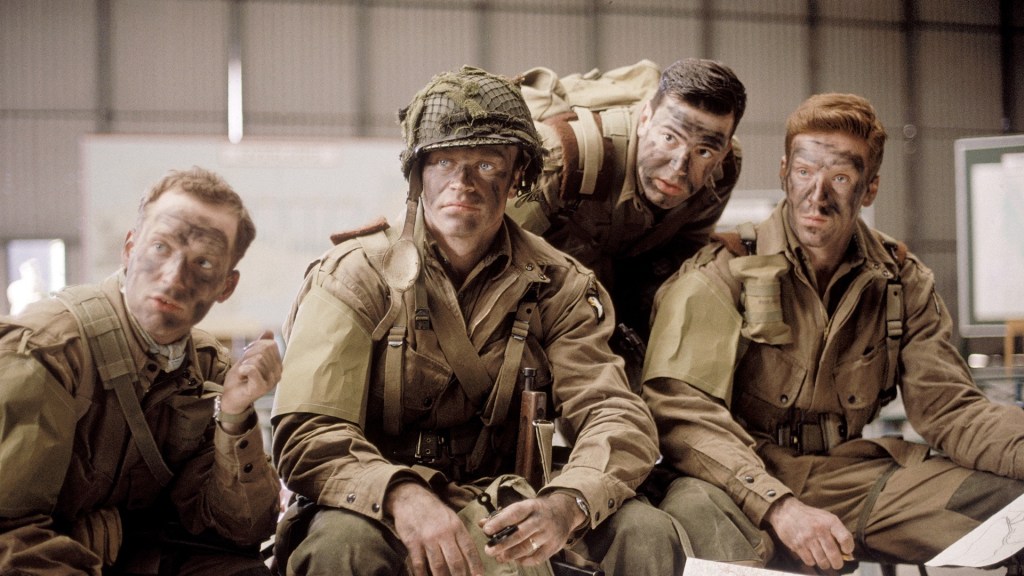
  • Band of Brothers

Band of Brothers, HBO’s exquisite World War II miniseries, premiered on Sunday, September 9, drawing ten million viewers. After the events of 9/11, HBO ceased its marketing campaign, and the ratings for subsequent episodes plummeted. But the series garnered significant critical praise and was nominated for twenty Emmys, winning seven awards (it also won a Golden Globe, a Peabody, an AFI award and the Producers Guild of America award). In addition, the release of Band of Brothers on home media (VHS and DVD in 2002, Blu-ray in 2008) has been one of the most successful ever, earning more than $250 million total. Despite the unfortunate timing of its release, Band of Brothers is one of the most-loved miniseries of all time.

  • United 93

A harrowing recreation of United Airlines Flight 93, which departed Newark bound for San Francisco and ended up crashing into a field near Shanksville, Pennsylvania; United 93 was the only hijacked flight not to reach its intended target (most likely either the White House or the Capitol). The reason? The men and women on board, realizing their fate, attempted to wrest control of the plane from the hijackers. While it’s not clear how close the passengers got to overtaking the cockpit, the hijackers knew their plan was foiled and deliberately crashed the plane at 10:06 am, about eighteen minutes before it would have reached Washington, D.C. The film, expertly directed by Paul Greengrass, unfolds in real time; the tension is almost unbearable. United 93 is tough to watch; I personally couldn’t bring myself to watch it until several years after its 2006 release. But it honors the victims of the crash beautifully (it was made with the cooperation of their families).

You can stream United 93 on Showtime and Peacock.

  • The Submission by Amy Waldman

This expertly written novel, the debut from New York Times journalist Amy Waldman, tackles the politics of the post-9/11 era head-on: the plot revolves around plans for a Ground Zero memorial, and what transpires after a Muslim architect wins a blind contest to design it. The Submission was shortlisted for the Guardian First Book Award (it lost to Siddhartha Mukherjee’s The Emperor of All Maladies), and deservedly so; it’s a hell of a read.

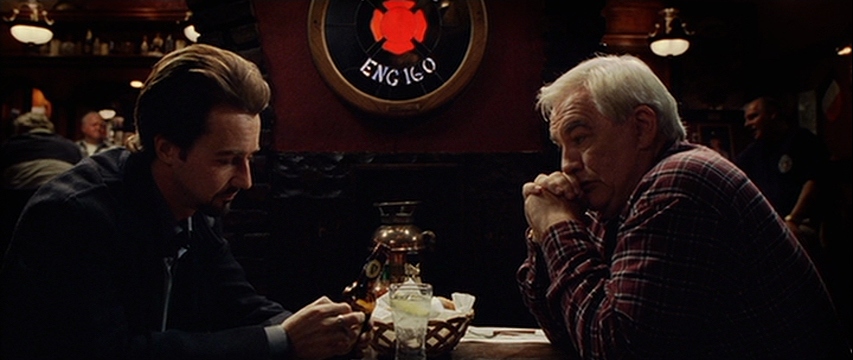
  • 25th Hour

While Spike Lee’s 25th Hour (adapted by Game of Thrones co-creator David Benioff from his 2001 novel) isn’t overtly about the events of 9/11, it was filmed in a post-9/11 New York City and the specter of the attacks looms over every frame. Ground Zero provides the backdrop to a pivotal scene, but moreover, Lee captures the essence of 2002 NYC: wounded, raw, grieving, but surviving. Rolling Stone just called 25th Hour “the only 9/11 movie that still matters”.

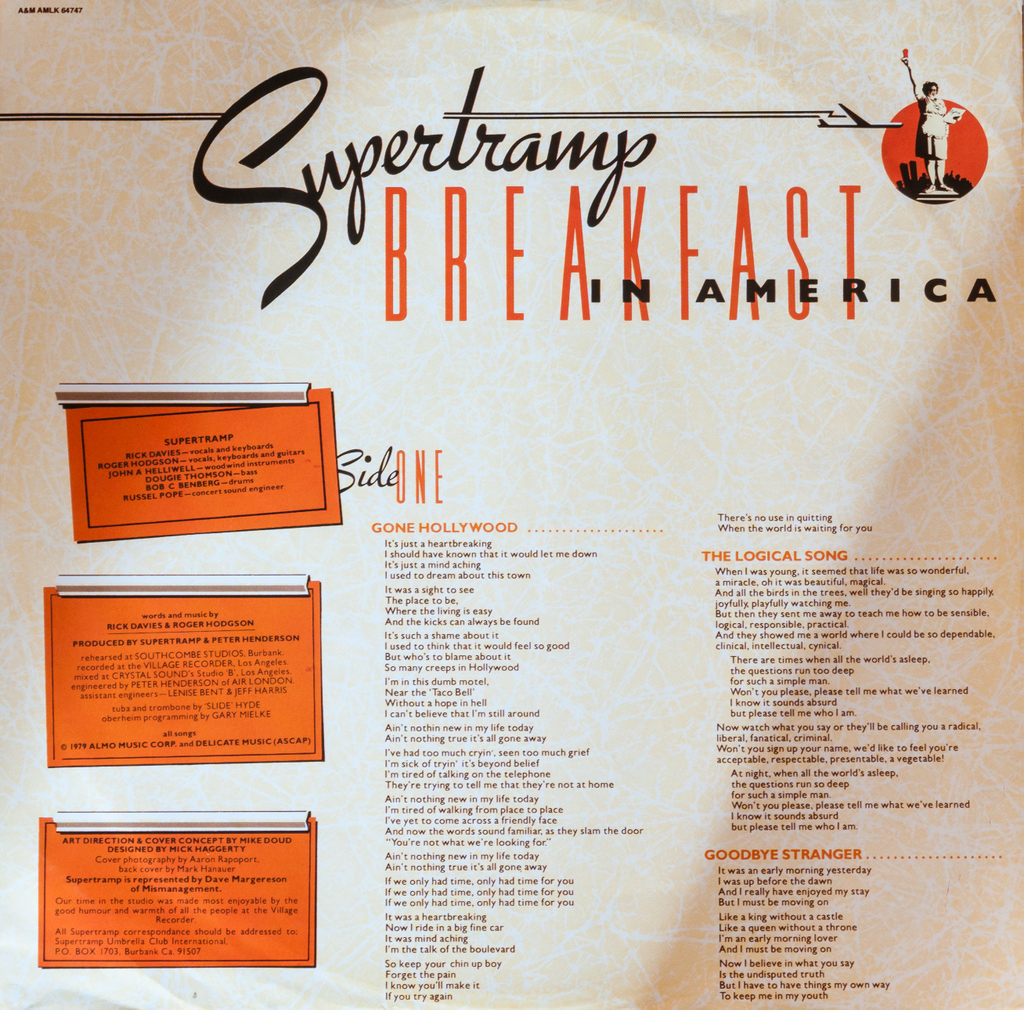
  • Breakfast in America predicts 9/11

A conspiracy theory that gained some traction several years ago involved the 1979 Supertramp album Breakfast in America and the events of 9/11. The theory? That the cover of the album predicted the 9/11 attacks on the World Trade Center. According to the theory, Supertramp financier Stanley August Miesegaes was a Freemason who used the Breakfast in America cover art to provide details about a future terrorist attack on Manhattan. The evidence is flimsy and utterly circumstantial, as is typical for conspiracy theories: the glass of orange juice on the waitress’s tray represents the fire that enveloped the WTC; the U and the P in Supertramp, when viewed in a mirror, form a 9 and an 11; the name “Supertramp” is synonymous with “Great Whore”, as in the apocalyptic Babylon in the Book of Revelation; the inner sleeve depicts an airplane flying above the Twin Towers. It’s never clear what Miesegaes would have gained with his subliminal messaging, of course, but if proof could be provided, it wouldn’t be a theory anymore.

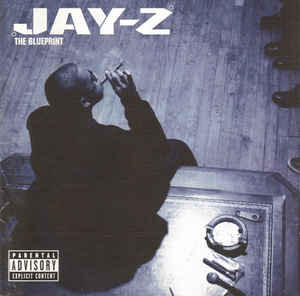
  • Album releases on 9/11/01

In the world of music, Tuesday is new release day, and that particular Tuesday was a doozy: among the releases on 9/11/01 were Jay-Z’s The Blueprint, Bob Dylan’s Love and Theft and a particular favorite of mine, Ben Folds’ Rockin’ the Suburbs. After seeing some commercial success with his band Ben Folds Five, Folds was embarking on a solo career, and what a debut it was. Forty-eight minutes of pure power pop perfection, Rockin’ the Suburbs could – and should – have been huge. Supposedly, Folds was in the midst of a radio interview when the attacks began; all album promotion ceased at that point and Rockinthe Suburbs never got the traction it deserved, peaking at #42 on the Billboard 200 chart. If you’re not familiar with Folds, do yourself a favor and give the album a listen.

  • Friends

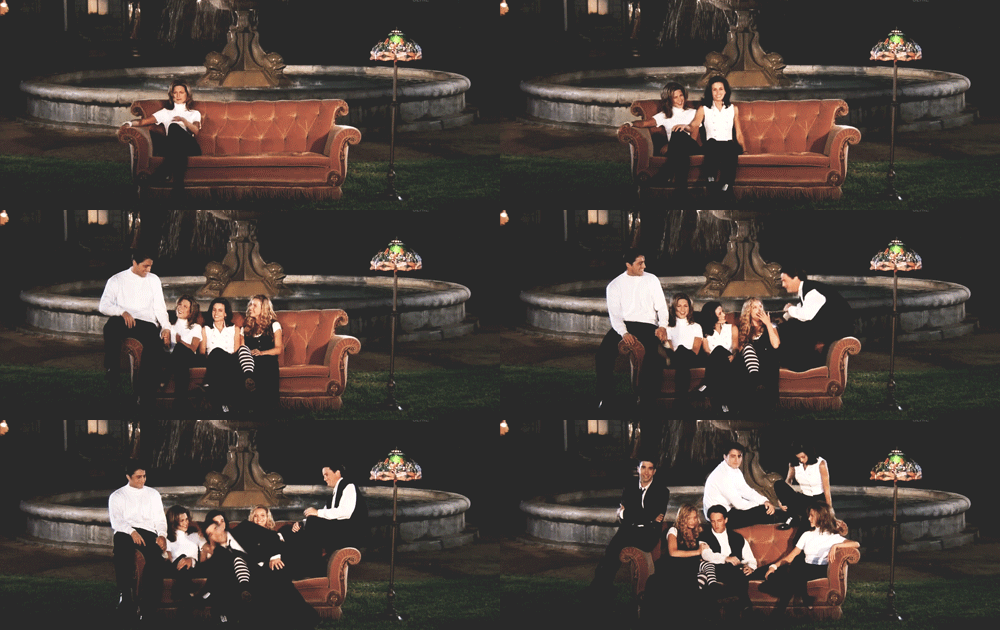
The season eight premiere of Friends, like a lot of series, was delayed. But the biggest impact on Friends came in the third episode of the season, “The One Where Rachel Tells…”; a subplot of the episode, in which Monica and Chandler depart for their honeymoon, initially had Chandler joking about having a bomb in his luggage and the couple being detained by airport security. The creators wisely rewrote and reshot the scenes.

Quick Hits: September 4

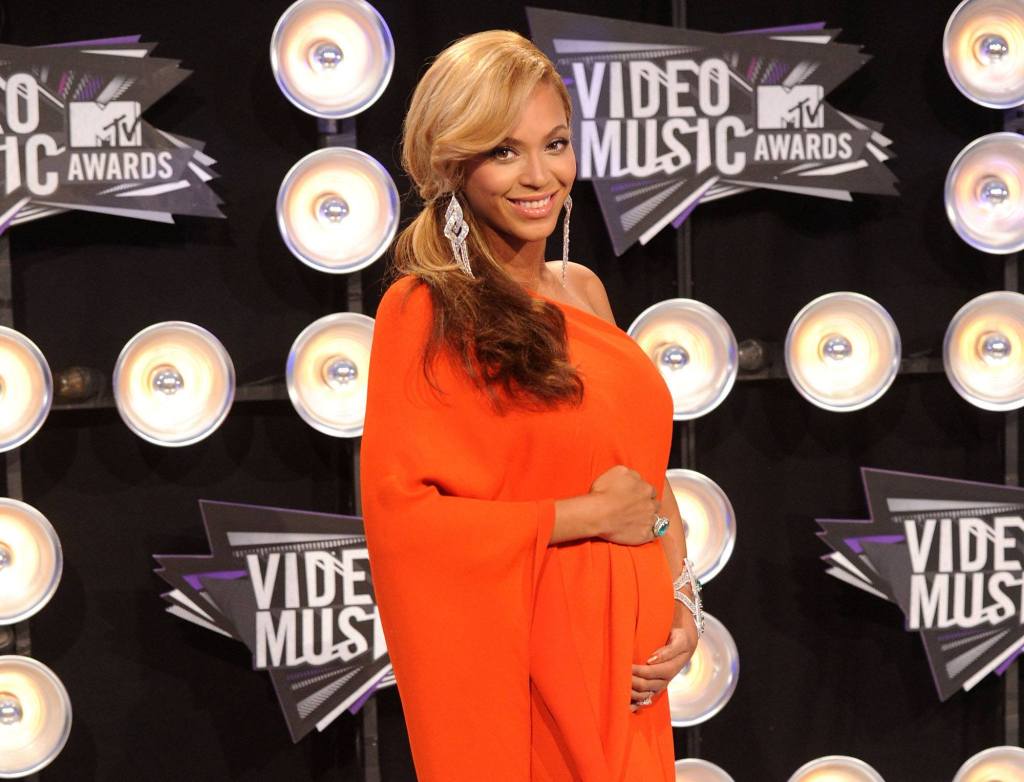
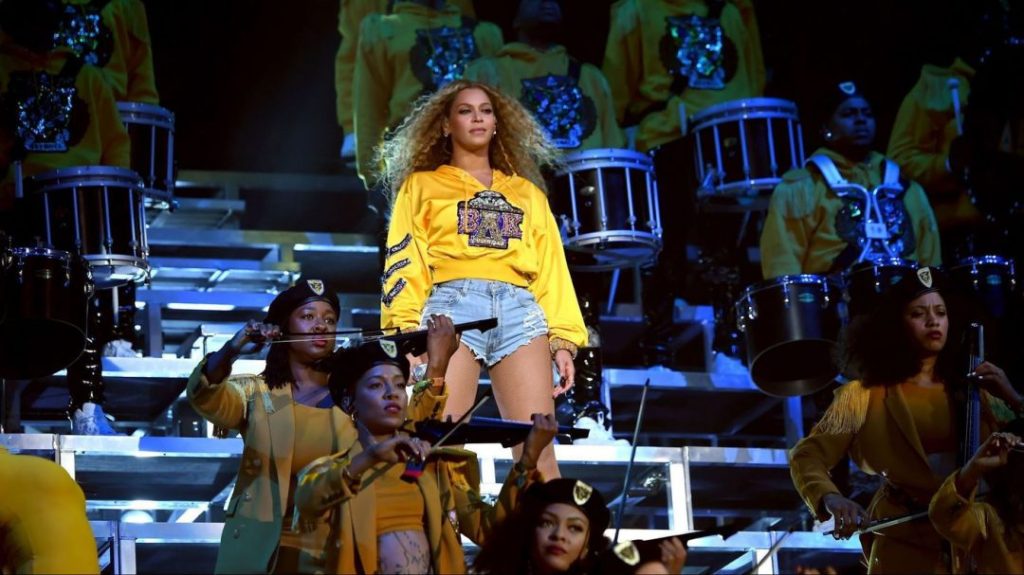
  • Happy 40th birthday, Beyoncé: singer, songwriter, actress, entrepreneur, philanthropist, activist, fashion icon and all-around boss. Beyoncé has won more Grammy Awards (28) than any other singer in history and more MTV Video Music Awards (24) than any other artist. She was named Billboard Top Female Artist of the Decade. She won a Peabody Award for Lemonade. She is the highest-paid black musician in history. There is a horse fly species native to Queensland, Australia named for her. And she popularized the phrase “put a ring on it”. BOSS.
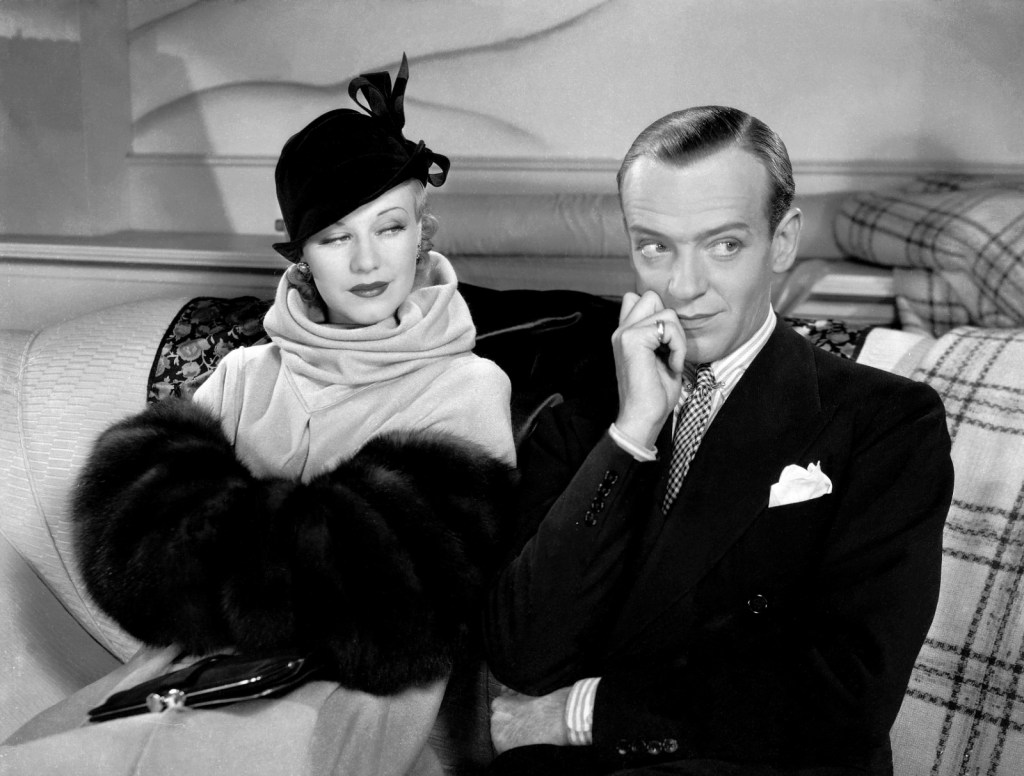
  • Swing Time, starring Fred Astaire and Ginger Rogers, was released on this day in 1936. Featuring some of the best dance numbers ever put to celluloid, as well as crackling chemistry between the two leads, Swing Time is considered one of the greatest movie musicals of all time. The film also introduced us to the iconic songs “Pick Yourself Up” and “The Way You Look Tonight”, the latter of which won the Oscar for Best Original Song.
  • The Price Is Right premiered on this day in 1972. It is America’s longest-running game show, airing over 9,000 episodes, and TV Guide named it the “greatest game show of all time” in 2007. The show’s fiftieth season will premiere on September 13.
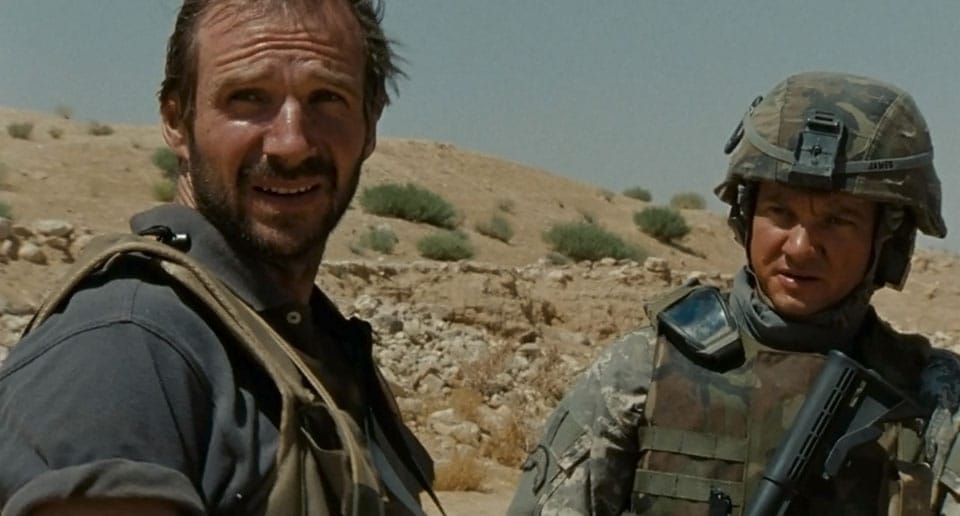
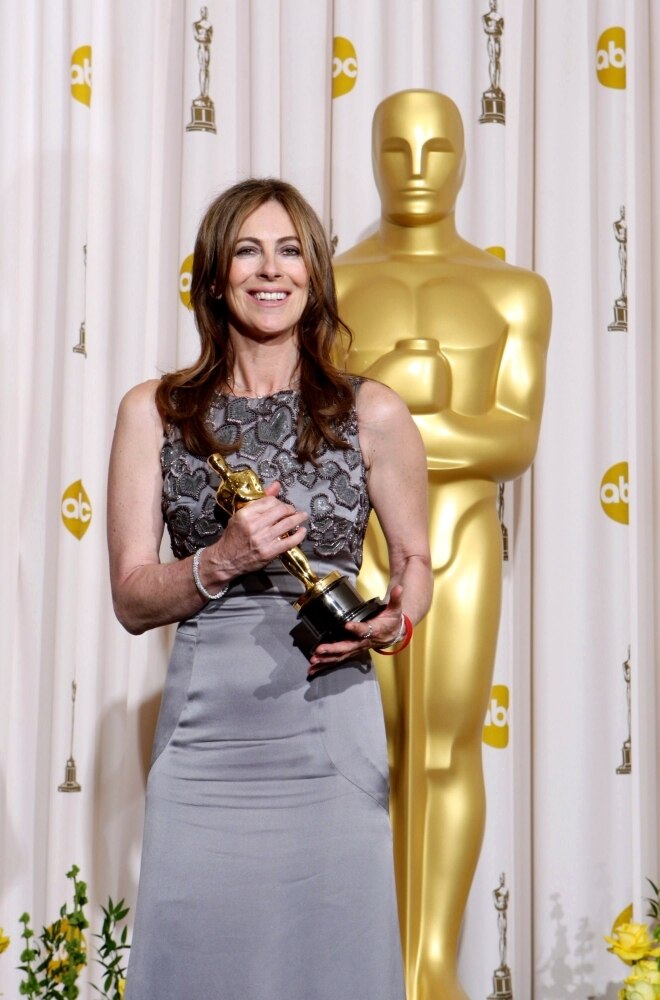
  • The Hurt Locker made its debut at the 65th Venice International Film Festival on September 4, 2008. The film was released the following June to near universal acclaim and would go on to win six Oscars, including Best Picture and Best Director for Kathryn Bigelow – the first woman to receive that honor.
  • Season 41 of Survivor will debut on September 22. CBS dropped a preview this week.
  • Speaking of fall television, this article has sneak peeks at some of the season’s new and returning series:

The 33 Most Anticipated TV Shows of Fall 2021 (msn.com)

  • ABBA has released their first new music in forty years, and they sound amazing!

Brother Gibb

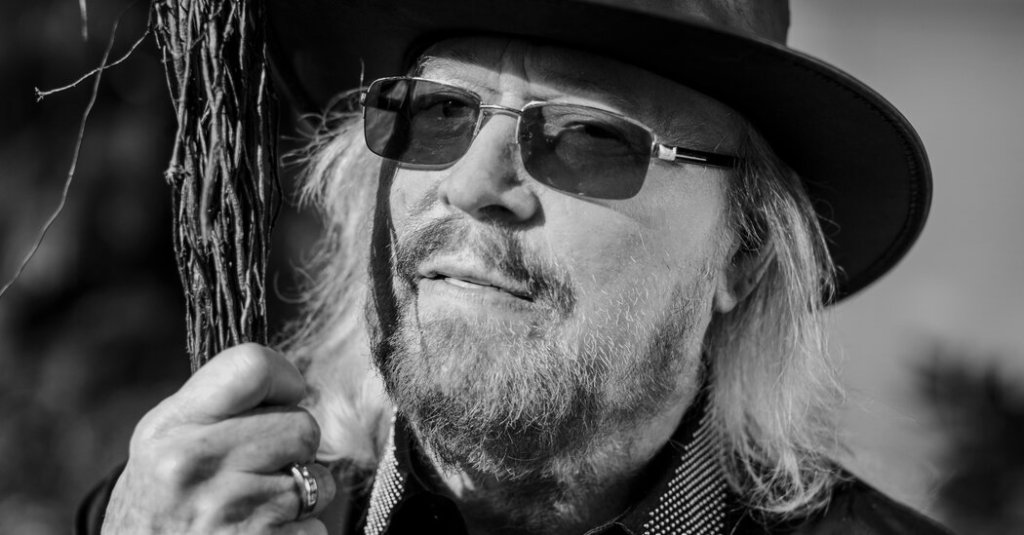
Happy 75th birthday to the man responsible for my sexual awakening at age eleven: Barry Gibb.

Sir Barry Alan Crompton Gibb was born on September 1, 1946 in Douglas, Isle of Man. In 1958, the Gibb family – father Hugh (also a musician), mother Barbara, older sister Lesley, Barry, twins Robin and Maurice, and baby brother Andy – moved to Australia. The three older brothers, then a skiffle group called The Rattlesnakes, changed their name to Bee Gees (for Brothers Gibb) and began playing gigs in and around Sydney. The Bee Gees returned to the UK in 1967 to record their debut album, Bee Gees’ 1st.

The Bee Gees’ early music was purely pop with a hint of psychedelia, but in the mid-70s, the band went in a new direction: the burgeoning disco sound. Starting with the release of 1975’s Main Course (with its #1 smash hit “Jive Talkin'”), Bee Gees were on their way to becoming one of the most successful vocal groups of all time.

In 1977, Bee Gees were asked to provide songs for Saturday Night Fever. The resulting soundtrack album, featuring five new Bee Gees songs as well as another Gibb composition, Yvonne Elliman’s “If I Can’t Have You”, sold forty million copies, spent twenty-four consecutive weeks at #1 and won the Grammy Award for Album of the Year. It remains the second-most successful soundtrack album of all time, after 1992’s The Bodyguard.

Over the next two years, Bee Gees had a string of six consecutive #1 hits: “How Deep Is Your Love”, “Stayin’ Alive” and “Night Fever” from Saturday Night Fever; “Too Much Heaven”, the band’s contribution to the “Music for UNICEF” fund; and “Tragedy” and “Love You Inside Out” from 1979’s Spirits Having Flown. As a songwriter, Barry Gibb is responsible for sixteen #1 Billboard Hot 100 hits; he is the second most-successful songwriter of all time, behind only Paul McCartney.

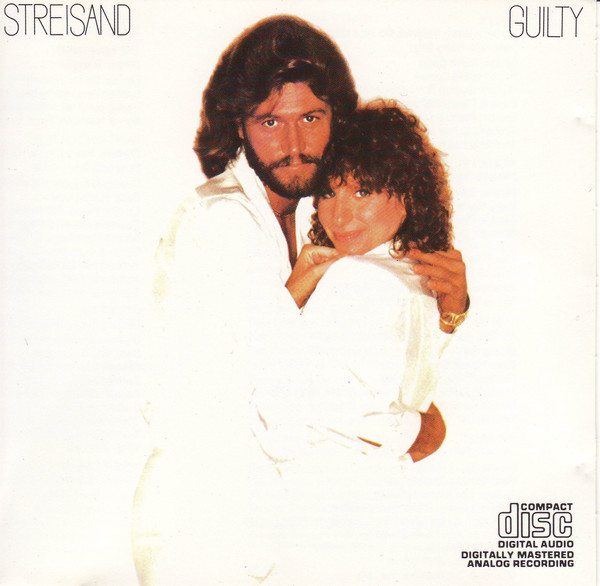
One of the most popular songs of 1983, “Islands in the Stream” was composed by the Brothers Gibb

Along the way, Barry and his wife Linda had five children. His eldest, Steve, is a musician in his own right.

Barry is the sole surviving Brother Gibb: Andy died at just thirty from myocarditis, after a years-long battle with drug addiction; Maurice died in 2003 when a twisted intestine caused his heart to fail; and Robin passed away in 2012 from kidney failure.

Barry continues to write and record music. His latest album, Greenfields, is a collaboration with various country artists, including Dolly Parton, Miranda Lambert, Jason Isbell and Alison Krauss.

Happy birthday, Barry! I created a fun little playlist in honor of the occasion.

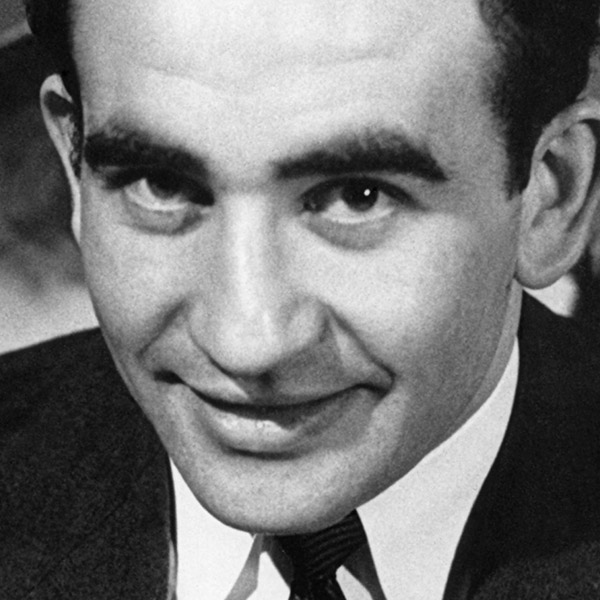
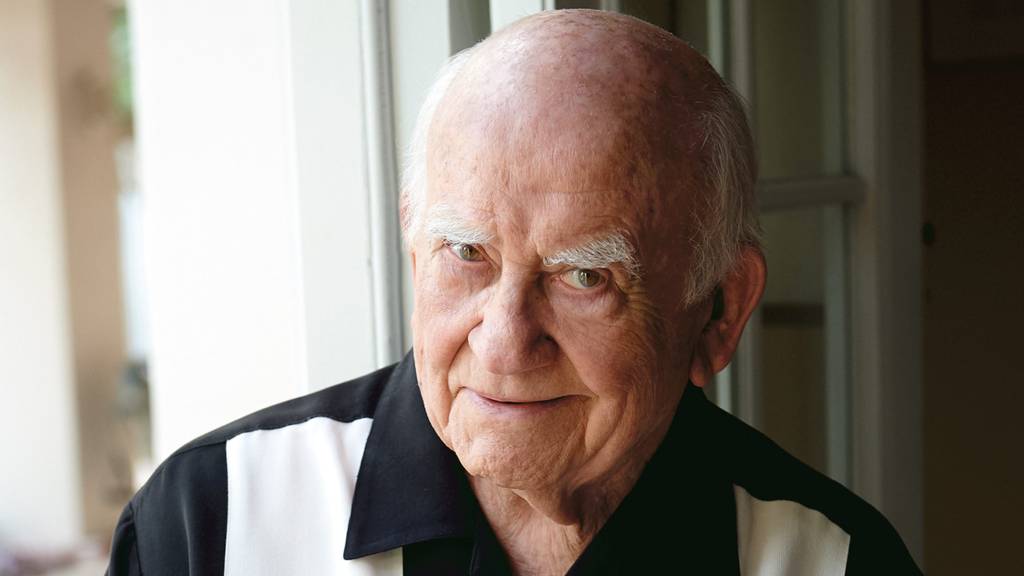
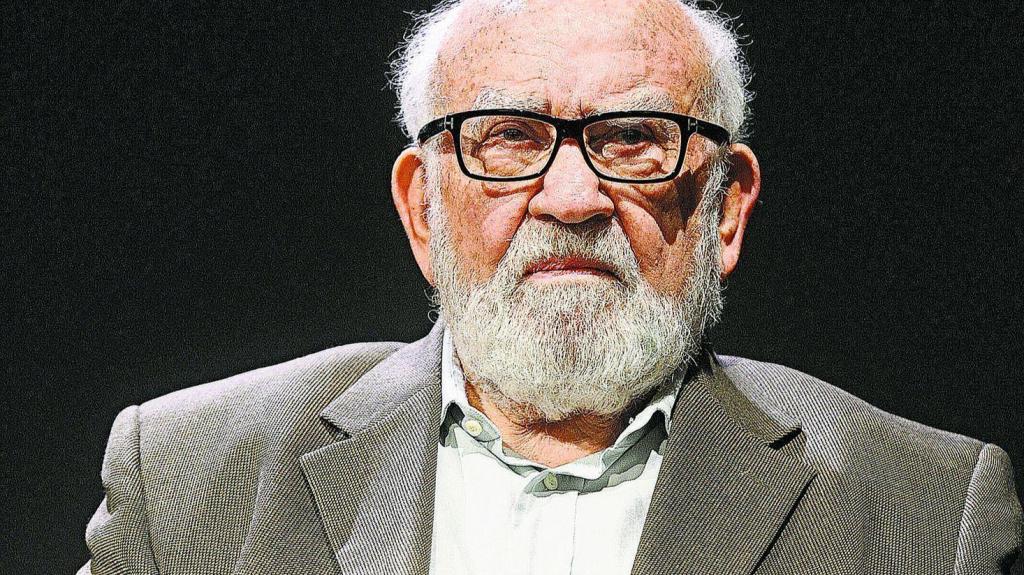
Legend: Ed Asner

Eddie Asner was born November 15, 1929, in Kansas City, Missouri to Ashkenazi Jewish immigrant parents. He attended the University of Chicago, where he began appearing in campus productions like T.S. Eliot’s Murder in the Cathedral. He did odd jobs and then served two years in the U.S. Army Signal Corps, where he performed in plays staged at various bases around Europe.

Following his military service, Asner devoted himself full-time to acting, making his way to New York City in the mid-50s. He made his television debut in 1957 in an episode of Studio One, his Broadway debut in 1960 in Face of a Hero (with Jack Lemmon!) and his film debut in 1962 in the Elvis Presley musical Kid Galahad.

Asner is best known for playing the irascible Lou Grant on The Mary Tyler Moore Show and its spinoff, Lou Grant; Asner is the only performer to win Emmy Awards for the same role on both a drama series and a comedy. In fact, Asner is the most decorated male performer in Emmy history, with seven acting awards total (Cloris Leachman and Julia Louis-Dreyfus are tied for first place with eight apiece).

Twenty-first century movie fans know Asner as the Santa to Will Ferrell’s Buddy in Elf and as the voice of the cantankerous Carl Fredricksen in the 2009 Pixar classic Up.

Asner served two terms (1981-1985) as president of the Screen Actors Guild, and was instrumental in organizing the 1980 union strike that led SAG, AFTRA (for television and radio artists) and the American Federation of Musicians to successfully boycott that year’s Primetime Emmy Awards (fun fact: Powers Boothe, the only one of fifty-two nominated actors to attend the ceremony, said in his acceptance speech: “This is either the most courageous moment of my career or the stupidest”). Asner supported several left-wing causes, openly opposed US government intervention in Central America and was a member of the Democratic Socialist Organizing Committee. When Lou Grant was cancelled suddenly in 1982, despite solid ratings, Asner believed it was due to his politics; CBS denied it, citing a ratings drop from the show’s first few seasons.

In 2012, already in his eighties, Asner led the opposition of a SAG-AFTRA merger, which he felt would destroy SAG’s health care plan. Asner and a group of other actors, including Martin Sheen and Ed Harris, filed a lawsuit against then-president of SAG Ken Howard; the lawsuit was eventually dropped, and the merger went through as planned.

On Sunday, August 29, 2021, Ed Asner died of natural causes in his Los Angeles home. He was 91 years old.

Quick Hits: August 29

  • Netflix launched on this day in 1997 as an online DVD rental store. It became a streaming service in 2007, and began developing original content in 2013. House of Cards and Orange Is the New Black both premiered that year, and the binge-watch was born. In 2016, Netflix had its best year yet with the one-two punch of The Crown and Stranger Things (at the time, Netflix’s most-watched series). Over the years, Netflix has been nominated for 480 awards, and it’s won more than two hundred, including fifteen Oscars, twelve Golden Globes, eleven Screen Actors Guild awards and 120 Primetime Emmys. With 203 million subscribers, Netflix is the most-watched streaming service in the world.
  • Ingrid Bergman died of breast cancer on her 67th birthday, August 29, 1982. A three-time Oscar winner, Bergman was one of the most iconic – and beautiful – women to ever grace the screen. Her affair with director Roberto Rossellini in 1950 made waves in Hollywood AND Washington D.C. (as well as Bergman’s native Sweden), but the two eventually married. Their union produced three children, including Isabella, who would become a model and actor herself.
  • Happy birthday, Elliott Gould!
  • The Gallagher brothers were unleashed on the world with the release of Oasis’ debut album, Definitely Maybe, on this day in 1994. An infectious blend of 60s-inspired psychedelia and 90s Britpop, Definitely Maybe was a worldwide smash. Oasis’ music – not to mention the Gallagher’s outsized personalities – would dominate the pop scene for the next couple of years; at one point, in a 1996 interview with MTV, Noel Gallagher said that Oasis was “bigger than the Beatles”.
  • Speedy Gonzales made his first appearance in Cat-Tails for Two, a Warner Bros. Merrie Melodies short released on this day in 1953.

Quick Hits: August 27

  • Rolling Stones drummer Charlie Watts died this week at the age of 80. Watts, widely considered among the all-time best rock drummers, was also an accomplished jazz musician. Watts frequented London R&B clubs in the early 60s, where he met Brian Jones, Stu Stewart, Mick Jagger and Keith Richards in 1962. He played his first gig as a permanent band member on February 2, 1963, at the Ealing Jazz Club; he remained a Rolling Stone until his death.
  • Epix dropped the first three episodes of Chapelwaite this week, and it’s…okay? Adrien Brody is brilliantly cast, and does his best with the material he’s given, but the script is uneven and a lot of the dialogue sounds too contemporary. The worm imagery is heavy-handed, to say the least. I was hoping for a slow-burn Gothic creepfest, but creators Jason and Peter Filardi went with a “let’s try to top the last gross-out” approach instead. Perhaps the biggest problem with the series is that a thirty-page, two-character story has been adapted into a ten-episode series, which means there’s a lot of padding. I’m going to continue watching for now, albeit less eagerly.
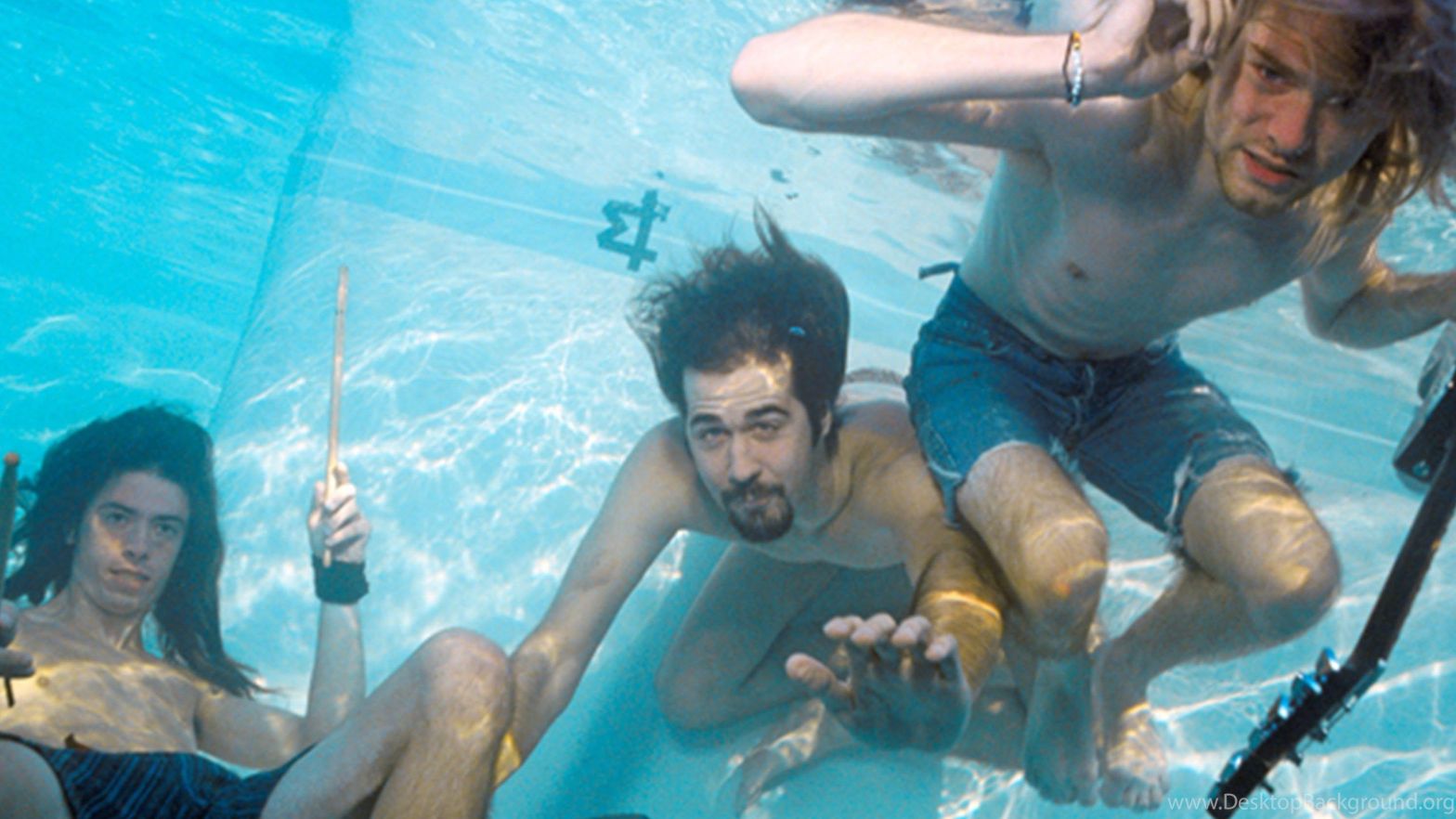
  • Spencer Elden, who posed as a baby for the cover of Nevermind, is suing the surviving members of Nirvana (and Kurt Cobain’s estate), the record company and photographer Kirk Weddle for “child sexual exploitation”, alleging that he was too young to give consent for the use of his naked image. At the time, his parents consented to his photo being taken, and were paid $200 (and Elden has recreated the photo, presumably for money as well, a number of times over the years).
  • On this day in 1964, Mary Poppins (a Peanut Butter and Julie favorite) premiered in Los Angeles.
  • Birdman or (The Unexpected Virtue of Ignorance) premiered at the Venice Film Festival on this day in 2014. One of the best films of the 21st century, Birdman was almost universally adored by critics and made over $100 million at the box office. It earned nine Academy Award nominations and won four Oscars: Best Picture, Best Director for Alejandro González Iñárritu, Best Original Screenplay and Best Cinematography. It was also nominated for Best Actor (Michael Keaton was robbed), Best Supporting Actor (Edward Norton), Best Supporting Actress (Emma Stone), Sound Editing and Sound Mixing. From the gorgeous cinematography to the brilliant jazz drum score to the astonishing editing to the phenomenal performances, Birdman is an A+.
  • Swedish character actor Peter Stormare was born on this day in 1953.
  • Happy birthday to actor and national treasure Aaron Paul, born on this day in 1979.
Before he was famous, Paul appeared on The Price is Right.
  • No Fences, Garth Brooks’ second album, was released on this day in 1990. It would become the best-selling country album of 1991 AND the second-best-selling album overall (only Mariah Carey’s self-titled debut sold more copies) AND the fourth-best-selling album of the decade. If you weren’t around in 1991, it’s impossible to overstate how inescapable this album and its singles (“Friends in Low Places” and “The Thunder Rolls” among them) were. Brooks’ next album, 1991’s Ropin’ the Wind, became the first country album ever to enter the Billboard 200 at #1.

Stand By Me at 35

On August 22, 1986, Stand By Me went wide after a limited release per-screen-average of $15,174. It would go on to earn more than $50 million on a $7.5 million budget and become one of the most beloved coming-of-age movies ever made.

Based on the Stephen King novella The Body, from his 1982 collection Different Seasons, Stand By Me is one of King’s favorite adaptations of his work and for good reason: the film is perfectly rendered from start to finish. Director Rob Reiner assembled a cast of wonderful young actors then worked with them for two weeks prior to filming to ensure a believable camaraderie. The four – Wil Wheaton, River Phoenix, Corey Feldman and Jerry O’Connell – became friends in real life, and their chemistry jumped off the screen. The dazzling screenplay earned Raynold Gideon and Bruce A. Evans a well-deserved Oscar nomination (it was the film’s only nod, unfortunately). At the time, Reiner had only two feature films under his belt – mockumentary This Is Spinal Tap and romantic comedy The Sure Thing – but directed Stand By Me with the self-assurance of a veteran filmmaker.

The autobiographical story (Wheaton’s Gordie, our King stand-in, loves to tell stories and will grow up to be a writer) is a simple one – four friends set out to find the body of Ray Brower, a missing boy about their age. Along the way, they encounter leeches and a junkyard dog named Chopper, dodge a train and learn some valuable life lessons. Gordie’s older brother Denny (an uncredited John Cusack), clearly their parents’ favorite, has recently died; Gordie is not only navigating his own grief over losing his beloved brother, but coming to terms with the fact that his parents will never love him the way they loved Denny.

Gordie’s friends – best friend Chris Chambers (Phoenix), Teddy Duchamp (Feldman) and Vern Tessio (O’Connell) – have their own problems at home, and the four of them find comfort and a sense of family with each other. One of the best sequences in the film is their post-dinner campfire conversation, which starts with Gordie telling his friends a story he’d been working on (about the revenge of a bullied kid named Davey Hogan) and features discussions ranging from “What is Goofy?” to “Annette’s tits”.

During a quieter moment later on, Chris laments his status as the “bad kid” and fears he’ll never outlive that reputation. River Phoenix is bonkers good in this scene, tapping into some ancient emotion that a 14-year-old shouldn’t be capable of.

The boys find Brower’s body, leading to Gordie’s heartbreaking revelation that his parents would rather he had died than Denny, as well as a showdown with the town bully Ace Merrill (a deliciously malevolent Kiefer Sutherland) and his gang. Now it’s Wheaton’s time to shine, as Gordie, experiencing equal parts anger and grief, finally stands up to Ace (“Suck my fat one, you cheap dimestore hood.”)

As the film ends, we learn from our narrator (Richard Dreyfuss, credited as “The Writer”, plays the older version of Gordie) that Gordie and Chris had drifted apart from Teddy and Vern, and that Chris had recently died trying to break up a fight in a fast food line. The close-up on The Writer’s computer screen shows us the final line of the story he’s writing: “I never had any friends later on like the ones I had when I was twelve. Jesus, does anyone?”

Thirty-five years later, Stand By Me remains a timeless ode to the aches and pains of adolescence and the friends who help us through them. The film took on an added emotional resonance with the death of River Phoenix in 1993; the shot of Chris disappearing from Gordie’s view gives me shivers every time.

Fun facts:

  • According to Wikipedia, the filmmaker originally attached to the project was Adrian Lyne, director of Flashdance and 9½ Weeks. I for one am thrilled that Lyne’s version doesn’t exist.
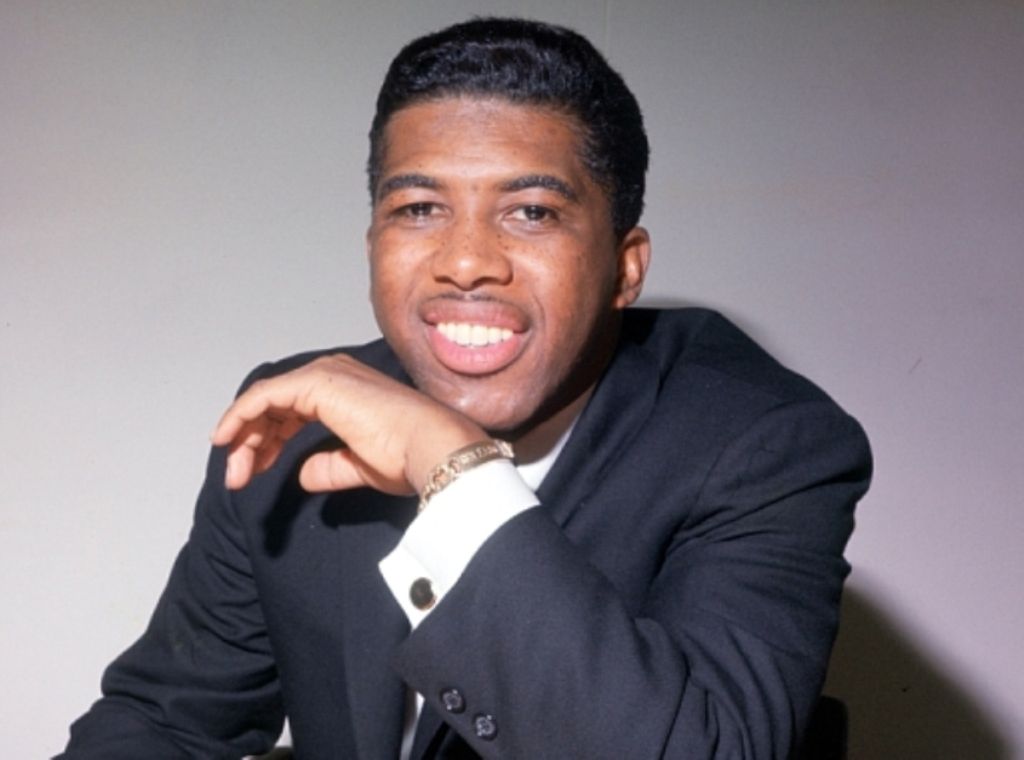
  • The movie generated renewed interest in Ben E. King’s “Stand By Me”, and the 1961 song became a top ten hit again, peaking at #9 in December 1986.
  • Though the film was only nominated for the one Oscar, it received Golden Globe nominations for Best Picture and Best Director, and Reiner was nominated for a Directors Guild Award as well (he lost to eventual Oscar winner Oliver Stone).
  • River Phoenix auditioned for the role of Gordie, and Ethan Hawke auditioned for the role of Chris, which ultimately went to Phoenix.
  • Stand By Me was a clear influence on Stranger Things 1; aside from the obvious visual references, the Duffers had the young actors auditioning for the series read passages from the Stand By Me script.

You can stream Stand By Me on Amazon and the complete soundtrack on Spotify.

Quick Hits: August 15

  • The Woodstock music festival (“3 Days of Peace & Music”) was held August 15-18, 1969 on Max Yasgur’s dairy farm in Bethel, New York. A watershed moment for the 60s counterculture and a milestone in rock music history, Woodstock contained iconic performances by some of the period’s greatest artists. The festival spawned an Academy Award-winning film, a #1 three-album soundtrack and two anniversary festivals, Woodstock ’94 and Woodstock ’99.
ICONIC
  • On this day in 1939, The Wizard of Oz held its Hollywood premiere at Grauman’s Chinese Theatre. Starring Judy Garland, Ray Bolger, Jack Haley, Bert Lahr, Frank Morgan and an absolutely terrifying Margaret Hamilton, The Wizard of Oz was a commercial failure upon its initial release but has gone on to be one of the most beloved and iconic films ever made. It also inspired generations of stoners to watch the flick while listening to Pink Floyd’s Dark Side of the Moon.
  • Apocalypse Now was released on this day in 1979 after premiering at Cannes the previous May. A loose adaptation of Joseph Conrad’s Heart of Darkness, Apocalypse Now stars Marlon Brando, Robert Duvall and Martin Sheen, who suffered a near-fatal heart attack during filming. Warning: this clip is not for the faint of heart, but the scene is brilliant and the use of The Doors’ “The End” is perfect.
  • Željko Ivanek was born on this day in 1957. A venerable character actor of stage and screen, Ivanek has appeared in critically-acclaimed films and series such as Oz, 24, Donnie Brasco and Black Hawk Down. Fun fact: his contract includes a rider that the Ž in his first name has its caron properly placed in any credits sequence where his name appears.
  • I’m really enjoying Stephen King’s latest, Billy Summers.
  • Speaking of King, Chapelwaite premieres next Sunday on Epix. The series, based on King’s short story “Jerusalem’s Lot”, will star Adrien Brody, the divine Emily Hampshire and lots of lanterns.
* shivers *

Quick Hits: August 12

Hello, everyone! I haven’t posted yet this week; my husband and I lost our WiFi due to severe storms. No WiFi, no blog. So I’m going to try to make up for it over the next few days. I have a couple longer pieces in the pipeline that I’m hoping to finish soon. In the meantime, I’m going to get caught up on what we’ve missed this week.

  • We lost the lovely Markie Post this week to cancer. Best known as public defender Christine Sullivan on Night Court, Post was a frequent guest star on iconic series such as CHiPs, Eight is Enough, The Love Boat, Cheers and Scrubs, and a series regular on The Fall Guy and Hearts Afire.
  • Today would have been John Cazale’s 86th birthday. Cazale is quite possibly the only actor to have 100% of their films (five total) be nominated for the Best Picture Oscar (three – The Godfather, The Godfather: Part II and The Deer Hunter – won the big prize). Cazale was fighting cancer while filming The Deer Hunter, and died before the movie was released. Cazale was engaged to Meryl Streep at the time of his death at the age of 42.
  • Woodstock ’94 took place August 12-14, 1994. It was held to commemorate the 25th anniversary of the original festival. While not quite the shitshow that occurred five years later, ’94 wasn’t without its issues. Thunderstorms turned the field into mud, which was flung at the artists playing on stage (Les Claypool, during Primus’ set: “You know, when you throw things on stage, it’s a sign of small and insignificant genitalia.”). Jackyl’s lead singer, Jesse James Dupree, had to be dragged off the stage by security after he poured alcohol on the crowd, shotgunned a joint, lit a stool on fire and cut it up with a chainsaw, and shot a rifle into the air. Blind Melon’s Shannon Hoon appeared to be tripping on acid while on stage and in post-performance interviews (Hoon died a little more than a year later from an apparent cocaine overdose). There were bright spots though: on the strength of their muddy performance, Green Day saw sales of their debut album, Dookie, skyrocket. And Bob Dylan made his long-awaited Woodstock debut, after declining in 1969 to play at the Isle of Wight festival in England.
“This isn’t love and peace, it’s fuckin’ anarchy!”
  • Wings was released on this day in 1927. It would go on to win the first Best Picture Oscar.
  • I’ve already pre-ordered my copy of this:

https://ew.com/books/harvey-fierstein-memoir-first-look-i-was-better-last-night

  • My husband and I recently completed a Mission: Impossible binge. All six films are streaming on Paramount+. I wasn’t a huge fan of the first film (and Tom Cruise isn’t a favorite of mine either), so I never bothered with any of the others until now. Each movie was better than the last, and I honestly don’t know if there’s another film series you could say that about.

Pop Quiz Answers

  1. “Moving in Stereo” – The Cars (Fast Times at Ridgemont High)

There was a hilarious, gender-reversed take on this scene in Stranger Things 3 episode “Suzie, Do You Copy?”

2. “Tiny Dancer” – Elton John (Almost Famous)

If there’s ever been a more beautiful love letter to how music can bring us together, I’m not aware of it.

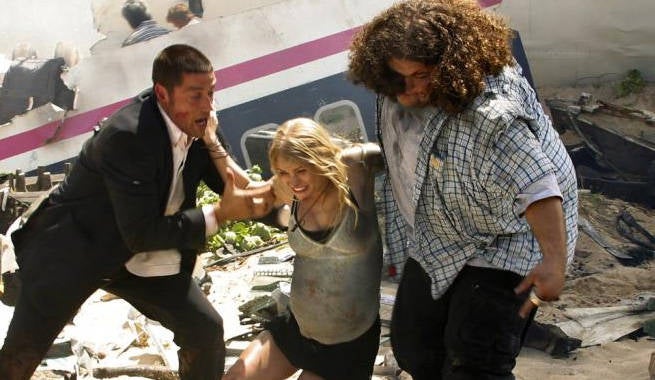
3. “Shambala” – Three Dog Night (Lost 3:10 – “Tricia Tanaka Is Dead”)

“Greatest 5 minutes in tv history”? No, but it is pretty awesome.

4. “Ride of the Valkyries” – Richard Wagner (Apocalypse Now)

ICONIC.

5. “Stuck in the Middle with You” – Stealers Wheel (Reservoir Dogs)

WARNING: This clip is graphically violent.

6. “My Sharona” – The Knack (Reality Bites)

“Evian is naive spelled backwards” will never not be funny.

7. “Where Is My Mind?” – Pixies (Fight Club)

“You met me at a very strange time in my life” might be my favorite last line in any movie. And Helena Bonham Carter is perfection.

8. “Then He Kissed Me” – The Crystals (Adventures in Babysitting)

I’ll never get over Bradley Whitford being the asshole boyfriend in this 80s classic.

9. “Crystal Blue Persuasion” – Tommy James and the Shondells (Breaking Bad 5:8 – “Gliding All Over”)

I couldn’t imagine a better song to set this montage to.
10. “The Blue Danube” – Johann Strauss II (2001: A Space Odyssey)

ICONIC PART 2.

11. “You Never Can Tell” – Chuck Berry (Pulp Fiction)

ICONIC PART 3.

12. “You Make My Dreams” – Hall & Oates (500 Days of Summer)

JGL has MOVES.

Featured image:

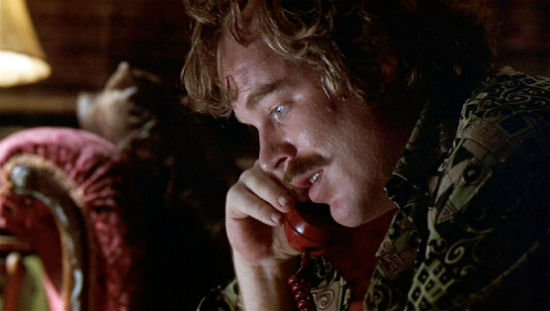
“Hip to Be Square” – Huey Lewis and the News (American Psycho)

WARNING: this clip is also graphically violent, as you might expect from a film called American Psycho.