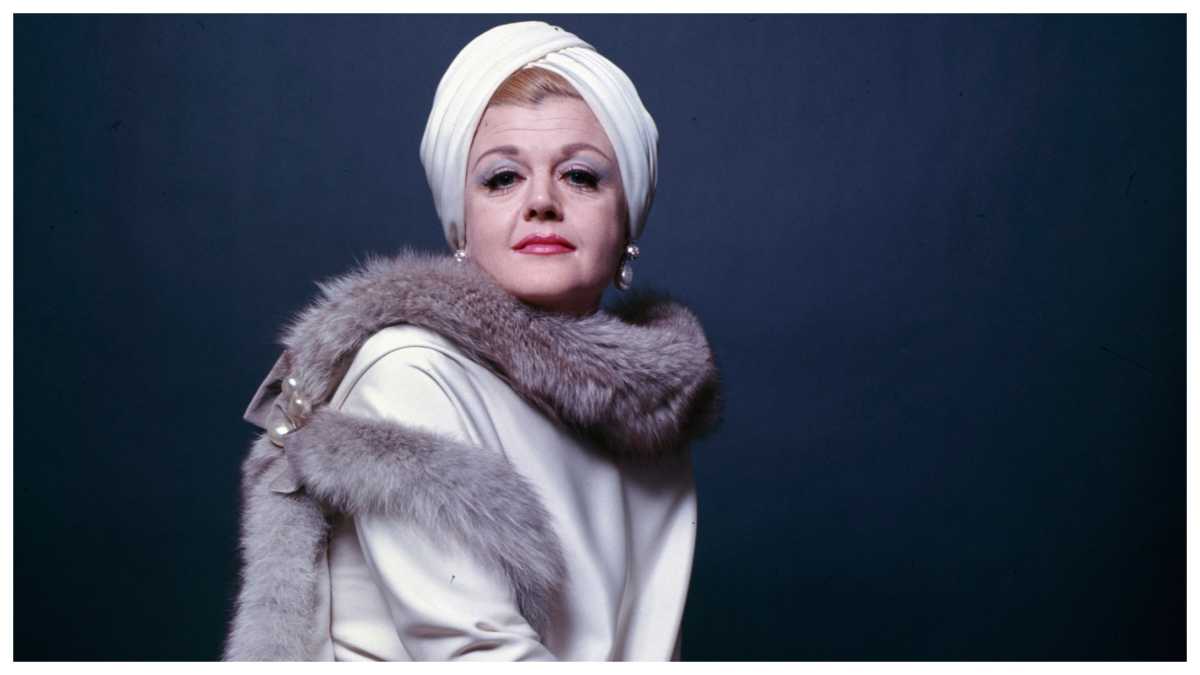
Legend: Angela Lansbury

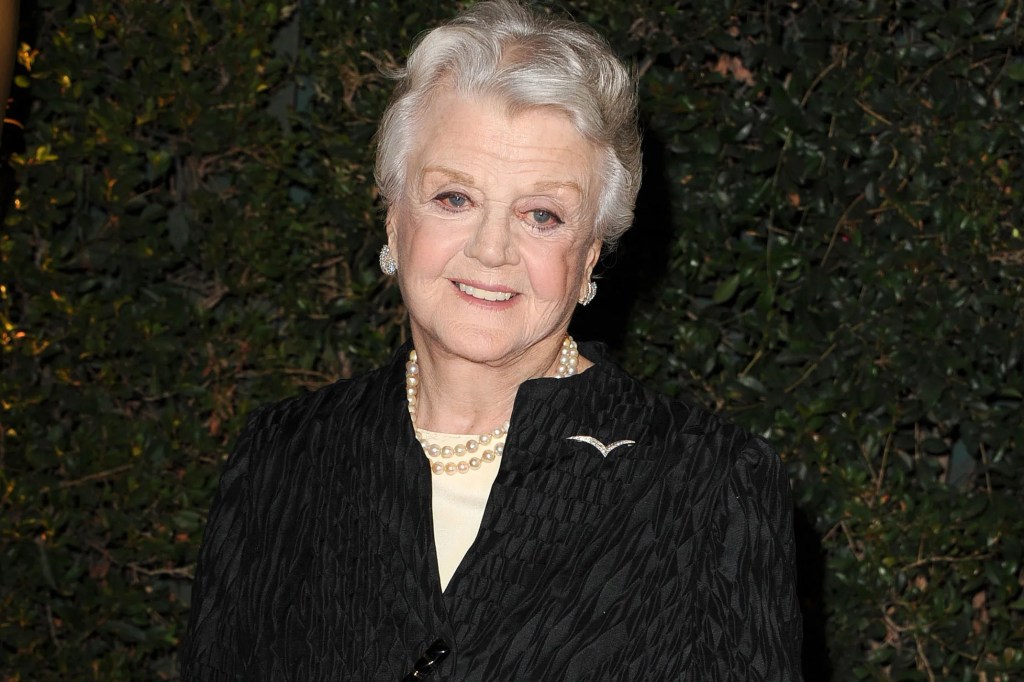
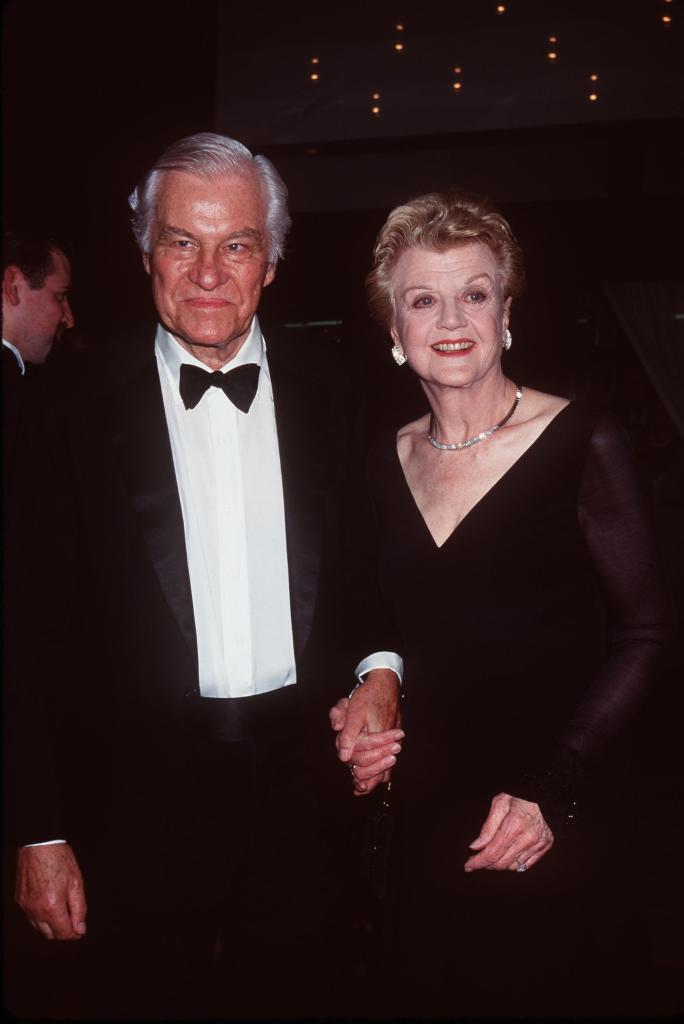
Dame Angela Lansbury has died at the age of 96. A five-time Tony winner, three-time Oscar nominee, and eighteen-time Emmy nominee, Lansbury was an icon of the stage and screen and one of the most beloved actors of all time.

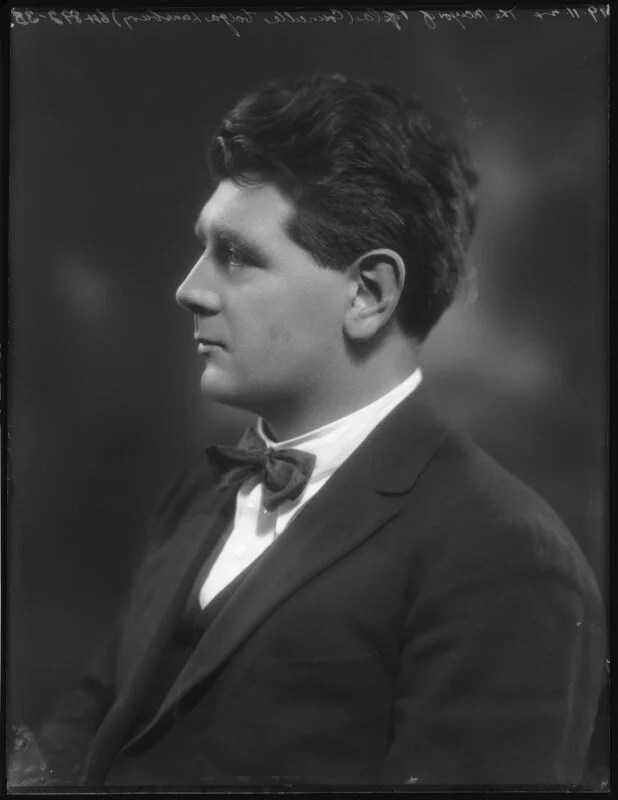
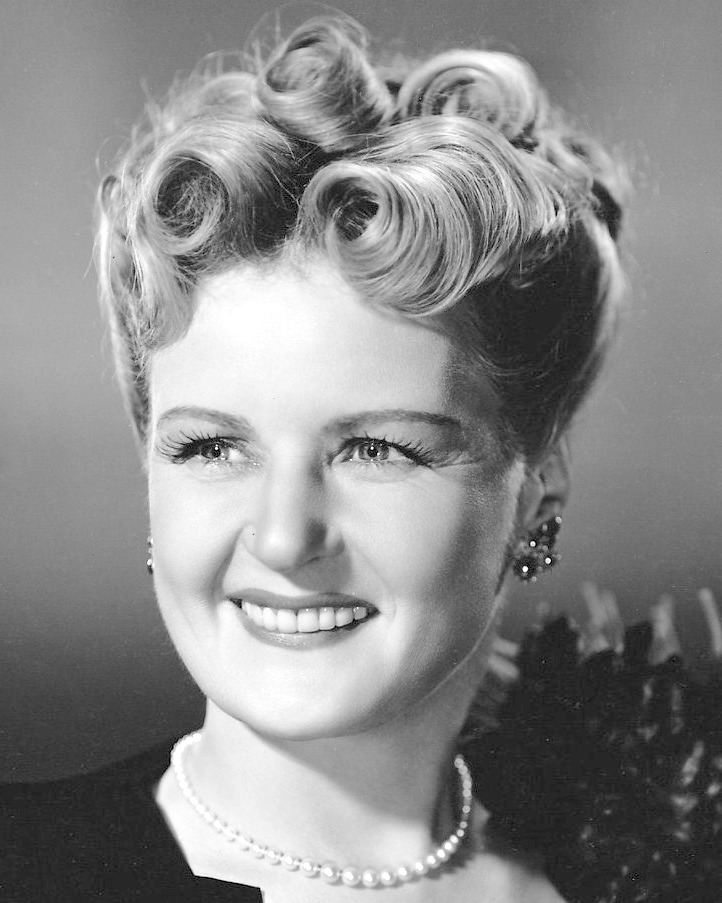
Angela Brigid Lansbury was born on October 16, 1925, in Regent’s Park, London. Her father Edgar was a British politician and her mother, Moyna Macgill, was an Irish actress. Angela had an older half-sister, Isolde Denham, from her mom’s first marriage, and younger twin brothers named Bruce and Edgar. Lansbury knew she wanted to perform from a young age, studying piano before turning to acting at age fifteen. In 1940, with the onset of the Blitz, Macgill took her three youngest children to the US (Isolde was married by then, and Edgar Sr. passed away when Lansbury was nine). The family settled in New York, where Lansbury earned a scholarship from the American Theatre Wing and began studying at the Feagin School of Drama located at Carnegie Hall.

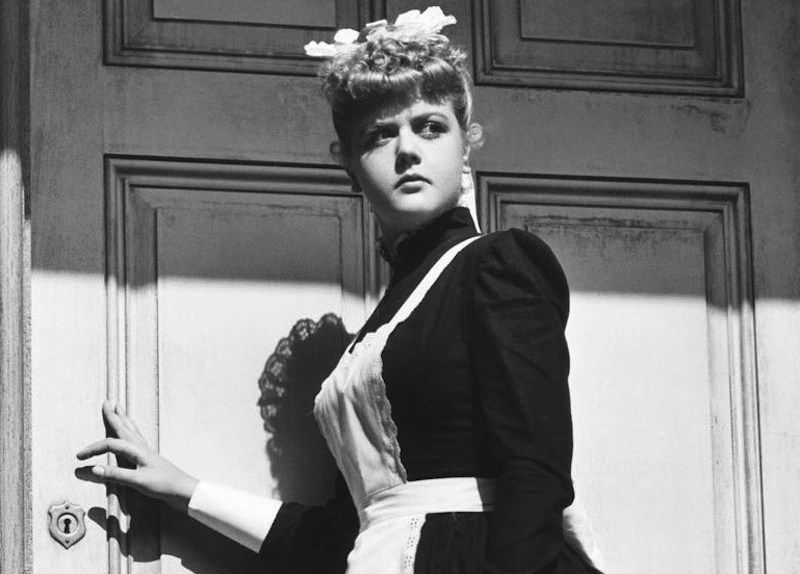
In 1942, the family moved to Los Angeles; one fateful night, at a party hosted by her mother, Lansbury met playwright John Van Druten, who had just co-written a screenplay for an upcoming motion picture, Gaslight. Lansbury, just seventeen years old at the time, secured a role in the film, and the rest, as they say, is history. Over the next eight decades, Lansbury starred in some of the most iconic films, television series, and theater productions of all time.

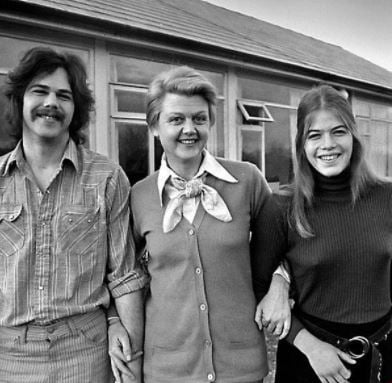
A brief marriage to Richard Cromwell imploded after less than a year (Cromwell was gay and hoped that the marriage would “turn” him heterosexual), though the two remained lifelong friends. In 1946, Lansbury met the love of her life, actor Peter Shaw; the two were married in 1949 and had two children, Anthony and Deirdre. Lansbury and Shaw remained married until his death in 2003; they have three grandchildren and five great-grandchildren.

By all accounts, Lansbury was kind and generous; in researching this piece, I’ve found no evidence to the contrary. During her time on Murder, She Wrote, Lansbury put pressure on casting to hire actors “of a certain age” who weren’t working enough to maintain their medical benefits through the Screen Actors Guild. She sponsored charities that worked to combat domestic abuse and provide support for people with substance abuse issues (her son Anthony is a substance abuse survivor). She supported LGBTQ+ rights and joined the fight against HIV/AIDS in the 1980s. She rescued her daughter from the Manson family.

Lansbury passed away in her sleep on October 11. Today would have been her 97th birthday. She left behind a lasting legacy, with more than 100 film and television credits in addition to her work on the stage. In honor of this absolute legend, here are fifteen of her most iconic performances.

  • Gaslight

Lansbury was just seventeen years old when she landed her first film, George Cukor’s masterpiece Gaslight. For her role as conniving cockney maid Nancy, Lansbury garnered a Best Supporting Actress nomination at the 17th Academy Awards.

  • National Velvet

Lansbury made her second film appearance in 1944’s National Velvet, portraying the older sister of Elizabeth Taylor’s titular character. Lansbury and Taylor remained lifelong friends.

  • The Picture of Dorian Gray

In 1945, Lansbury received her second consecutive Best Supporting Actress Oscar nod for her performance as the doomed tavern singer Sibyl Vane in The Picture of Dorian Gray.

Decades later, Lansbury recreated the scene on Murder, She Wrote
  • The Manchurian Candidate

Lansbury received her final Oscar nomination for 1962’s The Manchurian Candidate. For her role as Eleanor Iselin, a leading candidate for “Worst Mother Ever”, Lansbury won the Golden Globe and National Board of Review awards for Best Supporting Actress.

  • Mame

In the 1960s, with film roles fewer and farther between, Lansbury turned to the stage, with spectacular results. Her first starring role, as the titular character in Jerry Herman’s 1966 Mame, garnered Lansbury her first of five Tony Awards.

Fun fact: For the 1974 film adaptation, Lansbury lost the role of Mame to Lucille Ball. She was reportedly heartbroken, but she continued her successful stage career, earning three more Leading Actress in a Musical Tonys over the next thirteen years.

In 2022, Lansbury received a Lifetime Achievement Tony; she wasn’t on hand to accept the award but the tribute included this performance of “Mame” by the New York City Gay Men’s Chorus
  • Dear World

In 1969, Lansbury reunited with Jerry Herman for Dear World – and won her second Tony Award in the process.

  • Bedknobs and Broomsticks

In 1971, Lansbury made one of her most beloved film appearances, as benevolent witch Eglantine Price in Disney’s Bedknobs and Broomsticks. For her performance, Lansbury was nominated for a Golden Globe for Best Actress in a Musical or Comedy.

  • Gypsy

In the mid-70s, Lansbury starred in both the West End and Broadway productions of a revival of Gypsy. For her role as Rose, the ultimate stage mother, Lansbury received her third Tony Award for Leading Actress in a Musical.

  • Death on the Nile

Lansbury received a BAFTA nod for Best Supporting Actress for her role as the constantly sauced romance novelist Salome Otterbourne in the 1978 adaptation of Agatha Christie’s Death on the Nile.

Fun fact: Lansbury and her Death on the Nile co-star Peter Ustinov were in-laws for a time (Ustinov was married for ten years to Lansbury’s half-sister Isolde Denham).

“This crocodile has lost its croc!” is just a magnificent line reading
  • Sweeney Todd: The Demon Barber of Fleet Street

In 1979, Lansbury earned her fourth Tony for Stephen Sondheim’s iconic Sweeney Todd. As gleefully malevolent baker Mrs. Lovett, Lansbury also received an Emmy nomination for Outstanding Individual Performance in a Variety or Music Program for the PBS Great Performances production that aired in 1985.

Earlier this week, Lansbury’s Sweeney Todd co-star Len Cariou reminisced about his beloved colleague and friend
  • Murder, She Wrote

In her late fifties, Lansbury became a bona fide television star with the premiere of Murder, She Wrote in 1984. For her iconic performance as mystery author/amateur sleuth Jessica Fletcher, Lansbury earned twelve consecutive Emmy nominations (one for each season the series aired).

Fun fact: Lansbury holds the record for the most Emmy nominations – eighteen – without a win.

  • Beauty and the Beast

In 1991, Lansbury was introduced to a new generation of fans when she provided the voice of Mrs. Potts in Disney’s iconic Beauty and the Beast.

  • Blithe Spirit (2009 Broadway, 2014 West End)

Lansbury won her final competitive Tony as well as her one and only Olivier Award for her performance as Madame Arcati in Noël Coward’s comic masterpiece Blithe Spirit.

Lansbury was 89 years old
  • Little Women

Lansbury made her final television appearance as Aunt March in 2017’s BBC production of Little Women.

  • Glass Onion: A Knives Out Mystery

Lansbury’s final film will be the eagerly-awaited Knives Out sequel, in which she plays herself. Obviously, she’s going to nail it.

Some other fun stuff:

Quick Hits: October 6-7

  • HBO has dropped the trailer for Mama’s Boy, based on Dustin Lance Black’s 2019 memoir. Black, who is gay and was raised in the Mormon church, won the Best Original Screenplay Oscar for 2008’s Milk and subsequently became an advocate for LGBTQ+ rights. This will be a must-see.
In case you don’t remember Black’s moving Oscar acceptance speech, here’s a reminder
  • The Jazz Singer was released on October 6, 1927, effectively ending the silent film era.
“You ain’t heard nothin’ yet!”
  • Spartacus, Stanley Kubrick’s fifth feature film, held its premiere at the DeMille Theatre in Manhattan on October 6, 1960. Starring Kirk Douglas in the title role, Spartacus was a critical success and a box office smash, earning $60 million (adjusted for inflation, that’s $600 million today). Spartacus received six nominations at the 33rd Academy Awards; it took home four Oscars (Best Supporting Actor for Peter Ustinov, Best Art Direction, Best Cinematography, and Best Costume Design). The film also won the Golden Globe for Best Motion Picture – Drama.
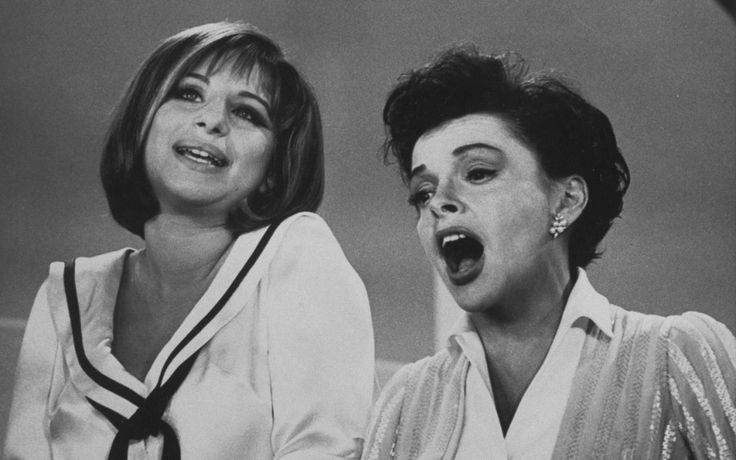
  • Barbra Streisand guest-starred on The Judy Garland Show on October 6, 1963. Streisand was just 21 years old at the time.
  • Midnight Express, directed by Alan Parker and written by Oliver Stone, held its US premiere on October 6, 1978. Brad Davis stars as Billy Hayes, an American student imprisoned by the Turkish government for attempting to smuggle hashish (the title, based on Hayes’s memoir of the same name, is a reference to his late-night prison escape attempt). At the 51st Academy Awards, Midnight Express garnered six nominations and won two awards: Best Adapted Screenplay and Best Original Score (Giorgio Moroder, in his first outing as a film composer, beat John Williams, Ennio Morricone, Dave Grusin, and Jerry Goldsmith).
  • John Mellencamp was born on October 7, 1951, in Seymour, Indiana. Mellencamp has sold more than 60 million albums worldwide and has twenty-two top 40 hits, including 1982’s “Jack and Diane”, which spent four weeks at #1 on the Billboard Hot 100. Mellencamp, who co-founded Farm Aid in 1985 with Willie Nelson and Neil Young, has been inducted into the Rock and Roll and Songwriters Halls of Fame.
  • The French Connection, starring Gene Hackman as NYPD detective Popeye Doyle, opened in the US on October 7, 1971. Directed by William Friedkin, The French Connection is best known for its infamous chase sequence, in which Doyle (driving a 1971 Pontiac LeMans) chases an elevated train through the streets of Bensonhurst, Brooklyn. The French Connection received eight nominations at the 44th Academy Awards, taking home Best Picture, Best Director, Best Actor, Best Adapted Screenplay, and Best Film Editing (it was also nominated for Best Supporting Actor for Roy Scheider, Best Cinematography, and Best Sound).

Pop Quiz Answers

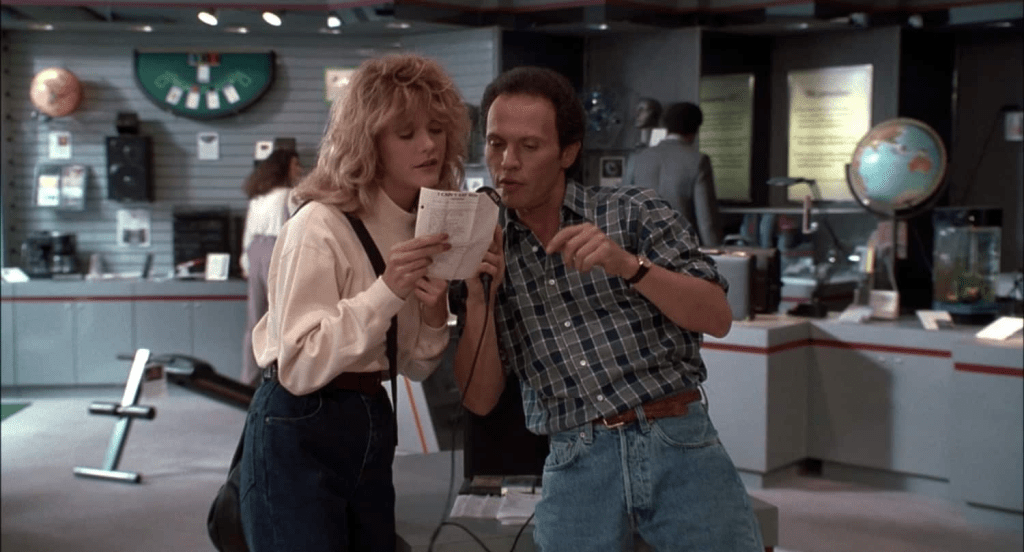
  1. When Harry Met Sally… (“The Surrey with the Fringe on Top” from Oklahoma!)
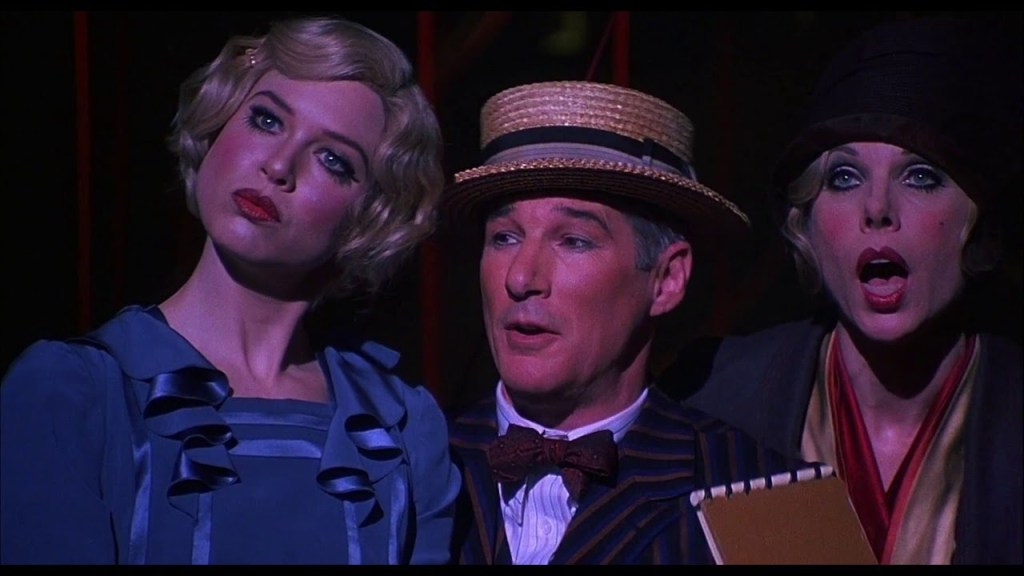
  2. Chicago (“We Both Reached for the Gun”)
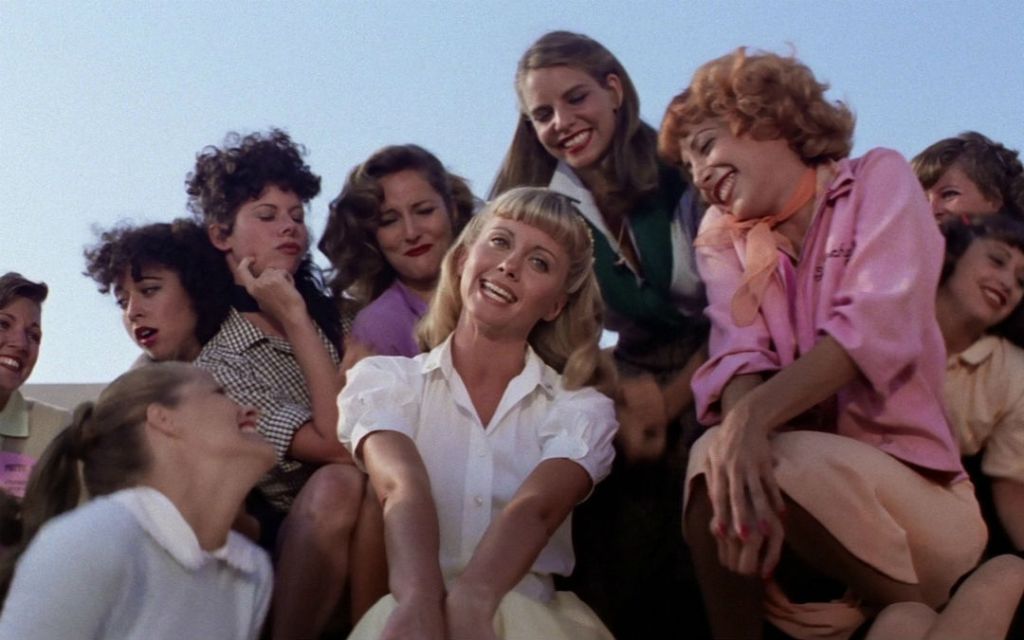
  3. Grease (“Summer Nights”)
  4. Top Gun (“You’ve Lost That Lovin’ Feelin'” by The Righteous Brothers)
  5. My Best Friend’s Wedding (“I Say a Little Prayer” by Dionne Warwick)
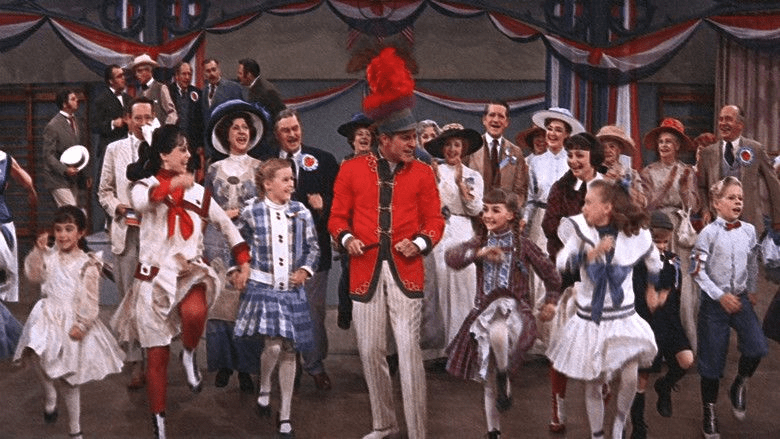
  6. Mary Poppins (“Step in Time”)
  7. The Blues Brothers (“Think”)
  8. The Music Man (“76 Trombones”)
  9. Almost Famous (“Tiny Dancer” by Elton John)
  10. West Side Story (“America”)
  11. Mrs. Doubtfire (“Don’t Rain on My Parade” by Barbra Streisand)
  12. A Clockwork Orange (“Singin’ in the Rain” by Gene Kelly)
  13. Elf (“Baby It’s Cold Outside”)
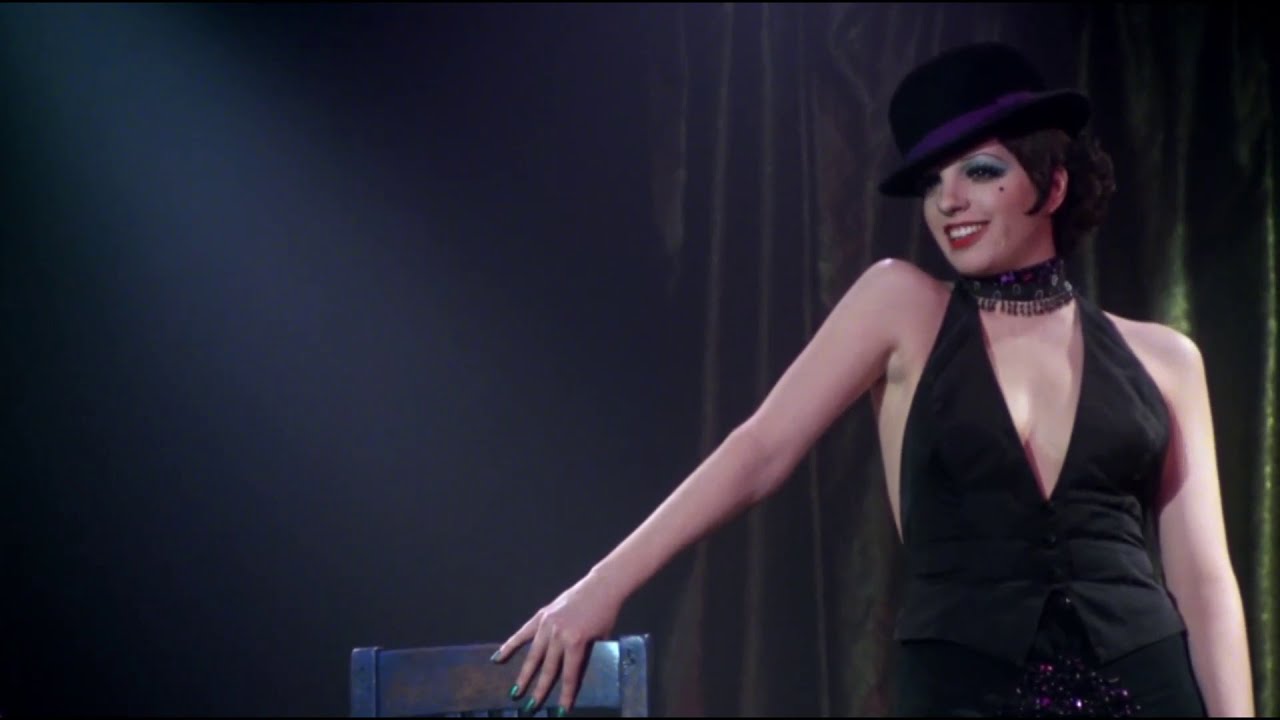
  14. Cabaret (“Mein Herr”)
  15. Ferris Bueller’s Day Off (“Danke Schoen”, but I’d also accept “Twist and Shout”)
  16. Anchorman: The Legend of Ron Burgundy (“Afternoon Delight” by The Starland Vocal Band)
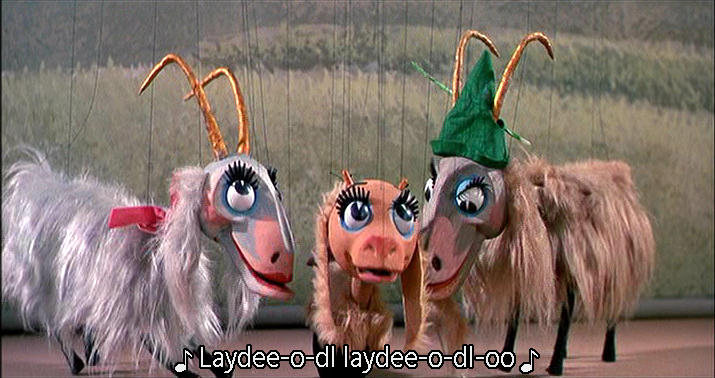
  17. The Sound of Music (“The Lonely Goatherd”)
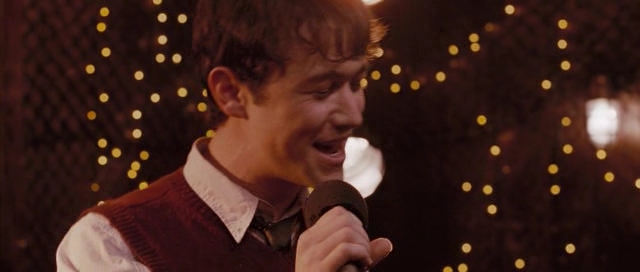
  18. (500) Days of Summer (“Here Comes Your Man” by Pixies)
  19. Frozen (“Let It Go”)
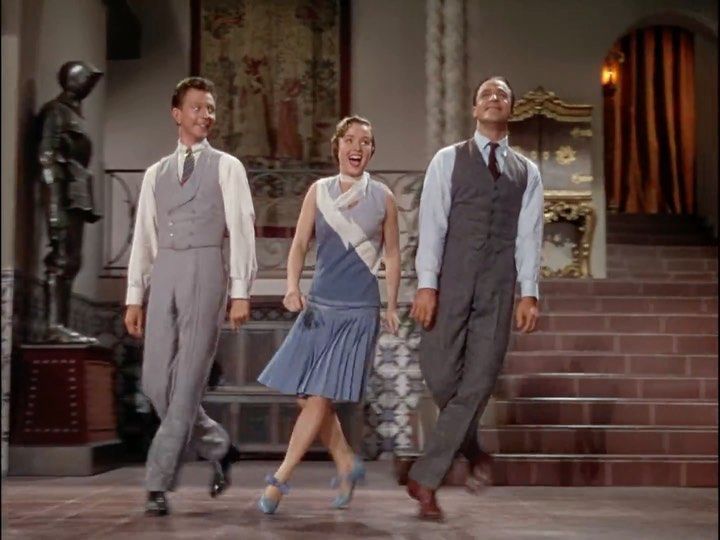
  20. Singin’ in the Rain (“Good Morning”)
#2 “We Both Reached for the Gun” – Chicago
#3 “Summer Nights” – Grease
#4 “You’ve Lost That Lovin’ Feelin'” – Top Gun
#5 “I Say a Little Prayer” – My Best Friend’s Wedding
#7 “Think” – The Blues Brothers
#9 “Tiny Dancer” – Almost Famous
#10 “America” – West Side Story
#13 “Baby It’s Cold Outside” –Elf
#14 “Mein Herr” – Cabaret
#16 “Afternoon Delight” – Anchorman: The Legend of Ron Burgundy
#17 “The Lonely Goatherd” – The Sound of Music
#18 “Here Comes Your Man” – (500) Days of Summer
#19 “Let It Go” – Frozen
#20 “Good Morning” – Singin’ in the Rain

Project Golden Age, Vol. 1

I recently embarked on a new pop culture project: Project Golden Age. While my knowledge of Hollywood classics is better than average, there are entirely too many embarrassing gaps (particularly for a pop culture blogger). If it’s not a musical, an Alfred Hitchcock film, Disney animation, or something starring James Dean, there’s a decent chance I haven’t seen it. And with all the streaming options available to me, there’s no excuse (at least no GOOD excuse). I figured as long as I was going on this journey, I might as well share it with all of you! Here’s a peek at the films I’ve watched so far; this project will be ongoing, so look for additional volumes.

  • Gaslight (1944)

Directed by: George Cukor

Starring: Ingrid Bergman, Charles Boyer, Joseph Cotten, Angela Lansbury (in her film debut)

17th Academy Awards: Seven nominations – including Best Picture, Best Actor for Boyer, and Best Supporting Actress for Lansbury – and two wins, Best Actress for Bergman and Best Production Design

The verdict: Film noir perfection. Gorgeously shot. Fantastic performances. 10/10

Fun fact: In the mid-1960s, psychologists began using the film’s title as a verb (known as denominalizing), but the term “gaslighting” only came into common use in the last several years.

Gaslight is available for streaming on HBO Max.

  • A Hard Day’s Night (1964)

Directed by: Richard Lester

Starring: The Beatles, Wilfred Brambell, Richard Vernon

37th Academy Awards: Two nominations (Best Original Screenplay and Best Original Score)

The verdict: The Fab Four, at the peak of Beatlemania, having a genuinely good time. Musical perfection. 10/10

Fun fact: A Hard Day’s Night, which basically invented the music video, is one of the most influential musical films of all time, inspiring everything from spy thrillers to The Monkees.

You can stream A Hard Day’s Night on HBO Max.

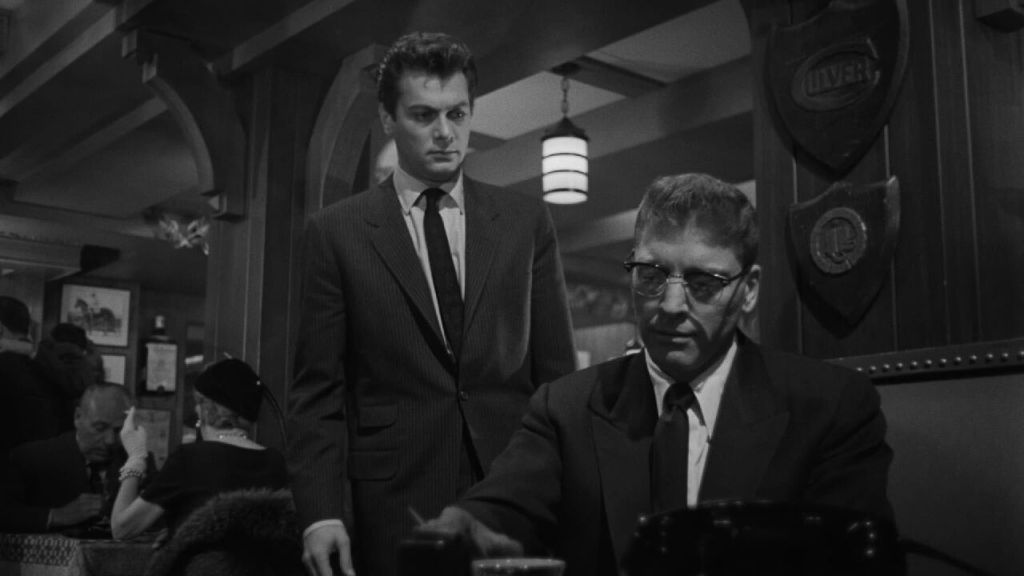
  • Sweet Smell of Success (1957)

Directed by: Alexander Mackendrick

Starring: Burt Lancaster, Tony Curtis, Susan Harrison, Martin Milner

11th BAFTAS: One nomination, Best Foreign Actor for Tony Curtis

The verdict: Well made but didn’t do much for me. I guess I’m just not into the whole anti-hero thing right now. 8/10

Fun fact: Sweet Smell of Success is filmmaker Barry Levinson’s favorite movie and it’s featured in two of Levinson’s own films: 1982’s Diner, in which a minor character only speaks in Sweet Smell quotes, and 1988’s Rain Man (the film can be seen playing on a television set).

You can watch Sweet Smell of Success for free on Tubi or Pluto.

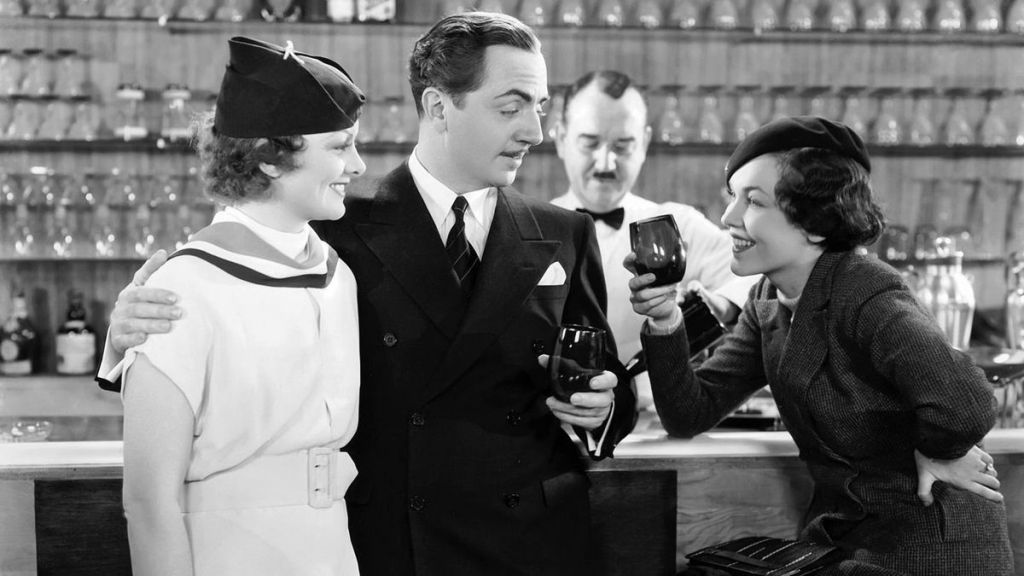
  • The Thin Man (1934)

Directed by: W.S. Van Dyke

Starring: Myrna Loy, William Powell, Maureen O’Sullivan, Nat Pendleton

7th Academy Awards: Four nominations including Best Picture and Best Actor for Powell

The verdict: Fizzy chemistry between the leads. Endlessly quotable dialogue (Nora: I read where you were shot five times in the tabloids. Nick: It’s not true. He didn’t come anywhere near my tabloids). A mystery worthy of the hard-boiled source novel by Dashiell Hammett. An absolute delight from start to finish. 15/10

Fun fact: Asta, the Charles’s Wire Fox Terrier, is played by Skippy, who also had roles in The Awful Truth and Bringing Up Baby.

The Thin Man (along with its five sequels) is available for streaming on HBO Max.

The dialogue is <chef’s kiss> Nora: How many drinks have you had? Nick: This will make six martinis. Nora: [to the waiter] All right. Will you bring me five more martinis, Leo? Just line them right up here.
  • Royal Wedding (1951)

Directed by: Stanley Donen

Starring: Fred Astaire, Jane Powell, Peter Lawford, Sarah Churchill (daughter of Winston)

24th Academy Awards: One nomination, Best Original Song for “Too Late Now”

The verdict: Fluff, but entertaining fluff. Charming performances. Lawford was absurdly handsome. Fun song and dance sequences, especially “You’re All the World to Me” AKA the ceiling dance (the primary reason I chose this particular Fred Astaire movie). 8/10

Fun fact: The technology used to create Astaire’s iconic ceiling dance – essentially a set built into a giant rotating barrel – has remained relatively unchanged for seventy years. It was used in the music video for Lionel Richie’s 1986 jam “Dancing on the Ceiling” (which was directed by Royal Wedding helmer Stanley Donen) and more recently, for Billie Eilish’s 2019 SNL performance of “bad guy”.

You can stream Royal Wedding on Amazon Prime.

The OG ceiling dance
This cool video demonstrates how the rotating set works
According to director Stanley Donen, Lionel Richie picked up the ceiling dance moves faster than Fred Astaire did
Just because
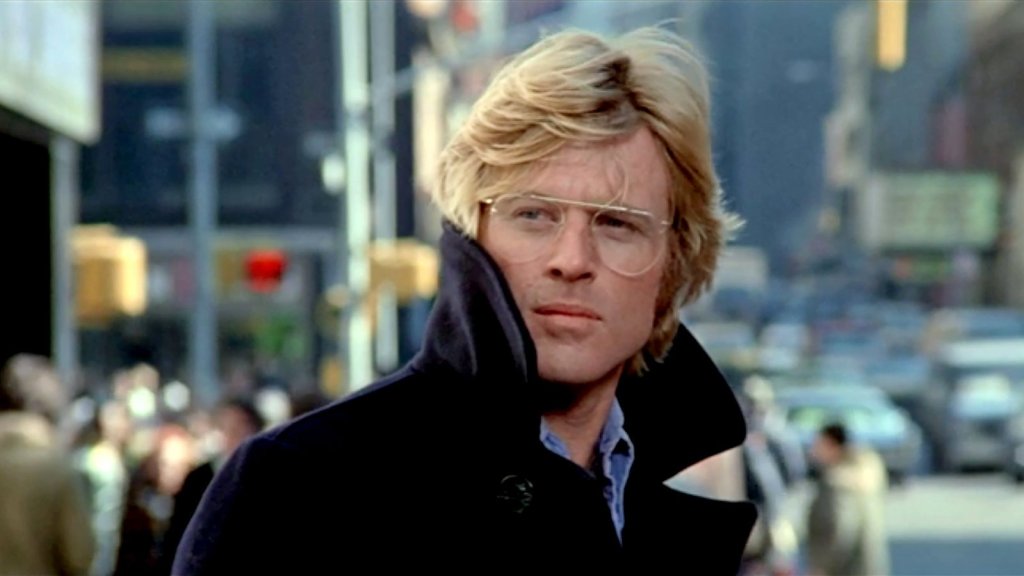
  • Three Days of the Condor (1975)

Directed by: Sydney Pollack

Starring: Robert Redford, Faye Dunaway, Cliff Robertson, Max von Sydow

48th Academy Awards: One nomination, for Best Film Editing (it lost, correctly, to Jaws).

The verdict: Fine. Honestly, I’m a little underwhelmed. The cast is great, especially Redford (proving once again why he was THE movie star of the 1970s) and von Sydow as antagonist Joubert. I also loved the Dave Grusin score. But the romantic subplot feels forced and detracts from the film’s pacing. 7/10

Fun fact #1: In the Seinfeld episode “Junk Mail”, Newman’s speech to Kramer uses one of Joubert’s monologues almost verbatim.

Fun fact #2: In Out of Sight, Jack Foley (George Clooney) and Karen Sisco (Jennifer Lopez) discuss the film’s romantic subplot; it’s honestly sexier than any of Three Days of the Condor‘s scenes.

Three Days of the Condor is available for streaming on Amazon Prime.

Pop Quiz, Hot Shot!

This time around, we’re looking at movie scenes where a character is singing. From the photos, can you tell me the name of the movie as well as which song the characters are singing? Each song title and movie title are worth one point, for a total of 40 points. Come back in a few days for the answers!

Quick Hits: September 27-28

  • HBO has released the first trailer for The Last of Us, the long-awaited adaptation of the beloved video game (the third-best-selling PlayStation 3 game of all time). The Last of Us stars Pedro Pascal as Joel, a smuggler escorting 14-year-old Ellie (Bella Ramsey) across a post-apocalyptic America, and will premiere sometime in 2023.
  • True crime documentary Into the Deep will finally be available for streaming on Netflix this Friday. The film wowed audiences at the Sundance Film Festival in 2020, but the release was delayed when a handful of participants declined to give consent to appear in the film. The version that screened at Sundance currently holds a 100% approval rating on Rotten Tomatoes; here’s hoping the edited version is just as good.
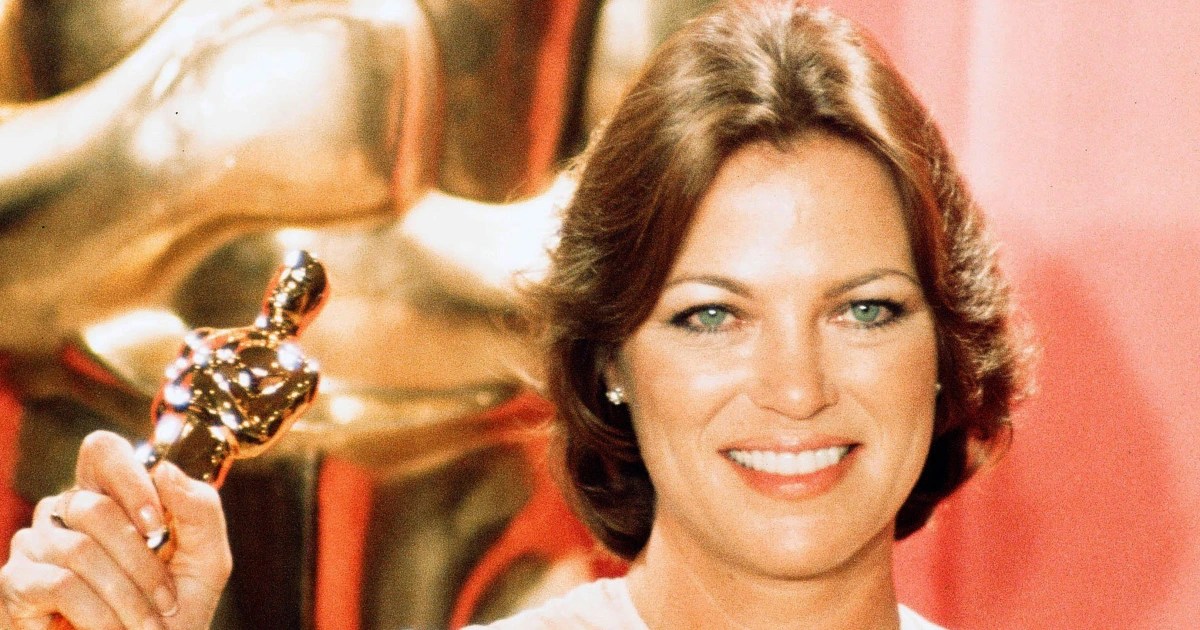
  • Louise Fletcher has died at the age of 88. Fletcher is best known for her portrayal of the tyrannical Nurse Ratched in One Flew Over the Cuckoo’s Nest, for which she won an Oscar, a BAFTA, and a Golden Globe. Fletcher, who had just two credited film appearances to that point, only won the part after several other actors – including Anne Bancroft, Colleen Dewhurst, Angela Lansbury, Geraldine Page, and Ellen Burstyn – turned it down.
Fun fact: One Flew Over the Cuckoo’s Nest is one of only three films to sweep the top five Oscar categories
  • Grammy winner Rihanna will headline the halftime show for Super Bowl LVII.
  • The Tonight Show, hosted by Steve Allen, premiered on September 27, 1954.
  • Shaun Cassidy, my first major celebrity crush, was born on September 27, 1958. In the late 1970s, Cassidy was both a television star – on ABC’s The Hardy Boys Mysteries – and a teen idol. Since the 1990s, Cassidy has worked as a writer and producer of television series like American Gothic and Invasion; he currently executive produces and writes for New Amsterdam.
Cassidy performed one of his biggest hits – a cover of Eric Carmen’s “That’s Rock ‘n’ Roll” – on The Hardy Boys
  • Metallica bassist Cliff Burton died on September 27, 1986, from injuries sustained when the band’s tour bus crashed near Dörarp, Sweden. Just twenty-four years old at the time of his death, Burton is widely considered one of the greatest bass players of all time (he placed ninth in a 2011 Rolling Stone readers poll.)
  • Lorde’s debut album, Pure Heroine, was released on September 27, 2013. Pure Heroine featured the smash hit “Royals”, which went to #1 in twelve countries, including the US, the UK, and Lorde’s native New Zealand. Lorde (born Ella Yelich-O’Connor), who was just seventeen years old at the time, received four Grammy nominations for Pure Heroine and won Song of the Year for “Royals” (though she inexplicably wasn’t nominated for Best New Artist).
“Royals” got most of the attention, but “Team” is my favorite track from Pure Heroine
  • Star Trek: The Next Generation debuted on September 28, 1987. The series ran for seven seasons and 177 episodes.
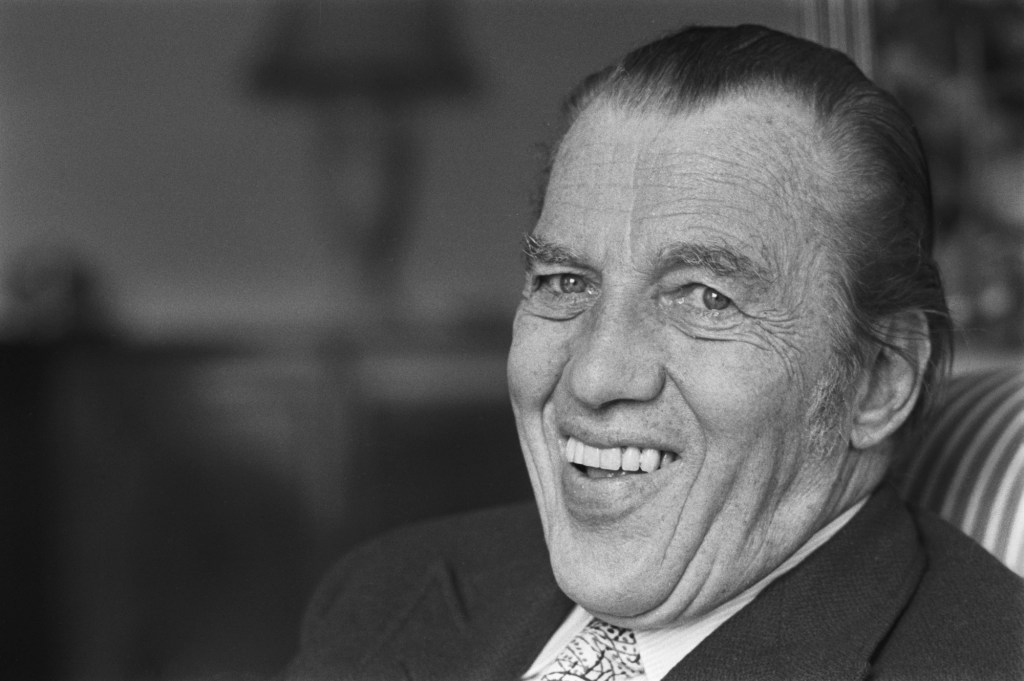
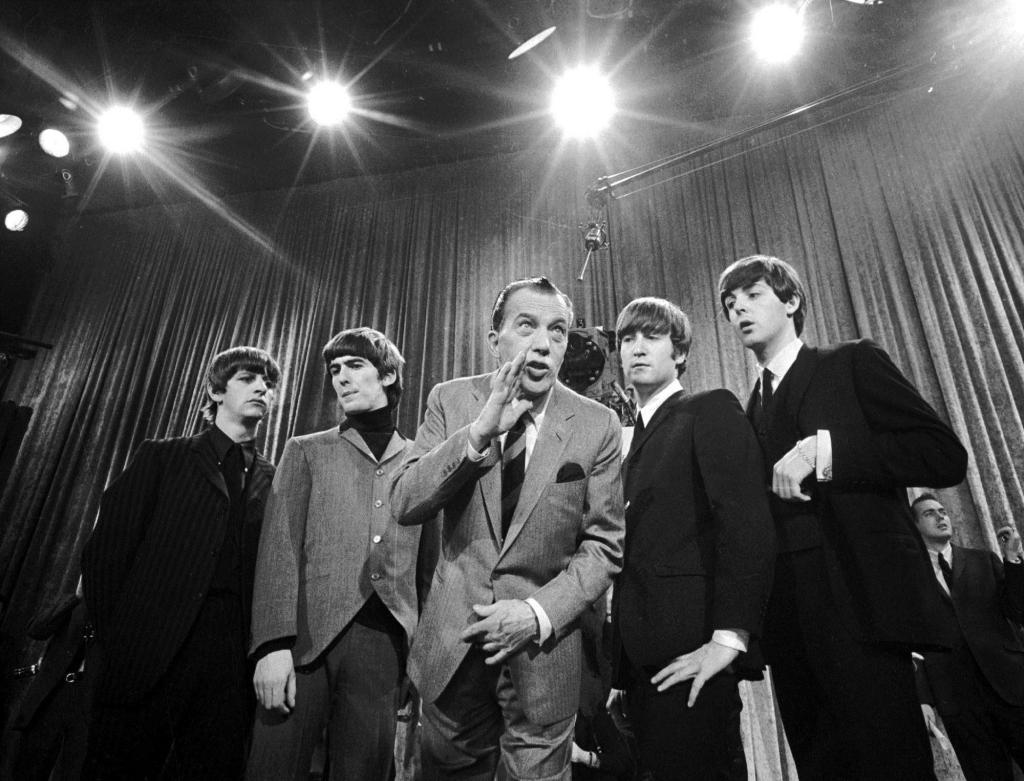
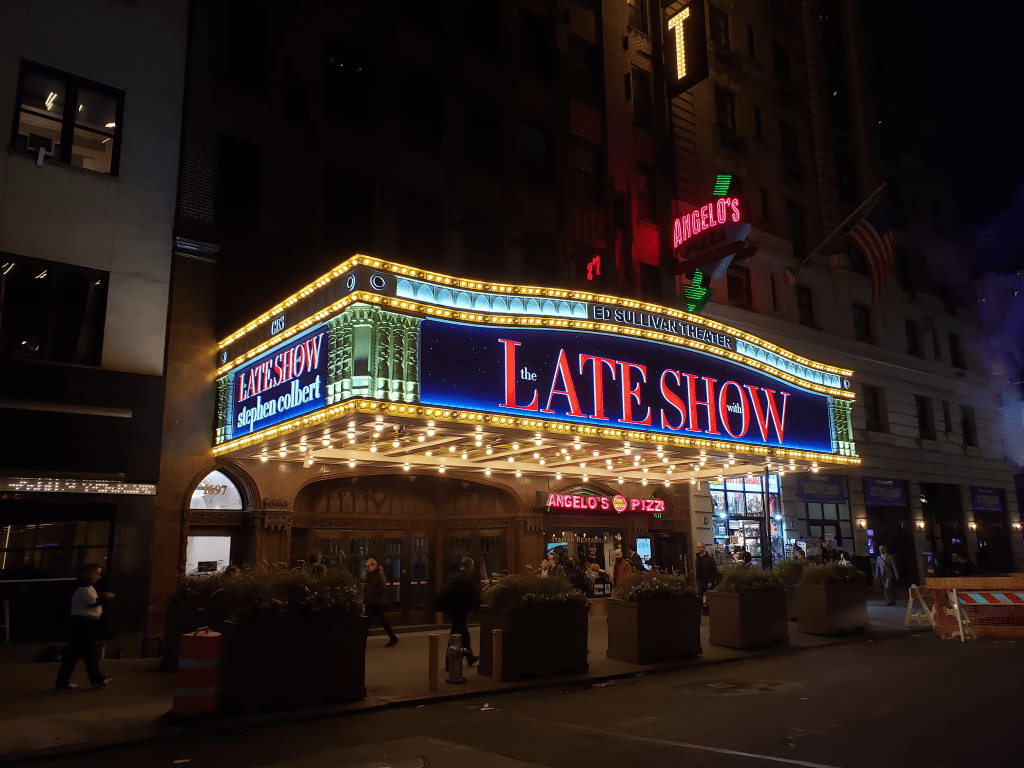
  • Ed Sullivan, the host of the longest-running variety series of all time, was born on September 28, 1901. For almost twenty-five years, Sullivan’s eponymous show aired live every Sunday night and featured entertainment acts of all kinds. The theater at CBS Studio 50, which housed the show from 1953 until its finale in 1971, was renamed The Ed Sullivan Theater in 1967. Since 1993, the theater – located at Broadway and 53rd in Midtown Manhattan – has been home to The Late Show, currently hosted by Stephen Colbert.

  • On September 28, 1968, The Beatles’ “Hey Jude” reached #1 on the Billboard Hot 100 – and stayed there for a then-record-tying nine weeks. Originally titled “Hey Jules”, the song was written for John Lennon’s son Julian; Lennon had left Julian’s mom Cynthia for Yoko Ono, and five-year-old Julian was taking it pretty hard. Songwriter Paul McCartney eventually changed the name from Jules to Jude, believing it sounded better (he was right). “Hey Jude” was the best-selling single of 1968 in the US, the UK, Australia, and Canada; it has sold more than eight million copies.

A Personal Update

***** CONTENT WARNING: THIS POST CONTAINS REFERENCES TO MENTAL HEALTH ISSUES AND MARIJUANA USE *****

My life is a struggle right now. Not in an “I’m riding the struggle bus today” way, but in an “I’m at the back of the struggle bus and it’s driving itself around in circles and I don’t know how to get off” way. I suffer from several mental health issues, including depression, anxiety, insomnia, trichotillomania, and – a recent revelation – disordered eating. Since the COVID-19 pandemic began, my long-term progress took a giant step backward. A change in meds helped, as did weekly virtual visits with a therapist. In January, I left my job of almost seven years to focus on myself for a while; my deal with my husband was five months and then I’d look for new work. It’s now been eight months and I am no closer to finding employment. The anxiety of job-hunting has now been added to all the regular anxiety, and it’s left me feeling pretty depleted. By the time I spend all morning applying for jobs, I’m so exhausted that I often take afternoon naps to recharge. That plus my everyday responsibilities – laundry, grocery shopping, dog walking – hasn’t left much time or energy for blogging.

I do write most days, for as long as I can, but it’s difficult to focus. I start pieces but can’t concentrate for long enough to complete anything. I have tons of new ideas, but nothing seems to gel. I smoke weed to relax, but if I have too much, writing goes out the window and I go back to my Criminal Minds binge (as is my custom lately, I started a post titled “Creepiest Criminal Minds Unsubs”, but I haven’t been able to finish it). Then, of course, I feel guilty because I haven’t given y’all new content. Planned posts for Labor Day, Roald Dahl Day, and Stephen King’s 75th birthday still sit in my drafts alongside Criminal Minds.

It wasn’t helping that it still felt very summery in southwestern Michigan. But a few days ago, a cold front came through – just in time for the first official day of fall. I happily put on a hoodie and ran around the yard with the dogs. I busted out the Founders KBS (if you know, you know). I watched When Harry Met Sally…, one of my autumnal film favorites. And I still don’t have a job, but I’m working on it. Obviously, that doesn’t help pay the bills, but hubby and I have cut some corners, and we’re managing. All I really want to do is write, and I’m still hopeful I can find a way to make some money at it. Only time will tell. In the meantime, I remain committed to offering y’all the best content I can, even if I’m unable to publish as often as I’d like. Thank you all for your continued support and encouragement, and please stay tuned.

– Julie

Pop Quiz Answers

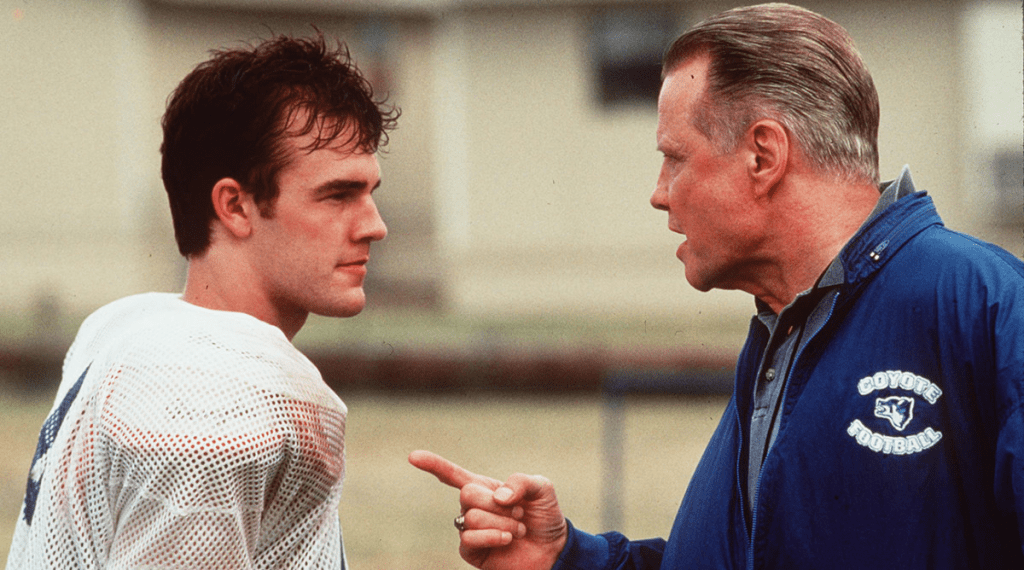
  1. Friday Night Lights (featured image)
  2. North Dallas Forty
  3. School Ties
  4. The Replacements
  5. Varsity Blues
  6. Rudy
  7. Necessary Roughness
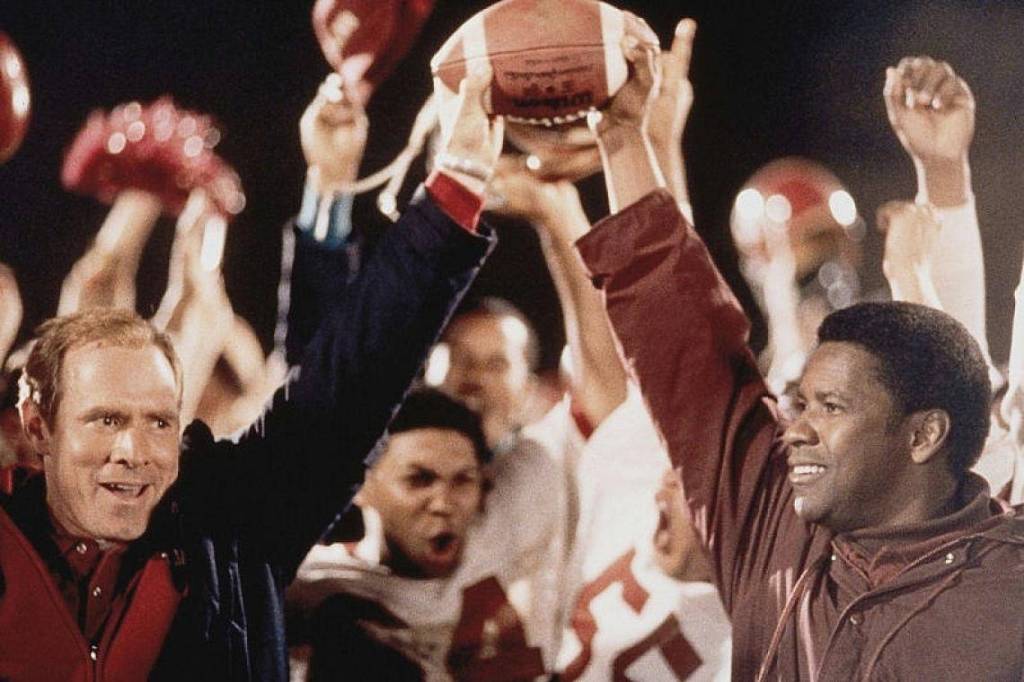
  8. Remember the Titans
  9. All the Right Moves
  10. Jerry Maguire
  11. The Best of Times
  12. The Waterboy
  13. Any Given Sunday
  14. We Are Marshall
  15. The Longest Yard
  16. Wildcats
  17. Invincible
  18. Brian’s Song
  19. The Blind Side
  20. Heaven Can Wait
  21. Lucas
  22. Leatherheads
  23. Quarterback Princess
  24. The Longest Yard
#3 School Ties
#6 Rudy
#10 Jerry Maguire
#14 We Are Marshall

#22 Leatherheads

Pop Quiz, Hot Shot!

My favorite season – football season – has arrived, which is the perfect excuse to play a football-themed pop quiz! All of these movies feature characters who are football players. I’ve given you one actor’s name and the movie’s release date, and you give me the title. Without googling, how many can you name?

  1. Billy Bob Thornton (2004)
  2. Nick Nolte (1979)
  3. Brendan Fraser (1992)
  4. Keanu Reeves (2000)
  5. James Van Der Beek (1999)
  6. Sean Astin (1993)
  7. Scott Bakula (1991)
  8. Denzel Washington (2000)
  9. Tom Cruise (1983)
  10. Cuba Gooding Jr. (1996)
  11. Robin Williams (1986)
  12. Adam Sandler (1998)
  13. Al Pacino (1999)
  14. Matthew McConaughey (2006)
  15. Burt Reynolds (1974)
  16. Goldie Hawn (1986)
  17. Mark Wahlberg (2006)
  18. James Caan (1971 made-for-television movie)
  19. Tim McGraw (2009)
  20. Warren Beatty (1978)
  21. Corey Haim (1986)
  22. John Krasinski (2008)
  23. Helen Hunt (1983 made-for-television movie)
  24. Chris Rock (2005)

Different Seasons at 40

“Although ‘Where do you get your ideas?’ has always been the question I’m most frequently asked (it’s number one with a bullet, you might say), the runner-up is undoubtedly this one: ‘Is horror all you write?’ When I say it isn’t, it’s hard to tell if the questioner seems relieved or disappointed.” – Stephen King, Different Seasons afterword

Different Seasons, Stephen King’s first published collection of novellas, was released forty years ago this week. It represented the first significant departure from the supernatural horror King had become known for. Different Seasons, which yielded not one but two flawless, Oscar-nominated film adaptations, is one of my favorite works of fiction, a timeless, compulsively re-readable classic.

In the late 1960s, while attending the University of Maine, King began selling his short stories to the school’s literary journal Ubris and men’s magazine Cavalier. After graduating in 1970, he worked odd jobs to support his growing family – his spouse Tabitha and their two oldest children, Naomi and Joe (youngest child Owen came along in 1977) – and continued submitting his stories. In 1974, King sold his first novel, Carrie, and subsequently became known primarily as a novelist. But some of King’s best work is his short fiction, short stories as well as novellas. His short story collection Night Shift was the first King work I ever read; I was just ten years old, and I was gobsmacked. Different Seasons came along a year or two later.

As King launched his publishing career, both his agents and editors had expressed concern that King would be pigeonholed as a “horror” writer (when his books began selling millions, I’m assuming their fears were assuaged). It’s not that Different Seasons isn’t horror; Nazis are horrifying, as are a boy being killed by a train and an innocent man serving life in prison. But only one of the novellas, The Breathing Method, contains the sort of supernatural elements that had become King’s trademark by 1982. King, worried that he’d have a hard time getting these stories published, opted to package four of them together with an overarching theme. It’s a format that King has returned to several times, including 1990’s Four Past Midnight and 2010’s Full Dark, No Stars, both of which earned King a Bram Stoker Award. Obviously, in the case of Different Seasons, the theme was the four seasons, with each novella representing one of the seasons.

  • Rita Hayworth and Shawshank Redemption (“Hope Springs Eternal”)

“Let me tell you something my friend. Hope is a dangerous thing. Hope can drive a man insane.”

At its heart, Rita Hayworth and Shawshank Redemption is about hope. Yes, it can drive a man insane, but it can also keep a man going during the darkest of times: a life sentence for a crime someone else committed, rape, endless days of solitary confinement. Through it all, Andy Dufresne remains hopeful that one day he will regain his freedom. Andy doesn’t just have hope, though; he has a plan, and it involves a Rita Hayworth poster and a rock hammer, both of which his new friend Red can procure for him.

Rita Hayworth and Shawshank Redemption is ninety-two pages of perfection, a powerful, poignant ode to friendship, freedom, and above all hope. It was adapted into an essentially perfect movie, The Shawshank Redemption. Shawshank was a financial disappointment, earning only about $16 million in its initial run against a $25 million budget; in its first week of wide release, it came in ninth place at the box office, just behind the absolutely awful Exit to Eden (if you’ve never seen it, consider yourself lucky). But Shawshank was a critical success, earning seven Academy Award nominations including Best Picture, and the film found its audience on home video and a few years later when TNT began airing it. King himself once said, “If that isn’t the best [adaptation of my works], it’s one of the two or three best”, and IMDb users agree: Shawshank is currently tied with The Godfather for #1 on the site’s list of the 250 all-time greatest movies.

Fun fact: After writer/director Frank Darabont finished his screenplay, Rob Reiner’s Castle Rock Entertainment offered him $3 million for it if Reiner himself could direct. Reiner had already helmed the adaptation of another Different Seasons story, The Body (more on that in a bit). Darabont refused, ultimately accepting a lower fee in exchange for creative freedom, and thank goodness for that: Reiner intended to cast Tom Cruise and Harrison Ford as Andy and Red.

Frank Darabont had Morgan Freeman record his narration before filming began, then choreographed scenes around the narration (generally, the narration is recorded after filming is complete).
  • Apt Pupil (“Summer of Corruption”)

“Sometimes, the past don’t rest so easy. Why else do people study history?”

The only novella from Different Seasons written in the third-person, Apt Pupil is about the monsters that hide in plain sight. Teenager Todd recognizes his elderly neighbor as Nazi war criminal Kurt Dussander and blackmails Dussander into telling him tales from his Holocaust days while wearing his old SS uniform. As Todd and Dussander begin a homicidal pas de deux, King forces us to accept that there is more than one monster in this story.

Apt Pupil was adapted into a 1998 feature film starring Ian McKellen and Brad Renfro. It’s my least favorite of the Different Seasons movies, but it’s buoyed by terrific performances; McKellen, not surprisingly, is especially great, but the supporting cast includes talents like Joe Morton, James Karen, Ann Dowd, and Bruce Davison.

Fun fact: Apt Pupil also co-starred David Schwimmer in one of his earliest dramatic roles. Director Bryan Singer had seen Schwimmer, then best known for Friends and romantic comedies like The Pallbearer and Kissing a Fool, in a stage play and knew he had the chops for drama.

  • The Body (“Fall from Innocence”)

“I never had any friends later on like the ones I had when I was 12 – Jesus, did you?”

The Body is one of King’s most autobiographical works, a coming-of-age story for the ages. Our King stand-in is Gordie LaChance, an aspiring writer who goes on a journey with his three best pals to find the dead body of a missing boy. Gordie, neglected at home following the death of his favored older brother, is looking not only for the body of Ray Brower but for something else he can’t quite define. With The Body, King found a way to work through some of his childhood trauma; as a child, King witnessed a friend get struck and killed by a train, though he apparently had no recollection of the event when he came home in shock, unable to speak. Gordie’s inattentive parents fill in for King’s father David, who abandoned his family when King was just two years old. And finally, King once had a run-in with some nasty leeches, inspiring one of the story’s more memorable passages (and yes, he really did have a leech “down there”).

The Body was adapted into the 1986 masterpiece Stand By Me, which earned an Academy Award nomination for Bruce A. Evans and Raynold Gideon’s stellar screenplay and two Golden Globe nominations: Best Motion Picture – Drama and Best Director for Rob Reiner. And that cast! The four young actors who played Gordie and his friends – Wil Wheaton, River Phoenix, Jerry O’Connell, and Corey Feldman – were each so perfect for their respective roles that it’s impossible to imagine them being played by anyone else. Not to mention Kiefer Sutherland, so icily evil as antagonist Ace Merrill, and Richard Dreyfuss, credited as “The Writer”, who also provides the film’s narration as the adult Gordie. Stand By Me is a perfect movie, an endlessly rewatchable coming-of-age classic.

Fun fact: Wil Wheaton and Jerry O’Connell weren’t acting scared enough for the train scene, necessitating multiple takes in the 100-degree California sun. With crew members starting to grumble, Rob Reiner resorted to shouting at the boys, who nailed the scene on the next take (see clip below for the full story).

“Suck my fat one, you cheap dimestore hood” is one of my favorite cinematic comebacks of all time

By the way, Wil Wheaton is now 50, a dozen years older than Richard Dreyfuss was when Stand By Me was filmed, and I’m still waiting for him to start looking like Dreyfuss.

For more on Stand By Me: https://peanut-butter-and-julie.com/2021/08/22/stand-by-me-at-35/

  • The Breathing Method (“A Winter’s Tale”)

“Here, sir, there are always more tales.”

A story-within-a-story, The Breathing Method is the most overtly horrific of the four novellas. In the frame story, a Manhattan lawyer named David joins an exclusive men’s club whose members love to tell macabre stories. David recalls for the reader the night Doctor Emlyn McCarron recounted the tale of a young woman determined to give birth to her out-of-wedlock child, and this is where our nested story begins. Sandra, the mother-to-be, has mastered the doctor’s controversial new breathing method (what we now know as Lamaze); on the way to the hospital, Sandra is involved in a grisly car accident and Dr. McCarron learns the lengths to which she will go to deliver her baby.

The Breathing Method is the only Different Seasons novella that hasn’t been adapted for the screen, although one is listed as being in development as of 2019.

Fun fact: The gentleman’s club featured in The Breathing Method is also the setting for King’s short story “The Man Who Would Not Shake Hands”, which appeared in his 1985 collection Skeleton Crew.