We’re all familiar with the iconic characters of cinema: the intrepid hero (Indiana Jones, Rocky Balboa), the dastardly villain (Ernst Stavro Blofeld, Darth Vader), the selfless superhero (Captain America, Wonder Woman), and the homicidal psychopath (Annie Wilkes, Norman Bates). The private investigator (Sam Spade, Philip Marlowe), the police detective (John McClane, Harry Callahan), and the federal agent (Clarice Starling, Jack Ryan). The cyborg (T-1000, Robocop) and the sidekick (Goose, Samwise Gamjee). The teen queen (Regina George, Cher Horowitz) and the hapless dad (Clark Griswold, George Banks).
But what about the characters with no names? The characters whose names represent a physical characteristic (The Ten Commandments’ “The Blind One”, for example) or a job title (“Wig Salesman” from Amadeus). They might be part of a group, like “Woman at Bar #1” from The Departed, Fargo‘s “Bismarck Cop #2” or Shampoo‘s “Model #3”. Perhaps their name denotes a geographic location, such as Raging Bull‘s “Detroit Promoter” or “Oklahoma Patrolman” from The Last Picture Show. Maybe they are referred to by a simple pronoun, like Die Hard‘s “Woman” or Poltergeist‘s “Husband”.
Their name might be an article of their clothing, such as Indiana Jones and the LastCrusade‘s “Fedora” and “Panama Hat”. Perhaps the name is nonsense outside of that particular film’s context: “Second Swallow-Savvy Guard” from Monty Python and the HolyGrail is a great example. You might immediately visualize the character (for example, Back to the Future‘s “Clocktower Lady”, pictured above). You might never be able to pick them out of a crowd, like the twelve characters named “Hero Orcs / Goblins / Uruks / Ringwraiths” in The Lord of theRings: The Fellowship of the Ring (their mothers probably know).
So here’s to the unsung heroes of cinema, the nameless masses, the glue that holds a movie cast together. The following are actual character names from iconic motion pictures; your job is to guess which movie they’re from. Some of these films are big-budget crowdpleasers, others are cult classics. All of them have insinuated themselves into our collective consciousness to one degree or another. I couldn’t think of a better way to organize them, so they are in chronological order by release date. I’ll reveal the answers tomorrow; in the meantime, happy guessing!
Aged Actor, Leading Man, Doorman, Autograph Seeker, Stage Manager (1950)
Miss Lonelyhearts, Miss Torso, Man on Fire Escape, Miss Hearing Aid (1954)
Car Driver, Assassin in Bedroom, Submarine Captain (1967)
Mission Controller, Astronaut, Ape Attacked by Leopard (1968)
Field Reporter, Zombie/Posse Member, Washington Scientist (1968)
Paul Sorvino has passed away at the age of 83. Primarily known for playing gangsters and cops, Sorvino found his greatest success in the early 90s with roles in Goodfellas and Law & Order. No cause of death has been announced, but Sorvino had apparently been suffering from numerous health issues recently.
Renegade film director Bob Rafelson, a founding member of the American New Wave of cinema, died Sunday of lung cancer at the age of 89. Rafelson is best known for his collaborations with Jack Nicholson, including Five Easy Pieces (which earned Rafelson his only two Oscar nominations), The King of Marvin Gardens, and The Postman Always Rings Twice.
The full trailer for A League of Their Own has been released. The series will be available for streaming on Amazon Prime on August 12.
Jean Shepherd was born in Chicago on July 26, 1921. Best known as co-writer and narrator of the holiday classic A Christmas Story, Shepherd began his career in radio and later segued into print media and live performances. His yarns about growing up in Hammond, Indiana (just east of Chicago) were compiled for the autobiographical novel In God We Trust: All Others Pay Cash, which later became the basis for A Christmas Story and its 1994 sequel, My Summer Story. Shepherd inspired a generation of storytellers such as Spalding Gray, Garrison Keillor, and Jerry Seinfeld. Shepherd died in 1999 at the age of 78.
Marilyn McCoo and Billy Davis Jr. were married on July 26, 1969. The two met as members of the 60s vocal group The 5th Dimension; they left the group in 1975, recorded their debut album as a duo in 1976, and co-hosted their own variety show for CBS in the summer of 1977. By the 80s, they were both solo artists; McCoo hosted Solid Gold and appeared on Days of Our Lives while Davis embarked upon a gospel recording career. They continue to record and perform together.
On July 27, 1982, Little Shop of Horrors made its off-Broadway debut at the Orpheum Theatre in the East Village. From the legendary songwriting partnership of Alan Menken and Howard Ashman, Little Shop of Horrors became the highest-grossing off-Broadway production of all time. The beloved 1986 film adaptation earned Menken and Ashman their first Oscar nomination (they lost to “Take My Breath Away” from Top Gun) AND a deal with Disney Animation. Menken and Ashman completed two films (The Little Mermaid and Beauty and the Beast) for Disney and won Academy Awards for both; they had begun work on Aladdin when Ashman passed away in 1991 from AIDS-related heart failure.
“Mean Green Mother from Outer Space” earned Menken and Ashman their first Academy Award nomination
Menken and Ashman won their first Oscar for “Under the Sea” from The Little Mermaid (“Kiss the Girl” was also nominated)
Ashman and Menken were nominated for three songs from Beauty and the Beast, winning their second Oscar for the title song
Ashman was nominated posthumously for “Friend Like Me” from Aladdin, his final collaboration with Menken before his death
A Wild Hare, Bugs Bunny’s Looney Tunes debut, was released on July 27, 1940. Director Tex Avery added Bugs’ “What’s up, Doc?” line, a common expression in Avery’s home state of Texas. Audiences went bananas for the wascally wabbit and one of the most iconic animated characters in history was born.
And finally, Madonna’s self-titled debut album was released on July 27, 1983. The album went five times platinum in the US, yielded five singles, and catapulted Madonna to stardom. The first two singles, “Everybody” and “Burning Up”, were dance club favorites but it was the third single, “Holiday”, that broke through to the Billboard Hot 100, where it peaked at #16. “Lucky Star” and “Borderline” both made the top ten, as did the album itself. According to Rolling Stone, Madonna is one of the 100 best debut albums of all time; it’s certainly one of the most important debuts, as it heralded the arrival of one of the greatest artists of the modern era. And though its success would pale in comparison to Madonna’s later efforts, it still managed to sell 10 million copies worldwide.
*** CONTENT WARNING: THIS POST CONTAINS A REFERENCE TO SUBSTANCE ABUSE ***
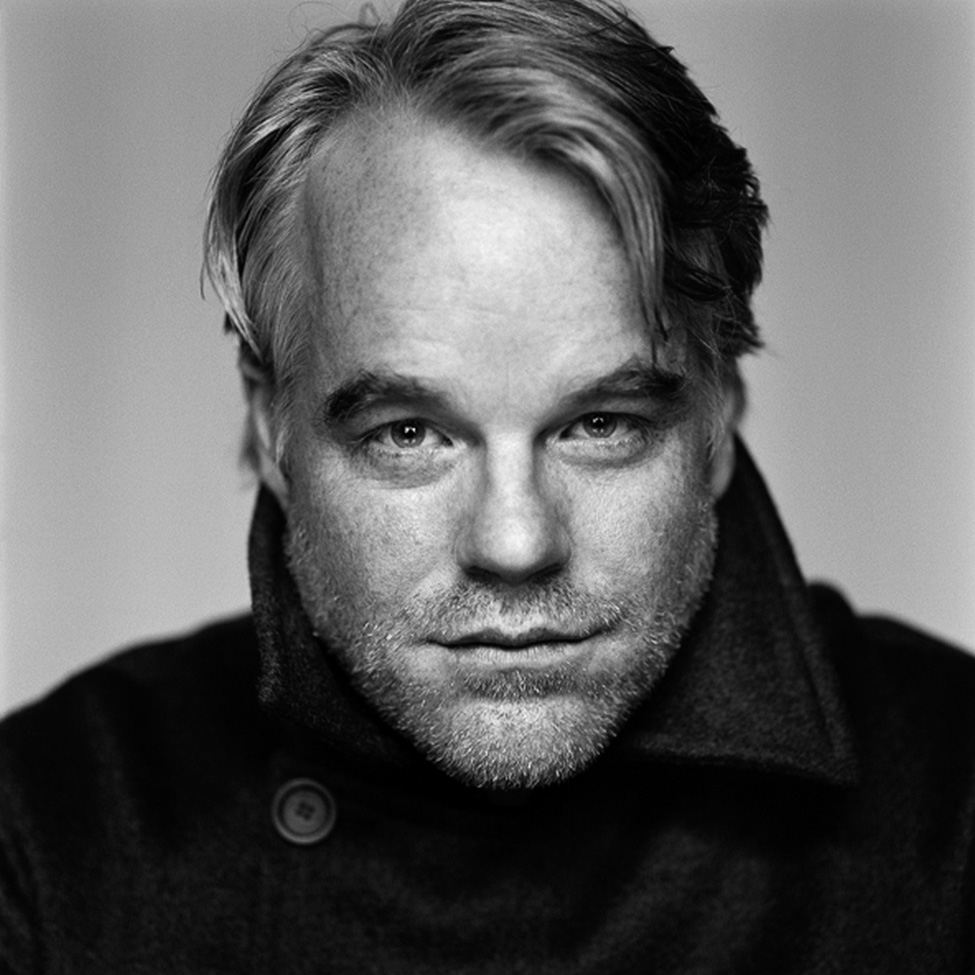
On February 2, 2014, I got a notification on my phone that shook me to my core: Philip Seymour Hoffman had been found dead in his Greenwich Village apartment. I was aware that Hoffman had struggled with substance abuse in the past, but believed (as Hoffman’s friends did) that he had his addiction under control. His death was officially ruled an accident caused by “acute mixed drug intoxication”; an autopsy revealed Hoffman had heroin, cocaine, benzodiazepines, and amphetamine in his system. He was just 46 years old.
My favorite actor ever, Philip Seymour Hoffman had a gift for finding the humanity in any character. Although Hoffman primarily played supporting characters, when he took center stage – as in Capote – he proved he could carry a film as well. No matter the size of the role, Hoffman was a commanding presence anytime he was onscreen.
Hoffman was born on July 23, 1967, in Fairport, New York. His primary childhood interest was sports (mostly wrestling and baseball) but at the age of twelve, a stage performance of Arthur Miller’s All My Sons put Hoffman on a path toward acting. At age fourteen, he suffered a neck injury that permanently ended his athletic aspirations, and his focus turned full-time to acting.
At the age of seventeen, Hoffman was selected to attend the New York Summer School of the Arts in Saratoga Springs. It was there that he met lifelong friends and collaborators Bennett Miller and Dan Futterman. After graduating high school, Hoffman was accepted to NYU’s prestigious Tisch School of the Arts. While working toward his degree, he trained at the summer program at Circle in the Square Theatre in midtown Manhattan.
After graduating from NYU in 1989, Hoffman spent much of his time in Off-Broadway productions and supported himself by working odd customer service jobs. In 1991, he made his screen debut in an episode of Law & Order; that same year, film audiences were introduced to Hoffman in Triple Bogey on a Par Five Hole (I don’t remember it either). At this point, to avoid confusion with another actor named Phil Hoffman, he adopted his grandfather Seymour’s name.
Hoffman with Gil Bellows in Law & Order episode “The Violence of Summer”
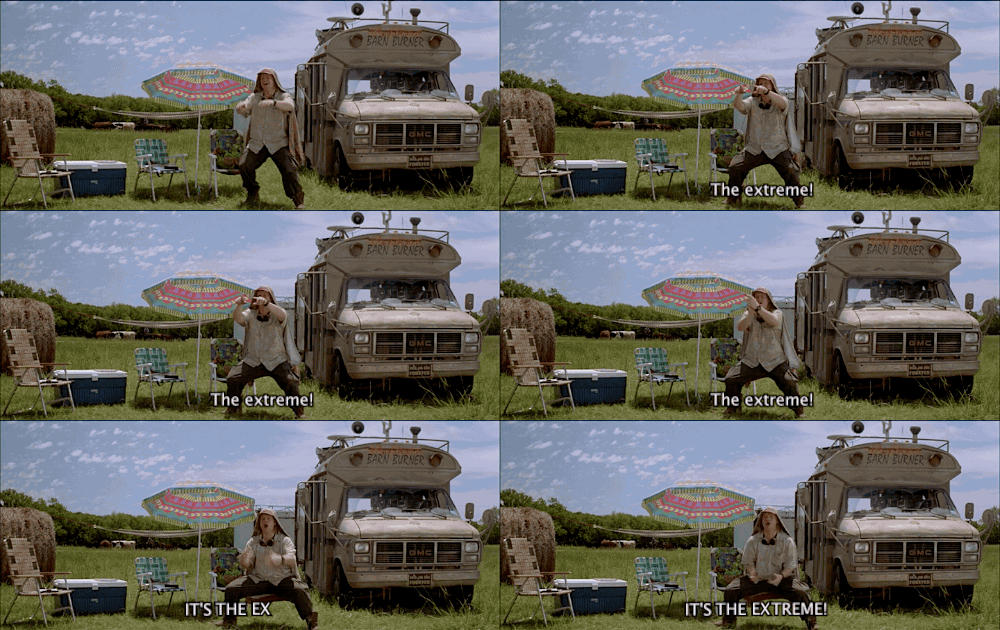
More movie roles followed, and in 1992, Hoffman got his big break when he was cast in the Oscar-winning hit Scent of a Woman. It was this role that caught the attention of an aspiring filmmaker named Paul Thomas Anderson, who cast Hoffman in his 1996 directorial debut, Hard Eight (Hoffman and Anderson would make four more movies together); that same year, multiplex audiences were treated to Hoffman’s performance in Twister (more on that in a minute).
Over the next eighteen years, Hoffman worked with some of my favorite filmmakers – the aforementioned Paul Thomas Anderson, Spike Lee, Sidney Lumet, the Coen brothers, and Cameron Crowe (to name just a few) – and co-starred in three of my favorite films (Boogie Nights, The Big Lebowski and Almost Famous). He was nominated for four Academy Awards and won the Best Actor Oscar for his mesmerizing performance in 2005’s Capote. He continued working in the theater, earning three Tony nominations as he went. He found love and had a family.
Hoffman with partner Mimi O’Donnell and their three children
Then one day, he was just gone. His death impacted me in a way few celebrity deaths do. His performances over the years had given me so much, and though I found solace in knowing those movie roles would live on, I wept for the performances we’d never see and for the family and friends he left behind. Hoffman would have celebrated his 55th birthday yesterday; in honor of the occasion, here are some of his most memorable film roles.
Dustin Davis – Twister
The beauty of a PSH performance is that every word, every gesture, and every nuance is authentic; in mere moments, you know exactly who this person is. And so it was when I was introduced to Dusty Davis. I’d already seen Hoffman in two movies – Leap of Faith and Scent of a Woman – but neither film had made much of an impression on me. The first time I asked myself, “Who IS this guy?” was Jan de Bont’s Twister. In a supporting cast of incredibly talented actors like Jeremy Davies, Alan Ruck, and Lois Smith – not to mention the awesome special effects – Hoffman upstages everyone, including the cows. Twister is one of my rainy day movies, a film that always makes me happy – and Hoffman is the key reason why.
Scotty J. – Boogie Nights
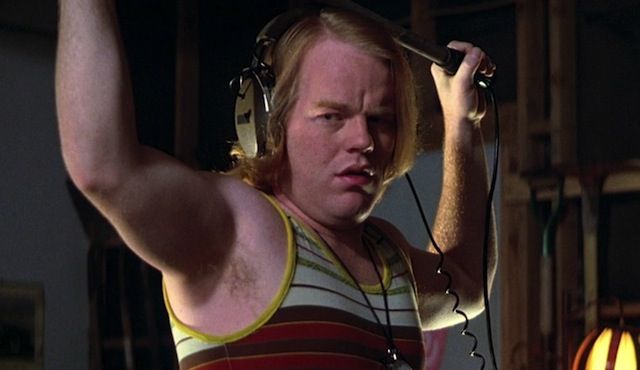
Hoffman became my favorite actor the day I saw Boogie Nights for the first time. All of Scotty’s insecurities and repressed emotions play on Hoffman’s face; he doesn’t have to say a word and we know exactly what he’s feeling. When Scotty finally summons the courage to act on his crush, Dirk’s rejection is more than Scotty can bear. Sitting in his car, saying to himself “I’m a fucking idiot” over and over, Scotty breaks my heart every time. Boogie Nights had a massive impact on me, and it’s still in my all-time top three. Burt Reynolds, in a “comeback” situation, earned Boogie Nights‘ Best Supporting Actor Oscar nomination; in this humble blogger’s opinion, the nod should have gone to Hoffman.
Brandt – The Big Lebowski
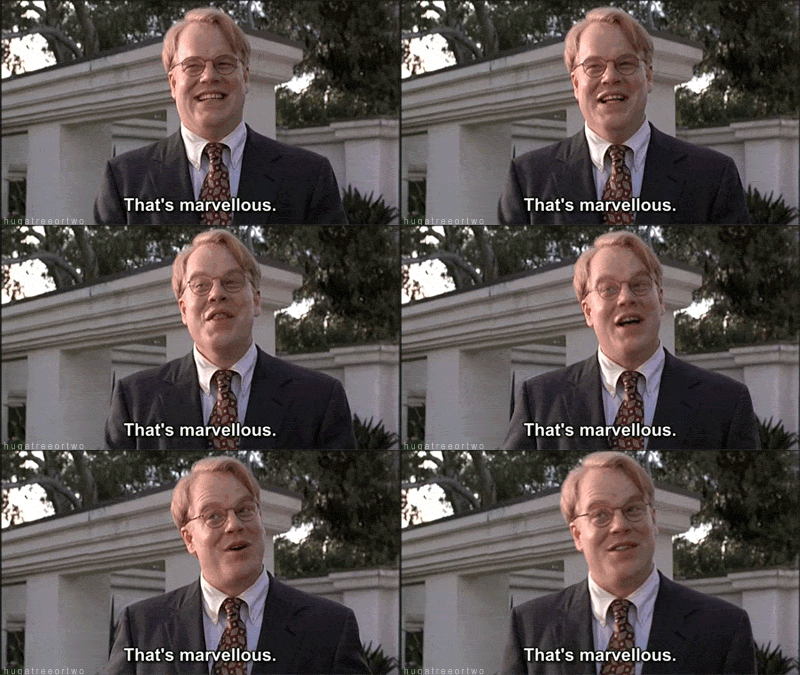
There is so much to love about The Big Lebowski – the Coen Brothers, Jeff Bridges, John Goodman, Steve Buscemi, Julianne Moore, the endlessly quotable script, the amazing cinematography, that soundtrack! – it’s a testament to Hoffman’s talent that he still manages to steal every scene he’s in. As Brandt, the titular character’s uptight personal assistant, Hoffman beautifully toes the line between the character’s authenticity and the Coen Brothers’ idiosyncrasies. His line reading of “That’s marvelous” is just that – marvelous.
Warning: this clip contains graphic language of a sexual nature
Phil Parma – Magnolia
For his third feature, Magnolia, Paul Thomas Anderson wrote a character so much like Hoffman, he was named Phil. An empathetic nurse caring for cancer-stricken Earl Partridge (Jason Robards, in his final film role), Phil Parma helps grant Partridge’s dying wish by helping him reunite with his estranged son Frank (Tom Cruise).
Freddie Miles – The Talented Mr. Ripley
The Talented Mr. Ripley is such an anomaly: a studio thriller with the heart of an indie. One of my favorite films of 1999 (and 1999 was an outstanding year in film), The Talented Mr. Ripley is gorgeously shot and beautifully acted. Hoffman slays as Freddie Miles, expat pal to Jude Law’s Dickie. After Dickie disappears, Freddie – who never cared for Matt Damon’s titular character – is the first one to see through Ripley’s lies, and he pays the ultimate price for it.
Trying to decide which of the following clips to use, I realized the answer was “both”. The first clip is our introduction to Freddie; the second shows us his demise.
One of the greatest film entrances of all time
“In fact, the only thing that looks like Dickie is you”
Lester Bangs – Almost Famous
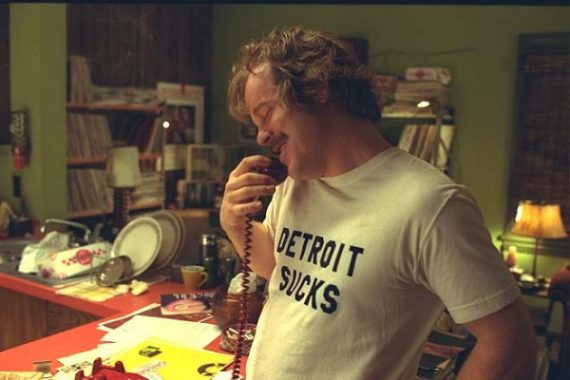
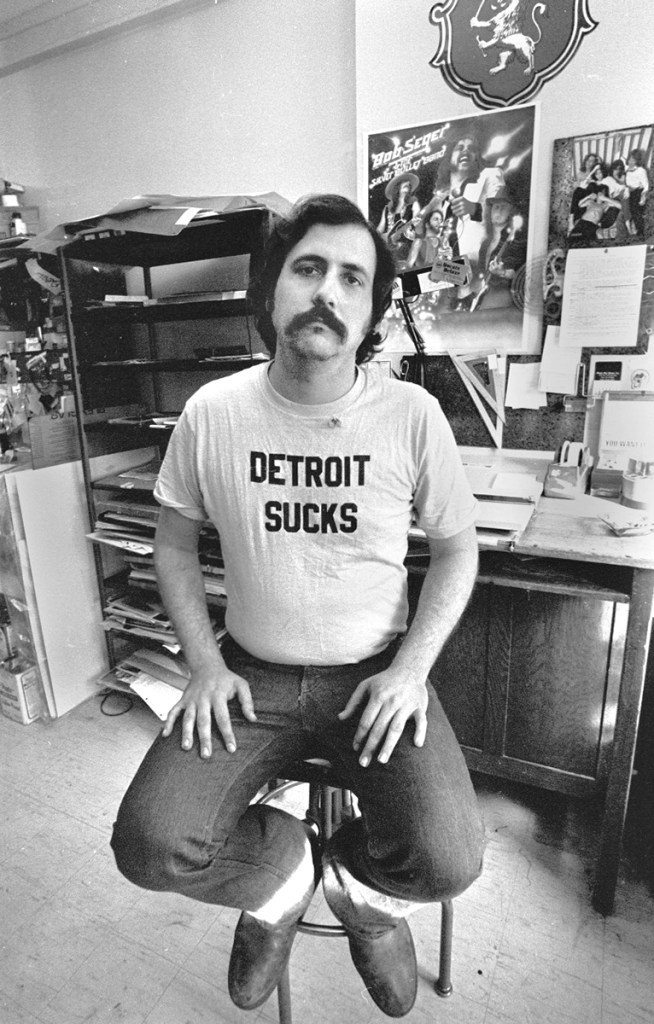
Hoffman as Lester BangsThe real Lester Bangs
Lester Bangs (director Cameron Crowe’s real-life mentor and friend) is a part Hoffman was born to play. No one else could have captured Bangs’ chaotic energy and acerbic wit the way he did. Hoffman showed up for a few days – with the flu – and simply knocked it out of the park. Patrick Fugit, who played Crowe’s stand-in William Miller and was just sixteen at the time Almost Famous was filmed, shared a lovely memory of Hoffman:
Paul Thomas Anderson’s follow-up to Magnolia, Punch-Drunk Love provided Hoffman with a small but memorable role, as phone-sex-hotline-fronting-as-a-mattress-store owner Dean Trumbell. He made the most of his mere minutes of screen time, chewing up every piece of scenery along the way.
WARNING: VERY VERY NSFW LANGUAGE
Jacob Elinsky – 25th Hour
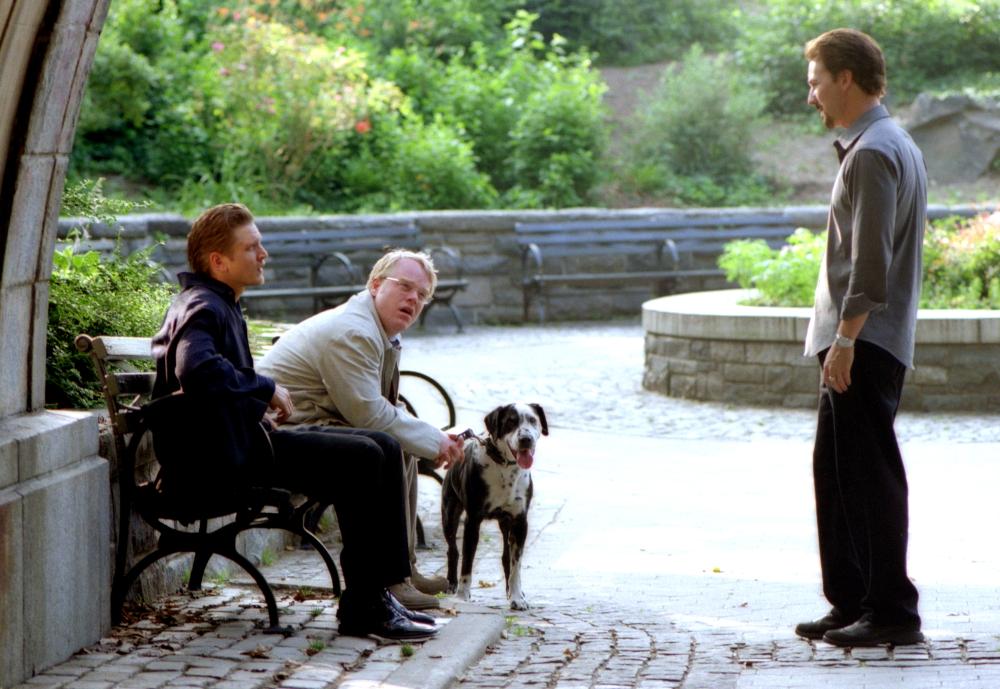
A Spike Lee joint, 25th Hour stars Ed Norton as Monty, a drug dealer enjoying his last twenty-four hours of freedom before beginning a seven-year prison stint. Hoffman plays Monty’s friend Jacob, a lonely high school teacher harboring a crush on one of his students, and once again, he killed it.
Truman Capote – Capote
No words are necessary. Just sit back and behold every moment of this captivating performance, which earned Hoffman his only Oscar.
Gust Avrakotos – Charlie Wilson’s War
For all the high-wattage star power involved with Charlie Wilson’s War – stars Tom Hanks and Julia Roberts, director Mike Nichols and screenwriter Aaron Sorkin – Hoffman’s role as CIA operative Gust Avrakotos earned the film its only Oscar nomination. It was his first of two consecutive Best Supporting Actor nods.
Father Brendan Flynn – Doubt
Hoffman earned his second consecutive Oscar nomination for his performance as Father Brendan Flynn in Doubt. Flynn may or may not be a pedophile preying on his young male parishioners; he maintains his innocence but Meryl Streep’s Sister Aloysius is certain of his guilt. The audience is left to their own devices to decide Flynn’s guilt, but one thing is certain: Hoffman more than held his own against the GOAT.
Art Howe – Moneyball
Moneyball reunited Hoffman with his Capote director (and good friend) Bennett Miller. Hoffman is note-perfect as Oakland A’s irascible manager Art Howe, who butts heads with Brad Pitt’s Billy Beane; Howe is a traditionalist who opposes Beane’s newfangled statistics-based approach to managing a baseball team. Howe was reportedly unhappy with the film’s depiction of him, but regardless of the film’s accuracy, Hoffman knocks it out of the park (sorry, had to).
Lancaster Dodd – The Master
As the titular character in Paul Thomas Anderson’s The Master (their fifth and final collaboration), Hoffman earned his fourth and final Oscar nomination, for Best Supporting Actor (he lost to Django Unchained‘s Christoph Waltz). Lancaster Dodd is based in part on Scientology founder L. Ron Hubbard, and Hoffman leans fully into Dodd’s charisma and idiosyncrasies. He and star Joaquin Phoenix, who plays Dodd’s acolyte/frenemy Freddie Quell, bring out the best in each other as their characters bring out the worst in each other.
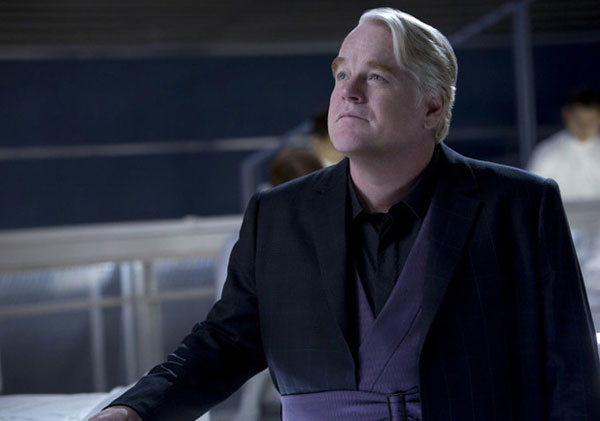
Plutarch Heavensbee – The Hunger Games: Catching Fire, The Hunger Games: Mockingjay – Part 1 and – Part 2
I was a fan of The Hunger Games, having read the entire trilogy and watched the movie adaptation of the first book in the series. There is no question I would have seen the second movie, Catching Fire, either way – but Hoffman’s presence in it was the icing on the cake. Hoffman’s final two film appearances, both of which were released posthumously, were the adaptations of the final book in the series, Mockingjay.
Some more memorable Hoffman roles:
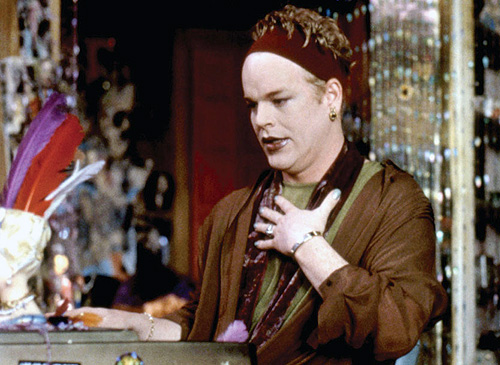
Allen – HappinessRusty – FlawlessJoseph Turner White – State and Main (with Rebecca Pidgeon)Wilson Joel – Love Liza (with Kathy Bates)Freddy Lounds – Red Dragon (with Ralph Fiennes)
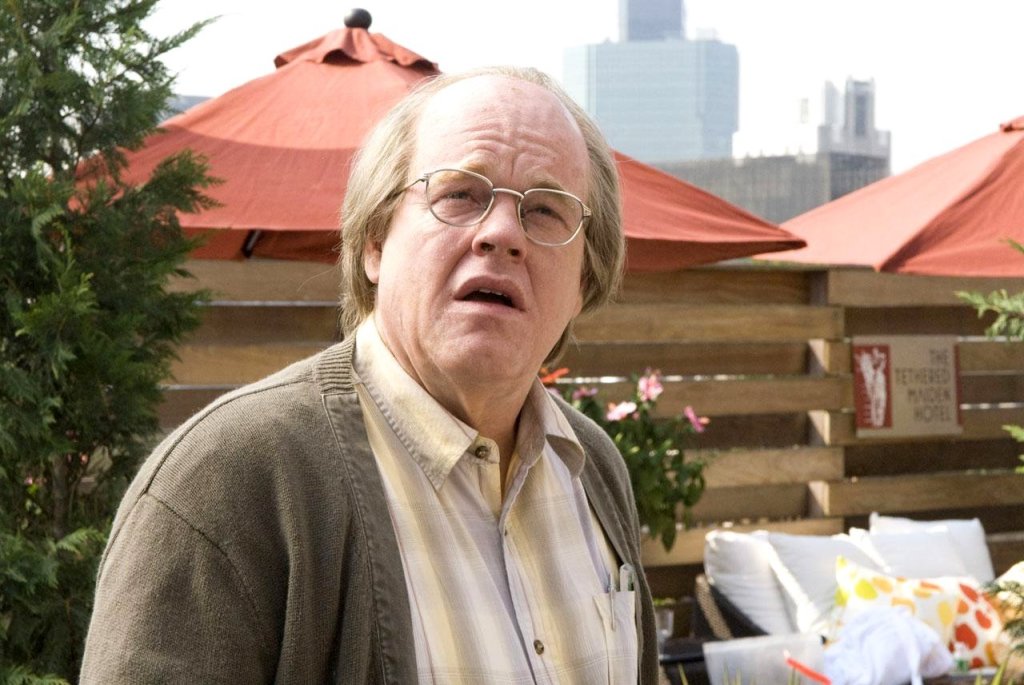
Sandy Lyle – Along Came Polly
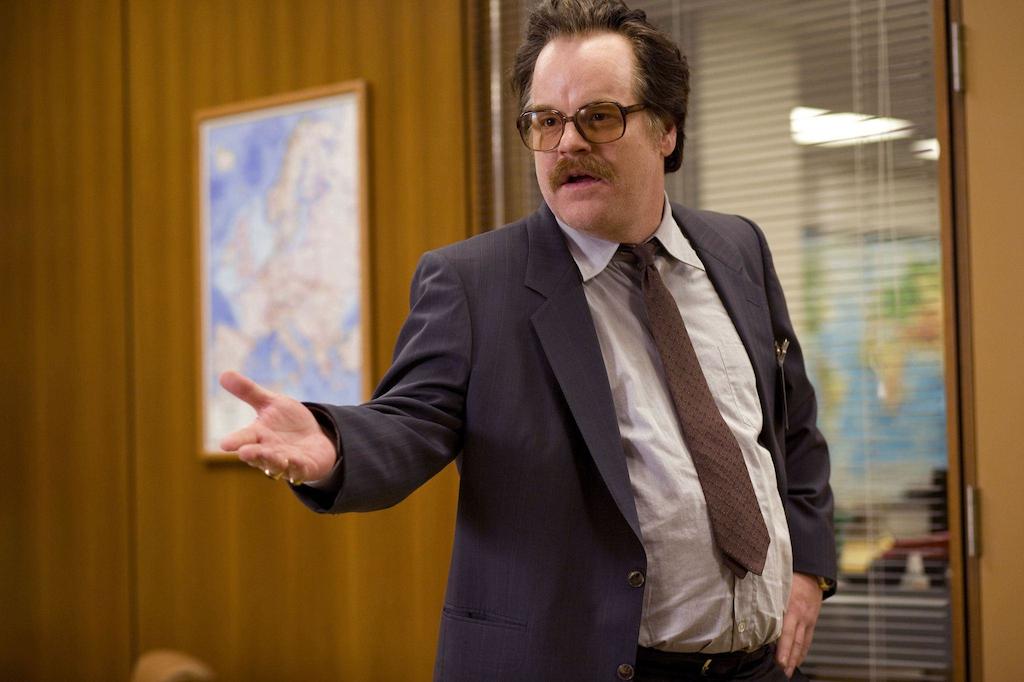
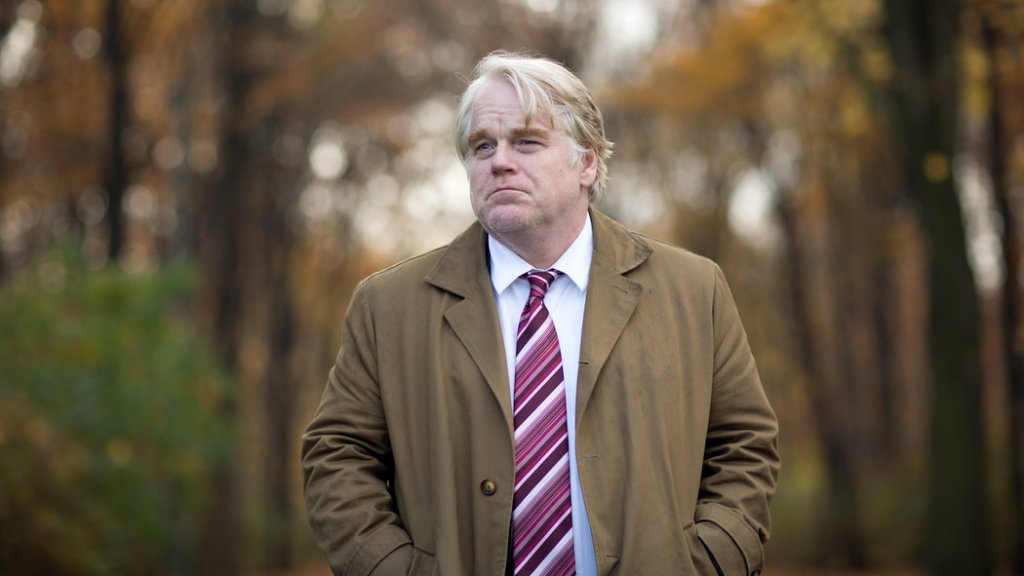
Owen Davian – Mission: Impossible IIIAndy – Before the Devil Knows You’re Dead (with Ethan Hawke)Caden Cotard – Synecdoche, New YorkPaul Zara – The Ides of MarchGünther Bachmann – A Most Wanted Man
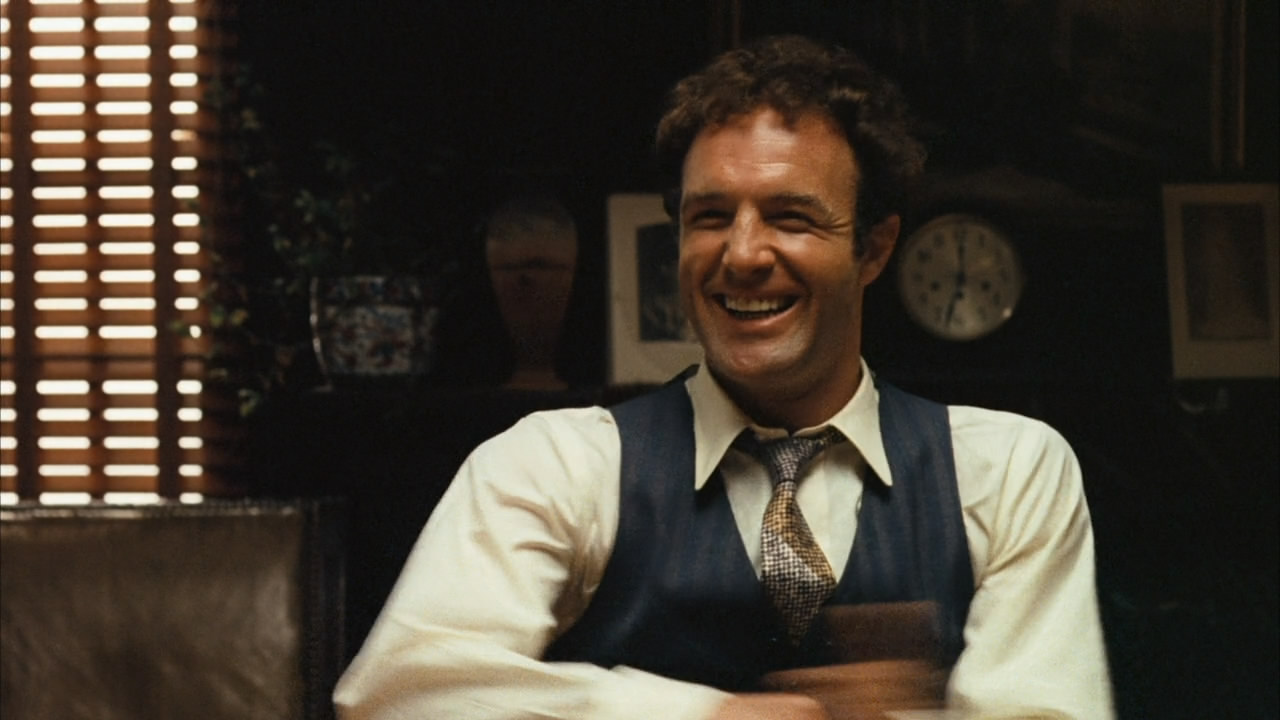
James Caan passed away last week at the age of 82. He’s rightfully received praise for his roles in Brian’s Song (which earned him an Emmy nomination) and The Godfather (Caan received his only Oscar nod for his performance as Sonny Corleone). But when I think of Caan, I think of three movies: Thief, Misery, and Elf.
Thief, Michael Mann’s directorial debut, belongs in one of my favorite subgenres: the “one last hest” film
My favorite Caan movie is Rob Reiner’s adaptation of Stephen King’s Misery. Kathy Bates garnered most of the praise – and an Oscar – for her brilliant portrayal of Annie Wilkes, but Bates needed a great sparring partner and Caan delivered.
In 2003’s Elf, Caan is the perfect straight man to Will Ferrell’s Buddy, but he gets to demonstrate his softer side later in the film when Walter Hobbs receives some much-needed redemption in the final act.
Tony Sirico, best known as The Sopranos‘ Paulie Walnuts, also died last week at the age of 79. No official cause of death was given, but Sirico was apparently diagnosed with dementia several years ago.
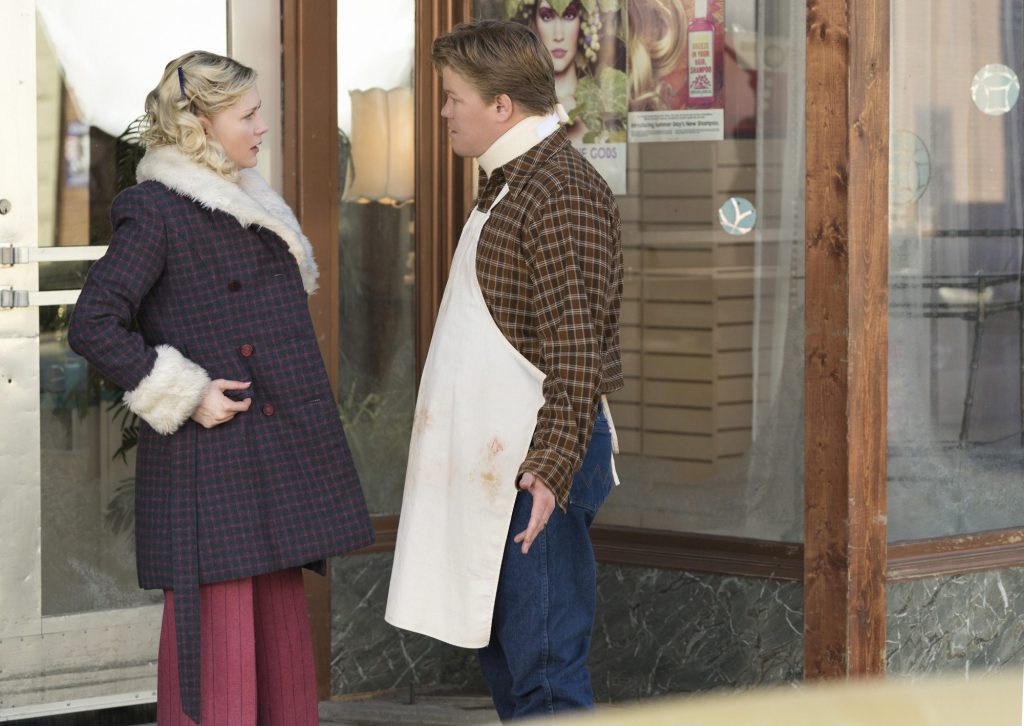
After six years and two kids, Kirsten Dunst and Jesse Plemons are married. Dunst and Plemons met in 2015 while filming season two of Fargo, where they played Peggy and Ed Blumquist. The two also appeared together in one of 2021’s most highly acclaimed films, The Power of the Dog, for which they were both nominated for Oscars.
In season two of Fargo, Dunst and Plemons are equally hilarious and heartbreaking as Peggy and Ed Blumquist, who are in WAAAAAAAAAAY over their heads (no spoilers here, just watch it please)Plemons and Dunst in Netflix’s The Power of the DogThe pair on the red carpet at this year’s Screen Actors Guild Awards, where Dunst was a nominee alongside their co-stars Benedict Cumberbatch and Kodi Smit-McPhee
Speaking of Jesse Plemons, my husband and I recently began watching Friday NightLights, which neither of us had seen before (2006 was a challenging year for us, and television wasn’t a top priority). The entire cast – headlined by Kyle Chandler and Connie Britton (Eric and Tami Taylor are #relationshipgoals) – is fantastic. Plemons, in his breakout role, was just eighteen when the series premiered. In the first season, his Landry Clarke mainly provided comic relief for Zach Gilford’s super-serious quarterback Matt Saracen. But in season two, Plemons was given his own storyline (plus a romance AND a spot on the football team!) and he knocked it out of the park. Anyway, Friday Night Lights is awesome and I highly recommend it; you can stream it on Netflix or Hulu.
Plemons, second from right, with the cast of Friday Night Lights
The Last Movie Stars, an intimate profile of one of Hollywood’s most enduring and beloved couples – Joanne Woodward and Paul Newman – will premiere on HBO Max on July 21. Directed by Ethan Hawke, The Last Movie Stars will feature the couple’s home movies as well as transcripts of interviews with their friends (Laura Linney and George Clooney provide the voices of Woodward and Newman). I can’t wait for this one.
<goosebumps>
The trailer for David O. Russell’s upcoming Amsterdam was also released this past week. I do love a period comedy-mystery and the cast is *chef’s kiss*.
Fred Gwynne, best known for his roles in 60s sitcoms Car 54, Where Are You? and The Munsters, was born on July 10, 1926. Gwynne’s height (6’5″) and his booming baritone voice made him the perfect fit for Herman Munster (although they had to add up to fifty pounds of padding to give him the requisite hulking frame). The Munsters only ran for three seasons on CBS but the series found life in syndication; Herman Munster remains Gwynne’s most iconic role. Gwynne made memorable appearances in 80s flicks like The Cotton Club, Fatal Attraction, and Pet Sematary. His final film appearance was My Cousin Vinny, a movie I unabashedly love. Gwynne passed away in 1993 after being diagnosed with pancreatic cancer.
Make sure you watch until the end!
“What is a yute?” 🤣🤣🤣
Pet Shop Boy Neil Tennant was born on July 10, 1954. Tennant met Chris Lowe in 1981 (at the time, Tennant worked in publishing but dreamed of a music career); the two bonded over a love of early synthpop pioneers like OMD, Soft Cell, and Kraftwerk. In 1983, after being hired by British music magazine Smash Hits, Tennant traveled to New York City to interview The Police. While in New York, Tennant met with music producer Bobby Orlando, who agreed to a recording session with the lads. Orlando went on to produce the band’s first single, “West End Girls”. Pet Shop Boys continue to perform and record together.
One of my favorite PSB songs is this cheesetastic 1987 duet with Dusty Springfield
Another favorite is their 1993 cover of the Village People classic
Fun fact: Pet Shop Boys produced Boy George’s “The Crying Game” and Tennant also provided backing vocals
Pet Shop Boys recently recorded a single with their idols Soft Cell, and I kind of love it
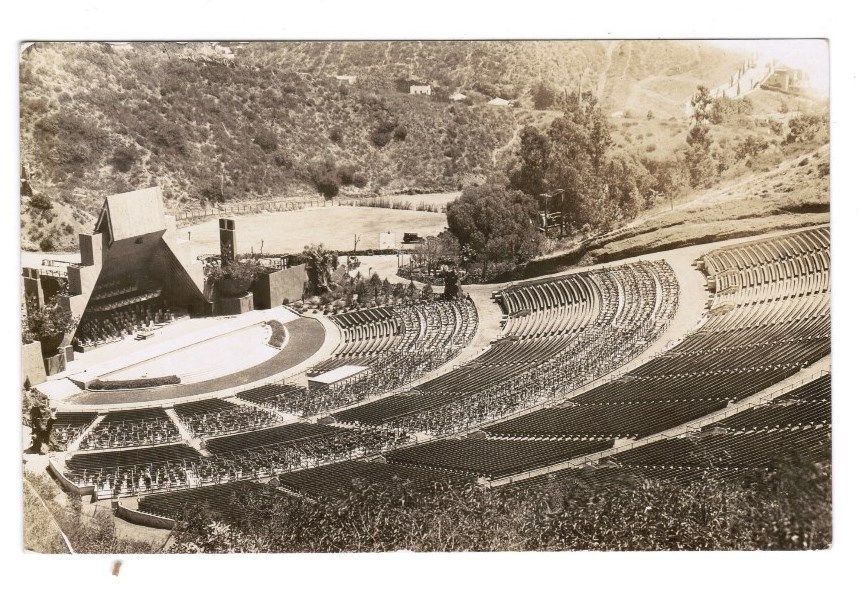
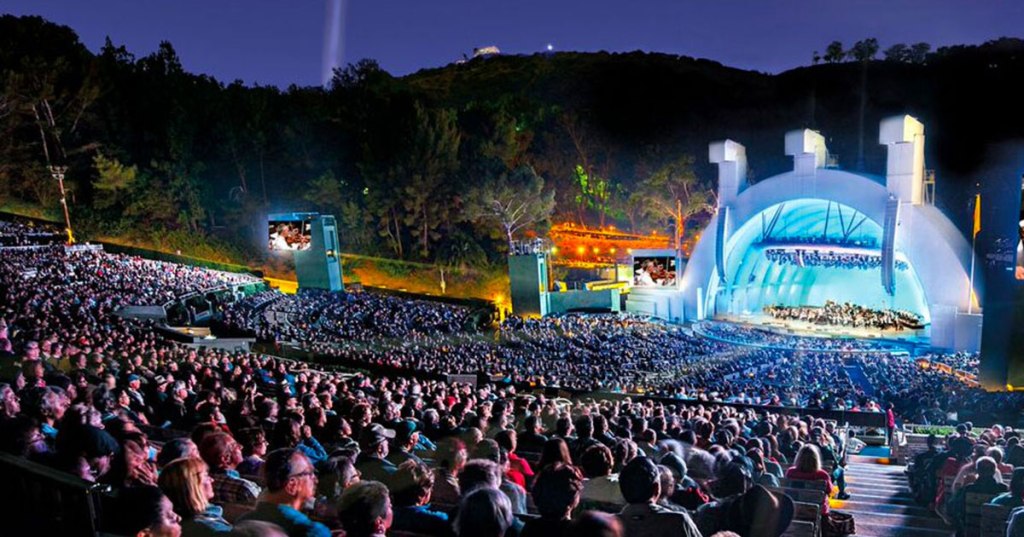
The Hollywood Bowl opened on July 11, 1922.
The Hollywood Bowl circa 1927, with a band shell designed by Frank Lloyd Wright Jr.In 1980, The Hollywood Bowl served as a backdrop for one of my favorite guiltless pleasures, XanadaThe Hollywood Bowl in recent years, after a 2004 facelift
On July 11, 1969, David Bowie released “Space Oddity”. I’m just going to leave this here:
Oscar Hammerstein II was born on July 12, 1895. One-half of one of the most beloved musical songwriting teams ever (composer Richard Rodgers was the other half), Hammerstein left Columbia Law School in 1917 to pursue a career in the theater. After Rodgers’ first partner Lorenz Hart was incapacitated by alcohol addiction, he and Hammerstein began collaborating with 1943’s Oklahoma! Among their best-known works are South Pacific, The King & I, and The Sound of Music, all of which won Tony Awards for Best Musical and were adapted into Oscar-winning movies. The pair also won two Academy Awards, a Pulitzer, and a Grammy (fun fact: Richard Rodgers was the first person to get an EGOT). Eight months after The Sound of Music debuted on Broadway, Hammerstein died of stomach cancer at the age of 65. “Edelweiss” was the final song the pair wrote together.
Oscar Hammerstein II and RIchard Rodgers
And finally, this year’s Emmy nominations were announced today. It is a very good day for HBO, which picked up an extraordinary 140 nominations (Succession led the pack with 25). I’m thrilled to see nominations for Melanie Lynskey and Christina Ricci, who were so brilliant in Yellowjackets‘ spectacular first season. See the full list of nominees below. The Emmy Awards will air live on NBC and Peacock on Monday, September 12.
***** CONTENT WARNING: THIS POST CONTAINS REFERENCES TO DRUG USE, OVERDOSE, MURDER, AND A FATAL AUTO ACCIDENT *****
The trailer for Ticket to Paradise dropped this morning. I am so here for this one.
I’m also here for this charming-looking whodunit starring Saoirse Ronan and Sam Rockwell. I can’t get enough of period comedy-mystery flicks. See How They Run is slated for a September 30 release.
Peacock’s The Resort, which premieres on July 28, stars the delightful William Jackson Harper and Cristin Milioti (and reunites Milioti with her Palm Springs exec producers).
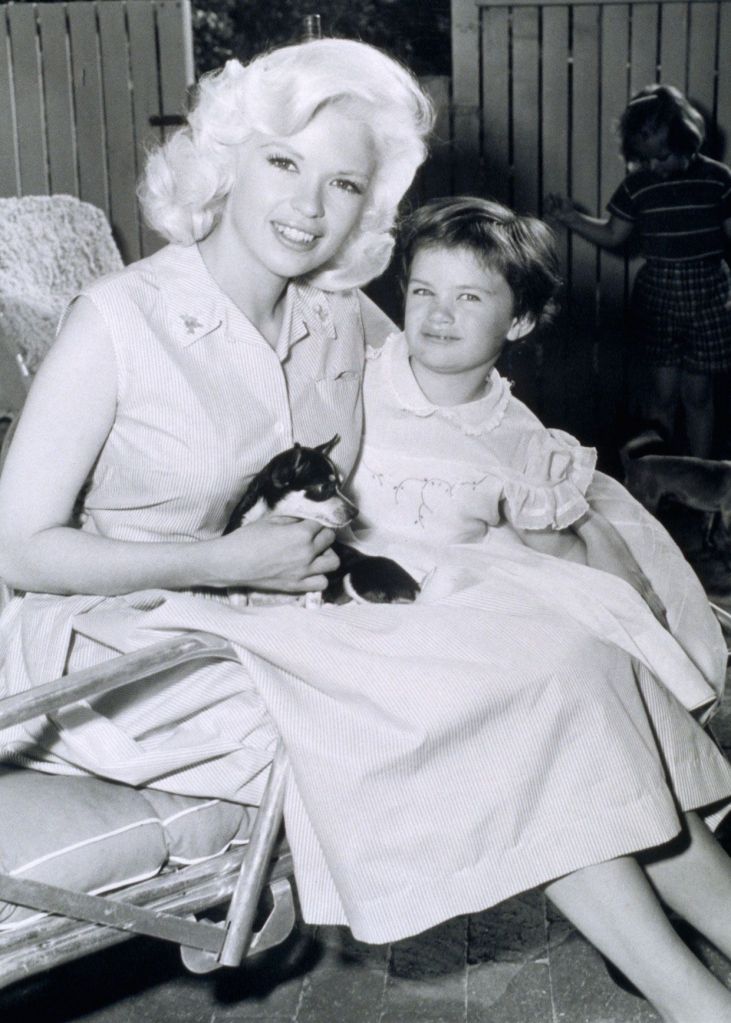
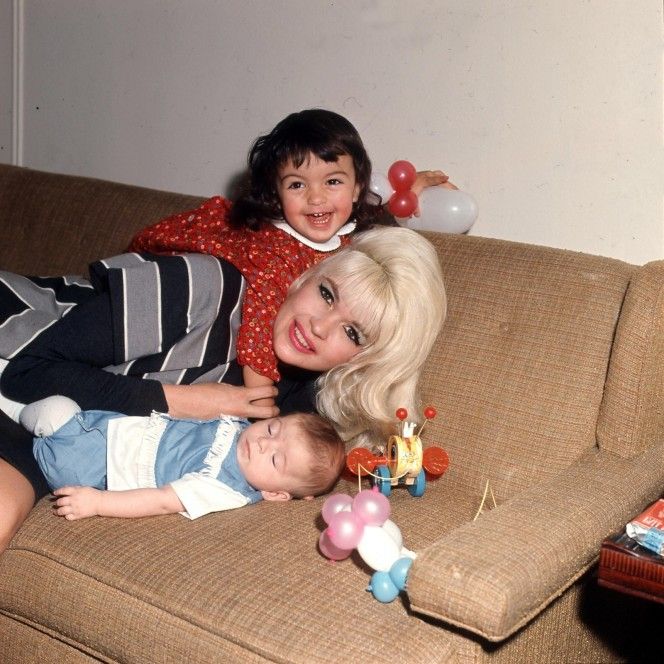
Jayne Mansfield died in a horrific car accident on this day in 1967. Mansfield was traveling from Biloxi to New Orleans for an appearance the next morning. Accompanying her were her partner Sam Brody and her three children with Mickey Hargitay (Miklós, Zoltán, and Mariska), along with their driver, Ronnie Harrison. At around 2:30 AM, their 1966 Buick Electra ran into the back of a tractor-trailer, which had slowed for an approaching vehicle with red flashing lights. The three adults in the front seat were killed instantly; the children, including three-year-old Mariska, all escaped with minor injuries. Despite the popular urban legend, Mansfield was not decapitated; her official cause of death was “crushed skull with avulsion of cranium and brain”.
Mansfield and Mariska HargitayMansfield and Mariska with Mariska’s half-brother TonyThe 1966 Buick Electra 225 (yes, you can find pictures of the actual crashed vehicle on the internet; no, I’m not sharing them here)
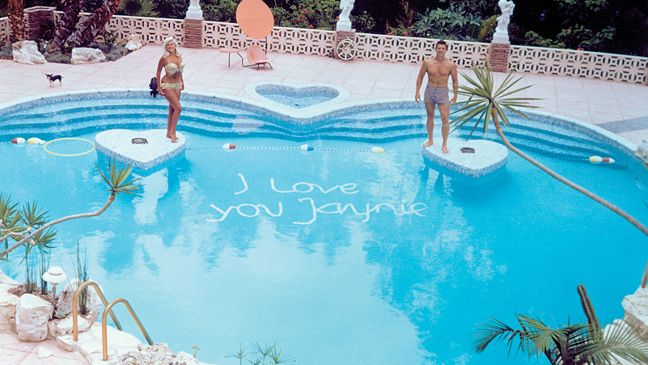
Siouxsie and the Banshees’ “Kiss Them for Me” is an homage to Mansfield and includes the lines “It’s divoon, oh, it’s serene/In the fountain’s pink champagne/Someone carving their devotion/In the heart-shaped pool of fame, oh” (all references to Mansfield and her fondness for pink things and hearts)Mansfield with Mickey Hargitay in their heart-shaped pool
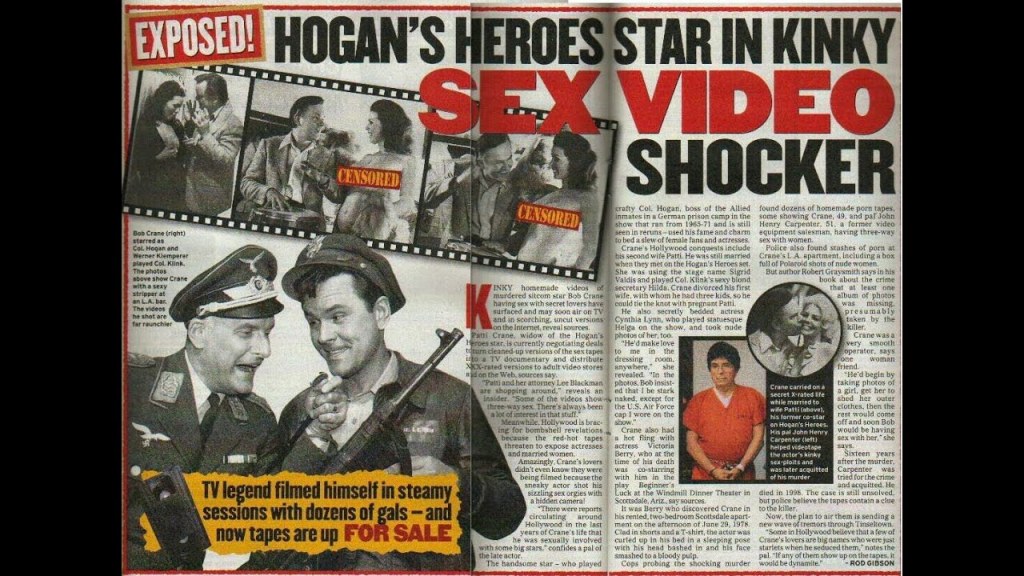
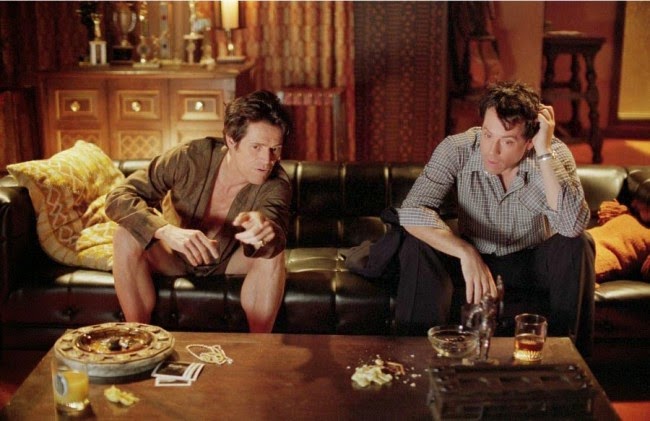
On this day in 1978, actor Bob Crane – best known as the titular character on Hogan’s Heroes – was found bludgeoned to death in the Scottsdale, Arizona apartment he rented while on tour with a dinner theater production of Beginner’s Luck. While the case remains officially unsolved, the killer was likely Crane’s friend – and partner in sexual escapades – John Henry Carpenter (Maricopa County never had enough evidence to convict Carpenter, who himself died in 1998). The fantastic movie AutoFocus – directed by Paul Schrader and based on a book by Zodiac author Robert Graysmith – is a dramatization of Crane’s life and death. Auto Focus, which you can stream on Tubi or rent on Amazon, stars Greg Kinnear as Crane and Willem Dafoe as Carpenter.
After Crane’s death, tabloid headlines like this were commonWillem Dafoe and Greg Kinnear in Auto Focus
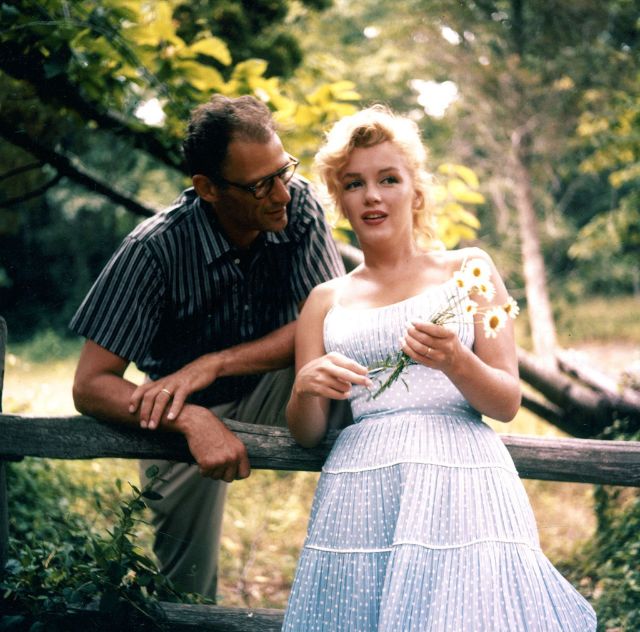
Marilyn Monroe and Arthur Miller were married on this day in 1956, giving hope to nerds everywhere that they too might land the starlet of their dreams. The pair divorced in 1961.
Film composer Bernard Herrmann was born on this day in 1911. Herrmann hit the jackpot with his first film, a little picture called Citizen Kane, for which he received his first Oscar nomination. That same year, he was also nominated for his second film, TheDevil and Daniel Webster, which earned Herrmann his only Academy Award. In 1976, he repeated the one-two punch with posthumous nominations for Taxi Driver and Brian De Palma’s Obsession (Jerry Goldsmith took home the prize that year for The Omen). Herrmann is perhaps best known, though, for his work with Alfred Hitchcock; he composed the music for nine Hitchcock films, including Vertigo, North by Northwest, Psycho, and The Birds. Herrmann died in his sleep from an apparent heart attack in 1975, at the age of sixty-four.
Fun fact: Herrmann’s score for Twisted Nerve was featured in Kill Bill: Volume 1 and American Horror Story
On this day in 2008, Leonard Cohen brought down the house at the Glastonbury Festival with a rendition of his iconic song “Hallelujah”.
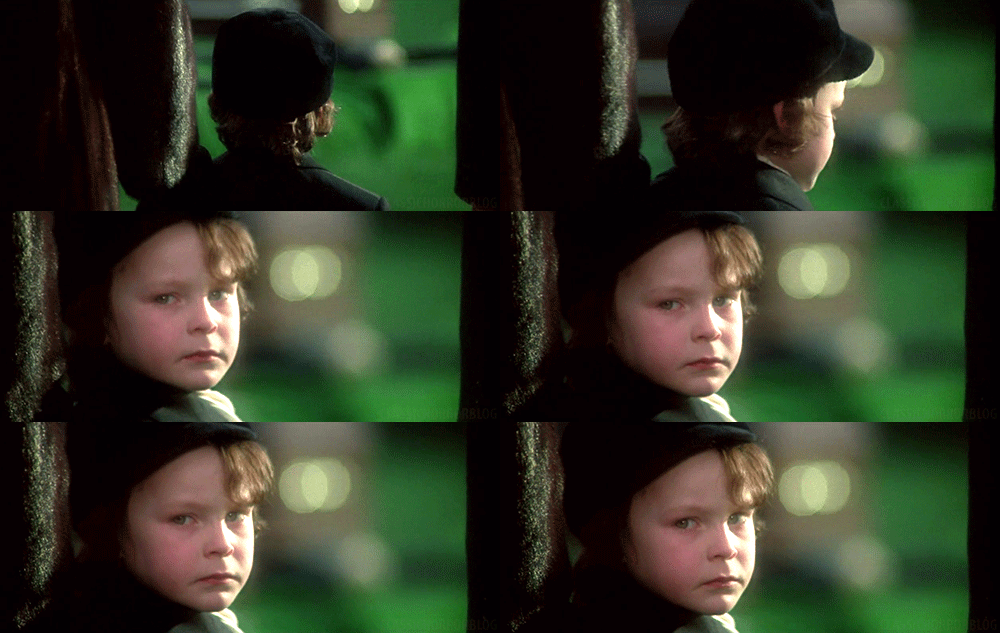
The Omen, starring Gregory Peck and Lee Remick, was released on June 25, 1976. The film received mixed reviews but it was a box office success and spawned a franchise that includes three sequels and a remake. The Omen also launched the directing career of Richard Donner, whose next feature – 1978’s Superman – was a massive hit.
Eighteen-time Oscar nominee Jerry Goldsmith won his only Academy Award for The Omen soundtrack, which features an ominous choral component. In addition to his Best Original Score Oscar, Goldsmith was nominated for Best Original Song for The Omen‘s main theme, “Ave Satani”.
Ridley Scott’s stone-cold sci-fi neo-noir classic Blade Runner – based on Philip K. Dick’s novel Do Androids Dream of Electric Sheep? – was released on June 25, 1982. Set in a dystopian Los Angeles in 2019, Blade Runner stars Harrison Ford as Rick Deckard, a replicant bounty hunter who may or may not be a replicant himself (spoiler alert: he’s a replicant). Blade Runner was a box office disappointment, especially compared to other Ford films like Star Wars and Raiders of the Lost Ark, but in time it became a cult classic and one of the most revered and influential sci-fi features ever. It also kicked off the era of Philip K. Dick adaptations, including Total Recall, Minority Report, A Scanner Darkly, The Adjustment Bureau, and Amazon’s series The Man in the High Castle.
Rutger Hauer famously added the “tears in rain” line to replicant Roy Batty’s heartbreaking death scene monologue
Blade Runner‘s brilliant electronic score was written by the late, great Vangelis, who had just won an Oscar the previous year for Chariots of Fire. Unfortunately, Vangelis wasn’t even nominated for Blade Runner, but the film did receive Academy Award nominations for Best Art Direction and Best Visual Effects.
Speaking of stone-cold classics, Purple Rain was released on June 25, 1984. The first album to officially credit Prince’s backing band, The Revolution, Purple Rain was the soundtrack to the film of the same name and Prince’s first number one album on the Billboard 200 (it spent twenty-four consecutive weeks in the top spot). Purple Rain also yielded four top-ten singles: “When Doves Cry”, “Let’s Go Crazy”, “Purple Rain”, and “I Would Die U”.
Prince won the Oscar for Best Original Score for Purple Rain, but incredibly, he did not receive a nomination for Best Original Song (even more incredibly, Stevie Wonder’s “I Just Called to Say I Love You” won the award). Prince also won the Grammy for Best Score, but lost the Album of the Year award to Lionel Richie’s Can’t Slow Down.
Freaks and Geeks co-stars Linda Cardellini and Busy Phillips jointly celebrate their birthdays on June 25. They’re both as adorable as ever.
Only five days until Stranger Things 4, Volume 2 is released (not that I’m counting). So far, season four is my favorite since the first; based on the trailer, I’m hopeful the final two episodes will deliver on that promise. By the way, Kate Bush’s “Running Up That Hill” has gone to #1 in nine countries, including the UK and Australia; it currently sits at #4 on the Billboard Hot 100. My guess is that the song will get another boost after the release of “Papa” and “The Piggyback” on Friday. I’m also guessing that “The Piggyback” will also resolve my long-running theory that time travel will play a role in the series.
Friday night at the Glastonbury Festival, Phoebe Bridgers led the audience in a chant of “Fuck the Supreme Court”, a sentiment I wholeheartedly share. Bridgers also assisted The Jesus and Mary Chain with this gorgeous version of one of my all-time favorite songs.
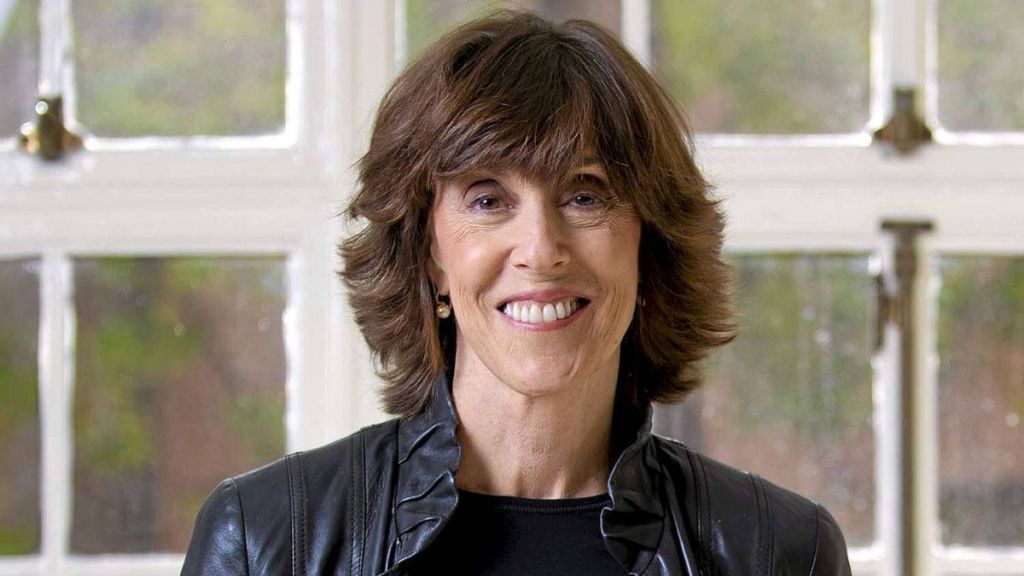
Nora Ephron died ten years ago today. A three-time Oscar nominee (Silkwood, When Harry Met Sally…, Sleepless in Seattle), Ephron parlayed a journalism career into screenwriting when she helped write an adaptation of All the President’s Men with then-husband Carl Bernstein. The script wasn’t used, but it caught the attention of a producer who offered Ephron a job writing a television movie called Perfect Gentleman. In 1983, she wrote her first film script, Silkwood, and published her first novel, Heartburn, a semi-autobiographical account of her failed marriage to Bernstein. With When Harry Met Sally…, Ephron began producing films as well and in 1991, she made her directorial debut with This Is My Life. She went on to direct such beloved movies as Sleepless in Seattle and You’ve Got Mail. In 2006, Ephron was diagnosed with leukemia. She was able to make one more film – 2009’s Julie and Julia – before passing away in 2012. May her memory be a blessing.
The AFI tribute to Julie Andrews is now available on YouTube, and it’s a delight from start to finish.
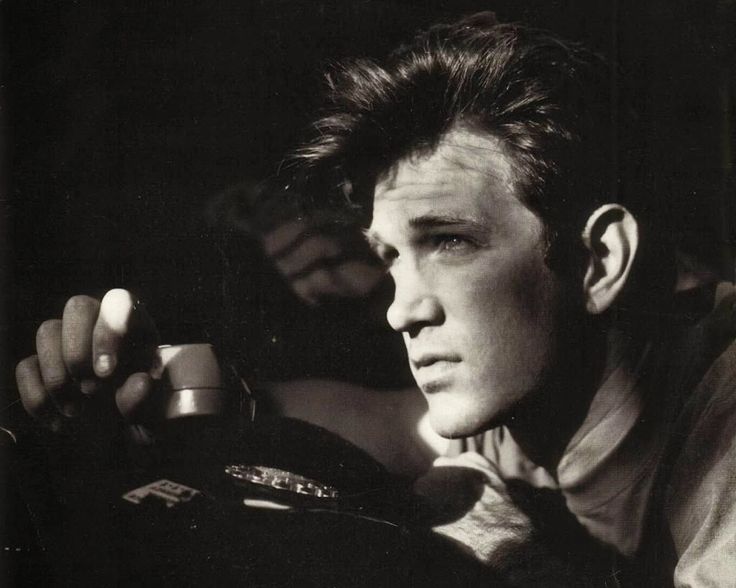
Chris Isaak is celebrating his 66th birthday today, and now I’m off to listen to San Francisco Days.
***** CONTENT WARNING: THIS POST CONTAINS REFERENCES TO SUBSTANCE ABUSE, MENTAL HEALTH ISSUES, AND SUICIDE *****
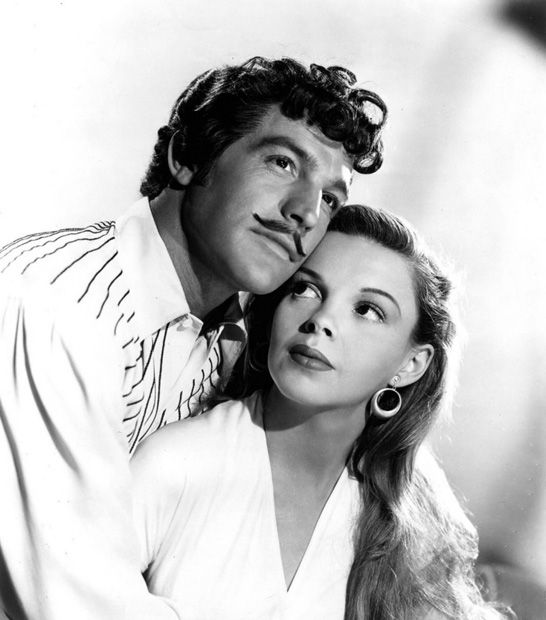
This month marks Judy Garland’s 100th birthday. Born performing, Garland transitioned from vaudeville to motion pictures at the age of thirteen. She earned two Oscar nominations – Best Actress for 1954’s A Star Is Born and Best Supporting Actress for 1961’s Judgment at Nuremberg – and was the first woman to receive the Album of the Year Grammy for 1961’s Judy at Carnegie Hall. In 1962, Garland became the first female recipient of the Cecil B. DeMille Award, a lifetime achievement award presented by the Hollywood Foreign Press Association (the organization that hosts the Golden Globes). The American Film Institute (AFI) ranked her eighth on its list of the greatest actresses of Hollywood’s Golden Age. Garland was a legend, an icon, a once-in-a-generation talent. She also spent her life haunted by the demons that would ultimately take her life.
Garland was born Frances Ethel Gumm in Grand Rapids, Minnesota on June 10, 1922. Her parents were vaudevillians who settled in Grand Rapids to purchase a movie theater they used to stage their vaudeville act. Garland’s two older sisters, Mary Jane “Suzanne” and Dorothy Virginia “Jimmie”, were already part of the family business, which Frances – then known as “Baby” – joined at the age of two. In 1926, the Gumm family relocated to Lancaster, California, north of Los Angeles; they had dreams of stardom for their daughters. After too many snickers and mispronunciations, the Gumm Sisters eventually became the Garland Sisters (the exact origin of the name is still up for debate); Frances chose the first name Judy in honor of the song by Hoagy Carmichael, the Tin Pan Alley artist best known for writing “Stardust”. But the Garland Sisters broke up in 1935 when Suzanne eloped to Reno.
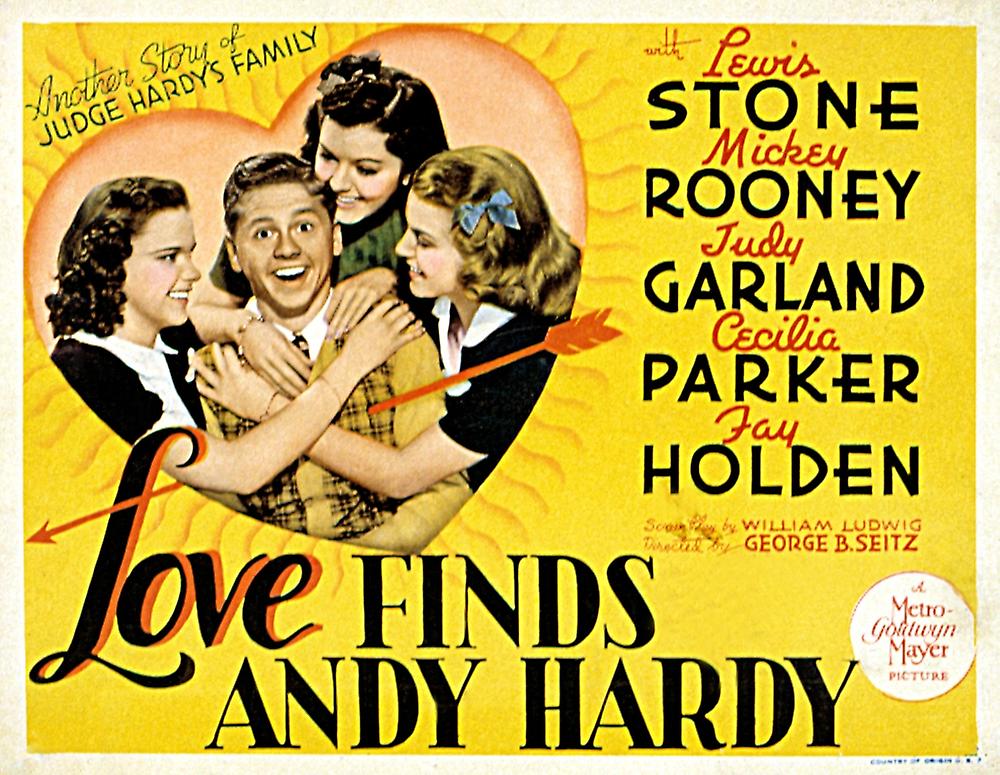
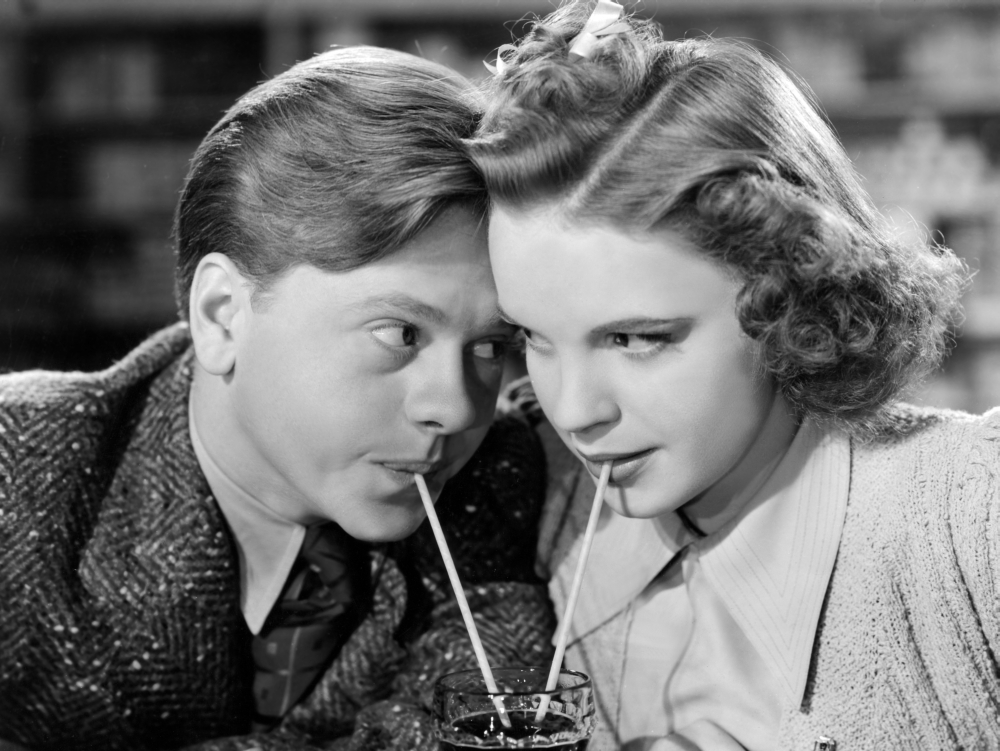
In September 1935, Louis B. Mayer sent a scout to see Judy perform; Judy was brought to the studio and signed on the spot. The studio wasn’t really sure what to do with her; she had a wholesome, girl-next-door look that contrasted with the glamorous stars of the time period, and at thirteen Judy was older than the typical child star but not yet ready for adult roles. She was ultimately paired with Andy Rooney in movies like the Andy Hardy series (in which she literally played the girl next door) and Busby Berkeley’s Babes in Arms. Over a two-year period, Garland co-starred in six films. Garland later claimed that she, Rooney, and other young stars were prescribed amphetamines to help them maintain that breakneck pace, as well as barbiturates to help them sleep at night. This combination began an ultimately lethal cycle of addiction for Garland.
Babes in Arms
For the record, Rooney denied Garland’s allegations, but they sure sound plausible to me. MGM had absolute control over Garland; they monitored her weight and oversaw her diet and exercise regimen. They forced her to wear removable caps on her teeth and rubberized discs to change the shape of her nose (what the everloving fuck?). Mayer referred to Garland as “my little hunchback”. Men in power, who are committed to breaking a woman down, will generally stop at nothing to accomplish that objective. Certainly having a doctor on staff to pass out pills would be within the realm of possibilities. Perhaps Rooney wasn’t aware, perhaps he lied; either way, I believe her.
At sixteen, Garland got her biggest break to date: the starring role of Dorothy Gale in The Wizard of Oz. Garland wasn’t MGM’s first choice; the studio wanted to borrow Shirley Temple, but 20th Century Fox declined to loan her out. Deanna Durbin was unavailable. The role then went to Garland, who was actually the producers’ favorite from the beginning. It’s impossible to imagine anyone else as Dorothy. Garland’s rendition of “Over the Rainbow”, which went on to win the Academy Award for Best Original Song, is heartbreaking and goosebump-inducing. It is, quite simply, one of the most iconic musical performances in the history of cinema. As a matter of fact, the song tops AFI’s 100 Years…100 Songs list (fun fact: Garland and Gene Kelly are tied – with five each – for most appearances on that list). The Wizard of Oz made Garland a star; for her performance, she was awarded the honorary Academy Juvenile Award at the 12th Academy Awards.
Garland made the transition to adult roles in the early forties and starred in a string of successful musicals, including For Me and My Gal, The Harvey Girls, and Meet Me in St. Louis. The latter film (more on it in a bit) introduced Garland to her second husband, Vincente Minnelli. The two of them would make four more films together – and have a daughter, Liza – before divorcing in 1951. By that time, Garland’s film career had stalled; her attempt to segue into dramatic roles was not well-received and her struggles with substance abuse and mental health issues had made her unreliable.
1942’s For Me and My Gal was Gene Kelly’s film debut, and his first of several collaborations with Garland
Back to Meet Me in St. Louis, which chronicles a year in the life of the Smith family as they prepare for the 1904 St. Louis World’s Fair. Once again, a song performed by Garland – this time “The Trolley Song” – was nominated for a Best Original Song Oscar. Even more significantly, one of the era’s most enduring and iconic Christmas songs – “Have Yourself a Merry Little Christmas” – was written for the film. Meet Me in St. Louis is sumptuous, with eye-popping colors and an Academy Award-nominated song score. It was the second-highest-grossing picture of 1944, behind eventual Best Picture Oscar winner Going My Way. It was chosen as the tenth-best movie musical of all time by the AFI. You can – and should – stream Meet Me in St. Louis on HBO Max.
Meet Me in St. Louis made the most of the burgeoning technology known as Technicolor. One of the film’s four Oscar nominations was for Best Cinematography, Color, and deservedly so; it’s just so gorgeous to look at!
Some of the original lyrics to “Have Yourself a Merry Little Christmas” were deemed too downbeat and the song was rewritten before filming began. Songwriter Hugh Martin initially resisted making any changes, but ultimately agreed. The line “It may be your last / Next year we may all be living in the past” became “Let your heart be light / Next year all our troubles will be out of sight.”
In 1948, while filming The Pirate with Gene Kelly, Garland suffered a nervous breakdown. She was missing a lot of days due to a combination of substance abuse and migraines. She was able to finish the shoot, but in July, Garland made cuts to her wrists with a piece of broken glass. She was still taking barbiturates and had also developed an alcohol addiction. Garland was suspended from The Barkleys of Broadway after missing too many days (Ginger Rogers took over the role), but she was able to bounce back with 1949’s In the Good Old Summertime. She was fired again in May of 1949, this time from the film adaptation of Annie Get Your Gun. For several pictures, Garland repeated this cycle until MGM finally had enough, suspending her contract in the middle of shooting Royal Wedding with Fred Astaire and replacing her with Jane Powell.
WIth Gene Kelly in The PirateIn the Good Old Summertime
Garland’s final film for MGM was 1950’s Summer Stock
Following the termination of her MGM contract – and another suicide attempt – Garland became a frequent guest on The Bing Crosby – ChesterfieldShow (ah, the good old days of cigarette sponsorship). Her appearances on the radio show were wildly popular and Garland parlayed that into a successful concert tour of the UK in 1951. By 1953, Garland was remarried (to impresario Sid Luft) with another baby (Lorna) – and ready to mount her movie comeback. The project she chose, George Cukor’s remake of 1937’s A Star Is Born, was a commercial and critical success and earned Garland her first competitive Oscar nomination. But the financial reward she was looking for failed to materialize. Production delays (often caused by Garland herself, who was back to missing days due to her migraines and substance abuse) caused the film’s budget to balloon to more than $5 million, and A Star Is Born failed to turn a profit. Garland’s film comeback was over before it began.
Once again, Garland performed a song nominated for the Best Orginal Song Oscar; “The Man That Got Away”, with music by Harold Arlen and lyrics by Ira Gershwin. lost to “Three Coins in the Fountain”
Despite all the production woes, Garland was nominated for Best Actress at the 27th Academy Awards (the film itself earned five additional nominations). She was widely expected to win, and NBC had a camera crew waiting in her hospital room – where she’d just given birth to her son Joey – to record her acceptance speech. When Grace Kelly unexpectedly won for The Country Girl, the crew had their equipment packed up before Kelly even reached the podium.
Her film career stalled once again, Garland turned to television and concert appearances to pay the bills, including the premiere episode of CBS’s Ford Star Jubilee and a brief residency at the New Frontier Hotel in Las Vegas. A 1961 concert appearance at Carnegie Hall yielded a highly successful live double album, Judy at Carnegie Hall, which spent thirteen weeks at the top of the Billboard chart and won four Grammy Awards, including Album of the Year.
That same year, Judy made her final major film appearance in Stanley Kramer’s Judgment at Nuremberg, which was a critical and box office smash. For her performance as Irene Hoffman, a reluctant witness for the prosecution, Garland was nominated for Best Supporting Actress at the 34th Academy Awards. She lost to Rita Moreno for her portrayal of Anita in West Side Story, a decision I cannot argue with.
Garland’s last major project was a series of specials for CBS that culminated in 1963’s The Judy Garland Show. The musical variety series had a devoted following but couldn’t compete in the ratings with NBC’s Bonanza and CBS canceled it after one season. A tour of Australia ended badly. Garland was plagued by money issues; her agents had mismanaged – and outright embezzled – her earnings. At one point, she owed about $500,000 to the IRS, which placed liens on her home and her recording contract with Capitol Records. She was forced to sell her home at a loss. She was fired from one final movie, 1967’s The Valley of the Dolls. She completed a 27-show stint at New York’s Palace Theatre that same year, but the IRS seized most of her $200,000 earnings. And she continued to abuse prescription drugs. On June 22, 1969, Garland was found dead in the bathroom of her rented London home. Her death was ruled an accidental overdose; the autopsy results showed that her blood contained the equivalent of almost 1000 milligrams of the barbiturate Seconal. She left behind a bankrupt estate, three grieving children, and a legacy that has endured for one hundred years.
***** SPOILER ALERT: CONTAINS CLIPS FROM STRANGER THINGS 4 *****
On June 9, 1934, Donald Duck made his debut in Disney’s Silly Symphony cartoon The Wise Little Hen.
On June 9, 1980, Richard Pryor suffered second- and third-degree burns over half his body. Pryor had become addicted to freebasing cocaine and that evening, in a drug-induced psychosis, he doused himself with 151-proof rum and set himself on fire. Pryor spent six weeks in the Sherman Oaks Hospital burn unit. Given his age and the extent of his injuries, Pryor had only a 25-35% chance of survival, but he defied the odds. Two years later, Pryor incorporated a joke about the incident into his stand-up act, Live on the Sunset Strip.
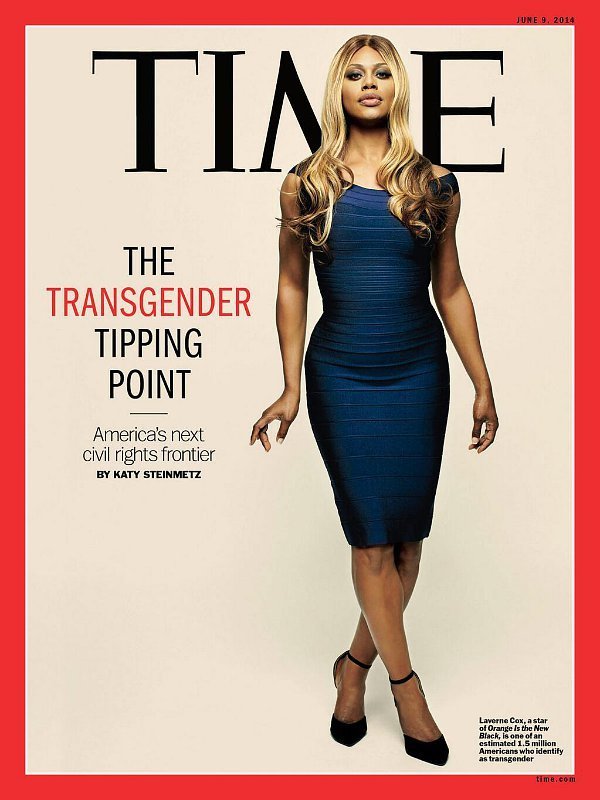
On June 9, 2014, Laverne Cox became the first transgender person to appear on the cover of Time magazine.
Speaking of Laverne Cox, this exists and it is glorious.
Cox’s Orange Is the New Black co-star Samira Wiley also killed it.
One of my favorite film composers, James Newton Howard was born in Los Angeles on June 9, 1951. Howard dropped out of USC’s music program after six weeks and worked as a session musician for artists like Diana Ross and Ringo Starr. In 1975, he got his big break when his manager arranged an audition with Elton John; Howard joined John’s road band and arranged strings for iconic singles like “Don’t Go Breaking My Heart” and “Sorry Seems to Be the Hardest Word”. He began composing music for films in 1984, with David Lynch’s Dune. Howard has nine Oscar nods to his name; among his nominated scores are The Fugitive, My Best Friend’s Wedding, and Michael Clayton.
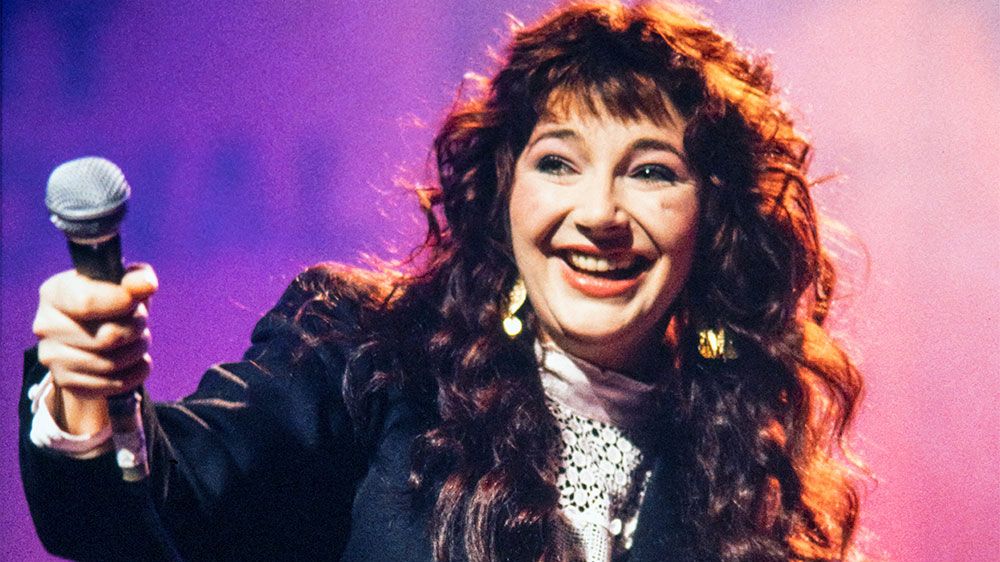
Thanks to Stranger Things4, Kate Bush’s iconic “Running Up That Hill” is back on the charts in a bunch of countries, including the US. In fact, the song is currently sitting at #8 on the Billboard Hot 100, where it peaked at #30 in 1985; it is now Bush’s first US top-ten single, thirty-seven years after its initial release. As a longtime fan, I adore the idea of an entire generation discovering Kate Bush’s music.
This scene is one of the highlights of the new season, thanks to Sadie Sink’s Emmy-worthy performance and the magic of Kate Bush
Bush’s original music video for “Running Up That Hill”
Volume 2 of Stranger Things 4 will be released on July 1; this is the only teaser Netflix has released, but I’m sure we’ll get a longer trailer in a week or two.
The teaser for Amazon’s A League of Their Own reboot has arrived. The series will premiere on August 12. I am 100% here for this.
On June 10, 2003, Wicked opened at the Curran Theatre in San Francisco after two weeks of previews. Much of the original cast – including the Tony-winning Idina Menzel, Kristin Chenoweth, and Norbert Leo Butz – went on to star in the Broadway production. Wicked debuted at the Gershwin Theatre on October 30, 2003; the Gershwin is still home to the show, which is now the fifth-longest-running Broadway musical in history. Wicked won three Tonys, seven Drama Desk Awards, and a Grammy for Best Musical Show Album.
On June 10, 2007, HBO aired “Made in America”, the series finale of The Sopranos. The episode, which ends with a quick cut to black/silence, caused quite a stir. Many viewers mistakenly believed their cable or DVRs had malfunctioned (FYI for you youngs, streaming was in its infancy in 2007 and most people used either cable or DVDs to watch their favorite programming). The final scene has been the cause of much speculation over the years; the clues were there that Tony was about to become the victim of a mob hit (presumably by the guy at the counter in the Members Only jacket) but “Don’t Stop Believin'” is playing on the tabletop jukebox, Journey imploring us to hope for Tony’s survival. Regardless of your interpretation, it is brilliant filmmaking. At the 59th Primetime Emmy Awards, “Made in America” earned David Chase the prize for Outstanding Writing for a Drama Series, and the series itself won Outstanding Drama Series. With those wins, The Sopranos tied Hill Street Blues for the most-honored drama series in Emmy history (Game of Thrones now tops the list).
Nashville, Robert Altman’s brilliant dramatic musical/political satire, was released on June 11, 1975. Nashville, generally regarded as Altman’s magnum opus, follows its two dozen-ish main characters over the course of five days leading up to a fundraising concert for a third-party candidate’s presidential campaign. The cast – including Lily Tomlin, Scott Glenn, Keith Carradine, Ned Beatty, Geraldine Chaplin, Ronee Blakley, Shelley Duvall, and Karen Black – is one of the greatest assembled for a motion picture. One of Altman’s trademarks was on-set improvisation, and Nashville was no exception; not only did his actors improvise much of the dialogue (with Joan Tewkesbury’s script acting as a “blueprint”), but they also wrote and performed their own songs. Nashville was a modest box office success and a critical darling. At the 48th Academy Awards, Nashville received five nominations: Best Picture, Best Director, Best Supporting Actress for both Tomlin and Blakley, and Best Original Song for “I’m Easy”, which was written and performed by Carradine.
<swoons>
Keith Carradine won Nashville‘s only Oscar
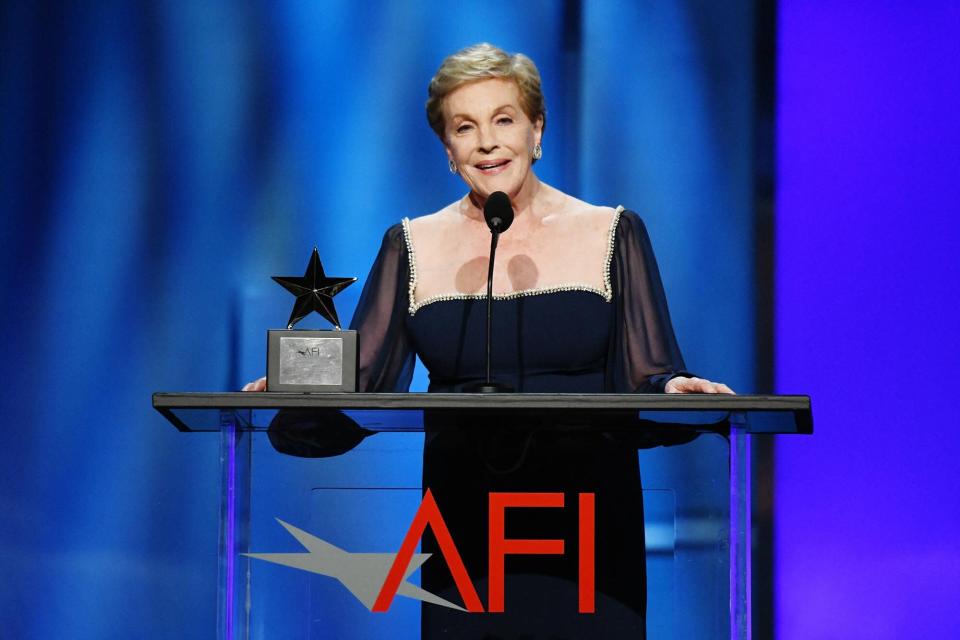
After two years of COVID-related delays, the American Film Institute (AFI) has honored Julie Andrews with its Life Achievement Award. Among the evening’s presenters were Carol Burnett, Steve Carell, Cynthia Erivo, Gwen Stefani, and the surviving actors who played the Von Trapp children in The Sound of Music. TNT will air the ceremony next Thursday (June 16) at 10 PM; clips from the event should be available on AFI’s YouTube channel the following morning.
Ray Liotta was found dead yesterday morning at the age of sixty-seven.I know many of the tributes will be about either Goodfellas or Field of Dreams – and rightfully so, he’s sensational in both – so I’d like to go in a different direction. In his second film appearance, after the 1983 Pia Zadora vehicle The Lonely Lady (no, I am not making that up), Liotta got his big break, co-starring as Ray Sinclair in Jonathan Demme’s delightful Something Wild. For his performance, Liotta was nominated for several awards, including the Golden Globe (co-stars Jeff Daniels and Melanie Griffith were also nominated), and won (tied with Dennis Hopper for Blue Velvet, to be precise) the Best Supporting Actor prize from the Boston Society of Film Critics. Three years later, Liotta appeared in Field of Dreams as Shoeless Joe Jackson. The year after that, he headlined Goodfellas as mobster turned FBI informant Henry Hill. Liotta worked consistently after that, mostly playing baddies (although by all accounts, he was an absolute teddy bear in real life). Among the accolades he received: two Screen Actors Guild nominations, for 1998’s The Rat Pack (he played Frank Sinatra) and 2015’s Texas Rising, a Primetime Emmy Award for Outstanding Guest Actor in a Drama Series for a 2004 appearance on ER, and an Independent Spirit Award nomination for 2002’s Narc.
Content warning: this clip contains a fairly graphic sexual reference
Andrew “Fletch” Fletcher, keyboardist and founding member of Depeche Mode, has died of natural causes at the age of sixty. I honestly can’t even put into words right now how I’m feeling about this. Depeche Mode was part of the musical bedrock of my teen years. I’m just heartsick.
Fletcher, far left, with Depeche Mode bandmates Martin Gore, Dave Gahan and Alan Wilder, circa 1982Fletcher in more recent years
Depeche Mode was inducted into the Rock and Roll Hall of Fame in 2020; they accepted the honor remotely due to the pandemic
After three interminably long years, Stranger Things 4 is FINALLY here! Volume 1 encompasses the first seven episodes: “The Hellfire Club”, “Vecna’s Curse”, “The Monster and the Superhero”, “Dear Billy”, “The Nina Project”, “The Dive”, and “The Massacre at Hawkins Lab”. Volume 2, set for release on July 1, will be comprised of the final two episodes, “Papa” and “The Piggyback”.
Also arriving today is Obi-Wan Kenobi on Disney+. YouTube helpfully suggested this clip a few days ago, and it seems like the perfect way to celebrate the occasion.
The winner of Survivor 42 has been crowned. After a commanding final tribal council performance, Maryanne Oketch won the jury vote AND the hearts of the audience, including yours truly, to become just the second black woman to win Survivor (Vecepia Towery won the fourth season way back in 2002 – when Oketch was just four years old). Back in March, after only two episodes, I selected Oketch for my “Badass Women of Survivor” list (https://peanut-butter-and-julie.com/2022/03/19/badass-women-of-survivor/), stating “Only time will tell how Oketch will fare in the game, but no matter the outcome, this young woman has a place in my heart forever.” ❤️❤️❤️
After two years of COVID-related delays, Top Gun: Maverick lands in theaters today. An icky detail that I’ll have a hard time overlooking: Maverick reunites with Penny Benjamin, the admiral’s daughter referenced in the first film. Penny is played here by Jennifer Connelly, who was fifteen years old when the first movie came out. I’m just spitballing here – and no disrespect to Connelly, who is talented and lovely – but perhaps this makes a case for Cruise’s characters to start romancing age-appropriate women.
Jennifer Connelly and Tom Cruise in Top Gun: MaverickConnelly in The Labyrinth, released the same year as Top Gun
The Old Man premieres on FX/Hulu on June 16. Based on Thomas Perry’s 2017 novel of the same name, The Old Man stars the marvelous Jeff Bridges as former CIA operative Dan Chase, who has spent years off the grid until an assassination attempt brings him out of hiding. The outstanding supporting cast includes John Lithgow, Amy Brenneman, and Alia Shawkat.
The Gray Man, starring Ryan Gosling and directed by the Russo Brothers, will be released in theaters on July 15, followed by a July 22 debut on Netflix. Based on the book series by Mark Greaney, The Gray Man follows a CIA assassin (Gosling) hunted by a psychopathic ex-colleague (Chris Evans, clearly having an absolute blast). The cast includes Ana de Armas, Julia Butters (so good as Leonardi DiCaprio’s young co-star in Once Upon a Time in Hollywood), Alfre Woodard, and Billy Bob Thornton. At a cost of $200 million, The Gray Man is Netflix’s most expensive film to date, but with the Russos at the helm and Gosling in the driver’s seat, it feels like a sure thing.
The first teaser for the penultimate episode in the Mission: Impossible series – subtitled Dead Reckoning – Part One – was released this week. Due to be released in 2023, the film features series regulars Tom Cruise, Ving Rhames, Simon Pegg, and Rebecca Ferguson. It will also introduce newcomers Hayley Atwell, Shea Whigham, Esai Morales, Rob Delaney, and one of my personal faves, Cary Elwes. Dead Reckoning – Part Two is slated for a 2024 release.






































 PB & Julie + Julie C. Trivia