***** CONTENT WARNING: THIS POST CONTAINS REFERENCES TO MENTAL HEALTH ISSUES AND MARIJUANA USE *****
My life is a struggle right now. Not in an “I’m riding the struggle bus today” way, but in an “I’m at the back of the struggle bus and it’s driving itself around in circles and I don’t know how to get off” way. I suffer from several mental health issues, including depression, anxiety, insomnia, trichotillomania, and – a recent revelation – disordered eating. Since the COVID-19 pandemic began, my long-term progress took a giant step backward. A change in meds helped, as did weekly virtual visits with a therapist. In January, I left my job of almost seven years to focus on myself for a while; my deal with my husband was five months and then I’d look for new work. It’s now been eight months and I am no closer to finding employment. The anxiety of job-hunting has now been added to all the regular anxiety, and it’s left me feeling pretty depleted. By the time I spend all morning applying for jobs, I’m so exhausted that I often take afternoon naps to recharge. That plus my everyday responsibilities – laundry, grocery shopping, dog walking – hasn’t left much time or energy for blogging.
I do write most days, for as long as I can, but it’s difficult to focus. I start pieces but can’t concentrate for long enough to complete anything. I have tons of new ideas, but nothing seems to gel. I smoke weed to relax, but if I have too much, writing goes out the window and I go back to my Criminal Minds binge (as is my custom lately, I started a post titled “Creepiest Criminal Minds Unsubs”, but I haven’t been able to finish it). Then, of course, I feel guilty because I haven’t given y’all new content. Planned posts for Labor Day, Roald Dahl Day, and Stephen King’s 75th birthday still sit in my drafts alongside Criminal Minds.
It wasn’t helping that it still felt very summery in southwestern Michigan. But a few days ago, a cold front came through – just in time for the first official day of fall. I happily put on a hoodie and ran around the yard with the dogs. I busted out the Founders KBS (if you know, you know). I watched When Harry Met Sally…, one of my autumnal film favorites. And I still don’t have a job, but I’m working on it. Obviously, that doesn’t help pay the bills, but hubby and I have cut some corners, and we’re managing. All I really want to do is write, and I’m still hopeful I can find a way to make some money at it. Only time will tell. In the meantime, I remain committed to offering y’all the best content I can, even if I’m unable to publish as often as I’d like. Thank you all for your continued support and encouragement, and please stay tuned.
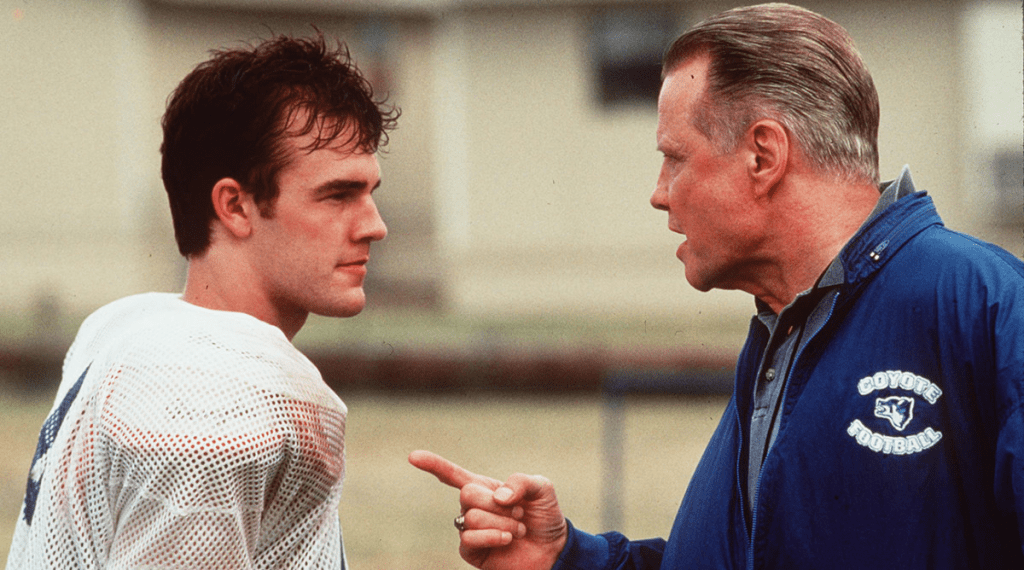
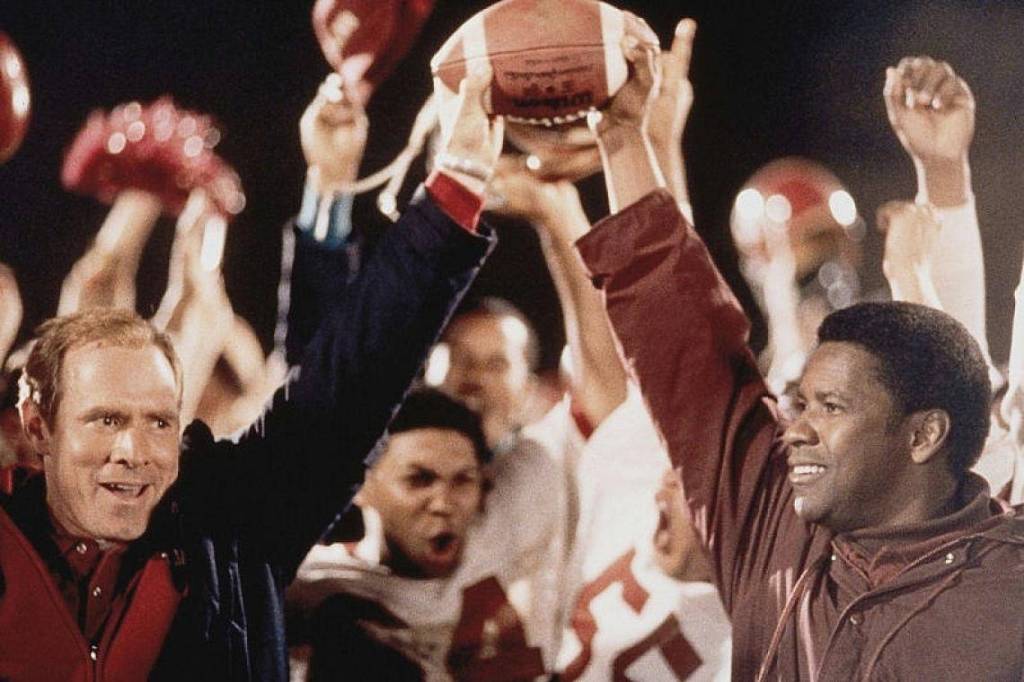
My favorite season – football season – has arrived, which is the perfect excuse to play a football-themed pop quiz! All of these movies feature characters who are football players. I’ve given you one actor’s name and the movie’s release date, and you give me the title. Without googling, how many can you name?
“Although ‘Where do you get your ideas?’ has always been the question I’m most frequently asked (it’s number one with a bullet, you might say), the runner-up is undoubtedly this one: ‘Is horror all you write?’ When I say it isn’t, it’s hard to tell if the questioner seems relieved or disappointed.” – Stephen King, DifferentSeasons afterword
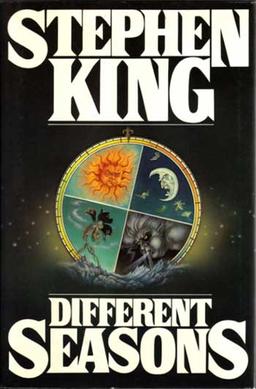
Different Seasons, Stephen King’s first published collection of novellas, was released forty years ago this week. It represented the first significant departure from the supernatural horror King had become known for. Different Seasons, which yielded not one but two flawless, Oscar-nominated film adaptations, is one of my favorite works of fiction, a timeless, compulsively re-readable classic.
In the late 1960s, while attending the University of Maine, King began selling his short stories to the school’s literary journal Ubris and men’s magazine Cavalier. After graduating in 1970, he worked odd jobs to support his growing family – his spouse Tabitha and their two oldest children, Naomi and Joe (youngest child Owen came along in 1977) – and continued submitting his stories. In 1974, King sold his first novel, Carrie, and subsequently became known primarily as a novelist. But some of King’s best work is his short fiction, short stories as well as novellas. His short story collection Night Shift was the first King work I ever read; I was just ten years old, and I was gobsmacked. Different Seasons came along a year or two later.
As King launched his publishing career, both his agents and editors had expressed concern that King would be pigeonholed as a “horror” writer (when his books began selling millions, I’m assuming their fears were assuaged). It’s not that Different Seasons isn’t horror; Nazis are horrifying, as are a boy being killed by a train and an innocent man serving life in prison. But only one of the novellas, The Breathing Method, contains the sort of supernatural elements that had become King’s trademark by 1982. King, worried that he’d have a hard time getting these stories published, opted to package four of them together with an overarching theme. It’s a format that King has returned to several times, including 1990’s Four Past Midnight and 2010’s Full Dark, No Stars, both of which earned King a Bram Stoker Award. Obviously, in the case of Different Seasons, the theme was the four seasons, with each novella representing one of the seasons.
Rita Hayworth and Shawshank Redemption (“Hope Springs Eternal”)
“Let me tell you something my friend. Hope is a dangerous thing. Hope can drive a man insane.”
At its heart, Rita Hayworth and Shawshank Redemption is about hope. Yes, it can drive a man insane, but it can also keep a man going during the darkest of times: a life sentence for a crime someone else committed, rape, endless days of solitary confinement. Through it all, Andy Dufresne remains hopeful that one day he will regain his freedom. Andy doesn’t just have hope, though; he has a plan, and it involves a Rita Hayworth poster and a rock hammer, both of which his new friend Red can procure for him.
Rita Hayworth and Shawshank Redemption is ninety-two pages of perfection, a powerful, poignant ode to friendship, freedom, and above all hope. It was adapted into an essentially perfect movie, The Shawshank Redemption. Shawshank was a financial disappointment, earning only about $16 million in its initial run against a $25 million budget; in its first week of wide release, it came in ninth place at the box office, just behind the absolutely awful Exit to Eden (if you’ve never seen it, consider yourself lucky). But Shawshank was a critical success, earning seven Academy Award nominations including Best Picture, and the film found its audience on home video and a few years later when TNT began airing it. King himself once said, “If that isn’t the best [adaptation of my works], it’s one of the two or three best”, and IMDb users agree: Shawshank is currently tied with The Godfather for #1 on the site’s list of the 250 all-time greatest movies.
Fun fact: After writer/director Frank Darabont finished his screenplay, Rob Reiner’s Castle Rock Entertainment offered him $3 million for it if Reiner himself could direct. Reiner had already helmed the adaptation of another Different Seasons story, The Body (more on that in a bit). Darabont refused, ultimately accepting a lower fee in exchange for creative freedom, and thank goodness for that: Reiner intended to cast Tom Cruise and Harrison Ford as Andy and Red.
Frank Darabont had Morgan Freeman record his narration before filming began, then choreographed scenes around the narration (generally, the narration is recorded after filming is complete).
Apt Pupil (“Summer of Corruption”)
“Sometimes, the past don’t rest so easy. Why else do people study history?”
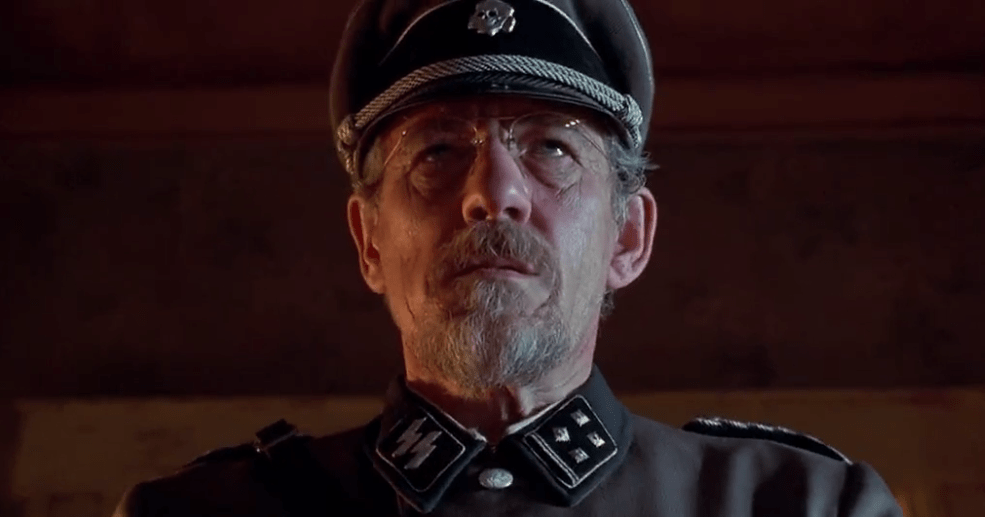
The only novella from DifferentSeasons written in the third-person, Apt Pupil is about the monsters that hide in plain sight. Teenager Todd recognizes his elderly neighbor as Nazi war criminal Kurt Dussander and blackmails Dussander into telling him tales from his Holocaust days while wearing his old SS uniform. As Todd and Dussander begin a homicidal pas de deux, King forces us to accept that there is more than one monster in this story.
Apt Pupil was adapted into a 1998 feature film starring Ian McKellen and Brad Renfro. It’s my least favorite of the Different Seasons movies, but it’s buoyed by terrific performances; McKellen, not surprisingly, is especially great, but the supporting cast includes talents like Joe Morton, James Karen, Ann Dowd, and Bruce Davison.
Fun fact: Apt Pupil also co-starred David Schwimmer in one of his earliest dramatic roles. Director Bryan Singer had seen Schwimmer, then best known for Friends and romantic comedies like The Pallbearer and Kissing a Fool, in a stage play and knew he had the chops for drama.
The Body (“Fall from Innocence”)
“I never had any friends later on like the ones I had when I was 12 – Jesus, did you?”
The Body is one of King’s most autobiographical works, a coming-of-age story for the ages. Our King stand-in is Gordie LaChance, an aspiring writer who goes on a journey with his three best pals to find the dead body of a missing boy. Gordie, neglected at home following the death of his favored older brother, is looking not only for the body of Ray Brower but for something else he can’t quite define. With The Body, King found a way to work through some of his childhood trauma; as a child, King witnessed a friend get struck and killed by a train, though he apparently had no recollection of the event when he came home in shock, unable to speak. Gordie’s inattentive parents fill in for King’s father David, who abandoned his family when King was just two years old. And finally, King once had a run-in with some nasty leeches, inspiring one of the story’s more memorable passages (and yes, he really did have a leech “down there”).
The Body was adapted into the 1986 masterpiece Stand By Me, which earned an Academy Award nomination for Bruce A. Evans and Raynold Gideon’s stellar screenplay and two Golden Globe nominations: Best Motion Picture – Drama and Best Director for Rob Reiner. And that cast! The four young actors who played Gordie and his friends – Wil Wheaton, River Phoenix, Jerry O’Connell, and Corey Feldman – were each so perfect for their respective roles that it’s impossible to imagine them being played by anyone else. Not to mention Kiefer Sutherland, so icily evil as antagonist Ace Merrill, and Richard Dreyfuss, credited as “The Writer”, who also provides the film’s narration as the adult Gordie. Stand By Me is a perfect movie, an endlessly rewatchable coming-of-age classic.
Fun fact: Wil Wheaton and Jerry O’Connell weren’t acting scared enough for the train scene, necessitating multiple takes in the 100-degree California sun. With crew members starting to grumble, Rob Reiner resorted to shouting at the boys, who nailed the scene on the next take (see clip below for the full story).
“Suck my fat one, you cheap dimestore hood” is one of my favorite cinematic comebacks of all time
By the way, Wil Wheaton is now 50, a dozen years older than Richard Dreyfuss was when Stand By Me was filmed, and I’m still waiting for him to start looking like Dreyfuss.
This gorgeous fan art is by French artist Patrick Léger
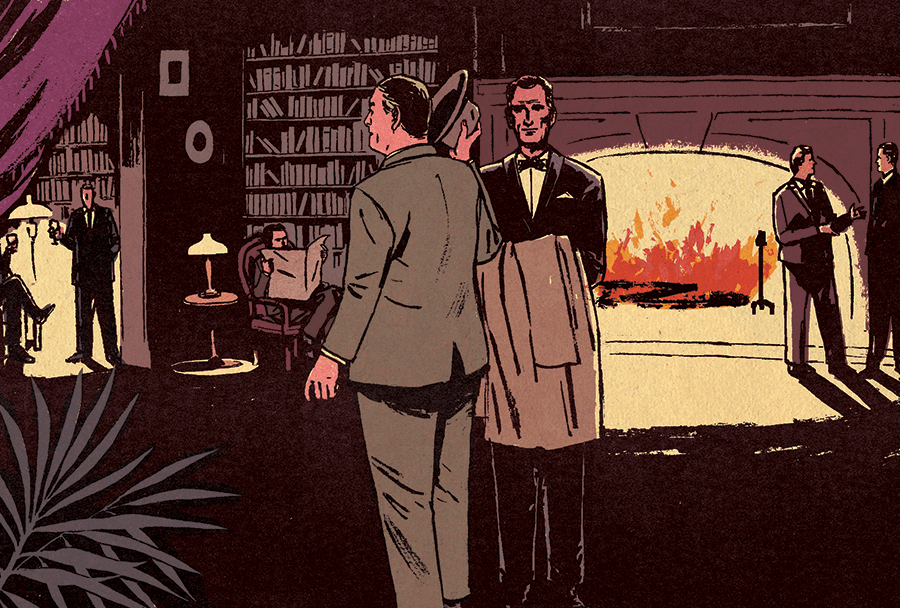
A story-within-a-story, The Breathing Method is the most overtly horrific of the four novellas. In the frame story, a Manhattan lawyer named David joins an exclusive men’s club whose members love to tell macabre stories. David recalls for the reader the night Doctor Emlyn McCarron recounted the tale of a young woman determined to give birth to her out-of-wedlock child, and this is where our nested story begins. Sandra, the mother-to-be, has mastered the doctor’s controversial new breathing method (what we now know as Lamaze); on the way to the hospital, Sandra is involved in a grisly car accident and Dr. McCarron learns the lengths to which she will go to deliver her baby.
The Breathing Method is the only Different Seasons novella that hasn’t been adapted for the screen, although one is listed as being in development as of 2019.
Fun fact: The gentleman’s club featured in The Breathing Method is also the setting for King’s short story “The Man Who Would Not Shake Hands”, which appeared in his 1985 collection Skeleton Crew.
Archie Gates, Billy Tyne, Fred Friendly, Ryan Bingham, Frank Stokes – GEORGE CLOONEY (Three Kings, The Perfect Storm, Good Night, and Good Luck,Up in the Air, The Monuments Men)
Anita Hoffman, Paula Alquist, Dr. Constance Petersen, Sister Mary Benedict – INGRID BERGMAN (Intermezzo, Gaslight, Spellbound, The Bells of St. Mary’s)
Steve Randall, Brian Flanagan, Dr. William Harford, Les Grossman – TOM CRUISE (The Outsiders, Cocktail, Eyes Wide Shut, Tropic Thunder)
Dr. Rachel Mannus, Julianne Potter, Maggie Carpenter, Liz Gilbert – JULIA ROBERTS (Flatliners, My Best Friend’s Wedding, The Runaway Bride, Eat Pray Love)
Ben Quick, Lew Harper, Frank Galvin, Walter Bridge, John Rooney – PAUL NEWMAN (The Long, Hot Summer, Harper, The Verdict, Mr. and Mrs. Bridge, Road to Perdition)
Miss Casswell, Lorelei Lee, The Girl, Sugar Kane Kowalczyk – MARILYN MONROE (All About Eve, Gentlemen Prefer Blondes, The Seven Year Itch, Some Like It Hot)
Jack Crabb, Louis Dega, Mumbles, Shifu – DUSTIN HOFFMAN (Little Big Man, Papillon, Dick Tracy,Kung Fu Panda)
Suzanne Vale, Francesca Johnson, Mrs. Fox, Aunt March, President Orlean – MERYL STREEP (Postcards from the Edge, The Bridges of Madison County, Fantastic Mr. Fox, Little Women, Don’t Look Up)
Pvt. Trip, Gray Grantham, Coach Herman Boone, Detective Keith Frazier, Troy Maxson – DENZEL WASHINGTON (Glory, The Pelican Brief, Remember the Titans, Inside Man, Fences)
Amelia Donaghy, Sara “Sway” Wayland, Jane Smith, Grendel’s Mother – ANGELINA JOLIE (The Bone Collector, Gone in 60 Seconds, Mr. and Mrs. Smith, Beowulf)
Chip Diller, Valentine McKee, Captain Jack Ross, Sebastian Shaw, David Lindhagen – KEVIN BACON (National Lampoon’s Animal House, Tremors, A Few Good Men, X-Men: First Class, Crazy Stupid Love)
Birdie Pruitt, Sally Owens, Gracie Hart, Margaret Tate, Leigh Anne Tuohy – SANDRA BULLOCK (Hope Floats, Practical Magic, Miss Congeniality, The Proposal, The Blind Side)
Hubbell Gardiner, Johnny Hooker, Bishop, Alexander Pierce, Bill Bryson – ROBERT REDFORD (The Way We Were, The Sting, Sneakers, Captain America: The Winter Soldier, A Walk in the Woods)
Molly Jensen, Lt. Cdr. Galloway, Diana Murphy, Samantha Albertson, Jordan O’Neill – DEMI MOORE (Ghost, A Few Good Men, Indecent Proposal, Now and Then, G.I. Jane)
Hunter S. Thompson, Arthur Denton, Herman Blume, Bob Harris, FDR – BILL MURRAY (Where the Buffalo Roam, Little Shop of Horrors, Rushmore, Lost in Translation, Hyde Park on Hudson)
Alvy’s Date Outside Theatre, Ellen Mitchell, Gwen DeMarco, Ship’s Computer – SIGOURNEY WEAVER (Annie Hall, Dave, Galaxy Quest, WALL-E)
Allen Bauer, John Baskin, Scott Turner, Mr. White, Paul Edgecomb – TOM HANKS (Splash, Big, Turner & Hooch, That Thing You Do!, The Green Mile)
Amy Fowler Kane, Lisa Fremont, Georgie Elgin, Tracy Lord – GRACE KELLY (High Noon, Rear Window, The Country Girl, High Society)
Jefferson Smith, Elwood P. Dowd, Buttons A Clown, L.B. Jefferies, Linus Rawlings – JAMES STEWART (Mr. Smith Goes to Washington, Harvey, The Greatest Show on Earth, Rear Window, How the West Was Won)
Singer at Club, Breathless Mahoney, Mae Mordabito, Eva Peron – MADONNA (Vision Quest, Dick Tracy, A League of Their Own, Evita)
Last time out, I asked you to name a movie from a handful of its nameless characters (ICYMI: https://peanut-butter-and-julie.com/2022/08/02/pop-quiz-hot-shot-2/). This time, I’m giving you several characters played by a single actor or actress. All of these folks are A-listers and/or Oscar winners, past or present. I tried to stick to well-known movies, though I did manage to sneak in a couple of personal favorites. Without Googling, how many can you name? Come back in a day or two for the answers (I’ll provide the movie title for each character name, as well).
Archie Gates, Billy Tyne, Fred Friendly, Ryan Bingham, Frank Stokes
Anita Hoffman, Paula Alquist, Dr. Constance Petersen, Sister Mary Benedict
Steve Randall, Brian Flanagan, Dr. William Harford, Les Grossman
Dr. Rachel Mannus, Julianne Potter, Maggie Carpenter, Liz Gilbert
Ben Quick, Lew Harper, Frank Galvin, Walter Bridge, John Rooney
Miss Casswell, Lorelei Lee, The Girl, Sugar Kane Kowalczyk
Jack Crabb, Louis Dega, Mumbles, Shifu
Suzanne Vale, Francesca Johnson, Mrs. Fox, Aunt March, President Orlean
Pvt. Trip, Gray Grantham, Coach Herman Boone, Detective Keith Frazier, Troy Maxson
Amelia Donaghy, Sara “Sway” Wayland, Jane Smith, Grendel’s Mother
Chip Diller, Valentine McKee, Captain Jack Ross, Sebastian Shaw, David Lindhagen
Birdie Pruitt, Sally Owens, Gracie Hart, Margaret Tate, Leigh Anne Tuohy
Hubbell Gardiner, Johnny Hooker, Bishop, Alexander Pierce, Bill Bryson
German film director Wolfgang Petersen has died of pancreatic cancer at the age of 81. Petersen received critical acclaim – and two Oscar nominations – for 1981’s Das Boot. Petersen’s first English-language film was 1984’s The NeverEnding Story, based on the German fantasy novel by Michael Ende. He went on to direct 90s thrillers like In the Line of Fire, Outbreak, and Air Force One.
I am 100% here for this:
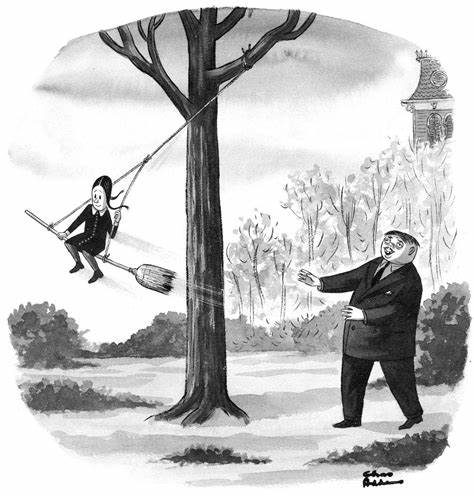
And for those people complaining about Luis Guzman (with Catherine Zeta-Jones, above left) being cast as Gomez, a reminder of what Gomez looked like in the original Charles Addams comic strip (right)
Glamour‘s YouTube channel has released the latest in their series, “Would They Wear That?”, and it covers one of my faves, A League of Their Own. Fashion historian Raissa Bretaña hosts the series, which basically fact-checks the wardrobe – head to toe – of a movie or television character. Previous entries in the series include Titanic, Grease, The Queen’s Gambit, and Mary Poppins.
On the heels of last week’s news that Lauren Ambrose would be joining the cast of Yellowjackets for its second season comes another juicy casting tidbit: Elijah Wood will play a fellow member of Misty’s citizen detective club named Walter. This isn’t the first time Wood and Christina Ricci have worked together; they both appeared in the 1997 gem The Ice Storm.
Christina Ricci and Elijah Wood in The Ice Storm
Five years after his death, Bill Paxton’s family has settled a wrongful death lawsuit with Cedars-Sinai Medical Center in Los Angeles. On February 14, 2017, Paxton underwent open heart surgery to repair a damaged aortic valve. Complications led to a second emergency procedure the following day; Paxton’s condition deteriorated over the next ten days and he died of a stroke on February 25. The family alleged that Paxton’s surgeon, Dr. Ali Khoynezhad, used “high-risk and unconventional” methods and that he was not present in the operating room when Paxton developed the arterial damage that necessitated the second surgery and ultimately led to his death.
Actor Gary Busey has been charged with two counts of criminal sexual conduct following an appearance at Monster-Mania Con in Cherry Hill, New Jersey. This isn’t the first time Busey has faced accusations of misconduct: in 2001, he was arrested amid allegations of spousal abuse by his ex-wife Tiani Warden and in 2011, he allegedly sexually assaulted a female member of the Celebrity Apprentice production team.
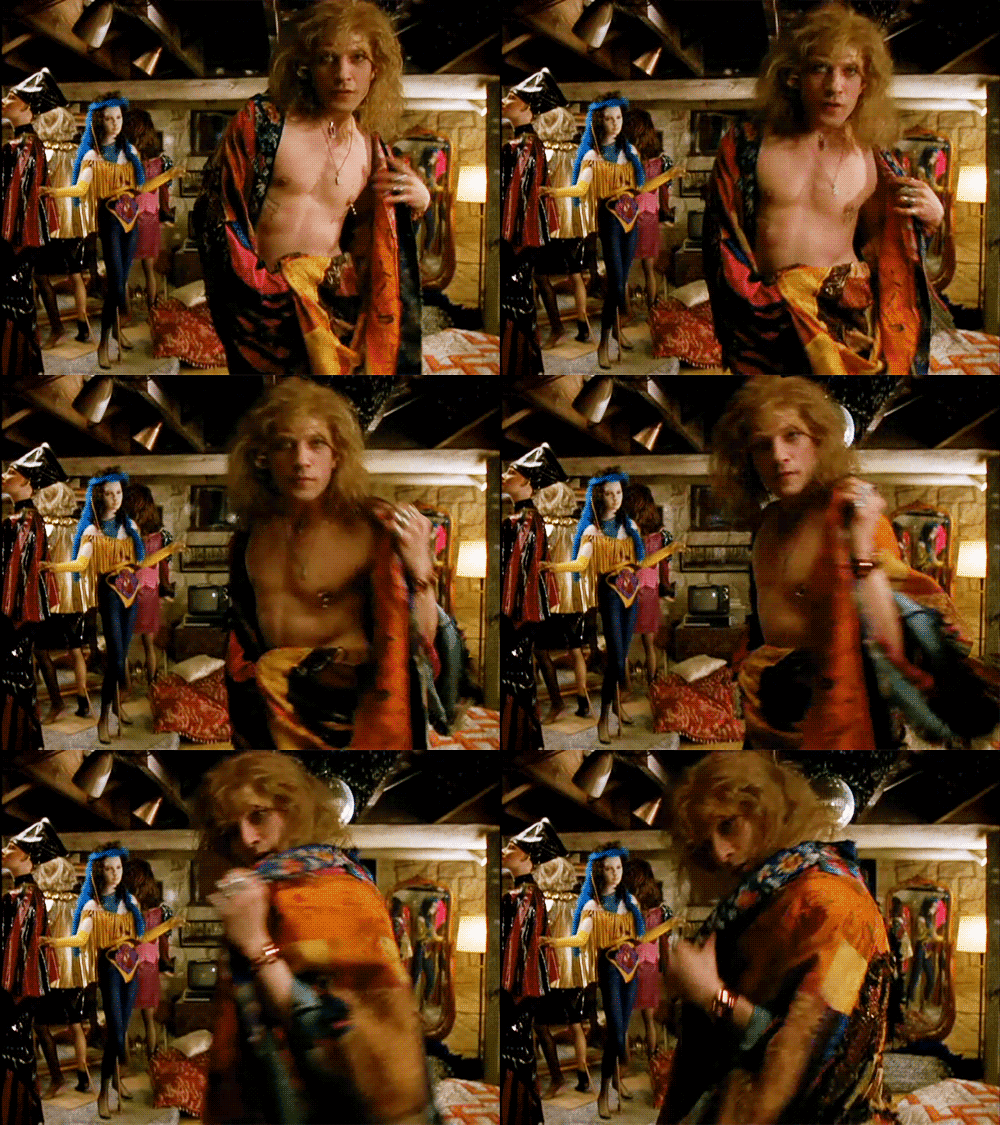
Musician Q Lazzarus (real name: Diane Luckey) has died following a brief illness. She is best known for the haunting 1988 synthpop single “Goodbye Horses”, which became a cult hit following its use in the infamous “tuck” scene from The Silence of the Lambs. Fun fact: Q used to drive a cab in New York City and one fateful day in 1985, she picked up director Jonathan Demme and played him the demo of “Goodbye Horses”. Demme loved the song so much that he featured it in both 1988’s Married to the Mob and Silence. Q Lazzarus was 61 years old.
Fun fact: this iconic scene was originally rehearsed to “Her Strut” by Bob Seger
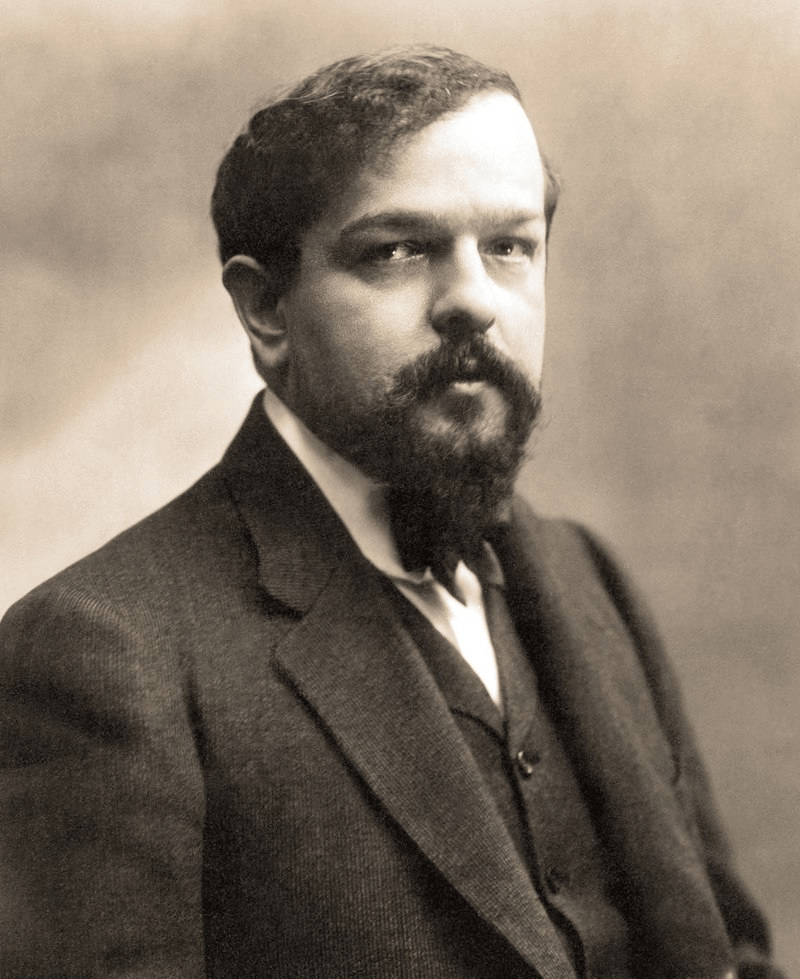
One of my favorite composers, Claude Debussy, was born on this day in 1862 in Saint-Germain-en-Laye, France. A piano prodigy from a young age, Debussy was accepted to the Conservatoire de Paris at age ten. A founding member of the Impressionist musical movement (though he vehemently rejected the label), Debussy preferred “symphonic sketches” to full operas or symphonies. Debussy was one of the most influential composers of the 20th century; among his acolytes were Béla Bartók, Igor Stravinsky, and Leoš Janáček.
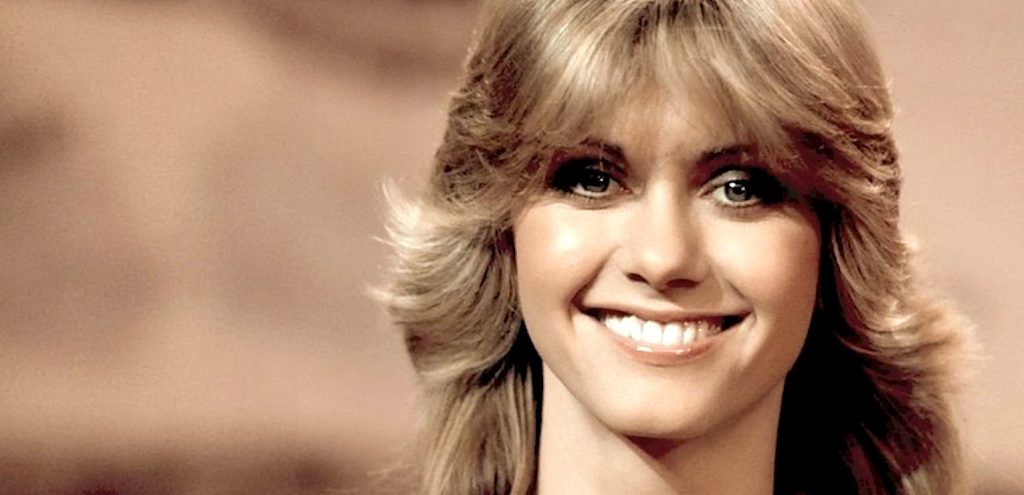
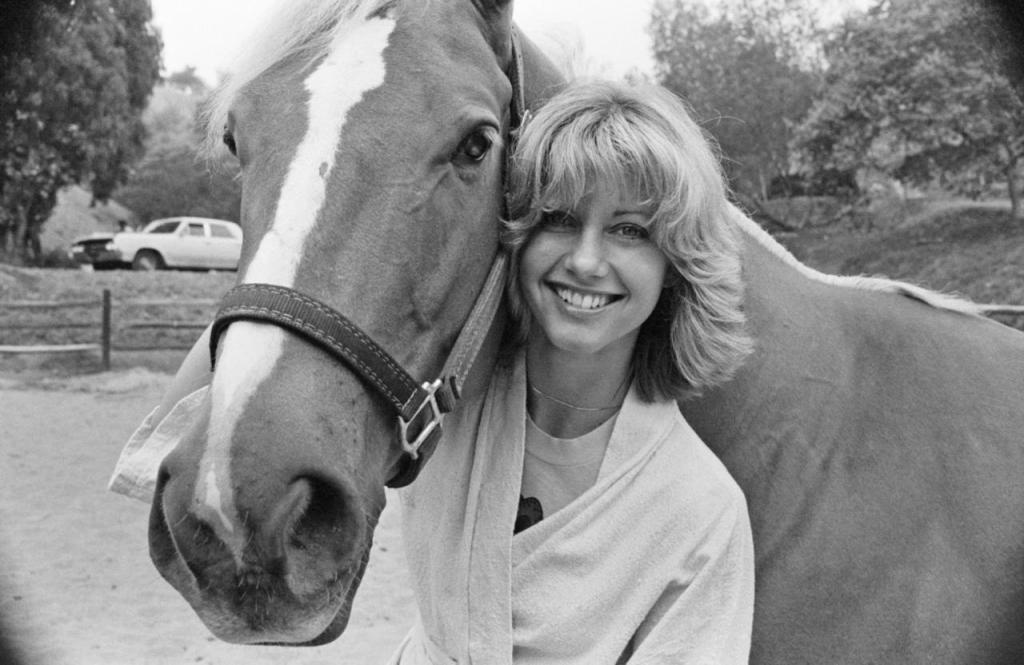
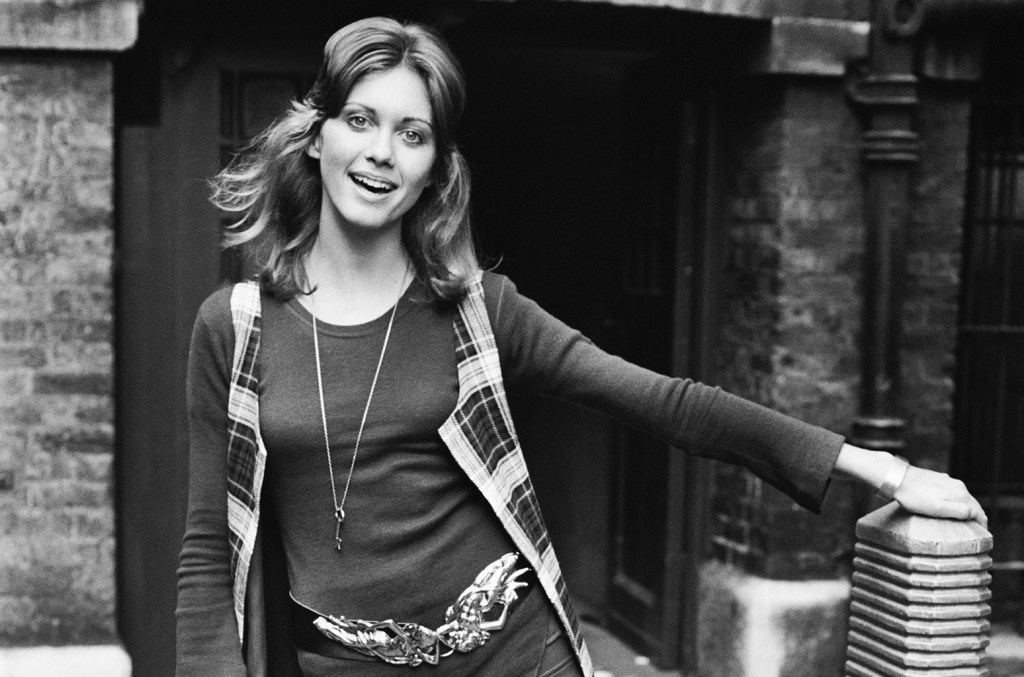
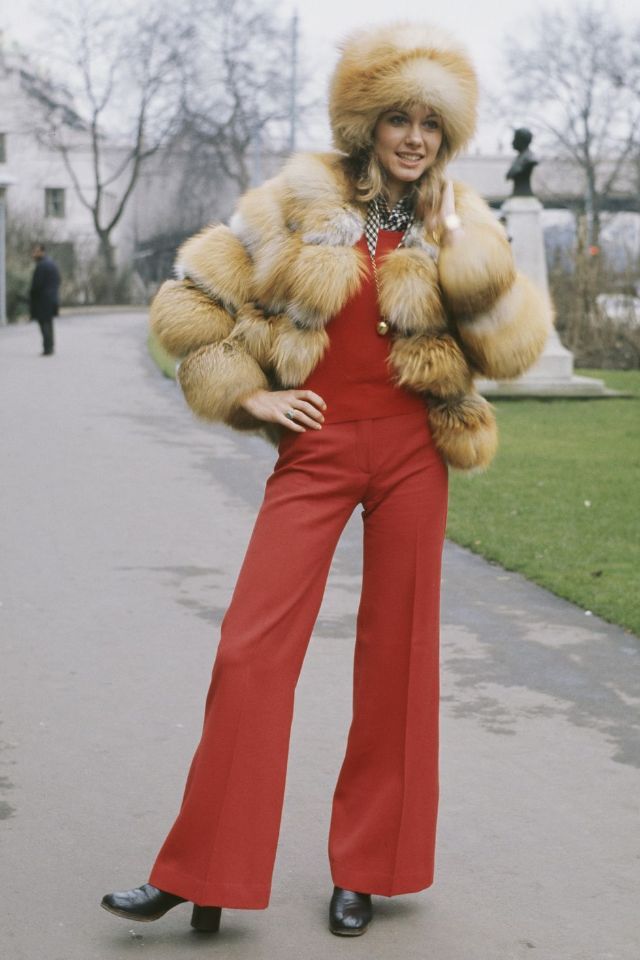
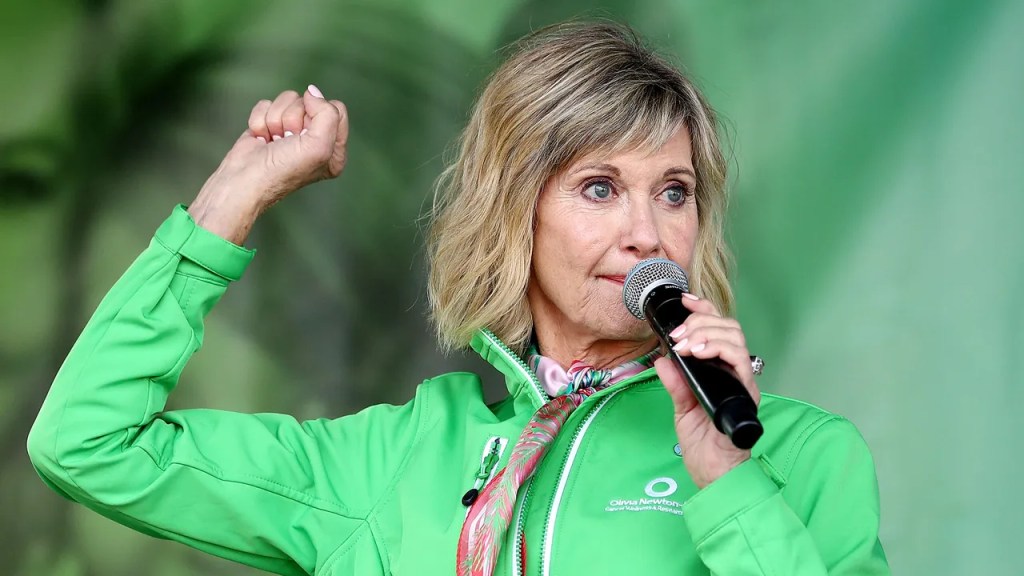
I dreaded the day I’d have to type these words: Dame Olivia Newton-John has passed away after her third bout with cancer. Newton-John was my first – and most enduring – pop music idol. She was my Taylor Swift, my Lady Gaga, my Lana Del Rey. I knew the lyrics to every song, often singing them into the hairbrush I pretended was my microphone. I fell in love with her (along with the rest of America) when she played Sandy in the iconic 1978 film adaptation of Grease. With her angelic voice and her wholesome beauty, she was Australia’s sweetheart, the world’s sweetheart, my sweetheart. Over the decades, other music loves have come and gone, but my hopeless devotion to Olivia Newton-John never faded.
Olivia Newton-John was born in Cambridge on September 26, 1948. Her family history is fascinating: her dad Brinley Newton-John was an MI5 officer who worked on the Enigma code-breaking project and helped bring Rudolph Hess to justice, and her Jewish maternal grandfather, Nobel Prize-winning physicist Max Born, fled Nazi Germany for Great Britain with his wife and kids prior to World War II. In 1954, Brinley was hired as a professor and master at Ormond College, University of Melbourne, and the Newton-John family – including Olivia’s older siblings Hugh and Rona – relocated to Australia (fun fact: from 1980 to 1985, Rona was married to Olivia’s Grease co-star Jeff Conaway).
Olivia Newton-John was just fourteen when she began performing professionally, appearing on televised talent shows, one of which – Sing, Sing, Sing – she won in 1965. Her prize was a trip to her native UK; she traveled there and began performing as a duo with Pat Carroll (not the one who voiced Ursula in The Little Mermaid). Pat introduced Newton-John to her boyfriend (and later husband), songwriter and producer John Farrar, with whom Olivia would collaborate frequently – and very successfully – over the next two decades. When Carroll’s visa expired, forcing her to return to Australia, Newton-John opted to remain in the UK as a solo artist. She recorded her debut album, If Not for You, at Abbey Road studios.
If Not for You was released on November 1, 1971, when Newton-John was just 23 years old. The album’s first single was the title track, a cover of the Bob Dylan song (more accurately, it was a cover of George Harrison’s cover of the Bob Dylan song). The single went to #7 in the UK, #14 in Australia, and #25 in the US. Her 1972 follow-up, simply titled Olivia, failed to make much of an impact, but an international tour with her good friend Cliff Richard helped win Newton-John some new fans.
In 1973, Newton-John released her third album, Let Me Be There, which included tracks from her first two albums as well as some newly recorded material. The title track was her first US top ten hit and earned Newton-John her first Grammy Award for Best Female Country Vocal Performance. In 1974, Newton-John competed in the Eurovision Song Contest with “Long Live Love”, a song chosen for her by the British public. She would later admit she disliked the song and I gotta be honest, it’s terrible (that was the year ABBA won for “Waterloo” and I can’t imagine a different Olivia song would have changed the outcome). Newton-John recorded two other singles in 1974, “If You Love Me (Let Me Know)” and “I Honestly Love You”, which became her first US #1 – and her signature song. “I Honestly Love You” won her two more Grammys: Record of the Year and Best Female Pop Vocal Performance (it lost Song of the Year to “The Way We Were”, which I think was the right call).
In 1975, Newton-John released her fifth album, Have You Never Been Mellow. The album and its title track both went to #1 in the US; a second single, “Please Mr. Please”, made it to #3. Over the next three years, Newton-John would release four more studio albums and several singles (including a cover of Bee Gees’ “Come On Over”, “Don’t Stop Believin'”, and “Sam”), as well as her first greatest hits compilation. Then, in 1978, everything changed; Newton-John made the transition from pop star to movie star.
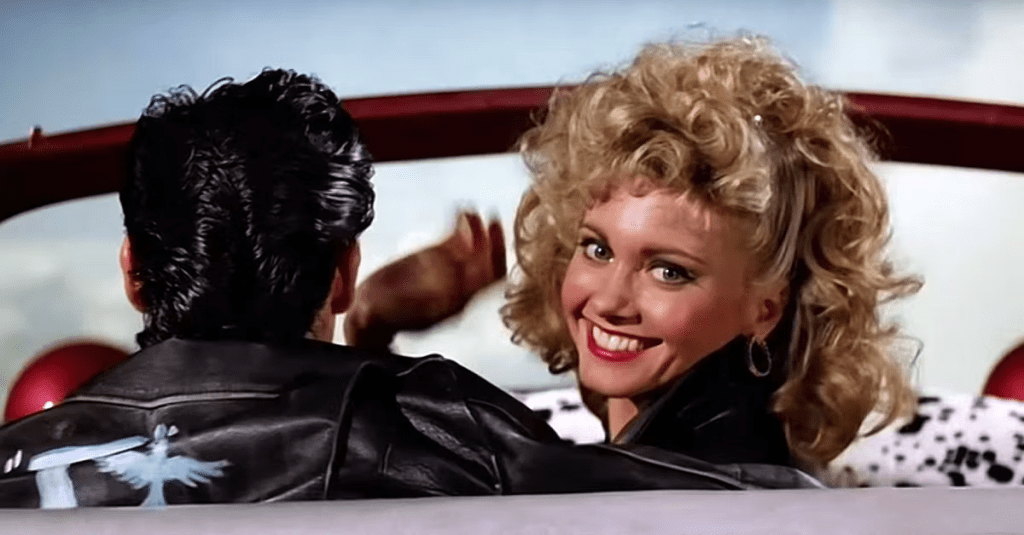
Grease, released on June 16, 1978, was the highest-grossing movie of the year; it went on to become one of the most iconic and beloved movie musicals of all time. Newton-John was initially hesitant to accept the role of Sandy, concerned that at age 28 she was too old to believably play a teenager, but she agreed to do a screen test with John Travolta. The pair had off-the-charts chemistry, but Newton-John struggled with the American accent, so Sandy Dumbrowski from Chicago became Sandy Olsson from Australia. Grease earned more than $132 million in its initial theatrical run, becoming the highest-grossing live-action musical ever (a record it held until 2012 when it was beaten by Les Misérables). The soundtrack was also a smash hit, selling an estimated 28 million copies worldwide, and went to #1 in twelve countries. The album generated four top-five hits: the Barry Gibb-penned title track (sung by Frankie Valli), “You’re the One That I Want”, “Hopelessly Devoted to You” and “Summer Nights”. Grease was nominated for one Oscar, Best Original Song for “Hopelessly Devoted to You” (it lost to “Last Dance” from Thank God It’s Friday).
Best. Makeover. EVER.
It is impossible to overstate the impact Grease had on me. It is the first movie that I definitively remember seeing at the cinema: I went with my mom and my sister and I wore a peach-colored sundress my mom had made for me. We saw a preview for The Swarm, which scared the shit out of me (for months afterward, I was convinced I would die by a swarm of killer bees). The soundtrack album went into regular rotation in my house (fun fact: I broke a bone in my foot dancing to it when I was in the 6th grade). Grease was a rare phenomenon – a global, timeless icon – but for me, it’s always felt quite personal, because it launched my lifelong love affair with Olivia Newton-John (it also launched HER lifelong friendship with John Travolta).
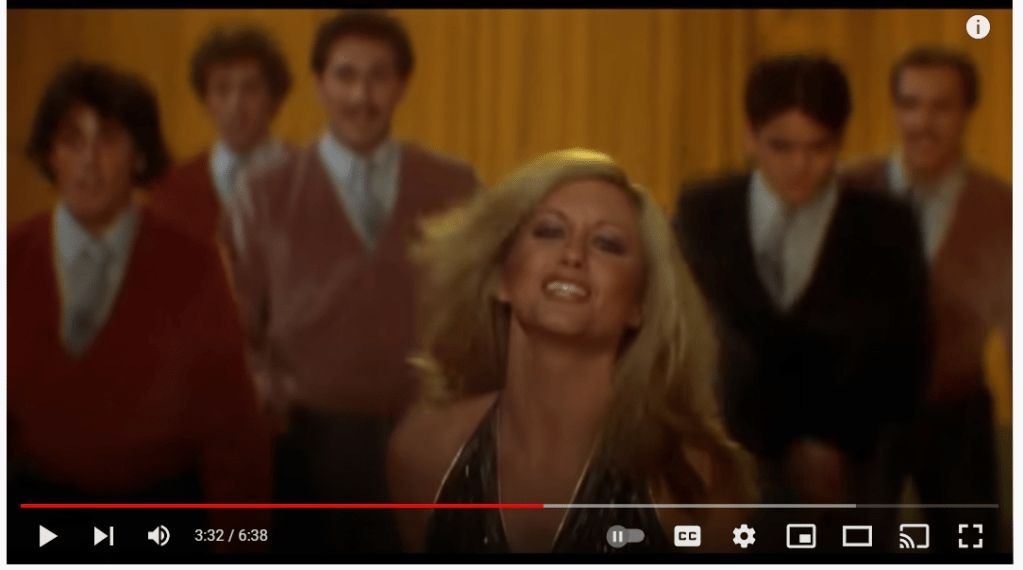
Now a bona fide movie star, Newton-John embraced Sandy’s makeover look for the cover of her next studio album, Totally Hot. Released in November 1978, with Grease still dominating popular culture, Totally Hot was more challenging vocally and harder musically than anything she’d done before, incorporating synthesizers, electric guitar, and vocoder. Totally Hot, while extremely PG, helped Newton-John shed her wholesome image for good; it was also her most successful outing yet, the first of her studio albums to go platinum. The album generated three singles: “A Little More Love”, “Deeper Than the Night”, and the title track, and it is absolutely my favorite ONJ album. In 1979, Newton-John prepared to film her follow-up to Grease, a roller-disco musical fantasy called Xanadu.
She made this look so easy (it’s not)
Totally Hot‘s first track, “Please Don’t Keep Me Waiting”, demonstrates Newton-John’s insane three-octave vocal range
What to say about 1980’s Xanadu? It is a cult classic, a campy holdover from a less cynical time, and my ultimate guiltless pleasure (for reference: https://peanut-butter-and-julie.com/2021/04/14/guiltless-pleasures/). The plot – Newton-John plays a muse named Kira sent to earth to inspire a struggling artist (Michael Beck), who decides to open a nightclub with a big band musician (Gene Kelly in his final film role) who was also once acquainted with Kira – is beyond ridiculous, but who cares when you’re having this much fun? (My middle sister, who had to take me to see Xanadu at the movie theater, didn’t have so much fun, but I was on cloud nine) Xanadu tanked at the box office, putting a damper on Newton-John’s movie career (though she would make film and television appearances for the remainder of her life) and inspired the inaugural Golden Raspberry Awards, which is too bad because she’s lovely and charming (plus, Gene fucking Kelly). And the music kicks so much ass: Newton-John performs six songs, including duets with The Tubes (“Dancin'”), Cliff Richard (“Suddenly”), Gene Kelly (“Whenever You’re Away from Me”), and ELO (“Xanadu”). Xanadu turned out to be magical for Newton-John’s personal life as well (more on that later).
I will never apologize for how much I adore this movie.
Gene Kelly choreographed this number and put Newton-John through the paces to make sure she could handle the steps (she could)
As Newton-John’s film career came to an unfortunate halt, her music career was about to reach its apex with 1981’s Physical. The album’s lead-off single was the title track, released on September 28, 1981. The single and its accompanying video went into regular rotation on radio and the fledging MTV; “Physical” spent a record-tying ten weeks at #1 (that record has since been broken) and was the top-selling single of the year. It also generated some controversy due to its suggestive lyrics (gasp!) and Newton-John’s sexy, assertive new persona. I personally recall my sister’s friend who – in response to the lyrics “There’s nothin’ left to talk about unless it’s horizontally” – said something like “Well, you could do it vertically” (no, I’m not going to admit how long it took me to figure out that joke). I also remember repeating it to my mother – because, again, I DIDN’T GET THE JOKE – who was appalled (apparently, my mom did get the joke).
Lyrically, Physical was more mature than anything Newton-John had recorded before. Yes, there were love songs, but there were also songs about sex and infidelity and heartache, as well as hints at her future as an environmental activist – “Silvery Rain” – and animal rights advocate – “The Promise (The Dolphin Song”). Physical also featured an iconic cover with photography by the legendary Herb Ritts (during the same shoot, Ritts also photographed Newton-John swimming with dolphins for the album’s inner sleeve).
I have no idea what’s going on here, but oh, those heavenly harmonies at 2:34!
Physical produced two more singles, “Make a Move on Me” and “Landslide”, as well as a Grammy-winning video album (an expanded version of which became a highly-rated ABC television special titled Let’s Get Physical). In 1982, Newton-John embarked on a North American tour to support Physical. That same year, she released Olivia’s Greatest Hits Vol. 2 with two previously unreleased songs, “Heart Attack” and “Tied Up” (both were recorded during the Physical sessions). Olivia’s GreatestHits Vol. 2 went multi-platinum and was the tenth best-selling album of 1982. Also in ’82, Newton-John performed two duets (“Rest Your Love on Me” and “I Can’t Help It”) with Andy Gibb for his third and final studio album, After Dark.
In 1983, Newton-John reunited with Grease co-star John Travolta for Two of a Kind. The movie flopped, putting the nail in the coffin of Newton-John’s movie career for good, but the soundtrack was a success. “Twist of Fate”, the album’s lead-off single, was Newton-John’s final top five hit. Also in 1984, she recorded a duet with Barry Gibb called “Face to Face” for his solo album Now Voyager.
By the mid-80s, marriage, motherhood, and other interests put Newton-John’s musical career on the back burner, though she recorded two more pop albums, 1985’s Soul Kiss and 1988’s TheRumour. Inspired by her young daughter, she recorded an album of lullabies, titled Warm and Tender, in 1989. She released a third compilation, 1992’s Back to Basics: The Essential Collection 1971-1992, and was preparing for a comeback when she received her first breast cancer diagnosis. She underwent a partial mastectomy, a breast reconstruction, and nine months of chemotherapy. She became an advocate for breast cancer awareness and research, later opening the Olivia Newton-John Cancer Wellness & Research Centre in Melbourne (https://www.onjcancercentre.org/). She explored alternative wellness options and became an advocate for medical marijuana. She found solace in spirituality. And she kicked cancer’s ass (she did it again in 2013).
Australia’s sweetheart obviously had to make an appearance at the 2000 Summer Olympics in Sydney
Newton-John’s 2010 appearance on Glee
Newton-John continued to act, record, and perform throughout the remainder of her life. Though she never recaptured her late ’70s/early ’80s glory, she didn’t need to: her status as a legend and icon had already been cemented. In 2012, Newton-John completed a world tour that included a stop in my small midwest city. I’d never seen her live before and was thrilled to finally have the opportunity. She looked and sounded amazing, still squeezing into leather pants at the age of 63, still singing like an angel. It was an evening I’ll never forget.
Newton-John was a guest judge on a 2015 episode of Rupaul’s Drag Race, where the queens lip-synced to “Twist of Fate”
Also in 2015, Newton-John had her first #1 single on the Billboard Dance Club chart with this duet with daughter Chloe Lattanzi
In 2017, Newton-John learned that her cancer had metastasized to her bones (after an initial misdiagnosis of sciatica); she completed radiation therapy and used cannabis to help ease the pain of extremely painful-sounding bone lesions. Her entire life, Olivia Newton-John gave to others; through her music, her films, her advocacy for the environment and animals and cancer research and wellness, and her UN goodwill ambassadorship. She has given me so much in my lifetime: I wanted to sing like her, to look like her (trust me, I did not pull off that Physical haircut), to be like her. I admired her. I was inspired by her. I wanted to name a child after her. Olivia Newton-John died peacefully at her Santa Ynez Valley home on Monday, surrounded by her loved ones. She was 73 years old. I will miss her profoundly, but she will live in my heart forever.
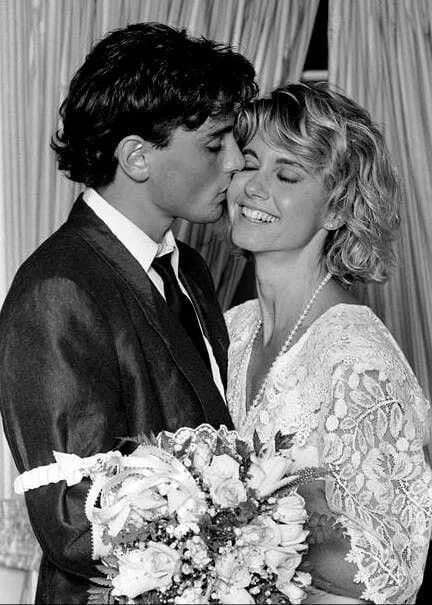
On the set of Xanadu, Newton-John met dancer Matt Lattanzi (that’s him on the far left, from the film’s final scene). The two fell in love, eventually marrying and having a child (Chloe Rose) before divorcing in 1995, though they remained friends. Matt is said to be devastated by her passing. In 2008, Newton-John married businessman John Easterling; they remained together until her death
*** SPOILER ALERT: This post contains spoilery info about Netflix’s The Gray Man and Showtime’s Yellowjackets ***
*** CONTENT WARNING: This post contains references to death, murder, and suicide ***
Anne Heche has died from injuries she sustained on August 5 when she crashed her vehicle into a house, resulting in a fire that left Heche severely burned (thankfully, the house’s occupants are all okay). She was declared brain dead on August 11 but was kept on life support while organ donation recipients were located. Despite an award-winning career that spans more than fifty films and numerous television series (including Men inTrees and Hung), Heche was probably best known for her three-year relationship with Ellen DeGeneres (and her very public mental health crises). She was 53 years old; she leaves behind two children.
Heche came to prominence in 1987, when she began a four-year stint as twins Vicky and Marley on Another World (she was offered the role just before her high school graduation). She won a Daytime Emmy Award and two Soap Opera Digest Awards for her performance.
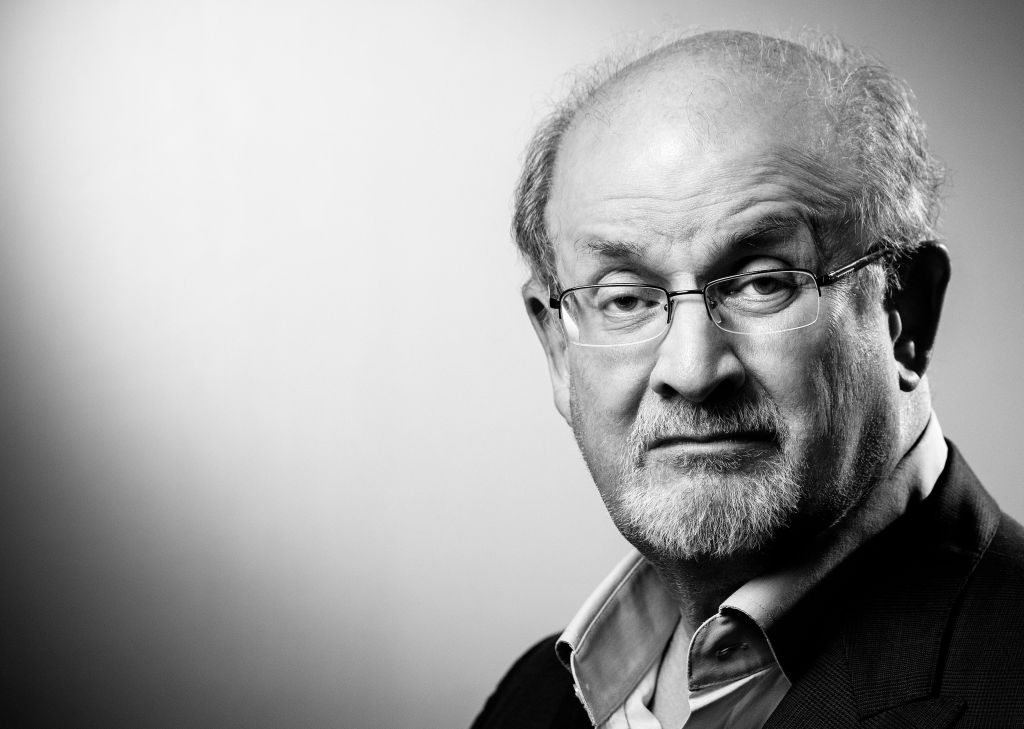
Thirty-four years after the publication of The Satanic Verses led to calls for his assassination (if you’re not familiar with the context: https://en.wikipedia.org/wiki/The_Satanic_Verses_controversy), Salman Rushdie was stabbed multiple times on Friday. His injuries were severe but he made it through surgery and is said to be on the “road to recovery”. The attack occurred at the Chautauqua Institution, where Rushdie was scheduled to give a lecture. Police apprehended the suspect at the scene.
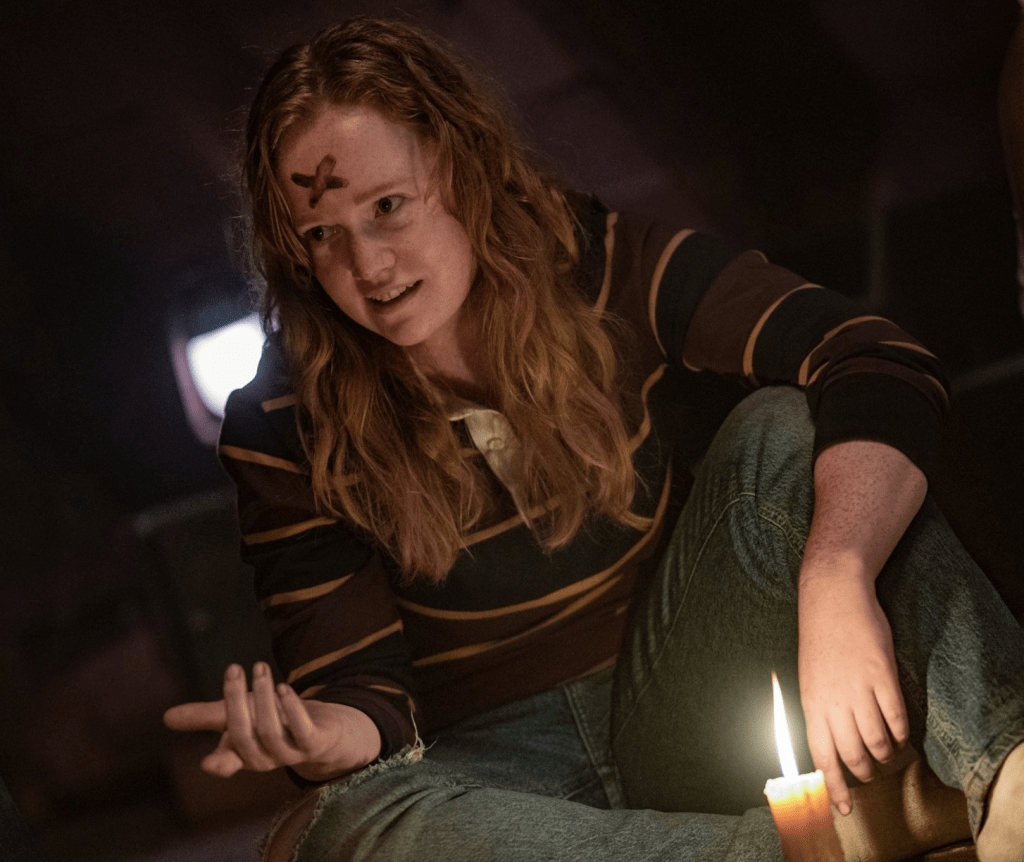
I couldn’t imagine better casting news: Lauren Ambrose, best known for her Emmy-nominated turn as Claire Fisher on Six Feet Under, will join the cast of Yellowjackets for season two. She’ll play the adult version of – SPOILER ALERT – Van; Liv Hewson, who plays teenage Van, will be promoted to series regular as well. One of my favorite things about Yellowjackets is the expert casting of the older and younger versions of each character, a trend I’m confident will continue with Hewson and Ambrose.
Liv Hewson as 1996 Van in season oneLauren Ambrose
Speaking of casting, Stranger Things‘ casting director Carmen Cuba shared some amazing stories about the casting process as well as adorable clips from the actors’ auditions.
Netflix has released the first look at the absolutely terrifying-looking Guillermo del Toro’s Cabinet of Curiosities. The anthology series will debut on October 25, just in time for Halloween.
I found out the other day that my husband had never seen Dodgeball: A True UnderdogStory, so I obviously immediately remedied that (it’s on HBO Max, by the way). Fun fact: the film’s original ending had Average Joe’s losing to Globo Gym in the finale. Test audiences balked and a new ending – including the infamous “Milkshake” post-credits sequence – was added.
“If you can dodge a wrench, you can dodge a ball!” (Seriously, how awesome was Rip Torn?)
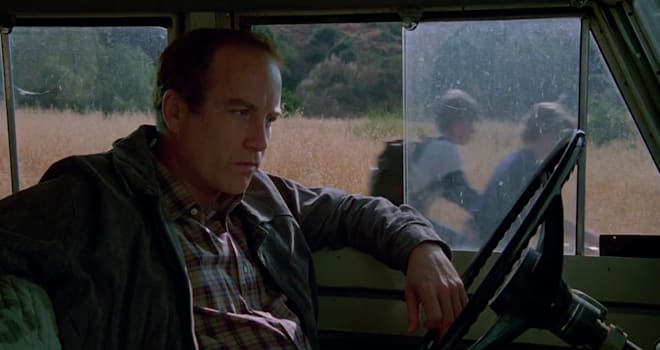
Hubby and I also recently watched the Russo brothers’ The Gray Man on Netflix. Based on the novel by Mark Greaney, The Gray Man stars Ryan Gosling, Ana de Armas, and Chris Evans. Also appearing is the exquisite Julia Butters, who was so wonderful in Once Upon a Time In Hollywood. Butters is just thirteen years old; I predict a bright, award-filled future for this youngster. So is The Gray Man worth the $200 million Netflix spent on it? Probably not, but it’s entertaining enough. The action zips along at a breakneck speed and the cast – which also includes legends Alfre Woodard and Billy Bob Thornton – is game. But The Gray Man really comes alive when Evans is onscreen. As psychopathic assassin Lloyd Hansen, Evans is having way more fun than anyone doing their job has a right to. It’s too bad – SPOILER ALERT – Hansen dies at the movie’s end; perhaps the already-announced sequel will be a prequel so we can get more Evans? Or I could just watch this six-minute video of Hansen’s highlights.
“Don’t say ‘preternatural’ to me. It’s an asshole word.” will always be funny to meChris Evans tweeted a picture of his dog Dodger wearing Lloyd Hansen’s sweater (shrunken original or replica, I’m not sure)
After a premiere at the Cannes Film Festival, A Place in the Sun opened on August 14, 1951. Fun fact: A Place in the Sun won the first Golden Globe for Best Motion Picture – Drama. That’s the only “fun” thing about this classic, which is based on Theodore Dreiser’s 1925 novel An American Tragedy (it lives up to its name). A Place in the Sun was a commercial and critical success; it received nine Oscar nominations including Best Picture and won six awards including Best Director (George Stevens), Best Screenplay (Michael Wilson and Harry Brown), Best Costume Design (Edith Head), and Best Original Score (Frank Waxman). I’ll admit I’ve never seen it, and I want to fix that but this movie sounds bleak as fuck (it is available to stream on Hoopla if you’re in the mood for bleakness).
Among A Place in the Sun‘s Oscar nominees were lead actors Montgomery Clift and Shelley Winters (they lost to Humphrey Bogart for TheAfricanQueen and Vivien Leigh for A Streetcar Named Desire, respectively). The film itself lost Best Picture to An American in Paris, with which it shared Golden Globe honors. George Stevens won the Best Director prize, an achievement he repeated five years later for Giant.
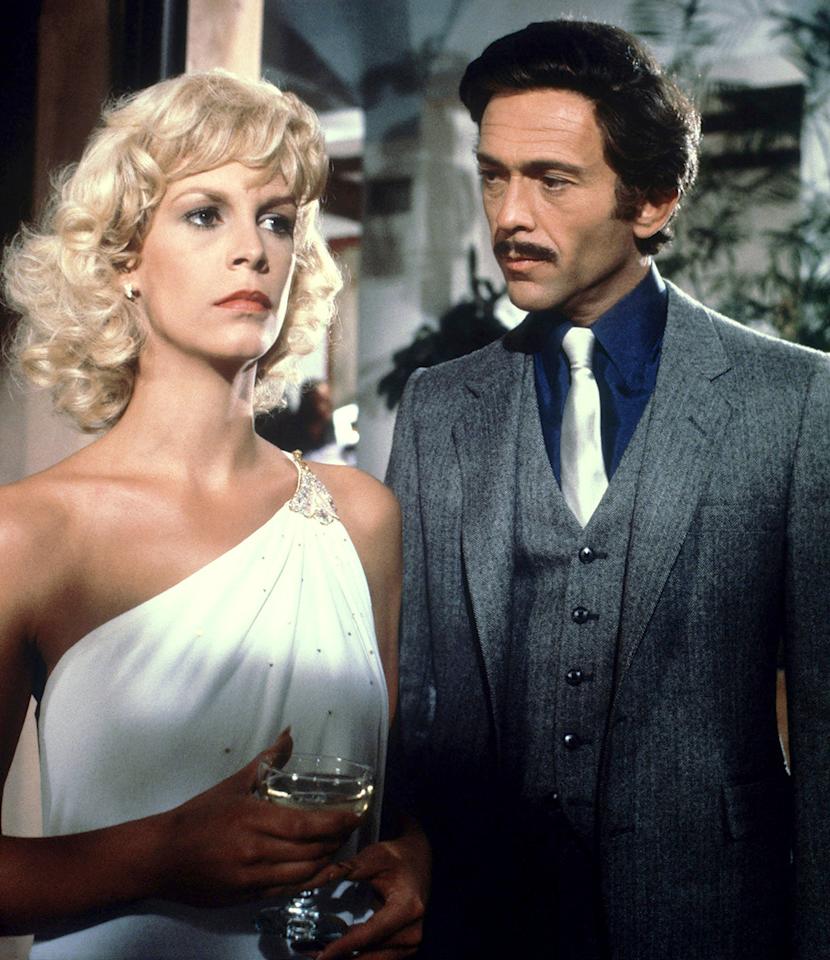
Dorothy Stratten was murdered on August 14, 1980, by her estranged husband Paul Snider (who then turned the gun on himself). She was just twenty years old. Stratten, 1980’s Playboy Playmate of the Year, was making a go of an acting career and had recently finished work on her most significant film role to date, in Peter Bogdanovich’s They All Laughed. She’d also begun a romance with Bogdanovich while attempting to arrive at a divorce settlement with her abusive ex. Stratten’s murder was dramatized in two films: 1981’s made-for-television movie Death of a Centerfold: The Dorothy StrattenStory, which starred Jamie Lee Curtis as Stratten and Bruce Weitz as Snider, and the 1983 feature film Star 80. The latter was directed by Bob Fosse (it was his final movie, actually), and Stratten and Snider were played by Mariel Hemingway and Eric Roberts, who won the Best Actor prize from the Boston Society of Film Critics.
Dorothy StrattenMariel Hemingway as Stratten in the poster for Star 80Jamie Lee Curtis and Bruce Weitz in Death of a Centerfold: The Dorothy StrattenStory
On August 15, 1965, The Beatles performed for 55,000 – their largest audience ever – at Shea Stadium. The show is considered the first major stadium rock concert, just another way the band was ahead of their time. Their set list included “Twist and Shout”, “Ticket to Ride”, “Can’t Buy Me Love”, “A Hard Day’s Night”, and “Help!” Among the 55,000 people in attendance were future Beatle wives Linda Eastman and Barbara Bach.
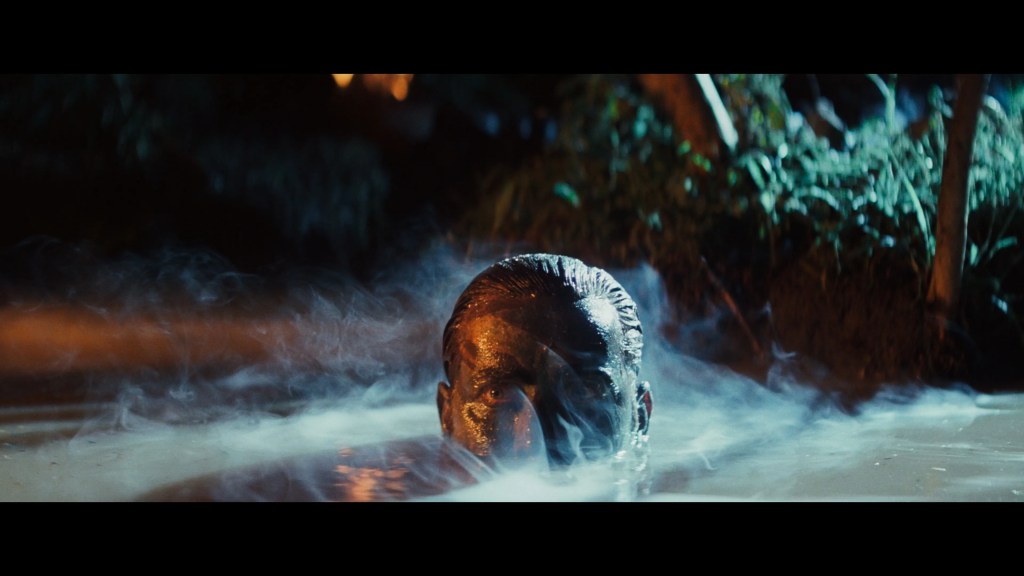
Francis Ford Coppola’s Apocalypse Now opened on August 15, 1979, after winning the Palme d’Or at the 32nd Cannes Film Festival. Loosely based on the Joseph Conrad novella Heart of Darkness, Apocalypse Now was a critical and commercial success and received eight Oscar nominations (inexplicably, Martin Sheen – who literally almost died for this role- was not nominated for Best Actor). At the 52nd Academy Awards, the film took home just two statues, for Best Cinematography and Best Sound (the night’s big winner was Kramer vs. Kramer). Regardless, Apocalypse Now is one of the greatest films ever made.
Among the cast members, the only Oscar nominee was Robert Duvall (Best Supporting Actor), who also gets the film’s most iconic line of dialogue
Chef, author, television personality, and all-around badass Julia Child was born on August 15, 1912. Child’s unbridled enthusiasm for food earned her generations of fans. Her groundbreaking, Peabody Award-winning PBS series The French Chef was one of the first programs to bring cooking into people’s living rooms (fun fact: it was also, in 1972, the first show to use captions for the hard of hearing).
Jason Robards would have celebrated his 100th birthday this year. One of the all-time greats, as well as one of my personal favorites, Robards was an eight-time Tony nominee (the most for any male actor in history), one of twenty-four people to ever earn the prestigious Triple Crown of Acting (more on that later), and one of just five actors to win back-to-back Academy Awards.
Jason Nelson Robards Jr. was born in Chicago on July 26, 1922. Jason Sr.’s acting career took the family to New York City and later to Los Angeles. Jason Jr. attended Hollywood High School, where he excelled in athletics. After high school, Robards enlisted in the United States Navy. He was a radioman 3rd class on the USS Northampton, which was about 100 miles off the coast of Hawaii on December 7, 1941. Robards saw combat in the Pacific theater; the Northampton was sunk by Japanese torpedoes during the Battle of Tassafaronga on November 30, 1942. Robards survived the sinking by treading water for hours.
Jason Robards Sr. in 1948’s Guns of Hate
While Robards was still in the Navy, he found a copy of Eugene O’Neill’s Strange Interlude in the ship’s library (he would go on to appear in the stage and screen versions of several O’Neill works). After completing his military service, Robards attended the prestigious American Academy of Dramatic Arts in New York City. Upon graduating in 1948, Robards quickly found success on the stage. He earned his first Tony nomination in 1957 for his featured performance in O’Neill’s Long Day’s Journey into Night. Two years later, Robards won his only Tony on his second nomination, for The Disenchanted; between 1960 and 1978, he received six more Tony nominations.
Robards with Maureen Stapleton in 1960’s Toys in the Attic, which earned Robards his third Tony nomination
In 1959, Robards made his feature film debut in The Journey. Three years later, he starred in the film adaptation of Long Day’s Journey Into Night, for which he won the Best Actor prize from both the Cannes Film Festival and the National Board of Review. In 1965, Robards earned mainstream success – and a Golden Globe nomination – for his performance in A Thousand Clowns. Over the next ten years, Robards starred in some of the most iconic films of the time, including Once Upon a Time in the West, Tora! Tora! Tora!, Pat Garrett and Billy the Kid, and A Boy and His Dog. He received back-to-back Supporting Actor Oscars for his turns as Ben Bradlee and Dashiell Hammett in 1976’s All the President’s Men and 1977’s Julia, respectively; he earned his third and final Oscar nomination in 1980 for his role as Howard Hughes in Jonathan Demme’s delightful Melvin and Howard.
Robards continued to work steadily throughout the 80s, starring in feature films like Max Dugan Returns and Parenthood (a personal favorite) and in television movies such as The Day After and Inherit the Wind. For the latter, Robards won a Primetime Emmy for his performance as Clarence Darrow’s stand-in Henry Drummond, completing the aforementioned Triple Crown. So what is the Triple Crown of Acting? It consists of an Oscar, a Tony, and an Emmy – the industry’s three most prestigious awards. As of 2022, only twenty-four people have earned the Triple Crown, including legends like Ingrid Bergman, Rita Moreno, Maggie Smith, Al Pacino, Frances McDormand, and Viola Davis (I might explore the list in detail in a later post).
Robards stayed busy in the 90s, appearing in movies like Philadelphia, CrimsonTide, and EnemyoftheState (another personal favorite). His final role, filmed after his lung cancer diagnosis, was in Paul Thomas Anderson’s 1999 follow-up to BoogieNights, Magnolia. Robards died on December 26, 2000; he was 78 years old. Robards left behind six children from his four marriages, including actors Jason III and Sam.
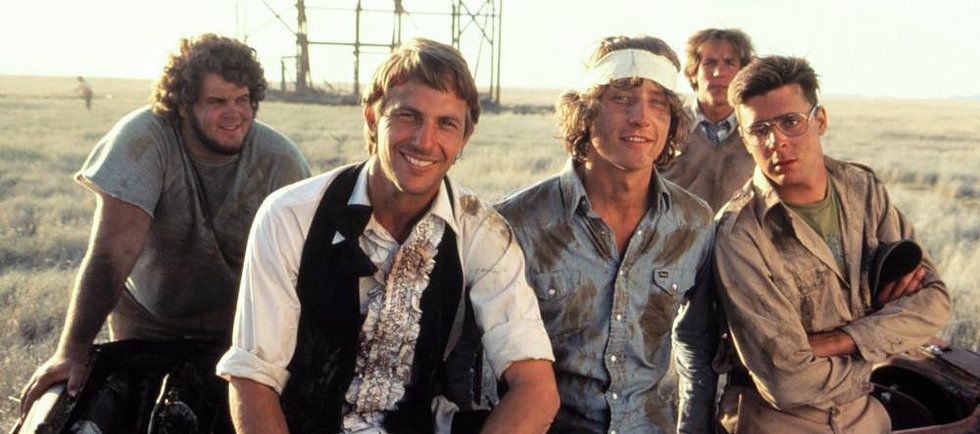
Robards with third wife Lauren Bacall and baby Sam in 1962Sam Robards (middle) with the cast of 1985’s Fandango, which includes Kevin Costner and Judd Nelson
In honor of Robards’ 100th birthday, here are some of his most memorable roles, along with a few personal favorites.
A Thousand Clowns
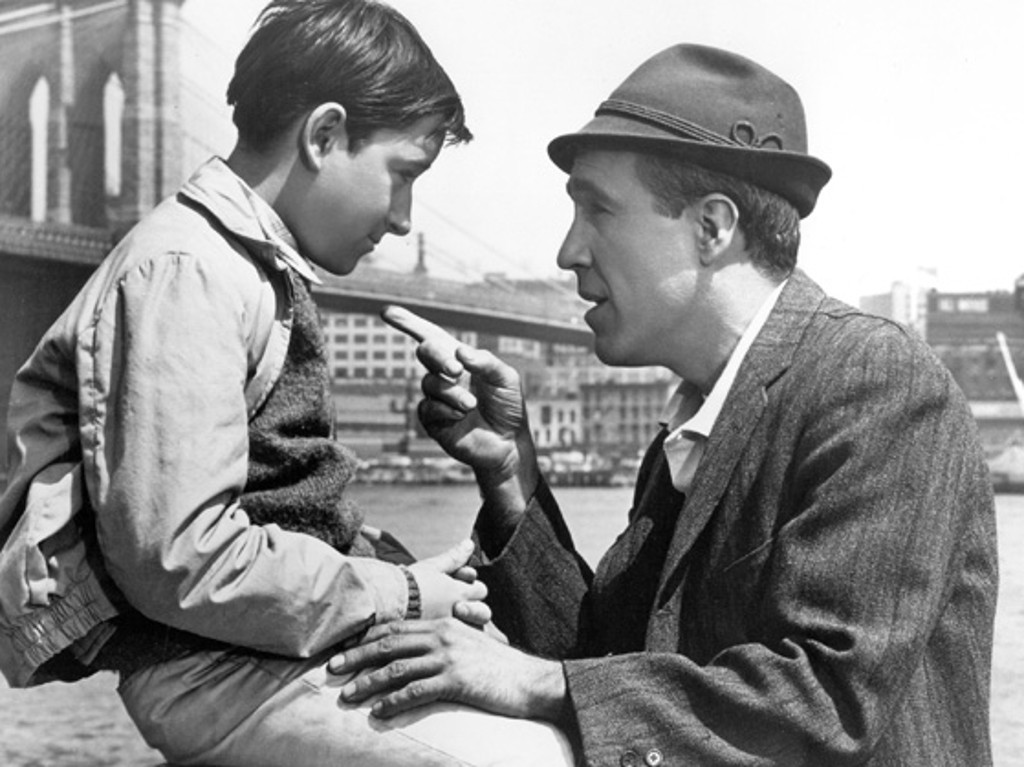
Robards with Barry Gordon in A Thousand Clowns
The film that made Robards a star, A Thousand Clowns is the story of unemployed comedy writer Murray Burns, who must stifle his nonconformist worldview in order to maintain legal custody of his nephew Nick. Based on the Tony-winning play by Herb Gardner (Robards and Barry Gordon, who plays Nick, both originated their roles on Broadway), A ThousandClowns was nominated for four Oscars (it won one, Best Supporting Actor for Martin Balsam, who plays Murray’s more conventional brother Arnold) and while Robards himself was not nominated, he did receive a Golden Globe nod (he lost to Cat Ballou‘s Lee Marvin).
Once Upon a Time in the West
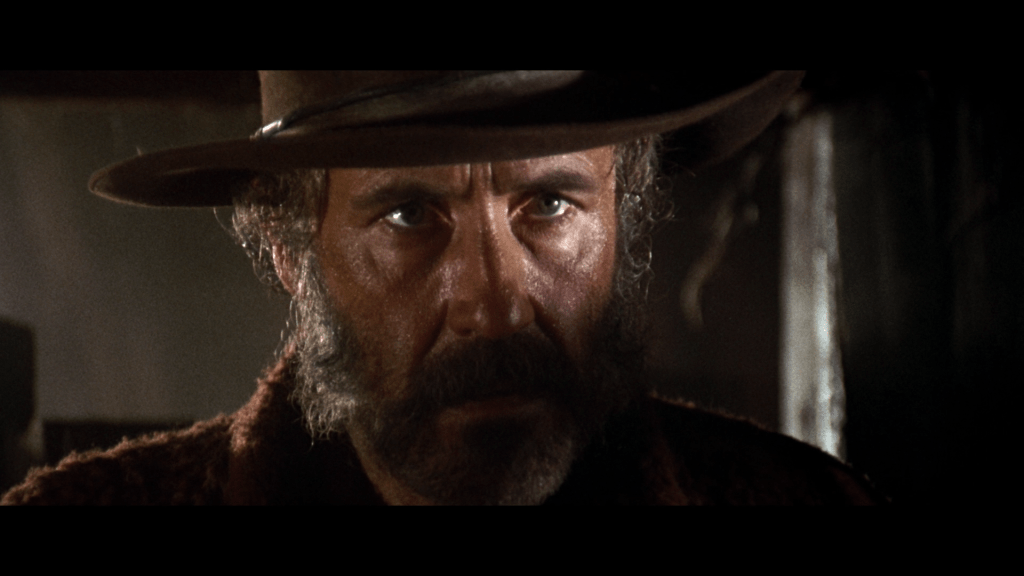
The fact that Robards plays a character named Manuel “Cheyenne” Gutiérrez is obviously problematic, but he still entertains in Sergio Leone’s Spaghetti Western Once Upon a Time in the West. Robards stars opposite Henry Fonda and Charles Bronson in this 1968 epic, generally considered one of the greatest westerns of all time (the iconic score by Ennio Morricone doesn’t hurt either).
Tora! Tora! Tora!
This 1970 dramatization of the Japanese attack on Pearl Harbor reunited Robards with his A Thousand Clowns co-star Martin Balsam. Robards portrayed General Walter Short, the commander of the US Army Forces in Hawaii at the time who took much of the blame for the security failure. The film was a box office disappointment but was nominated for five Academy Awards.
All the President’s Men
One of my all-time favorite movies, All the President’s Men is a marvel from start to finish: from William Goldman’s brilliant Oscar-winning script to Alan J. Pakula’s taut direction to the dazzling performances. All the President’s Men was nominated for eight Academy Awards and won four; Robards earned his first Best Supporting Actor Oscar for his portrayal of no-nonsense Washington Post editor Ben Bradlee.
Unrelated, but how fucking adorable is Tatum O’Neal?
Julia
The following year, Robards played another historical figure, legendary mystery writer Dashiell Hammett, in Fred Zinneman’s Julia. Based on a chapter from Lillian Hellmann’s 1973 book Pentimento: A Book of Portraits, Julia generated a fair amount of controversy (loooooooong story short, psychiatrist Muriel Gardiner claimed the story was based on her life and no one has been able to corroborate the existence of another person who could be Hellmann’s supposed childhood friend). Nonetheless, Julia received eleven Academy Award nominations – the most for any film that year – and won three Oscars: Best Screenplay, Best Supporting Actress for Vanessa Redgrave, and Best Supporting Actor for Robards. With this win, Robards became part of an exclusive group: actors with back-to-back Academy Awards. Only four other actors have accomplished this feat in Oscar history (for the record: Luise Rainer, Spencer Tracy, Katharine Hepburn, and Tom Hanks).
Fun fact: Meryl Streep made her film debut in Julia
By the way, if you’re a history nerd like me, I recommend this video that breaks down the Julia controversy in more detail:
Melvin and Howard
Robards earned his third and final Oscar nomination for his portrayal of eccentric billionaire Howard Hughes (whose middle name was Robard, if you can believe that) in Jonathan Demme’s delightful Melvin and Howard. He lost to Ordinary People‘s Timothy Hutton (fun fact: Hutton, who was twenty at the time, is the youngest Best Supporting Actor winner ever), but Robards make the most of his brief screen time to deliver another iconic performance.
Max Dugan Returns
This 1983 dramedy was the last of five movie collaborations between writer Neil Simon and director Herbert Ross, as well as Simon’s final film with Marsha Mason (the pair divorced that year). Robards plays the titular character, the long-lost dad to Nora (Mason). Max is looking to unload some money he embezzled by lavishing Nora and her teenage son Michael with gifts. Things get complicated when Nora begins dating a police detective. Max Dugan Returns is not the best of the Simon-Ross-Mason oeuvre – that’d be 1977’s The Goodbye Girl – but Robards is inarguably the highlight of the movie.
Fun fact: Matthew Broderick (seen here with Robards and Marsha Mason) made his movie debut in Max Dugan Returns. That same year, Broderick won a Tony for Best Featured Actor in a Play for Neil Simon’s Brighton Beach Memoirs and achieved film stardom with the release of WarGames (a Peanut Butter and Julie favorite).
The Day After
One of the most terrifying films of the Gen-X era is this 1983 made-for-television movie, which traumatized us with graphic depictions of a nuclear apocalypse. An estimated 100 million people watched The Day After (it still sits in the top 20 most-watched broadcasts of all time), which starred Robards as Dr. Russell Oakes. The Day After received a whopping twelve nominations at the 36th Primetime Emmy Awards.
Inherit the Wind
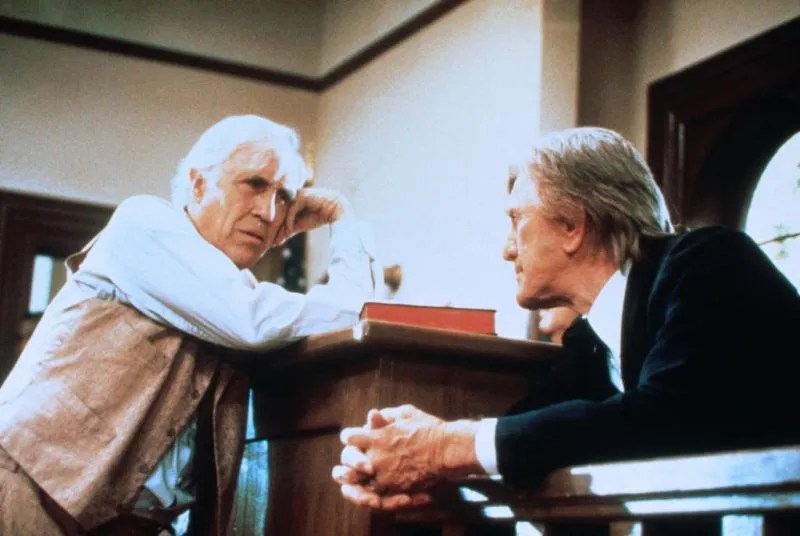
Inherit the Wind, the beloved 1955 play by Jerome Lawrence and Robert E. Lee, used the 1925 Scopes “Monkey” Trial as a parable for the dangers of McCarthyism. This 1988 made-for-television update starred Robards as Henry Drummond (the fictional counterpart to Scopes’ defense attorney – and leading member of the ACLU – Clarence Darrow) and earned him the Emmy Award that completed his Triple Crown.
Parenthood
Parenthood is another personal favorite, a poignant comedy about the peaks and pitfalls of parenthood with a brilliant cast including Steve Martin, Mary Steenburgen, Dianne Wiest, Rick Moranis, and Tom Hulce. Robards plays Frank, the emotionally distant patriarch of the Buckman clan. When the youngest Buckman (Hulce) – Frank’s obvious favorite child – comes back to town with a kid in tow and thousands in gambling debts, Frank finds himself with some difficult decisions to make. This scene is one of the film’s best, with director Ron Howard getting out of the way and letting these two legends do their thing.
Enemy of the State
Enemy of the State is one of my all-time guiltless pleasures, a shamelessly entertaining political thriller anchored by terrific performances from Will Smith, Gene Hackman, and Regina King. Robards, in an uncredited cameo, plays Congressman Phillip Hammersley, whose assassination at the direction of a power-hungry NSA official (Jon Voight) kicks off the film’s plot.
Magnolia
Robards, his body already ravaged by cancer, made his final film appearance in Paul Thomas Anderson’s Magnolia. Robards plays cancer-stricken Earl Partridge, who is being cared for by a nurse named Phil Parma (Philip Seymour Hoffman). The scenes with Robards and Hoffman are my favorite in the film, made all the more bittersweet now that both actors have passed away. After Robards’ death, Hoffman wrote a touching tribute for Entertainment Weekly.
































 PB & Julie + Julie C. Trivia